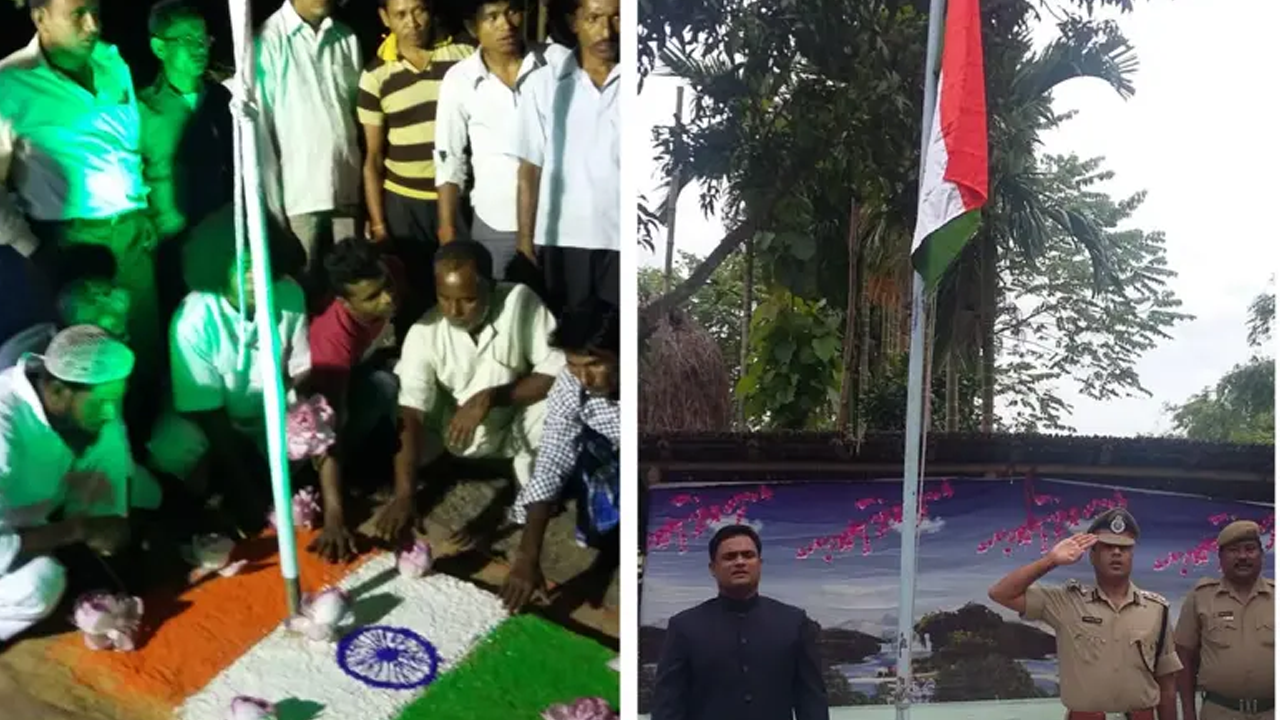
The 2026 West Bengal assembly election has concluded, drawing attention to the political and social transformation of former enclave residents in Cooch Behar. These communities, once stateless and deprived of basic services, became Indian citizens after the 2015 land boundary agreement between India and Bangladesh, which exchanged 162 enclaves. Villages like Poaturkuthi and Mashaldanga now have electricity, roads, and schools, but residents say many promises remain unfulfilled.
Interviews with villagers reveal frustration over incomplete land ownership documentation, limited job opportunities, and the rise of political divisions. Once united in their struggle for citizenship, former enclave residents are now split among parties such as the Trinamool Congress, BJP, and left groups. Some attribute this division to local political pressure and personal interests, while others lament the loss of unity that once defined their movement.
Community leaders and residents express that despite improvements in infrastructure, the expected social and economic benefits have not fully materialized. The story of these former enclaves reflects both progress and disillusionment in the post-exchange years.