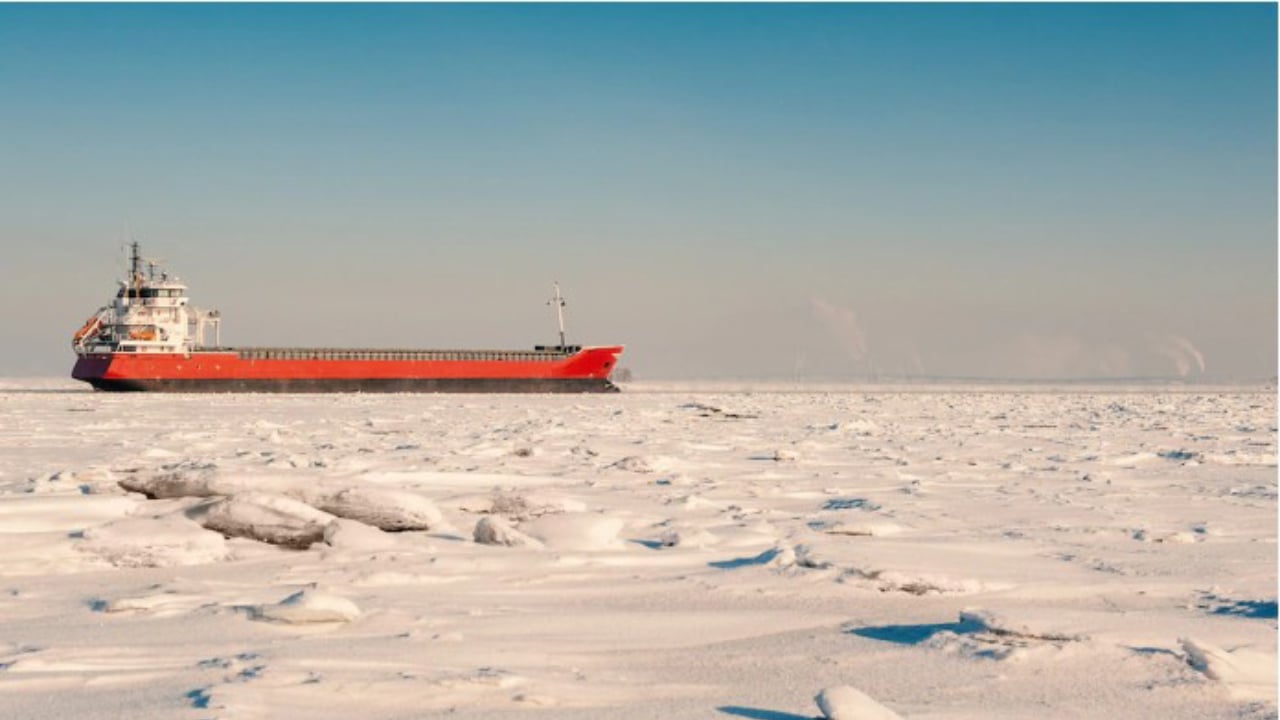
China is advancing an Arctic maritime trade route to Europe, known as the Arctic Silk Road, using the Northern Sea Route along Russia’s northern coast. A report published on August 13, 2026 said Chinese shipping company Sea Legend is moving to establish regular container services from Ningbo in China to Felixstowe in the United Kingdom. Under favorable conditions, the voyage could take about half the time of the conventional route through the Suez Canal.
Analysts say melting Arctic ice is gradually creating commercial opportunities for the route. The Northern Sea Route could reduce the Asia-Europe journey by about 30 to 40 percent compared with established shipping routes. China sees the passage as a strategic alternative if the Suez Canal, Red Sea or other major sea lanes face disruption from war, political tensions or security crises. Recent tensions in the Red Sea and parts of the Middle East have disrupted international shipping and increased interest in alternative routes.
Russia is also seeking to expand use of the Northern Sea Route, with its oil exports to Asia via the passage rising significantly this year. Major constraints remain, including harsh Arctic weather, seasonal sea ice, and the need for specialized vessels, advanced navigation and rescue infrastructure. Environmentalists have raised concerns that increased shipping could add pressure on the region’s environment and biodiversity.