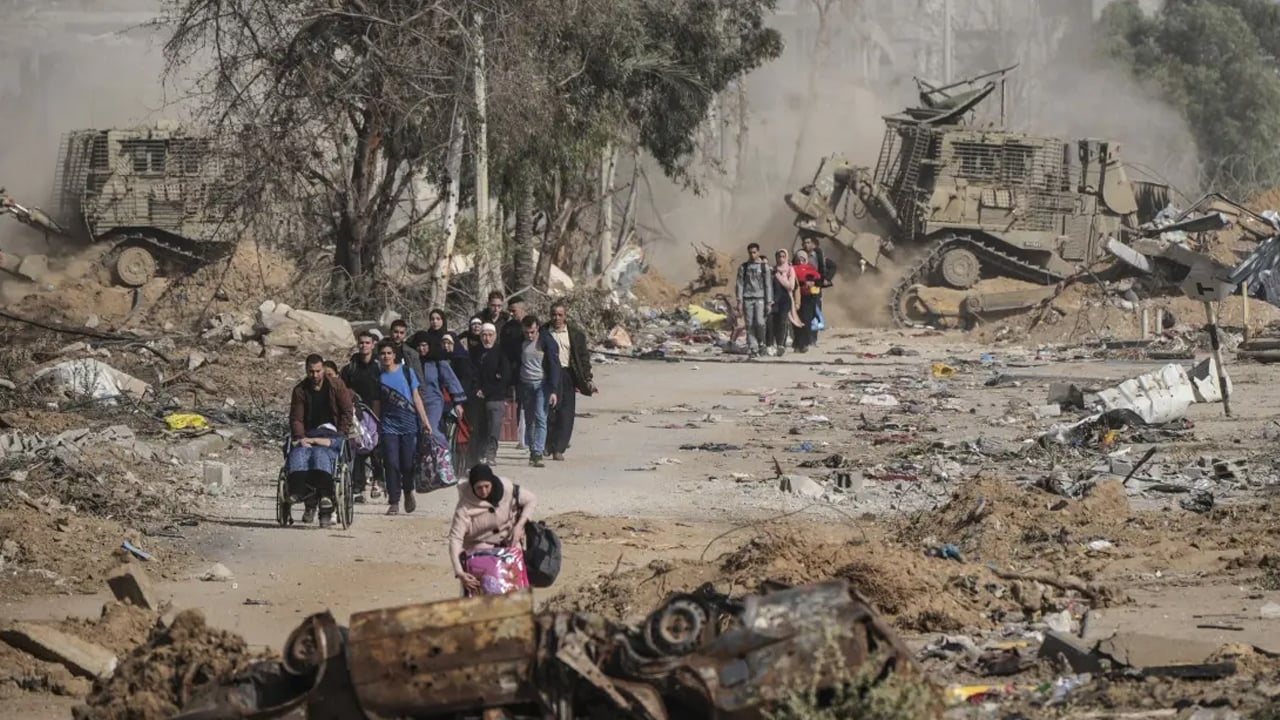
Analysts are closely watching how the Middle East’s geopolitical and security landscape will evolve in 2026. The region faces multiple flashpoints, including a fragile ceasefire between Israel and Iran, renewed fears of Israeli military operations in Gaza, challenges confronting Syria’s post-Assad government, and intensifying competition between Saudi Arabia and the United Arab Emirates over influence in Sudan and Yemen.
The Israel-Iran truce, brokered by the United States after a 12-day war in June 2025, remains unstable amid concerns over Iran’s missile drills and Israeli pressure for renewed strikes. In Gaza, Israel has violated the October ceasefire more than 730 times, killing over 400 Palestinians, raising doubts about the durability of peace efforts. Meanwhile, Syria’s new government under President Ahmed al-Sharar faces internal and external threats, with its stability depending on Gulf, Turkish, and European support.
Analysts also highlight growing Saudi-UAE rivalry, with both backing opposing factions in Sudan and Yemen. This competition could deepen rifts between the two Gulf powers despite U.S. efforts to mediate. The overall regional outlook remains uncertain as multiple conflicts threaten to reshape alliances and power balances.