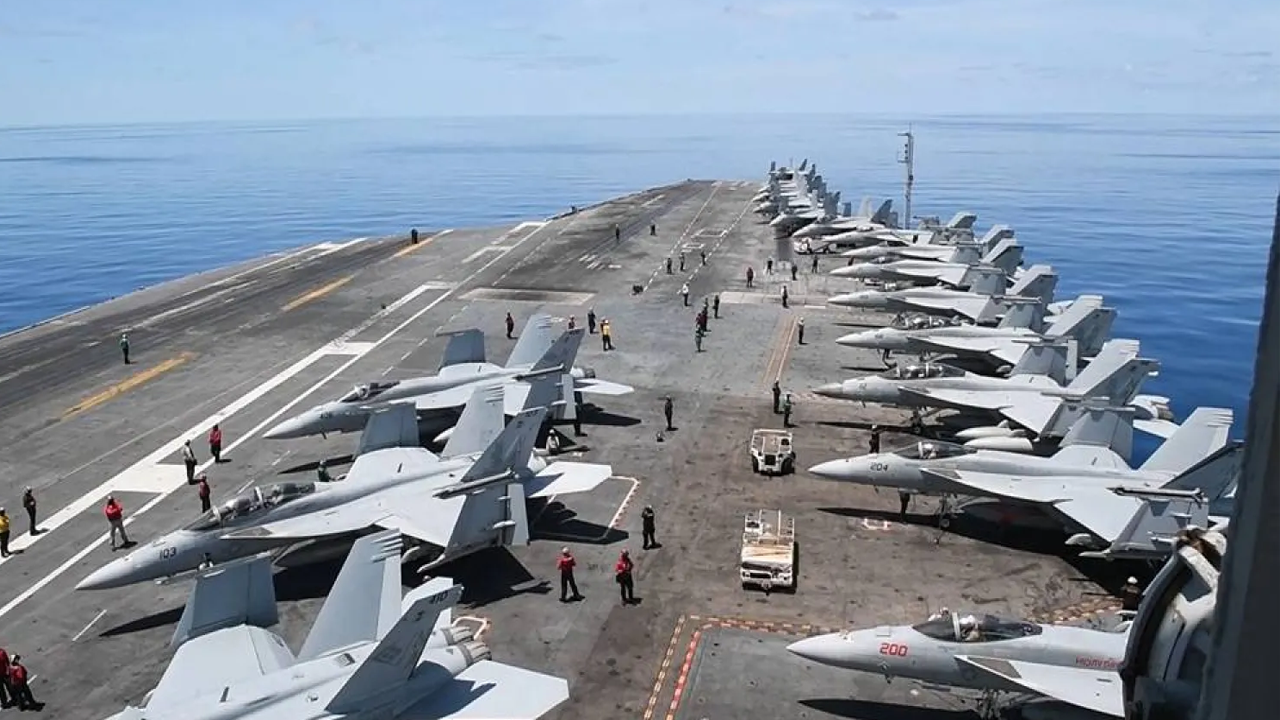
Questions are rising over why the United States, despite being a global military and economic superpower, has been unable to swiftly end its ongoing war with Iran. Analysts suggest that while the balance of visible power appears one-sided, the reality is far more complex. Iran, though militarily weaker, is exploiting strategic advantages that have turned the conflict into a major challenge for Washington.
One key factor is Iran’s control over the Strait of Hormuz, a vital global energy route through which massive volumes of oil are transported daily. By threatening to restrict or close this passage, Tehran has demonstrated its ability to disrupt global markets. Analysts note that any U.S. military attempt to reopen the strait could trigger Iranian retaliation and escalate the conflict, posing political risks for President Donald Trump. Deploying ground troops would also increase U.S. casualties and domestic political pressure.
Experts warn that without an effective diplomatic resolution, the conflict could become prolonged and further destabilize the global economy, as both sides engage in a test of strategic endurance rather than direct military confrontation.