

The ‘1 Nojor’ media platform is now live in beta, inviting users to explore and provide feedback as we continue to refine the experience.
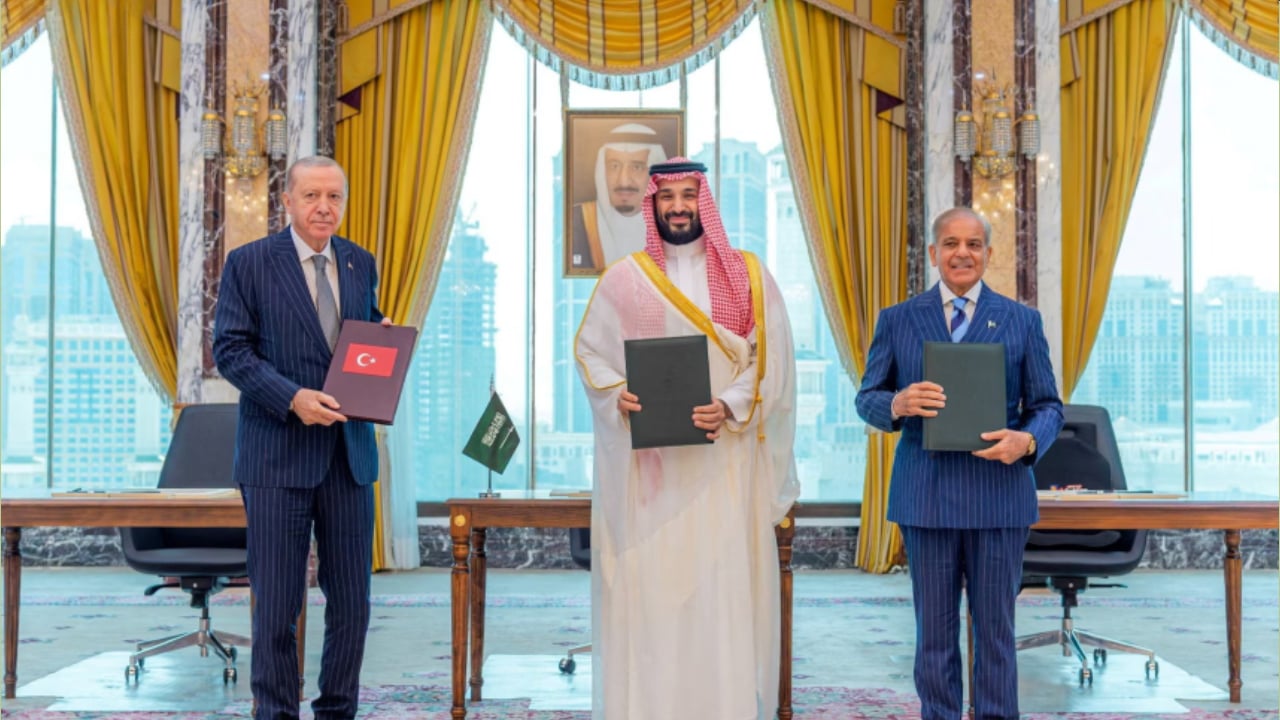
A commentary attributed to Turkish journalist, researcher and academic Ardan Zenturk examines the “Mecca Pact,” described as a joint defence agreement signed in Mecca on 7 August by Turkey, Pakistan and Saudi Arabia. It says the alliance remains open to additional members and portrays Bangladesh as among the Muslim-majority countries that responded positively soon after its announcement. The article argues that Bangladesh may view joining the pact as a starting point for redefining its geopolitical position. The article says Turkey has supported Egypt’s potential accession and that trilateral discussions have taken place, while noting Egypt’s economic ties with the United Arab Emirates could delay such a move. It presents Saudi Arabia as important to Bangladesh for manpower, the economy, energy security and religious reasons. Turkey is described as a potential supplier of modern defence equipment, while Pakistan-Bangladesh trade, diplomatic and military contacts are said to have expanded after August 2024. The commentary contends that closer Bangladesh ties with Saudi Arabia, Pakistan and Turkey would concern India, Israel and a US-centred strategic axis. It also notes China’s deep involvement in Bangladesh’s defence and infrastructure sectors. The author cautions that not all expectations may be realised, but argues membership in the pact could place Bangladesh in a substantially different geopolitical position.
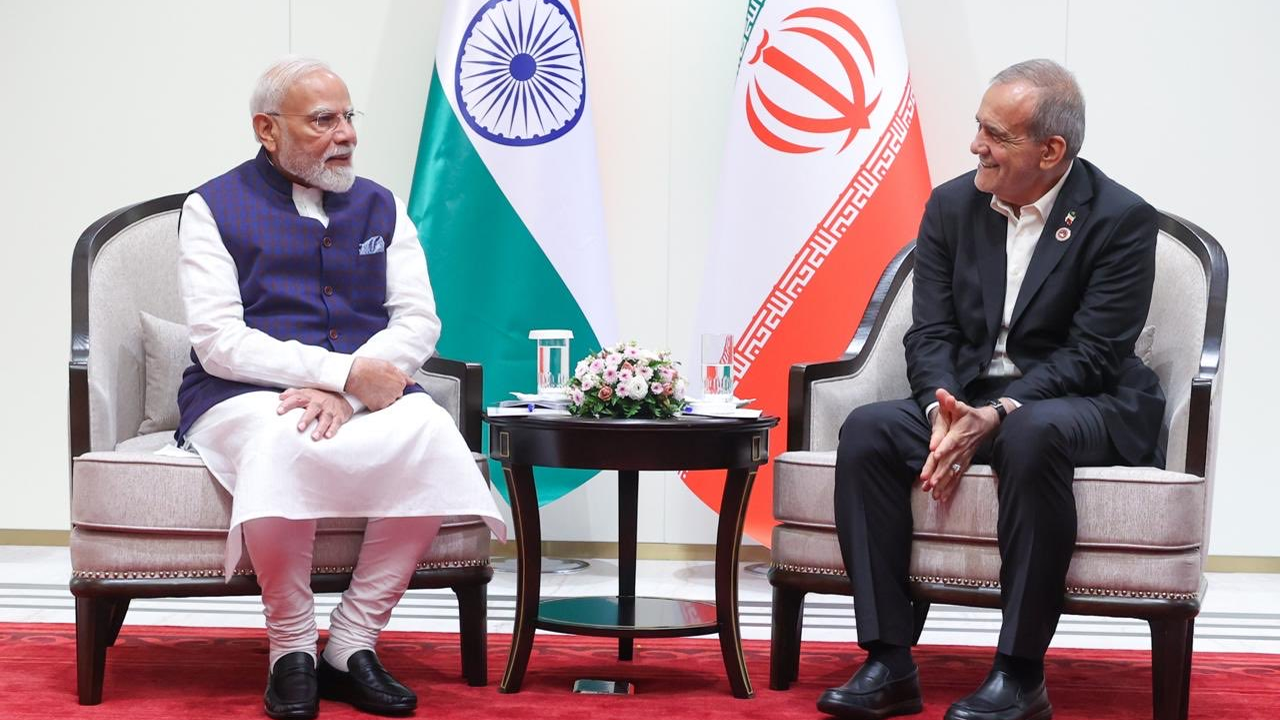
Indian Prime Minister Narendra Modi said India wants to expand and diversify trade with Iran during a meeting with Iranian President Masoud Pezeshkian in Bishkek, Kyrgyzstan. The meeting came seven days after the United States launched an economic campaign targeting Iran, increasing pressure on its military activities, energy and petrochemical trade and creating sanctions risks for foreign businesses dealing with Tehran. In a post on X, Modi reaffirmed India’s commitment to strengthening its long-standing friendship with Iran across sectors. He also said India would support all efforts aimed at securing lasting peace. The leaders discussed the regional situation in their first in-person meeting since the US-Iran conflict began six months earlier. Foreign Secretary Vikram Misri said New Delhi was exploring feasible new trade opportunities within existing constraints, including financing, insurance, transport and logistics. Bilateral trade fell from $17.03 billion in 2018-19 to $1.63 billion in 2025-26. India is also consulting stakeholders on a sustainable path for Chabahar port after its US sanctions exemption expired on April 26.
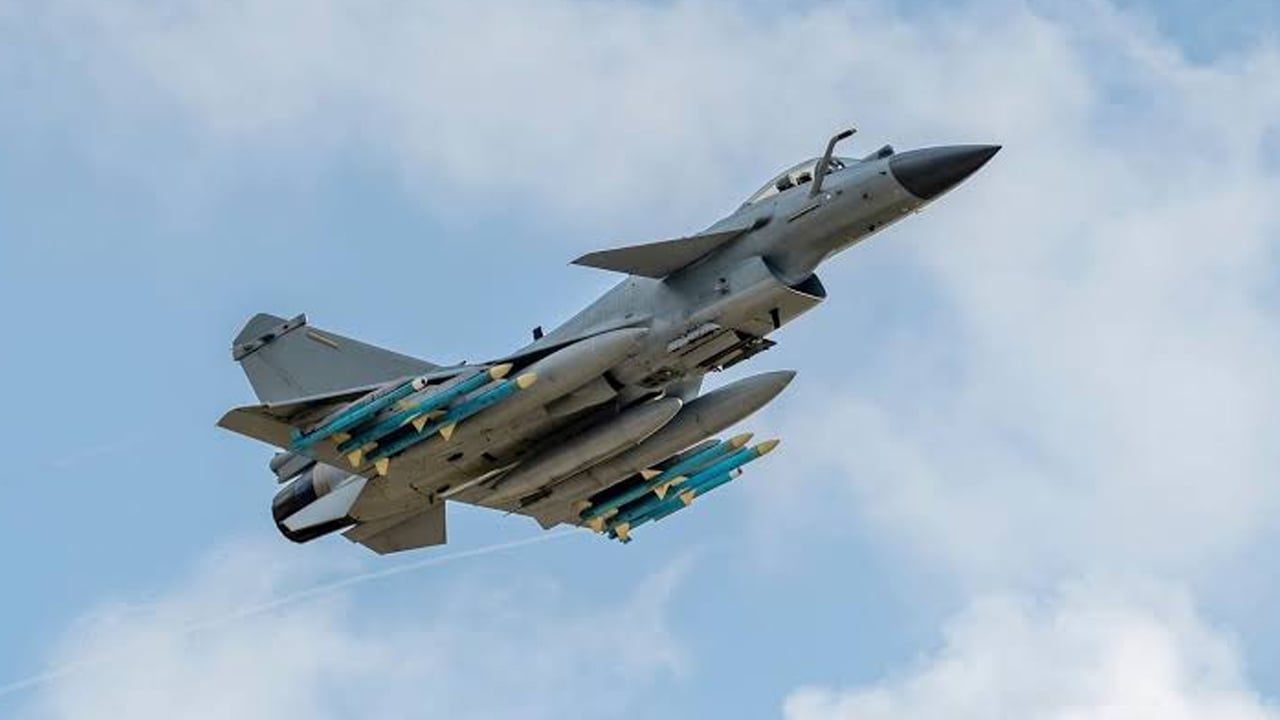
Prime Minister’s Information and Broadcasting Adviser Dr. Jahed Ur Rahman said on Tuesday that buying J-10 fighter jets from China is part of the government’s specific plan to acquire modern multirole aircraft. Speaking at a Secretariat press briefing on progress in government activities, he said options from the United States, Europe and China had been considered, with the Chinese option appearing comparatively advantageous for Bangladesh. He said aircraft with similar capabilities could be bought at much lower cost, potentially less than half and close to one-third of the cost of alternatives from the United States and Europe. He also said the Bangladesh Air Force has only a small number of MiG-29 aircraft, which are not fully operational, while its F-7 fighters are very old. Rahman said the purchase of modern multirole fighters is included in the Forces Goal and was not a sudden decision. He said the government would remain alert to corruption allegations, citing past allegations and cases surrounding MiG-29 purchases. On a question about a reported new Boeing agreement with the United States, he said the government had not announced anything and would disclose any such agreement.
Dhaka South City Corporation Administrator and freedom fighter Md Abdus Salam said eviction drives against businesses occupying sidewalks will continue, with legal action and possible arrests for those who return after removal. He made the remarks on Tuesday, September 1, during an operation from Bakshibazar to Chankharpul in the capital. The operation was part of DSCC activities on cleanliness, revenue collection and mosquito control. Salam said most people would initially receive warnings and time to comply. If they fail to clean their premises or do not remain in accordance with legal requirements within that period, the corporation will be compelled to take legal measures. Authorities will instruct relevant people to keep roads and sidewalks clean along the Bakshibazar-Chankharpul route and ask sidewalk businesses to leave those spaces. Businesses without trade licences will be requested to obtain them, while those with unrenewed licences will be asked to renew them. Salam said the corporation does not want to take action if people voluntarily follow the law, and sought residents’ cooperation as mosquito control, health and sanitation staff work in the area.
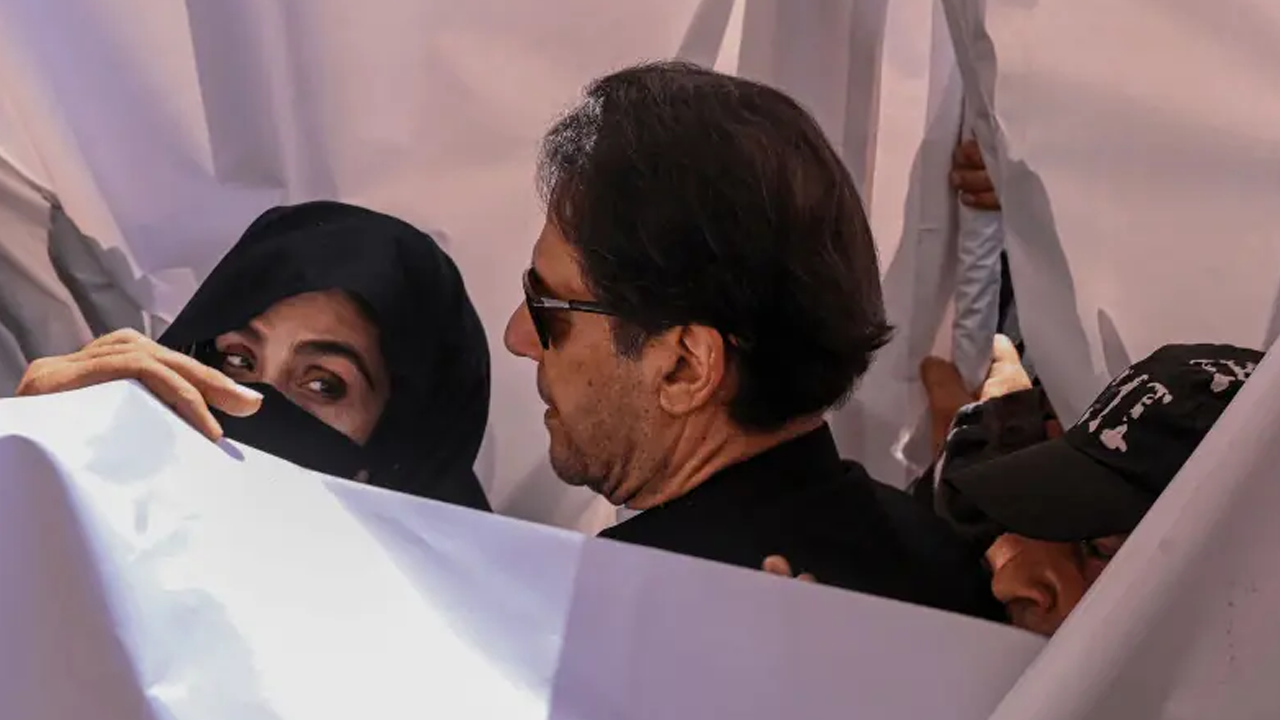
The Islamabad High Court has ordered Adiala Jail authorities not to keep former Pakistani prime minister and PTI founder Imran Khan and his wife, Bushra Bibi, in solitary confinement. In its Monday ruling, Justice Khadim Hussain Somro declared petitions alleging their isolation maintainable and directed prison officials to arrange meetings between the couple under jail rules. The court also ordered that Imran’s family members be allowed to meet him according to regulations and that he be enabled to speak by phone with his two sons. It said the phone permission should be withdrawn if recordings of those conversations are used for political purposes. Imran must receive newspapers and books daily, while medical care must be ensured under applicable prison rules. The jail superintendent was specifically directed to ensure Bushra is not held in solitary confinement and to submit an implementation report within 15 days. The petitions were filed by Imran’s sister Aleema Khan and Bushra’s daughter Mushabbara Khawar Maneka. Authorities had denied solitary confinement, citing security risks, while PTI rejected the information ministry’s assertions that Imran has adequate prison facilities.
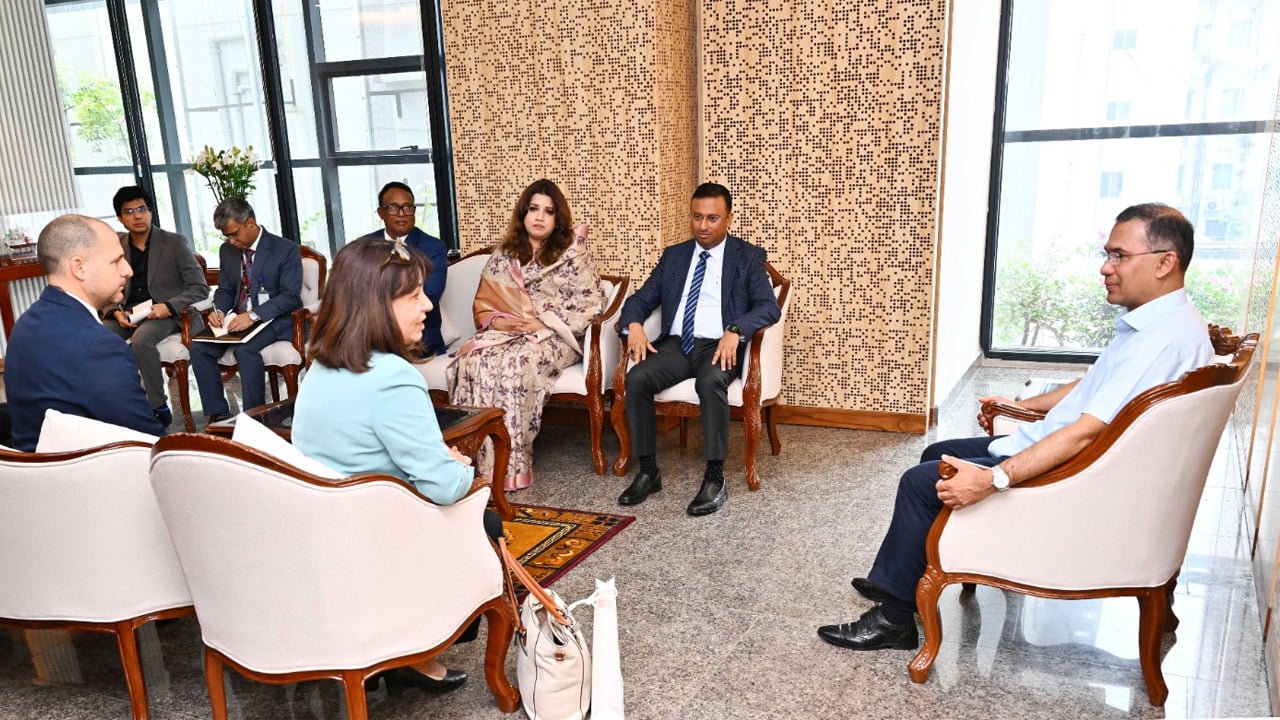
Prime Minister Tarique Rahman held a courtesy meeting with Inter-Parliamentary Union Secretary Anda Philip on Tuesday afternoon at the Prime Minister’s Office in the Secretariat in the capital. Philip praised Rahman’s leadership and said his regular attendance at National Parliament sessions conveyed a strong commitment to parliamentary democracy. Rahman said the country had restored democracy after a long struggle and that the February 12 election had helped facilitate a democratic path. He said the government was committed to protecting every citizen’s constitutional rights and ensuring essential public services. He also described women’s empowerment as a government priority. Philip said he had read the BNP election manifesto and praised its education initiatives and community-based programmes. He expressed interest in stronger experience-sharing and cooperation between the IPU and Bangladesh’s National Parliament. Philip hoped the Speaker’s participation in the IPU’s 153rd Assembly in Tanzania would deepen ties. Rahman said the government planned free education for women through honours level, stipends for female students, and a Family Card project aimed at women’s financial independence and greater household decision-making participation.
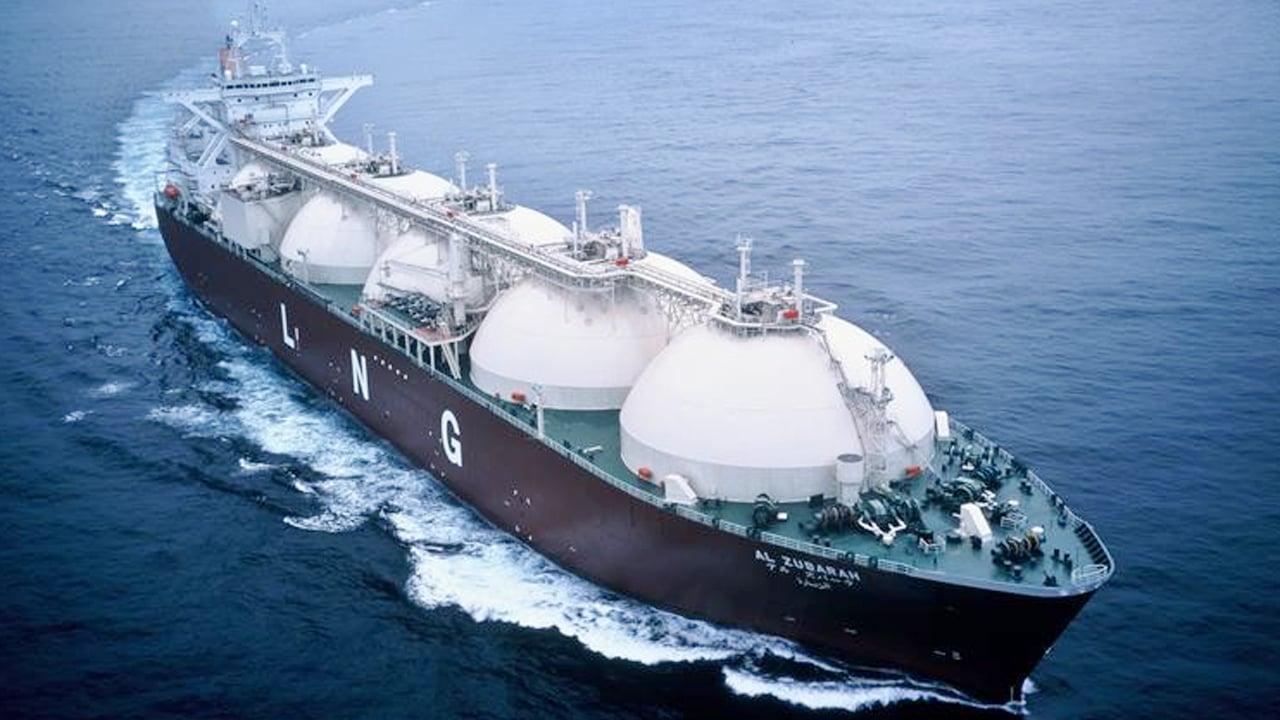
QatarEnergy will be unable to supply liquefied natural gas to Bangladesh beyond September because shipping through the Strait of Hormuz remains disrupted. The company has extended force majeure relief from its contractual obligations for Bangladesh, citing circumstances beyond its control, according to Doha News reports based on Bloomberg and Reuters. Pakistan has also been informed that LNG cargoes will be cancelled through October, while several European buyers received similar notices. Italy’s energy company Edison said on Friday that QatarEnergy had notified it of the suspension of five additional LNG cargoes. Those shipments had been scheduled to arrive at Italy’s Adriatic LNG terminal between late September and early November. QatarEnergy suspended LNG operations and declared force majeure on March 4 after war began between the United States and Iran. The suspension has been repeatedly extended as navigation conditions in the Strait of Hormuz have not improved. A missile strike damaged infrastructure at QatarEnergy’s Ras Laffan facility in March, cutting Qatar’s LNG export capacity by 17%, according to Saad Sherida Al-Kaabi. ICC data cited by Euronews showed Qatar exported 18 LNG cargoes during the war’s first six months, compared with 509 a year earlier.
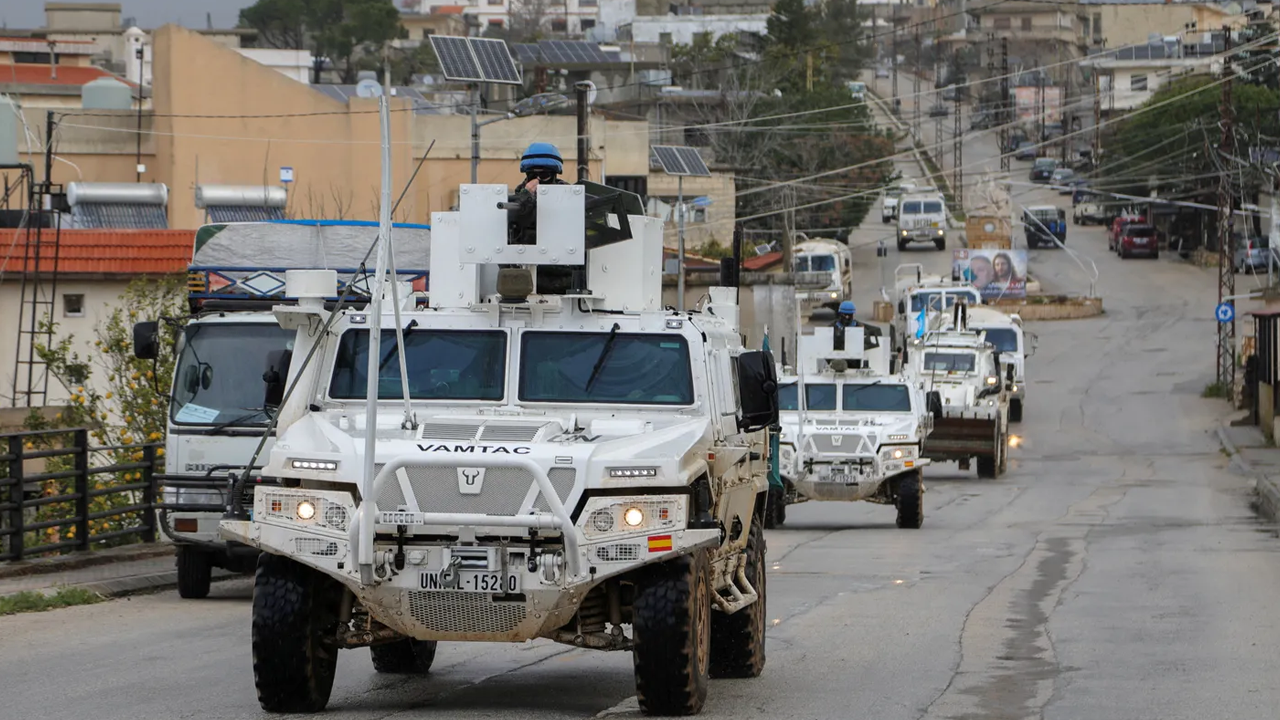
The European Union is discussing a proposed new military and civilian mission for southern Lebanon as the mandate of the UN Interim Force in Lebanon, or UNIFIL, approaches its end on December 31, 2026. The European External Action Service has proposed a three-year mission to advise and train the Lebanese Armed Forces and Internal Security Forces, including on border and maritime security. EU officials say the plan is intended to strengthen Lebanese state institutions and security structures, not directly replace UNIFIL. The discussion comes amid near-daily Israeli attacks in Lebanon, with about one-fifth of the country’s territory under occupation and around 335,000 people still displaced, according to the source. EU defence and foreign ministers meeting in Ireland this week may discuss Lebanon. EU foreign policy chief Kaja Kallas said in May that Europeans were ready to form a mission to support Lebanon’s armed forces, while expressing doubt about sending one to take over all of UNIFIL’s responsibilities. Analysts warn that UNIFIL’s departure could create a serious temporary security vacuum. UN Secretary-General Antonio Guterres presented three post-UNIFIL options in June, involving 900 to 3,000 troops, compared with about 7,000 in UNIFIL then. Observers say any new mission’s effectiveness will depend on a broader political agreement acceptable to both sides.
Nepal Prime Minister Balendra Shah has called for urgent international action on climate change after devastating flooding in the Himalayan region last week. Shah said the flooding of the Bhotekoshi River in Rasuwa was not an ordinary flood, but a major natural disaster linked to the collapse of massive snow and ice layers in the Himalayas. A glacier collapse near the China-Nepal border sent a huge flow of icy water and debris downstream, killing at least 939 people and leaving about 4,500 missing. Kathmandu said reconstruction following the disaster could cost several billion dollars. The precise cause of the glacier collapse remains unclear, though scientists say glaciers are melting faster as global temperatures rise. Shah said Nepal should raise its climate-related concerns more forcefully internationally, noting that the country contributes little to global warming but faces significant harm from its effects. UN climate chief Simon Stiell described the disaster as a stark reminder of the fragility of mountain environments. Nepal’s limited resources have already placed its economy under pressure as it responds to the disaster.
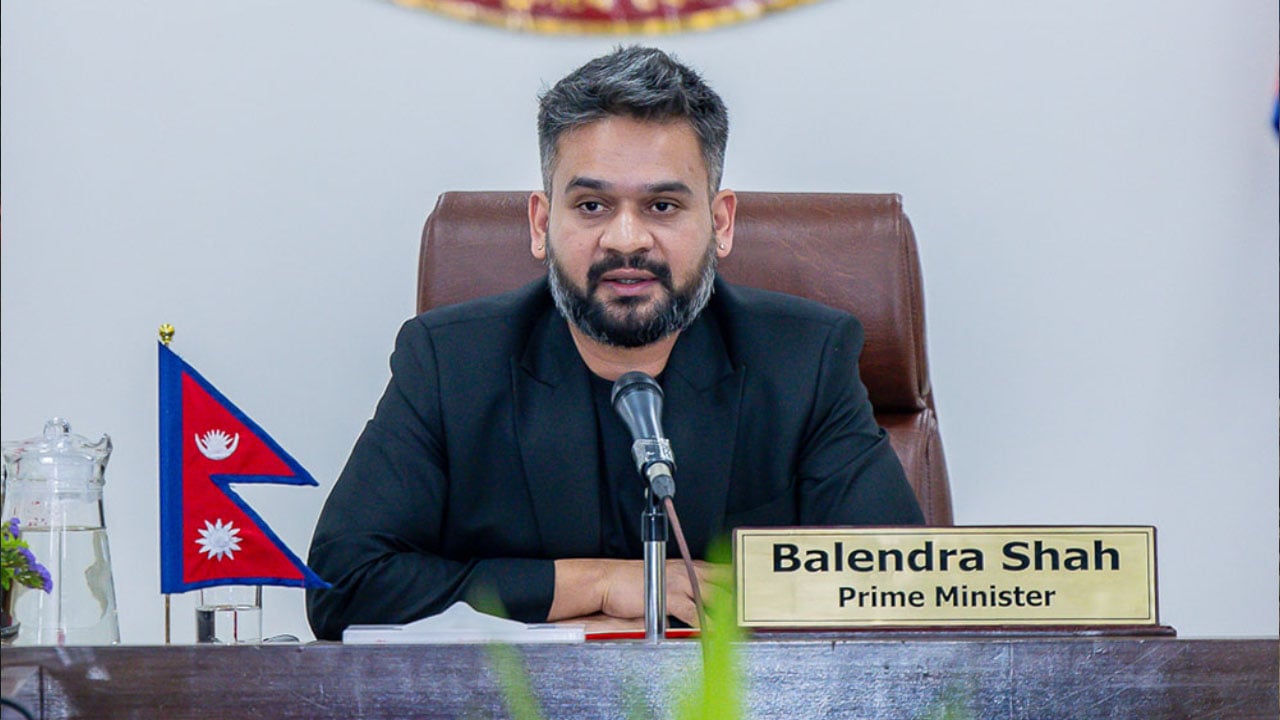
An analysis published by South Asia Monitor on August 28, 2026 describes Afghanistan’s Wakhan Corridor as a potential new frontier for China’s trade and strategic expansion. The long, narrow mountainous territory in northeastern Afghanistan covers about 5,175 square kilometres, bordered by Tajikistan to the north, Pakistan to the south and China at its eastern end. It was created as a buffer zone amid 19th-century British-Russian imperial rivalry. Before modern borders divided the area, Wakhi, Kyrgyz and Tajik communities maintained trade, pastoral, seasonal migration and cultural links across Central Asia. The article says the imposed boundaries disrupted these routes, particularly Kyrgyz access to seasonal grazing lands, while narrowing Wakhi agricultural and commercial connections. It refers to these historically marginalized groups as “ghost communities.” China’s Belt and Road Initiative has renewed attention on the corridor, according to the analysis. A possible route through Wakhan could offer China land access via Afghanistan and Pakistan toward the Arabian Sea, strengthen its economic influence in Central Asia and connect isolated communities to new infrastructure and trade systems. The article cautions that these remain potential geopolitical trends, not confirmed outcomes.
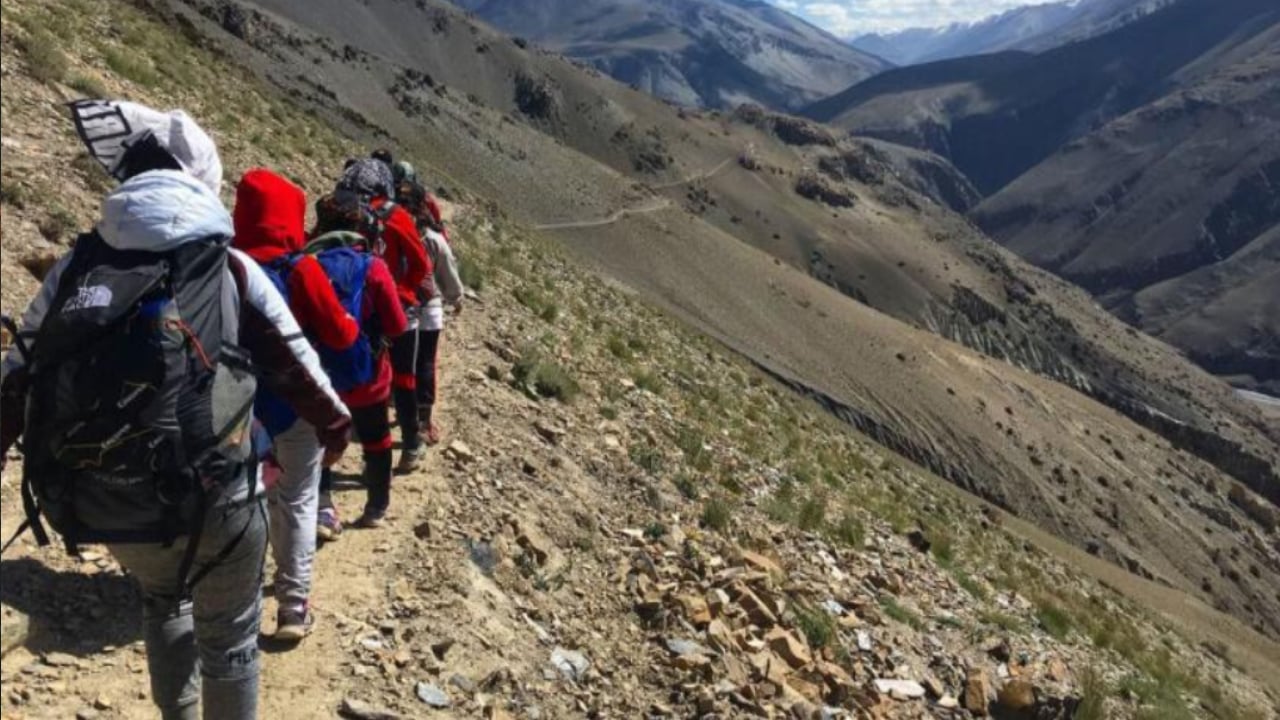
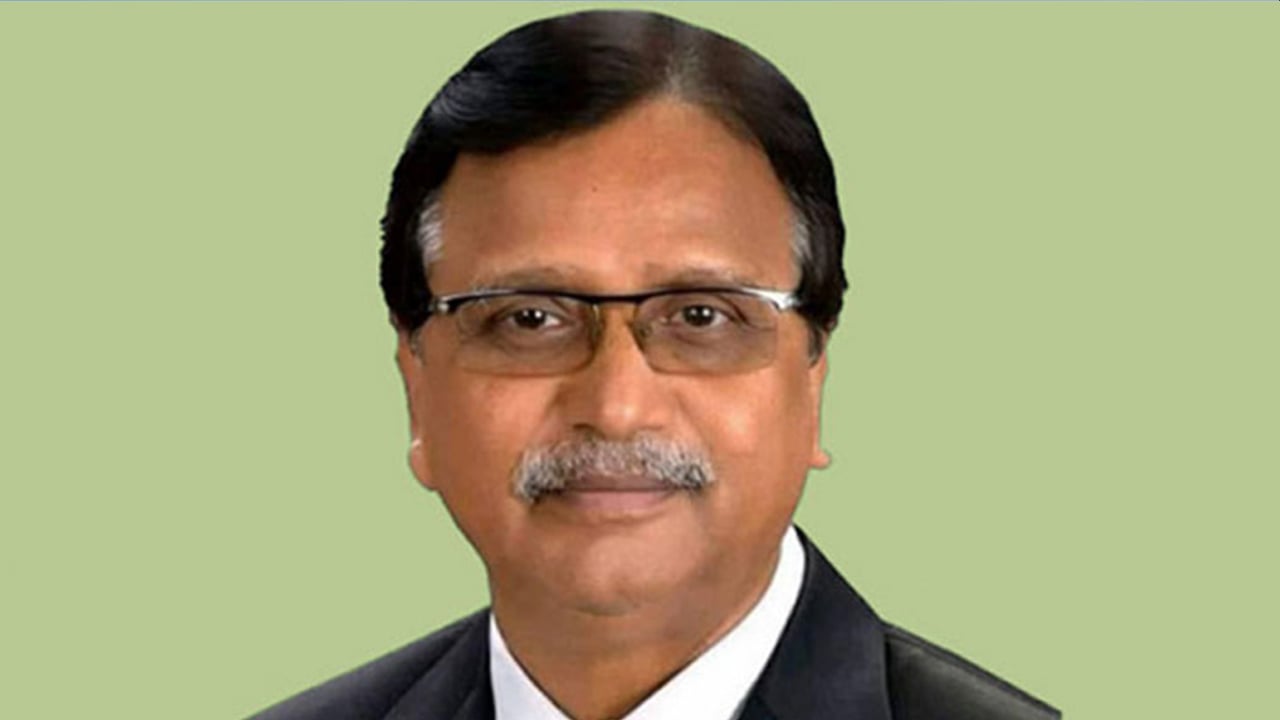
State Minister for Foreign Affairs Shama Obaed said Bangladesh will follow a “Bangladesh First” policy regarding the Mecca Pact and will make a decision after reviewing the matter. She said the government would not take any decision that could harm the country. Obaed made the remarks on Tuesday at about 11:30am while responding to journalists after a meeting with the Inter-Parliamentary Union secretary general. Addressing Bangladesh’s political situation, the state minister said parliamentary democracy has returned to the country. She said the IPU secretary general’s visit to Bangladesh would help further strengthen the country’s democratic system. Obaed also said the Inter-Parliamentary Union views Bangladesh’s young members of parliament positively. The source did not provide details of the review process for the Mecca Pact, the timing of a decision, or further information about the meeting with the IPU secretary general.

Prime Minister’s Information and Broadcasting Affairs Adviser Dr. Jahed Ur Rahman has urged people not to disclose the names of suspected individuals in the murder case of journalist couple Sagar Sarowar and Meherun Runi. Speaking at a weekly briefing at the Information Department conference centre in the Secretariat on Tuesday at 11am, he said naming people could influence the investigation and judicial process in the sensitive case. He made the remarks in response to a question after the chief prosecutor said information had been received about the possible involvement of a cultural activist. Jahed said various names were being speculated about following that statement, but he personally believed no one’s name should be made public at this stage of the investigation. The adviser said the state would conduct a formal investigation and details should be discussed only if allegations or charges are brought against someone. Preliminary information about a person’s possible involvement should not lead to them being labelled a criminal, he said. Political or social disagreements, including activity during Sheikh Hasina’s rule, should not be linked to the criminal case without proof, he added.
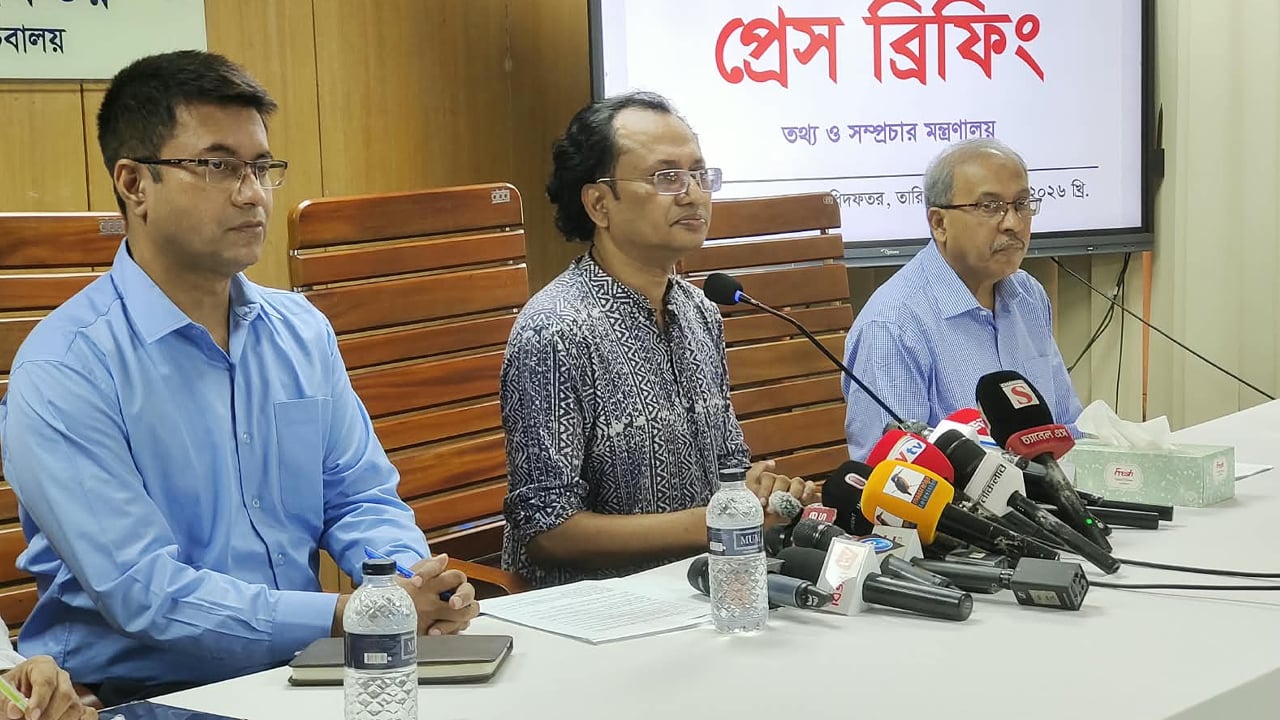
Bangladesh’s National Board of Revenue said on Tuesday, September 1, that customs intelligence officers found dismantled parts of three luxury vehicles in a container imported from Japan as “Used Spare Parts.” The shipment contained components of a Lexus LX 600, Lexus SC 430 and BMW M5, along with a Honda B18C Type R engine, Front Half/Half-cut units, tyres and other vehicle parts. The Customs Intelligence and Investigation Directorate identified the shipment after receiving confidential information, according to the NBR. Preliminary information indicates that no bill of entry was submitted for nearly a month after the container reached the port. An attempt was later made to clear the consignment through an auction process, but customs intelligence officers stopped it. Officials are examining whether the recovered vehicle components possess the “Essential Character” of complete vehicles and are also verifying the other parts. The shipment’s estimated combined market value is between Tk9.5 crore and Tk12 crore. Authorities are reviewing its import value, payment information, commercial documents and transaction pattern, including any possible links to money laundering. An investigation is also under way into those involved.

Iranian Foreign Minister Abbas Araghchi met Chinese Foreign Minister Wang Yi on the sidelines of a Shanghai Cooperation Organisation meeting in Bishkek, the capital of Kyrgyzstan. The meeting took place as the United States intensifies economic pressure and sanctions-related measures against Iran. Information about the meeting was released through the Iranian foreign minister’s Telegram channel, but no details of the discussions were disclosed. Washington has outlined a new plan aimed at tightening pressure on Iran’s economy and has increased threats of sanctions against other countries maintaining economic ties with Tehran. The United States has also called on governments around the world to join its economic campaign against Iran. China has opposed the US pressure. Beijing says it will take necessary measures to protect its interests following the new US steps. China’s position is that sanctions will not resolve the ongoing conflict; instead, Beijing has called for a ceasefire during the conflict, which has continued for six months, and warned that US sanctions could make the situation more complicated.
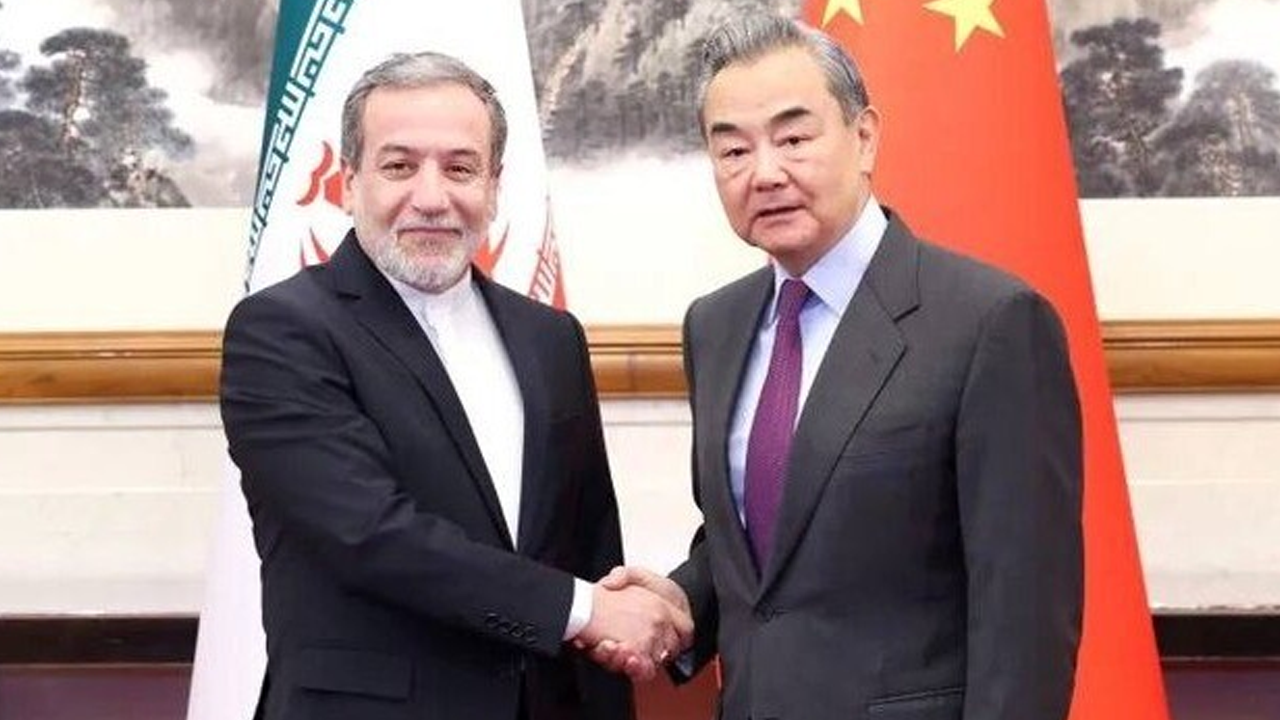
French Finance Minister Roland Lescure said France wants to continue economic pressure on Iran. In an interview with Al Jazeera, he said France would discuss Iran with the US administration and with US Treasury Secretary Scott Bessent. Lescure said France and the European Union have maintained strong economic pressure on Iran for several years. He indicated that France intends for this pressure to continue. France plans to discuss what the US administration and Bessent want to do regarding Iran. The source did not provide details on any specific measures, timeline, or outcome of the planned discussions.

The ‘1 Nojor’ media platform is now live in beta, inviting users to explore and provide feedback as we continue to refine the experience.