

The ‘1 Nojor’ media platform is now live in beta, inviting users to explore and provide feedback as we continue to refine the experience.
The Bangladeshi-flagged vessel ‘MV Banglar Joyjatra’, which had been stranded in the Persian Gulf, has finally received permission to cross the Strait of Hormuz. The ship, carrying 31 Bangladeshi sailors, resumed its journey early Wednesday morning after a ceasefire took effect. According to international tracking data, the vessel departed from Saudi Arabia’s Ras Al Khair port and was positioned off Dammam’s outer anchorage, moving at a speed of 8.3 nautical miles per hour toward Cape Town, South Africa. Chief Engineer Rashedul Hasan confirmed that the ship had loaded about 37,000 tons of fertilizer before anchoring near Dammam. Following the ceasefire, it began sailing toward Hormuz, approximately 425 nautical miles away, a distance expected to take around 40 hours to cover. The vessel had earlier been delayed due to escalating regional conflict. Tensions in the Persian Gulf began in late February after a U.S.-Israel strike on Iran triggered retaliatory attacks, prompting international authorities to classify parts of the Gulf as high-risk zones. The Bangladesh Shipping Corporation had earlier decided to withdraw the vessel from danger until safe passage was assured.

US President Donald Trump posted on Truth Social during Easter Sunday threatening to bomb Iran’s civilian infrastructure, including power plants and bridges, using vulgar language. The post prompted several Democratic lawmakers to call for invoking the 25th Amendment to remove him from office, citing his alleged incitement of an illegal war in the Middle East. Connecticut Senator Chris Murphy said he would consult constitutional lawyers if he were in Trump’s cabinet, describing the president as unbalanced and dangerous. Arizona Representative Yasmin Ansari and New Mexico’s Melanie Stansbury also urged cabinet members to act, accusing Trump of provoking war crimes and targeting civilians. Democrats have previously sought Trump’s removal, including after the January 6 Capitol attack and his attempt to seize Greenland. The 25th Amendment allows the vice president and a majority of the cabinet to transfer power if the president is deemed unfit. Analysts note that despite the calls, Trump retains strong backing from Vice President JD Vance, his cabinet, and most Republican lawmakers, making removal unlikely. A Newsweek report said prediction market data showed rising bets on the amendment’s use during Trump’s term.
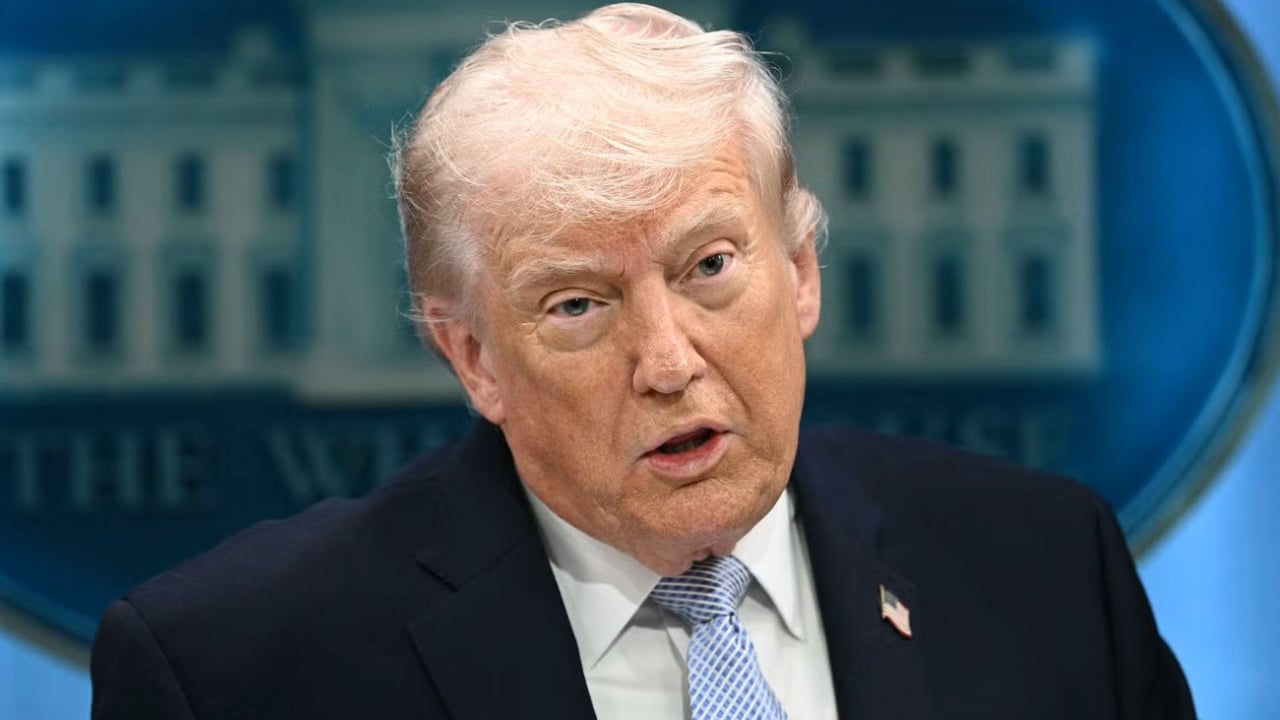
Billionaire investor Ray Dalio has warned that the ongoing Iran conflict should not be viewed as an isolated crisis. In a blog post published on April 8, 2026, he described it as part of a broader collapse in the global system, reflecting historical patterns that have preceded major wars. Dalio argued that the world is already in a form of world war encompassing military, economic, technological, and geopolitical dimensions. He cited multiple interconnected conflicts, including those involving Russia, Ukraine, Europe, the United States, Israel, Gaza, Lebanon, Syria, Yemen, Sudan, Saudi Arabia, the UAE, and Iran. According to his “Big Cycle” theory, the world is now in a phase where financial systems, political structures, and global power balances are simultaneously weakening. He compared the current stage to the pre-war periods of 1913–14 and 1938–39. Dalio suggested that China and Russia appear to be emerging as relative winners in this shifting order, while the U.S.-led post-1945 system is breaking down. He warned that conflicts are likely to intensify rather than subside, with the Iran war marking the beginning of a larger global confrontation.

Russian Foreign Ministry spokesperson Maria Zakharova claimed that the United States and Israel suffered a 'miserable defeat' following what she described as an unprovoked and unilateral aggressive attack on Iran on February 28. She made the remarks in an interview with Sputnik Radio, emphasizing that Russia had opposed the attack from the outset and had called for an immediate halt to the aggression. Zakharova reiterated that there is no military solution to the current situation and that diplomatic engagement remains the only effective way to resolve the crisis. Her comments reflect Moscow’s continued criticism of Western and Israeli actions in the region and its advocacy for diplomatic approaches over military confrontation. The statement underscores Russia’s positioning as a vocal opponent of military escalation in the Middle East and its support for diplomatic conflict resolution.

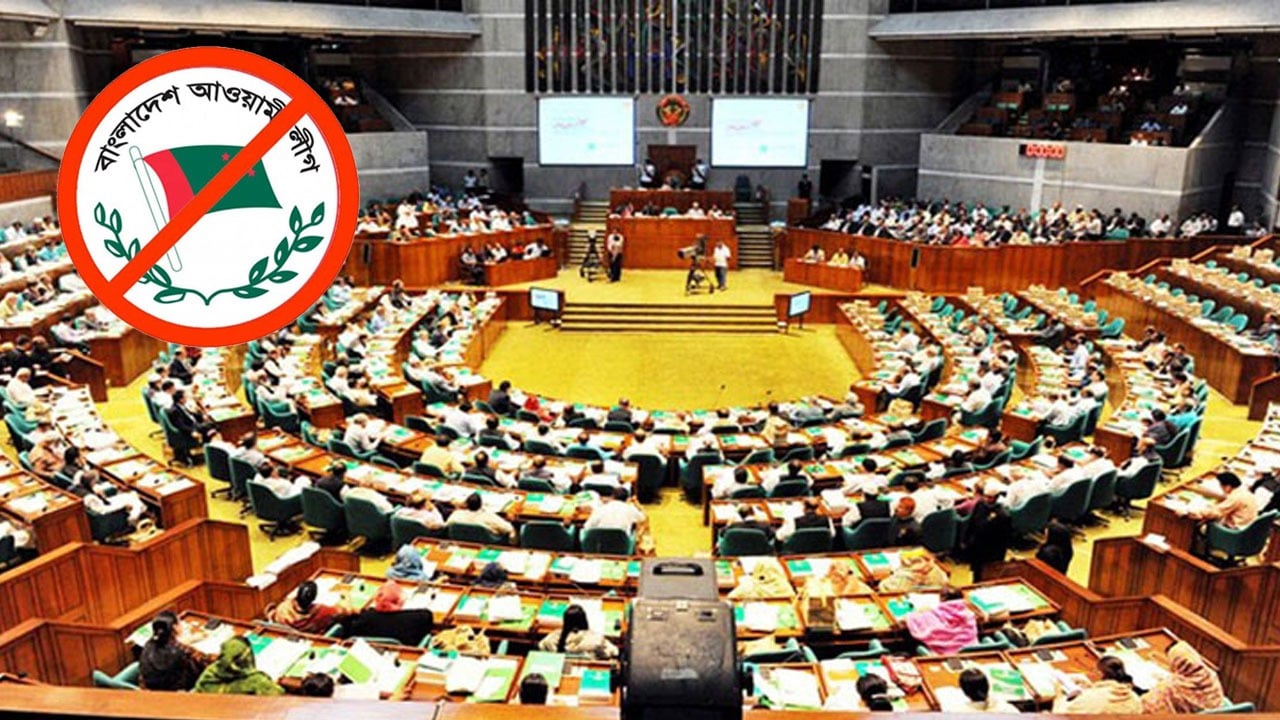
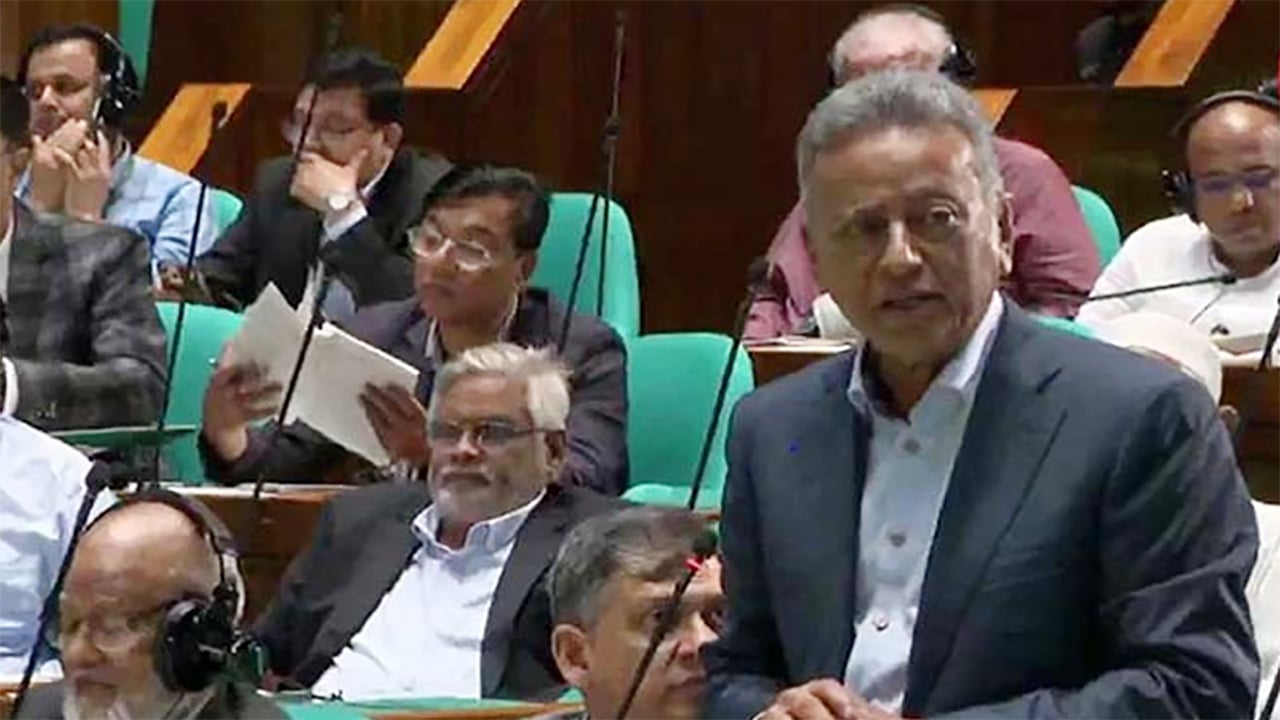
The 13th National Parliament of Bangladesh has passed the Anti-Terrorism (Amendment) Bill 2026, maintaining the ban on Awami League activities imposed during the interim government. The bill, introduced by Home Minister Salahuddin Ahmed, was approved by voice vote on Wednesday, April 8. The amendment mirrors the earlier ordinance issued under the interim administration, without adding new punitive provisions for conducting banned activities. During the session, Speaker Hafiz Uddin Ahmed allowed the Home Minister to present the bill as part of the supplementary agenda. Opposition Leader Dr. Shafiqul Rahman requested more time to review the document, citing its late distribution, but the Speaker ruled that objections could no longer be accepted at that stage. The bill was then passed without further debate or amendment. According to analysts cited in the report, the law’s passage formalizes the ban on Awami League and its affiliated organizations, potentially enabling legal proceedings against its members under anti-terrorism provisions.
A Dhaka court has sentenced Nasir Shikdar to life imprisonment after finding him guilty of raping a 12-year-old child. The verdict was delivered on Tuesday by Judge Masrur Salehin of the Dhaka Tribunal for the Suppression of Child Rape Crimes. In addition to the life sentence, the convict was fined 200,000 taka, with a six-month prison term to be served in default of payment. Under Section 328 of the Penal Code, the court also imposed an additional two years of rigorous imprisonment and a fine of 1,000 taka. The judgment directed that the fine amount be paid to the victim as compensation. The ruling marks a significant legal outcome in a case of child sexual assault in the capital. The court’s decision underscores the application of strict penalties under existing laws for crimes involving sexual violence against minors.

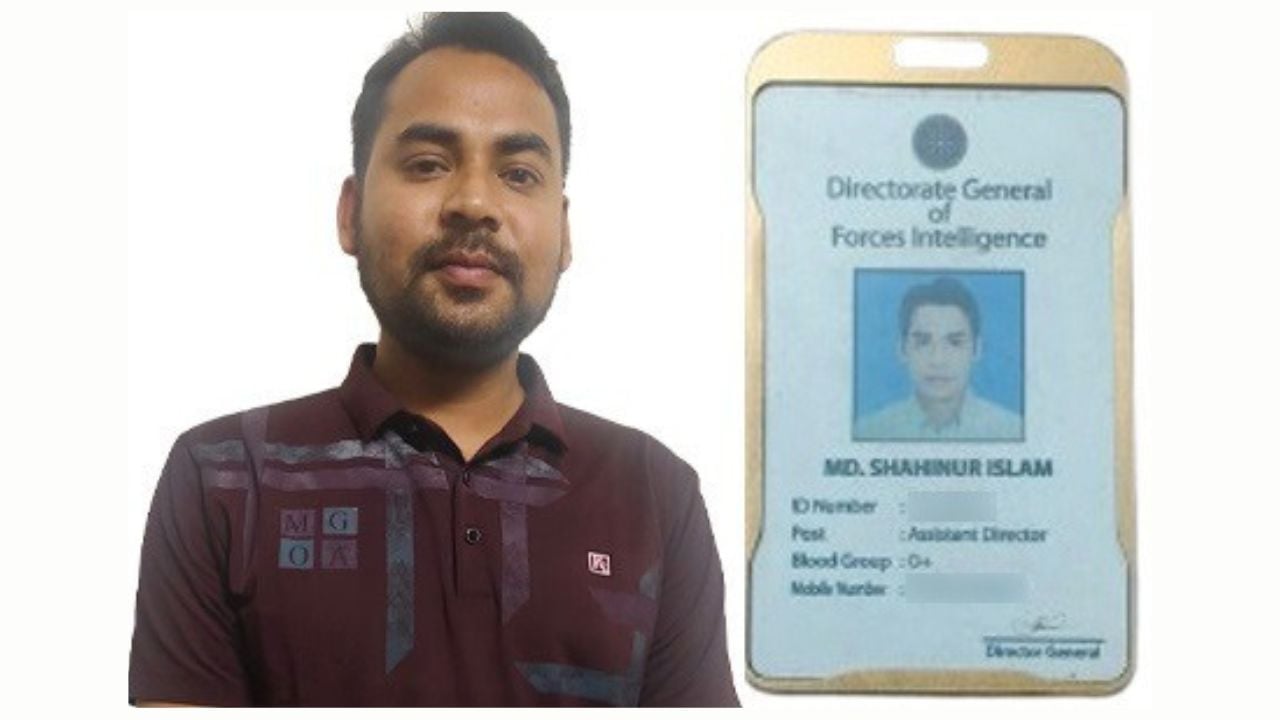
Police in Rajshahi have arrested a man posing as an officer of the Directorate General of Forces Intelligence (DGFI). The suspect, identified as 30-year-old Shahinur Islam from Bhartta Shibnagar village in Manda upazila of Naogaon district, was detained on Monday night in the Laxmipur Chest Disease Hospital area. The joint operation was conducted by the Counter Terrorism and Transnational Crime (CTTC) unit and the Detective Branch (DB) of Rajshahi Metropolitan Police. Authorities confirmed the arrest on Tuesday afternoon. According to police, Shahinur Islam had been introducing himself as an Assistant Director of DGFI, using fake identity cards to deceive people and exert influence. During interrogation, he admitted to using the false identity to defraud women by developing romantic relationships, promising marriage, and recording intimate videos. Two fake ID cards and two mobile phones were seized from him, which contained obscene photos and videos. A case has been filed against him under the Pornography Control Act and relevant sections of the Penal Code. He was sent to jail through the court on Tuesday.
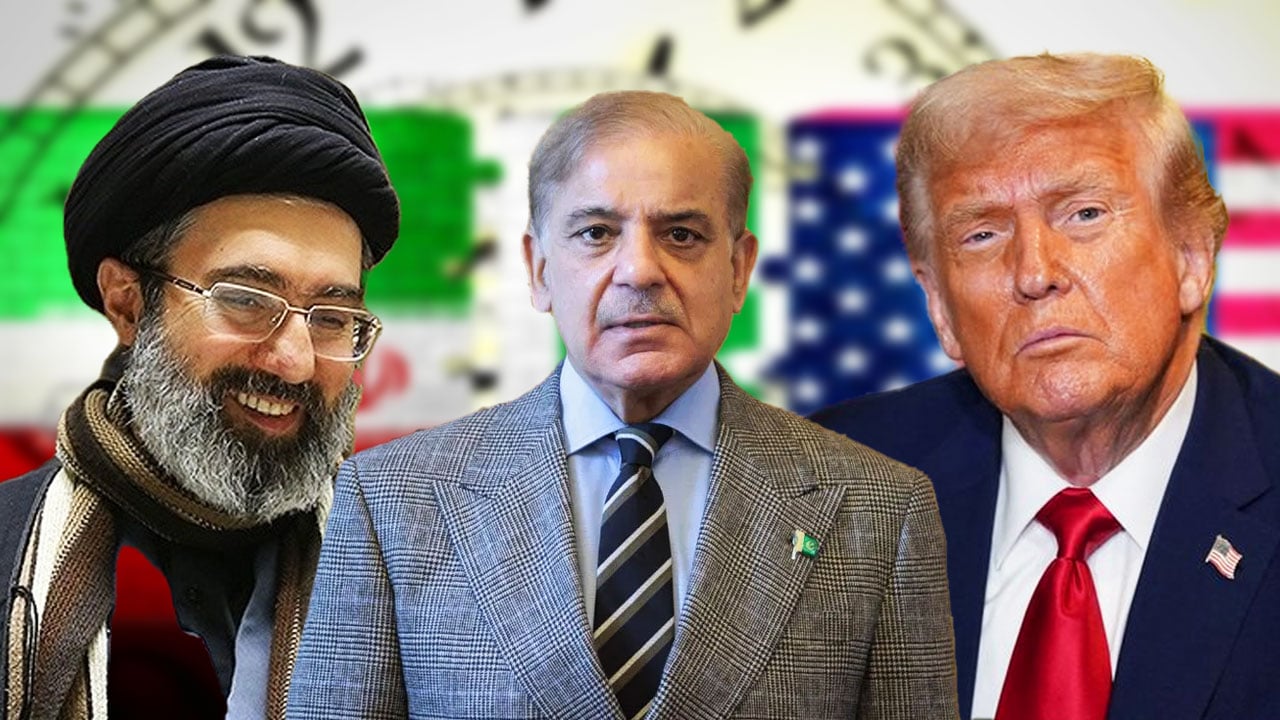
Amid rising tensions in the Middle East, US President Donald Trump agreed to a two-week ceasefire with Iran just two hours before threatening to destroy the country’s “entire civilization.” The decision followed high-level diplomatic efforts by Pakistan, whose Prime Minister Shehbaz Sharif urged all sides to halt hostilities. According to The New York Times, Iran’s new supreme leader approved the ceasefire proposal, which includes reopening the Strait of Hormuz. Trump stated that the ceasefire was based on discussions with Sharif and Field Marshal Asim Munir, and that planned US strikes on Iran would be suspended for two weeks under specific conditions. He added that the US had already achieved its military objectives and was advancing toward a long-term peace agreement, describing Iran’s ten-point proposal as a workable basis for talks. Despite the diplomatic breakthrough, the situation remains volatile. Explosions were reported in Tehran and across the Gulf region, while US and Israeli forces intensified attacks on Iranian infrastructure. Iran’s Revolutionary Guard claimed responsibility for a strike on Saudi Arabia’s Jubail petrochemical complex, signaling continued regional instability.
The Government Accounts Audit Bill 2026 was passed in the National Parliament of Bangladesh on Wednesday, April 8, 2026. Finance and Planning Minister Amir Khosru Mahmud Chowdhury introduced the bill, which was approved by voice vote. The passage came as part of a broader legislative session that also addressed multiple ordinances and amendment bills. A special parliamentary committee reviewed 133 ordinances issued during the interim period, recommending 98 for passage without changes and 15 with amendments. Four ordinances were rejected, while 16 were proposed to be strengthened and reintroduced as new bills. Other bills passed included the Bangladesh Haor and Wetland Conservation Bill 2026, several amendments to criminal and civil laws, and updates to health-related university acts. During the session, the Law Minister noted that the amendment to the International Crimes (Tribunals) Act 2026 now includes enforced disappearance within the definition of crimes against humanity, reflecting the government’s stated commitment to justice for such offenses.
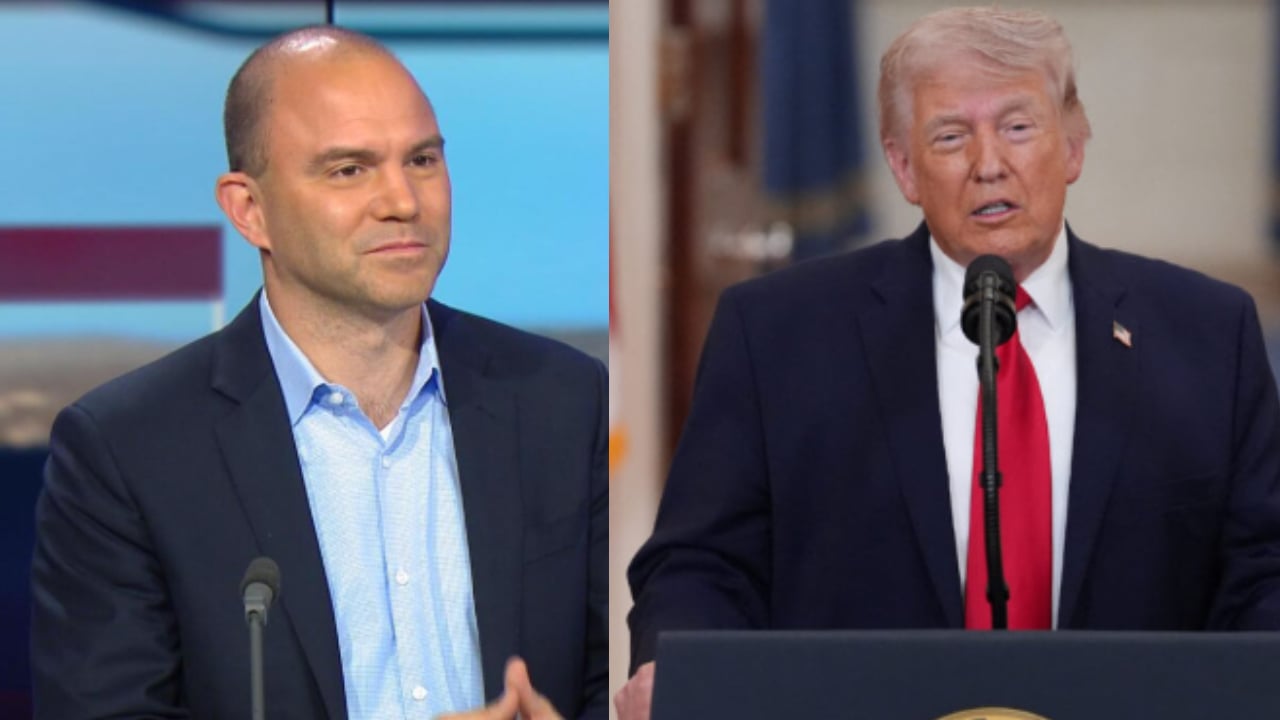
Former U.S. President Barack Obama’s ex-adviser Ben Rhodes has described President Donald Trump’s Middle East policy as disastrous. In a post on social media platform X, Rhodes said the decision to launch a military operation in Iran has created a catastrophic situation even under the best circumstances. Rhodes stated that the decision to start a war against Iran marks one of the most shameful chapters in U.S. history, regardless of what happens next. He added that Trump’s actions have destroyed the United States’ standing on the global stage. Rhodes further predicted that more global economic turmoil is likely to follow and claimed that Trump’s decisions have strengthened and enriched Russian President Vladimir Putin. The comments were reported by Al Jazeera.
A joint mobile court operation led by RAB-7, an executive magistrate, and BSTI officials seized 22,642 liters of illegally stored edible oil from three establishments in different areas of Chattogram city. The raids took place on the night of April 7, 2026, at around 10 p.m. and 1 a.m. Two businesses were fined a total of 60,000 taka, while a case was filed against the owner of another warehouse. According to RAB-7, some traders in the Oxygen Mor, Nasirabad, and Karnaphuli Complex areas had stockpiled large quantities of edible oil to create an artificial shortage. They were also using BSTI labels without authorization to market the oil. Acting on a tip-off, RAB conducted the first raid in the Gulbag Residential Area under Bayezid Bostami Police Station, seizing 1,042 liters of soybean oil. Later, two more raids in the Sholoshahar 2 No. Gate area under Panchlaish Police Station recovered 21,600 liters of illegally stored oil. RAB-7 stated that similar operations will continue to prevent market instability caused by illegal hoarding and unauthorized labeling of essential goods.

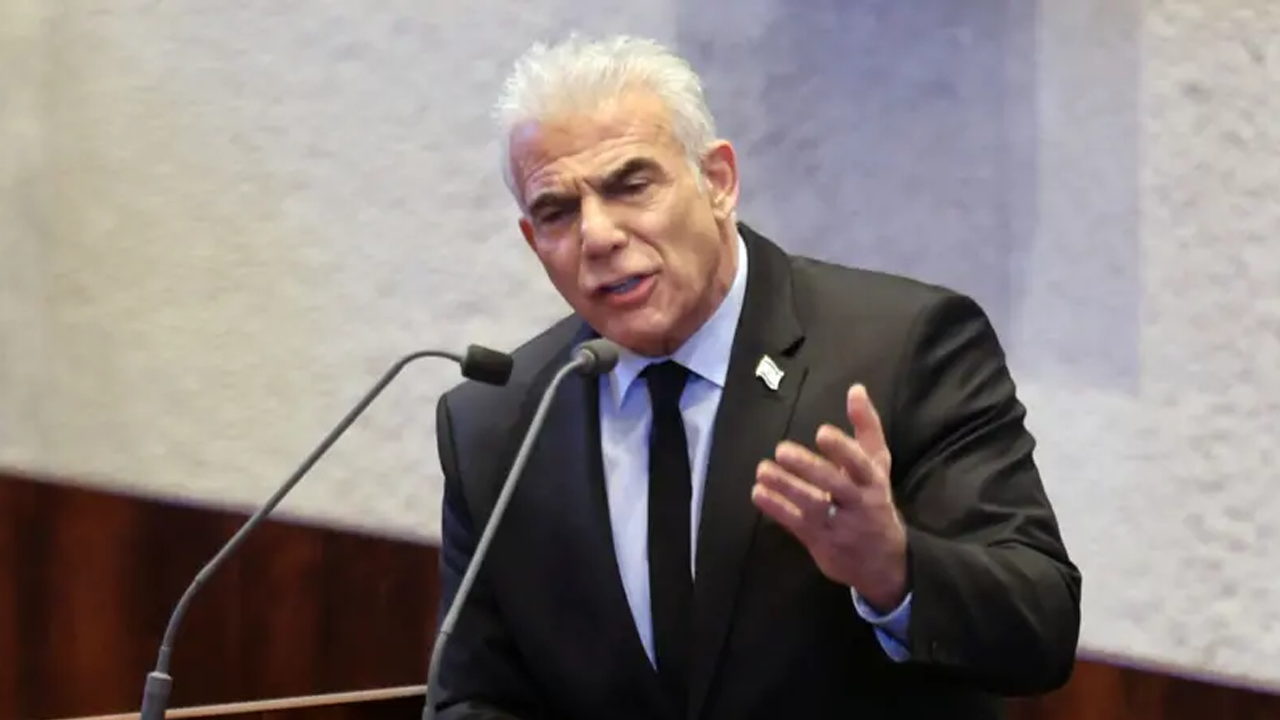
Israeli opposition leader Yair Lapid has declared Prime Minister Benjamin Netanyahu a complete failure following the United States’ announcement of a two-week ceasefire with Iran. Lapid described the development as a political disaster for Israel, criticizing Netanyahu’s handling of the situation. The ceasefire was announced by US President Donald Trump, and Netanyahu publicly expressed his support for the decision, according to BBC reports. In his remarks on Wednesday, Lapid said Iran remains one of Israel’s main national security concerns, yet Israel was not included in the discussions leading to the ceasefire. He argued that while the Israeli military fulfilled its duties and citizens showed remarkable resilience, Netanyahu failed politically and strategically, and did not achieve the goals he had set for himself. The criticism underscores growing political tension in Israel over the handling of regional security and diplomatic engagement with the United States regarding Iran.
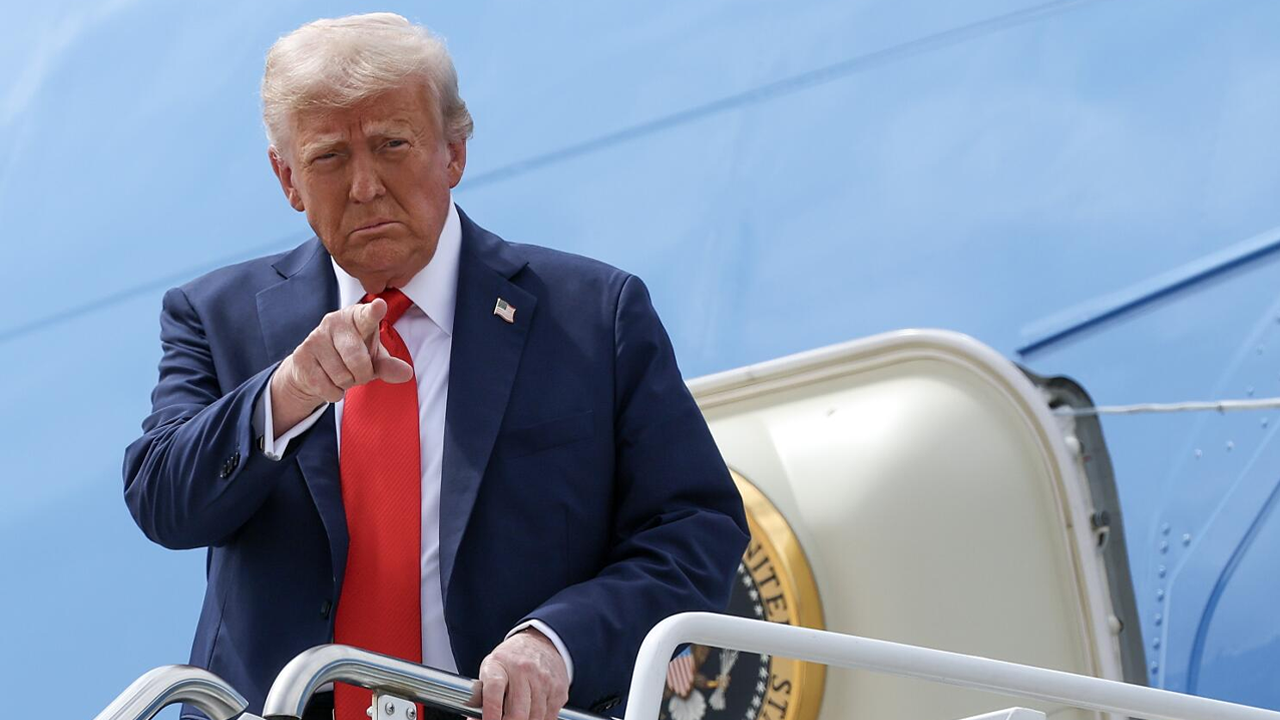
US President Donald Trump has declared a 'complete and total' victory in the conflict with Iran while announcing a ceasefire. In an interview with AFP, he said that Iran’s enriched uranium stockpile issue would be 'perfectly resolved' under the new agreement, adding that he would not have entered the deal otherwise. Earlier, when asked about the matter, Trump had said he was not concerned, arguing that satellite monitoring was sufficient. Iran’s Supreme National Security Council confirmed that it had agreed to a two-week temporary ceasefire, with further discussions scheduled for April 10 in Islamabad. The council listed key conditions, including maintaining Iran’s control over the Strait of Hormuz and the complete withdrawal of US military forces from the region. Trump had previously described these conditions as 'workable.' The timing of the ceasefire’s implementation remains unclear, as reports indicate that attacks and missile strikes continue across the region.
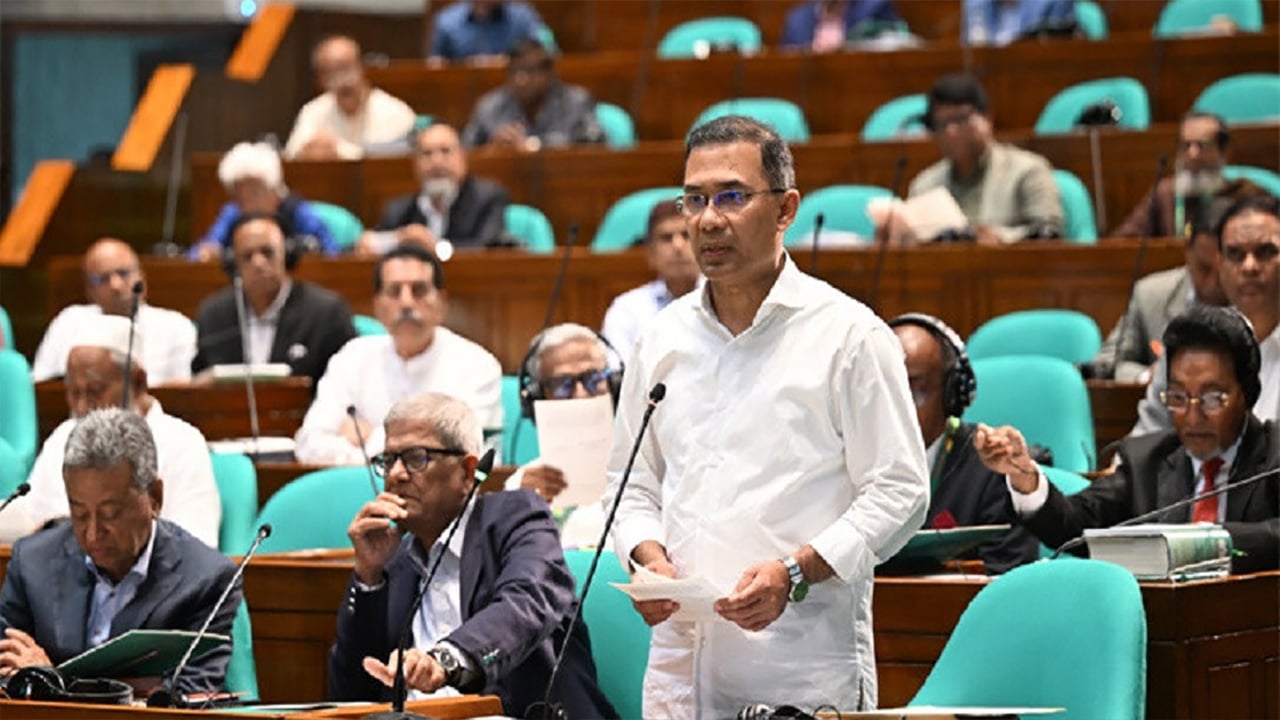
Prime Minister Tarique Rahman told Parliament on April 8, 2026, that the government is implementing short-, medium-, and long-term plans across 43 areas of the education sector. He said each student and teacher will receive a unique digital identity called 'Edu-ID'. The initiative is part of a broader plan to gradually raise education spending to 5 percent of GDP, as outlined in the government’s election manifesto. Rahman said the government views education as the best investment and is committed to building a quality, inclusive, and life-oriented education system. Plans include distributing free school uniforms to 200,000 primary students this fiscal year, expanding school feeding programs nationwide, and installing multimedia classrooms in all primary and secondary institutions. Additionally, 1,500 institutions will receive free Wi-Fi to reduce digital inequality. The Prime Minister also announced that the ICT Division’s Bangladesh Computer Council will train students in artificial intelligence, cybersecurity, mobile app development, Python programming, and AI-based digital marketing within six months. The government is also considering nationalizing one women’s college in each upazila to promote female education and empowerment.
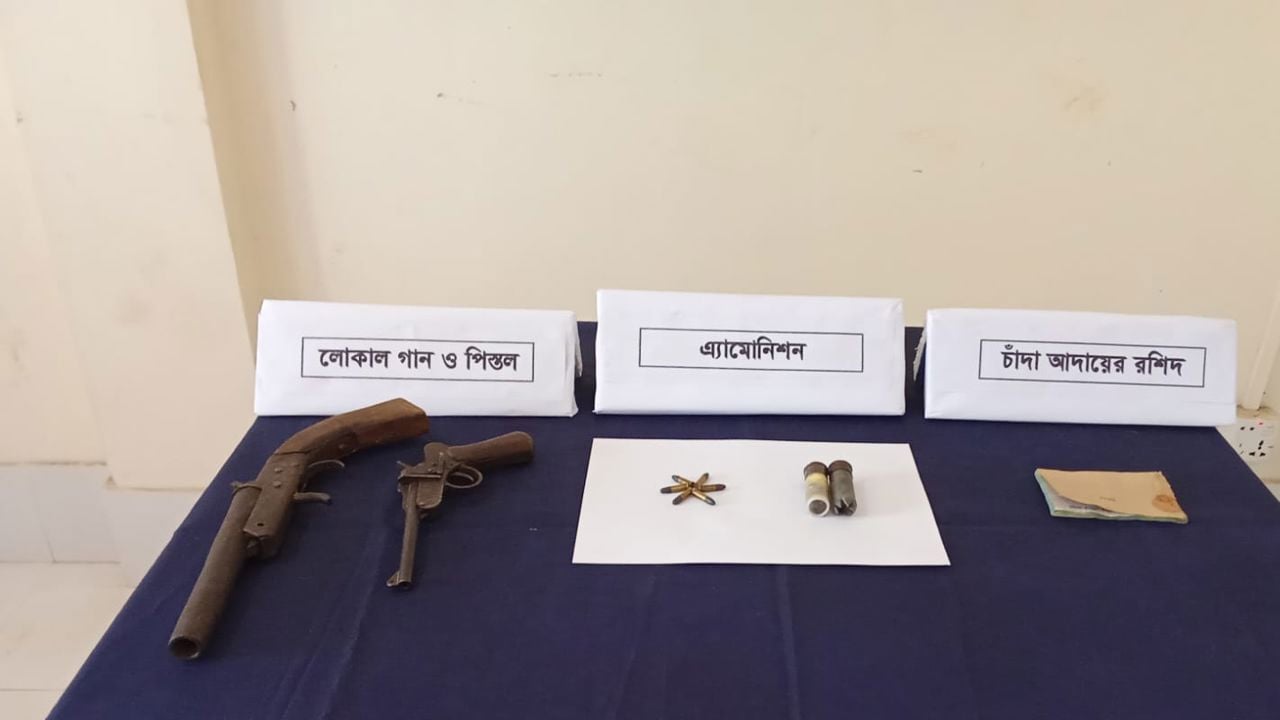
A special army operation in the Kukichhara area of Guimara upazila, Khagrachhari, recovered locally made weapons and ammunition early Wednesday, March 8. Acting on secret intelligence that 10 to 15 armed members of the UPDF (main) faction were staying in a house in Kukichharapara, a joint team from Sindukchhari, Mahalchhari, and Matiranga zones launched a coordinated cordon and search operation. During the raid, two individuals attempted to flee by jumping into a nearby stream and escaped into the forest due to the difficult terrain. Subsequent searches of the house, identified as belonging to UPDF post director Tonimong Marma, led to the recovery of a homemade pistol, a pipe gun, six pistol rounds, and two cartridges. The recovered items were handed over to the local police station for legal processing. The army stated that such operations will continue to maintain peace and order in the hilly region and to curb armed group activities. Guimara Police Station’s officer-in-charge Sohrawardy confirmed the incident.
The ‘1 Nojor’ media platform is now live in beta, inviting users to explore and provide feedback as we continue to refine the experience.