

The ‘1 Nojor’ media platform is now live in beta, inviting users to explore and provide feedback as we continue to refine the experience.
Middle East analyst Mohammad Ali Shabani stated that the current tension between the United States and Iran has reached a stage where neither side can withdraw without losing face. Speaking to Al Jazeera, the Amwaj.media editor said US President Donald Trump appears ready to carry out threats to strike Iran’s key infrastructure, a move that could trigger a major regional conflict. Shabani added that Iran is signaling its own resolve by targeting infrastructure in Kuwait to demonstrate it will not back down either. He described the situation as a standoff in which both sides are trapped by the need to preserve their honor. He warned that under these circumstances, the region faces a high likelihood of escalating tension within the next 24 hours.
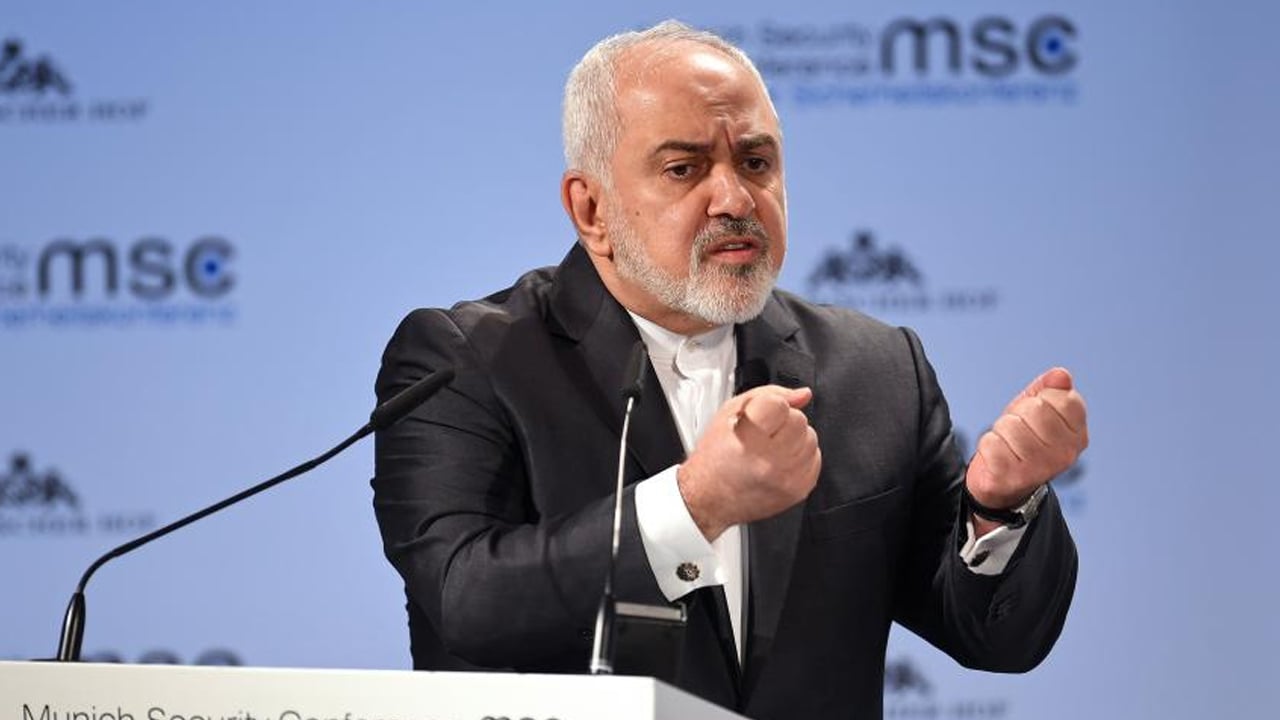
Blockbuster Cinemas, one of Dhaka’s most popular multiplexes, announced on Saturday that all movie shows scheduled after 6 PM will remain suspended indefinitely. The management said the decision follows a recent government directive requiring all shops and markets to close after 6 PM starting Sunday. Customers who purchased advance tickets for evening shows will receive refunds through designated procedures. The announcement comes just after the Eid festival period, disappointing many moviegoers who typically attend evening screenings considered prime time for cinemas. Following Blockbuster’s move, concern spread among audiences of Star Cineplex, the country’s largest multiplex chain, as most viewers prefer evening shows. Star Cineplex’s senior marketing official Mesbahuddin Ahmed stated that they are reviewing the government directive and have suspended all post-6 PM shows until Monday. Other theaters across the country are reportedly taking similar steps, which analysts believe could deliver a fresh blow to the already struggling cinema market.

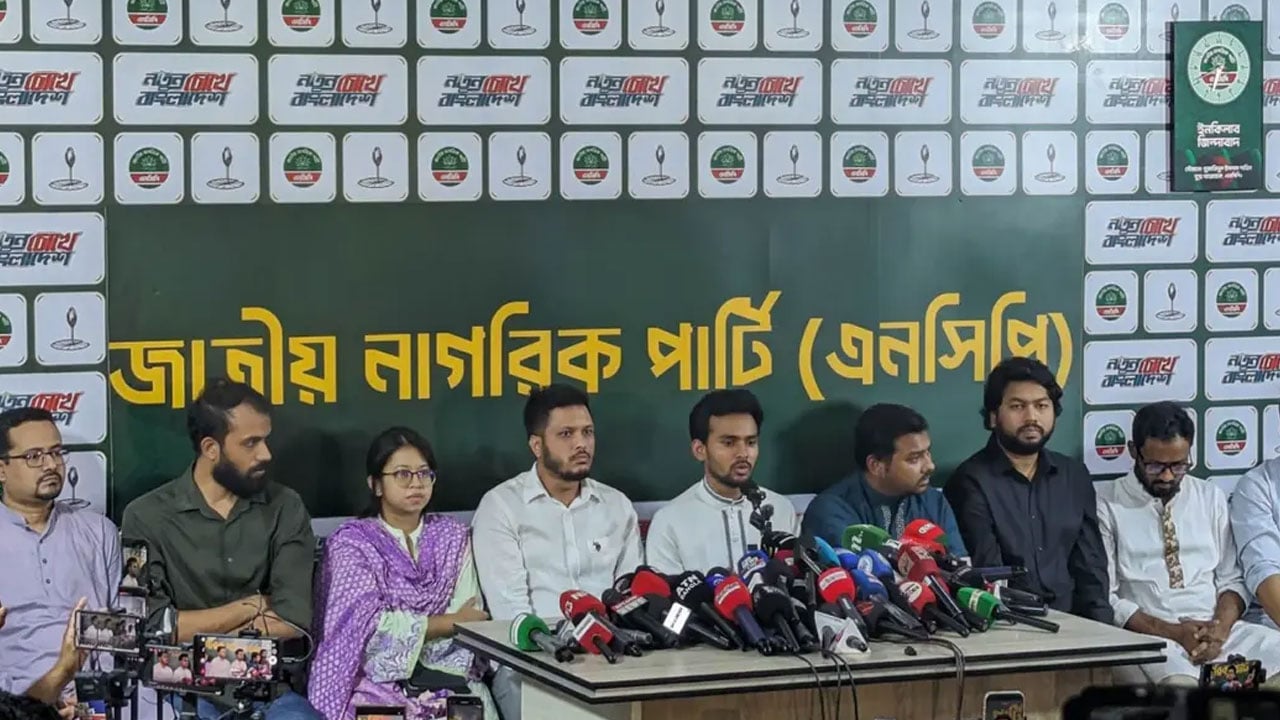
At a press conference on Sunday, April 5, 2026, NCP spokesperson Asif Mahmud Sajib Bhuiyan warned that the current government is showing clear signs of authoritarianism. He cautioned that if the government fails to respect the referendum verdict, the NCP will declare it an 'illegal government.' Bhuiyan compared the situation to past uprisings, saying that if the spirit of the 2024 mass movement is not preserved, similar events could recur in 2026 or 2027. The press conference was organized to address the BNP government’s alleged disregard for the referendum outcome, the repeal of reform ordinances, and the overall political situation. Bhuiyan accused the government of violating the constitution by retaining executive powers that allow the removal of elected representatives and by restoring broad surveillance powers to 18–19 agencies without court oversight. He said these actions undermine democratic accountability. Bhuiyan added that the NCP initially sought cooperation with the government but now sees no alternative to street protests due to the controversy surrounding the referendum. He warned that such confrontation would not benefit any side.
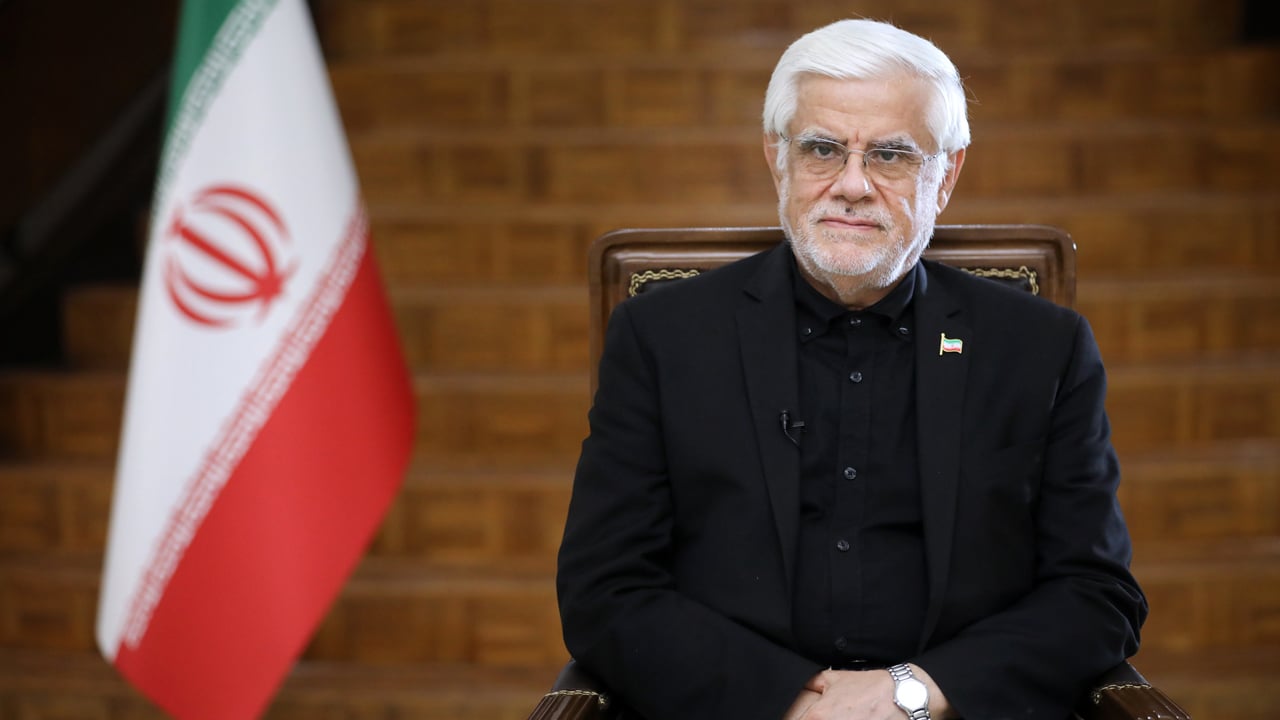
Iran’s First Vice President Mohammad Reza Aref has sharply criticized U.S. President Donald Trump, saying Trump remains “stuck in the Stone Age.” Aref made the remarks in a post on social media platform X, responding to Trump’s recent comments threatening to destroy Iran’s power plants and bridges. The statement was reported by Al Jazeera on April 5, 2026. According to U.S. media reports cited in the source, Trump said his administration could not fund healthcare and childcare programs because of increased military spending. Aref argued that a leader who abandons his own people’s welfare while threatening others is still living in the Stone Age. He added that Iran has chosen a path of development and construction despite external pressure. Aref’s comments came after Trump had repeatedly threatened to “send Iran back to the Stone Age.” The exchange underscores continuing verbal hostilities between Washington and Tehran over military and economic issues.
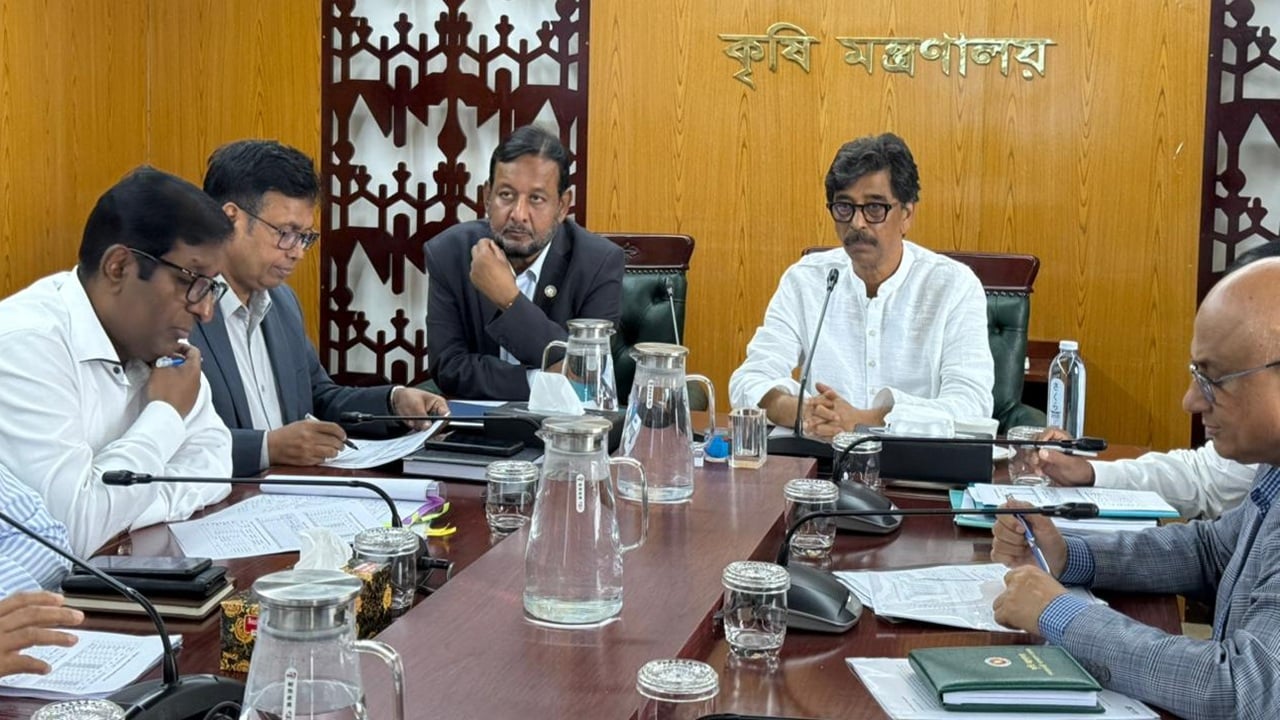
Agriculture, Fisheries and Livestock Minister Mohammad Aminur Rashid has assured that there will be no fuel shortage for harvesters during the rice harvesting season in the Haor region. He made the statement on Sunday at a review meeting held at the Ministry of Agriculture in Dhaka, focusing on the cultivation, production, and harvesting of Boro rice in the Haor areas. The minister instructed officials to work closely to prevent any crop damage and to ensure smooth harvesting operations. Describing the Haor region as a vital rice-producing area of the country, the minister emphasized the need for coordinated efforts among local administrations and representatives to protect the harvest. He directed that sufficient combined harvesters be made available on time and that any non-functional machines be repaired quickly. If necessary, harvesters should be rented from nearby areas to complete harvesting on schedule. The minister also urged officials to monitor weather conditions closely and prepare for any adverse situations. He instructed that arrangements be made for manual harvesting by agricultural workers alongside the use of machines.
BNP Secretary General and Local Government Minister Mirza Fakhrul Islam Alamgir has alleged that several political parties are attempting to create unrest in the country over the July Charter. Speaking at an Easter Sunday greetings event at the Archbishops House in Ramna, Dhaka, he said the BNP will fully implement the commitments made in the charter. He added that the party has long struggled for people’s aspirations and has already outlined a 31-point reform plan. Fakhrul emphasized that the BNP seeks peace and aims to build a humane, non-communal, and democratic Bangladesh. He said the country has entered a new era after completing an election in a free and democratic environment, creating an opportunity to realize the spirit of the 1971 Liberation War. He warned that some political forces are using religion to divide society and reject the ideals of the Liberation War. Addressing the ongoing energy crisis, Fakhrul said the government is trying to import fuel despite global challenges, and that there is sufficient stock, though some people are panic-buying fuel.
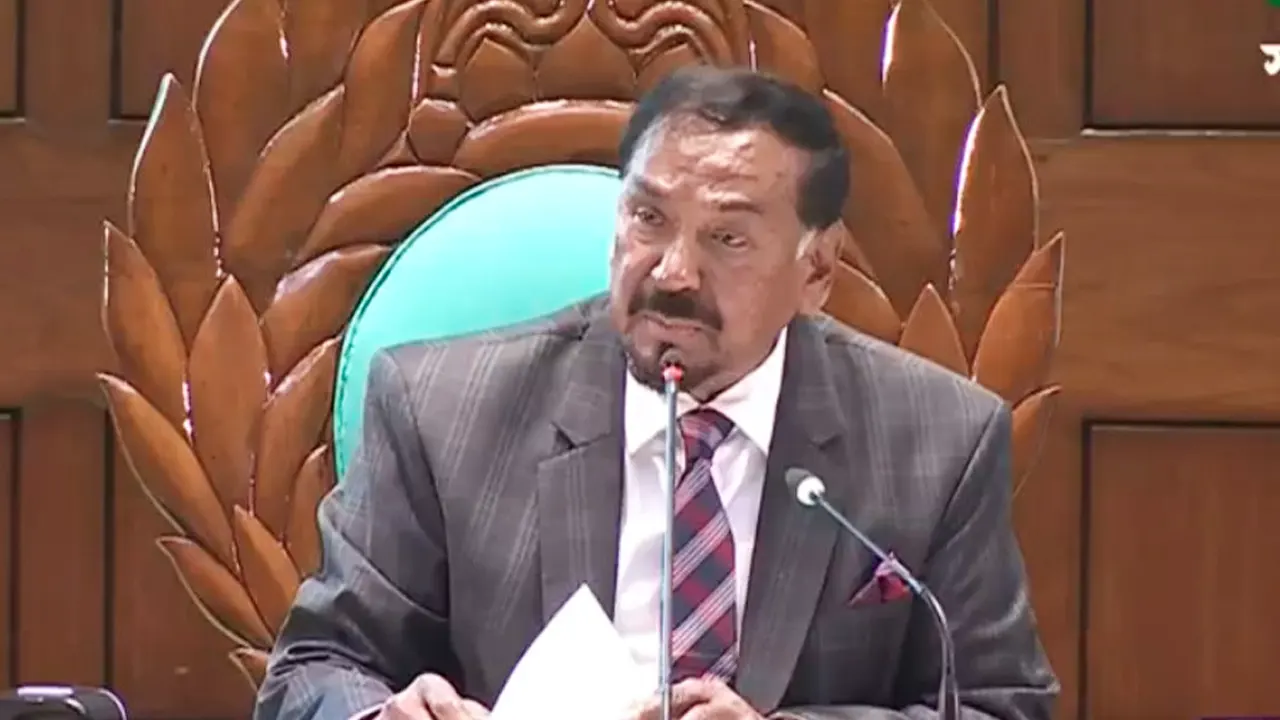
The Speaker of Bangladesh’s Parliament, Hafiz Uddin Ahmed Bir Bikrom, has ordered an investigation into the purchase of the parliamentary microphone system following repeated technical failures that disrupted sessions. On Sunday evening, a malfunction forced the Speaker to suspend proceedings for 40 minutes after members complained they could not hear speeches. A similar disruption had occurred on March 12, the first day of the current session. According to the Speaker, the sound system was damaged when protesters entered Parliament on August 5, 2024, during the fall of Sheikh Hasina’s government. Although repairs were made, malfunctions have persisted, and members have continued to raise complaints about sound quality and headphone issues. The Speaker noted that the system was originally installed in 2022 under the previous government, but no warranty or documentation could be found. He criticized the installation process as careless and said the supplier company was avoiding responsibility. The Speaker directed the Parliament Secretary to investigate and report the facts, calling the repeated disruptions a serious embarrassment for the state.
Jamaat-e-Islami Secretary General Professor Mia Golam Parwar has accused the Bangladesh Nationalist Party (BNP) of heading toward a fascist regime by opposing the implementation of the July Charter and the constitutional reform order. He made the remarks on Sunday, April 5, during a discussion meeting in Bogura-6 constituency, where Jamaat candidate Principal Abidur Rahman Sohel announced his election manifesto for the upcoming by-election. Parwar stated that the July Charter was formulated based on the consensus of 33 political parties during the interim government and was legally supported through a presidential order that organized parliamentary elections and a referendum. He alleged that despite forming the government under the same order, the BNP is now rejecting the referendum results and seeking to annul the reform order. According to him, nearly 50 million voters supported the referendum, rejecting BNP’s note of dissent. He further expressed concern over the election environment in Bogura, claiming that ruling party members were intimidating Jamaat activists. JAGPA Senior Vice President Engineer Rashed Pradhan also alleged that the BNP had adopted authoritarian traits and was pursuing agendas aligned with India and the Awami League.

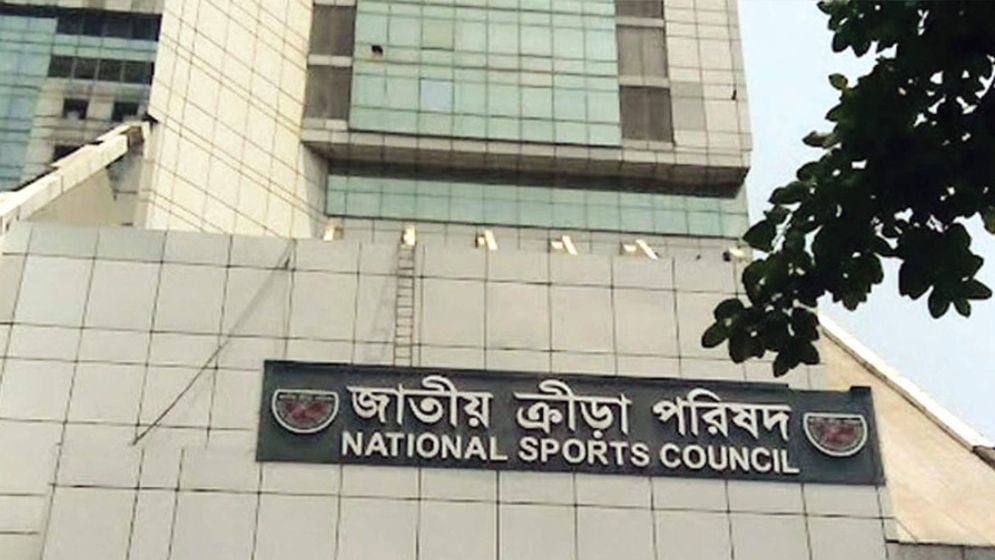
The committee formed to investigate alleged irregularities in the Bangladesh Cricket Board (BCB) election has submitted its report earlier than scheduled. Although the report was due on April 9, it was handed over on the morning of April 5 to the National Sports Council (NSC). After receiving the report, State Minister for Youth and Sports Aminul Haque visited BKSP in Savar and announced that the report would be sent to the International Cricket Council (ICC). Speculation had circulated that the BCB board might be dissolved following the report’s submission, but the NSC clarified that no immediate action would be taken. Aminul Haque confirmed that the NSC would decide on further steps only after informing the ICC about the findings. On the same day, former youth and sports adviser Asif Mahmud Sajib Bhuiyan alleged that Aminul Haque was forcing BCB directors to resign through intimidation, a claim the minister denied, saying he had no knowledge of such actions. The NSC’s decision to consult the ICC indicates that any administrative measures regarding the BCB will depend on the international body’s response.
BNP lawmaker Monirul Haque Chowdhury expressed dissatisfaction with the reply of Road Transport and Bridges Minister Sheikh Robiul Alam during a parliamentary session on Sunday, April 5. The discussion took place under the chairmanship of Speaker Hafiz Uddin Ahmed. Chowdhury compared the minister’s response to those given by former ministers under the Awami League government, saying he was disappointed by the similarity. In his supplementary question, Chowdhury alleged that despite spending Tk 17,500 crore on road projects, necessary underpasses and overpasses were not built in Cumilla. He criticized the lack of compensation for victims of road closures since 2014. In response, Minister Alam said feasibility studies were ongoing to upgrade the Dhaka–Chattogram highway to ten lanes, with design and budget adjustments underway. He added that new plans include three underpasses in the region and two more at Paduar Bazar. When asked by the Speaker whether these steps would solve the problem, the minister replied that the solution would be partial.
Dhaka-14 MP Mir Ahmad Bin Kasem expressed deep anger in Parliament over the recommendation to repeal the 'Enforced Disappearance Prevention and Remedy Ordinance' issued during the interim government. Speaking on a point of order, he said victims of enforced disappearance and those who suffered under past repression could not support such a move. He urged that the ordinance be approved as law first and then amended if necessary, warning that otherwise the legal definition of disappearance would be lost. During the same session, Law Minister Asaduzzaman responded that the bill would be revised to make it more contemporary and presented in the current or next parliamentary session. He explained that the definition of disappearance had already been included in the ICT Act, which provides for harsher penalties, including death or life imprisonment, compared to the ten-year maximum under the ordinance. He added that the Human Rights Commission Ordinance would also be reviewed to prevent misuse and ensure justice. The minister assured that the review process would involve victims like Barrister Arman and others affected by enforced disappearances to ensure no offender escapes accountability.

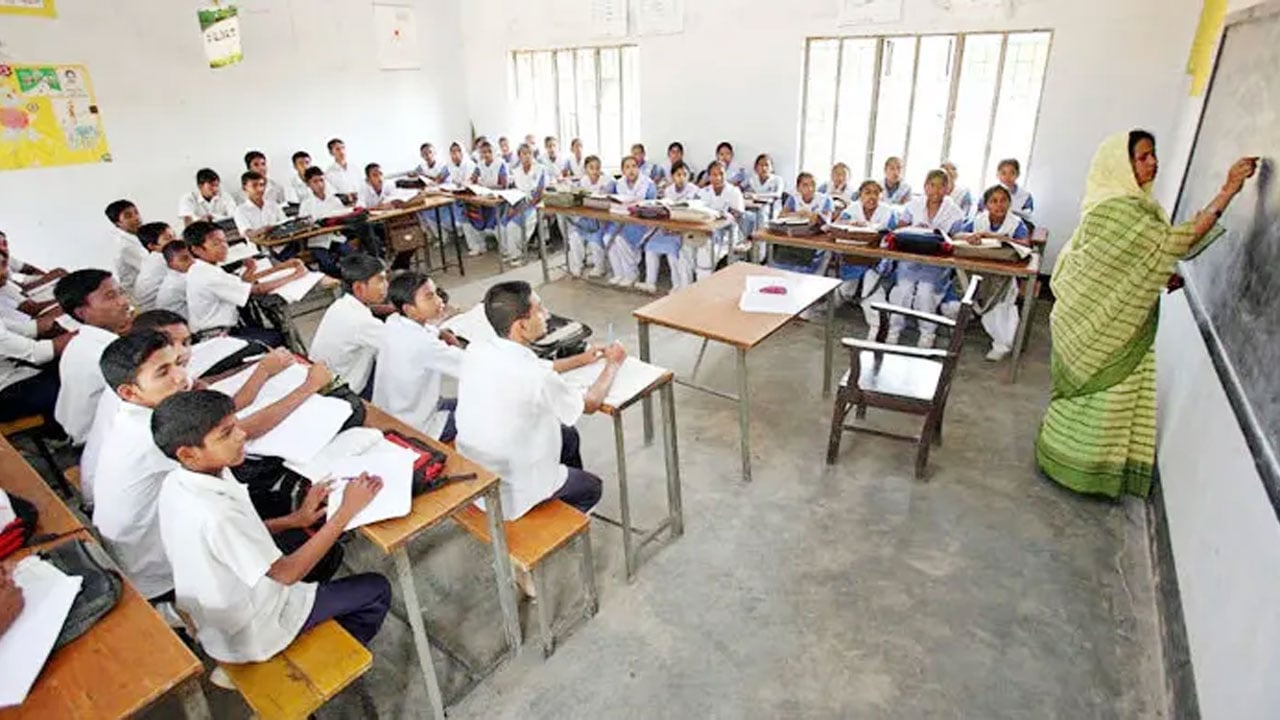
The government of Bangladesh is set to implement major reforms in the recruitment process for heads and assistant heads of private educational institutions, including schools, colleges, and madrasas. According to a notice issued by the Non-Government Teachers’ Registration and Certification Authority (NTRCA) on Sunday, April 5, 2026, the long-standing appointment method will be replaced by a centralized examination system. The NTRCA stated that this is the first time since independence that a central exam-based system is being introduced for these key positions to ensure transparency and accountability in recruitment. Under the new system, appointments to vacant posts across the country will be made based on merit and qualifications. Currently, there are 12,951 vacant positions to be filled under this new process. To provide further details about the new recruitment method, exam structure, and the ongoing hiring process, the NTRCA will hold a press conference on April 7, 2026, at 10 a.m. in the office of its chairman, Md. Aminul Islam, who will present the implementation plan and respond to media queries.
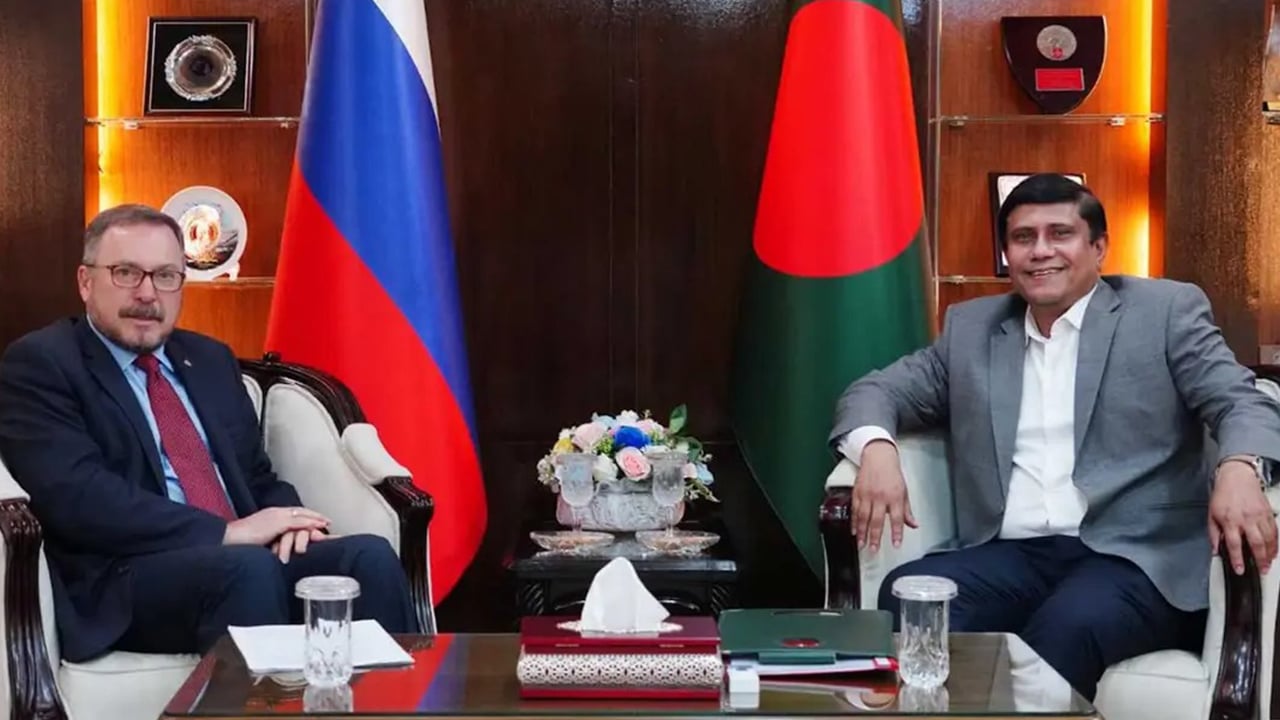
Russian Ambassador to Bangladesh Alexander Grigorievich Khokhin paid a courtesy call on Prime Minister’s Defense Adviser Brigadier General (Retd.) A.K.M. Shamsul Islam on Sunday at the Armed Forces Division office in Dhaka Cantonment. According to an Inter-Services Public Relations (ISPR) release, the meeting focused on issues of mutual interest and expressed optimism about enhancing bilateral military relations and strategic ties between Bangladesh and Russia. The discussion underscored the ongoing cooperation between the two nations in defense matters, reflecting a shared interest in deepening engagement. The ISPR statement highlighted that both sides viewed the meeting as an opportunity to reaffirm their commitment to strengthening defense collaboration. No further details were provided about specific agreements or future initiatives discussed during the meeting.
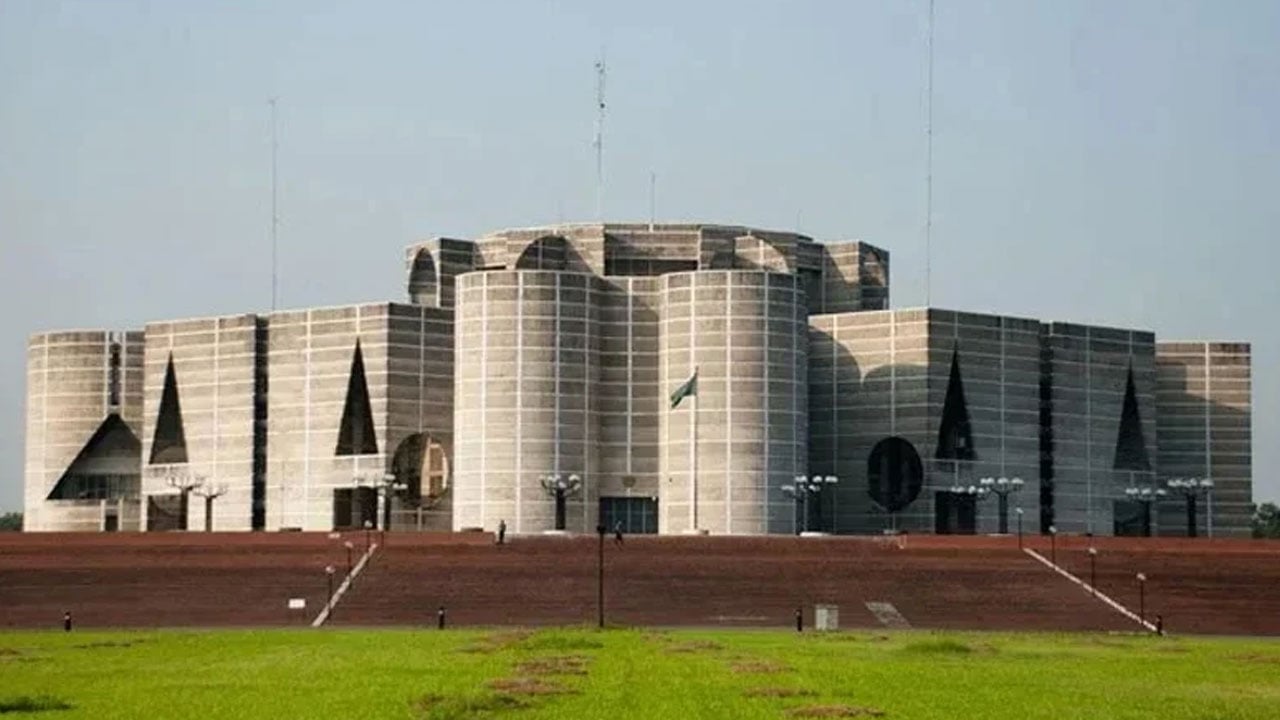
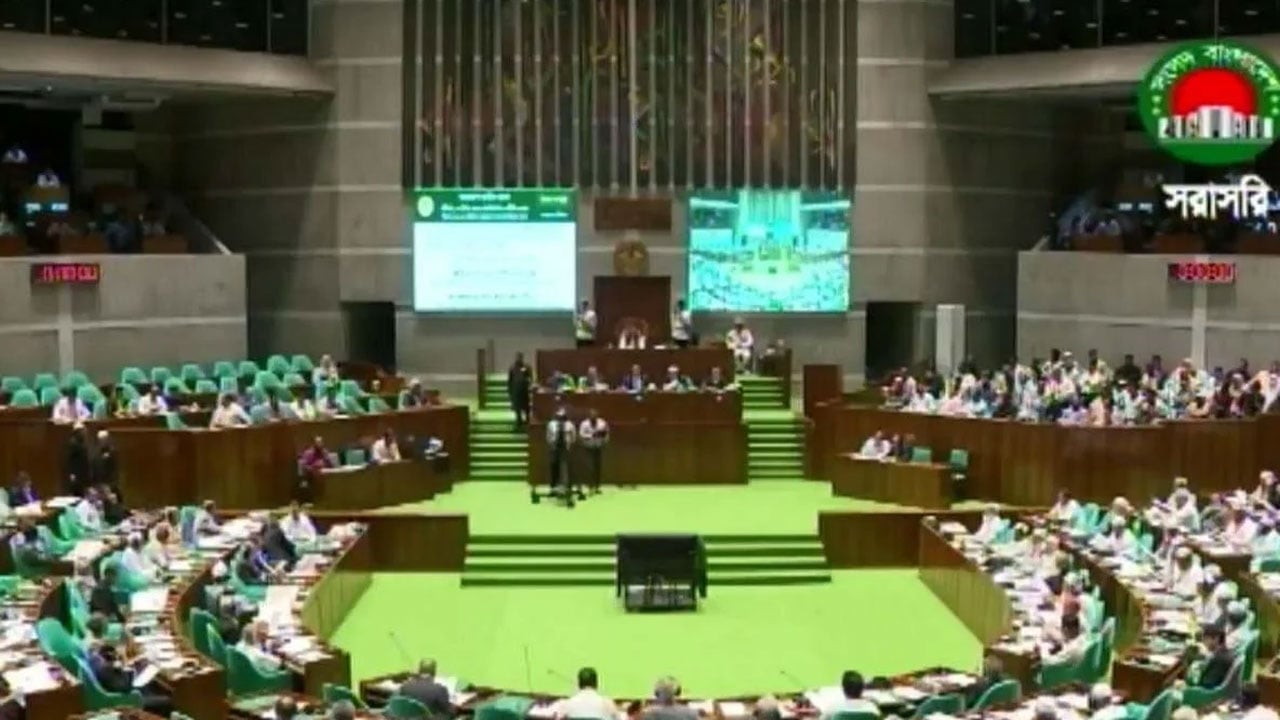
The Bangladesh Parliament session was suspended for 40 minutes on Sunday, April 5, 2026, after a technical fault disrupted the sound system. Speaker Hafiz Uddin Ahmed made the decision when the issue prevented members from hearing speeches during the session. The problem arose shortly after two bills were passed following the afternoon prayer break. Chief Whip Nurul Islam Moni began addressing the presence of a group of July fighters in the VIP gallery, but his remarks could not be heard properly. Prime Minister Tarique Rahman and ruling party members welcomed the July fighters by tapping on their desks, but opposition members were unable to participate effectively due to the malfunction. The Speaker noted that his own microphone was not working and that he could not hear the proceedings. He then adjourned the session at 5:55 p.m. for 40 minutes, allocating 20 minutes for the Maghrib prayer and another 20 minutes to fix the sound system. The session was expected to resume once the technical issue was resolved and the prayer break concluded.
Israeli police conducted an operation to disperse an anti-war protest in Tel Aviv, detaining several demonstrators including Alon-Lee Green, leader of the Jewish-Arab movement 'Standing Together'. The protesters had gathered to oppose Israel’s ongoing war, attacks on neighboring countries, and destruction in Gaza. They chanted slogans demanding an end to the war and aggression, accusing authorities of suppressing dissent. Police reportedly used force to break up the rally and arrested multiple participants. According to the report, the detainees were held on buses after their arrest. During this time, air raid sirens sounded in the area, but police allegedly prevented them from reaching nearby shelters, escalating tensions. Human rights groups and activists claim that arrests, use of force, and dispersal of gatherings are increasingly being used to suppress anti-war protests, even as public opposition continues to grow. Recent weeks have seen similar crackdowns across Israel, with numerous arrests reported during other anti-war demonstrations.

The ‘1 Nojor’ media platform is now live in beta, inviting users to explore and provide feedback as we continue to refine the experience.