

The ‘1 Nojor’ media platform is now live in beta, inviting users to explore and provide feedback as we continue to refine the experience.
In Bangladesh’s parliament on Thursday, NCP lawmaker Abul Hasnat (Hasnat Abdullah) questioned the government over reported fuel shortages at petrol pumps across the country. He said that despite earlier assurances from the power and energy minister that there was no crisis, many pumps were closing, including in Sylhet, where long queues of vehicles were seen. Hasnat accused the government of ignoring the issue and urged the minister to acknowledge the problem and provide a timeline for resolving it. In response, Power and Energy Minister Iqbal Hasan Mahmud stated that the government was supplying the usual daily amount of fuel to all pumps. He explained that since an incident in Iran, fuel sales had suddenly increased, causing stocks that previously lasted more than a day to sell out within hours. The minister attributed the visible queues to panic buying rather than a supply shortage, insisting that petrol deliveries continued daily. The exchange highlighted growing public concern over fuel availability and the government’s efforts to reassure citizens about stable supply conditions.

Rail communication between Sylhet and the rest of Bangladesh resumed on Thursday afternoon, 18 hours after five wagons of an oil-carrying train derailed at Shahpur in Madhabpur upazila of Habiganj. The incident occurred around 9:45 p.m. on Wednesday on the Dhaka-Sylhet route, halting train services. Operations restarted at about 4 p.m. Thursday after extensive recovery work by railway authorities, army, Border Guard Bangladesh (BGB), and police. According to railway officials, the train was transporting fuel from Chattogram to Sylhet when the derailment took place near Monatola station. One wagon fell into a roadside ditch, while others tilted off the track. Locals gathered at the site, and some attempted to collect spilled oil before law enforcement intervened. BGB later recovered about 1,000 liters of oil. No casualties were reported. A five-member inquiry committee led by the divisional transport officer has been formed to determine the cause and extent of damage, with a report due within three working days. Three intercity trains were canceled due to the disruption, though services have now resumed.

Eight Muslim-majority countries have jointly condemned Israel’s recently passed death penalty law, calling it discriminatory and a violation of Palestinian rights. According to the report, foreign ministers from Pakistan, Turkey, Egypt, Indonesia, Jordan, Qatar, Saudi Arabia, and the United Arab Emirates issued a joint statement criticizing the law. The Israeli parliament passed the bill earlier this week, introducing capital punishment for Palestinians convicted of killing Israelis in what it defines as ‘terrorist’ acts, while exempting Jewish Israelis from the same penalty. The ministers said the law denies Palestinians’ fundamental rights and institutionalizes an apartheid-like system in the occupied territories. They also expressed deep concern over the conditions of Palestinian prisoners in Israeli jails, citing reports from human rights groups about torture, food shortages, and deprivation of basic rights. The European Union and several European countries have also voiced concern and criticism over the law. Human rights organizations warned that the measure will further entrench discrimination against Palestinians and strengthen Israel’s apartheid system.
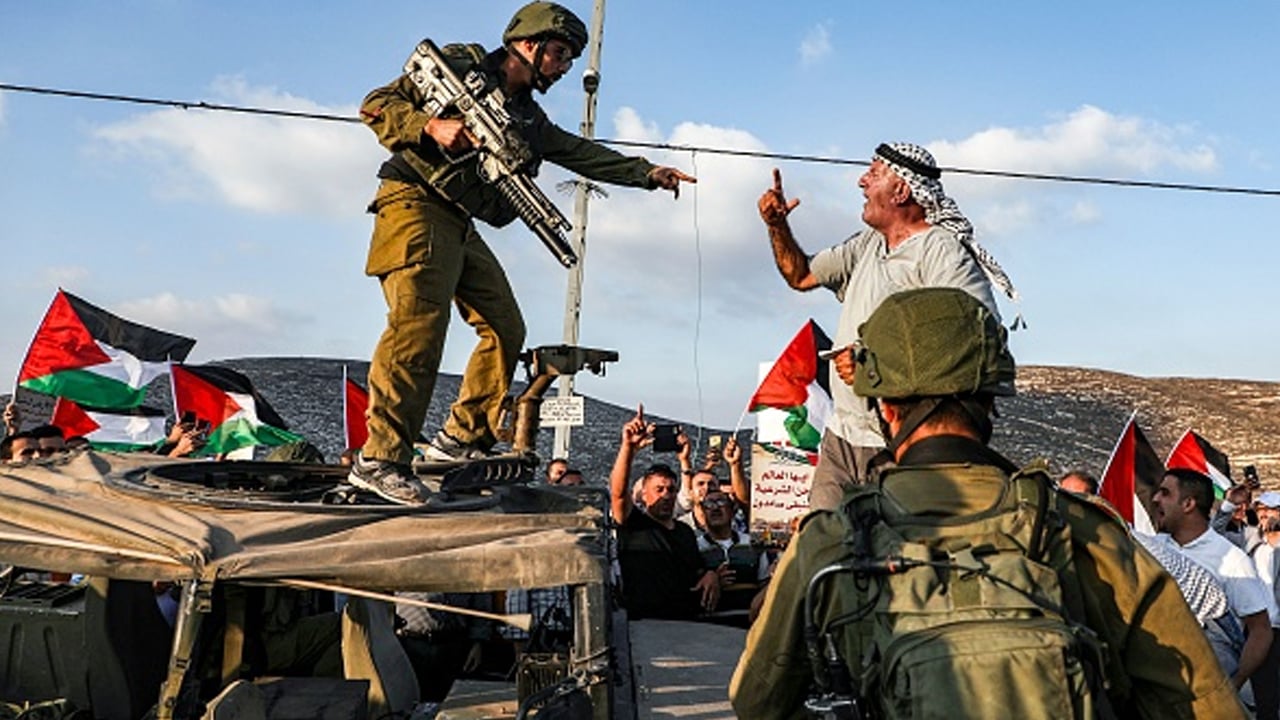
After more than five decades, humans have once again embarked on a journey to the Moon. On Wednesday, April 1, a NASA rocket carrying four astronauts lifted off from the Kennedy Space Center in Florida at 6:35 p.m. local time. The mission, named Artemis-2, includes three American astronauts and one Canadian. Reid Wiseman, a former U.S. Navy pilot and test pilot who spent 165 days aboard the International Space Station in 2014, is commanding the mission. Pilot Victor Glover, who previously served on the SpaceX Crew-1 mission, becomes the first Black astronaut to join a lunar mission. Mission specialist Christina Koch, known for the longest single spaceflight by a woman, will become the first woman to travel around the Moon. Canadian astronaut Jeremy Hansen, also a mission specialist, is the first from his country to take part in a lunar mission. The Artemis-2 mission marks a major milestone in NASA’s renewed lunar exploration program, paving the way for future human landings on the Moon.

China’s Foreign Ministry has called on all parties involved in the ongoing conflict in Iran to immediately cease hostilities. The appeal came after U.S. President Donald Trump threatened to launch larger-scale attacks in Iran in the coming weeks. Ministry spokesperson Mao Ning made the statement during a press briefing, emphasizing that military means cannot fundamentally resolve the problem and that escalating the conflict serves no party’s interests. Mao further stated that the root cause of instability in the Strait of Hormuz lies in illegal military activities in the area. She urged all sides to avoid actions that could have more severe impacts on the global economy and energy security. The statement reflects Beijing’s concern over the potential regional and global repercussions of continued hostilities. The call for restraint follows heightened tensions in the region, with reports of potential attacks on the U.S. Embassy in Baghdad and volatility in global oil and precious metal markets.

BNP Senior Joint Secretary General and Prime Minister’s Political Affairs Adviser Advocate Ruhul Kabir Rizvi said that ensuring good governance requires an impartial and competent administration. Speaking as the chief guest at a discussion marking Independence and National Day at North South University in Dhaka on Thursday, he warned that lack of neutrality in administration leads to disorder, corruption, and instability, creating opportunities for foreign interference. Rizvi emphasized that Bangladesh’s independence was the result of a long struggle against exploitation and oppression, not limited to the nine-month Liberation War. He criticized attempts to distort the history of the Liberation War by attributing it to a single family or group, arguing that such practices harm the nation’s spirit. He also said that the true history of independence has not been properly presented to the younger generation, though they are increasingly aware and vocal against injustice. He added that true independence requires ensuring citizens’ rights, freedom of expression, voting rights, and the rule of law. Rizvi called for merit-based administrative reforms to strengthen democracy and prevent the state from weakening under corruption and division.
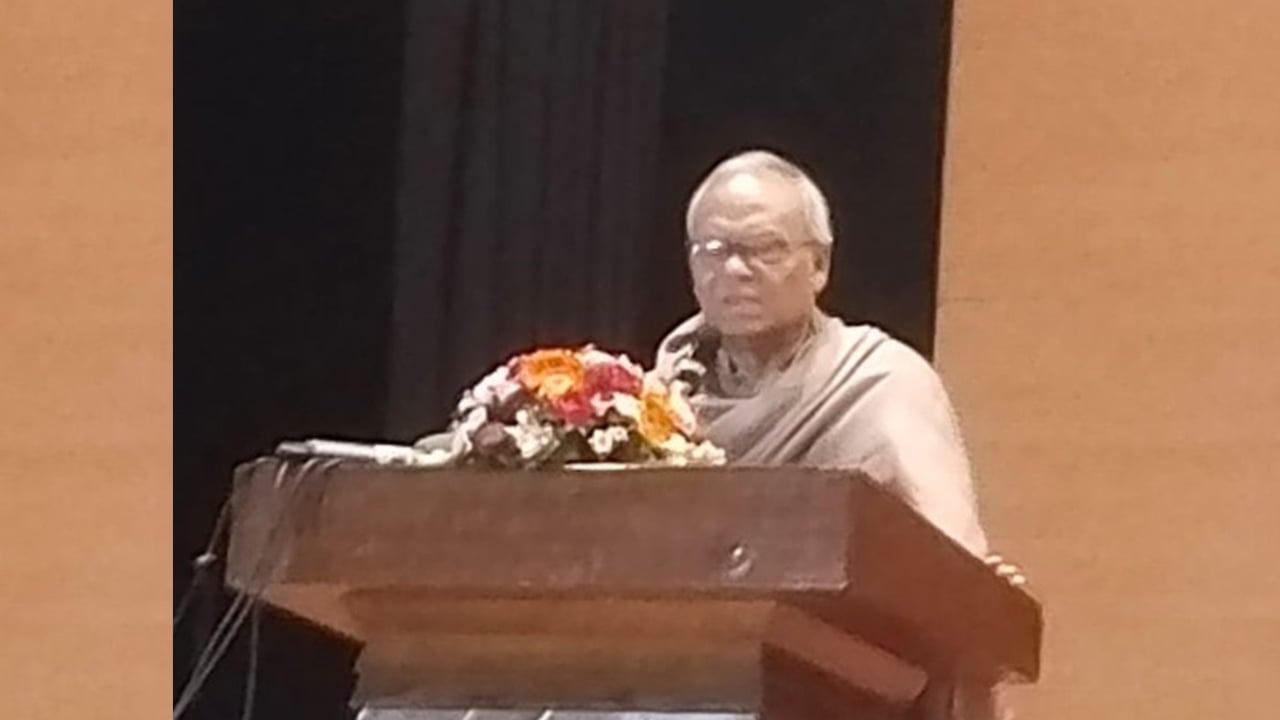
Iran approved safe passage for six Bangladeshi fuel-carrying ships through the Hormuz Strait based on information provided by Bangladesh. However, five of those shipments have already been canceled by global suppliers. Petrobangla officials said the list sent to Tehran was prepared using outdated plans and documents that did not account for force majeure declarations by QatarEnergy and Oman’s OQ Trading. Both companies suspended all supplies in early March following the start of the Iran war. The energy division’s list had included five LNG cargoes scheduled for April—four from QatarEnergy and one from Excelerate Energy. Petrobangla Chairman Arfanul Haque confirmed that these shipments are no longer valid, as suppliers extended their suspensions until at least May 8. He questioned why the canceled shipments were still listed for Iranian clearance. An energy division official admitted that the outdated data was sent because the duration of the force majeure was unknown. The division’s joint secretary, Monir Hossain Chowdhury, said crude oil shipments were unaffected and that Petrobangla was instructed to explore whether LNG deliveries could still proceed.
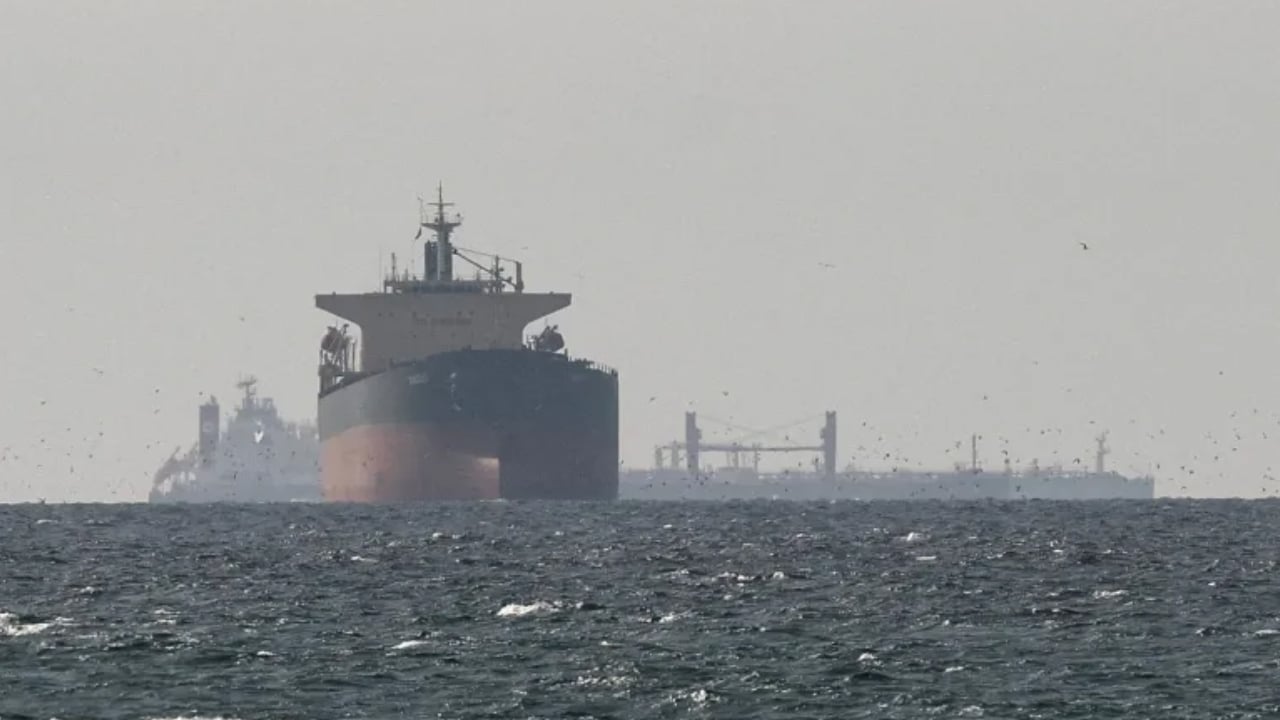
Kuwait International Airport was hit by another drone attack on April 2, 2026, which Kuwaiti authorities claimed was carried out by Iran. The strike triggered a massive fire at the airport’s fuel depot, according to the country’s Civil Aviation Authority. CNN reported that the attack caused extensive damage to fuel tanks, though no casualties were reported. On the same day, Bahrain also reported a drone attack. Abdullah Al-Rajhi, spokesperson for Kuwait’s General Authority of Civil Aviation, said the drones targeted the airport’s fuel tanks, leading to a large blaze at the site. In Bahrain, the Interior Ministry confirmed that emergency teams were working to extinguish a fire at a company facility following what it described as an Iranian drone strike. Authorities in both countries are assessing the damage, and no immediate information was available about potential disruptions to airport operations or further security measures.
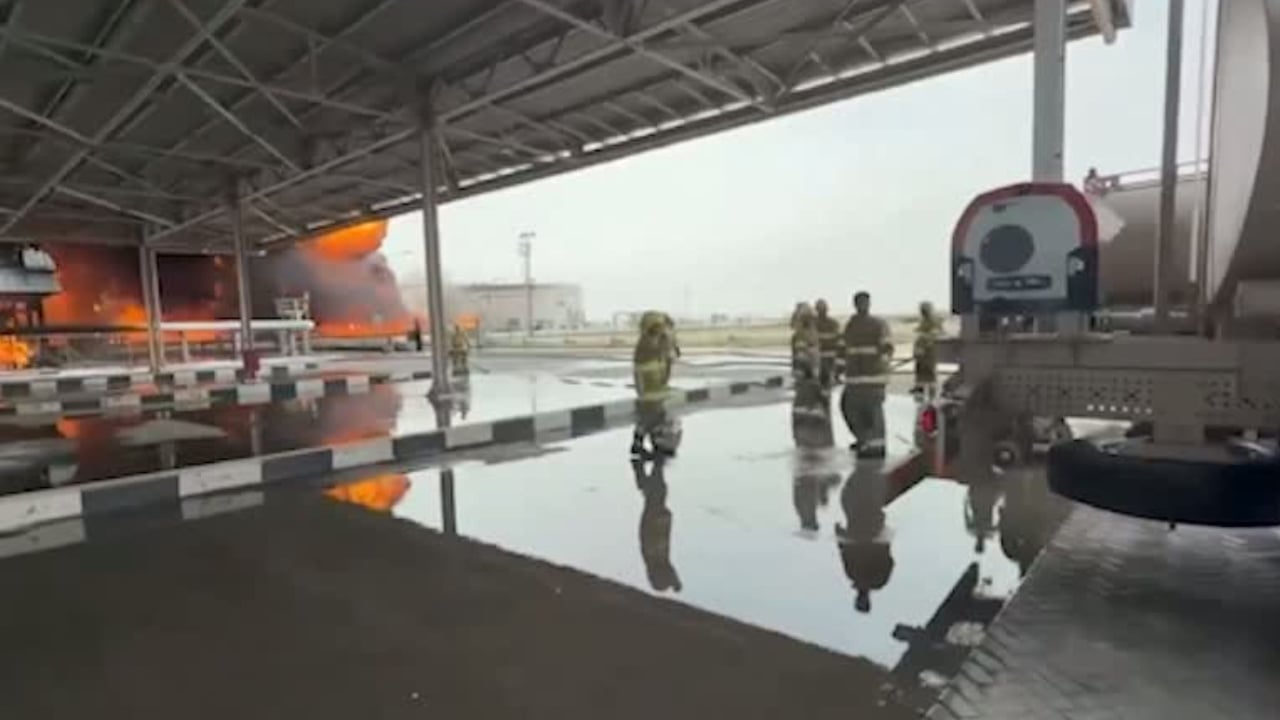
A Dhaka court has once again postponed the submission date for the further investigation report in the murder case of Inquilab Moncho convener Sharif Osman Bin Hadi. On Thursday, Additional Chief Metropolitan Magistrate Joshita Islam set April 19 as the new date after the Criminal Investigation Department (CID) failed to submit the report as scheduled. The report was originally due today, but the court extended the deadline following the CID’s request. The submission date has been deferred multiple times before. The case was filed at Paltan Police Station after Hadi was shot on December 12 in Dhaka’s Box Culvert Road area, a day after he announced his independent candidacy for the Dhaka-8 constituency in the 13th national election. He died on December 18 while receiving treatment in Singapore, and the case was later converted from an attempted murder to a murder case. Earlier, the Detective Branch of Dhaka Metropolitan Police had submitted a charge sheet against 17 accused, including Faisal Karim Masud, on January 6. Following the plaintiff’s objection, the court ordered the CID to conduct further investigation.

Leaders of the Bangladesh Puja Udjapan Parishad and the Dhaka Metropolitan Sarbojonin Puja Committee met Prime Minister Tarique Rahman on Thursday at his office in the Secretariat. The meeting was confirmed by the Prime Minister’s Additional Press Secretary Atikur Rahman Ruman, who said the delegation discussed various problems faced by the Hindu community. Local Government Minister and BNP Secretary General Mirza Fakhrul Islam Alamgir, along with other senior officials, were also present. During the meeting, the Hindu community leaders, including Basudev Dhar, Santosh Sharma, Jayanta Kumar Dev, and Tapas Chandra Pal, raised issues such as post-August 2024 persecution, job dismissals, and lack of justice. They also discussed the need for a minority commission, minority protection law, Hindu foundation, and reforms to the Debottar property law. Jayanta Kumar Dev said the Prime Minister listened to their concerns and assured gradual resolution. According to Santosh Sharma, the Prime Minister gave assurances that the raised issues would be addressed in phases, signaling possible future policy attention to minority rights and legal protections.

The Bangladesh Energy Regulatory Commission (BERC) has increased the retail price of liquefied petroleum gas (LPG) for April, raising the cost of a 12-kilogram cylinder by Tk 387. The new price, announced on Thursday, April 2, 2026, sets the 12kg cylinder at Tk 1,728, up from the previous Tk 1,341. The adjustment applies to all cylinder sizes, with corresponding new rates published by the regulator. According to the BERC announcement, the revised prices include Tk 792 for a 5.5kg cylinder, Tk 1,801 for a 12.5kg cylinder, Tk 2,161 for a 15kg cylinder, Tk 2,305 for a 16kg cylinder, Tk 2,593 for an 18kg cylinder, and Tk 2,881 for a 20kg cylinder. Larger cylinders now range from Tk 3,169 for 22kg to Tk 6,428 for 45kg. Additionally, the consumer price of autogas has been set at Tk 79.77 per liter, inclusive of VAT. The new rates take effect immediately for April, reflecting BERC’s monthly price adjustment mechanism for LPG products in the domestic market.

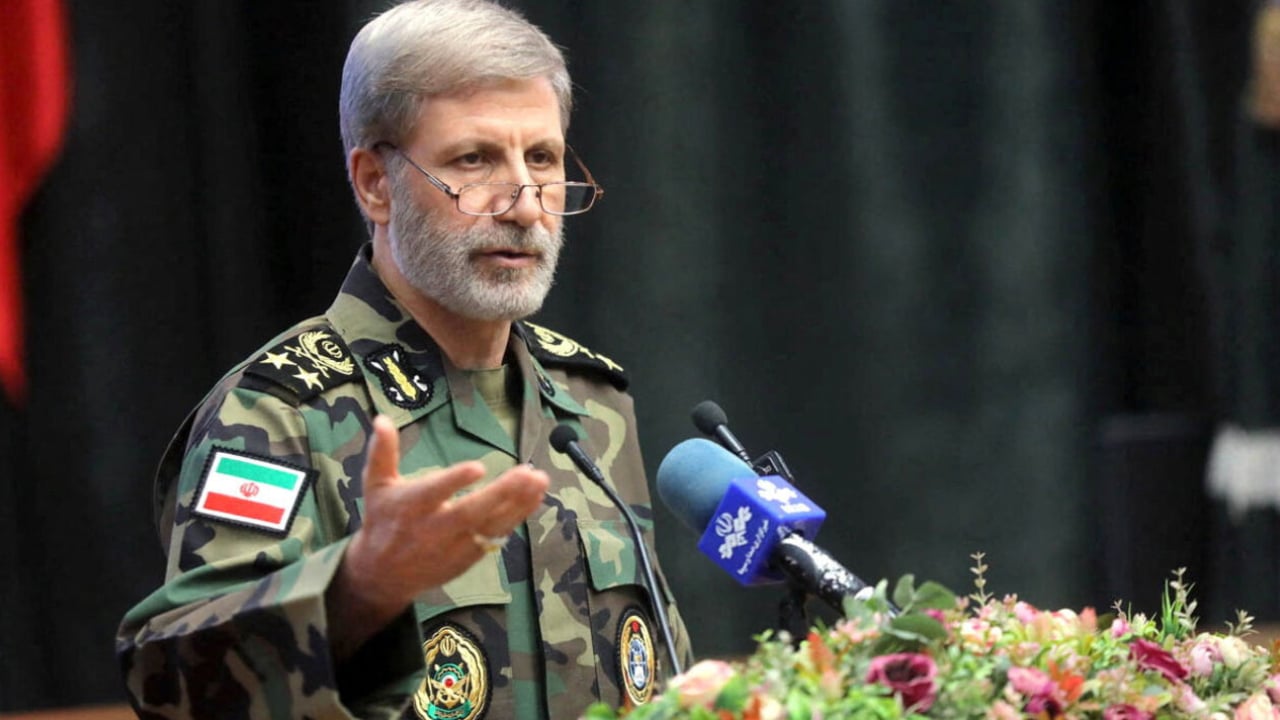
Iran’s army chief Amir Hatami has instructed the country’s operational headquarters to closely monitor every movement of the United States and Israel amid concerns of a potential ground attack. In a video shared by Iran’s state news agency IRNA, Hatami was seen meeting with other senior military officials, emphasizing the need for constant surveillance and readiness. According to IRNA’s summary of his remarks, Hatami directed the armed forces to ensure that if any enemy attempts a ground operation, none of them should return alive. The summary further stated that the military has been ordered to observe enemy movements with maximum precision and to implement plans to counter any form of attack. The report, citing Al Jazeera as its source, comes amid heightened regional tensions and warnings of possible assaults, including alerts around the US embassy in Baghdad.
Disaster Management and Relief Minister Asadul Habib Dulu announced that 445 shelters have been identified across Dhaka North and South City Corporations to prepare for potential earthquakes. He shared the information on Thursday afternoon after a meeting with Prime Minister Tarique Rahman at the Secretariat. The minister stated that the government is considering including earthquake awareness in the national education curriculum as part of broader preparedness efforts. Teachers will also be brought under training programs to enhance their capacity in disaster response. In addition, a draft list of 145,000 volunteers from various organizations has been prepared to assist in managing post-earthquake situations. These initiatives reflect the government’s ongoing efforts to strengthen disaster readiness and community resilience in the capital city.
Malaysia will introduce a work-from-home policy for government agencies, government-linked organizations, and state-related companies starting April 15, as part of efforts to address the global energy crisis. Prime Minister Anwar Ibrahim announced the decision during a briefing, noting that detailed implementation guidelines will be released soon. He emphasized that the measure is part of a broader strategy to safeguard national energy security and protect citizens from sudden price hikes. The government decided to act preemptively rather than wait for the impact of ongoing Middle East conflicts on households and businesses. The initiative falls under the country’s “Public Support Initiative.” Anwar warned that the global situation may worsen before improving and that recovery could take time. Malaysia has already implemented several measures, including a monthly fuel quota of 200 liters under the “Budi Madani 95” program and full implementation of subsidized diesel in Sabah, Sarawak, and Labuan. According to the prime minister, these steps aim to reduce the impact of rising international oil prices and ensure subsidies reach intended beneficiaries. The government currently spends about 4 billion ringgit per month to manage fuel price pressures and protect consumers.

Rail communication between Sylhet and the rest of Bangladesh remained suspended for about 16 hours following a train accident in Madhabpur, Habiganj. Thousands of passengers faced severe disruption as six wagons, including a guard brake, of a Chattogram-bound oil train derailed and overturned shortly after leaving Montola station on Wednesday night. Railway authorities immediately began rescue operations and initiated repairs to the damaged track. A five-member investigation committee led by transport officer Mehedi Hasan has been formed to determine the cause of the accident, with instructions to submit its report within three days. Local residents were seen collecting spilled oil from the overturned wagons, each of which reportedly carried around 40,000 liters of diesel. Security forces including police, army, BGB, and fire service personnel worked to secure the area and remove the public from the site. According to railway sources, the findings of the investigation will guide measures to prevent similar incidents in the future, while efforts continue to restore normal train services on the route.

The ‘1 Nojor’ media platform is now live in beta, inviting users to explore and provide feedback as we continue to refine the experience.