

The ‘1 Nojor’ media platform is now live in beta, inviting users to explore and provide feedback as we continue to refine the experience.
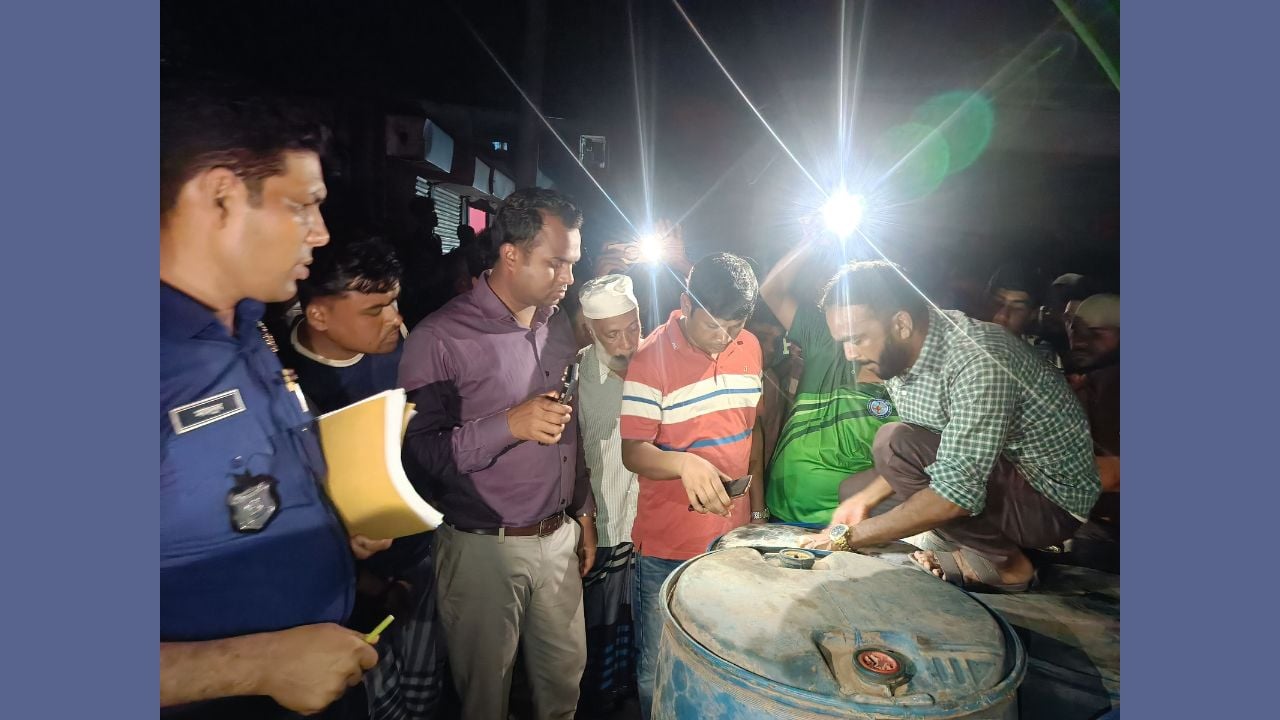
The Nasirnagar upazila administration in Brahmanbaria seized approximately 5,200 liters of illegally stored diesel from Selim Store in Purvabhag New Market on Wednesday evening, April 1. The operation was led by Assistant Commissioner (Land) and Executive Magistrate Sahel Ahmed, who conducted the raid based on secret information. Around 32 drums of diesel were confiscated during the drive. According to the report, the seizure was part of a nationwide campaign to curb illegal fuel hoarding amid a global energy crisis. Acting on intelligence, law enforcement officials discovered the large stockpile of diesel. The store owner, Md. Faisal, was fined 10,000 taka under Section 20 of the Petroleum Act, 2016 for illegal storage. The confiscated diesel was later sold at government-fixed prices within the upazila premises to meet local demand, as part of the administration’s effort to ensure fair distribution during the ongoing fuel shortage.
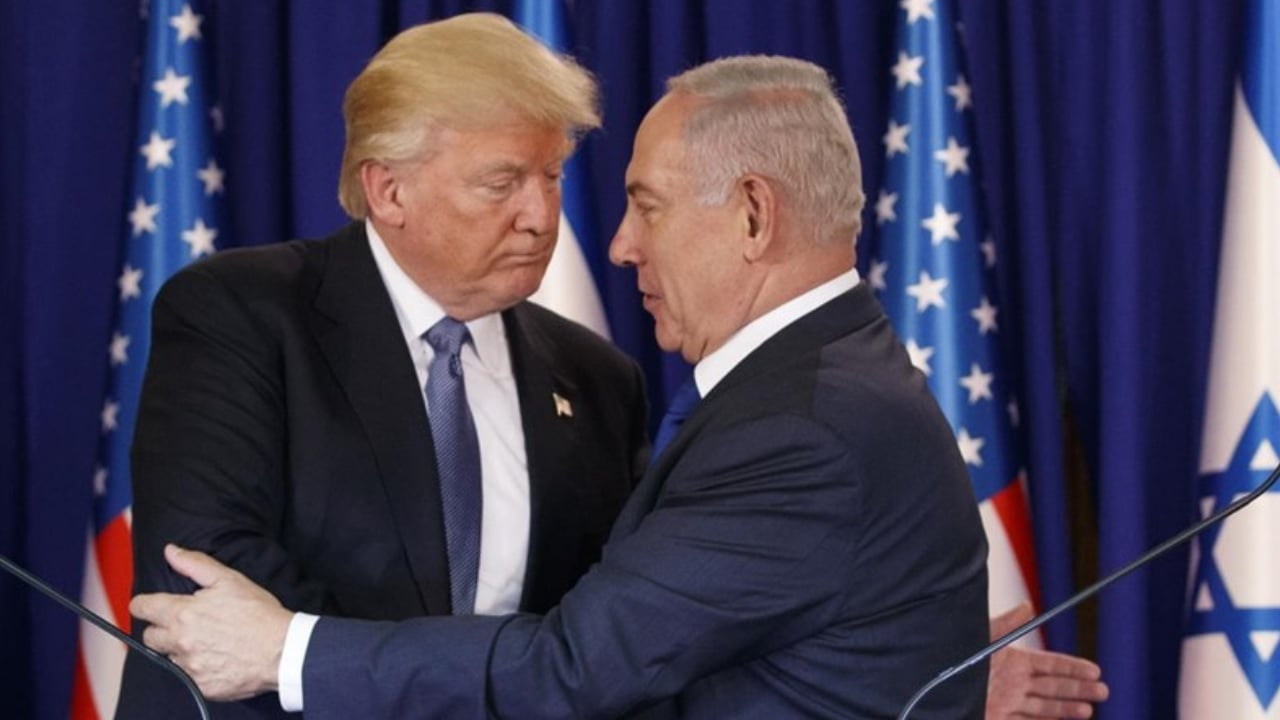
According to a report cited by Iran’s Tasnim News Agency, the United States and Israel have ultimately failed to achieve their objectives in the war against Iran. The conclusion comes from an analysis by the Center for Strategic Studies, which reviewed reports from 80 leading think tanks worldwide over the past month. The research found that while the US and Israel managed limited tactical strikes due to their advanced military technology, they failed strategically to bring down Iran’s political system, destroy its defense capabilities, or force social and political surrender. The report credits Iran’s “exceptional and intelligent warfare tactics” for giving it dominance in the conflict, including maintaining control of the Strait of Hormuz and preventing the US-Israel alliance from regaining it militarily. The analysis describes the war as gradually turning into a war of attrition, favoring Iran over time. It concludes that the US and its allies now face two options: to withdraw while claiming a “propaganda victory” or to end the conflict quickly without any form of victory.
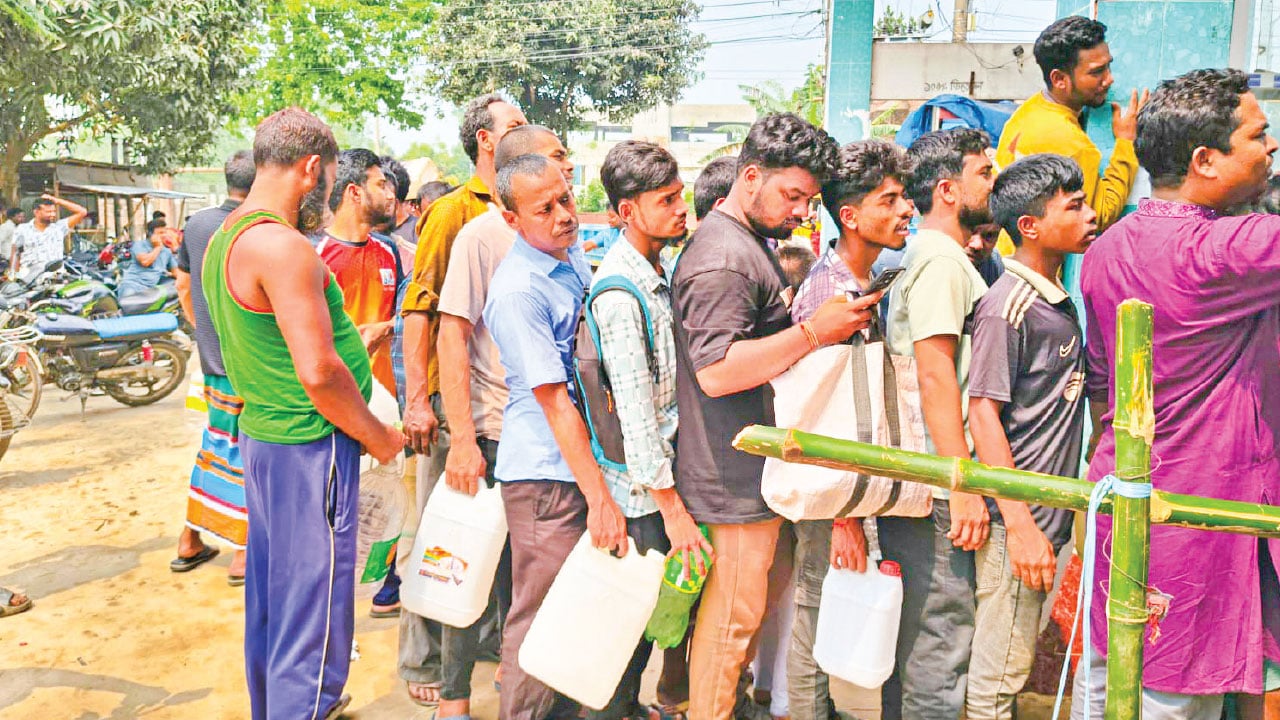
A severe fuel shortage has hit Rangpur, mirroring conditions across Bangladesh, with long queues forming at petrol pumps as motorists and residents wait for petrol, octane, and diesel. Many people were seen carrying bottles and jerrycans to collect fuel, while pump owners, workers, and administrative staff struggled to manage the crowds. Local reports indicate that several pumps have limited supply, forcing some to buy fuel at higher prices in the open market. Consumers and pump workers alleged that a syndicate is deliberately creating an artificial crisis to sell fuel at inflated prices. They claimed that large quantities of petrol, octane, and diesel are being hoarded in brick kilns and sold illegally. Some transport owners said that despite adequate reserves at depots, distribution has been restricted. A pump owners’ association leader alleged that influential individuals are forcibly taking fuel from pumps and reselling it at higher rates. District Commissioner Enamul Ahsan stated that magistrate-led drives are ongoing to identify and penalize those hiding fuel stocks. According to official data, 85 pumps in the district held limited petrol, octane, and kerosene reserves, but no diesel stock remained.
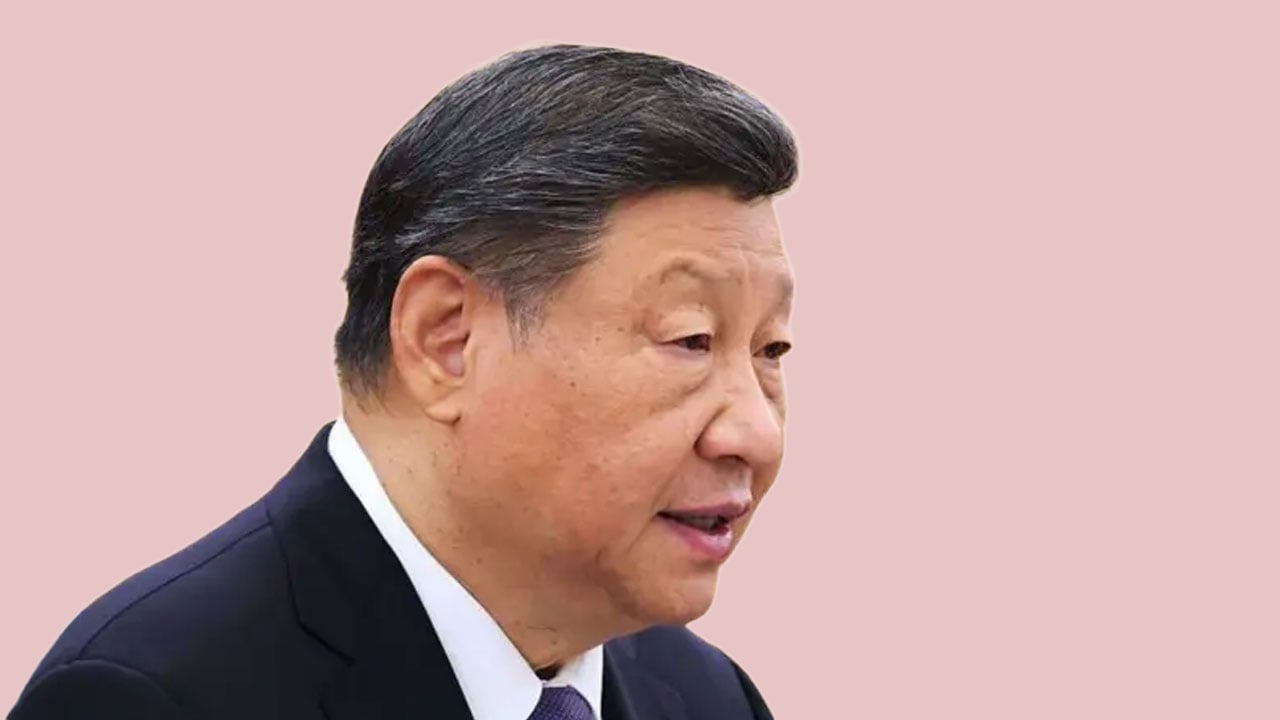
China has joined Pakistan in a joint mediation effort to stop the ongoing war in Iran, which has entered its second month. The conflict has severely disrupted global energy supplies and driven up oil prices. U.S. President Donald Trump stated that American military operations in Iran could continue for another two to three weeks, though the end of the war remains uncertain. According to reports, China and Pakistan have proposed a five-point plan aimed at achieving a ceasefire and reopening the vital Strait of Hormuz. China’s foreign ministry said both countries are working toward peace and view dialogue and diplomacy as the only effective solutions. As the world’s largest crude oil importer, China faces significant economic risks from prolonged energy instability, which could slow global growth and harm its export-driven economy. China’s growing economic ties with Middle Eastern nations and its previous mediation between Saudi Arabia and Iran in 2023 highlight its broader diplomatic ambitions. However, analysts note that China seeks economic stability rather than direct involvement in regional conflicts, and its military influence in the region remains limited.
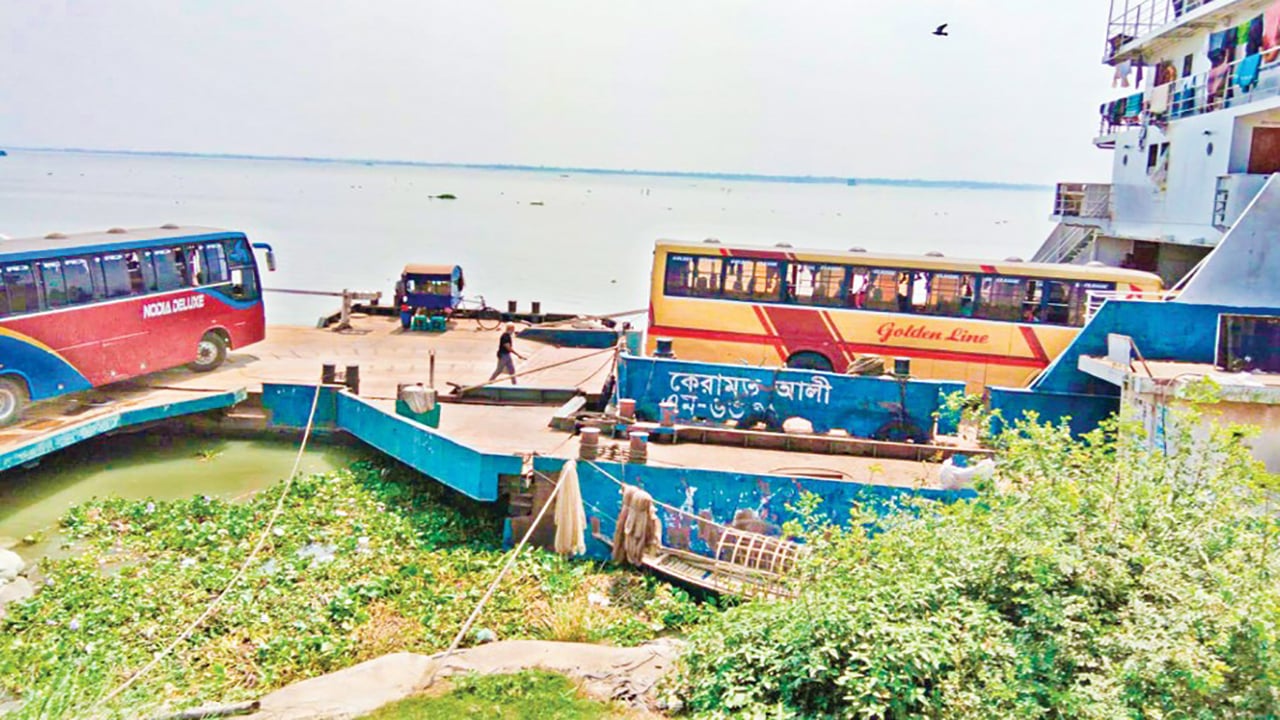
Bus drivers and passengers are reportedly ignoring a strict directive from the Ministry of Shipping that prohibits loading buses with passengers onto ferries. The order was issued after a recent accident at Daulatdia ferry terminal, where a bus fell into the river, prompting authorities to require all passengers to disembark before buses board ferries. During an on-site inspection at Paturia terminal on April 1, several buses were seen boarding ferries with passengers still inside, despite the ministry’s order. Officials from BIWTA and BIWTC claimed they were enforcing the directive and monitoring compliance, but admitted that a lack of passenger awareness made it difficult to ensure full adherence. Investigators stationed at the terminal also observed multiple buses violating the rule. The directive followed a March 25 tragedy in which a bus from Kushtia’s Kumarkhali plunged into the Padma River at Daulatdia, killing 26 people. The ministry’s enforcement challenges raise concerns about ferry safety and compliance monitoring at major terminals.
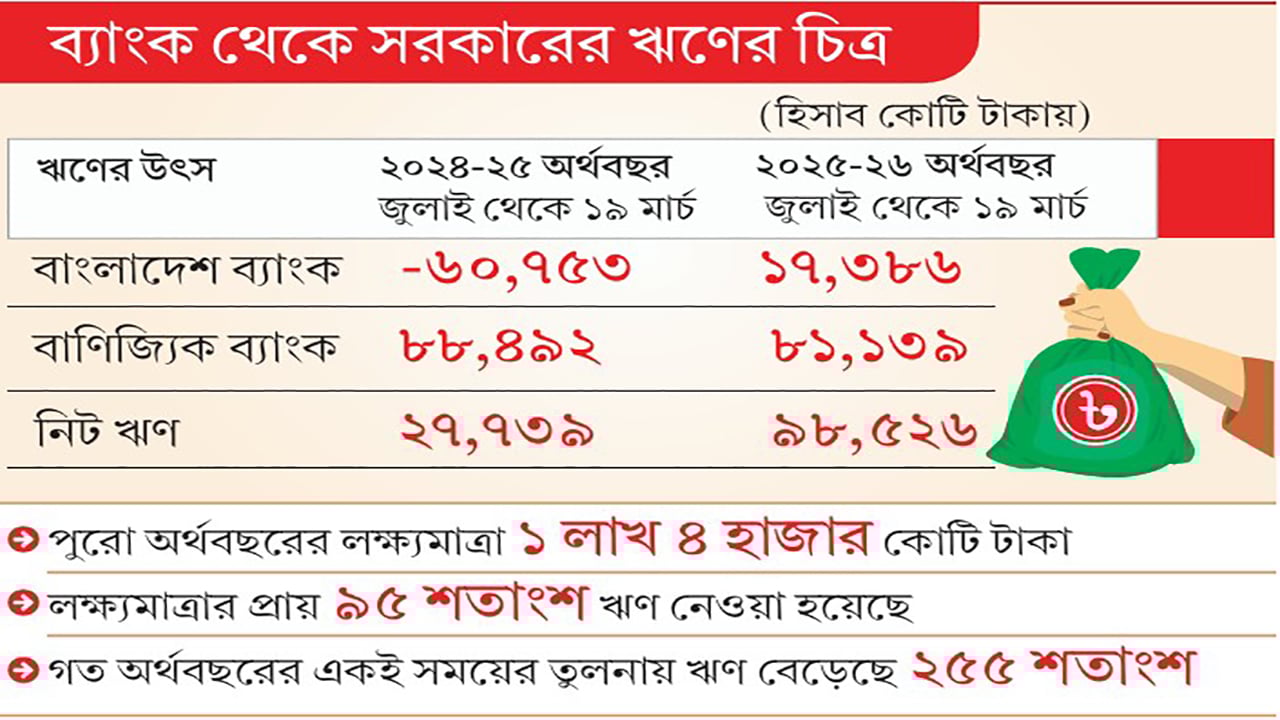
Bangladesh Bank’s latest report shows that the government borrowed Tk 985.26 billion from the banking sector between July 2025 and March 19, 2026, equivalent to 94.73 percent of its annual target of Tk 1.04 trillion. The sharp rise in borrowing stems from a major shortfall in revenue collection, with the National Board of Revenue reporting a Tk 714.72 billion deficit in customs and tax receipts during the first eight months of the fiscal year. Officials and analysts attribute the increased borrowing to rising government expenditure, including election-related costs, subsidies in the energy sector, and higher operating expenses. Former Bangladesh Bank chief economist Dr. Mustafa K Mujeri noted that the government has already borrowed nearly 95 percent of its target with over three months remaining in the fiscal year, raising concerns that borrowing may exceed planned limits. Mujeri warned that continued reliance on bank loans to finance spending could pose risks to the economy. He emphasized the need for stronger revenue generation, policy reforms, and job creation to reduce dependence on debt and ensure long-term fiscal sustainability.
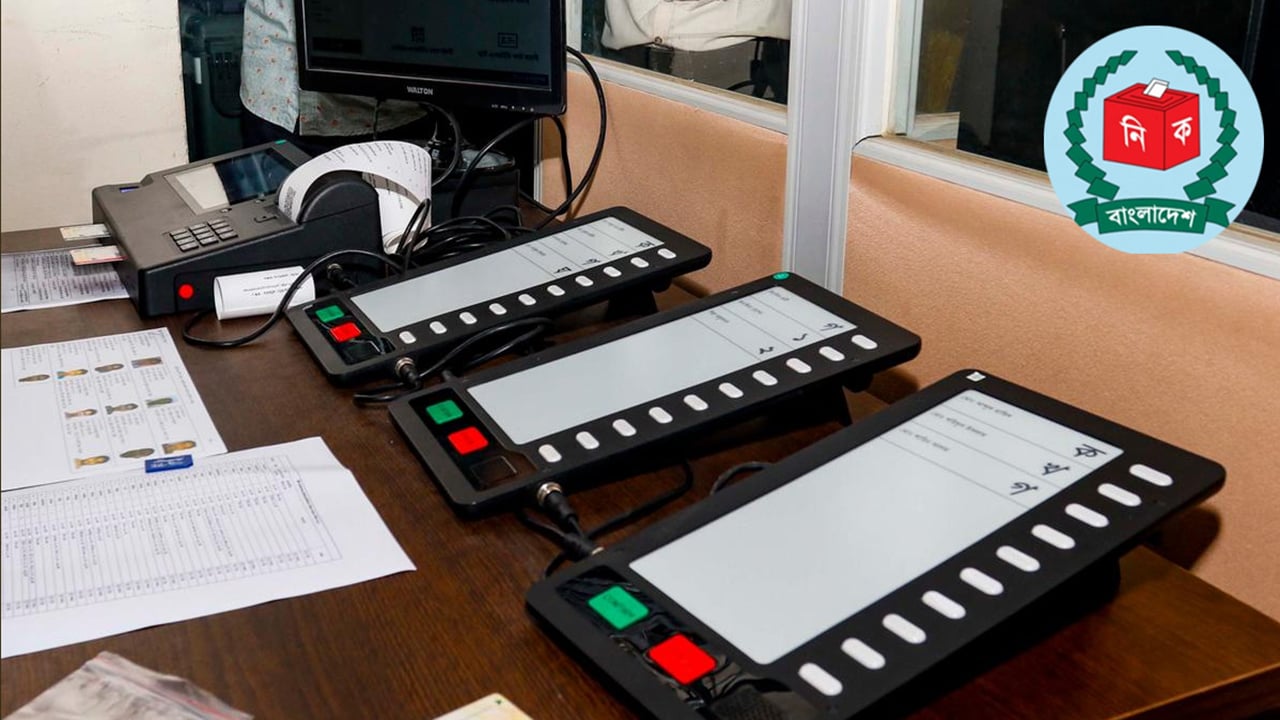
Two intelligence agency reports have uncovered large-scale corruption in Bangladesh’s electronic voting machine (EVM) project, which cost Tk 3,825 crore. The reports allege that former security adviser Tarique Ahmed Siddique and his associated firm Tiger IT played a central role in irregularities throughout the project’s approval, pricing, and procurement stages. Despite these findings, no effective investigation or action has yet been taken. The reports recommend swift legal measures against those involved and are expected to be sent to the government’s top level soon. According to the audit by the Comptroller and Auditor General (CAG), the EVMs were purchased at prices more than ten times higher than market rates, leading to an estimated Tk 3,172 crore in excess expenditure. The project was approved hastily without field surveys, and only six constituencies used EVMs in the 2018 election despite plans for 150. Currently, only about 40,000 of the 150,000 machines remain functional, with no budget allocated for maintenance or storage. The current Election Commission has decided to discontinue EVM use, and the Election System Reform Commission has supported this stance, effectively rendering the entire project a financial loss.
Several initiatives taken by Bangladesh’s interim government to establish an independent judiciary have entered a phase of uncertainty. The government’s move to repeal or amend ordinances related to judicial appointments, a separate judicial secretariat, and subordinate court regulations has sparked strong opposition from rival parties. Legal experts and former officials fear these steps could undermine previous reforms and court rulings supporting judicial autonomy. The interim government had approved the Supreme Court Secretariat Ordinance in November 2025, following the July uprising, as part of broader institutional reforms. The secretariat began operations in December with appointed officers and staff. However, since the recent national election, its activities have slowed, raising doubts about the government’s commitment to judicial independence. Senior lawyers and former Chief Justice Syed Refaat Ahmed emphasized that these reforms were designed to ensure transparency and accountability in judicial appointments. Civil society leaders and the ‘Young Judges for Judicial Reform’ group have urged the new parliament to pass the Supreme Court Secretariat Ordinance within 30 days of its first session and to uphold the national consensus on judicial independence reflected in the July Charter.

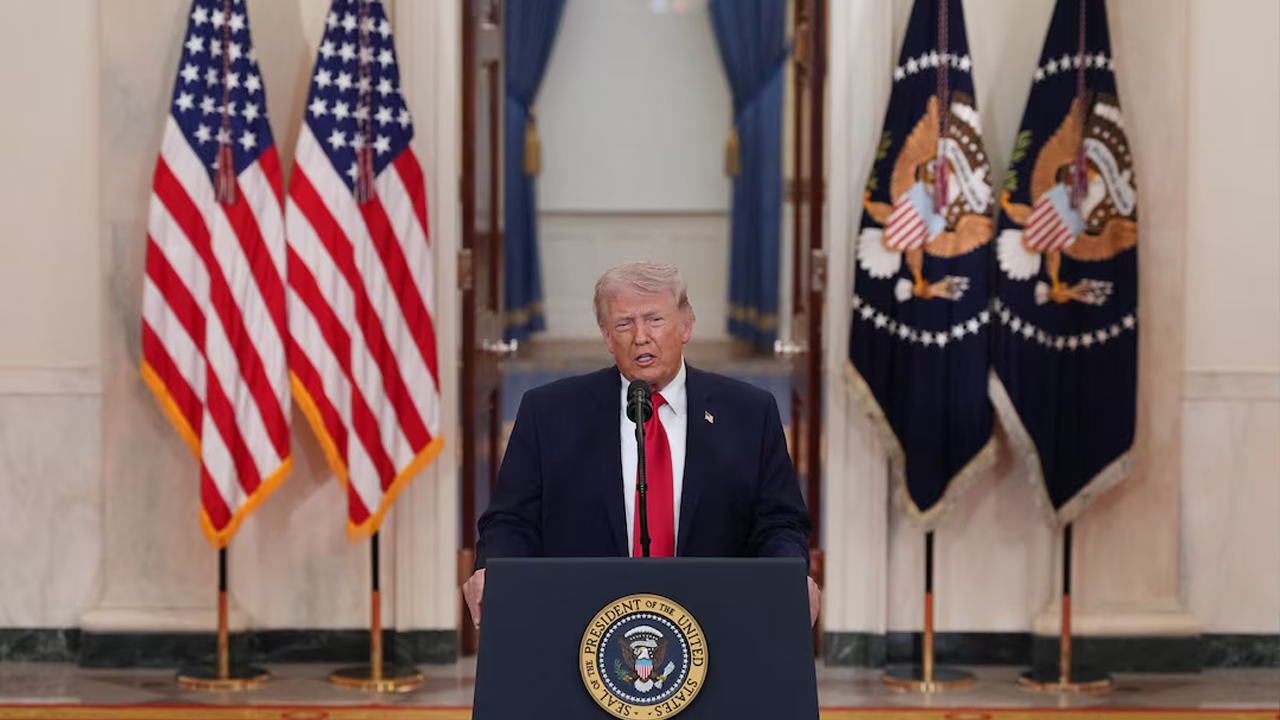
U.S. President Donald Trump announced that the ongoing war will continue for at least several more weeks, reaffirming earlier statements during a televised address to the nation. Speaking at 9 p.m. local time, he said the United States had already achieved rapid and significant victories and was close to final success. Trump stated that American forces would continue bombing operations in the coming weeks. He warned that if Iran refused to reach an agreement, its energy and power infrastructure would become targets. Trump also mentioned that allied nations were taking steps to secure control of the Strait of Hormuz, though he did not directly reference NATO. He emphasized that many strategic objectives had already been achieved and that the campaign would persist. Trump thanked U.S. allies involved in the Iran conflict, particularly Israel and Gulf countries, for their contributions, saying they had performed exceptionally and would not be allowed to fail.
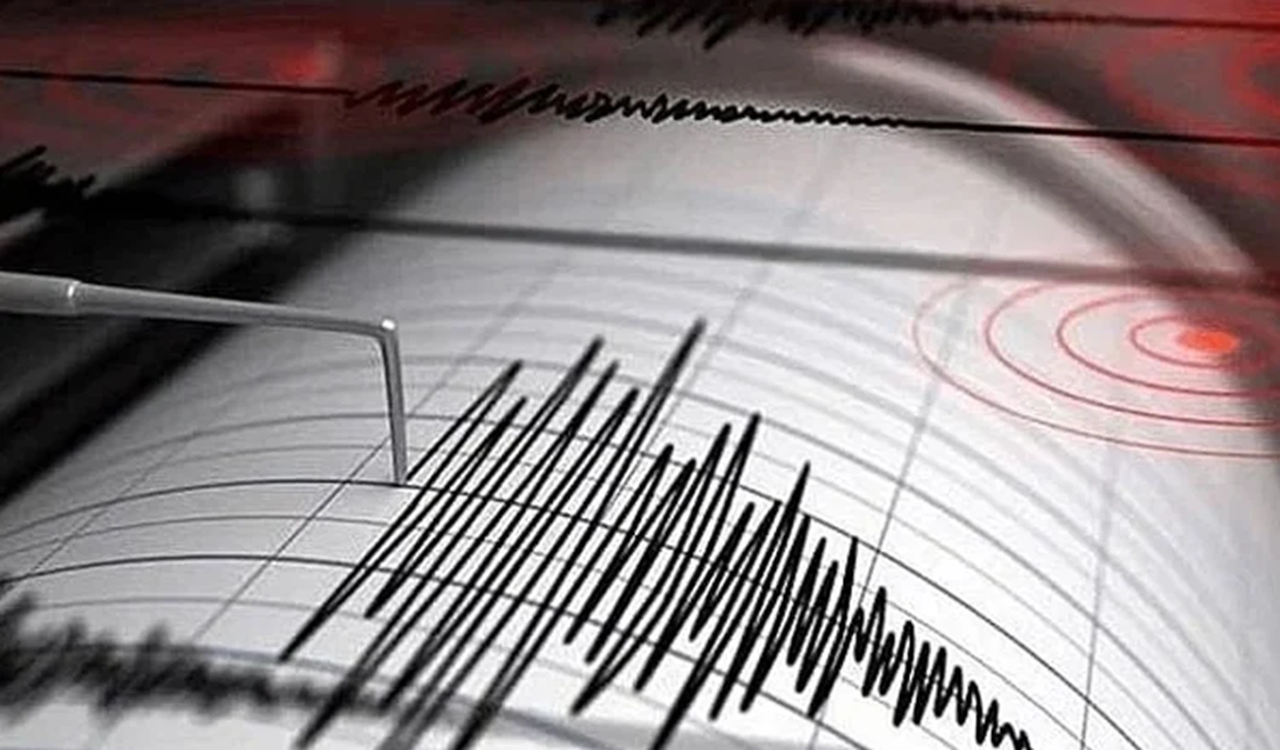
A 7.4 magnitude earthquake struck Indonesia’s North Maluku Sea region early Thursday, according to the US Geological Survey. The quake’s epicenter was located about 127 kilometers west-northwest of Ternate city at a depth of roughly 35 kilometers. Following the tremor, the US tsunami warning system issued alerts for possible waves within 1,000 kilometers of the epicenter, affecting coastal areas of Indonesia, the Philippines, and Malaysia. Authorities warned that waves between 0.3 and 1 meter above normal tide levels could hit parts of Indonesia’s coast, while smaller waves under 30 centimeters were forecast for Guam, Japan, Malaysia, Papua New Guinea, the Philippines, and Taiwan. Japan’s meteorological agency said only minor sea-level changes were expected, and Australia’s weather bureau confirmed no tsunami threat to its mainland or islands. An AFP journalist in Manado, North Sulawesi, reported that residents rushed outdoors in panic as the shaking lasted for a long time, though no major damage was observed. Indonesia, located on the Pacific “Ring of Fire,” frequently experiences earthquakes and volcanic eruptions.
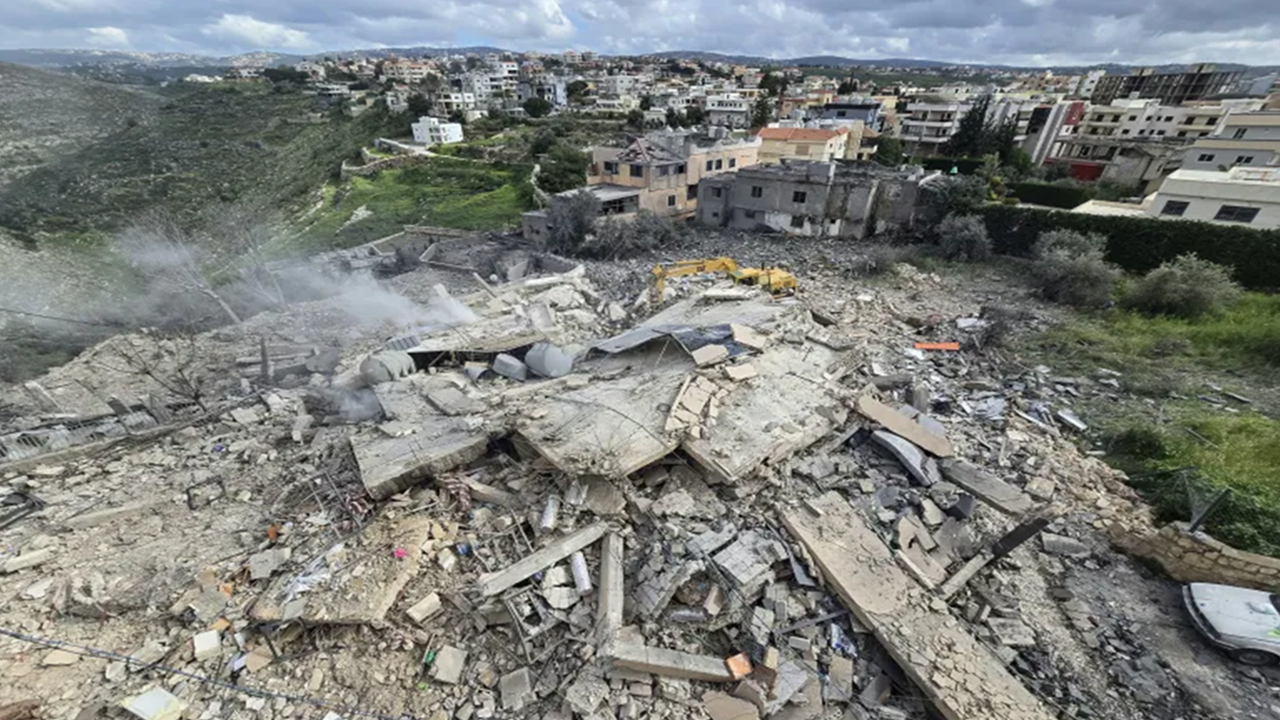
The human rights organization Democracy for the Arab World Now (DAWN) has called on the international community to take urgent action to prevent what it described as Israel’s plan to destroy border villages in southern Lebanon and block the return of displaced civilians. The group urged countries to impose arms and economic sanctions to halt what it termed Israel’s ongoing repression and to prevent a long-term occupation of southern Lebanon. The appeal follows remarks by Israeli Defense Minister Israel Katz, who acknowledged plans to turn southern Lebanon into ruins similar to Gaza and depopulate the area. Human rights activists warned that such actions could amount to ethnic cleansing. Last week, Israeli Finance Minister Bezalel Smotrich suggested making the Litani River, which flows about 30 kilometers inside Lebanon, Israel’s new northern border. DAWN’s Israel-Palestine director Michael Schaeffer Omer-Man said Israel is using the war with Iran as a cover to accelerate territorial expansion, now targeting Lebanon. He warned that only real and severe consequences could deter Israel, urging states to act before it is too late.
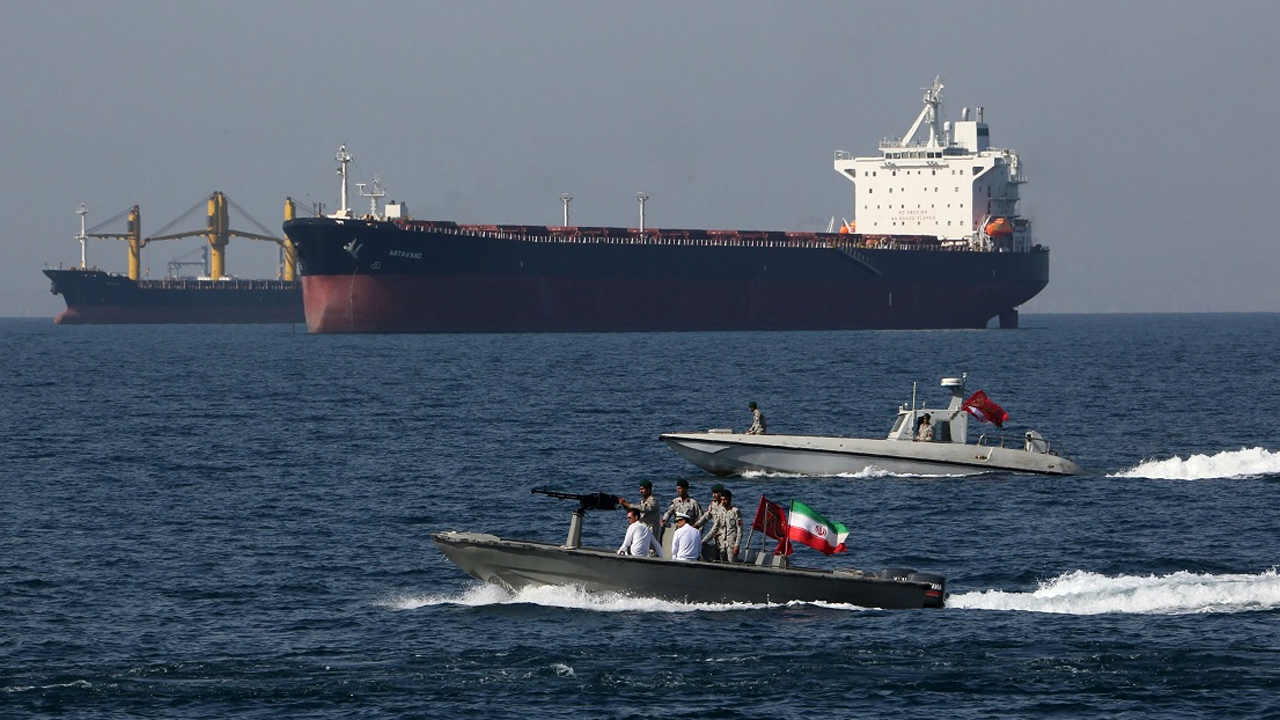
The United Kingdom is hosting a virtual meeting on Thursday with representatives from about 35 countries to discuss ways to reopen the Hormuz Strait, a key maritime route disrupted by the ongoing Middle East war. British Prime Minister Keir Starmer announced the meeting on Wednesday, stating that Foreign Secretary Yvette Cooper will chair the session. The agenda includes restoring freedom of navigation, ensuring the safety of stranded ships and sailors, and resuming the transport of essential goods through the strait. Starmer added that following the meeting, military planners will discuss how to secure and make the strait operational after the conflict ends. Participating nations include France, Germany, Italy, Japan, and the Netherlands, all of which have pledged to cooperate in ensuring safe passage through the area. The strait has been effectively closed by Iran since the U.S.-Israeli offensive began on February 28, causing global oil and gas prices to rise. Starmer cautioned that reopening the strait will not be easy. He also reaffirmed the UK’s full commitment to NATO, responding to U.S. President Donald Trump’s recent criticism of the alliance.
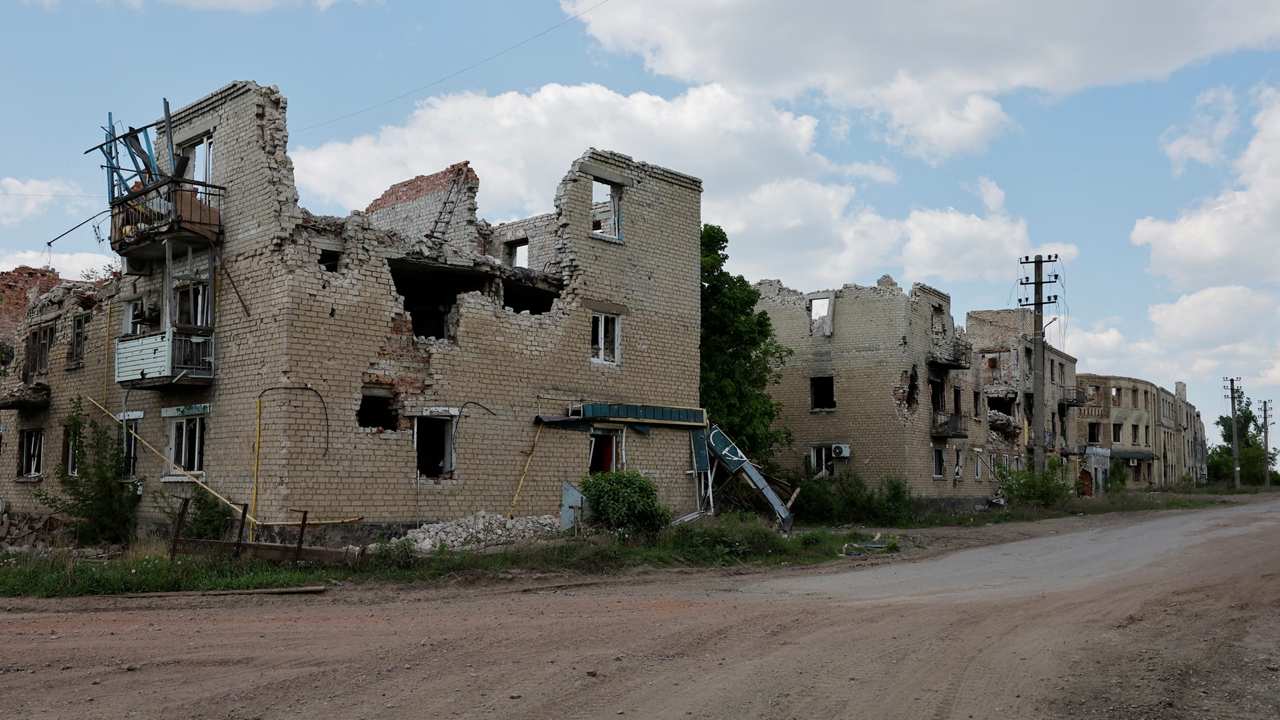
Russia’s Defense Ministry announced on Wednesday, April 1, that its forces have taken full control of Ukraine’s Luhansk region. The ministry stated that western military units had completely liberated Luhansk. Russia also reported capturing the villages of Verkhnya Pisarivka in Kharkiv and Boikove in Zaporizhzhia. Luhansk and Donetsk together form the Donbas region, where Russia already controls most of the territory. The Kremlin reiterated its call for Ukrainian forces to withdraw entirely from Donetsk, a demand Kyiv has repeatedly rejected. Kremlin spokesperson Dmitry Peskov said that if Ukrainian President Volodymyr Zelensky decided to withdraw troops from Donbas, the ongoing war could end. Zelensky, a day earlier, claimed that Russia had given the United States an ultimatum, threatening tougher peace terms if the remaining parts of Donbas were not captured within two months. The conflict began in February 2022 when Russia launched a military operation to seize Donbas, later expanding into a full-scale war. Western nations have provided Ukraine with extensive financial and military support, contributing to the conflict’s prolongation and escalation.
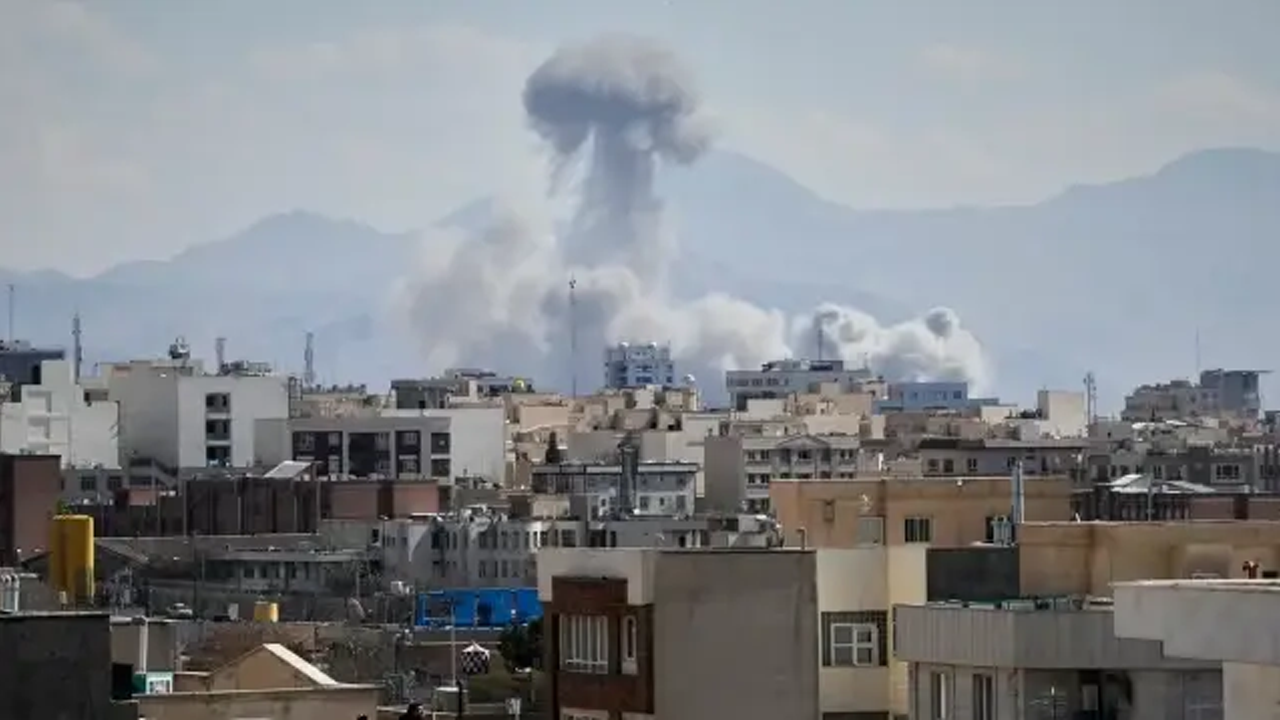
A joint airstrike by the United States and Israel on Wednesday evening targeted a mountainous grazing area in Larestan, located in Iran’s southern Fars province. According to reports, four people were killed and three villagers were injured in the attack. The injured individuals are receiving treatment at a local hospital. A senior official responsible for political and security affairs in the local administration confirmed the incident, as reported by the Fars News Agency. The report did not provide further details about the identities of the victims or the specific objectives of the strike. The attack adds to ongoing regional tensions, though the source did not specify any immediate response or broader implications following the strike.
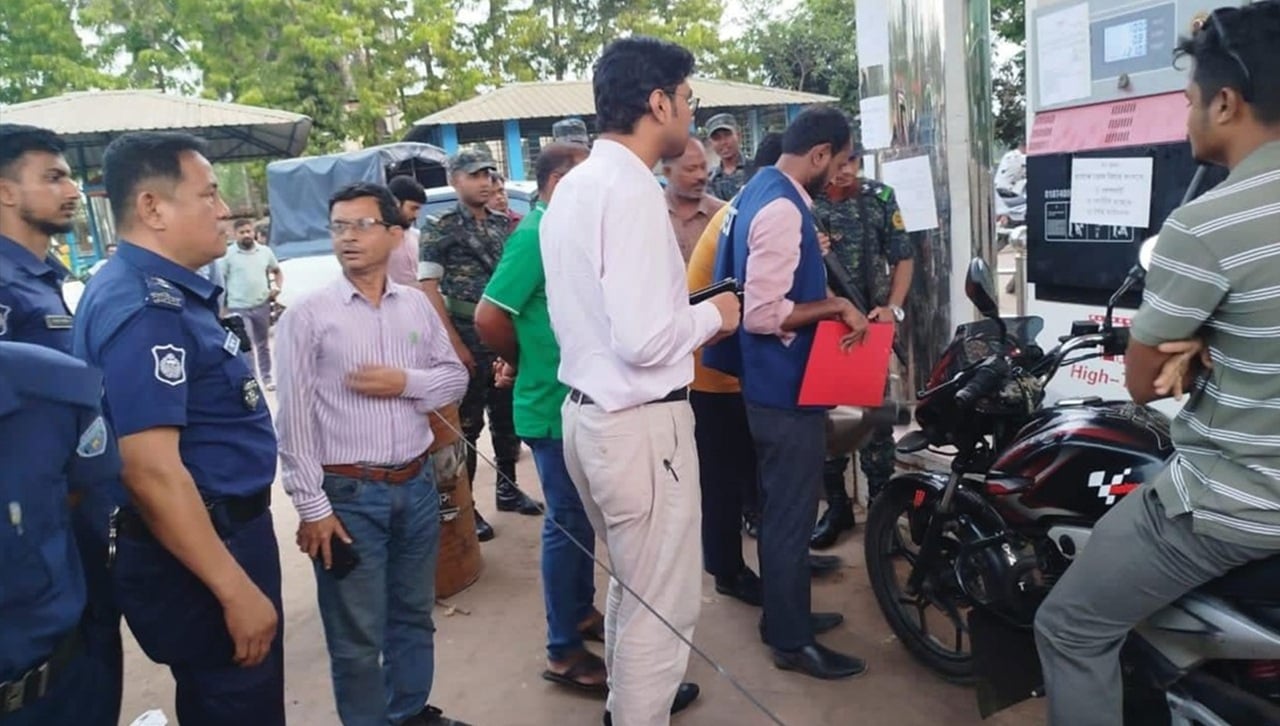
Authorities in Ukhiya upazila of Cox’s Bazar conducted a drive on Wednesday night, April 1, 2026, against three filling stations accused of hoarding fuel while displaying ‘no fuel’ signs. The operation, led by Assistant Commissioner (Land) and Executive Magistrate Md. Mahmudur Rahman Sayem under the supervision of Upazila Nirbahi Officer (UNO) Rifat Asma, resulted in four cases and fines totaling Tk 235,000. According to the upazila administration, irregularities were found during monitoring of fuel supply. At Kutupalong’s Messrs Chowdhury Filling Station Ltd, 300 milliliters less fuel per 10 liters was being dispensed, leading to a Tk 75,000 fine. Yusuf and Brothers Filling Station in Palongkhali was fined Tk 50,000 for concealing information and hoarding 5,000 liters of diesel. Another Chowdhury Filling Station in Morichya was fined Tk 110,000 in two cases for excess fuel storage and meter reading faults. Officials said such drives will continue to protect consumer interests and ensure fair fuel distribution. The UNO warned that artificial shortages and under-measurement would not be tolerated.
The ‘1 Nojor’ media platform is now live in beta, inviting users to explore and provide feedback as we continue to refine the experience.