

The ‘1 Nojor’ media platform is now live in beta, inviting users to explore and provide feedback as we continue to refine the experience.
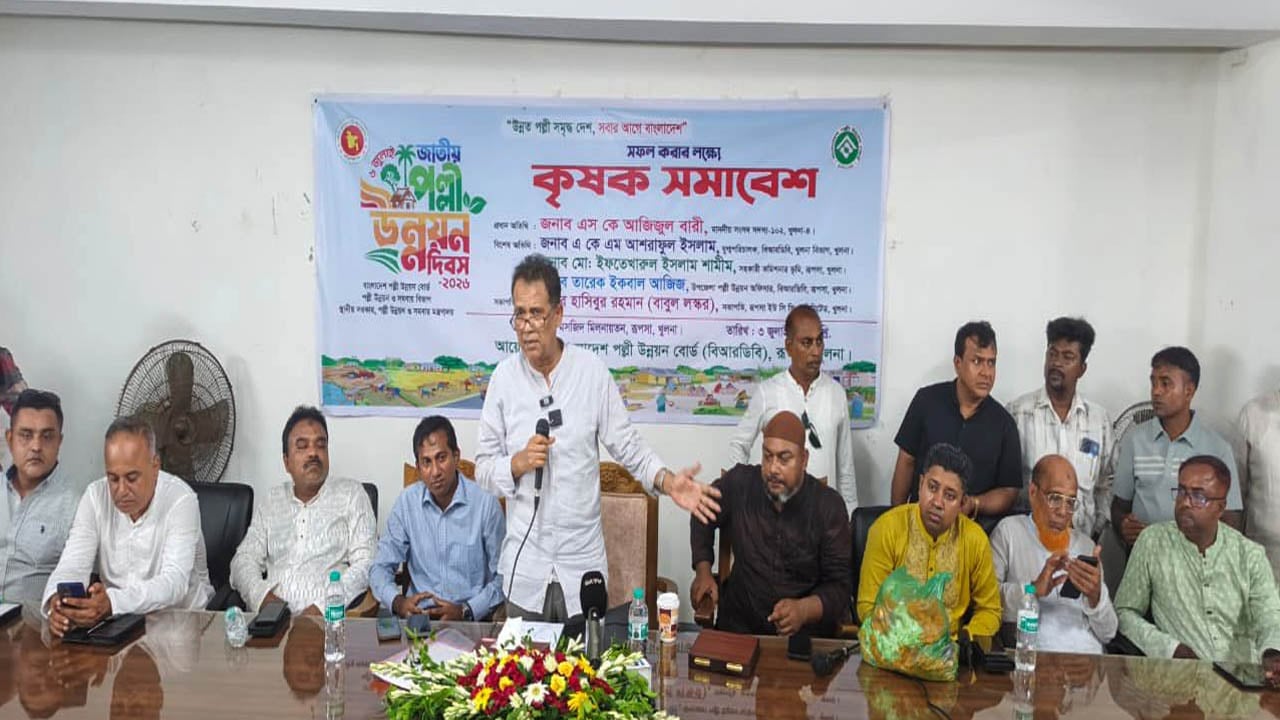
BNP Central Information Secretary and MP Azizul Bari Helal stated that anyone following the Awami League’s politics of occupation, extortion, and corruption would have no place in the BNP. Speaking on Friday at a farmers’ gathering in Khulna’s Rupsha Model Mosque auditorium, organized by the Bangladesh Rural Development Board to mark National Rural Development Day, he emphasized that the party would not take responsibility for any member involved in irregularities or misuse of the party name. Helal accused the Awami League of establishing a culture of corruption and misappropriation over the past 17 years and warned that BNP members must not repeat those practices. He cited directives from acting chairman Tarique Rahman, declaring a zero-tolerance policy against such misconduct. Helal also urged the administration to take strict legal action against land grabbers and extortionists regardless of political affiliation. Addressing rural economic issues, he noted that government agricultural loans and development funds often fail to reach genuine farmers, instead benefiting politically influential groups. He called for greater responsibility from officials to ensure that real farmers receive state support.
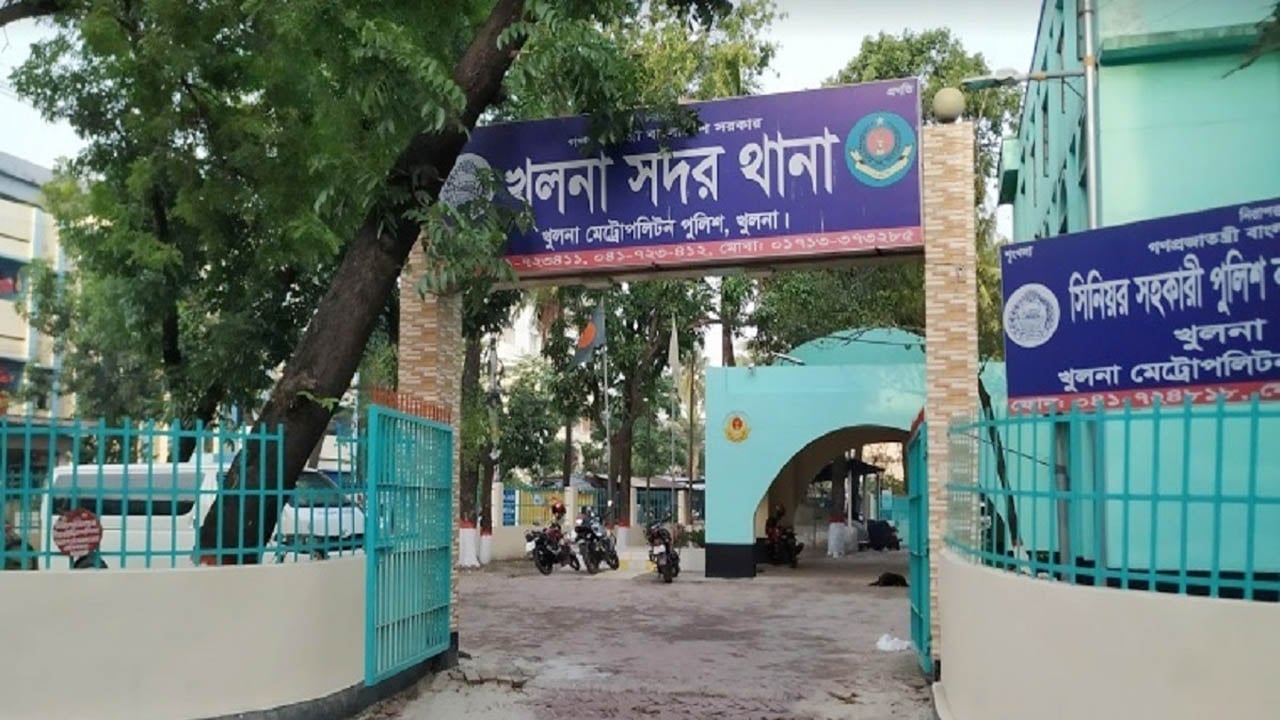
A 15-year-old girl named Iti was shot by unidentified assailants in the Rupsha embankment area under Khulna Sadar Police Station on Friday evening. The incident occurred around 7 p.m. when two helmeted youths arrived on a motorcycle and fired at her. The bullet pierced through her left leg. Locals rescued her and provided initial treatment before admitting her to Khulna Medical College Hospital. Police confirmed the incident and said an investigation is underway to identify those responsible. According to local sources, Iti is the sister of Ashik, a police-listed top criminal in Khulna. However, law enforcement authorities have not commented on whether the shooting is connected to that relationship. The motive behind the attack and the identities of the attackers remain unknown. Police are continuing their investigation at the scene, and further details are expected as inquiries progress.
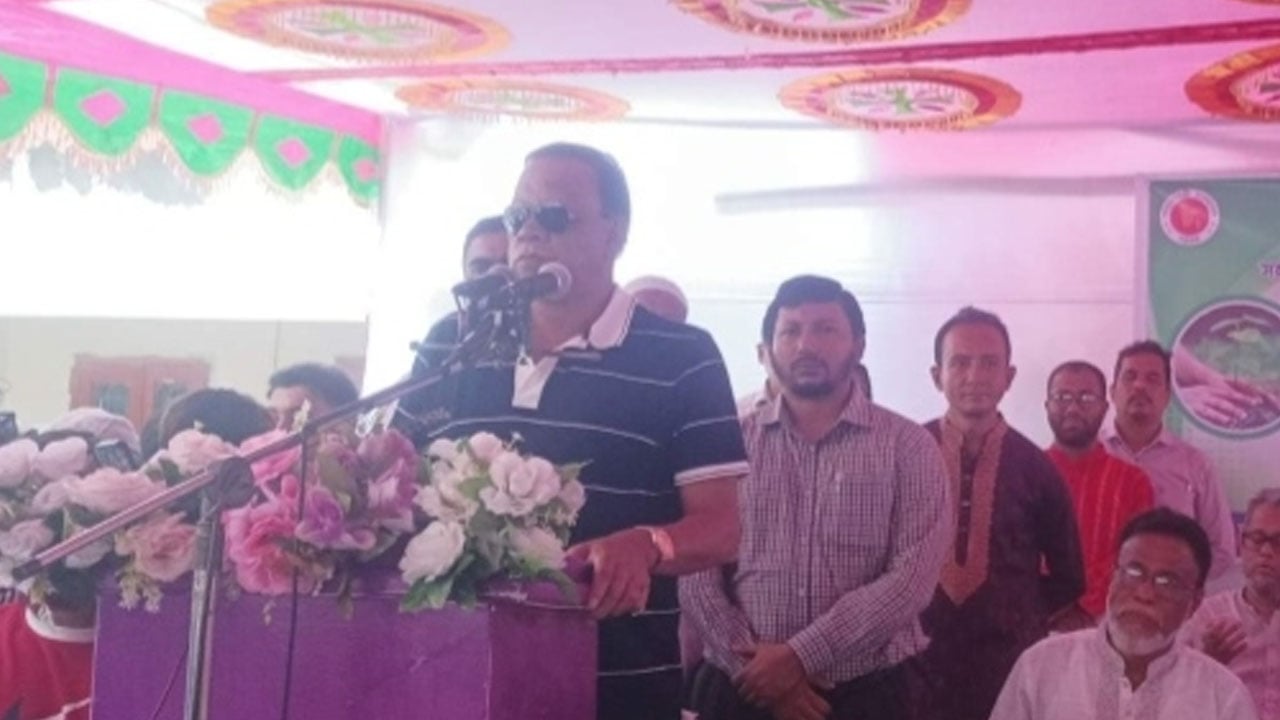
Barrister A.M. Mahbub Uddin Khokon, president of the Bangladesh Supreme Court Bar Association and MP for Noakhali-1, sharply criticized the Anti-Corruption Commission (ACC) during a public event in Chatkhil on July 3, 2026. He described the ACC as an ineffective and corrupt institution, claiming that it flatters whichever government is in power while harassing ordinary citizens and favoring large business interests. He urged that the ACC’s character as a state body must change. Speaking as chief guest at a seed, fertilizer, and tree distribution program organized by the local agriculture department, Khokon also called on the search committee responsible for appointing the ACC chairman and commissioners to select honest and impartial individuals free from nepotism or political loyalty. He linked the country’s economic difficulties to declining public trust in banks, leading to reduced reinvestment and rising unemployment. Khokon further warned against corruption in road and development projects, instructing local officials to ensure transparency and quality. He emphasized public safety, agricultural fieldwork, and environmental balance through tree planting initiatives in his constituency.
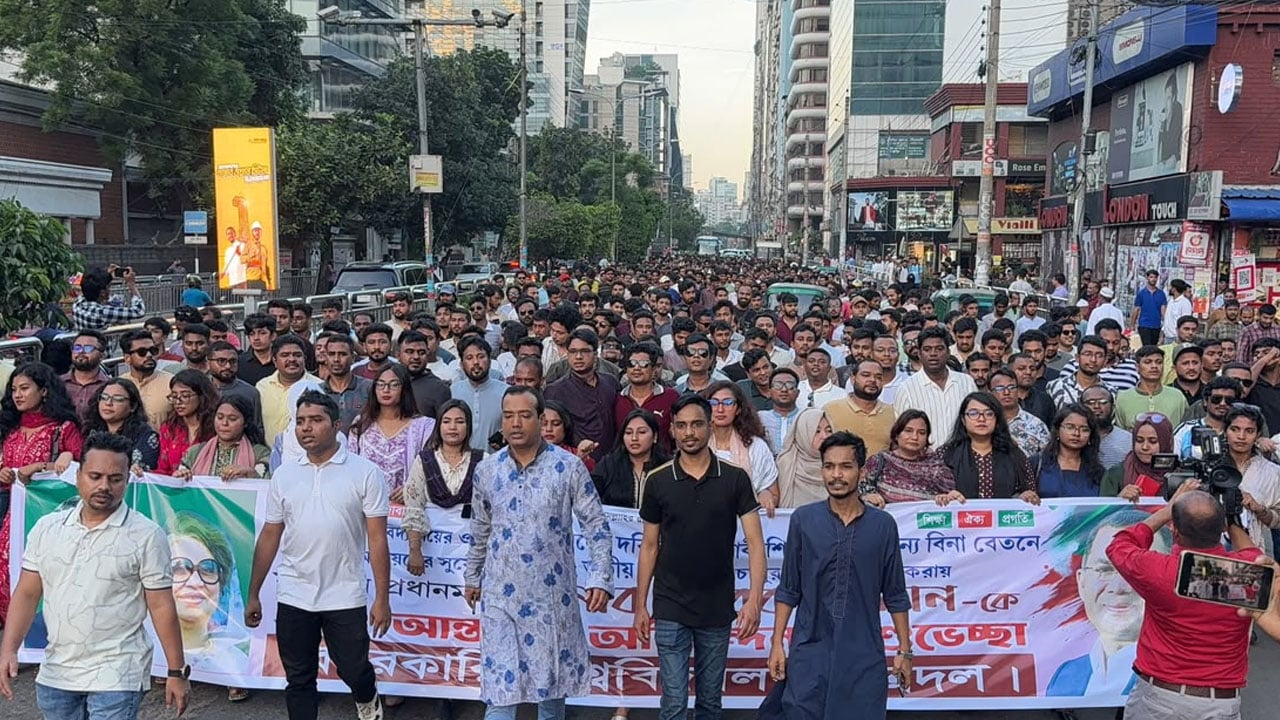
The private university wing of the Bangladesh Nationalist Party’s student organization held a celebratory rally in Dhaka on Friday, thanking Prime Minister and BNP Chairperson Tarique Rahman for reducing the VAT rate on private universities, introducing free study opportunities for poor meritorious students, and initiating third-language education. The rally began in front of Prime Asia University on Kamal Ataturk Avenue and concluded after marching through Banani’s main roads. Central Jatiyatabadi Chhatra Dal President Md. Rakibul Islam Rakib attended as chief guest, praising the historic role of private university students in national movements. The organization’s president Md. Abu Horaira and general secretary M. Rajibul Islam Talukder (Bindu) led the march, joined by leaders and students from around 50 to 52 private universities in Dhaka. Speakers described the VAT reduction from 10% to 5% and new education initiatives as transformative for higher education, making it more inclusive and globally competitive. They also demanded the establishment of student unions in all private universities across the country.
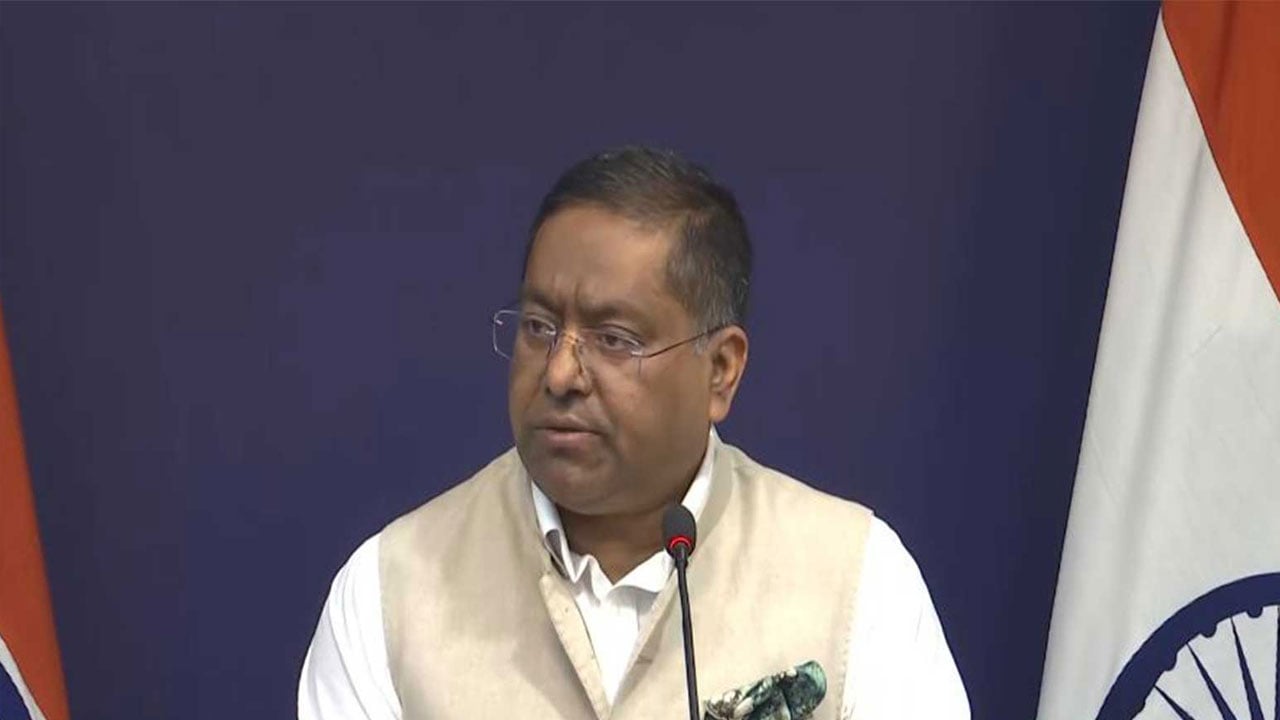
India’s Ministry of External Affairs spokesperson Randhir Jaiswal said New Delhi is closely observing developments related to Bangladesh’s Teesta mega project and possible discussions on purchasing Chinese J-10 fighter jets. He made the remarks during a weekly media briefing in New Delhi, noting that India’s development cooperation with Bangladesh is based on mutual understanding and regular review. The statement came as Bangladesh and China agreed to strengthen cooperation on Teesta and other transboundary river management. During his recent visit to China, Bangladesh’s Prime Minister Tareq Rahman declared the Teesta project a national priority and pledged to implement it at any cost. Chinese officials have stated that their cooperation with Bangladesh is not aimed at any third country. Meanwhile, China’s ambassador in Dhaka, Yao Wen, said discussions are underway to form a new platform for diplomatic and defense cooperation. According to reports, India remains concerned about the Teesta project’s progress under Chinese involvement, while the long-pending Teesta water-sharing deal between Bangladesh and India remains unresolved due to opposition from West Bengal’s state government.
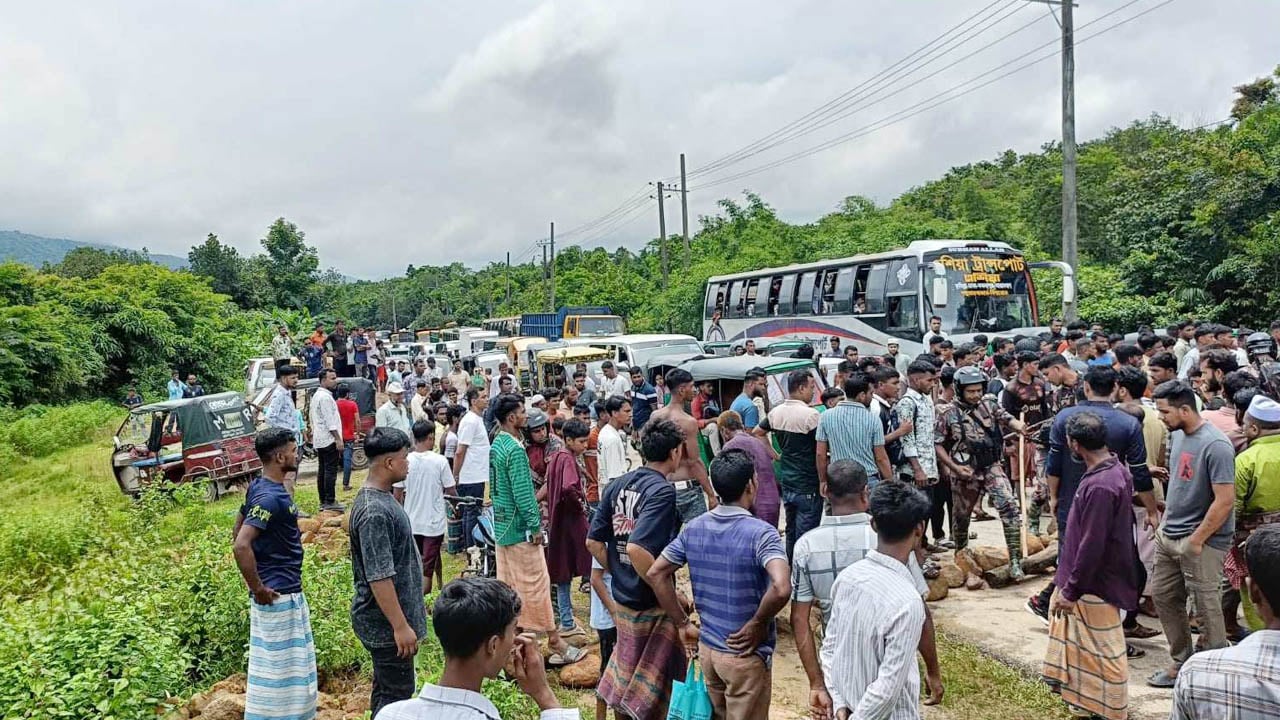
Workers in Sylhet’s Jaintapur upazila blocked the Sylhet-Tamabil highway on Friday afternoon after Border Guard Bangladesh (BGB) seized stone-laden trucks and allegedly assaulted a driver. The protest began following the detention of four trucks during a morning patrol in the Shreepur Khadampur area. As the trucks were being taken to the BGB camp, workers forcibly unloaded stones from three of them and clashed with BGB members. The situation escalated when BGB fired a blank shot to control the crowd. The incident caused panic among locals and created long traffic jams on both sides of the highway, leaving passengers and tourists stranded for hours. BGB officials stated that the blank shot was fired for security reasons and confirmed that no one was injured. The blockade lasted for about two hours. The protest ended after the Upazila Nirbahi Officer, Sunanda Roy, arrived at the scene and held discussions with workers, transport leaders, businesspeople, and local representatives. Following assurances of a fair resolution, the workers withdrew the blockade and traffic movement resumed.
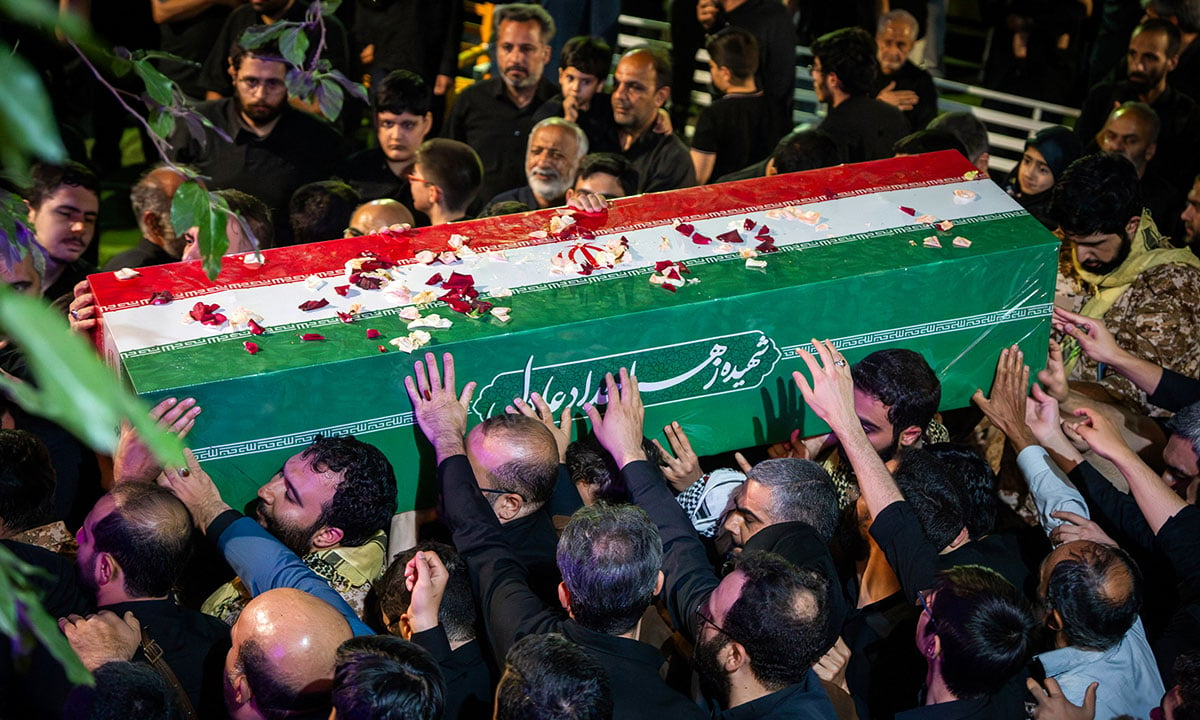
Iran has organized a large-scale farewell ceremony for Ayatollah Ali Khamenei, marking the end of his nearly four-decade-long influence over the country’s politics, religious leadership, and regional geopolitics. The government is presenting the event as a demonstration of national unity, with President Masoud Pezeshkian describing the public turnout as a strong response to terrorism and oppression. The ceremony extends beyond Iran, with related events in Iraq’s holy cities of Najaf and Karbala attended by senior Shia leaders and high-level delegations from countries including Russia, China, Pakistan, and Bangladesh. Tehran aims to use the event to signal that the foundations of the Islamic Republic remain firm despite the leadership transition. The farewell serves as the first major test for the new Supreme Leader, Ayatollah Mojtaba Khamenei, providing a platform to establish his legitimacy. Military officials have stated that the massive participation demonstrates that the late leader’s path continues under new leadership. Through this nationwide mobilization, Iran seeks to affirm institutional stability, public support, and the continuity of its political and religious unity.
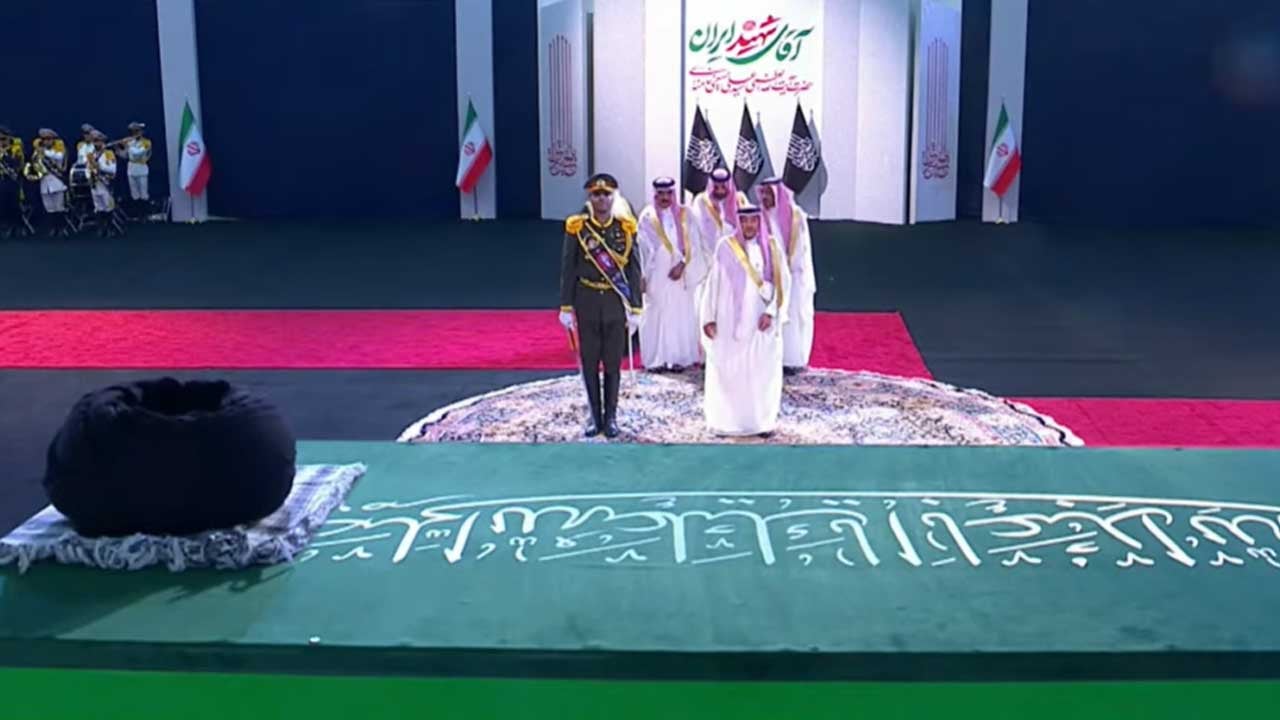
Saudi Arabia formally paid tribute to Iran’s former Supreme Leader Ayatollah Ali Khamenei on Friday, July 3, 2026. A high-level Saudi delegation led by Deputy Foreign Minister Walid El Khuraiji attended the ceremony in Tehran to offer condolences. According to international media reports, Qatar, Iraq, Yemen, Oman, and Lebanon also officially expressed their respects to Khamenei. However, Kuwait, Bahrain, and the United Arab Emirates had not paid tribute as of the latest reports. The source noted that during recent Iran–United States tensions, U.S. military bases in those three countries experienced the highest number of Iranian attacks. Despite a long history of diplomatic tension and rivalry, the Saudi delegation’s presence in Tehran is being viewed as a significant diplomatic gesture in Middle Eastern politics.
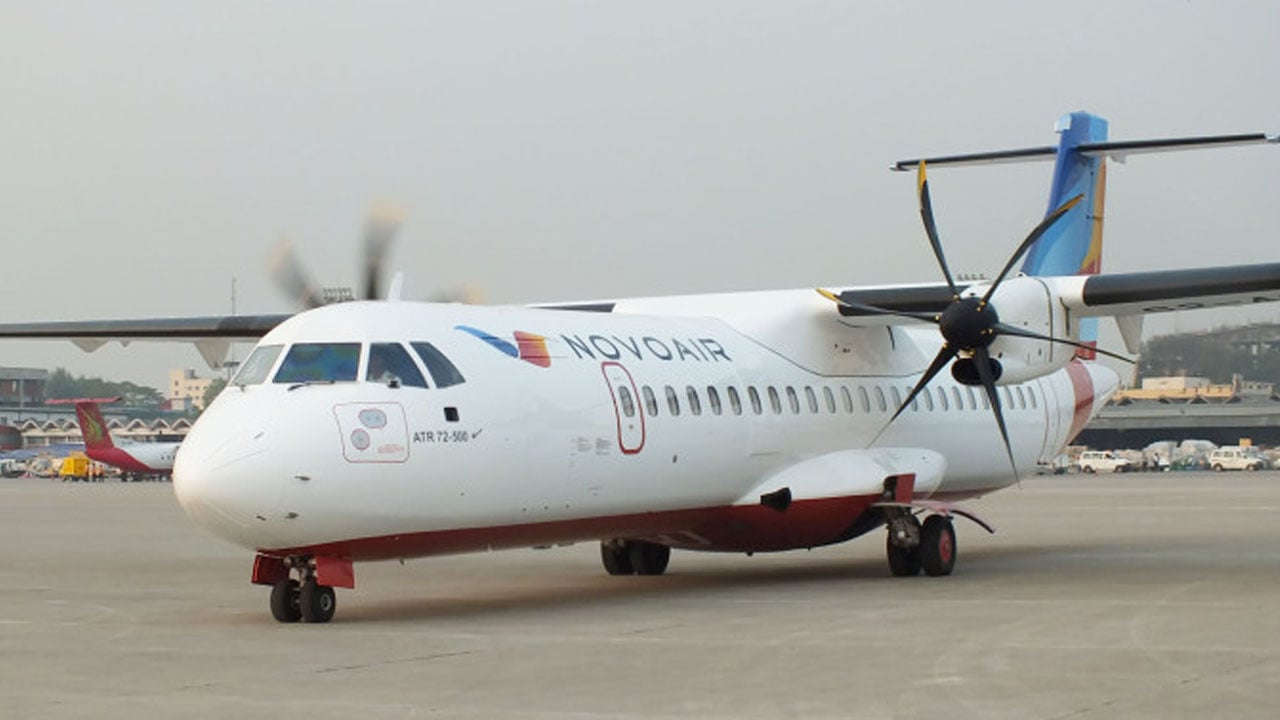
A Novoair flight bound for Cox’s Bazar made an emergency landing in Dhaka after a mechanical fault prevented its landing gear from retracting. The incident occurred on Friday evening shortly after the aircraft took off from Hazrat Shahjalal International Airport. The flight, identified as VQ-935, departed at 6:50 p.m. and encountered the issue about 10 to 15 minutes later. Despite multiple attempts, the captain was unable to retract the landing gear and decided to return to Dhaka. The aircraft circled in the air for around 40 to 45 minutes before landing safely. Prime Minister’s civil aviation and tourism adviser Humayun Kabir was among the passengers on board. He later stated that the captain’s decision was entirely correct and taken in the interest of passenger safety, though the extended flight time caused anxiety among passengers. Following the incident, Kabir urged stricter fitness inspections for older aircraft operated by private airlines, emphasizing that there can be no compromise on passenger safety. He added that regular and effective fitness checks could help prevent similar risks in the future.
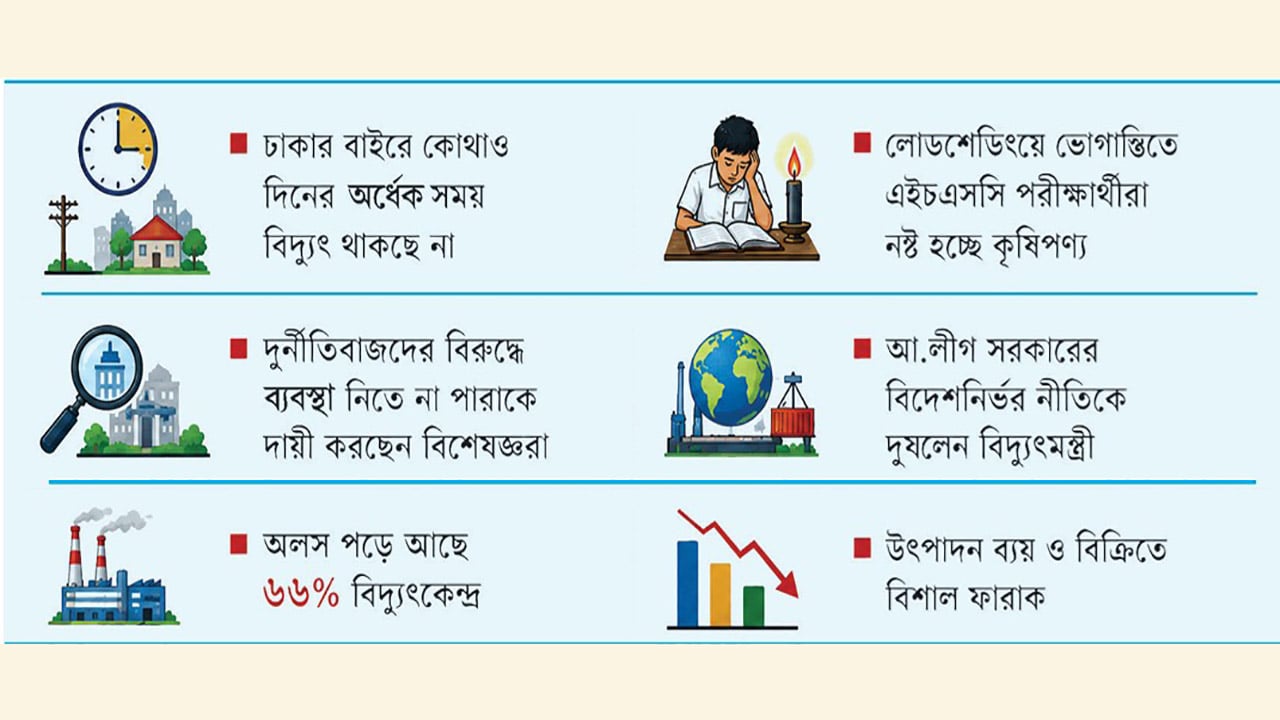
Consumers across Bangladesh are facing severe electricity shortages despite a record price hike announced on June 4, 2026. Residents in areas such as Dhamrai, Nasirnagar, and Faridpur report power cuts lasting 8 to 18 hours daily, disrupting households, hospitals, and industries. Farmers say crops like onions and potatoes are rotting due to lack of power for storage, while students struggle to prepare for exams amid heat and darkness. Many consumers complain of receiving electricity bills double the previous amounts despite worsening supply. Officials from the Power Division admit that 66 percent of the country’s power plants remain idle due to fuel shortages, leaving only 13,000–14,000 megawatts available against higher demand. Experts and government sources blame mismanagement, corruption, and past policy failures for the crisis. The current administration acknowledges inherited debts and fuel dependency from the previous government and says it will take time to stabilize the sector. Energy Minister Iqbal Hasan Mahmud stated that new gas exploration tenders have been issued to reduce import dependence, but full recovery may take three to four years.
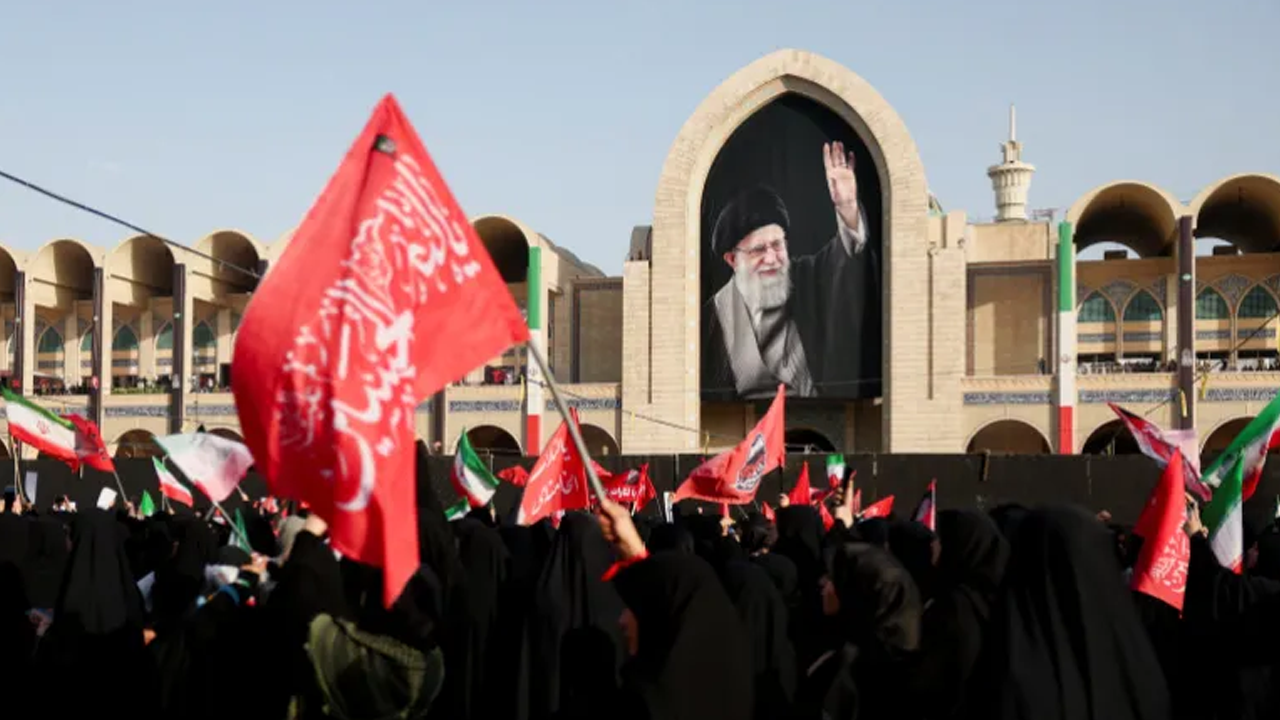
Massive crowds have gathered outside the Imam Khomeini Grand Mosalla in Tehran to pay their final respects to Iran’s late Supreme Leader Ayatollah Ali Khamenei. The complex opened to the public at 6 a.m. local time, but thousands had already lined up since dawn. The ceremony marks the beginning of a week-long mourning period across Iran and Iraq, with state-organized events allowing citizens to honor Khamenei and his deceased family members. Khamenei was killed in a joint U.S.-Israeli attack during the early phase of the ongoing war, which also claimed several of his relatives. Iranian authorities expect between 15 and 20 million mourners to gather in Tehran over the next three days. Security has been tightened across the capital, with road closures and airspace restrictions. Foreign dignitaries from Pakistan, Russia, Turkey, China, India, and other nations have attended the ceremonies. Following the Tehran events, Khamenei’s funeral procession will travel to Qom and later to Iraq’s Najaf and Karbala before his burial in Mashhad, his birthplace, on Friday. His son and current Supreme Leader Mojtaba Ali Khamenei is not attending due to security threats from Israel.
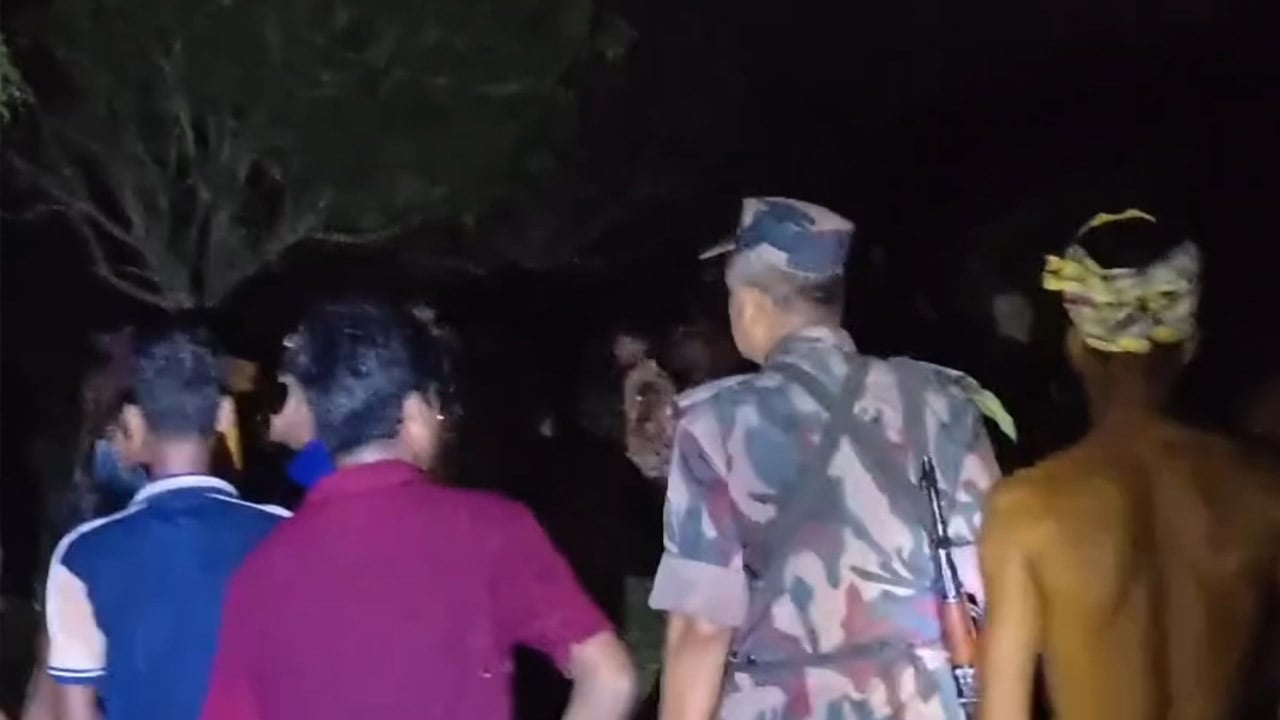
Thousands of residents gathered at the Chakpara border area in Shibganj upazila of Chapainawabganj after Indian Border Security Force (BSF) personnel suddenly turned off their floodlights on Friday night. The incident occurred around 9:45 p.m., prompting locals to rush to the border and remain there until about 12:30 a.m. amid growing tension. According to local accounts, the BSF switched off the lights on the Indian side, which led residents to suspect a possible push-in attempt. In response to loud protests and shouting from the Bangladeshi side, the BSF later turned the lights back on. Lieutenant Colonel Mohammad Tajul Islam Chowdhury, commanding officer of the 59th BGB Mahananda Battalion, confirmed that locals had gathered out of concern over potential cross-border movement and said that Border Guard Bangladesh (BGB) personnel were maintaining a strict watch at the Chakpara border. Authorities reported that the situation remained under control, though heightened vigilance continued along the border area.
Hilsa production in Bangladesh has fallen to its lowest level in eight years, leading to soaring prices and growing hardship for fishermen. According to official data, production dropped to 500,000 tons in the 2024–25 fiscal year, down from 529,000 tons the previous year. Despite government reports claiming steady growth, fishermen and traders in Chandpur say the actual catch has declined sharply, with many struggling to recover fuel and labor costs. Large hilsa now sells for 3,500–4,000 taka per kilogram, while smaller fish cost 2,000–3,000 taka. Fishermen blame climate change, reduced river flow, and the rise of sandbars in the Padma and Meghna rivers for disrupting breeding and migration routes. Pollution from industrial waste and illegal fishing nets have further worsened the situation. Local fish traders report that daily hilsa supply at Chandpur’s market has dropped from over 1,000 maunds in 2020 to just 200–300 maunds today. Experts warn that without effective dredging, pollution control, and enforcement against illegal nets, the national fish could face an even deeper crisis in the coming years.
A clash broke out in Ratdanga village of Narail Sadar upazila on Friday afternoon over a comment made on TikTok. The confrontation involved two groups from different parts of the village and left at least ten people injured. The injured were taken to Narail District Hospital for treatment. According to police and local sources, the dispute began between Ashraful, son of Mannu Molya from Mallik Para, and Mizan, son of Kabir Fakir from Uttarpara, after an argument over a TikTok comment escalated into a physical altercation. Residents from both areas joined the fight, using local weapons during the clash. Police later arrived at the scene and brought the situation under control. The injured individuals were rescued and admitted to the district hospital. The officer-in-charge of Narail Sadar Police Station, Ajay Kumar Kundu, stated that legal action is underway regarding the incident.
Health and Family Welfare Minister Sardar Sakhawat Hossain Bakul announced that within the next six months, all 50-bed hospitals at the upazila level across Bangladesh will be upgraded to 100-bed hospitals. He said that each hospital will include a 10-bed kidney dialysis unit so that patients with kidney problems no longer need to travel to Dhaka for treatment. The initiative aims to expand healthcare accessibility in rural areas. The minister made the announcement on Friday afternoon while addressing a seed and fertilizer distribution event for farmers at the Monohardi Upazila Parishad premises in Narsingdi. The event was chaired by Upazila Nirbahi Officer M A Muhaimin Al Jihan and attended by local officials and leaders from the BNP and its affiliated organizations. According to the minister, the government is committed to overall public welfare, including providing sewing machines and wheelchairs, and has taken initiatives involving multiple ministries to improve citizens’ quality of life.
The ‘1 Nojor’ media platform is now live in beta, inviting users to explore and provide feedback as we continue to refine the experience.