

The ‘1 Nojor’ media platform is now live in beta, inviting users to explore and provide feedback as we continue to refine the experience.
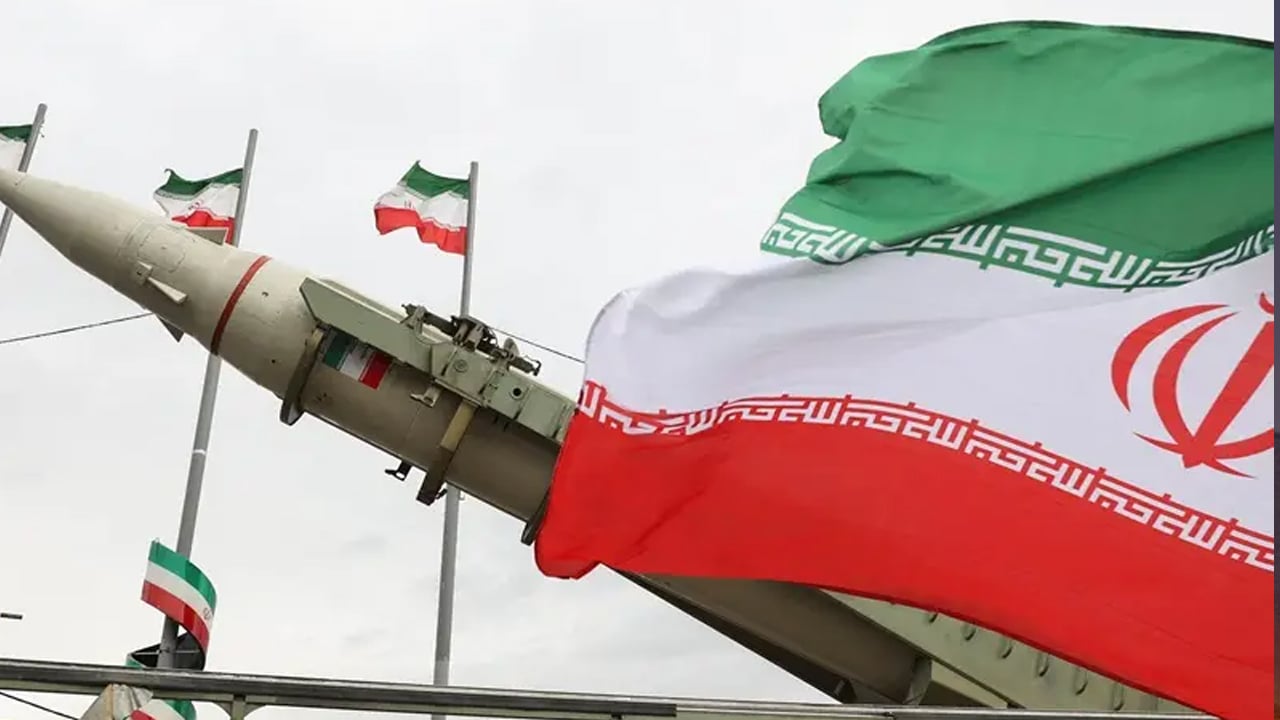
Iran has claimed responsibility for missile attacks targeting United States military bases in Bahrain, according to the semi-official Tasnim news agency. The report stated that the strikes were aimed at American military installations, though Bahraini authorities have not yet issued any official response to the alleged attacks. Earlier, Iran’s state broadcaster IRIB reported similar missile and drone strikes on the Al-Minhad base in the United Arab Emirates and the Ali Al-Salem air base in Kuwait, where US and British forces are stationed. These incidents come amid heightened regional tensions involving Iran and several Gulf states. Previous reports have noted that Iran has repeatedly claimed attacks on US bases across the Persian Gulf, including the headquarters of the US Navy’s Fifth Fleet in Bahrain’s capital, Manama. The latest claims suggest a continuation of this pattern of confrontation in the region.
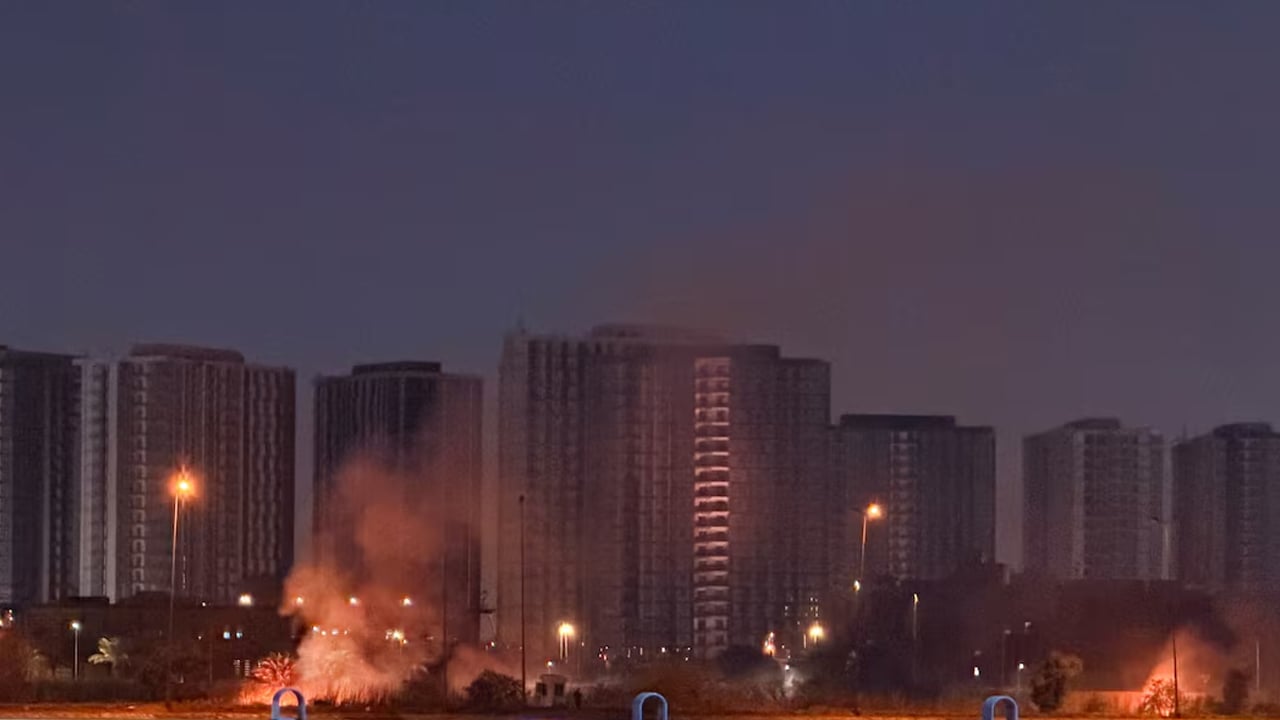
A drone attack targeted a United States diplomatic facility located near Baghdad International Airport, according to a Reuters report citing security sources. The incident occurred in the Iraqi capital, Baghdad, though immediate details on casualties or damage were not available. Journalists present in the city reported hearing multiple explosions that may have been linked to the attack. No group has yet claimed responsibility for the assault. The report did not specify the exact nature of the facility or the extent of the impact. The attack adds to a series of recent security incidents in the region, though the source did not provide further context or official responses. Authorities were reportedly investigating the situation, but as of the latest update, no official statements had been released regarding the perpetrators or potential motives.
A large Eid-ul-Fitr congregation was held at the Sitakunda Government Model High School Eidgah ground in Chattogram, where thousands of worshippers gathered peacefully from early morning. The prayer ended with special supplications for national unity, communal harmony, and the welfare of the Muslim community. The event took place in a festive and spiritual atmosphere, with no untoward incidents reported due to effective local administration and security measures. Chattogram-4 (Sitakunda) Member of Parliament Mohammad Aslam Chowdhury FCA attended as chief guest, along with local officials, political leaders, and community representatives. In his brief address, the MP said Eid teaches sacrifice, empathy, and brotherhood, and that peace and harmony can be achieved by practicing these values. He added that the government is working tirelessly to advance education and health sectors and will continue this progress. He urged the wealthy to share Eid joy with the underprivileged and called for unity in building a humane and welfare-oriented society. He also warned those involved in irregularities in market lease activities to refrain from misconduct, cautioning that offenders may be publicly named in future Eid gatherings.

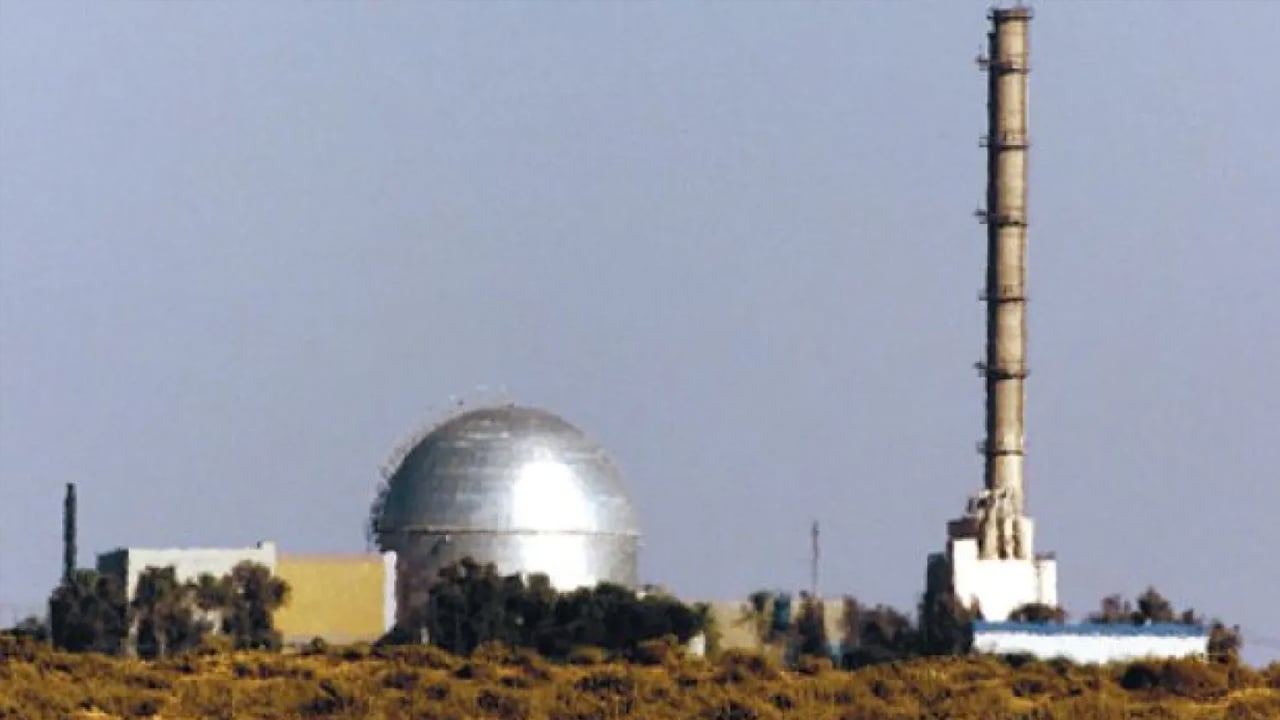
On March 22, 2026, Iran launched a missile strike on the Israeli city of Dimona, a location known for housing key nuclear facilities. According to Al Jazeera, one of the missiles hit a three-story building, causing it to collapse and injuring at least 39 people. The attack marked the fifth missile strike on the city within 24 hours, intensifying the already volatile situation in the region. Iranian media claimed the assault was retaliation for an earlier strike on Iran’s Natanz nuclear enrichment site. However, this claim could not be independently verified. Dimona, located in Israel’s Negev Desert, is widely regarded as a central hub of the country’s undeclared nuclear program, making the incident particularly sensitive. Local sources reported that the missile used in the attack appeared to be of a new type not previously seen. Due to the high security of the area, Israeli authorities have imposed restrictions on releasing further details about the incident.
A researcher at the Centre for International Studies at Sciences Po has warned that Israel’s expanding role in the Middle East’s gas infrastructure is granting it increasing leverage over neighboring Arab states. The analysis highlights that during the US-Israeli war on Iran, Jordan and Egypt halted gas supplies to Syria, exposing how dependent regional energy flows have become on Israeli gas. Egypt’s declining production and Jordan’s limited output have led both countries to rely heavily on imports from Israel, which now forms the backbone of the Arab Gas Pipeline network linking Egypt, Jordan, Syria, and Lebanon. The report explains that even when gas is imported as liquefied natural gas through Jordan’s Aqaba terminal, it mixes with Israeli gas within the shared pipeline system. This structural dependence was underscored when shutdowns at Israel’s Leviathan field twice disrupted supplies to Jordan and Egypt, forcing emergency measures. The researcher argues that such reliance allows Israel to wield political and economic influence, using energy as a tool of coercion and control. The article concludes that Syria and Lebanon could reduce vulnerability by developing their own gas reserves, though doing so would require significant investment and political resolve to resist external pressure favoring continued dependence on Israeli energy.

A United Nations expert has accused Israel of systematically torturing Palestinians in custody since October 7, 2023, describing the scale of abuse as indicative of “collective vengeance and destructive intent.” In a report titled “Torture and genocide,” Francesca Albanese, the UN special rapporteur on human rights in the occupied Palestinian territories, said detainees have faced brutal physical and psychological abuse, including beatings, sexual violence, starvation, and deprivation of basic human conditions. She cited at least 300 testimonies and reported that more than 18,500 Palestinians, including 1,500 children, have been arrested, with about 9,000 still detained and over 4,000 subjected to enforced disappearance. The report, released Friday, focuses on Israeli conduct while condemning torture by all parties. Albanese said Israel’s detention system has become one of “systemic and widespread humiliation, coercion, and terror.” She urged Israel to immediately end all acts of torture and called on the International Criminal Court prosecutor to seek arrest warrants for Israel’s defence, national security, and finance ministers. Albanese, who will present her findings to the UN Human Rights Council on Monday, has faced criticism from Israel and some Western governments, including France and Germany, over her previous statements on Gaza.

Iran announced that Japanese ships will be allowed to transit the Strait of Hormuz, signaling a shift toward a selective blockade of the vital waterway. Iranian Foreign Minister Abbas Araghchi told Japan’s Kyodo News that the strait remains open to countries not considered enemies of Tehran, while vessels from nations that have attacked Iran will be barred. He said Iran is ready to provide safe passage for Japanese ships once contact is made to coordinate transit routes. The announcement follows weeks of near-total closure of the strait after the United States and Israel attacked Iran on February 28. The Islamic Revolutionary Guard Corps had previously warned that any ships attempting passage would be targeted, halting most marine traffic. Recently, Iran has softened its stance, allowing vessels from China, India, and Pakistan to pass under Iranian supervision. Lloyd’s List reported that ten ships have already transited by sailing close to Iran’s coastline, forming a “safe corridor.” Japan, heavily reliant on Middle Eastern oil, has been in talks with Tehran to secure passage for its stranded vessels. Several countries, including France, Germany, and the United Kingdom, have jointly expressed readiness to support efforts ensuring safe navigation through the strait.

Iran has claimed responsibility for attacks on two military bases located in the United Arab Emirates and Kuwait. According to Iran’s state broadcaster IRIB, the country’s navy carried out the strikes using ballistic missiles and drones. The report, citing Al Jazeera, stated that the Al-Minhad base in the UAE and the Ali Al Salem air base in Kuwait were targeted, specifically hitting hangars and fuel tanks. IRIB’s statement alleged that these bases had been used by “American-Zionist aircraft” to launch attacks on Iranian territory. However, the claims have not been independently verified. As of now, neither Kuwait nor the UAE has issued an official response to Iran’s announcement. The report comes amid heightened regional tensions, with related incidents including attacks in Iran and calls for international investigations into recent strikes on sensitive sites.
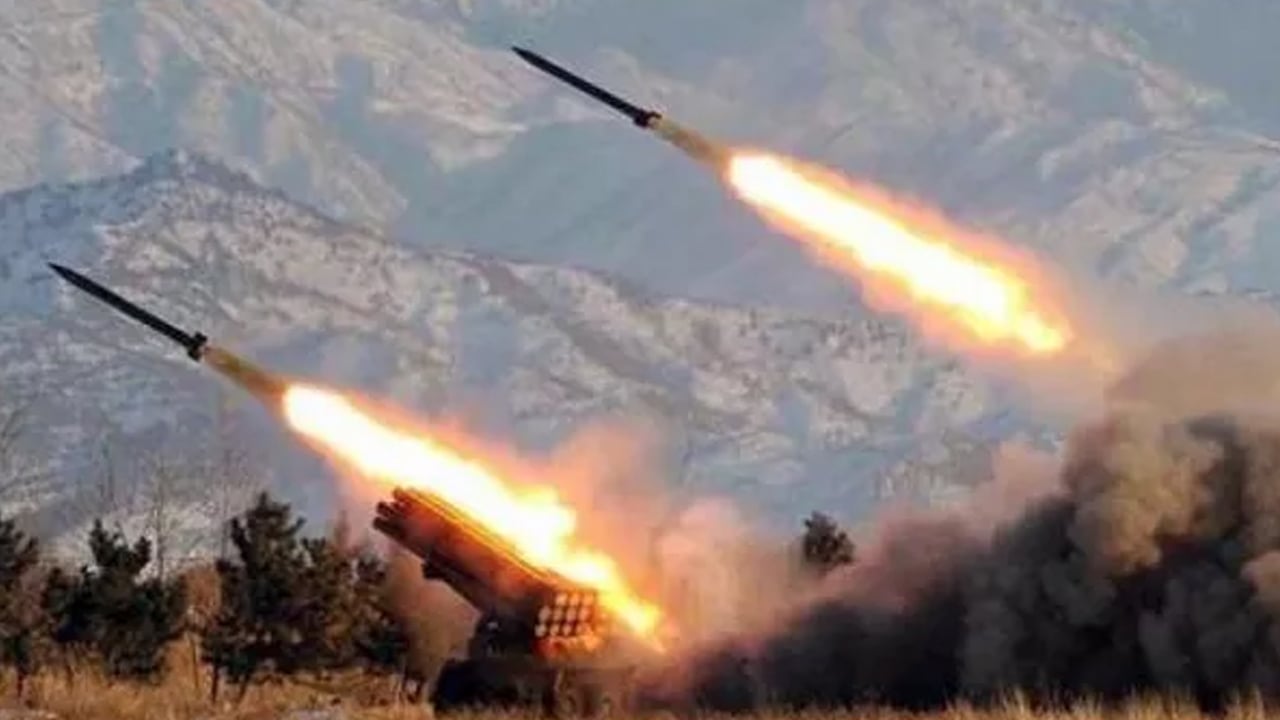
A United States-based human rights organization, Human Rights Activist News Agency (HRANA), has reported that at least 640 attacks occurred across Iran in a single day. According to the group, the incidents took place on Friday across 17 provinces, leaving at least 68 people dead or injured. Both military and civilian targets were reportedly hit during the wave of violence. HRANA stated that since the conflict began about three weeks ago, the total death toll has reached at least 1,398, including 210 children. The information was published by the international media outlet BBC. However, no clear official statements from the involved parties have been made regarding these attacks. The report highlights the escalating violence across Iran, though the absence of official confirmation leaves uncertainty about the full scope and responsibility for the incidents.
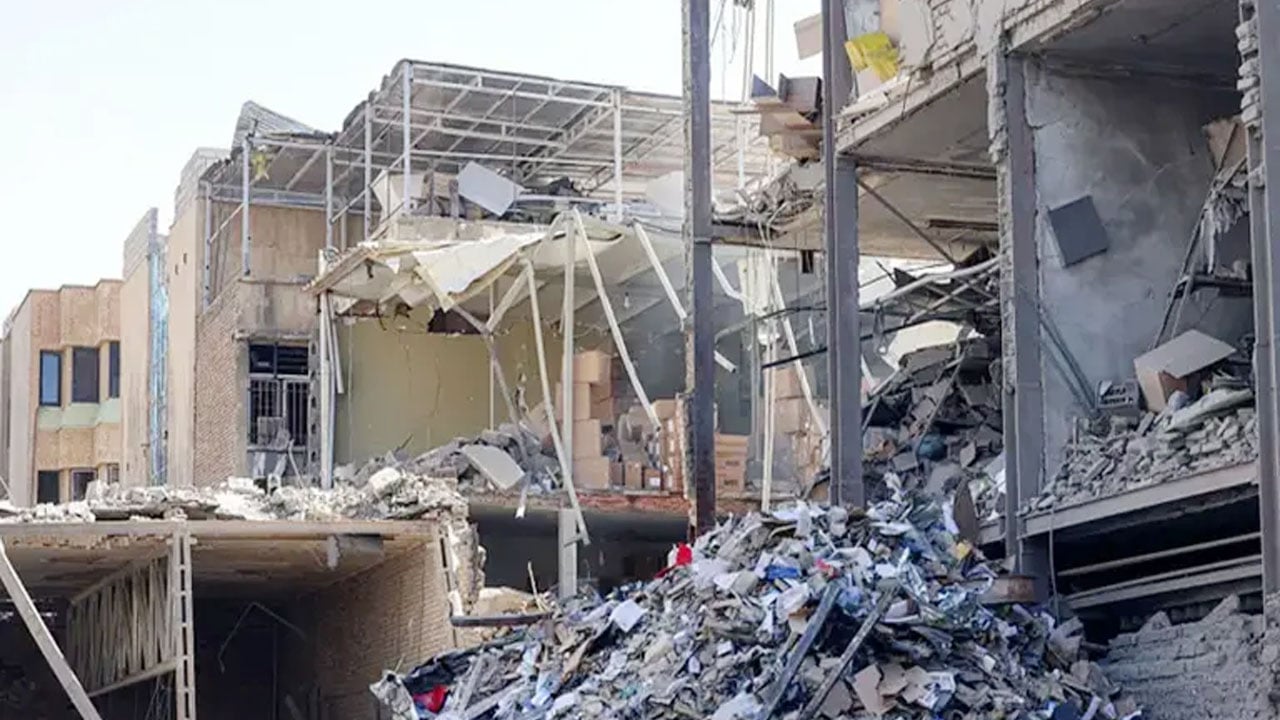
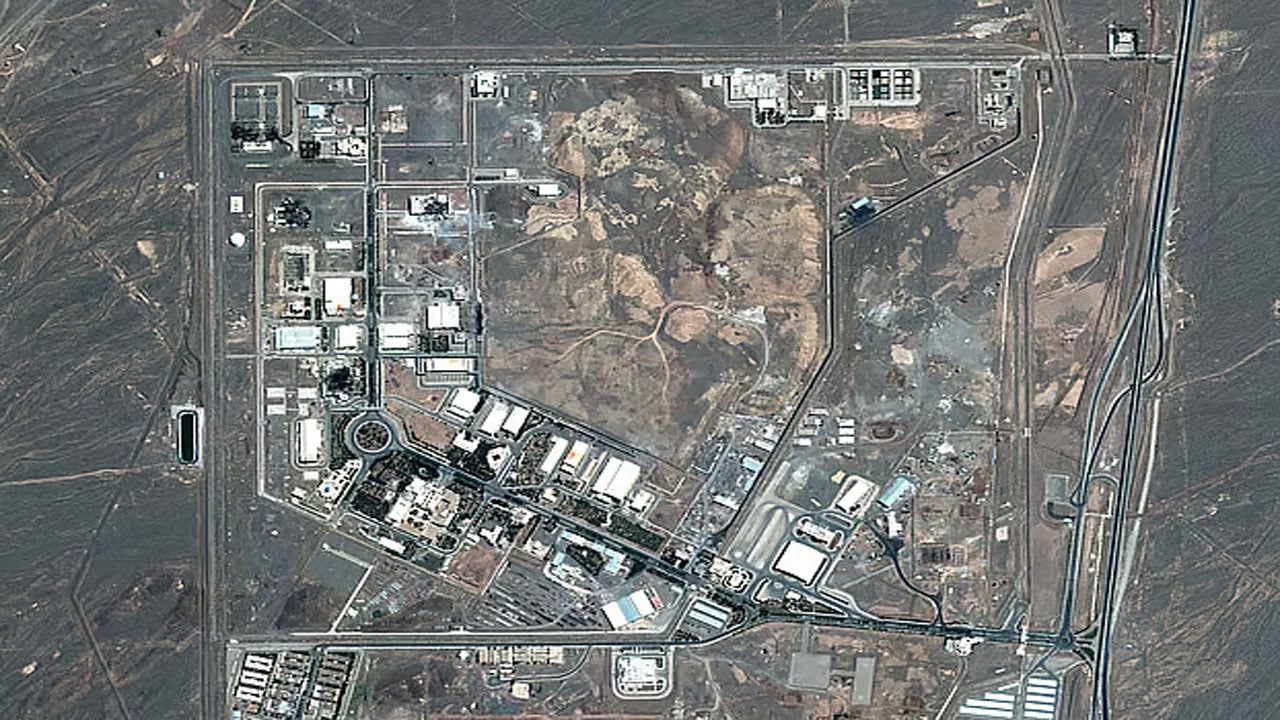
Russia has strongly condemned the attack on Iran’s Natanz nuclear facility, describing it as a dangerous act that could lead to regional disaster. The statement was issued by Russian Foreign Ministry spokesperson Maria Zakharova, who called on the international community to conduct an objective and thorough investigation into the incident. According to Moscow, such attacks pose serious risks to stability across the Middle East. The Russian government emphasized that irresponsible actions of this nature could escalate tensions and create widespread instability in the region. The call for an international probe highlights Russia’s concern over growing insecurity in the Middle East following multiple reported attacks in Iran and neighboring countries.
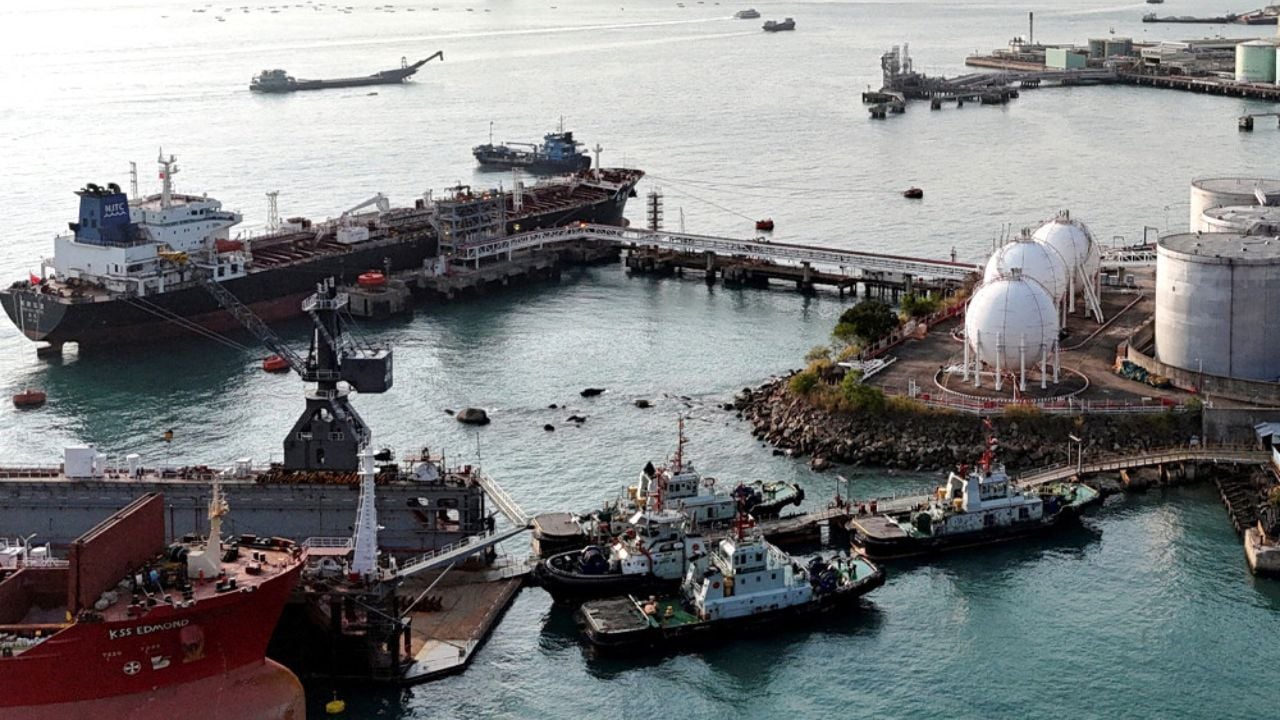
A coalition of 22 countries, including the United Kingdom, Germany, France, Japan, and South Korea, has announced a joint initiative to secure safe passage for commercial vessels through the strategically vital Strait of Hormuz. The nations condemned Iran’s alleged blockade of the waterway and pledged coordinated efforts to maintain maritime security. The announcement came in a joint statement issued on Saturday, March 21, 2026. The statement sharply criticized Iran’s recent actions in the Gulf region, including attacks on unarmed commercial ships and civilian infrastructure such as oil and gas facilities. The coalition accused Iranian forces of effectively blocking the strait, posing a serious threat to international trade and security. The United Arab Emirates and Bahrain also joined the initiative, though most participating nations are from Europe. The Strait of Hormuz is a critical route for global energy transport, carrying a significant share of the world’s oil supply. The reported Iranian blockade has raised fears of disruptions in global energy markets and potential instability in international shipping routes.

Global oil markets are facing heightened uncertainty as roughly 170 million barrels of Iranian crude oil stored at sea are expected to enter circulation following the recent easing of U.S. sanctions on Iran. Analysts cited by Reuters on Saturday said the oil is currently held on ships stretching from the Gulf region to Chinese waters. Consultancy Energy Aspects estimated the volume at 130 to 140 million barrels, equivalent to less than two weeks of Middle Eastern supply shortfall. The Middle East supplies about 60 percent of Asia’s crude demand, but near-closure of the Strait of Hormuz this month has forced regional refineries to cut production and limit exports. Analysts warned that any instability in this key waterway directly affects global energy markets. China has remained Iran’s main buyer since U.S. sanctions were imposed in 2018, importing about 1.38 million barrels per day last year. India, facing low reserves, is also exploring Iranian purchases but awaits clarity on payment terms and U.S. policy. Traders noted ongoing challenges over payment mechanisms and the use of older “shadow fleet” vessels for transport.
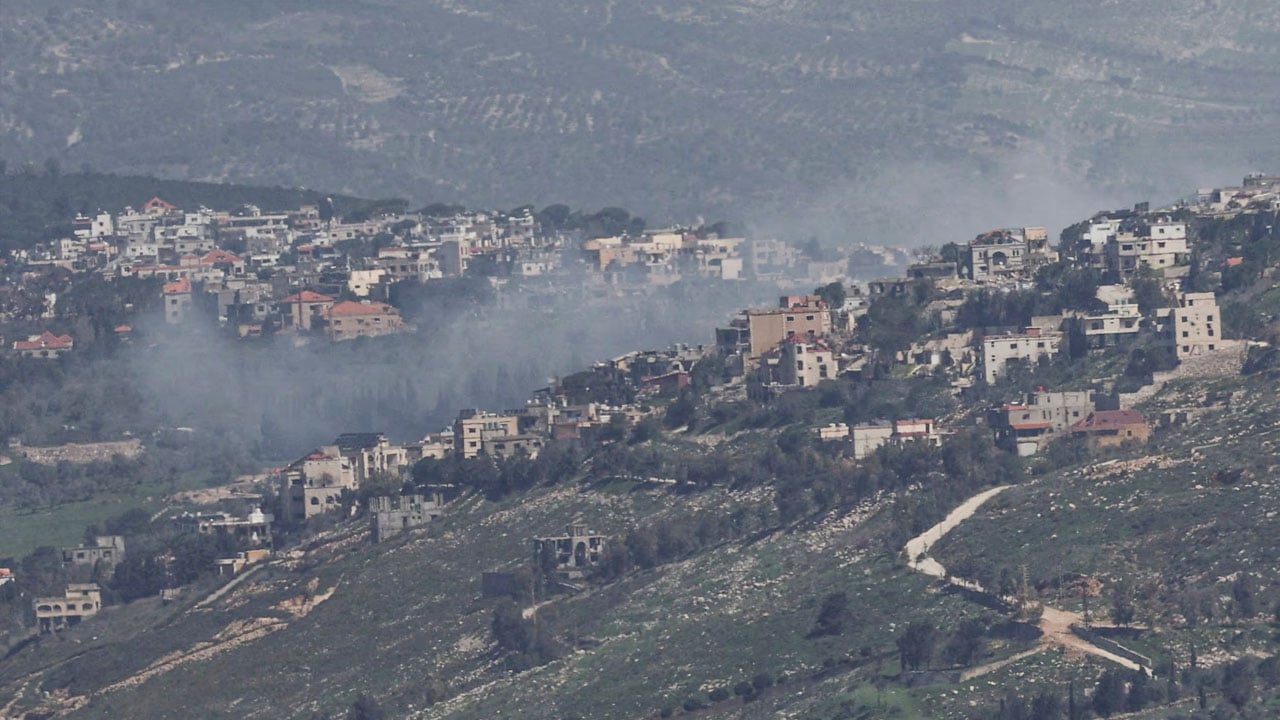
The Bahraini government stated that its Patriot missile defense system successfully intercepted an Iranian drone that targeted a residential area on March 9. According to the government’s statement to Reuters, the interception prevented further damage, though several civilians were injured during the incident. A government spokesperson said the Patriot interceptor played a key role in stopping the attack and saving lives. Earlier, the U.S. military had reported that an Iranian drone struck a residential area in Bahrain on the same date, injuring civilians. The Bahraini government’s confirmation highlights the use of advanced air defense systems in response to regional drone threats. The incident underscores rising tensions in the Gulf region, where multiple Iranian attacks have recently been reported against military and civilian targets in neighboring countries.
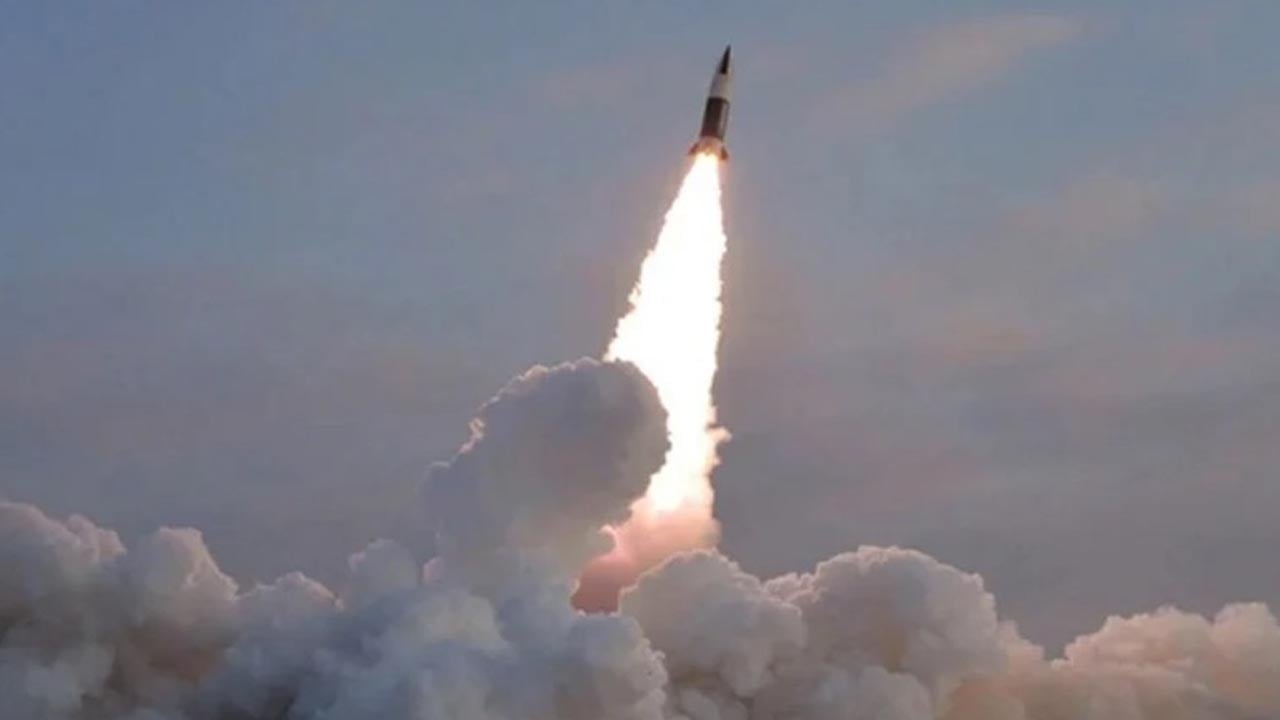
Iran launched two medium-range ballistic missiles toward the US-British military base at Diego Garcia in the Indian Ocean, according to a report by The Wall Street Journal citing multiple US officials. The missiles failed to hit their target; one malfunctioned mid-flight, while the other was intercepted by a US warship using an SM-3 missile, though it remains unclear whether the interception was successful. The report, published Friday, did not specify the exact time of the launch. A spokesperson for the UK Ministry of Defence told CNBC that a statement on the incident was being prepared. The White House and the British Embassy in Washington did not immediately respond to Reuters’ requests for comment. The Wall Street Journal described the launch as Iran’s first real-world use of medium-range ballistic missiles and a significant attempt to demonstrate its ability to strike far beyond the Middle East, potentially threatening US interests. The report also noted that Diego Garcia lies about 3,800 to 4,000 kilometers from Iran, far exceeding Iran’s previously declared 2,000-kilometer missile range.
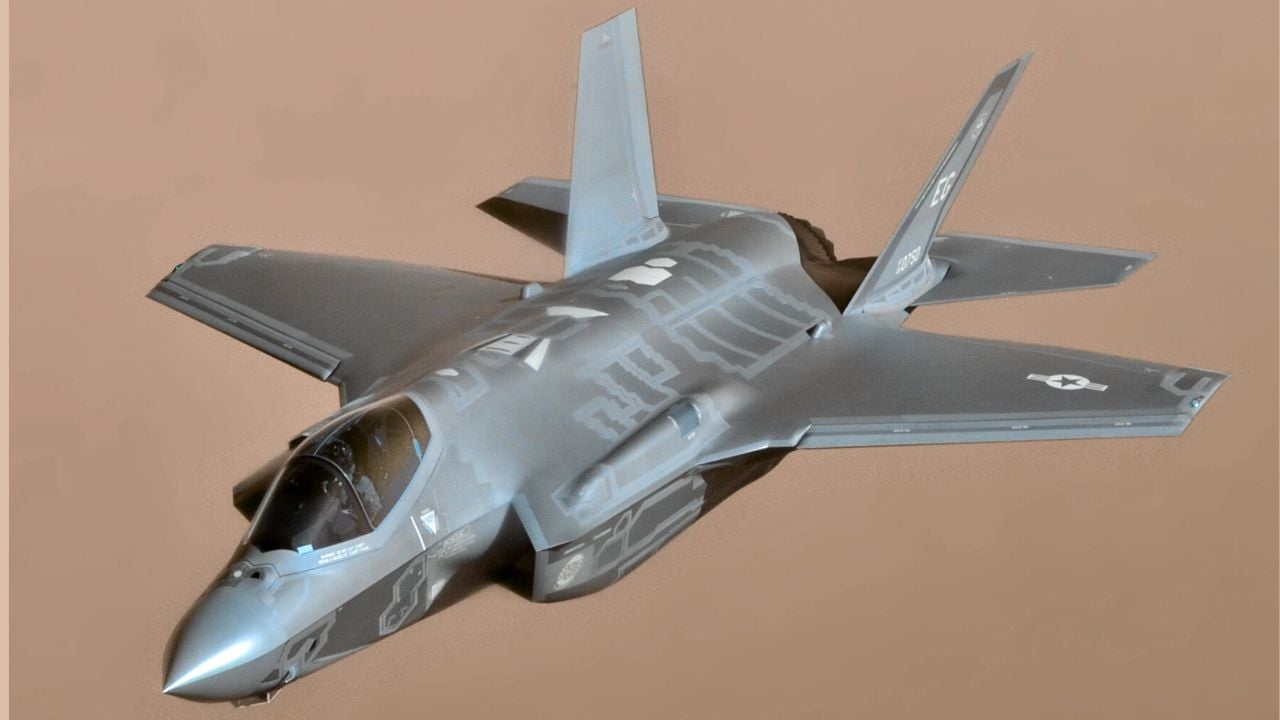
A US F-35 stealth fighter jet was reportedly damaged by an Iranian missile during an operation over Iran’s airspace on March 19, 2026. The aircraft, one of the world’s most advanced fifth-generation fighters, made an emergency landing at a US base in the Middle East, according to a US statement. The exact location of the base was not disclosed. The incident marks the first reported damage to a US fighter jet since the conflict that began with a joint US-Israeli airstrike on February 28. US Central Command (CENTCOM) confirmed that the aircraft was forced to land after sustaining damage during the mission. Spokesperson Captain Tim Hawkins said the F-35 landed safely and the pilot was in stable condition, adding that an investigation is underway. The event demonstrates that even stealth aircraft can be detected by advanced sensor systems. In a separate statement, Iran’s Islamic Revolutionary Guard Corps (IRGC) claimed responsibility, saying it had successfully targeted a US warplane over central Iran.
The ‘1 Nojor’ media platform is now live in beta, inviting users to explore and provide feedback as we continue to refine the experience.