

The ‘1 Nojor’ media platform is now live in beta, inviting users to explore and provide feedback as we continue to refine the experience.
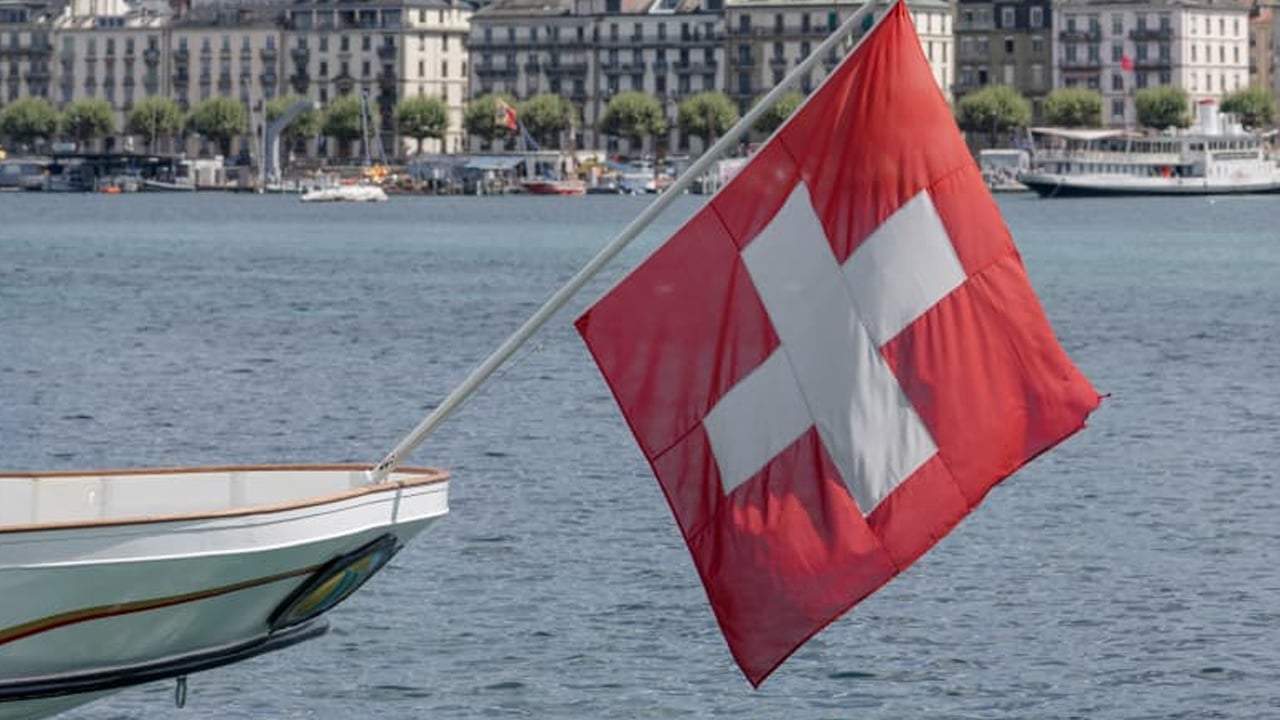
Switzerland has suspended all types of arms exports to the United States amid the ongoing war involving Iran, Israel, and the U.S. The Swiss government announced the decision on Friday, citing the need to maintain the country's long-standing policy of neutrality. The move comes as the conflict reaches its 21st day following U.S. and Israeli attacks on Iran. In an official statement, the Swiss government said it could not authorize the export of war materials to any country currently engaged in armed conflict with Iran. The statement specifically mentioned that, due to the prevailing situation, exports of war equipment to the United States were also being halted. The government emphasized that the decision was a direct result of Switzerland’s commitment to neutrality. The suspension marks a significant policy action by Switzerland during the ongoing Middle East conflict, underscoring its intent to remain neutral despite pressure from global powers involved in the war.
Denmark reportedly made preparations to destroy key runways in Greenland amid fears that then-U.S. President Donald Trump might attempt to seize control of the island. According to a report by Danish state broadcaster DR, the plan aimed to prevent U.S. forces from landing easily in case of conflict. Authorities also prepared blood reserves for potential casualties. European officials confirmed the information to BBC and the Financial Times, though Denmark’s defense ministry declined to comment. Tensions between the two NATO allies had risen over Greenland, a self-governing Danish territory, after Trump repeatedly expressed interest in bringing it under U.S. control, a proposal rejected by both Danish and Greenlandic leaders. In response, Copenhagen sought support from European partners, particularly France and Germany, and coordinated joint military readiness with Nordic countries. The situation escalated on January 3 when U.S. forces detained Venezuelan President Nicolás Maduro in Caracas, prompting Denmark to strengthen its defensive preparations. Later, a joint military team from Denmark, France, Germany, Norway, and Sweden was deployed to Greenland, officially as a drill but reportedly as a precaution against U.S. aggression. Tensions eased after Trump stated at the World Economic Forum that he preferred a diplomatic solution.

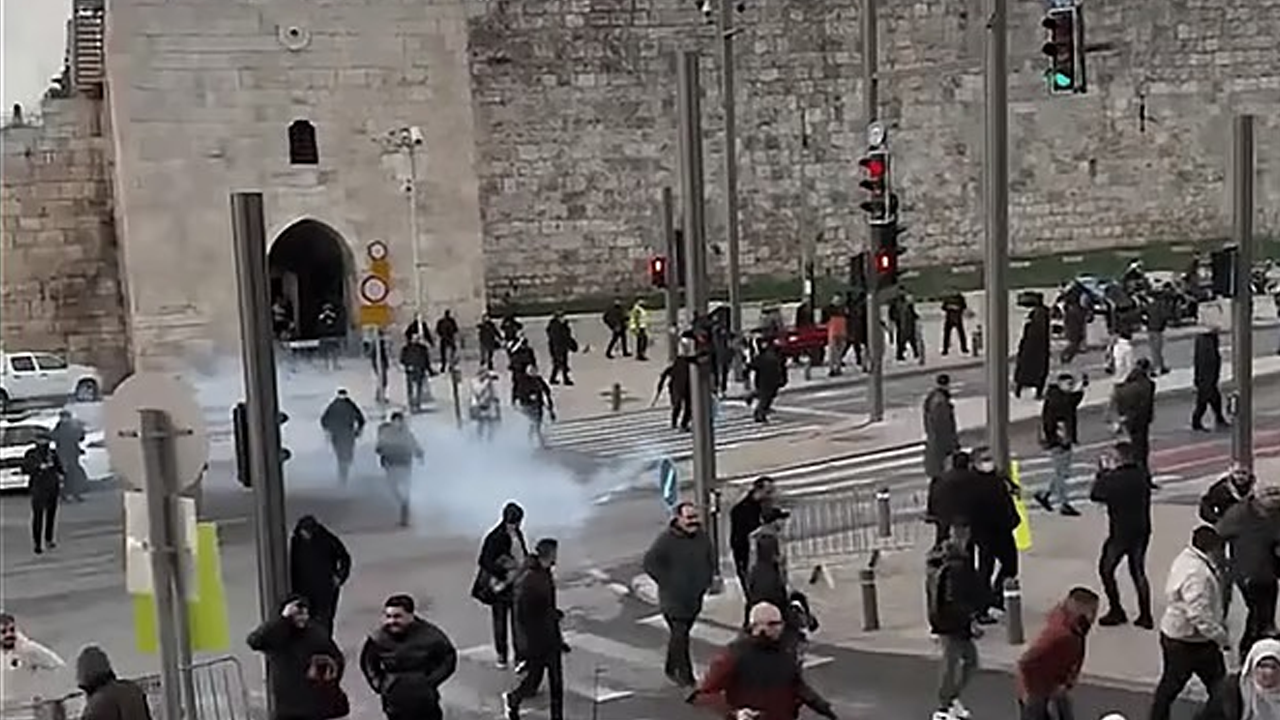
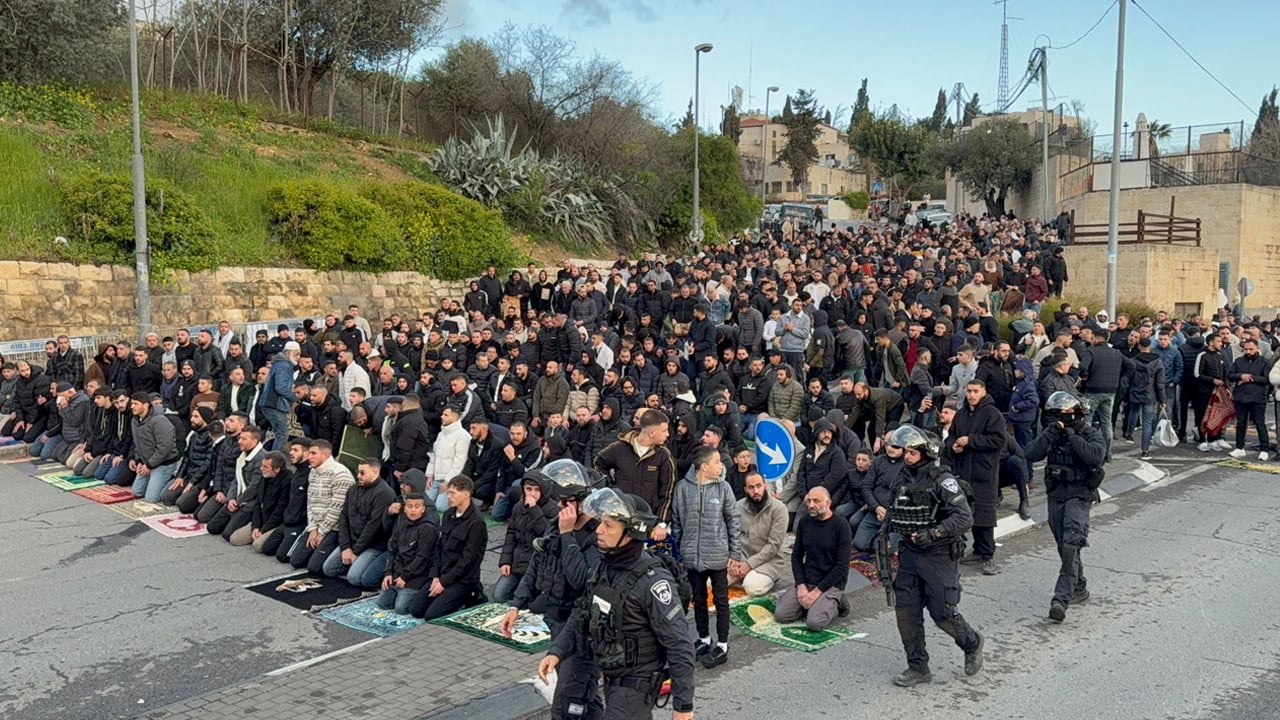
Israeli forces have been accused of attacking worshippers who gathered for Eid al-Fitr prayers near the Al-Aqsa Mosque compound. According to a report by Al Jazeera, tear gas shells were fired to disperse the crowd, and operations were carried out to prevent the prayers from taking place. The incident occurred on Friday and has drawn attention due to its timing during one of the holiest events in the Muslim calendar. The report noted that Israeli authorities had already imposed strict restrictions on entry to the Al-Aqsa Mosque amid ongoing tensions involving Israel, Iran, and the United States. Observers said the latest confrontation has further heightened regional tensions. The situation reflects the fragile security environment surrounding religious sites in Jerusalem. Analysts cited in the report suggested that the incident could exacerbate instability in the region, where religious and geopolitical disputes remain deeply intertwined.
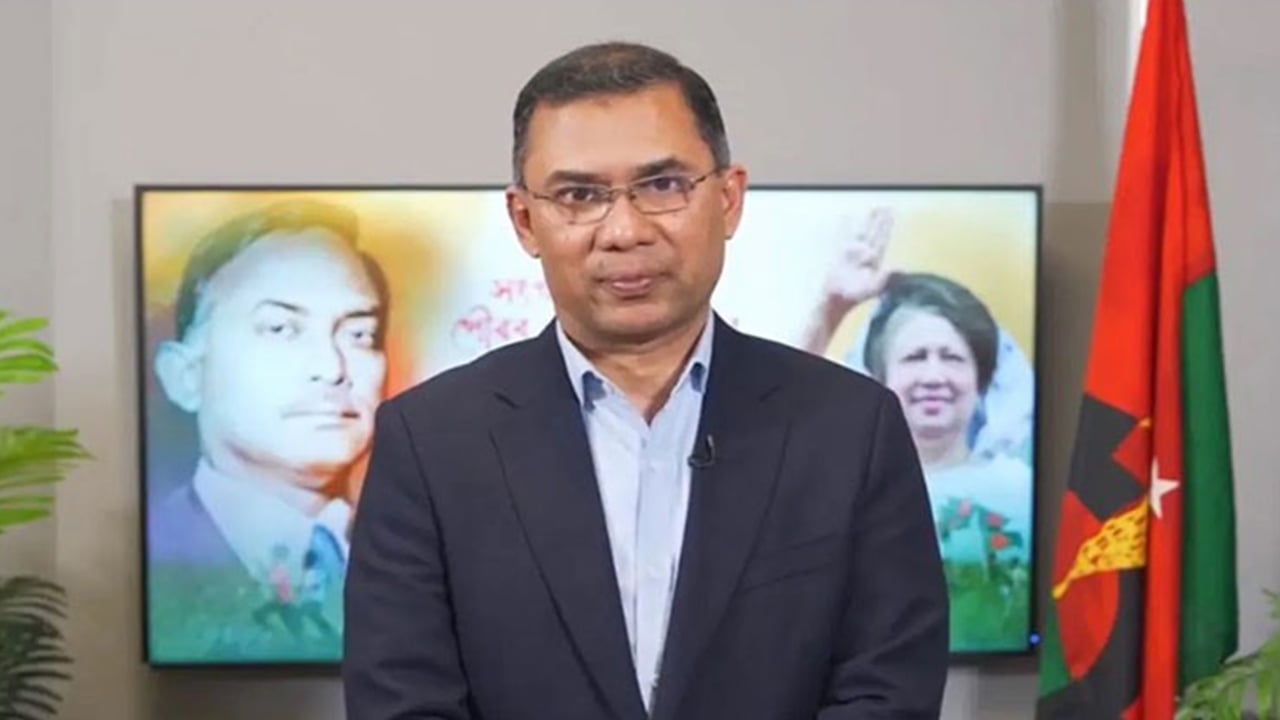
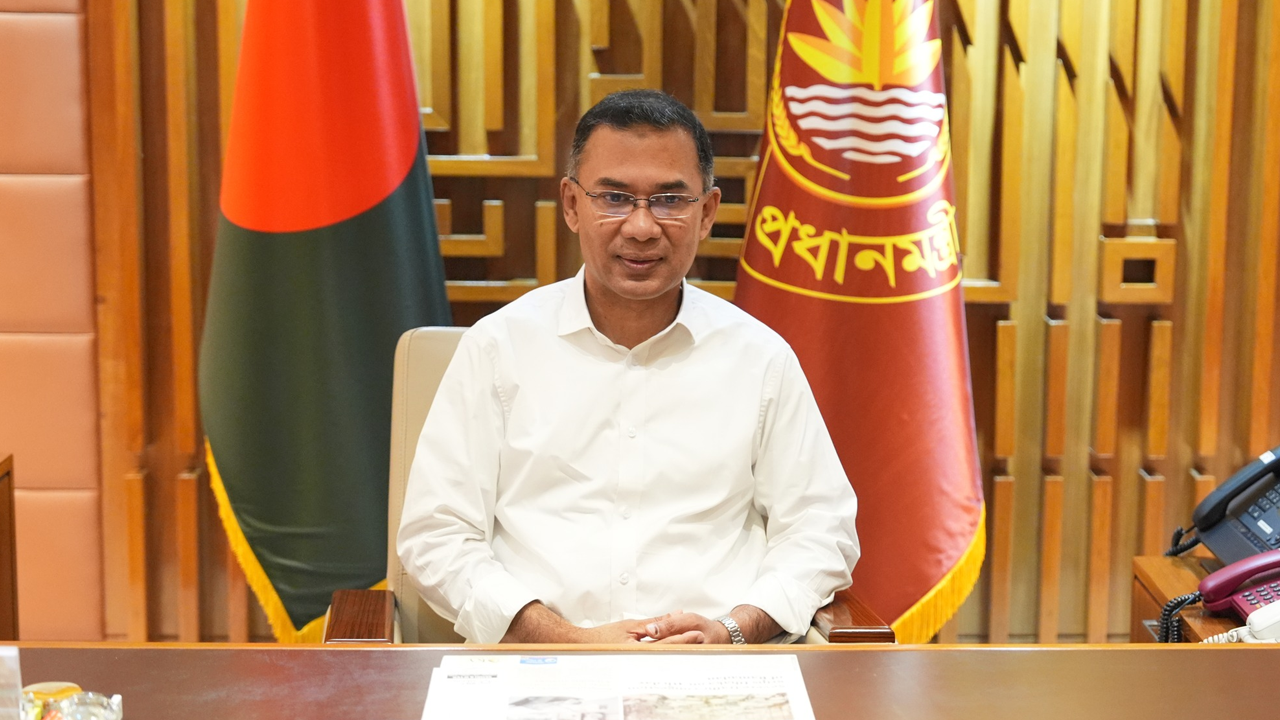
Prime Minister Tarique Rahman has extended greetings to the people of Bangladesh and the global Muslim community on the occasion of Eid-ul-Fitr. In a message delivered on Friday, March 20, 2026, he said that after a month of fasting, Eid brings joy, peace, harmony, and brotherhood to human life. The message was issued depending on the sighting of the Shawwal moon. The Prime Minister emphasized that Ramadan teaches restraint, sacrifice, patience, and self-purification, helping individuals develop empathy and a sense of cooperation within society. He noted that the true meaning of Eid is realized when the teachings of Ramadan are reflected in personal, family, social, and national life, fostering love and fraternity beyond social and economic divisions. He called on citizens to stand beside the underprivileged and share the joy of Eid with everyone. The Prime Minister also urged national unity and collective efforts to build a humane, peaceful, and prosperous Bangladesh, praying for divine blessings of peace, progress, and prosperity for the nation.
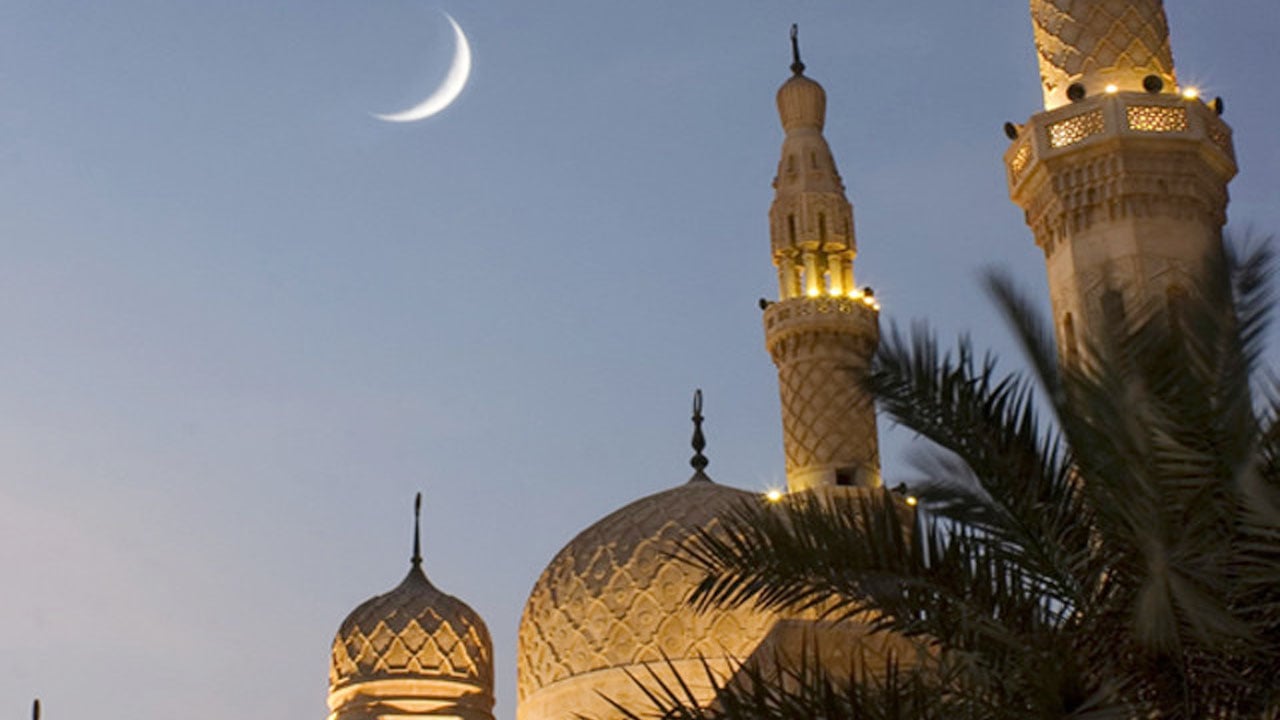
The Shawwal moon of the Hijri year 1447 was sighted in Bangladesh on Friday, March 20, confirming that Eid-ul-Fitr will be celebrated across the country on Saturday. The sighting was reported from Cox’s Bazar, marking the end of 30 days of fasting in the holy month of Ramadan. Earlier, the National Moon Sighting Committee met at Baitul Mukarram National Mosque on Thursday evening to review reports from across the country. Based on information from district administrations, the Islamic Foundation, the Meteorological Department, and the Space Research and Remote Sensing Center, the committee had announced that the moon was not visible on Thursday, making Friday the 30th day of Ramadan. Meanwhile, Saudi Arabia, several Middle Eastern countries, and parts of Africa including Afghanistan, Mali, and Niger observed Eid-ul-Fitr earlier, on Thursday and Friday respectively.
Bangladesh has initiated steps to secure a $2 billion loan to meet fuel import expenses for the upcoming summer season, according to a Bloomberg report published on March 20, 2026. The proposed financing includes $1.3 billion under the International Monetary Fund’s ongoing loan program and $700 million expected from the Asian Development Bank. The government aims to finalize the multilateral borrowing by June, though no official details have yet been released. Economic adviser Dr. Rashed Al Mahmud Titumir confirmed the plan, stating that discussions are underway with donor agencies for comparatively lower interest rates. He noted significant progress in talks with the Asian Development Bank and expressed optimism about securing funds from both ADB and IMF. Economists cited in the report said the loans would help stabilize Bangladesh’s foreign exchange reserves and reduce risks of fuel supply disruptions. If completed as planned, the financing could provide short-term relief to the country’s energy sector and support economic stability during the high-demand summer months.
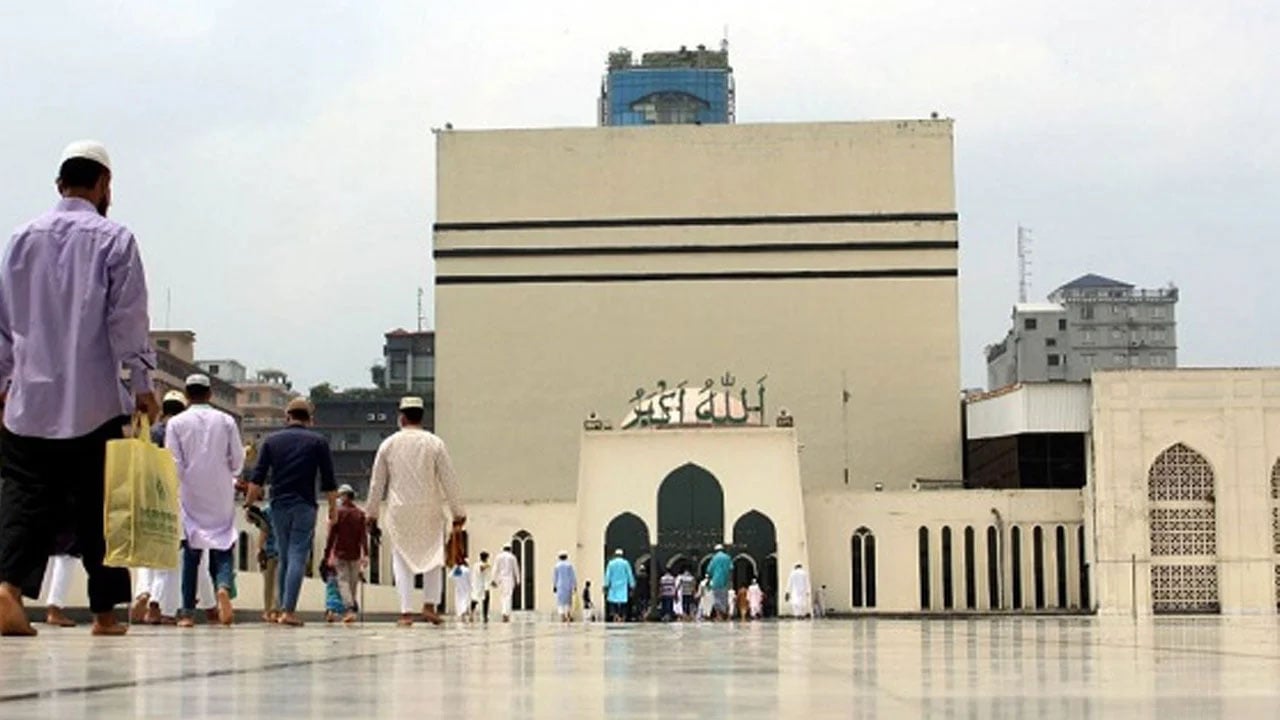
The Islamic Foundation has announced that five Eid-ul-Fitr congregations will be held at the Baitul Mukarram National Mosque in Dhaka on Saturday. The prayer sessions are scheduled sequentially at 7:00 a.m., 8:00 a.m., 9:00 a.m., 10:00 a.m., and 10:45 a.m. The first congregation will be led by Senior Pesh Imam Maulana Mizanur Rahman, followed by Mufti Muhibbullahil Baqi Nadvi, Maulana Md Zakir Hossain, Maulana Zubair Ahmed Al Azhari, and Mufti Maulana Mohammad Abdullah for the subsequent sessions. Assistant Librarian Maulana Shahidul Islam will serve as an alternate imam if needed. According to the Islamic Foundation, the arrangement of multiple prayer sessions aims to accommodate the large number of worshippers expected to attend, continuing the tradition of organizing several congregations each year during Eid-ul-Fitr at the national mosque. The announcement reaffirms the Foundation’s preparation to ensure smooth and orderly observance of the festival’s main prayers in the capital.
Prime Minister Tarique Rahman has conveyed heartfelt greetings and Eid Mubarak to the people of Bangladesh and Muslims around the world on the occasion of Eid-ul-Fitr. In a message delivered on Friday afternoon, he expressed hope that the festival would strengthen national unity, mutual harmony, and compassion among all. He described Eid-ul-Fitr as one of the most significant religious festivals for Muslims, marking the end of a month of fasting and self-restraint with messages of joy, peace, and brotherhood. The Prime Minister emphasized that Ramadan teaches self-control, sacrifice, service, and purification, fostering empathy and cooperation within society. Rahman called on citizens to embody the teachings of Ramadan in personal, family, social, and national life, urging everyone to rise above divisions and share Eid’s joy with the underprivileged. He also prayed for peace, progress, and prosperity for the nation and the well-being of the global Muslim community.
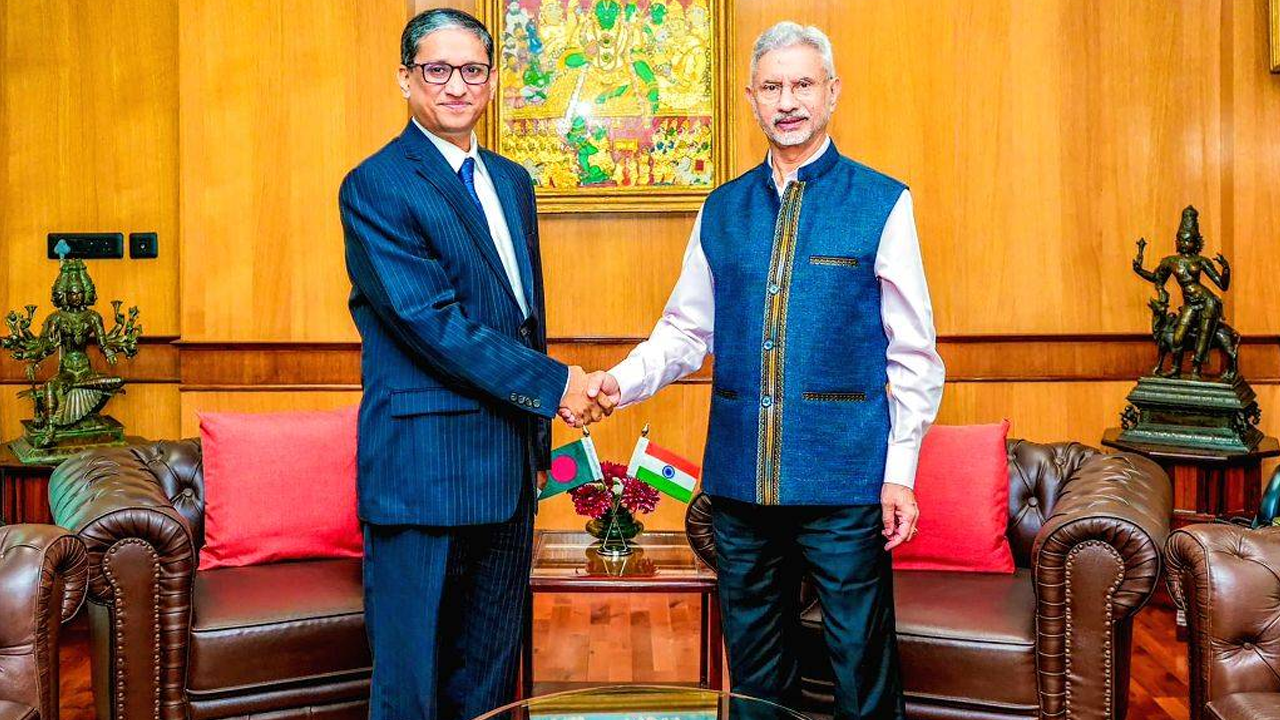
Bangladesh’s High Commissioner to India, M Riaz Hamidullah, met Indian Foreign Minister S Jaishankar in New Delhi on Friday to discuss ways to further strengthen bilateral relations between the two neighboring countries. The courtesy meeting took place at India’s Ministry of External Affairs, and both sides confirmed the discussion through their official social media posts. According to the report, the meeting focused on enhancing mutual cooperation and advancing shared interests. Jaishankar stated that the main theme of the discussion was reinforcing bilateral ties, while Hamidullah emphasized Bangladesh’s readiness to work with India based on mutual benefit and common interests. Diplomatic sources indicated that Hamidullah was also expected to hold a courtesy meeting with Indian Commerce Minister Piyush Goyal later in the day. Riaz Hamidullah has been serving as Bangladesh’s High Commissioner in New Delhi since May of the previous year, and this was his first minister-level meeting since assuming the post. The report also mentioned that Bangladesh’s Foreign Minister Khalilur Rahman may visit India briefly next month while en route to Mauritius for an Indian Ocean Rim Association ministerial conference.
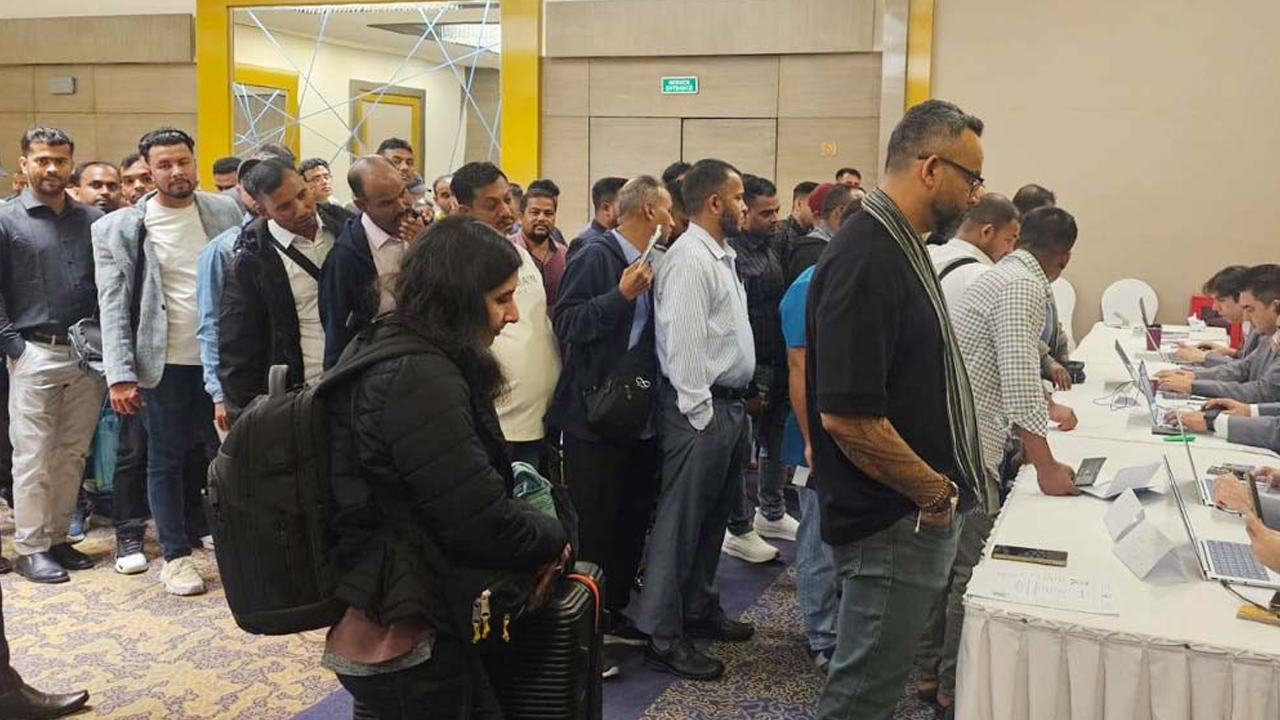
A total of 282 Bangladeshi nationals are returning home from Bahrain amid the ongoing war situation in the Middle East. The group departed for Dhaka on Friday, March 20, 2026, aboard a special chartered flight that will travel from Bahrain to Dhaka via Dammam. The repatriation flight was arranged to ensure the safe return of citizens affected by the regional instability. According to the Bangladesh Embassy in Manama, the special flight was organized by the embassy in cooperation with Gulf Air. The aircraft took off at 9 a.m. local time carrying all 282 passengers. Before departure, Bangladesh’s Ambassador to Bahrain, Md. Rois Hasan Sarwar, met the expatriates at the Golden Tulip Hotel, wishing them a safe journey and expressing gratitude to the airline for its assistance. The embassy’s initiative highlights Bangladesh’s ongoing efforts to support its citizens in conflict-affected areas of the Middle East and ensure their safe repatriation when necessary.
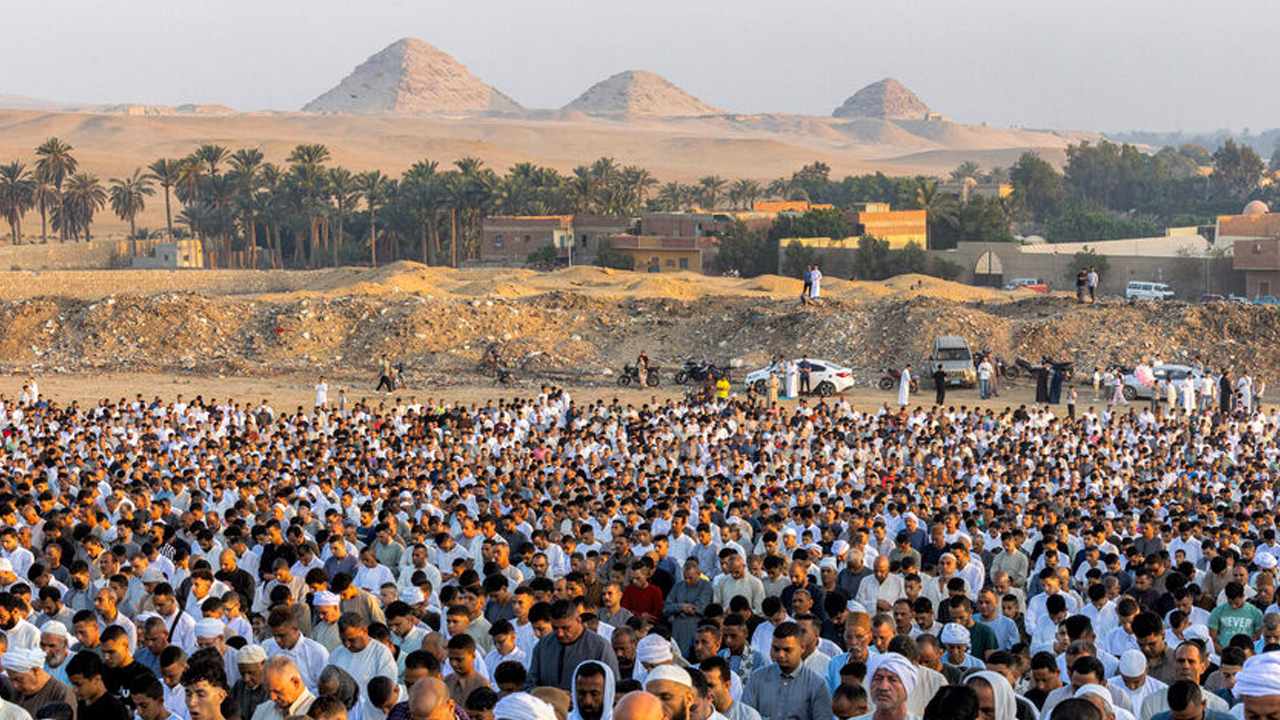
Several Gulf countries have banned open-field Eid congregations due to heightened security concerns linked to the ongoing conflict involving Iran, Israel, and the United States. According to Al Jazeera, authorities in these nations have instructed that Eid al-Fitr prayers be held only inside mosques. Qatar, Kuwait, and the United Arab Emirates have already urged citizens not to gather in traditional open prayer grounds after Ramadan. Officials stated that the decision followed a reassessment of public safety risks in light of the current regional tensions. They described the measure as a precautionary step to prevent potential security incidents during large gatherings. The move reflects growing unease across the Middle East as the Iran-Israel confrontation intensifies, prompting governments to tighten security and limit public assemblies during major religious events.
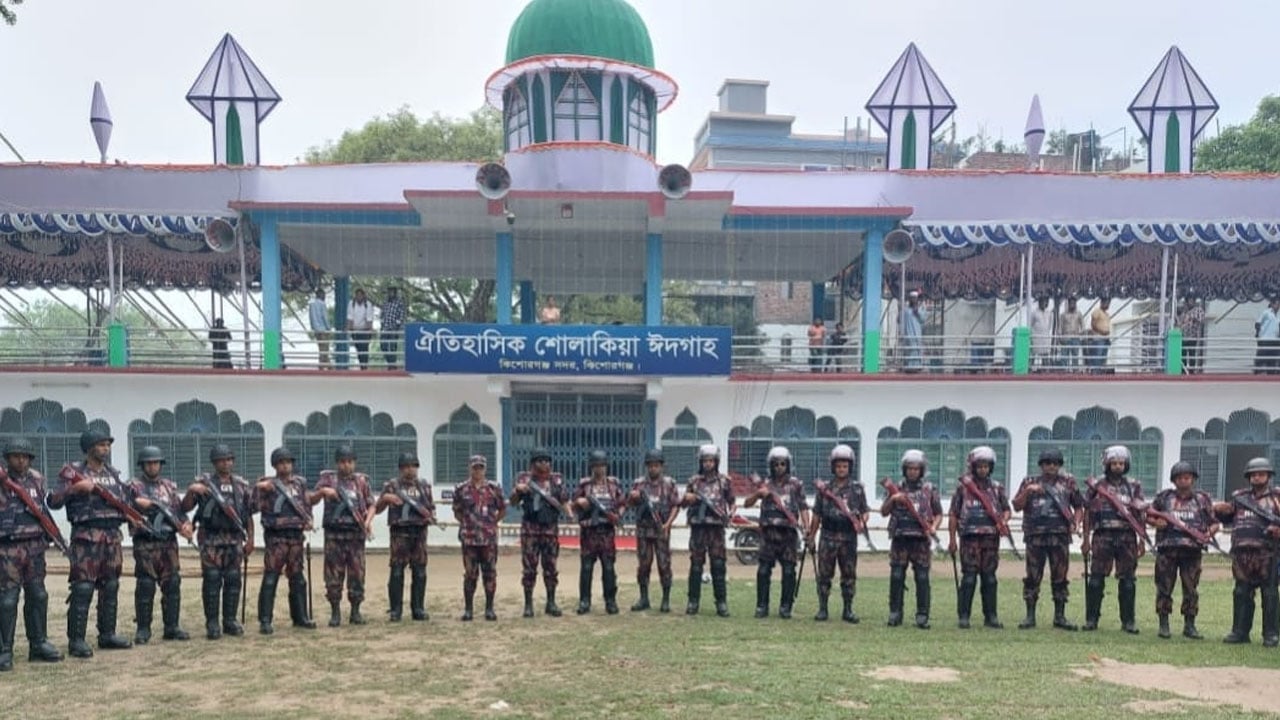
Security measures have been intensified around the historic Sholakia Eidgah Maidan in Kishoreganj ahead of the 199th Eid-ul-Fitr congregation, the largest in Bangladesh. According to a press release signed by Lieutenant Colonel Touhidul Bari, commander of the Netrokona Battalion (31 BGB), five platoons of Border Guard Bangladesh (BGB) have been deployed to ensure safety for the large number of worshippers expected to attend. The deployed BGB members will work in coordination with the district administration and other law enforcement agencies to establish a strict security perimeter around the Eidgah and its surrounding areas. Special monitoring will be in place at entry and exit points. Authorities have instructed attendees to use designated entrances, avoid carrying bags, sharp objects, or suspicious items, and cooperate with security checks. BGB stated that, in addition to border protection, it continues to assist in maintaining internal law and order with professionalism. As in previous years, maximum precautions have been taken to ensure a peaceful and safe Eid congregation at Sholakia, a site known for hosting large-scale Eid prayers for nearly two centuries.
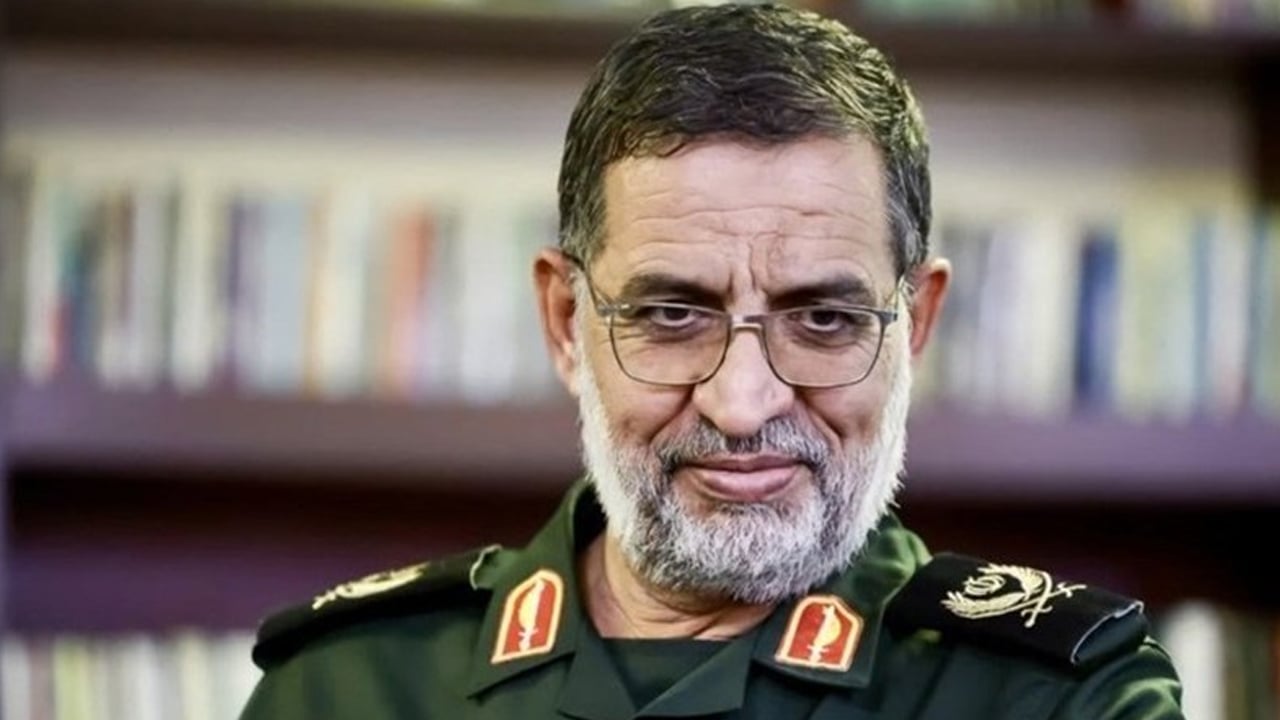
Iran’s Islamic Revolutionary Guard Corps (IRGC) confirmed on Friday that its spokesman, General Ali Mohammad Naini, was killed in a joint missile strike carried out by Israel and the United States. According to Iran’s state-run Tasnim News Agency, the attack took place early in the morning, and the news of Naini’s death was shared through the agency’s Telegram channel. Before his death, Naini issued a statement asserting that despite repeated attacks by Israel and the United States, Tehran remained capable of producing missiles. He pledged to continue the fight, emphasizing that the Iranian people supported ongoing resistance until their enemies were completely defeated. He added that the conflict should only end once the “dark shadow of war” was fully removed from the country. The Israeli military also confirmed Naini’s death, stating that he was killed overnight in an airstrike. The incident marks a significant escalation in the ongoing hostilities between Iran and its adversaries in the region.
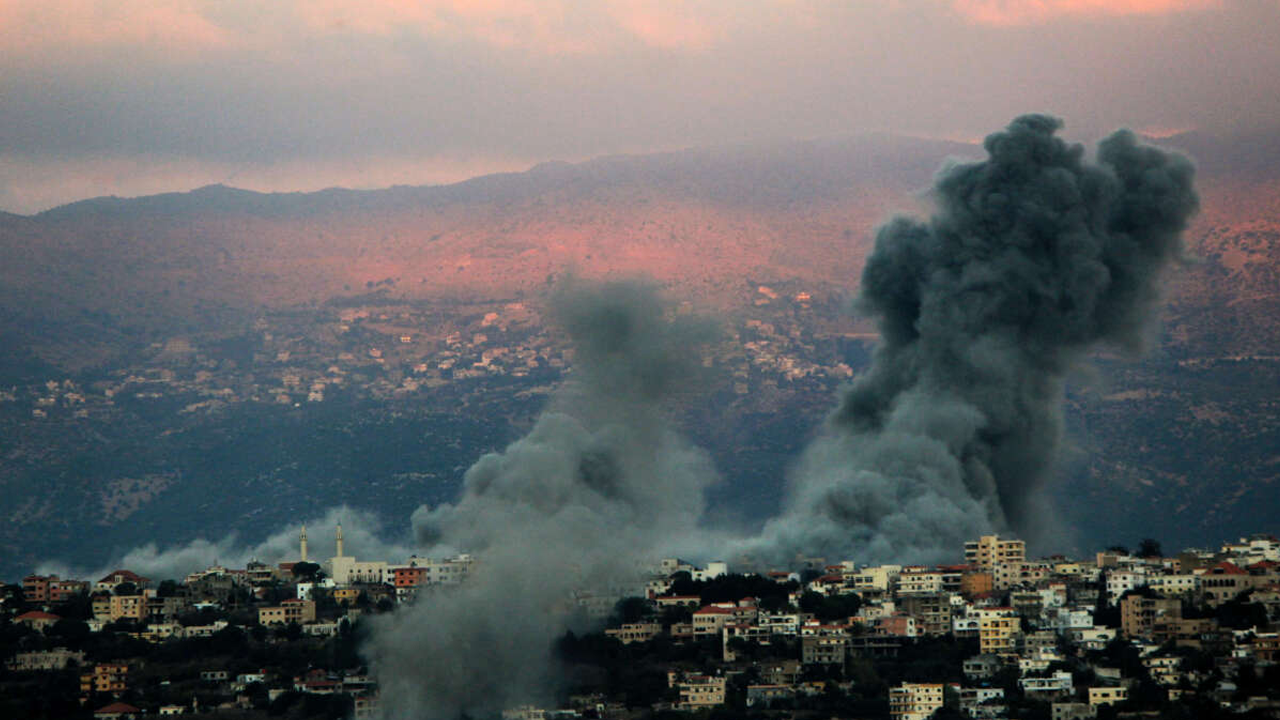
Israeli airstrikes continued across southern Lebanon on Friday morning, targeting several towns including Bafiliya and Hanin in the Tyre and Bint Jbeil regions, according to Lebanon’s state news agency. The attacks left several people injured, though the exact number of casualties from the latest strikes was not specified. Lebanon’s Ministry of Health reported that since March 2, a total of 1,001 people have been killed in Israeli attacks across the country. Among the dead are 79 women, 118 children, and 40 healthcare workers. The ministry also stated that 2,584 people have been injured during this period. The report, citing BBC Bangla, highlights the continuing escalation of violence between Israel and Lebanon. The rising civilian toll underscores the growing humanitarian impact of the ongoing conflict, with health workers among the casualties and widespread injuries reported across affected regions.
Israeli forces prevented Palestinians from entering the Al-Aqsa Mosque compound in occupied East Jerusalem to perform Eid al-Fitr prayers, according to Al Jazeera. As access to the mosque was blocked, hundreds of worshippers prayed at the gates and on nearby streets, particularly around the Damascus Gate area. Eyewitnesses reported that Israeli soldiers closed the entrances to the mosque courtyard, stopping worshippers from entering. The Jerusalem Governorate condemned the move as a dangerous escalation and a direct violation of religious freedom. Citing the Palestinian news agency Wafa, it said the action aimed to impose a new Judaization reality and detach the mosque from its Palestinian and Islamic identity. This marks the first time in six decades that Eid prayers could not be held inside Al-Aqsa Mosque, highlighting growing tensions in the region.
The ‘1 Nojor’ media platform is now live in beta, inviting users to explore and provide feedback as we continue to refine the experience.