

The ‘1 Nojor’ media platform is now live in beta, inviting users to explore and provide feedback as we continue to refine the experience.
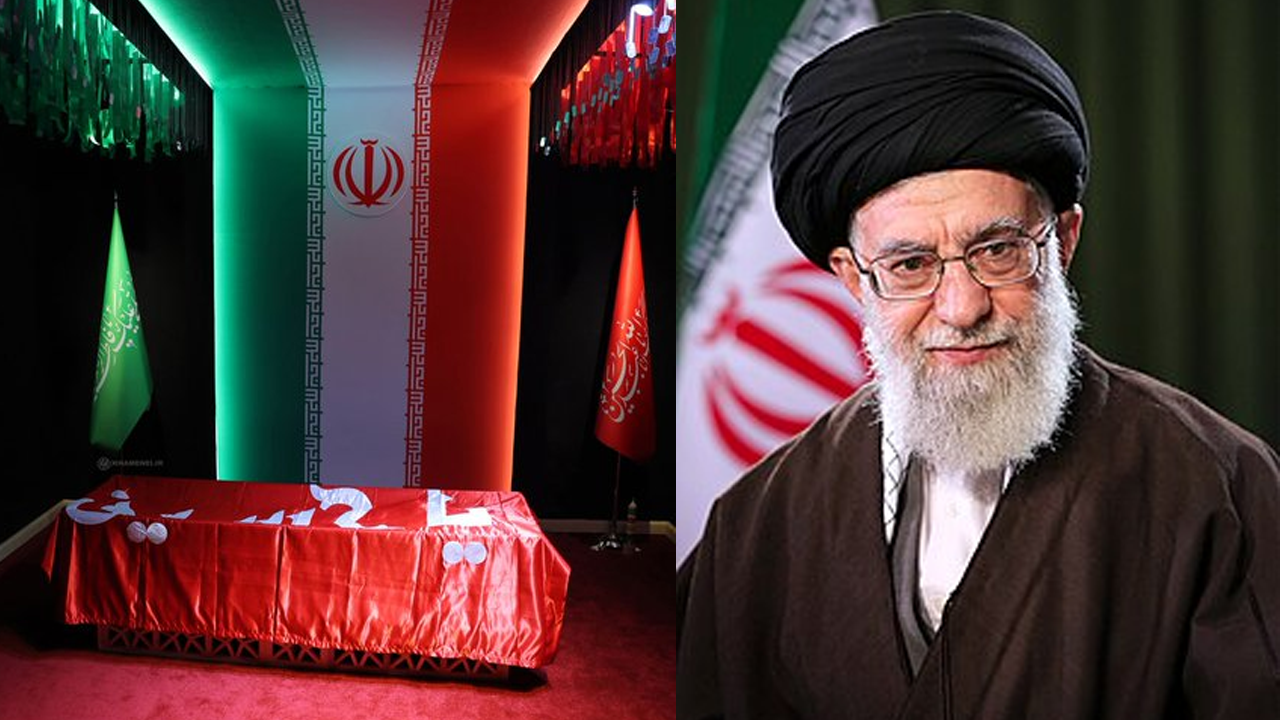
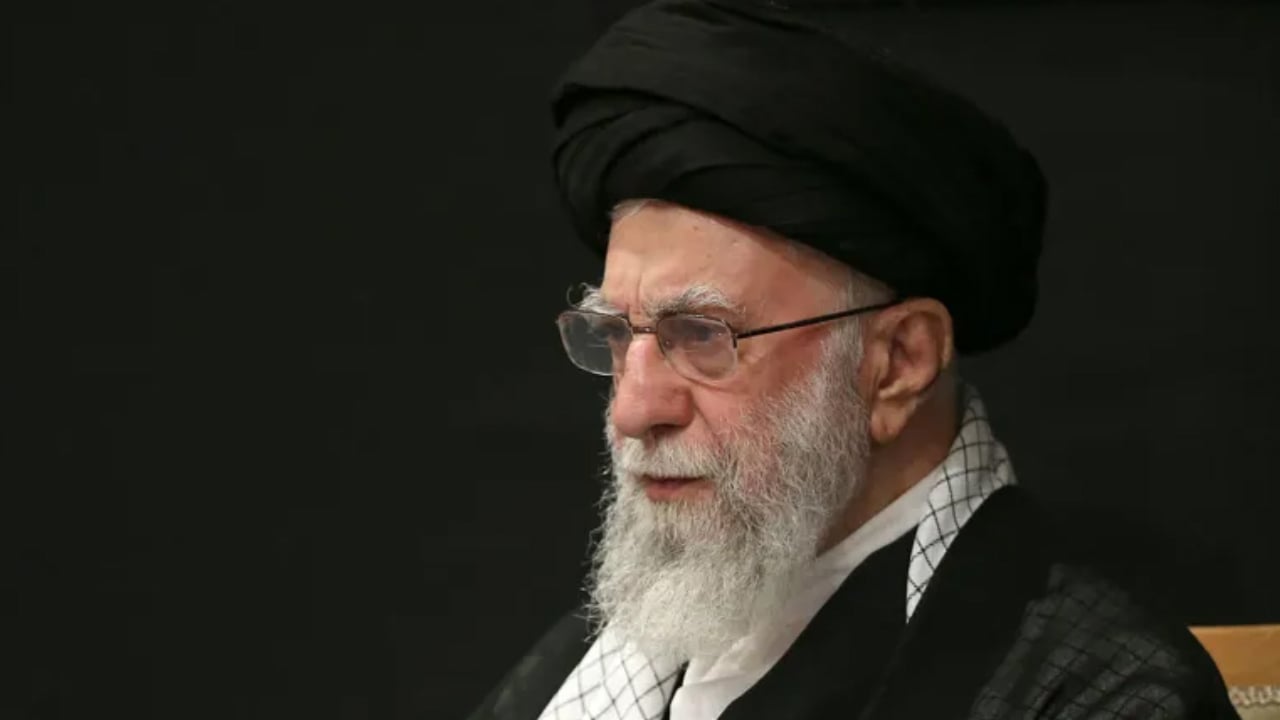
The official farewell ceremony for Iran’s late revolutionary leader Ayatollah Ali Khamenei has begun at Tehran’s Grand Mosalla. Foreign guests and religious figures are paying their respects to Khamenei and others killed in a joint U.S.-Israeli attack. The bodies were brought to the Grand Mosalla early Friday, where the public will be allowed to pay tribute over two days. Among the first foreign visitors were religious and cultural figures from Indonesia and Afghanistan, along with representatives of Iran’s recognized religious minorities. Senior officials and delegates from more than 30 countries, including Russia, China, Pakistan, India, Georgia, and Cuba, have already arrived in Tehran. Around 100 nations are expected to send representatives to the ceremonies. A family farewell was held Thursday evening, attended by relatives of those killed in the recent 40-day war and staff from the late leader’s office. Iranian officials estimate that between 10 and 20 million people may attend the burial ceremony.
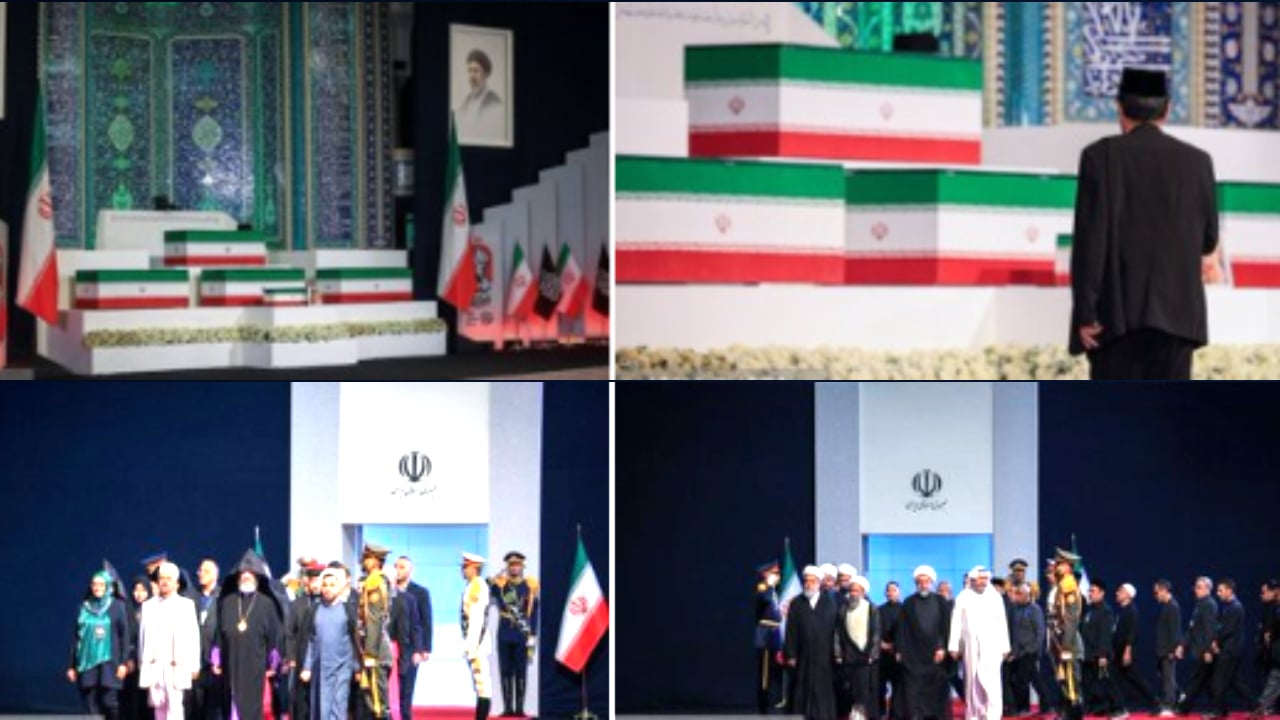
More than 20 million people are expected to gather in Tehran for the funeral of Iran’s Supreme Leader Ali Khamenei, according to Iranian state television. The massive turnout could temporarily more than double the capital’s population, which currently stands at around 10 million. Khamenei, who led Iran for 36 years, was killed on February 28 during the first day of U.S. and Israeli attacks that triggered a regional war. Tehran authorities have implemented special traffic and accommodation measures to manage the influx and ensure security. The six-day funeral program will begin Saturday morning at Imam Khomeini Mosalla, where the public can pay respects until Sunday afternoon. The ceremony will then move to Qom, followed by rituals in Najaf and Karbala in Iraq before Khamenei’s burial in his birthplace, Mashhad, on Thursday at the Imam Reza shrine. Analysts cited in the report say the extensive arrangements highlight Khamenei’s influence across the Shia world. Iran’s foreign minister described the events as symbolically significant. Nationwide mourning will continue for 40 days, with memorials planned through the first anniversary.
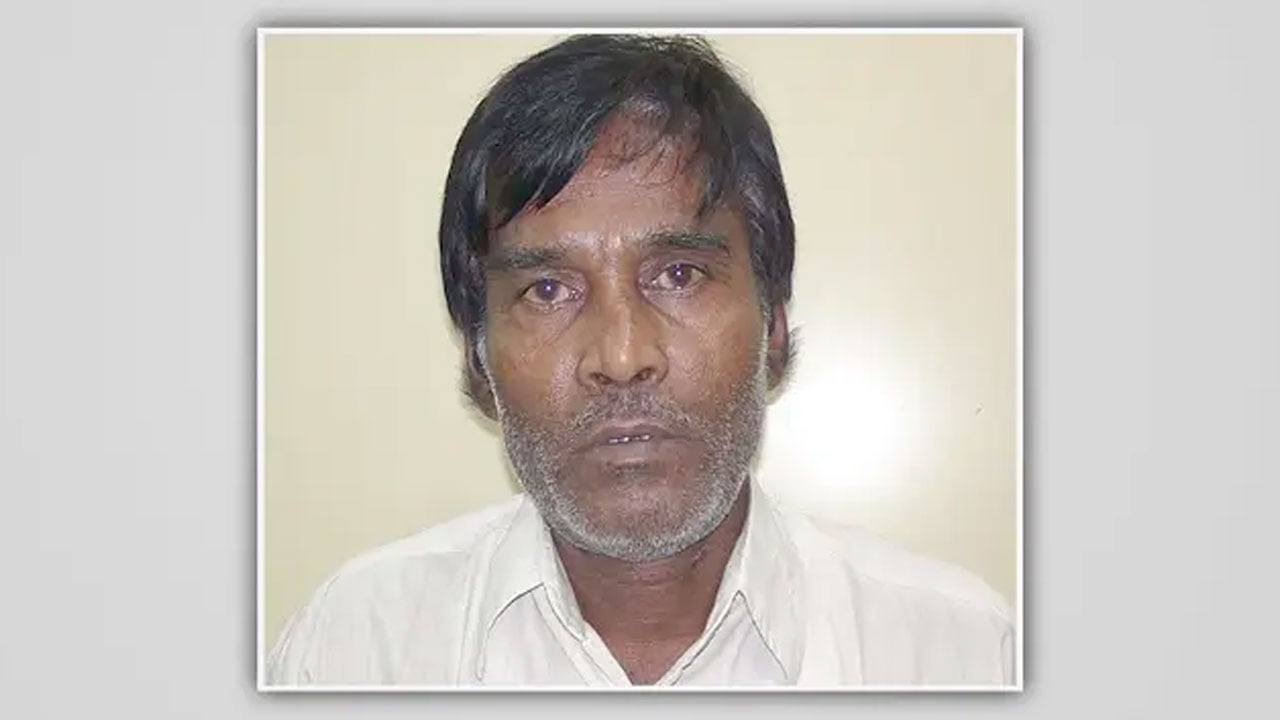
A man accused of involvement in the 2012 abduction of Sukhranjan Bali, a defense witness for Allama Delwar Hossain Sayedee, has been arrested, according to International Crimes Tribunal senior prosecutor Mizanul Islam. He said the Detective Branch police detained the suspect last night. The arrested individual has been identified as former Additional Superintendent of Police Md Fazlur Rahman, who was serving as a Detective Branch inspector at the time of the incident. Authorities have not yet disclosed where he was apprehended. Sukhranjan Bali was abducted from the premises of the International Crimes Tribunal in 2012 while preparing to testify in favor of the late Jamaat leader Delwar Hossain Sayedee. He was later found imprisoned in India, where he reportedly spent five years. In August 2025, Bali filed charges with the tribunal against 32 individuals, including Sheikh Hasina and former Chief Justice Surendra Kumar Sinha, in connection with his abduction. The arrest marks a new development in a long-running case that has drawn attention to alleged irregularities surrounding the tribunal proceedings and the treatment of witnesses.
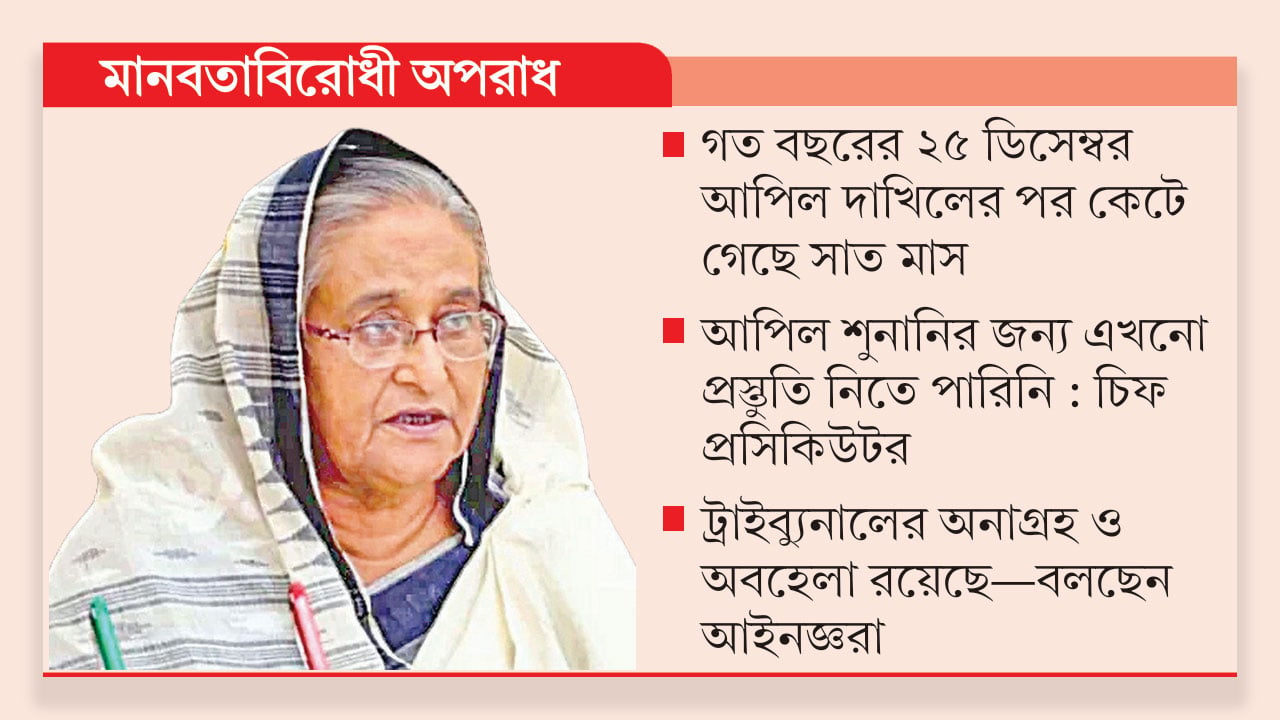
The appeal seeking to increase former Prime Minister Sheikh Hasina’s sentence from life imprisonment to death for crimes against humanity during the July Revolution remains pending before Bangladesh’s Supreme Court. Although the International Crimes Tribunal (ICT) delivered its verdict on November 17 last year, the prosecution has not yet begun the appeal hearing despite multiple listings in the Appellate Division’s schedule. The prosecution filed the appeal on December 15, but seven months have passed without progress. The ICT had sentenced Hasina and former Home Minister Asaduzzaman Khan Kamal to death in one charge and life imprisonment in another. Later, the prosecution sought to upgrade all sentences to death, citing the gravity of the crimes. The tribunal also added former IGP Chowdhury Abdullah Al Mamun as an accused, who later testified as an approver. Chief Prosecutor Aminul Islam admitted that his office was still unprepared for the hearing, though the law allows flexibility beyond the 60-day disposal period. Legal observers have attributed the delay to the prosecution’s negligence and lack of initiative, leaving the appeal unresolved in the Supreme Court’s docket.
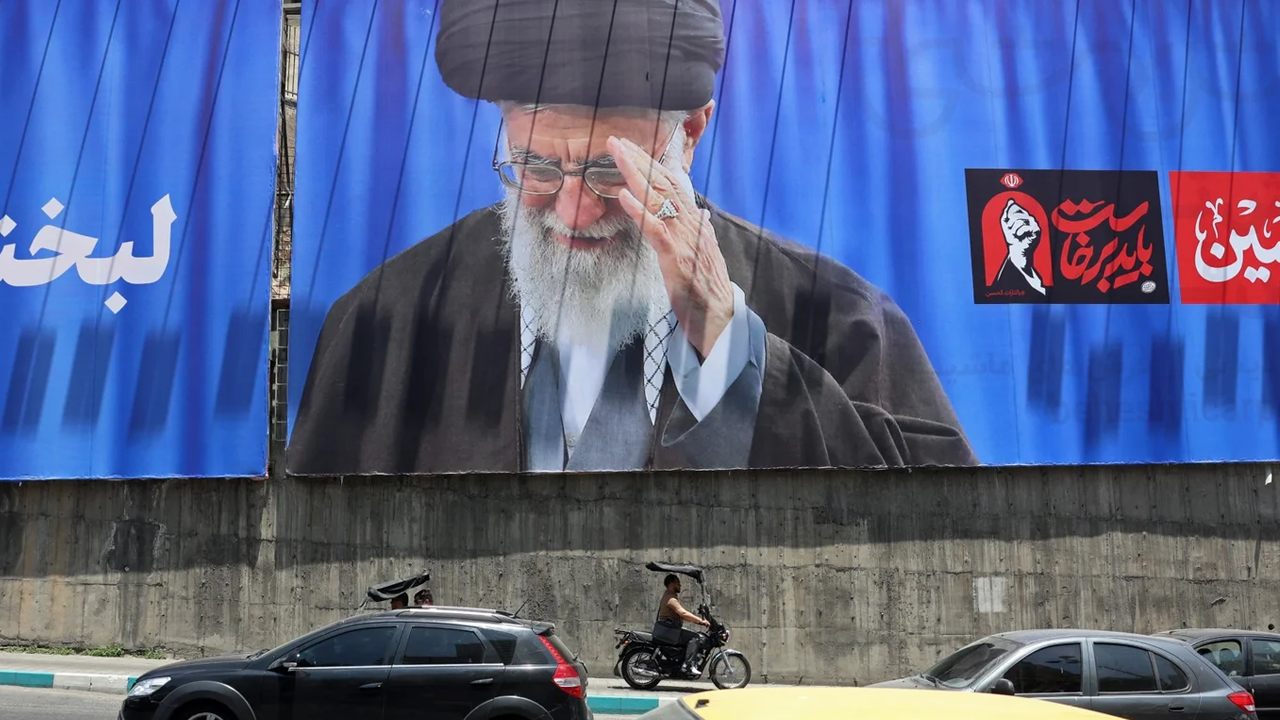
Iran is set to begin a six-day funeral ceremony for former Supreme Leader Ayatollah Ali Khamenei in Tehran on Saturday, more than four months after his assassination. Officials have described it as the “greatest funeral of the century,” expecting between 12 and 20 million attendees. The Islamic Revolutionary Guard Corps’ Tehran-based Mohammad Rasulullah unit is overseeing the event, which includes extensive preparations such as thousands of service centers and accommodations for over a million visitors. Around 800 foreign journalists will cover the ceremony, and dignitaries from numerous countries, including Bangladesh’s parliament speaker Hafiz Uddin Ahmed, are attending. The program will start at Imam Khomeini Mosalla in Tehran, move to Qom and later to Iraq’s Najaf and Karbala before Khamenei’s burial in his birthplace, Mashhad, at the Imam Reza shrine. Forty days of national mourning and memorial events are planned afterward. Analysts view the funeral as a demonstration of national unity and a symbolic step toward consolidating post-Khamenei leadership, particularly around his son Mojtaba. However, uncertainty remains over whether Khamenei’s sons will appear publicly and who will lead the funeral prayer.
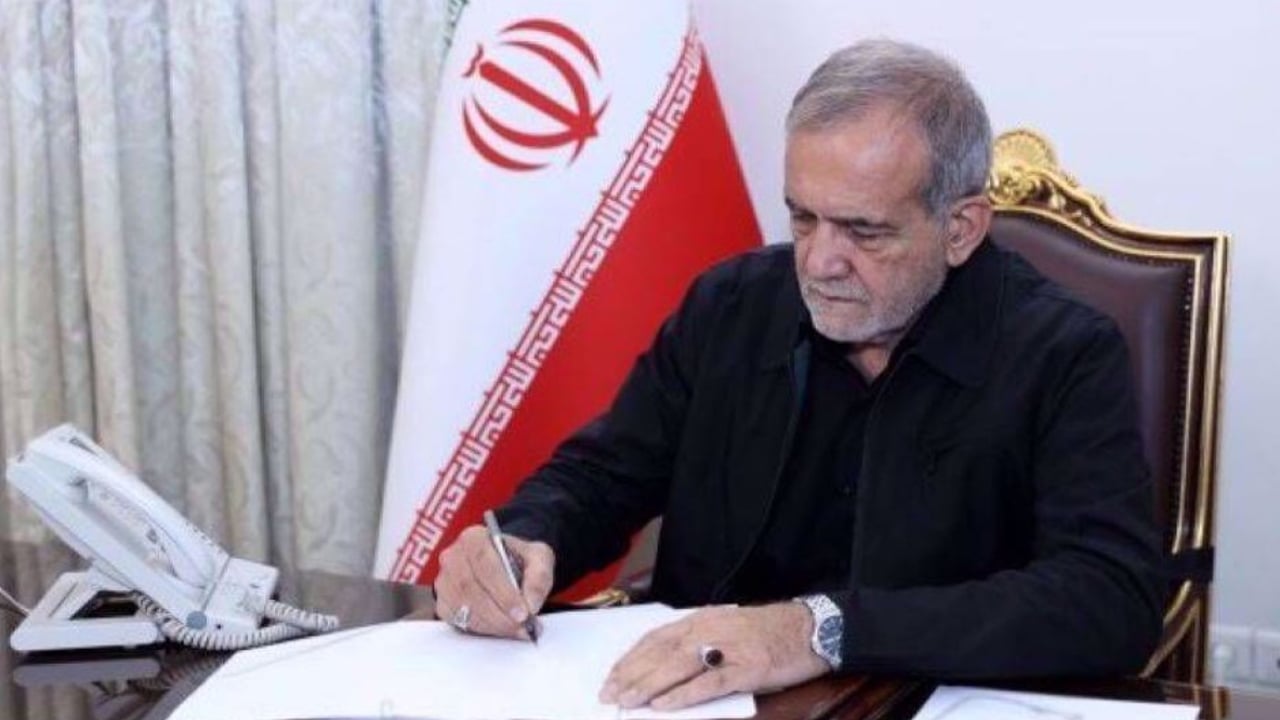
Iranian President Masoud Pezeshkian stated that the massive public participation expected at the funeral and burial of Supreme Leader Ayatollah Ali Khamenei will serve as a powerful message against terrorism, violence, and politics of intimidation. In a national address on Thursday, he said the gathering would demonstrate that the Iranian people are not afraid of pressure or threats and remain united in defending the country’s independence and dignity. Pezeshkian emphasized that no event could break the nation’s spirit and that Iranians would continue building a prosperous, independent, and proud country. He described Khamenei’s death as a moment of deep sorrow not only for Iran but also for the Muslim world and freedom-seeking people globally. According to him, the Islamic Republic’s system stands firmly on the people’s faith, ideals, and determination. He called on all Iranians, regardless of political or religious differences, to attend the funeral to showcase national unity and reaffirm commitment to Khamenei’s ideals of resistance, independence, and religious democracy.
Following the recent war involving Iran, the United States, and Israel, Middle Eastern countries are reassessing their security strategies. Analysts say Gulf Cooperation Council (GCC) members are exploring new defense partnerships beyond the United States, as the conflict exposed vulnerabilities across the region. Iran’s attacks on Gulf territories and U.S. bases during the war have intensified concerns about overreliance on Washington. Saudi Arabia had already signed a defense pact with Pakistan before the conflict, and experts suggest similar cooperation could expand to other nations. Gulf states have been diversifying defense ties with Europe, Russia, and China, while maintaining relations with the U.S. Researchers note that the goal is not to replace Washington but to strengthen regional balance and resilience against both Iran and Israel. Some countries are also pursuing economic engagement with Tehran to reduce future hostilities. The U.S. administration has indicated a shift in priorities away from the Middle East, though it continues to support Israel militarily. Analysts believe that if Iran and the U.S. reach a lasting agreement, regional states may increasingly take responsibility for their own security.

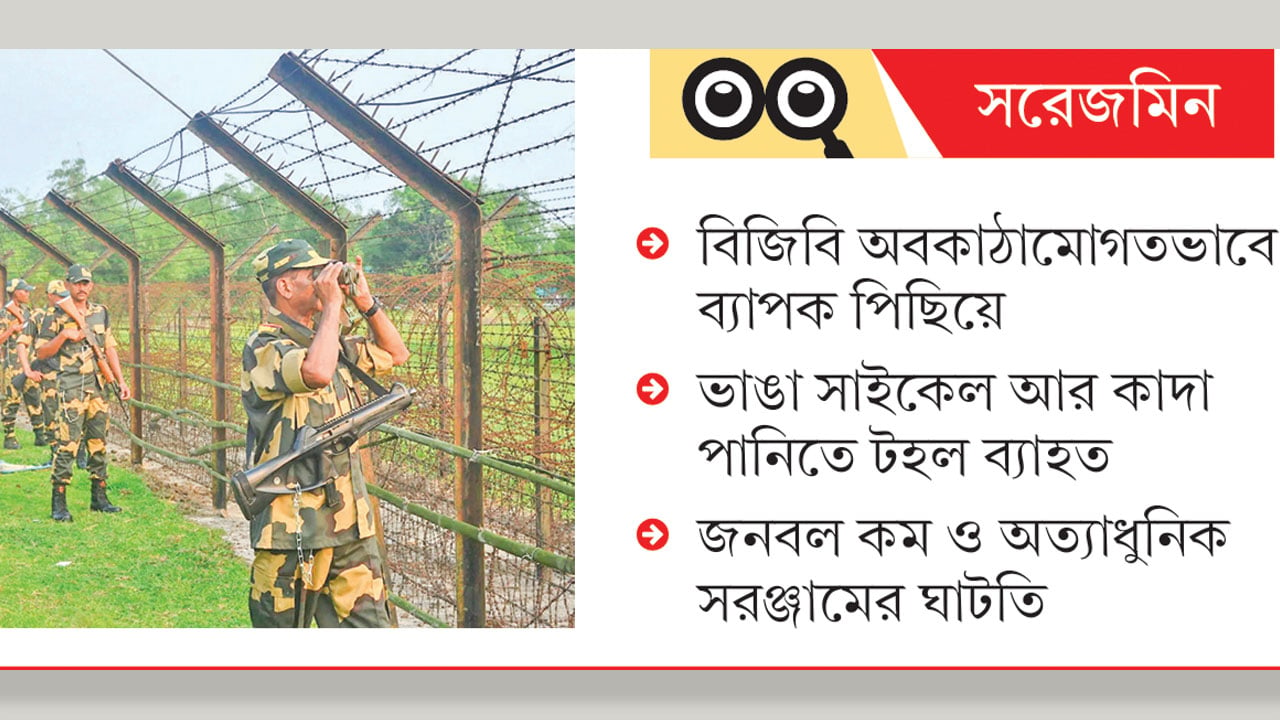
A field report from multiple northern border districts of Bangladesh reveals that Border Guard Bangladesh (BGB) faces severe logistical and infrastructural shortages compared to India’s technologically advanced Border Security Force (BSF). Between June 20 and 24, observations in Kurigram, Lalmonirhat, Joypurhat, Naogaon, Thakurgaon, and Panchagarh showed BGB personnel relying on broken bicycles and muddy tracks, while BSF operates from multiple camps equipped with laser walls, thermal cameras, and wide patrol roads. BGB’s Rangpur regional office acknowledged these limitations and said improved roads and transport would ease border patrols. Local residents and former officials described poor road conditions, river barriers, and distant camps as major obstacles to BGB’s mobility. Many border guards reportedly depend on villagers for assistance due to manpower shortages. In contrast, BSF has built dense networks of camps, smart surveillance systems, and floodlit patrol zones, covering nearly 79 percent of the frontier with barbed wire fencing. The imbalance in manpower, infrastructure, and technology has made border protection increasingly difficult for BGB, forcing it to rely on community cooperation and tactical vigilance to counter BSF’s aggressive and high-tech presence.
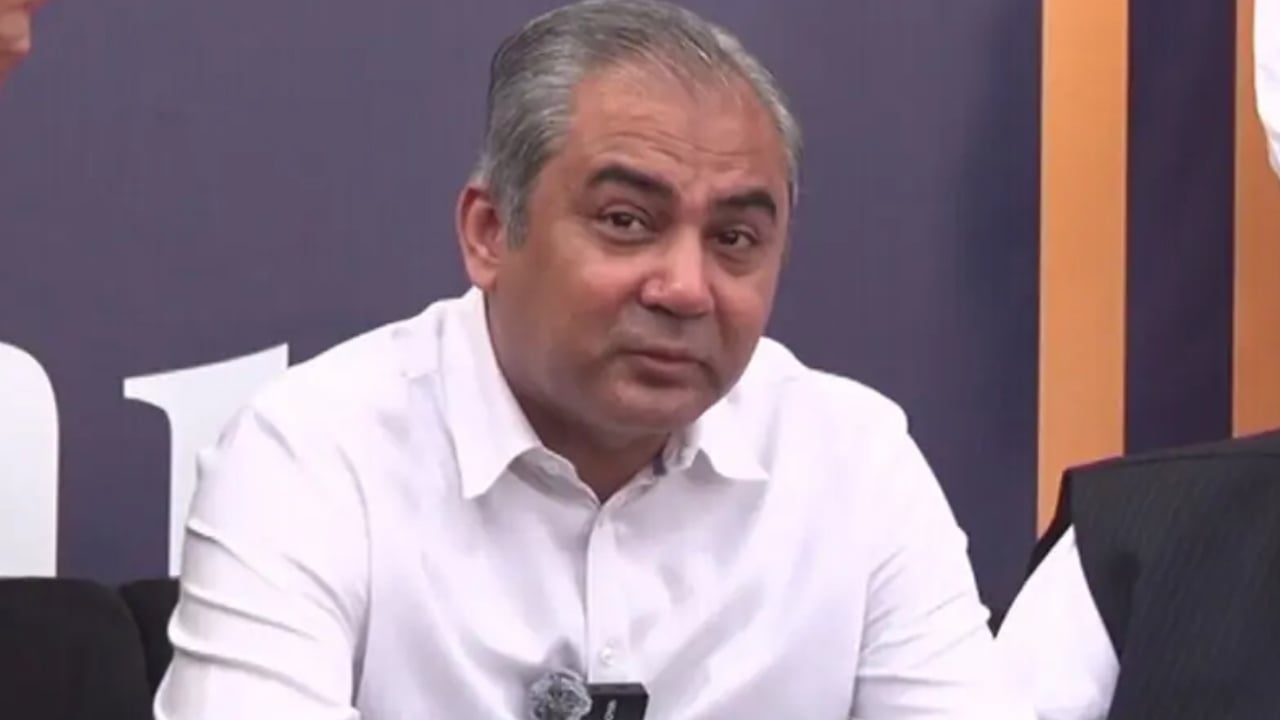
Pakistan’s Interior Minister Mohsin Naqvi has arrived in Iran to attend the funeral of the country’s Supreme Leader Ayatollah Ali Khamenei, who was killed in an attack by the United States and Israel. Upon arrival, Naqvi described Iran as his “second home.” According to Iranian Foreign Ministry spokesperson Esmail Baghaei, representatives from more than 100 countries are expected to attend the funeral ceremonies that began on Saturday. Pakistan’s Prime Minister Shehbaz Sharif is also scheduled to participate in the event. Pakistan is home to millions of Shia Muslims, making up about 20 percent of its total population. Many of them regard Khamenei as their spiritual leader. Following his killing, protests erupted across Pakistan, resulting in at least 23 deaths. The large international attendance at the funeral underscores Khamenei’s influence across the Muslim world and the deep regional tensions following his death.
Bangladesh’s national telehealth service ‘Sastho Batayon 16263’, which has provided free medical advice to millions for nearly a decade, is now at risk of closure due to prolonged funding suspension and the expiry of its government contract. The service, operated by private firm Synesis IT under the Directorate General of Health Services’ e-Health program, has not paid staff for 22 months. Its contract expired on April 30, 2026, and no new tender has yet been issued, leading to reduced staffing and declining service quality. Launched in 2015, the helpline became a vital source of remote healthcare during the COVID-19 pandemic, offering 24-hour access to doctors, health information, and emergency guidance. It has handled over 28 million calls since inception, but daily response capacity has dropped from 6,000 to about 3,500 calls due to staff cuts. Synesis IT has requested a one-year extension, while the health directorate proposed six months; the decision awaits ministry approval. Officials said funding delays stem from the expiration of the previous health sector program and pending budget allocations. Experts warn that continued uncertainty could deprive rural and low-income populations of essential medical advice.
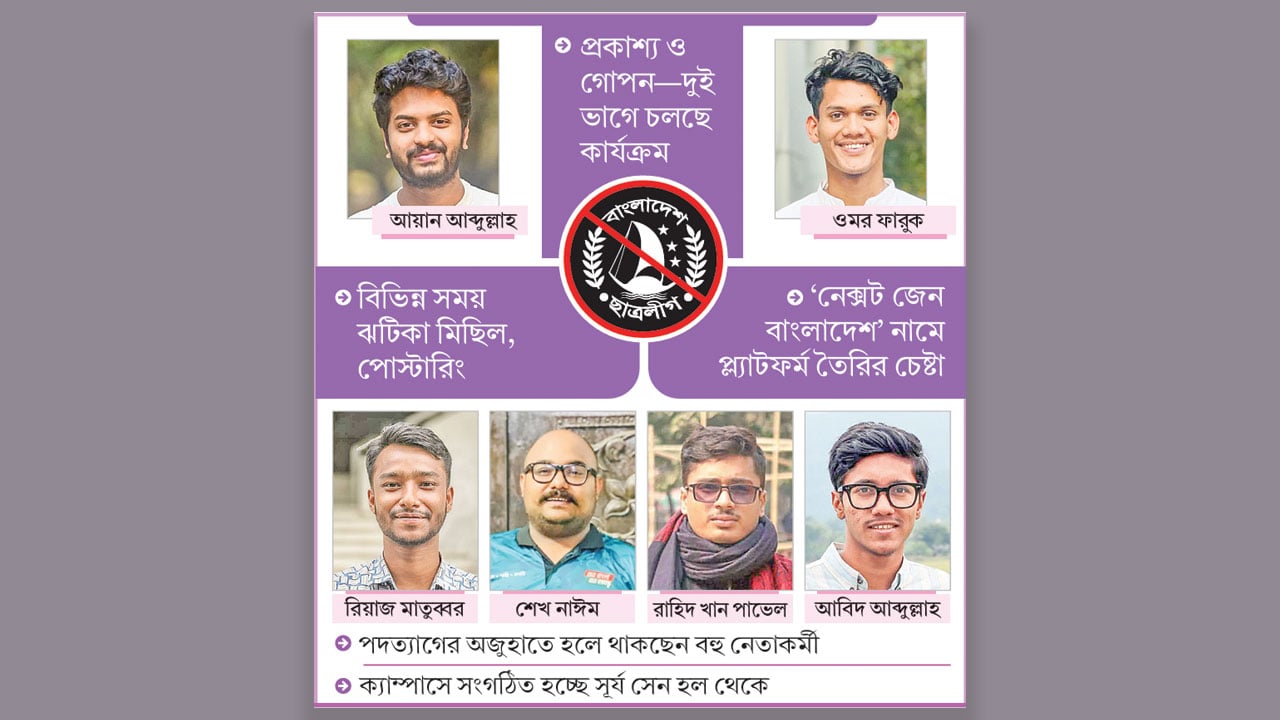
Despite being officially banned, members of the Chhatra League remain covertly active across Dhaka University and nearby areas. Investigations reveal that they operate in two segments—one inside the campus handling coordination and intelligence, and another outside executing activities such as flash processions and poster campaigns. Several incidents between May and June 2026 show their continued presence, including rallies, silent protests, and symbolic tributes under the organization’s banner. Reports indicate that many members conceal their political identity, joining other student or cultural groups to maintain influence. Some have attempted to form a new platform called “Next Gen Bangladesh,” led by Abid Abdullah, to continue operations under a social banner. Funding for their activities reportedly comes from expatriate supporters and political allies. The group also maintains an online presence through fake accounts and coordinated messaging. Dhaka University authorities, including the vice-chancellor and proctor, have acknowledged the group’s covert activities and pledged action. Political analysts describe the situation as a transitional phase for the banned organization, which may attempt to reemerge publicly if conditions become favorable.
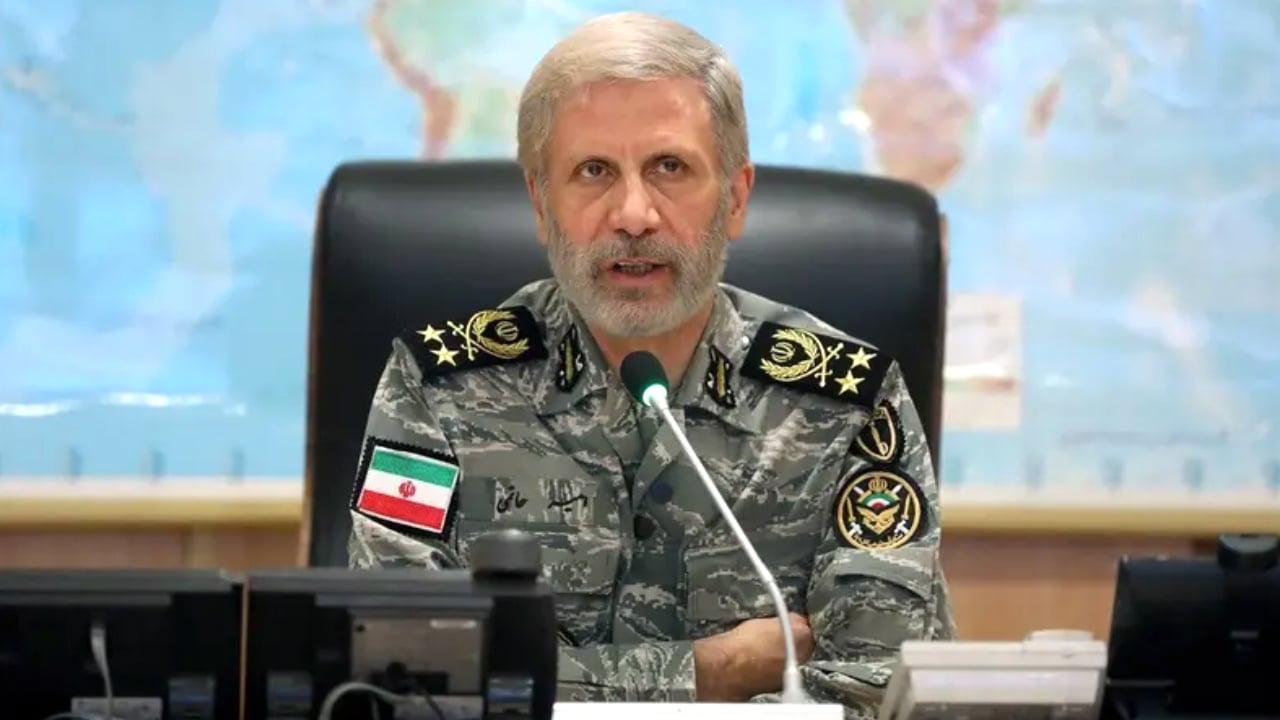
Iran’s army chief Major General Amir Hatami has called on citizens to attend the farewell ceremony for the late revolutionary leader Ayatollah Ali Khamenei, who was killed in an attack attributed to the United States and Israel. In a statement issued Thursday, Hatami said the assassination was a tragedy not only for Iran but also for Muslims and freedom-seeking people worldwide. He emphasized that the Iranian people would never bow to enemies. Hatami stated that the attackers had hoped to break the nation’s spirit, but instead, Iranians had become more united and determined. He described Khamenei as a symbol of courage and resistance who never abandoned the path of defiance until his final moments. The army chief urged citizens to reaffirm their commitment to the late leader’s ideals by joining the funeral and farewell events. He added that a strong public turnout would send a clear message to adversaries that under new leader Ayatollah Mojtaba Khamenei, Iran would continue on the same path of resistance.
Representatives from around 100 countries are expected to attend the funeral of Iran’s former Supreme Leader Ayatollah Ali Khamenei, who was killed in a joint attack by the United States and Israel. Iranian Foreign Ministry spokesperson Esmail Baghaei announced on Thursday via state television that heads of state, parliament speakers, foreign ministers, and special envoys from various governments will participate in the ceremony. Baghaei described the farewell and burial ceremony as a historic and highly significant event for the people of Iran, the Middle East, and Muslims worldwide. He said that many government officials, dignitaries, and ordinary citizens from different countries are traveling to Iran to take part in the event. The funeral is scheduled to begin at 8 a.m. local time on Friday and continue until noon, with senior officials and political leaders joining between 1:30 p.m. and 2 p.m. The Iranian government has called for a large public turnout at the ceremony.
Amid widespread speculation about their possible wedding at Madison Square Garden in New York this weekend, American pop star Taylor Swift and NFL player Travis Kelce have donated 26 million dollars to various charities. Their representative confirmed the donation to The Guardian, noting that the funds were distributed among 20 organizations connected to meaningful places in their lives, including Nashville, Kansas City, and New York City. The donation list includes City Harvest, Food Bank for NYC, Harvesters in Kansas, and the Los Angeles Regional Food Bank, as well as Dolly Parton’s Imagination Library, Feeding America, ASPCA, and Education Through Music. Although the announcement did not mention any wedding, preparations in New York suggest a major event. City officials confirmed a special permit for a pre-event celebration at Madison Square Garden, with the main ceremony expected to run from Friday evening to early Saturday morning. Reports indicate that the city has issued permits costing up to 66,000 dollars per day for street closures around the venue, further fueling speculation about the couple’s anticipated celebration.

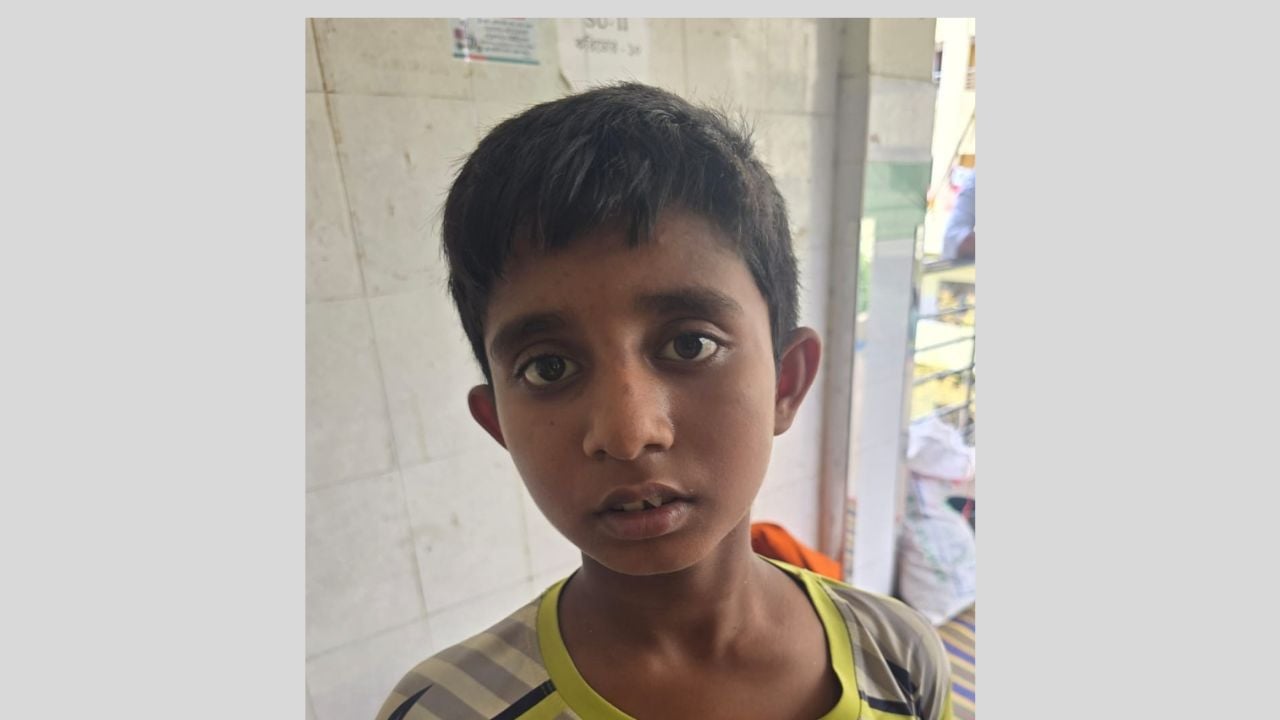
A madrasa teacher in Godagari, Rajshahi, has been accused of severely beating a 13-year-old student, breaking his teeth and injuring his chest. The incident occurred in the Railbazar area at Darus Sunnah Islamia Hafizia Madrasa, where the student, Jubayer Hossain, is a resident pupil. He is currently receiving treatment at Rajshahi Medical College Hospital. The accused teacher, Yasin Ali, has been absent from the institution since the incident. Local residents expressed anger over the assault, with a group of youths visiting the madrasa to protest and warning of locking the institution if justice is not served. Jubayer’s mother, Fatema Begum, described that the teacher allegedly grabbed her son by the neck and slapped him, causing him to hit a wall and lose part of a tooth. She demanded justice for the attack. The madrasa’s governing body president, Saiful Islam, said he had previously warned teachers against such behavior and promised proper action. Police confirmed awareness of the incident but said no formal complaint had yet been filed. They stated that legal measures would follow upon receiving a complaint.
The ‘1 Nojor’ media platform is now live in beta, inviting users to explore and provide feedback as we continue to refine the experience.