

The ‘1 Nojor’ media platform is now live in beta, inviting users to explore and provide feedback as we continue to refine the experience.
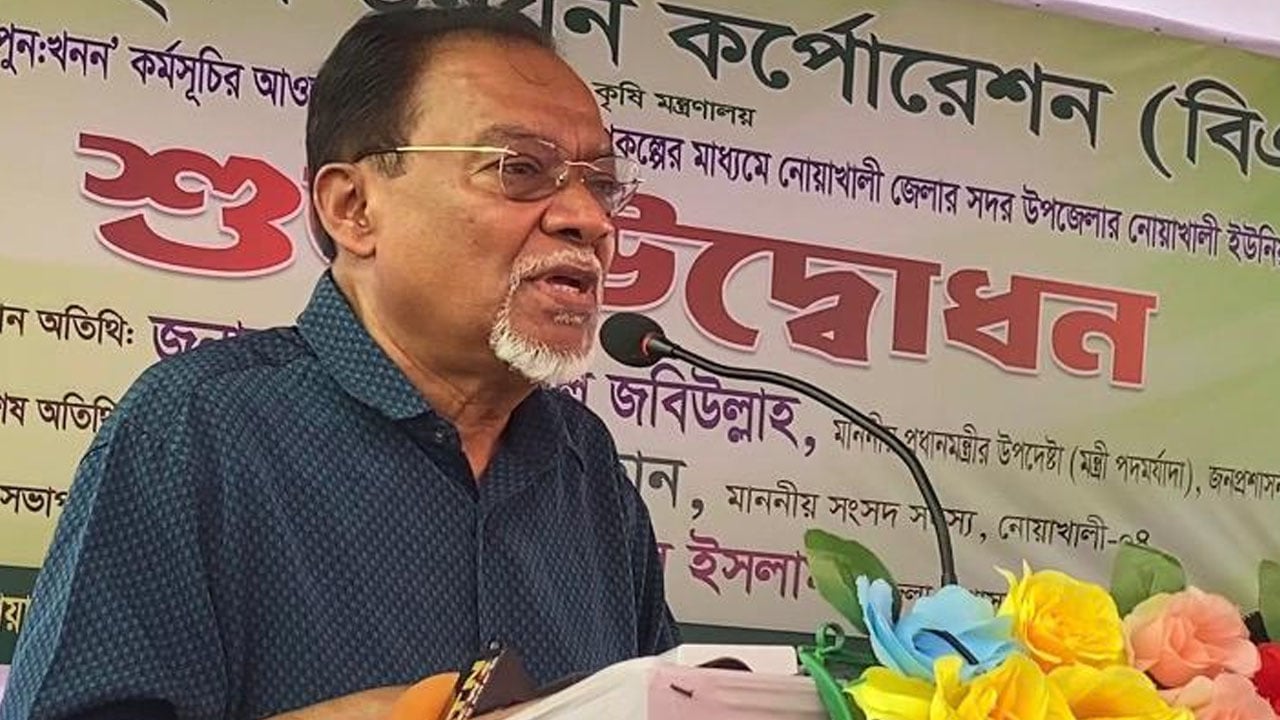
Public Administration Ministry adviser Md Ismail Jabiullah said Prime Minister Tarique Rahman has already begun implementing the promises made in his election manifesto. He remarked that the prime minister started working on these commitments even before the ink of the ballot had dried. Jabiullah described this as an extraordinary effort by the new leader. He made these comments on Monday, March 16, during the inauguration of the re-excavation of Petkata Canal at the Noa Technology Housing field near Noakhali Science and Technology University. The event was presided over by Noakhali Deputy Commissioner Md Shafiqul Islam, with Noakhali-4 MP Md Shahjahan attending as a special guest. Several local officials and BNP leaders were also present. Jabiullah added that Tarique Rahman has moved beyond rhetoric to demonstrate that the BNP not only makes plans but also implements them. He said the manifesto has become a national program dedicated to public welfare, inspiring citizens to give the BNP a decisive victory.
A seven-day holiday marking Eid-ul-Fitr began on Tuesday, March 17, 2026, prompting large numbers of people to leave Dhaka for their hometowns. Crowds surged at Kamalapur Railway Station, Gabtoli Bus Terminal, and Sadarghat Launch Terminal as families departed early in the morning. Reports indicated that most northbound trains left on schedule, except for the Nil Sagar Express, with passengers even riding on train roofs due to high demand. Some travelers alleged that transport operators were charging extra fares. Kamalapur Station Master Anwar Hossain said all train tickets were sold online, and standing tickets were being issued, allowing 25 standing passengers per 100 seats. Bus terminals in Gabtoli and Kalyanpur also saw heavy passenger flow, with concerns over traffic congestion and fare hikes. Meanwhile, river routes to southern districts such as Barishal, Bhola, Patuakhali, and Barguna operated on schedule, and passengers expressed satisfaction with standard fares. The first day of the holiday reflected both festive excitement and travel challenges as millions began their journey home for Eid celebrations.

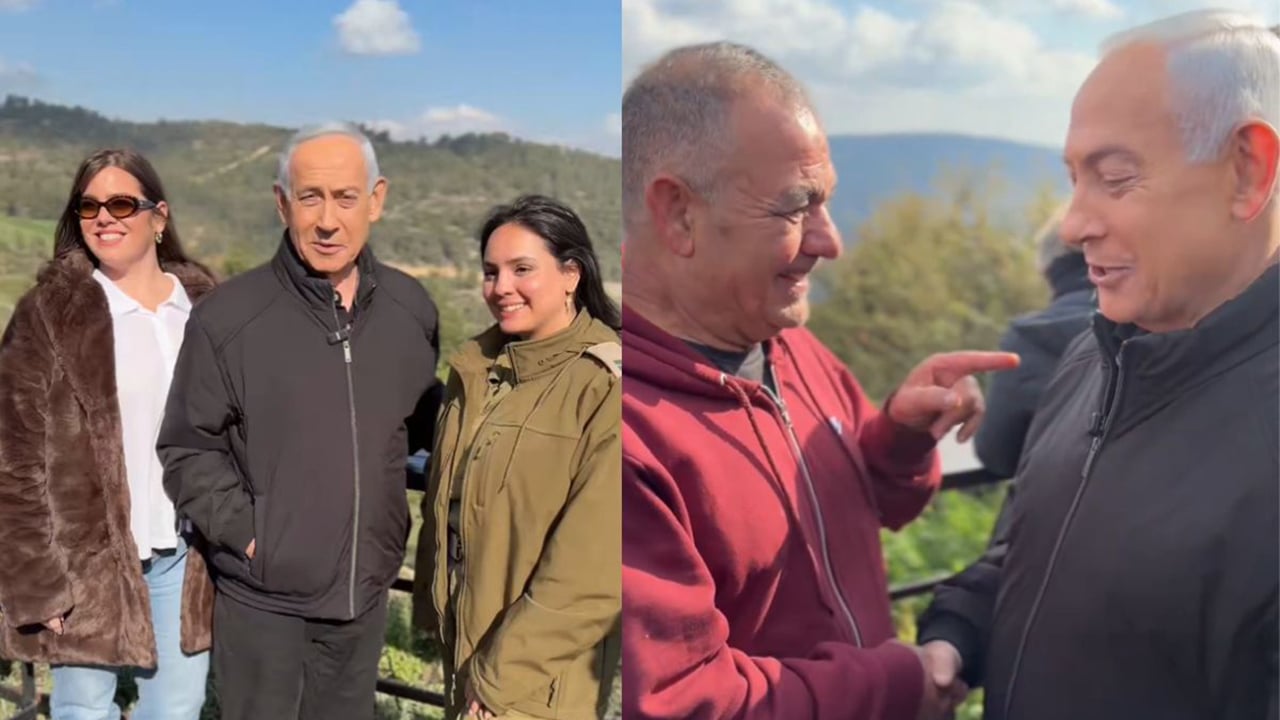
Israeli Prime Minister Benjamin Netanyahu has released a new video showing him walking in Jerusalem and interacting with locals. In the footage, he is seen greeting people, commenting on the weather, and asking about a dog’s breed, which a woman identifies as a Canaanite-Israeli. Netanyahu also speaks about secure shelters, expressing confidence that the Israel Defense Forces will prevail and protect the nation. The release follows controversy surrounding an earlier video in which Netanyahu appeared to show five fingers, which the Grok chatbot labeled as AI-generated. That earlier clip had sparked debate after claims that Netanyahu’s hand showed six fingers. On Sunday, he had already posted another video from a Jerusalem café to dismiss rumors about his death, humorously addressing the finger-count issue. The new video appears to be part of Netanyahu’s ongoing effort to counter online misinformation and reaffirm his public presence amid growing scrutiny of AI-generated political content.
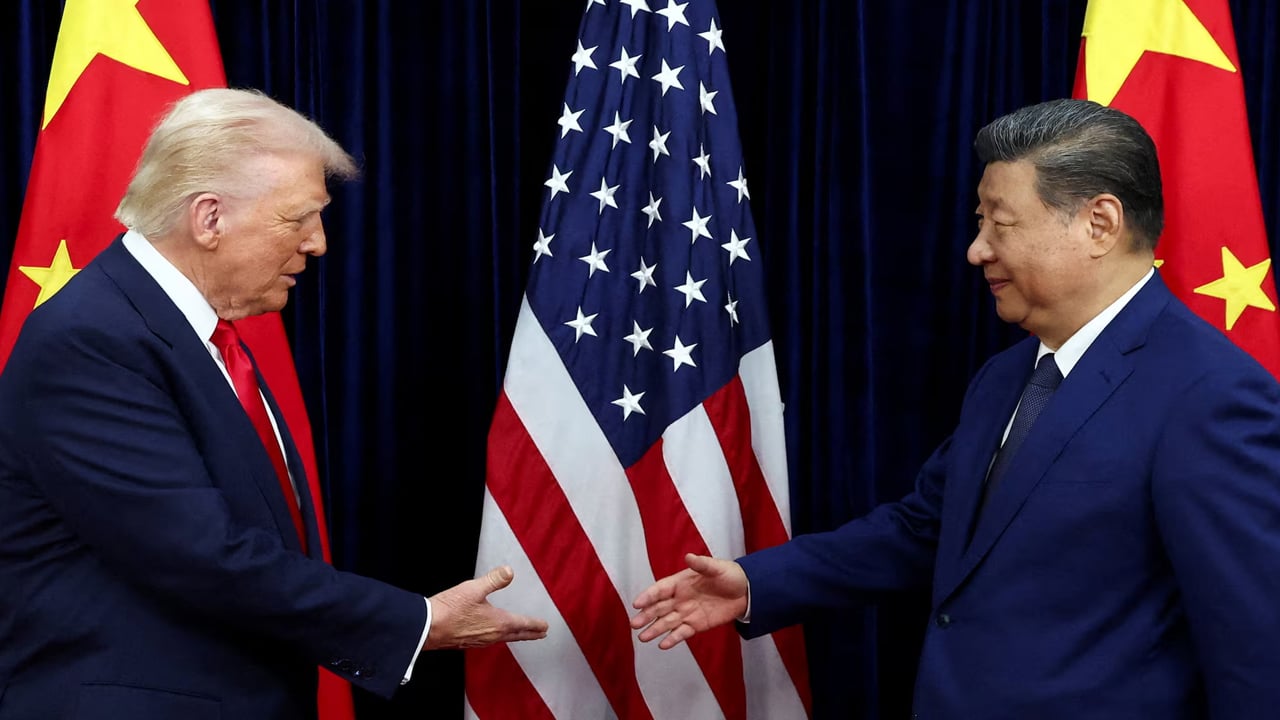
US President Donald Trump has indicated that his planned visit to China may be postponed after Beijing did not respond positively to his request for cooperation in keeping the Strait of Hormuz open. The meeting between Trump and Chinese President Xi Jinping, scheduled for the end of March, is now uncertain. Trump told the Financial Times that China should assist in ensuring safe passage through the strait, given its reliance on Middle Eastern oil, and suggested that the trip could be delayed if Beijing’s stance remains unclear. China has not issued an official response, but state-run Global Times dismissed Trump’s proposal as an attempt to share the risks of a war initiated by Washington. The editorial argued that deploying multiple warships in the strait would heighten tensions rather than improve security. Meanwhile, trade officials from both countries have gathered in Paris to continue preparatory talks for the summit. Analysts noted that a delay could benefit Beijing, which had earlier proposed an April visit to allow more time for discussions on security and Taiwan-related issues.
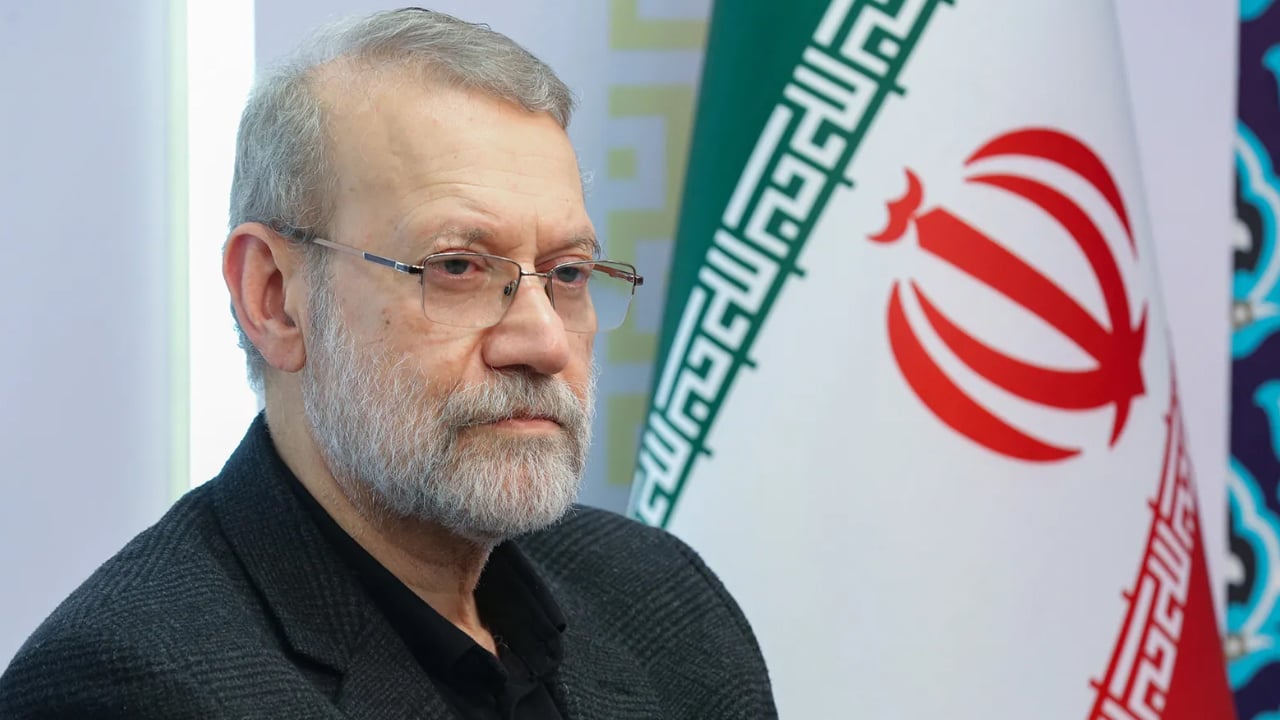
Ali Larijani, head of Iran’s Supreme National Security Council, has issued an open letter in Arabic urging Muslim-majority countries to support Iran in its ongoing war against the United States and Israel. In the letter, Larijani described the conflict as a struggle between the US-Israel alliance and regional resistance forces, warning that Washington is untrustworthy and that Israel remains an enemy of the Muslim world. He emphasized that Iran seeks no dominance over others and called on Muslim nations to consider the region’s future. Larijani accused the US and Israel of launching an aggressive war to destroy Iran, lamenting the limited support from Muslim countries during this crisis. He asserted that Iran’s people would continue to resist until the end. The letter follows failed nuclear talks between Tehran and Washington, which ended on February 27 without agreement. The day after the talks collapsed, the US began “Operation Epic Fury” in Iran, joined by Israel’s simultaneous “Operation Roaring Lion.” Iran has since retaliated with drone and missile strikes on US bases across six Gulf countries, actions that remain ongoing.
U.S. President Donald Trump has warned NATO allies that the alliance’s future could be at risk if member nations fail to help reopen the blocked Strait of Hormuz, which has been disrupted amid conflict with Iran. In an interview with The Financial Times published on March 17, 2026, Trump said countries benefiting from the strait should take responsibility to ensure its safety. He urged China, France, and the United Kingdom to send warships to the area and hinted at possible U.S. military action to restore passage. Trump emphasized that European and Chinese economies depend more heavily on oil shipments through the Strait of Hormuz than the United States does, yet those nations have not taken sufficient steps to secure the route. He suggested that allies could assist by deploying minesweeper vessels to clear the waterway. Referring to NATO’s past cooperation, Trump noted that the United States supported European allies during the war in Ukraine and now expects reciprocal assistance in maintaining freedom of navigation in the Gulf region.
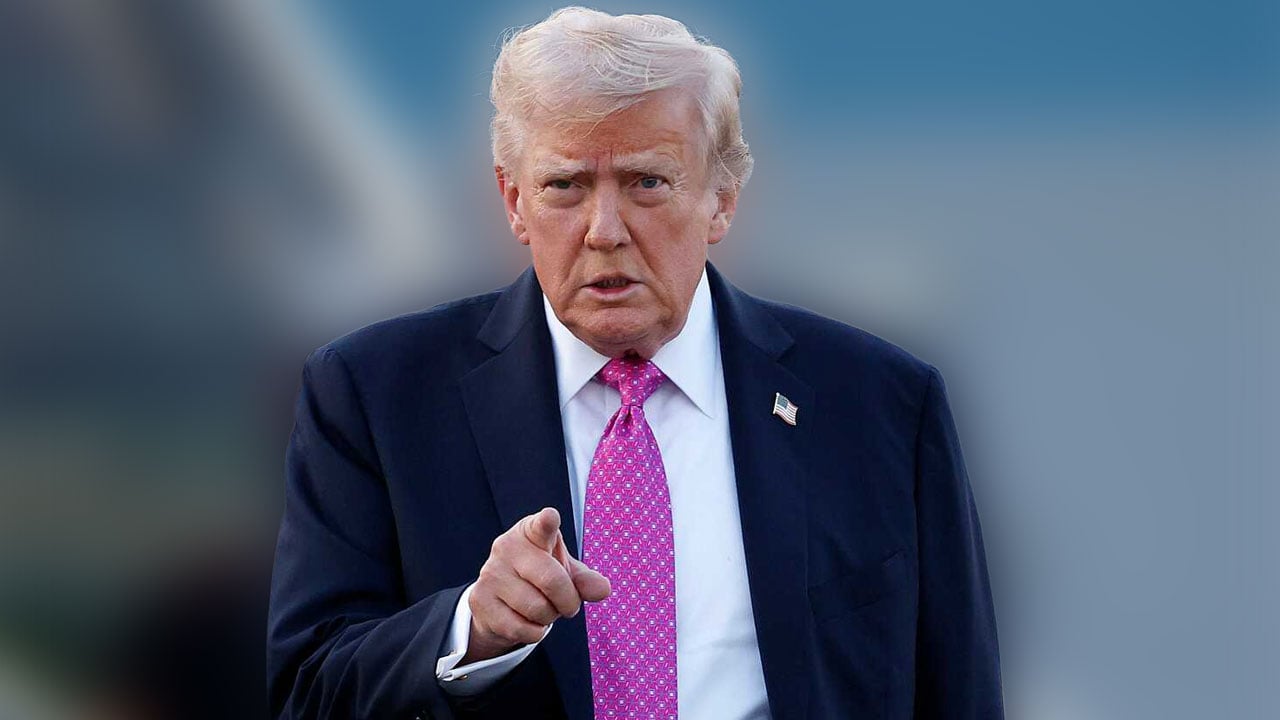
Qatar Airways announced on Monday that it will operate a limited number of flights to and from Doha starting Wednesday through March 28. The airline said the restricted schedule covers dozens of destinations across Africa, Europe, Asia, the Middle East, North and South America, and the Asia Pacific. The carrier explained that its regular operations remain suspended due to the closure of Qatari airspace and that full services will resume once the Qatar Civil Aviation Authority declares the airspace safe for reopening. The decision comes as air travel across the Middle East faces severe disruption following the US and Israel’s military assault on Iran on February 28. The attacks triggered retaliatory Iranian missile and drone strikes across the region, affecting several Gulf countries that serve as major aviation hubs. Many travelers remain stranded as airspace restrictions persist. In the United Arab Emirates, authorities reported that flights at Dubai International Airport were gradually resuming after a drone-related incident caused a nearby fuel tank fire. Officials confirmed the fire was contained and no injuries occurred.

RAB-5 recovered a large cache of crude bombs and local weapons during a late-night operation in Rajshahi’s Chandrima police station area. Acting on a tip-off, the RAB-5 team from the Rajshahi Sadar Company conducted the raid around 12:20 a.m. on March 16 at a lemon orchard near the northern side of the Railway Field. Two abandoned plastic sacks were found at the site. The RAB bomb disposal unit was called in after suspicions that the sacks contained explosives. The team discovered 21 crude bomb-like objects and several local weapons, including a sickle, large and small knives, and a dagger. The bomb disposal unit confirmed the items as crude bombs. Local residents could not provide any information about ownership of the explosives or weapons. RAB suspects the materials were stockpiled by miscreants possibly intending sabotage ahead of the upcoming Eid. The recovered items have been handed over to Chandrima Police Station, and legal proceedings are underway.
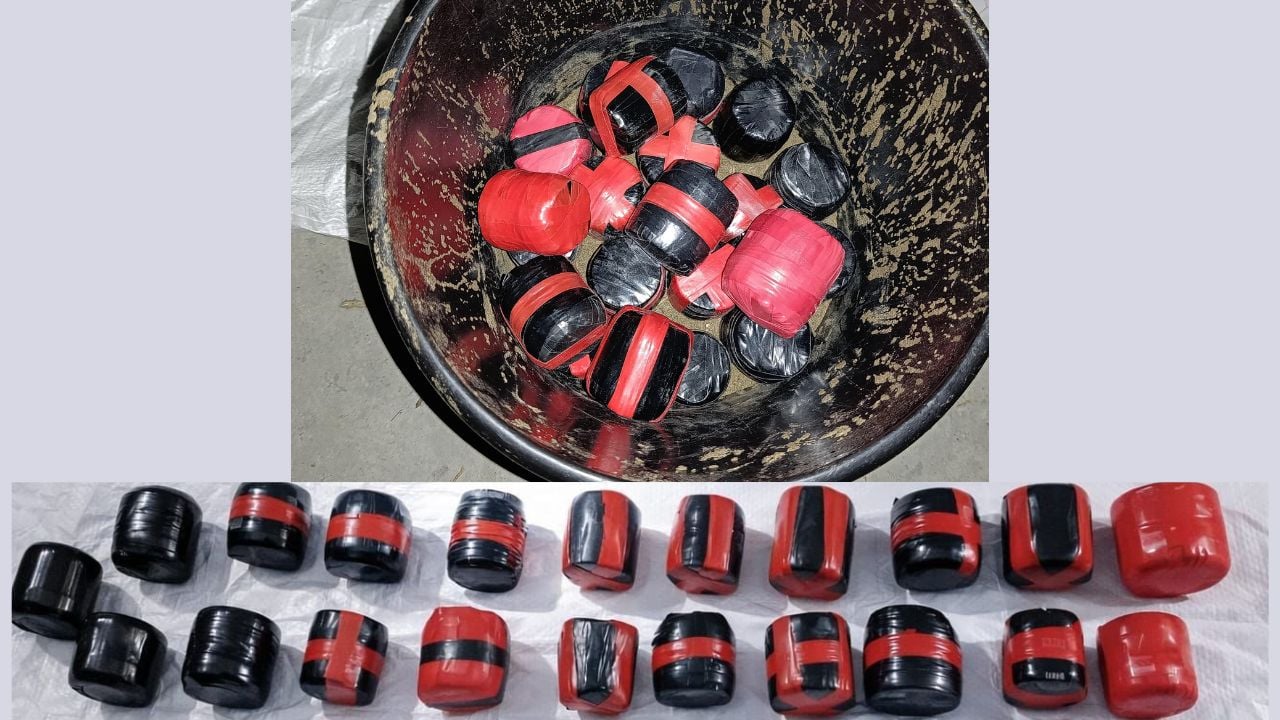
Multiple explosions struck Baghdad on Monday, killing at least four people in an air raid on a building used by the Iran-backed Popular Mobilisation Forces (PMF) in the Jadriyah district. The attack followed drone strikes targeting the United States Embassy in the city’s fortified Green Zone, where air defences intercepted several drones and one reportedly struck inside the compound. A separate drone hit the Al Rasheed Hotel near the embassy, causing a minor fire but no casualties, according to Iraq’s Ministry of Interior. The PMF, an umbrella group of mostly Shia paramilitary factions aligned with Iran, was formally integrated into Iraq’s security forces. The Iraqi army condemned the earlier suspected US strike on a PMF checkpoint in Al-Qaim, which killed at least eight troops, calling it a “treacherous and cowardly attack.” Security forces have since blocked roads to the Green Zone with armoured vehicles. The violence coincided with reports of drone attacks on Iraq’s Majnoon oilfield in Basra province and the death of a senior Kataib Hezbollah commander. Iraq’s oil minister said a key pipeline to Turkiye would reopen within a week to resume disrupted exports.

Nvidia Corp. launched the Groq 3 language processing unit (LPU) at its GTC 2026 developer conference in San Jose, introducing a dedicated inference chip designed for multi-agent AI workloads. The chip follows Nvidia’s $20 billion licensing deal with Groq Inc. in December, which included hiring Groq’s founder Jonathan Ross and President Sunny Madra. Groq 3 focuses on AI inference rather than training, offering faster memory performance to support low-latency and large-context agentic systems that automate human tasks. The Groq 3 LPU is deployed in Groq 3 LPX server racks containing 256 LPUs, 128 gigabytes of solid-state random access memory, and 40 petabytes per second of bandwidth. It is engineered to work alongside Nvidia’s new Vera Rubin NVL72 rack, which integrates Rubin GPUs and Vera CPUs to handle trillion-parameter models and million-token contexts. Nvidia said the combined systems deliver 35 times higher throughput per megawatt and 10 times greater revenue potential. The Groq 3 LPX and Vera Rubin NVL72 are part of five new server racks unveiled by Nvidia, including the Bluefield-4 STX storage and Spectrum-6 SPX networking systems, aimed at expanding Nvidia’s data center presence amid surging demand for AI compute power.

Manus has introduced 'My Computer,' a new capability within the Manus Desktop application that extends its AI agent from the cloud to users’ local computers. The feature allows Manus to interact directly with local files, tools, and applications through command line instructions, enabling it to read, edit, and organize files or control software on macOS and Windows systems. This marks a major shift from Manus’s previous cloud-only operation, bridging the gap between online intelligence and local computing environments. The new functionality enables users to automate repetitive tasks such as sorting photos or renaming files, and even to build complex desktop applications using local development tools like Python, Node.js, or Swift. Manus can also leverage local GPUs for machine learning tasks, turning idle devices into active AI assistants capable of remote operation. The system maintains user control by requiring explicit approval for each command, with options for one-time or always-on permissions. According to the announcement, 'My Computer' is available immediately for macOS and Windows users, offering a new way to integrate cloud-based AI with personal computing power.

United States President Donald Trump said on Monday that “numerous countries” had told him they were “on their way” to join an international naval coalition aimed at securing the Strait of Hormuz amid the ongoing US-Israel war on Iran. Trump did not identify any of the countries but said Secretary of State Marco Rubio would make an official announcement. He had earlier urged China, France, Japan, South Korea, and the United Kingdom, as well as NATO members, to participate in the coalition, though no country has yet confirmed involvement. Several nations have publicly declined to send military ships, including Australia, Japan, Poland, Sweden, and Spain. Germany’s Defence Minister Boris Pistorius ruled out military participation but expressed support for diplomatic efforts. The UK and South Korea said they were reviewing options, with UK Prime Minister Keir Starmer suggesting possible deployment of mine-hunting drones while avoiding deeper engagement. France has shown more openness to assisting. Trump criticized countries that refused to join, noting that some were long-time US allies under American protection. The conflict has sharply affected global oil markets, with prices rising 40–50 percent amid Iranian attacks on shipping. The UN reports 3.2 million people displaced in Iran, while Amnesty International accused the US of a deadly strike on a girls’ school in Minab.

Iran’s Khatam al-Anbiya Central Headquarters spokesperson Ebrahim Zolfaghari stated that wars are determined on the battlefield rather than on social media. His remarks came in response to comments made by US President Donald Trump. Zolfaghari also mocked the name of the US campaign “Epic Fury,” suggesting it would be more accurately called “Epic Fear.” The statement reflects Iran’s dismissal of US messaging efforts and its emphasis on traditional military strength over online narratives. The exchange underscores ongoing tensions between Tehran and Washington, with both sides using public statements to assert their positions. The comments highlight Iran’s attempt to project confidence in its military capabilities while downplaying the influence of social media in shaping wartime outcomes.

Prime Minister Tarique Rahman has implemented 28 initiatives within his first 28 days in office, described by his adviser Mahdi Amin as an unprecedented governance effort. Amin shared the details in a Facebook post on March 17, noting that the BNP government, elected a month earlier, has been working relentlessly to fulfill its electoral pledges. The initiatives span social protection, economy, administration, education, health, and national values. According to the post, the measures include family cards for 37,567 families, stipends for religious service providers, debt relief for small farmers, canal excavation across 54 districts, and reforms in administrative discipline and public service. Other actions cover foreign investment facilitation, industrial revival, education reform, e-health cards, dengue prevention, and women’s safety programs. Infrastructure and digital connectivity projects, such as free Wi-Fi at airports and the third terminal of Dhaka airport, were also highlighted. Mahdi Amin said these steps reflect the prime minister’s strong leadership and accountability to the people, aiming to align national governance with citizens’ aspirations and prepare the new generation for the country’s future.

Most of the world wants the ongoing war involving Iran to end quickly, but the countries engaged hold sharply different objectives. The United States, under President Donald Trump, has wavered between limiting Iran’s nuclear program, forcing regime change, and securing regional compliance. Despite 16 days of intense bombing that weakened Iran’s military, Tehran has neither surrendered nor collapsed. Earlier indirect talks in Geneva, mediated by Oman, had shown progress on nuclear issues, but Iran refused to discuss its missile program or regional proxies. Iran seeks an end to the war but not at the cost of accepting all U.S. demands. It insists on guarantees against future attacks and compensation for damages from U.S. and Israeli airstrikes. Israel, meanwhile, wants to destroy as much of Iran’s missile and military infrastructure as possible, viewing Tehran’s weapons programs as existential threats. Gulf Arab states, though initially neutral, are now angered by Iranian drone and missile strikes on their territories. Rising oil prices, partial closure of the Strait of Hormuz, and growing domestic unease in the U.S. are increasing pressure on Washington to find a way out of the conflict.
The ‘1 Nojor’ media platform is now live in beta, inviting users to explore and provide feedback as we continue to refine the experience.