

The ‘1 Nojor’ media platform is now live in beta, inviting users to explore and provide feedback as we continue to refine the experience.
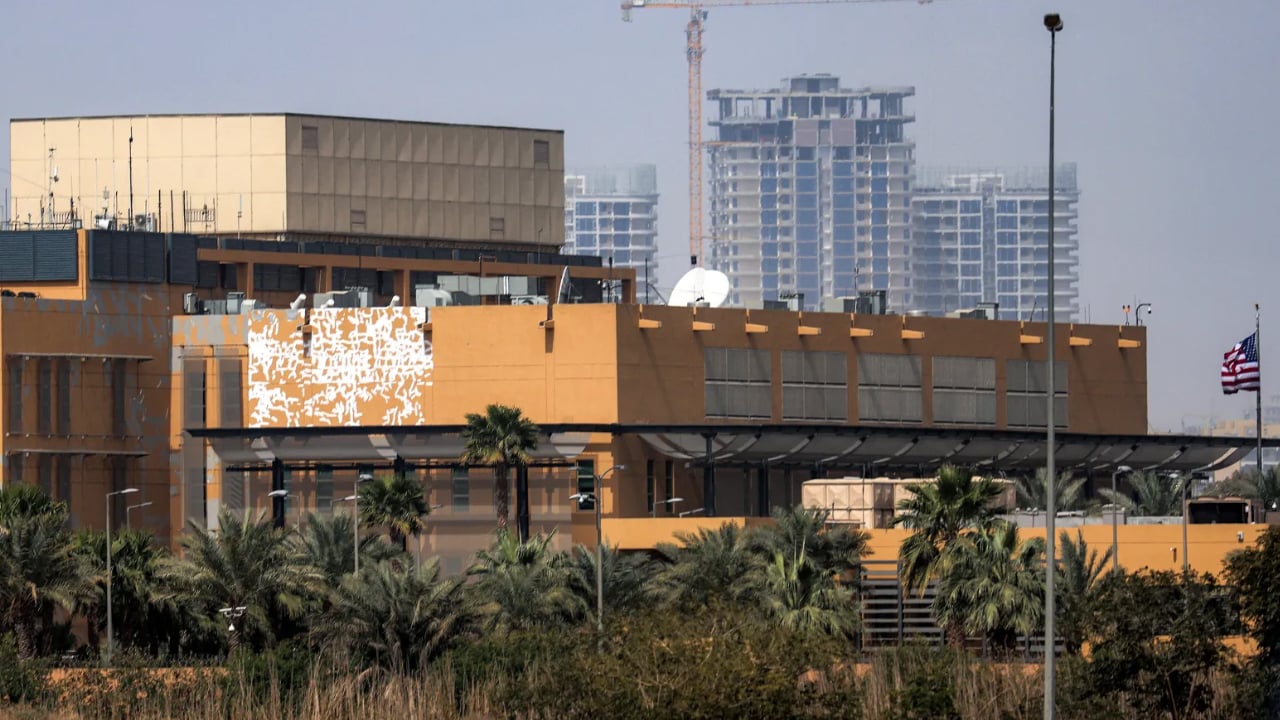
A drone attack struck the United States Embassy in Baghdad on Saturday, according to a report by AFP. An official confirmed that a drone hit the embassy compound, and another security source verified the authenticity of the attack on the diplomatic mission. The incident occurred in the Iraqi capital, though no details were provided about casualties or damage within the embassy premises. Reports cited by AFP indicated that the attack took place shortly after two Iran-backed fighters were killed in Baghdad. The timing of the strike has drawn attention to the ongoing tensions in the region, where multiple armed groups operate with varying allegiances. The report did not specify who was responsible for the drone assault or whether any group had claimed responsibility. Further information about the extent of the damage or the response from US or Iraqi authorities was not available at the time of reporting.
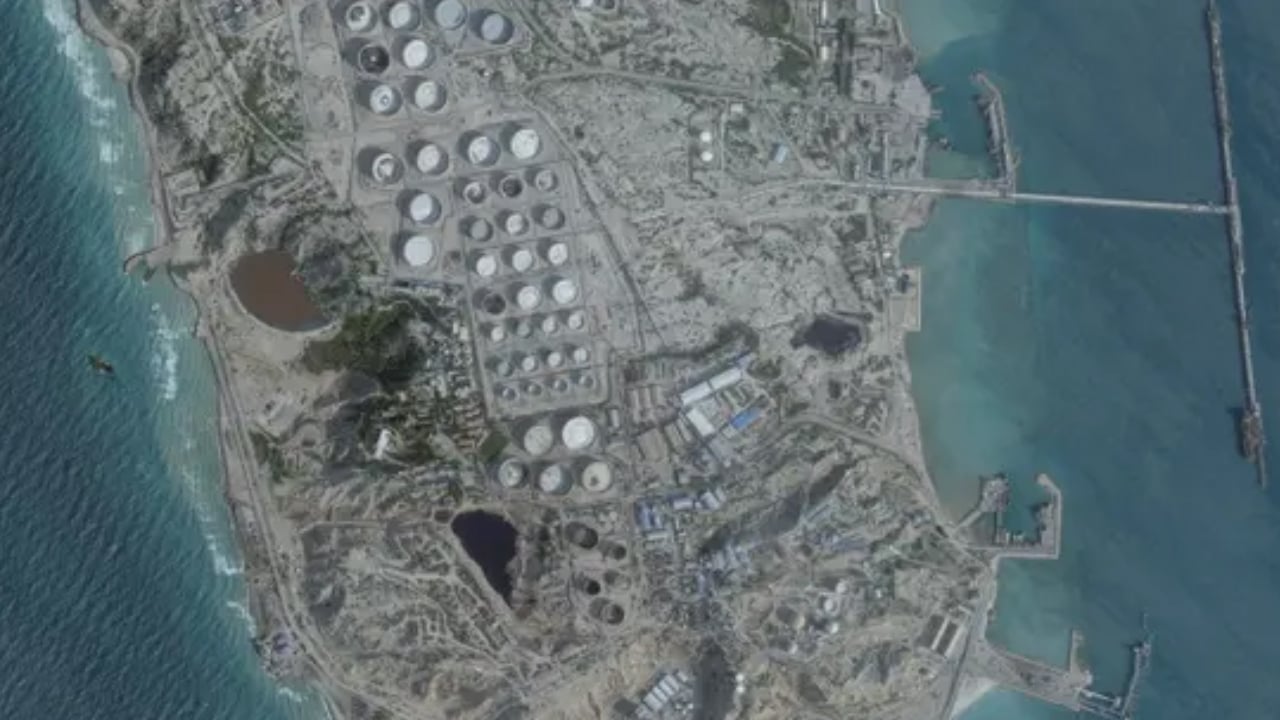
A reported US attack on Iran’s Kharg Island has intensified concerns over rising global oil prices. Energy economist and lecturer Ed Hirs of the University of Houston told Al Jazeera that the strike could disrupt Iran’s oil exports. He noted that although former US President Donald Trump claimed he did not target oil infrastructure, Kharg Island is small, making it unlikely that export facilities escaped damage. Hirs warned that if the assault permanently damages Iran’s export capacity and if oil production or exports from Iraq and Kuwait also halt, prices could climb further, especially if the conflict continues for weeks or months. He added that such a scenario would severely impact Asian economies, which are major importers of crude and refined petroleum products. Earlier, Trump said on social media that US forces carried out one of the most powerful bombing operations in Middle East history, claiming all military targets on Kharg Island were destroyed.

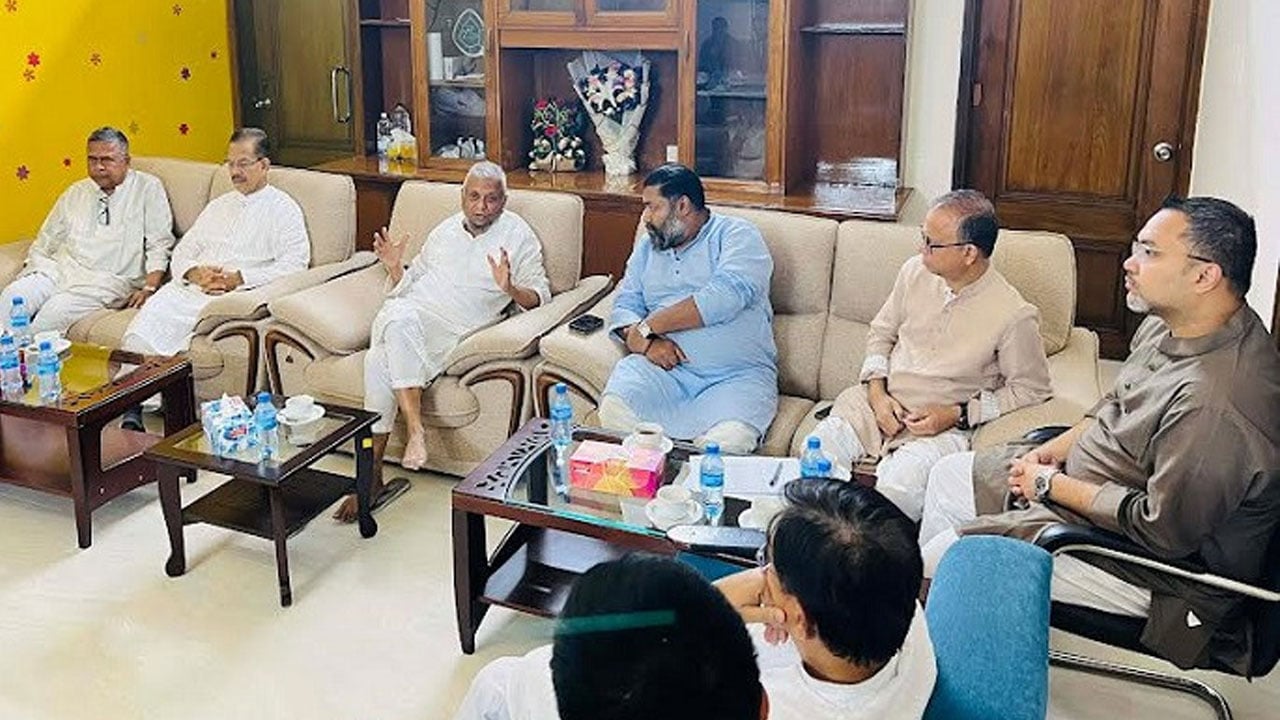
Labour and Employment Minister Ariful Haque Chowdhury has directed that all industrial factories in Bangladesh must pay workers’ pending wages and bonuses before the upcoming Eid holidays. He issued the instruction during a high-level meeting at his official residence on Bailey Road, Dhaka, aimed at resolving labour unrest in both RMG and non-RMG sectors. The ministry later confirmed the directive in a press release on Saturday. The minister also announced that lists of vulnerable factories would be prepared and shared with respective Members of Parliament, who will coordinate with factory authorities to ensure timely payments. He instructed officials to engage with banks delaying loan disbursements, including UCBL, Trust, and Premier Bank, to expedite financial support. Chowdhury further urged vigilance against labour leaders inciting unrest and ordered the preparation of a list of absconding owners to prevent disturbances. BGMEA and BKMEA leaders reported that most factories have already paid February wages and Eid bonuses, expressing optimism that no major labour unrest will occur. The ministry’s secretary suggested creating an emergency fund to permanently address wage and bonus issues.
Iran’s Unified Combatant Command has warned that any attack on its oil and energy infrastructure will trigger immediate retaliation against energy facilities owned by US-linked oil companies in the region. The statement followed a recent assault on Kharg Island, a key terminal responsible for nearly 90 percent of Iran’s oil exports. According to a declaration from Iran’s Khatam al-Anbiya Central Headquarters, any strike on Iranian energy sites would lead to the destruction of US-affiliated oil and energy infrastructure. The warning came shortly after the US president announced that American forces had destroyed military targets on Kharg Island, though he stated that oil facilities were not targeted. The US president also cautioned that if Iran or any other actor attempted to disrupt free and safe navigation through the Strait of Hormuz, the decision not to attack oil infrastructure could be reconsidered. Earlier, the US administration had shown reluctance to strike Iranian energy facilities, even indirectly condemning an Israeli attack on a major oil depot in Tehran.
US President Donald Trump claimed that American forces carried out one of the most powerful airstrikes in Middle Eastern history, completely destroying all military targets on Iran’s Kharg Island near the Strait of Hormuz. In a post on his social media platform Truth Social, Trump stated that the US Central Command executed the operation but deliberately avoided damaging the island’s oil infrastructure. He warned that this restraint could be reconsidered if Iran or others interfered with the free and safe passage of ships through the strait. Iran’s Fars news agency reported that black smoke was seen rising from Kharg Island following the attack, but the Iranian military remained intact and continued operations from the site. The agency added that more than 15 explosions were heard during the assault, confirming that no oil facilities were damaged. The situation underscores heightened tensions in the region, though both sides have provided differing accounts of the strike’s impact and aftermath.
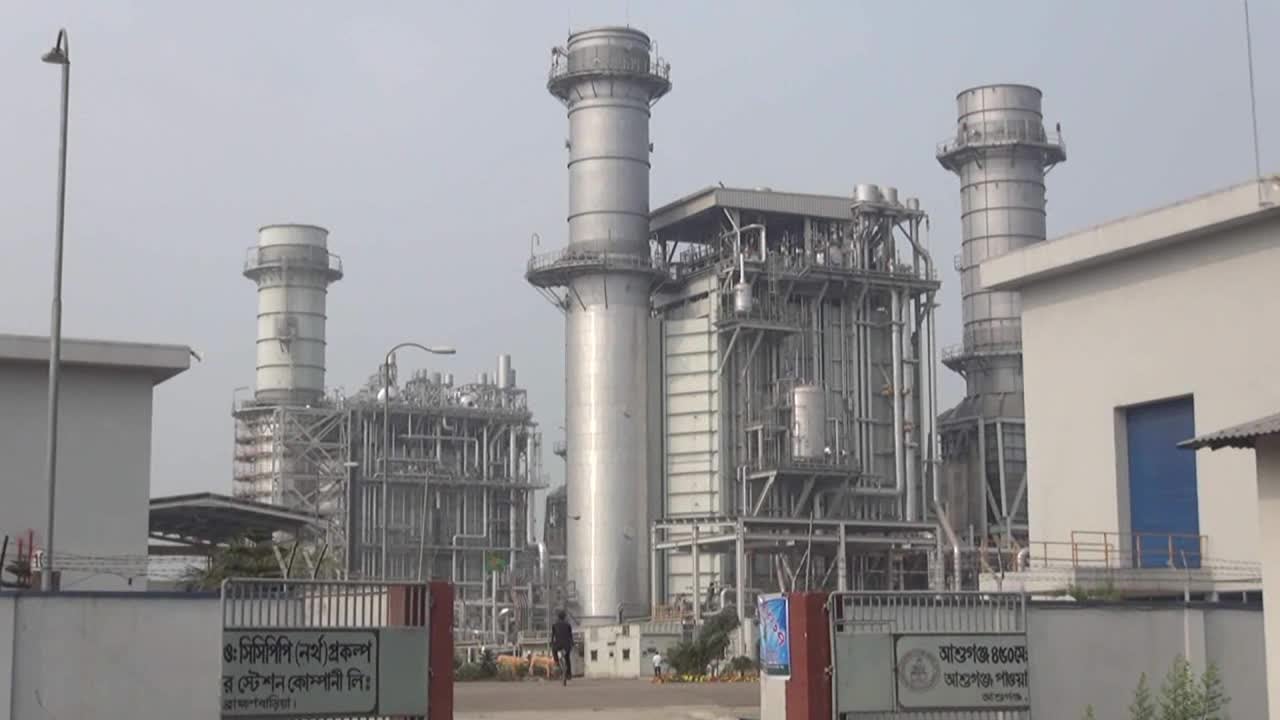
One of the two units at the Ashuganj Power Plant in Brahmanbaria resumed electricity generation after being shut down due to a fault in the national grid line. The plant authorities confirmed that production restarted around 8:15 p.m. on Friday, March 13, 2026. The outage had occurred earlier in the afternoon when a technical fault disrupted the Ashuganj–Bhulta 400 kV grid line, causing both the 450-megawatt North unit and the 400-megawatt East unit to trip offline. According to the plant’s executive director for operations and maintenance, the technical team repaired the fault and brought the 450-megawatt North unit back online after nearly six hours of downtime. However, the 400-megawatt East unit will require at least three more days before it can resume operation. In the meantime, gas allocated for the East unit is being used to generate 50 megawatts of power from another unit, which is now supplying electricity to the national grid. The restoration of one major unit is expected to partially stabilize power supply in the region while full capacity recovery awaits further repairs.
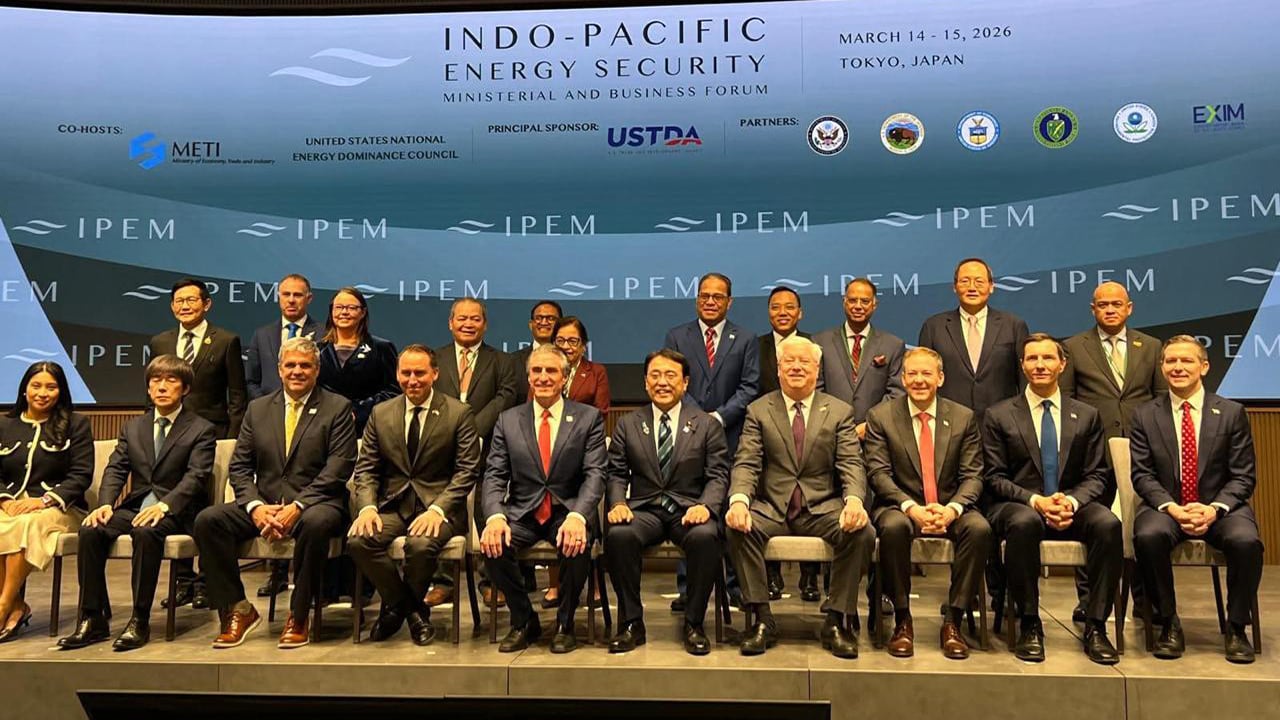
Bangladesh’s Minister of Power, Energy and Mineral Resources, Iqbal Hasan Mahmud, is participating in the two-day Indo-Pacific Energy Security Ministerial and Business Forum that began on Saturday in Tokyo, Japan. The conference, jointly organized by the US National Energy Dominance Council and Japan’s Ministry of Economy, Trade and Industry, will conclude on Sunday with the adoption of energy-related recommendations. The event brings together energy ministers from Bangladesh, Australia, New Zealand, South Korea, and several Southeast Asian nations including Brunei, Indonesia, Malaysia, the Philippines, Singapore, Thailand, Timor-Leste, and Vietnam. Discussions are focused on strategies to build a strong and stable energy system in the Indo-Pacific region, emphasizing reliable, affordable, secure, and dispatchable energy supply. On the sidelines, Minister Mahmud is expected to hold bilateral meetings with delegations from the United States, Japan, and Brunei, as well as representatives of international private organizations, to attract foreign investment and explore new areas of cooperation in Bangladesh’s energy sector.
A new phase has begun in the long-running investigation into U.S. financier Jeffrey Epstein, accused of sexual crimes over several decades. In December 2025, the U.S. Congress passed the Epstein Files Transparency Act, later signed by President Donald Trump, enabling the release of extensive documentation collected against Epstein. The U.S. Department of Justice has since begun publishing written documents, photos, videos, and emails detailing allegations of sexual abuse involving women and minors. Among the 3.5 million released files, the names of several influential figures appear repeatedly, including President Donald Trump, Prince Andrew, Bill Clinton, Bill Gates, Elon Musk, and Steve Bannon. The New York Times reported that Trump’s name appears in over 5,300 documents, while Mirror US noted no direct evidence linking him to criminal acts. Some files include emails and financial records from Epstein’s personal archives. The Justice Department also released testimony from a woman who alleged that Epstein introduced her to Trump when she was a teenager and that both men assaulted her. Trump has denied all allegations, and U.S. authorities have warned that some claims in the released materials may be false or sensational.

The ongoing war with Iran has created major political challenges for U.S. President Donald Trump ahead of the upcoming congressional midterm elections in November. Despite campaigning on an 'America First' policy and promises to avoid foreign wars, Trump has launched multiple military operations, with Iran being the latest target. Most Americans reportedly oppose the conflict and do not view Iran as a direct threat. The war has caused heavy U.S. military casualties and disrupted bases in the Middle East, undermining Trump’s earlier expectations of quick success. Polls indicate that public confidence in Trump’s leadership has dropped sharply, with his approval rating falling to 36 percent in a 2025 Gallup survey. NBC data show that 54 percent of voters disapprove of his actions against Iran. Rising oil prices, job losses, and inflation linked to the war’s cost have further eroded support. Analysts warn that if Republicans lose control of Congress, Trump’s agenda could stall, and Democrats might pursue impeachment. The Iran war’s economic and political fallout is reshaping voter sentiment and could decisively influence the midterm results.
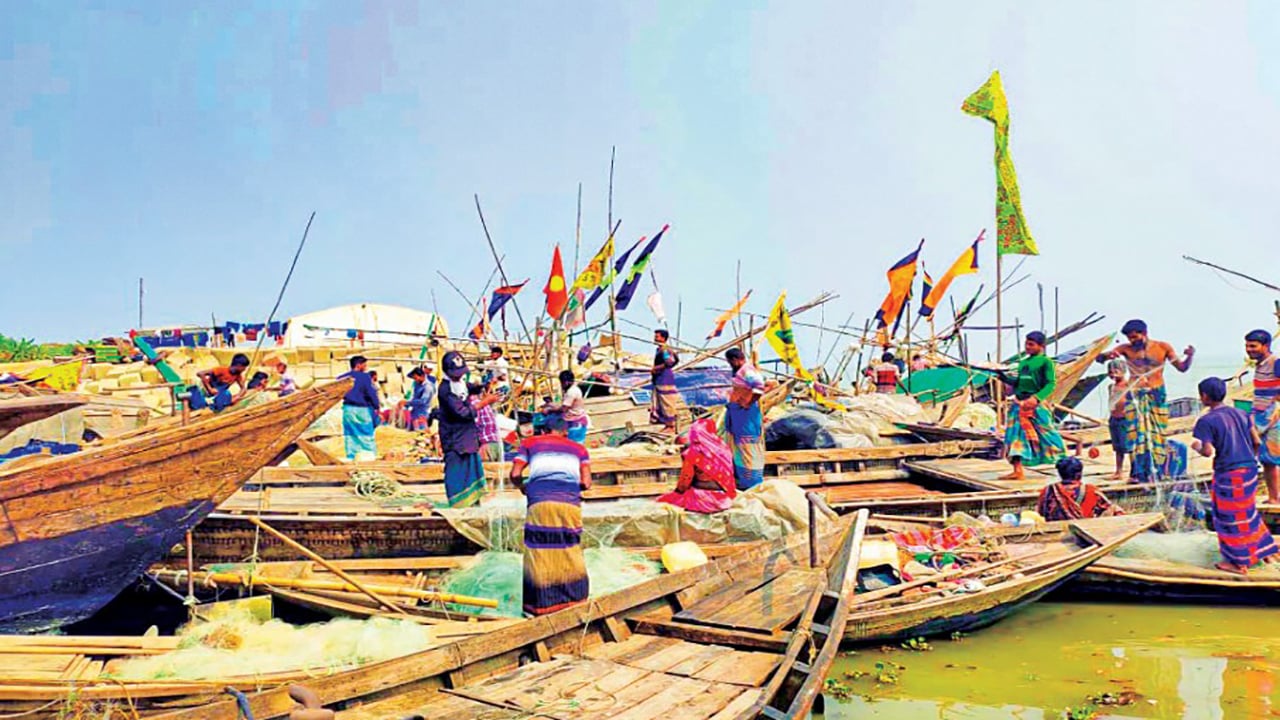
More than 300,000 fishermen in Bhola’s Meghna and Tetulia river areas have not received government assistance two weeks after the fishing ban began. The government had pledged to provide 80 kilograms of rice per registered fisherman over two months to support them during the ban, but the aid distribution remains stalled. As a result, many fishermen are struggling to manage household expenses during Ramadan while facing loan pressures from NGOs and local lenders. The two-month ban, aimed at protecting hilsa breeding, covers about 190 kilometers of river area from Ilisha to Char Piyal in the Meghna and from Char Veduria to Char Rustam in the Tetulia. Around 90,200 fishermen are listed to receive rice under the jatka conservation program, while 16,600 others are eligible for additional food support including lentils and oil. However, none of the promised supplies have reached them even after ten days of the ban. Bhola’s district fisheries officer, Iqbal Hossain, said the allocated VGF rice for registered fishermen will be distributed soon and that the administration is working to resolve the delay quickly.
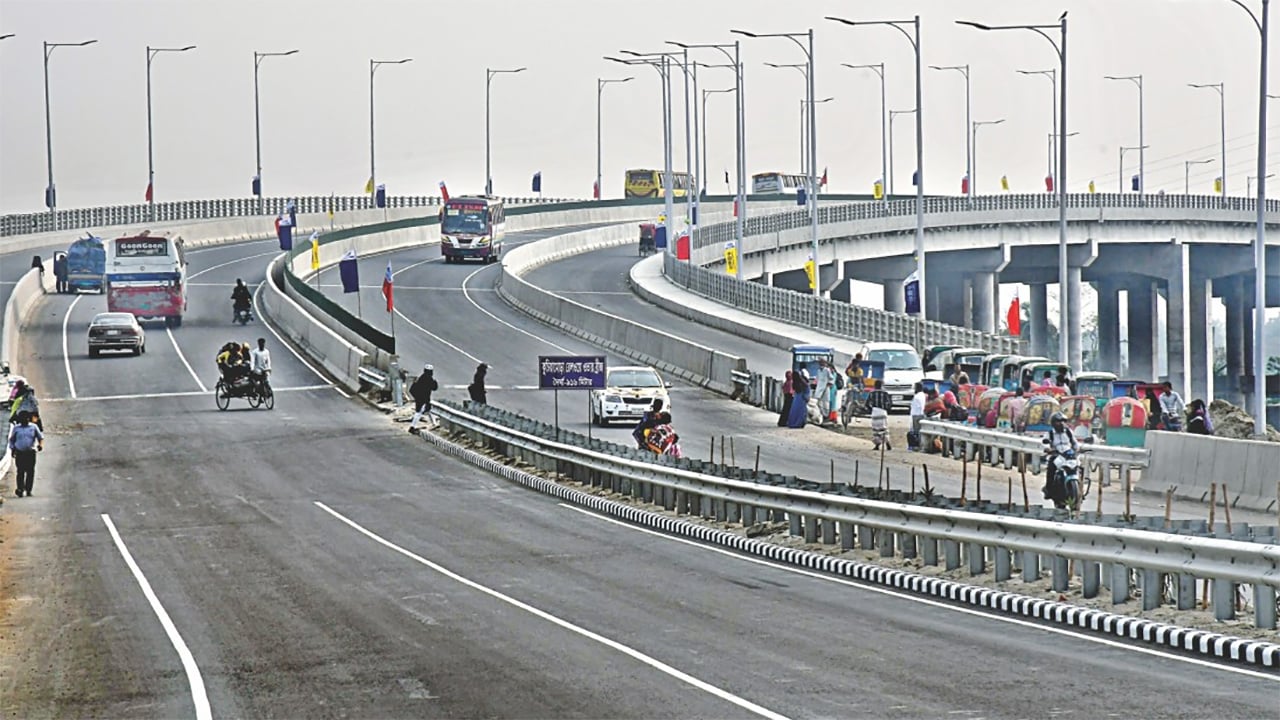
Ahead of Eid, allegations have surfaced of excessive fare collection on the Dhaka-Bhanga Expressway, a key route for travelers from 21 southwestern districts. Passengers heading home for the holidays are facing double or even triple fares on both long-distance and local transport. Despite a posted fare list at Shibchar’s Pachchar roundabout, commuters report that controlling inflated fares remains difficult without strict administrative action. Following the opening of the Padma Bridge, connectivity between Dhaka and the southwest improved significantly, but fare exploitation persists. Shibchar passengers have been particularly affected, with local transport fares previously set at 200 taka now reduced to 170 taka after intervention by the newly elected MP, Sayeed Uddin Ahmad Hanjala. He stated that extortion at Surjanagar and Pachchar stops had forced passengers to pay extra, and that measures were being taken to stop such practices. Highway police officials said additional patrols will be deployed during Eid to ensure passenger safety and prevent accidents, while maintaining constant monitoring of vehicle speed and order on the expressway.
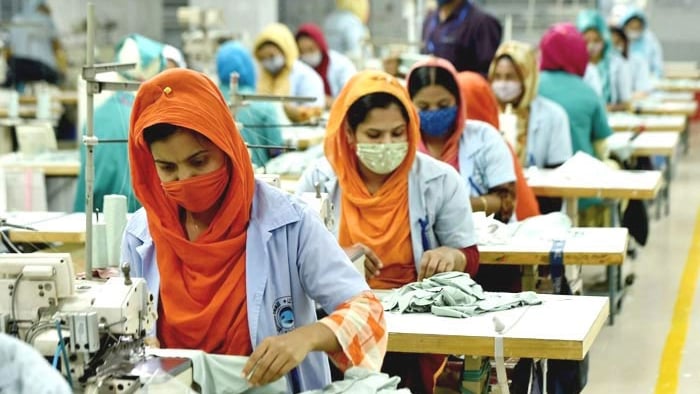
Industrial police in Chattogram have warned of potential worker unrest in nearly 50 garment factories ahead of Eid, citing concerns over timely payment of wages and bonuses. Although discussions are ongoing under the mediation of the Bangladesh Garment Manufacturers and Exporters Association (BGMEA), several factories remain at high risk. Authorities have urged all factories to complete payments before the final working day on March 18. According to officials, 66 factories were initially marked as vulnerable, including 25 BGMEA members. The government has announced a Tk 2,500 crore soft loan to help factories manage wage and bonus pressures, especially those operating under subcontracts. Industrial police report that 17 factories have already cleared payments, while others have pledged to do so soon. BGMEA leaders said 12 to 15 member factories still face difficulties, but efforts are underway to resolve them. Law enforcement agencies are on alert to prevent any attempt by opportunistic groups to exploit potential unrest. Authorities believe that ensuring fair loan distribution and timely payments will help avert major disruptions in the export-oriented garment sector.
Several ministries in Bangladesh have not been able to submit their action plans within the three-day deadline set by the Prime Minister’s Office. The directive, issued on 7 March, required ministries to prepare detailed plans for implementing the BNP-led government’s election manifesto, including a 180-day program, the 2026–27 fiscal plan, and a five-year implementation strategy. Officials said the short timeframe forced them to work long hours, yet many ministries could not complete their submissions by Thursday. According to ministry sources, the scope of the manifesto is extensive, covering short-, medium-, and long-term goals, but the time allowed was insufficient for proper verification and analysis. Some ministries, including Disaster Management, Posts and Telecommunications, and Labour, have submitted their plans, while others such as Shipping and Science and Technology could not finalize theirs due to incomplete data. Officials warned that hasty planning without adequate review could lead to implementation problems, citing past project failures as cautionary examples. Officials noted that the submitted plans may later be revised and aligned with ongoing projects as part of the government’s broader strategy to fulfill its electoral commitments.
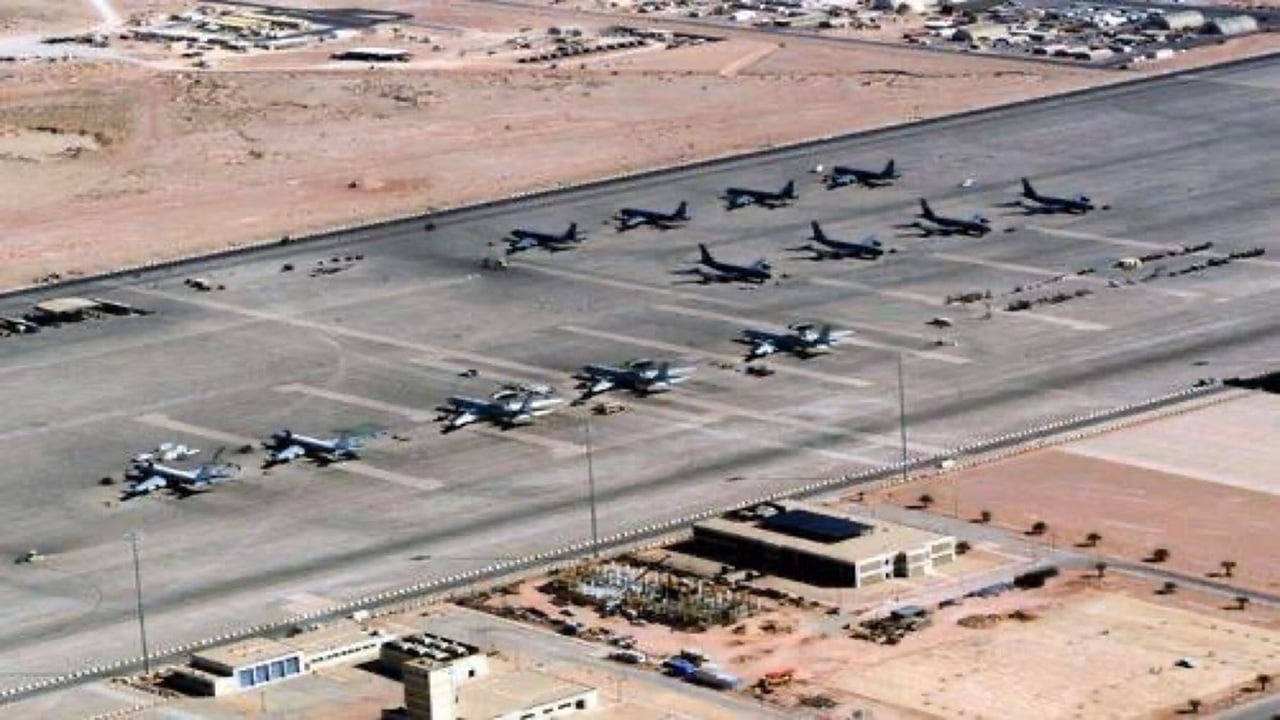
Five US Air Force refueling aircraft were damaged in an Iranian missile attack on Prince Sultan Air Base in Saudi Arabia, according to a Wall Street Journal report citing two US officials. The incident occurred while the aircraft were stationed at the base, and repair work is currently underway. No casualties were reported, and the planes were not completely destroyed. The report noted that the strike was part of a recent Iranian missile assault targeting the Saudi facility. The damage was limited to the aircraft, and the situation remains under control. The publication did not provide further details on the timing or broader military context of the attack. The absence of fatalities and the ongoing repair efforts suggest that operations at the base may resume once maintenance is completed, though no official timeline was mentioned in the report.
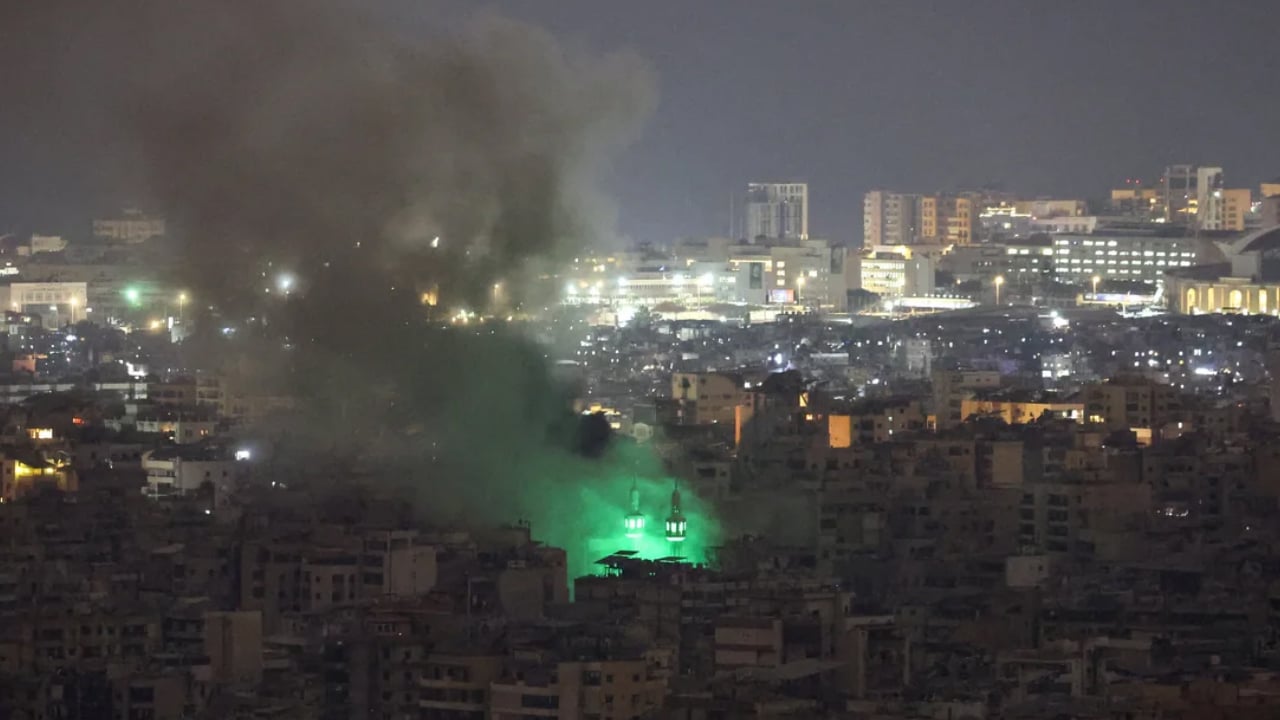
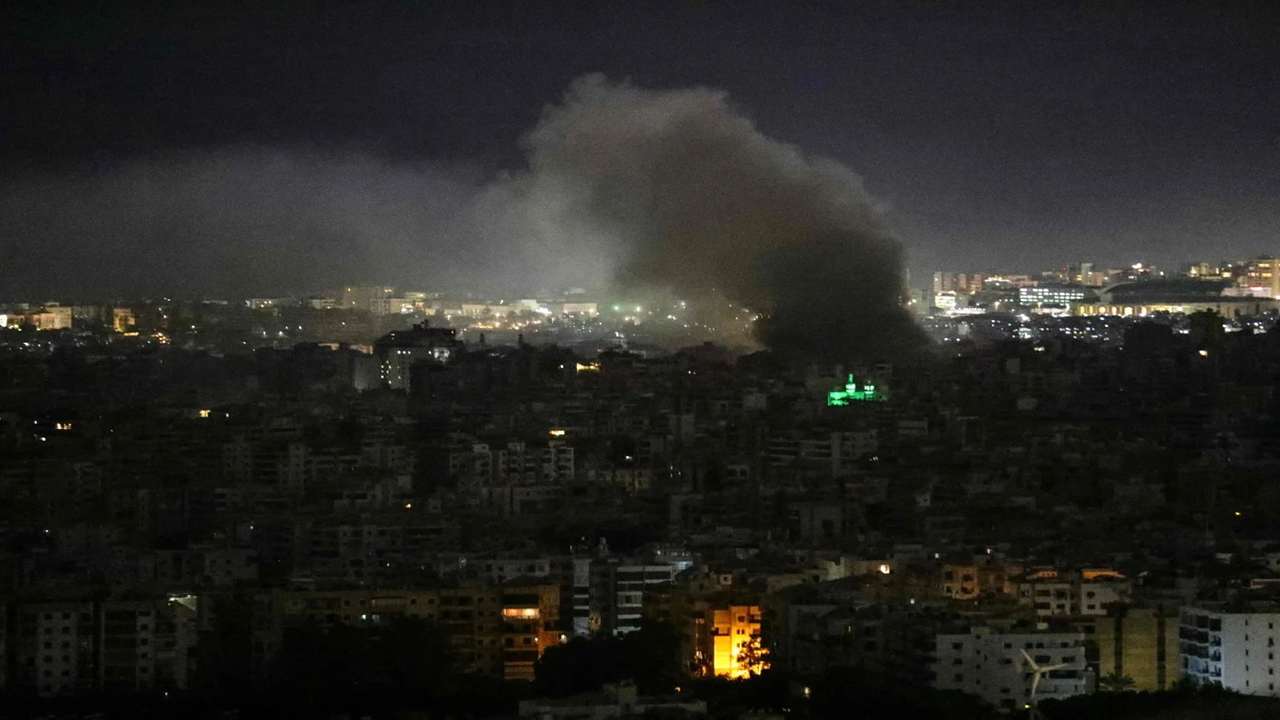
An Israeli airstrike on a health center in southern Lebanon has killed at least 12 people, including doctors, nurses, and paramedics, according to the Lebanese Ministry of Health. The attack targeted the Burj Kalawiyah Health Care Center in a village in southern Lebanon. Officials said the death toll is preliminary as several people remain missing under the debris. The ministry reported that since the current wave of hostilities began, a total of 773 people have been killed across Lebanon, including 103 children, and more than 1,900 others have been injured. Authorities noted that recent airstrikes have become increasingly deadly, with attacks occurring not only in southern Lebanon but also in the capital, Beirut. Rescue operations are ongoing at the site of the latest strike, while officials continue to assess the full extent of the damage and casualties.
The ‘1 Nojor’ media platform is now live in beta, inviting users to explore and provide feedback as we continue to refine the experience.