

The ‘1 Nojor’ media platform is now live in beta, inviting users to explore and provide feedback as we continue to refine the experience.
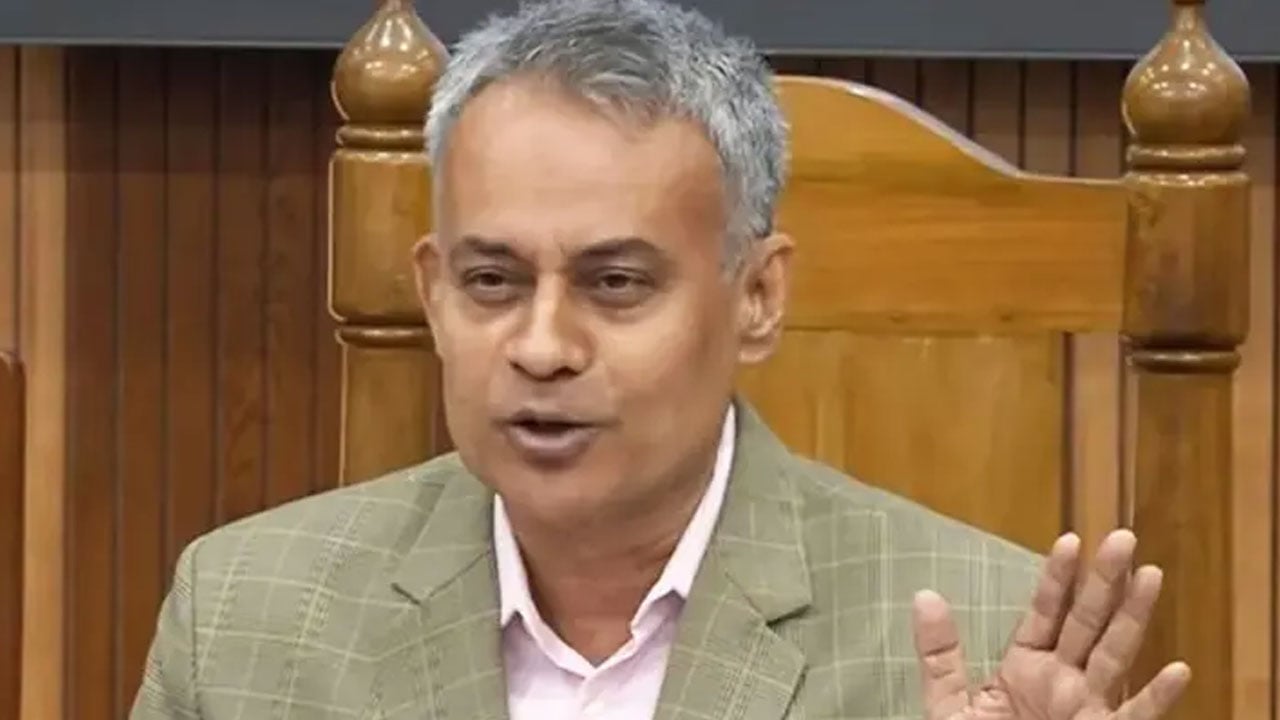
Opposition parties in India, including the Trinamool Congress, have submitted an impeachment notice against Chief Election Commissioner Jnanish Kumar, accusing him of biased and discriminatory conduct. According to Trinamool Congress sources, a total of 193 members of Parliament from both the Rajya Sabha and Lok Sabha have signed the notice. The signatories allege that Kumar failed to uphold the dignity of his office, citing irregularities in the Special Intensive Revision (SIR) of the electoral roll and claims that many citizens were deprived of their voting rights. The move comes amid ongoing political and legal disputes between the Election Commission and the Trinamool Congress over the voter list revision process, just months before the state assembly elections. The controversy has intensified after nearly 6.3 million names were reportedly removed from the voter list in West Bengal, with another 6 million still under review. Under the Indian Constitution, an impeachment notice against a Chief Election Commissioner requires signatures from at least 100 Lok Sabha members or 50 Rajya Sabha members. If accepted, the Speaker or Chairman may form a committee to investigate the allegations.
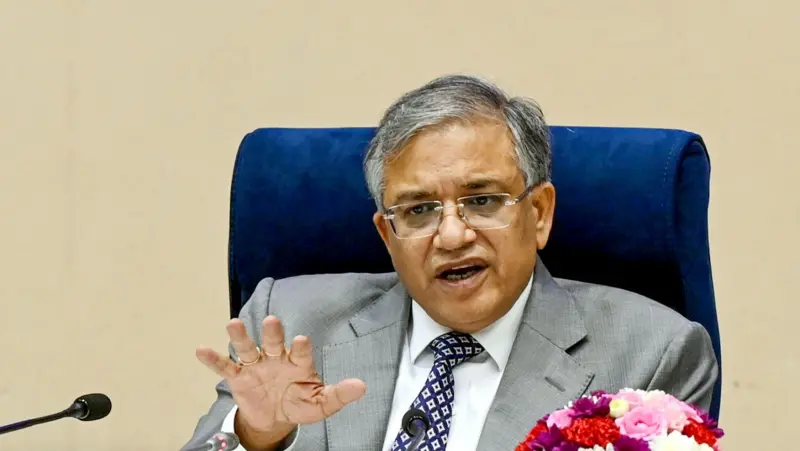
Iranian President Masoud Pezeshkian and Supreme National Security Council Secretary Ali Larijani participated in the annual Al-Quds Day rally held in Tehran, according to Al Jazeera. State media photos showed Foreign Minister Abbas Araghchi and Chief Justice Gholam-Hossein Mohseni-Ejei also attending the event. The rally took place amid ongoing conflict and heightened security concerns. The participation of Iran’s top officials came shortly after U.S. Defense Secretary Pete Hegseth claimed that Iranian leaders had gone underground out of fear. Their public appearance at the rally directly contradicted that assertion. Al-Quds Day is observed annually to express solidarity with Palestinians and opposition to Israeli occupation of Palestinian territories. The term “Al-Quds” refers to Jerusalem in Arabic. During the gathering, multiple explosions were reportedly heard nearby, resulting in one death, according to the source. No further details about the cause or perpetrators of the explosions were provided.
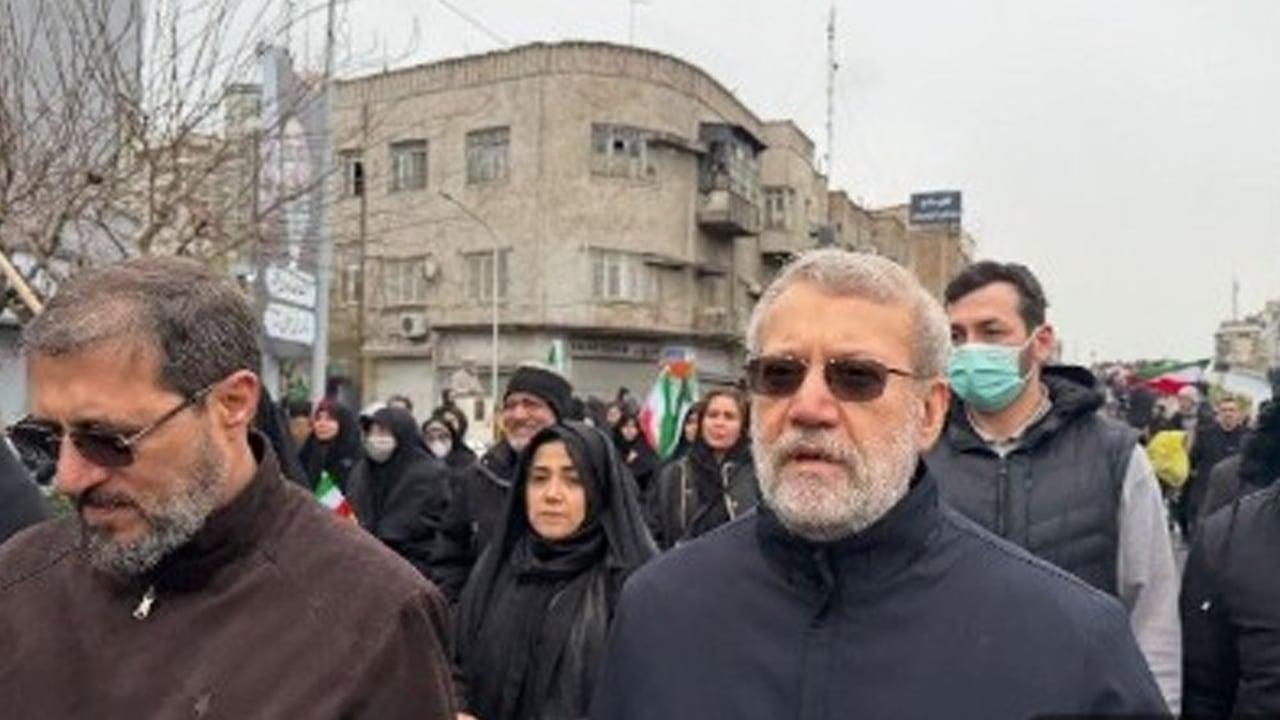
Two large units of the Ashuganj Power Station Company in Brahmanbaria were shut down on Friday afternoon following a fault in the national grid line. The incident occurred around 3 p.m. when a loud noise was heard, leading to the shutdown of the 400 MW North and 400 MW East units. As a result, approximately 550 megawatts of electricity supply to the national grid was reduced. According to the plant’s technical division, Ashuganj Power Station had five active units producing about 750 megawatts before the fault. The company’s Executive Director (Technical), Engineer Md. Abdul Majid, stated that the issue originated from the Ashuganj–Vulta 400 kV grid line, which caused the two units to trip. He added that the cause of the fault was being investigated and that efforts were underway to restore the units by night. Due to insufficient gas supply, the two 800 MW-capacity units had been generating around 550 MW before the shutdown.
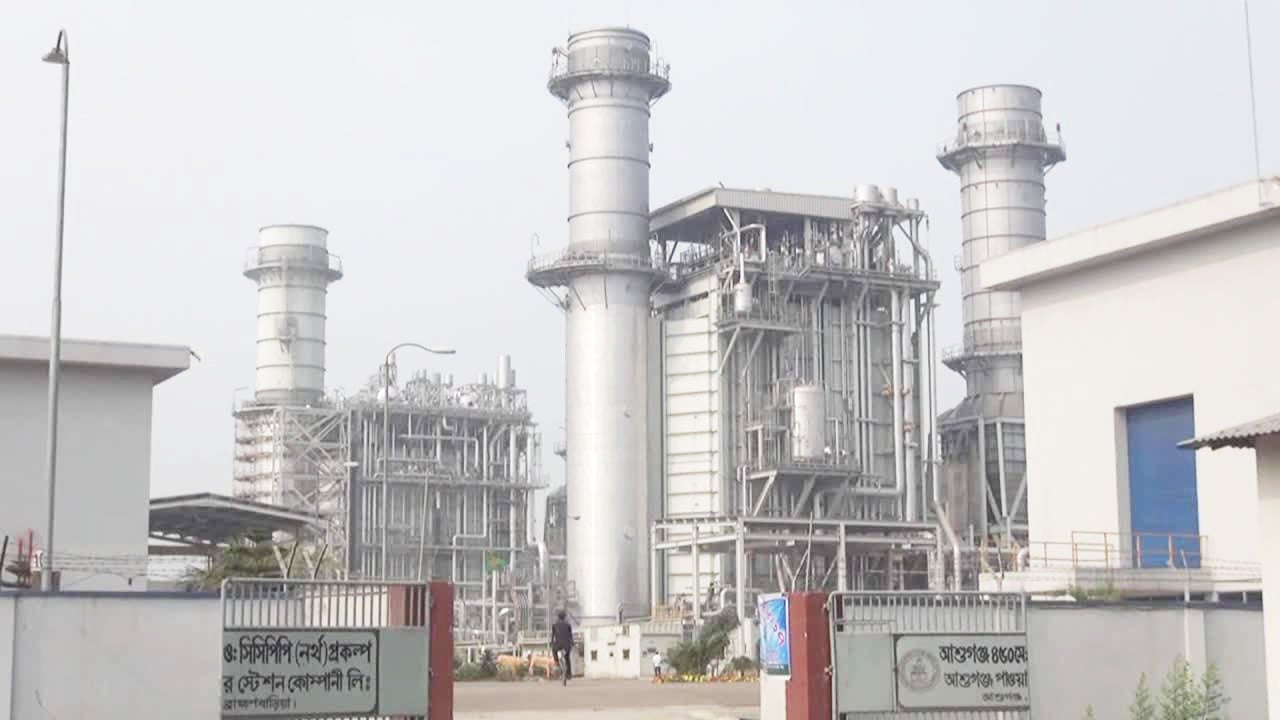
U.S. President Donald Trump has warned that a severe strike will be carried out against Iran within the next week. He issued the warning during an interview with Fox News, which aired on Friday. Trump stated that the United States would protect ships of various nations crossing the Strait of Hormuz if necessary and expressed hope that the U.S.-led war against Iran would progress successfully. Trump appeared uncertain about his stance on Iran but praised the U.S. military for significantly weakening Iran’s military capabilities. However, he acknowledged that the war could not be concluded quickly. Earlier, during remarks in Hebron, Kentucky, on Wednesday, Trump said that the United States had won but must continue the war to finish the job. The United States and Israel began attacks on Iran on February 28, prompting Iran to retaliate with strikes on Israeli targets and U.S. bases across several Middle Eastern countries.

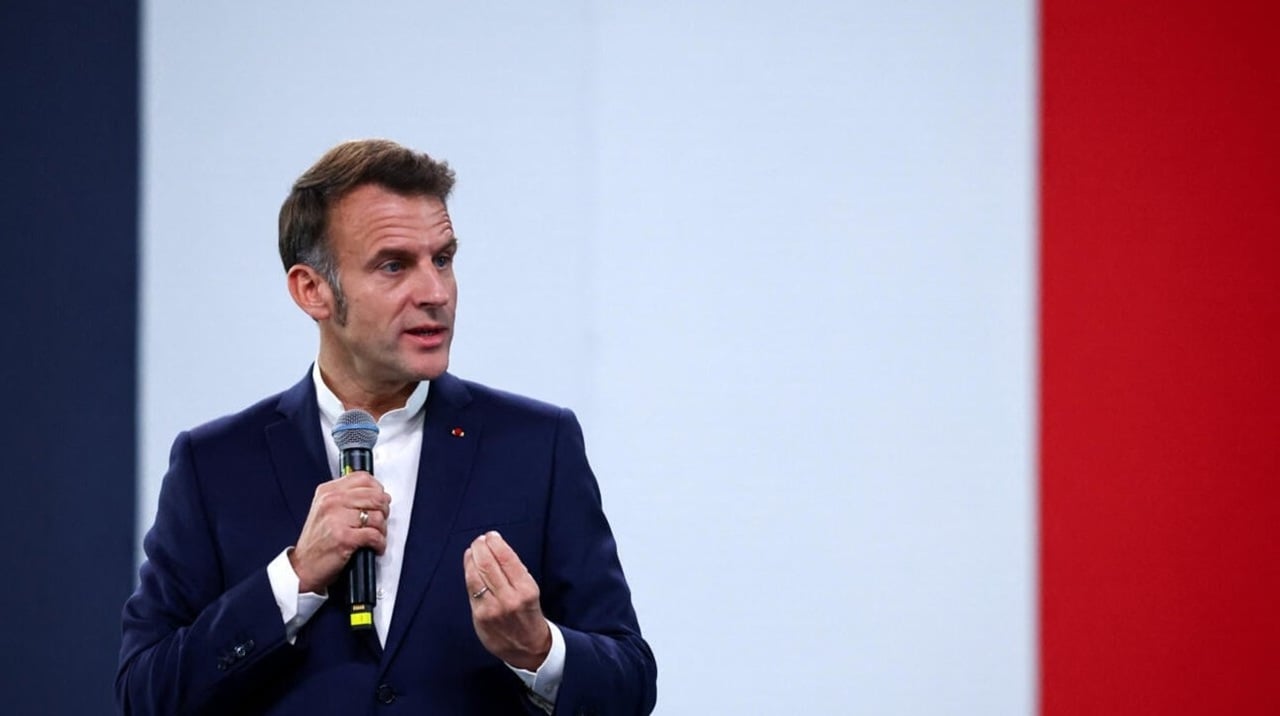
French President Emmanuel Macron stated that France’s position in the ongoing Middle East conflict is defensive. His remarks came as the joint U.S.-Israel offensive in Iran entered its 14th day, with Iran continuing to retaliate. Macron described the killing of a French soldier in a drone attack in Iraq as unacceptable and ordered a full military analysis of the incident. He also commented on Russia’s call for a ceasefire in the Iran conflict, calling it somewhat strange given Moscow’s refusal to agree to a ceasefire in the war in Ukraine. Macron reiterated that France’s current role in the region remains primarily self-protective. The statement underscores France’s cautious approach as tensions rise across the Middle East, with multiple powers involved in the conflict and regional stability under strain.
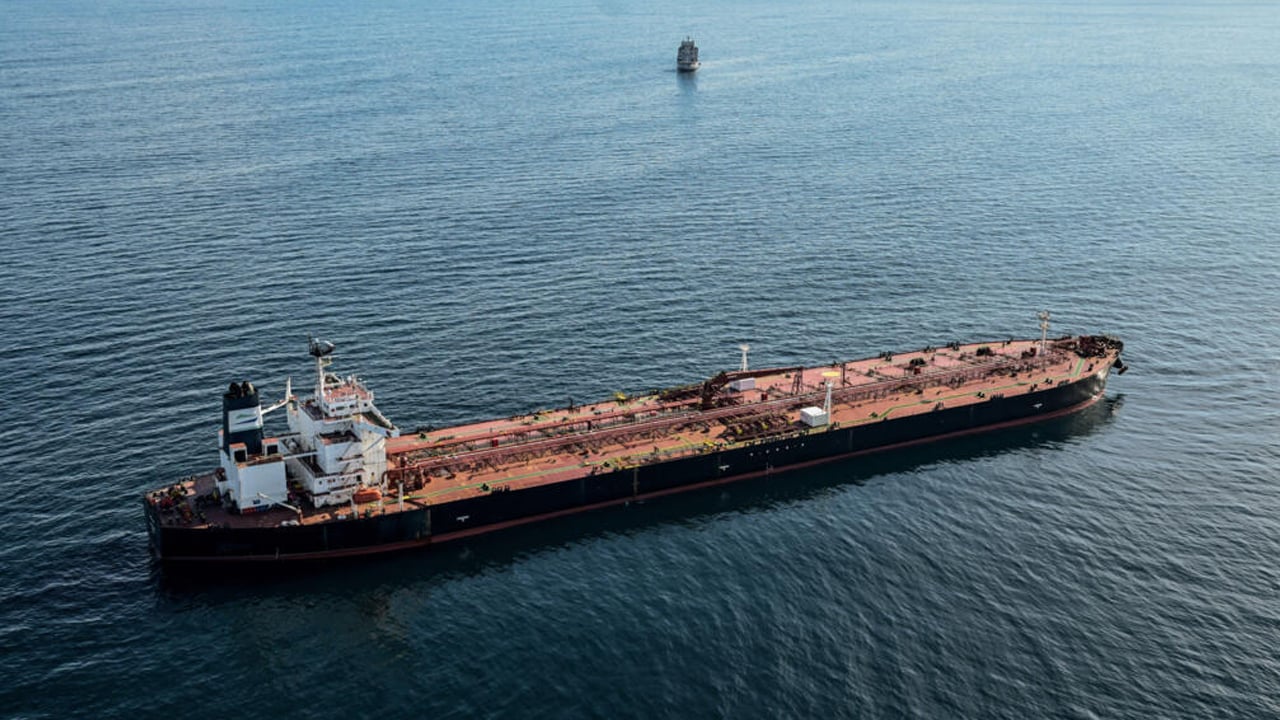
The United States has temporarily eased sanctions on the purchase of Russian oil and petroleum products to mitigate the global economic impact caused by the ongoing war in Iran, according to US Treasury Secretary Scott Bessent. He stated that the 30-day relaxation would not provide significant financial benefits to the Russian government. In contrast, UK Energy Minister Michael Shanks told the BBC that the United Kingdom would 'in no way' relax its restrictions on Russian oil, warning that such a move could allow Vladimir Putin to further invest in the war in Ukraine. The Kremlin, however, described the US decision as an attempt to stabilize the energy market, suggesting that the move serves the interests of both countries. The announcement came as oil prices surged above 100 dollars per barrel on Thursday amid threats to halt shipping through the Strait of Hormuz, one of the world’s busiest oil transport routes.
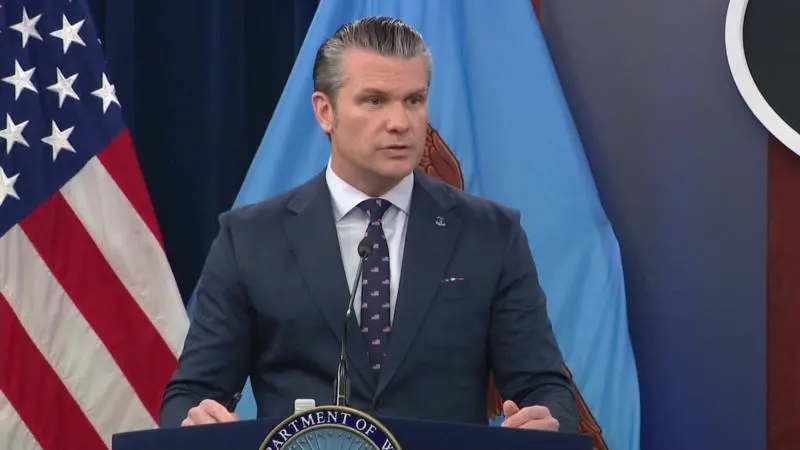
US Defense Secretary Pete Hegseth announced that the United States would again launch the highest number of attacks on Iran. He made the statement during a Pentagon press conference on Friday, held to brief on the latest developments in the Iran war. Hegseth said Iran’s leadership was in hiding and that US capabilities were continuing to grow. He added that President Trump would determine the pace and timing of the conflict. During the same briefing, General Dan Kane, Chairman of the Joint Chiefs of Staff, remarked that the day would be the busiest for US forces. The announcement came as tensions between Washington and Tehran remained high, with both sides engaged in ongoing military operations. The statements suggest that the United States is preparing for intensified military action in Iran, though no specific timeline or operational details were disclosed during the briefing.
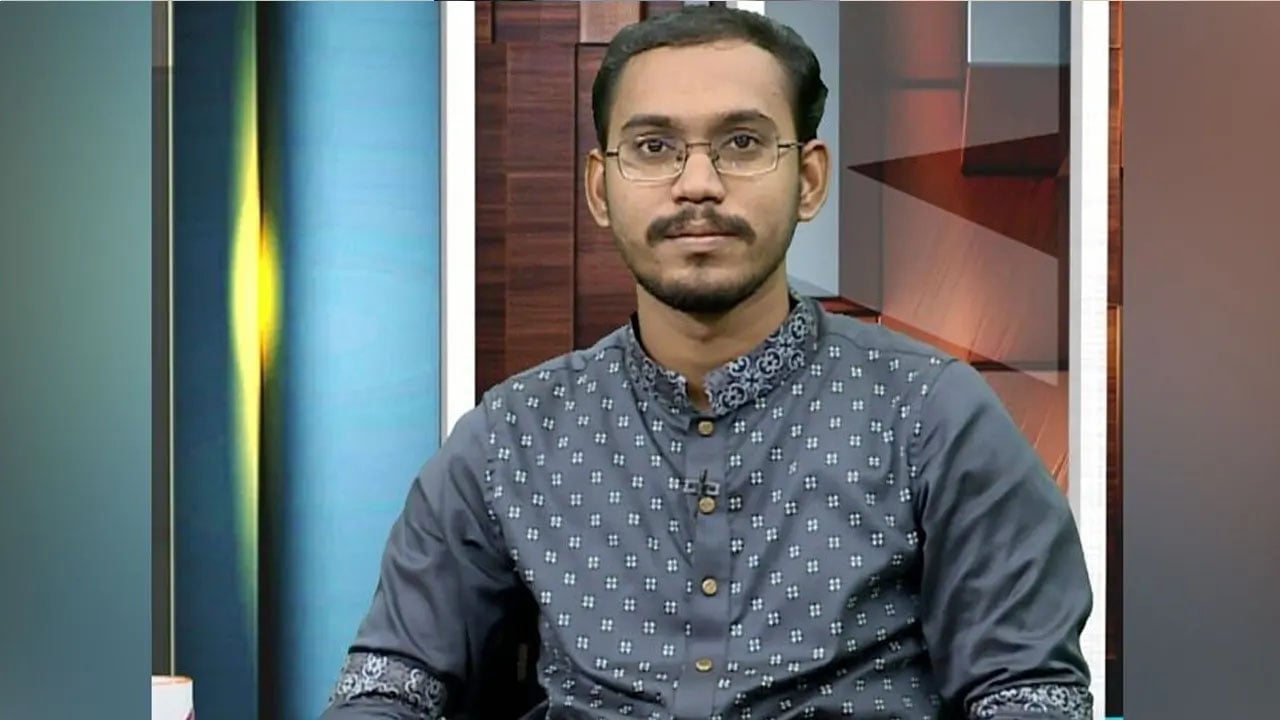
Member of Parliament Abdul Hannan Masud has explained why opposition lawmakers remained seated during the national anthem at the first session of the 13th National Parliament. In a Facebook post on Friday morning, he said that when the Speaker announced the President’s speech, opposition members stood with placards and chanted slogans in protest. As the President entered the chamber, ruling party members stood to show respect, while opposition members continued their protest and remained seated. Masud stated that the national anthem began playing at the same time, but opposition members did not realize it due to their protest and sound issues with the speaker system. When MP Hasnat Abdullah noticed the anthem was playing, he informed the others, and they immediately stood to show respect until the anthem ended. Masud expressed hope that the misunderstanding would be resolved and that accurate information would help build a united Bangladesh.
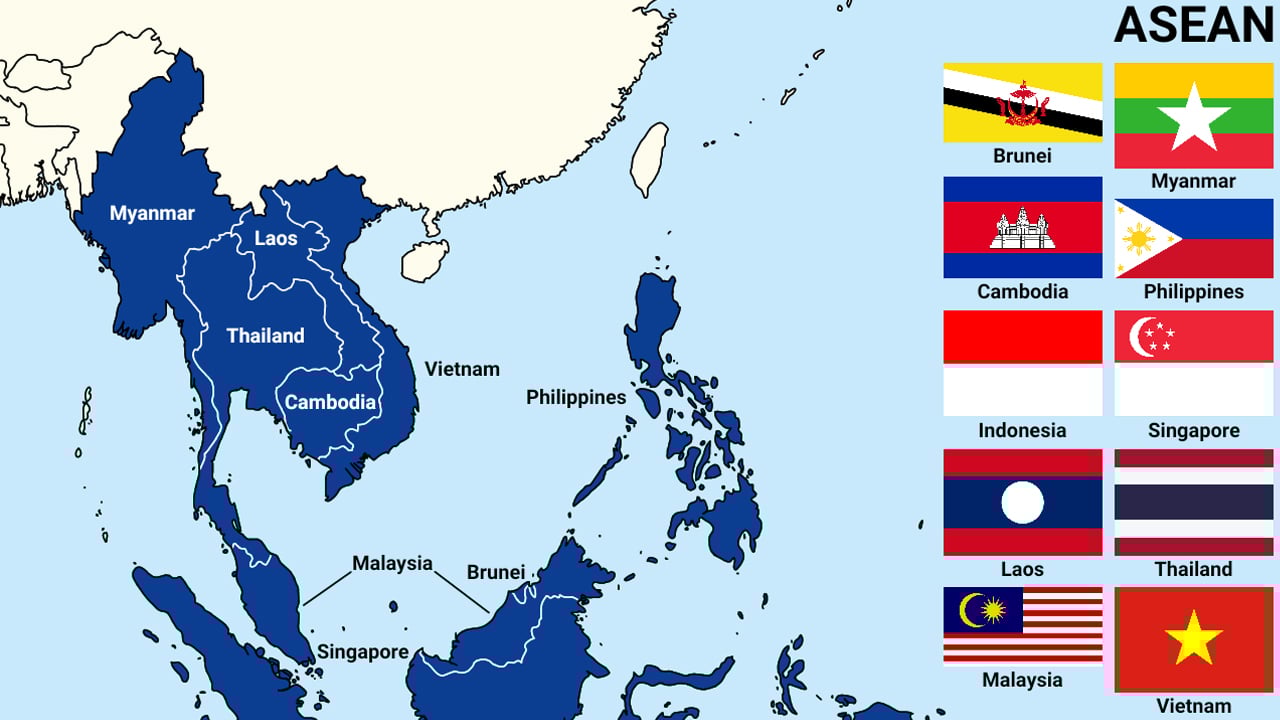
Foreign and economic ministers of the Association of Southeast Asian Nations (ASEAN) have jointly called on world leaders to immediately halt the ongoing war in the Middle East, according to Al Jazeera. They warned that the conflict has already begun to affect Southeast Asia’s economy through rising oil prices and disruptions to trade. Several ASEAN member states have started implementing measures to counter these economic impacts, including energy conservation, stabilizing domestic markets, and protecting vulnerable sectors such as tourism. The ministers also urged that global energy supply chains remain open and that regional mechanisms be activated to minimize economic losses. Economic ministers cautioned that Southeast Asia faces heightened risks due to its dependence on global oil and LNG supply routes. They emphasized the need to strengthen supply chain stability, accelerate the transition to renewable energy, and enhance regional cooperation to mitigate future shocks.
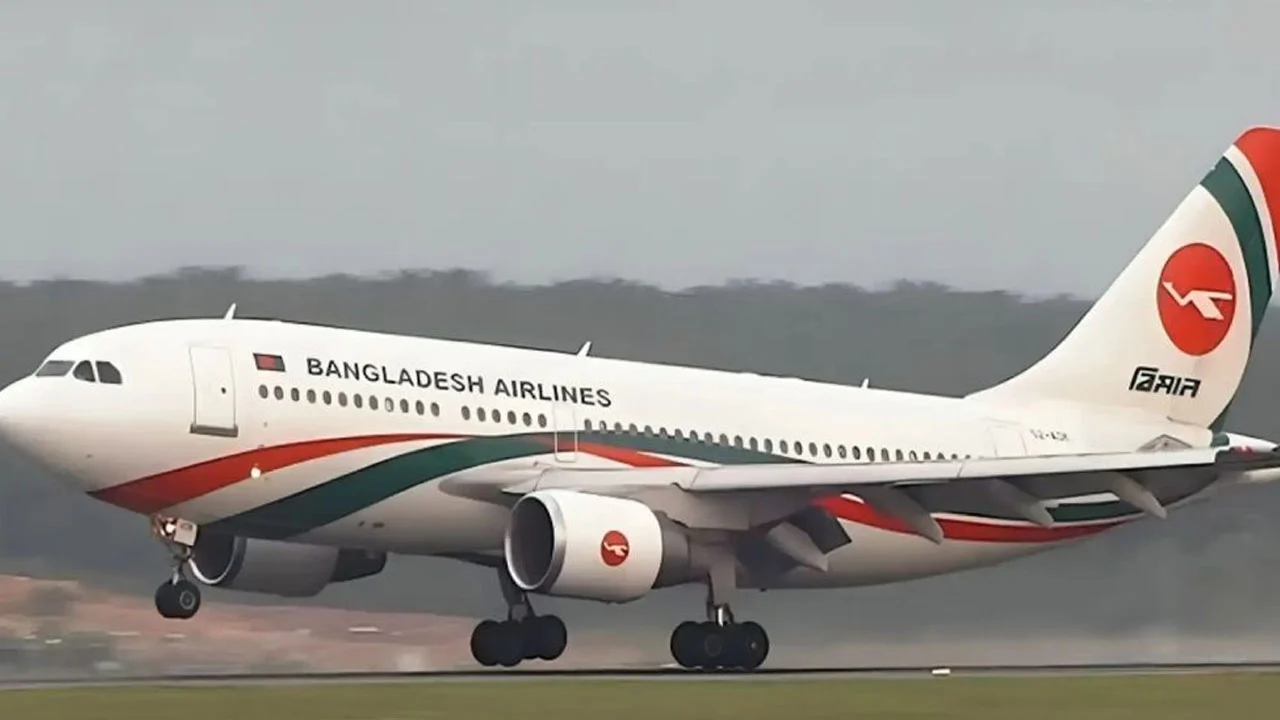
A total of 447 international flights have been canceled at Hazrat Shahjalal International Airport in Dhaka over the past 14 days due to the ongoing war situation in the Middle East. According to a press release issued on Friday, March 13, 2026, by Muhammad Kawsar Mahmud, public relations officer of the Civil Aviation Authority, 24 flights were canceled on that day alone. Flight cancellations began on February 28, when 23 flights were grounded, followed by 40 on March 1, 46 on March 2, and 39 on March 3. The trend continued with varying numbers of cancellations each day through March 13. On Friday, the canceled flights included services from Kuwait Airways, Air Arabia, Gulf Air, Qatar Airways, Emirates, Jazeera Airways, and Flydubai. Despite the disruptions, limited operations continued on Friday, with 37 flights scheduled to operate from Dhaka to destinations including Muscat, Kuwait, and the United Arab Emirates.
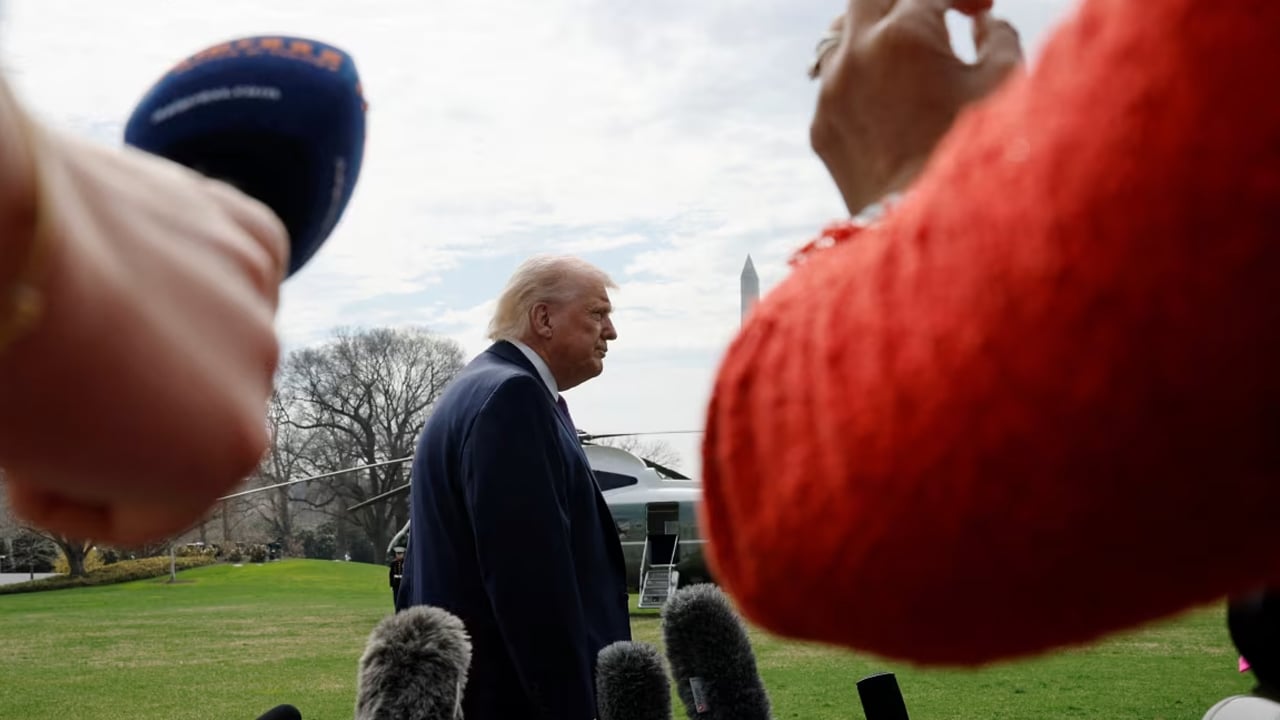
U.S. President Donald Trump is struggling to claim victory in the ongoing war with Iran, which has entered its second week. The conflict has escalated after Iran closed the strategic Strait of Hormuz, disrupting global oil transport and driving up fuel prices. Despite Trump’s early declaration of success, military analysts and events on the ground suggest the situation is far from under control. A U.S. tanker aircraft crash in Iraq and domestic unrest in Virginia and Michigan have further complicated the picture, while seven American soldiers have already been reported dead. Experts warn that reopening the Strait of Hormuz would be extremely difficult due to Iranian drone and missile threats. Analysts argue that the crisis underscores the limits of military power and the need for political solutions. The killing of Iran’s Supreme Leader Ayatollah Ali Khamenei and the succession of his son have weakened Trump’s narrative of strategic victory. Meanwhile, differing U.S. and Israeli goals, rising oil prices, and growing domestic unease are eroding public support. The article concludes that Trump faces diminishing strategic options and may be forced to declare victory prematurely to avoid a prolonged and costly conflict.
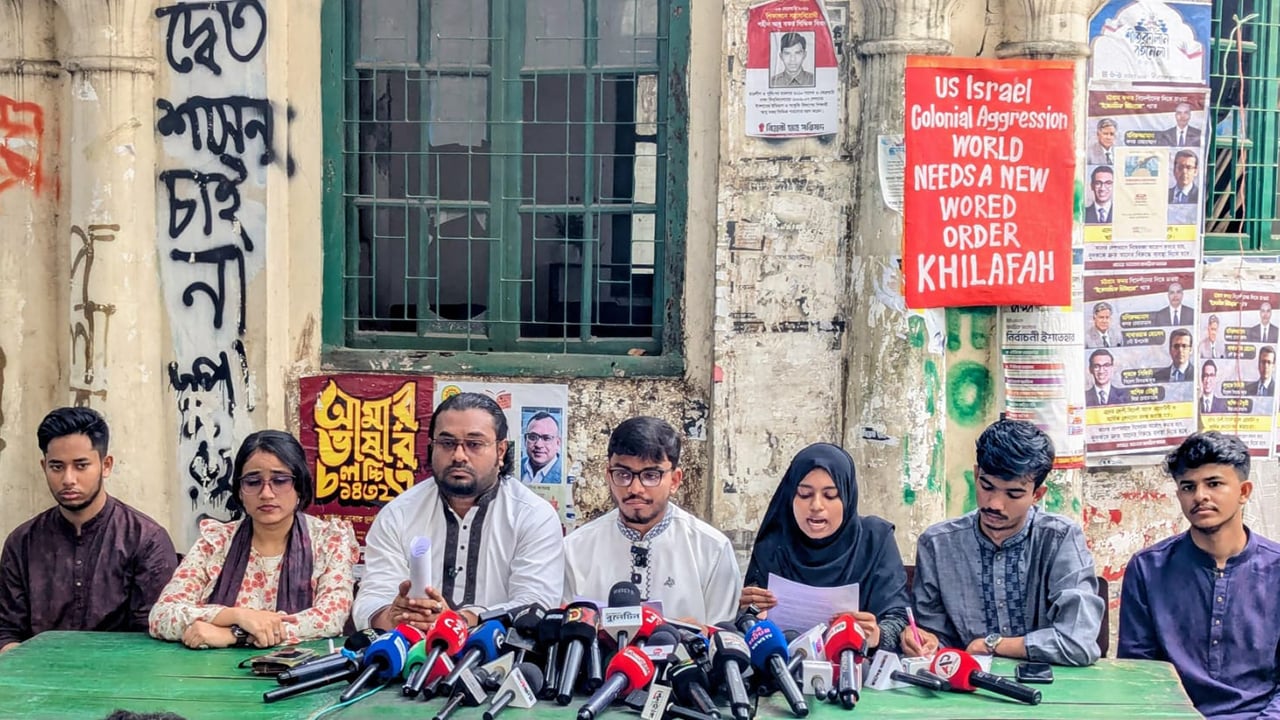
July Oikya has called for the impeachment of President Md. Shahabuddin, accusing him of involvement in fascist activities during the July uprising and of spreading false information. The demand was made at an emergency press conference held on Friday afternoon at Dhaka University’s Madhur Canteen. The group also urged the implementation of the July Charter and sought to bring the president under trial as an accomplice to genocide. At the event, organizer Fahim Faruqi alleged that after the 2024 July–August uprising that toppled the Sheikh Hasina government, more than 1,400 people were killed and thousands injured. He accused the president of violating his oath and misleading the public through media interviews, including a claim that July Oikya attempted to surround Bangabhaban in October 2024, though the group was formed in May 2025. Leaders further criticized the BNP for allowing the president to address parliament, calling it a betrayal of the July movement’s spirit. The organization demanded immediate impeachment under Article 52 of the Constitution and warned of a mass movement if the July Charter is not implemented during the current parliamentary session.
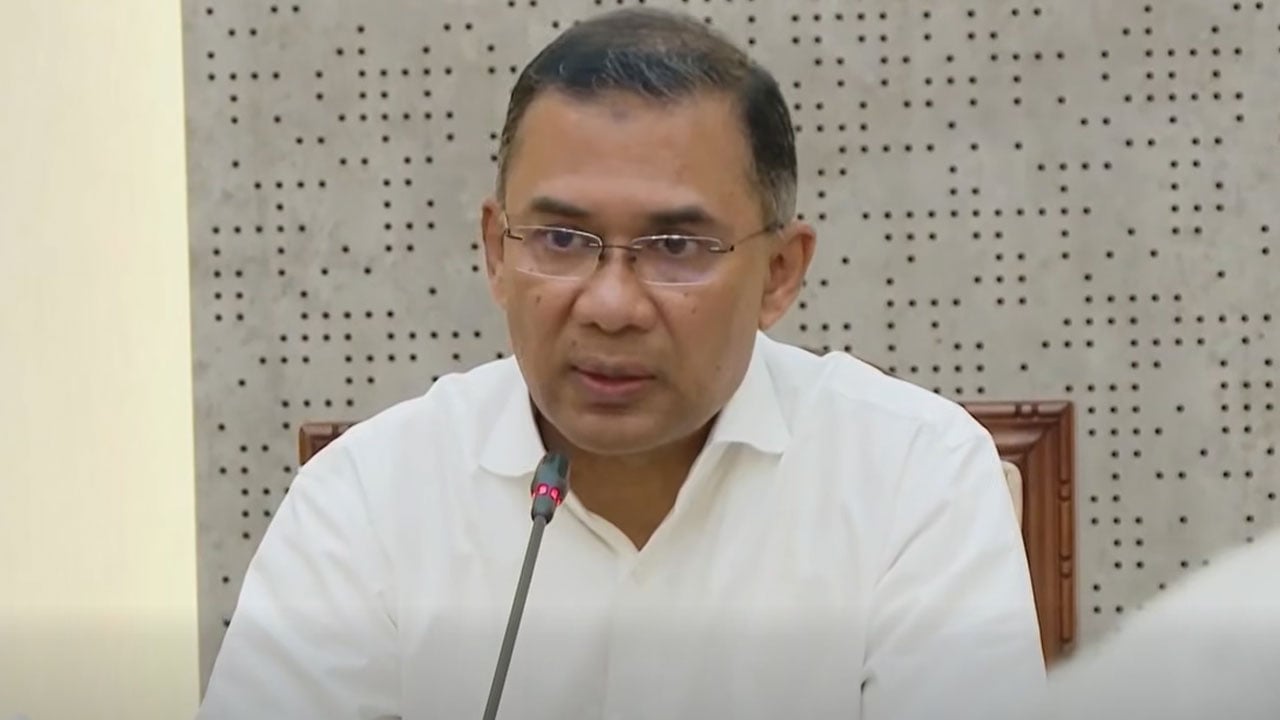
The government has announced a five-year plan to excavate and re-excavate 20,000 kilometers of rivers, canals, and water bodies across Bangladesh. As part of this initiative, Prime Minister Tarique Rahman will inaugurate the program on March 16 in Kaharol upazila of Dinajpur district by launching a canal excavation project. Simultaneously, ministers, advisers, the Chief Whip of the National Parliament, state ministers, whips, and members of parliament will inaugurate similar projects in 53 other districts. According to information from the Planning-3 branch of the Ministry of Water Resources, the program is expected to have a positive impact on agriculture and irrigation, increase agricultural production, and create employment opportunities in rural areas. It will also help raise surface water levels, reducing dependence on groundwater and mitigating drought, floods, and waterlogging. The initiative aligns with the government’s election manifesto and aims to strengthen water resource management and rural development over the next five years.
Bangladesh’s Minister for Road, Bridge, Rail and Shipping Sheikh Robiul Alam announced that during the upcoming Eid-ul-Fitr travel period, Bangladesh Railway will carry around 42,000 passengers daily. He made the statement on Friday after inspecting Kamalapur Railway Station on the first day of Eid travel. To ensure smooth journeys, the railway has added 124 additional coaches, 14 more for meter-gauge lines, and five pairs of special trains on broad-gauge routes. The minister said advance ticket sales began on March 3 and continued until March 20, with all 36,000 daily tickets sold online. Despite the system’s capacity, about 3.7 million people attempted to buy tickets each day. Passengers were given five to fifteen minutes to complete payments after booking. The minister assured that all genuine buyers received tickets fairly. He also warned against passengers traveling on train roofs, a recurring issue during Eid rushes, and stated that strict measures are being taken to prevent it, though occasional incidents may still occur due to heavy crowds.
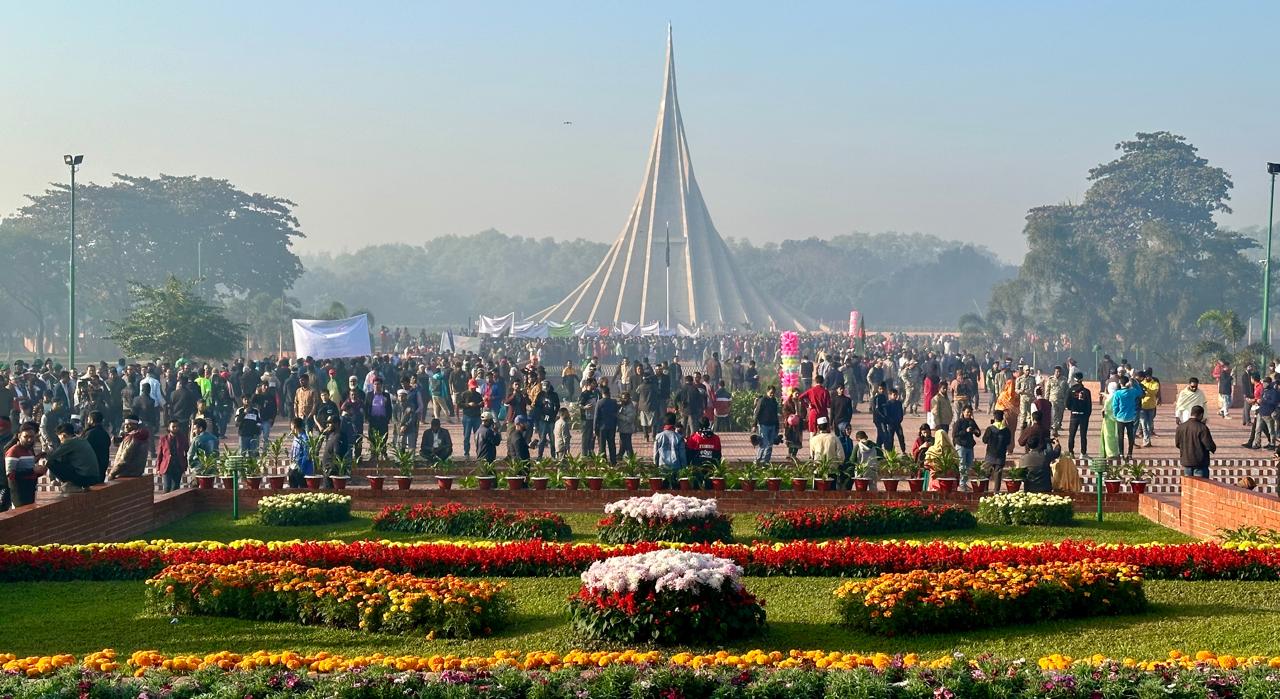
Public entry to the National Memorial in Savar will remain closed from March 23 to 25, 2026, as part of preparations for the celebration of the Great Independence and National Day. The closure aims to facilitate cleaning and maintenance of the memorial premises ahead of the national observance. According to an official information release issued on Friday, entry will also remain restricted on March 26 until invited guests leave the memorial after the early morning ceremony. Authorities have requested public cooperation to preserve the sanctity and overall beauty of the National Memorial during this period. The announcement underscores the importance of maintaining the memorial’s environment in advance of the national commemoration events.
The ‘1 Nojor’ media platform is now live in beta, inviting users to explore and provide feedback as we continue to refine the experience.