

The ‘1 Nojor’ media platform is now live in beta, inviting users to explore and provide feedback as we continue to refine the experience.
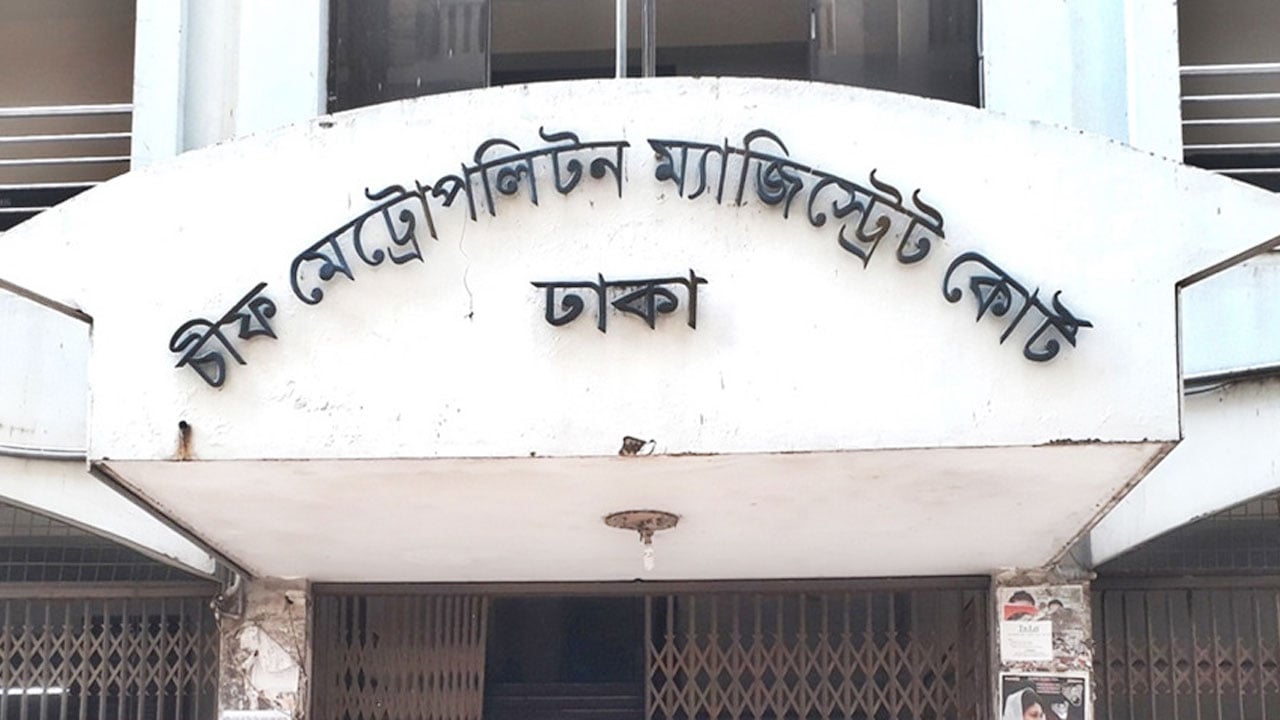
A Dhaka court has rejected the bail petition of Dhaka University sociology professor A K M Jamal Uddin in a case filed under the Anti-Terrorism Act. The order was issued on Thursday, March 12, 2026, by Additional Chief Metropolitan Magistrate Jashita Islam. Defense lawyer Golam Rabbani confirmed the decision. Jamal Uddin was arrested on Wednesday morning from Gulistan Zero Point while participating in a program called 'Bangabandhu Peace March 2026'. He was later shown arrested under the Anti-Terrorism Act and sent to jail. During the hearing, lawyers Khair Uddin Shikder and Golam Rabbani represented Jamal Uddin, while Additional Public Prosecutor Muhammad Shamsuddoha Suman opposed the bail. The court denied the bail and instructed prison authorities to take necessary measures if the accused sought division facilities in jail. Jamal Uddin, known as a pro-Awami League teacher of Dhaka University’s Blue Panel, had previously faced harassment incidents on campus and during political events earlier this year.
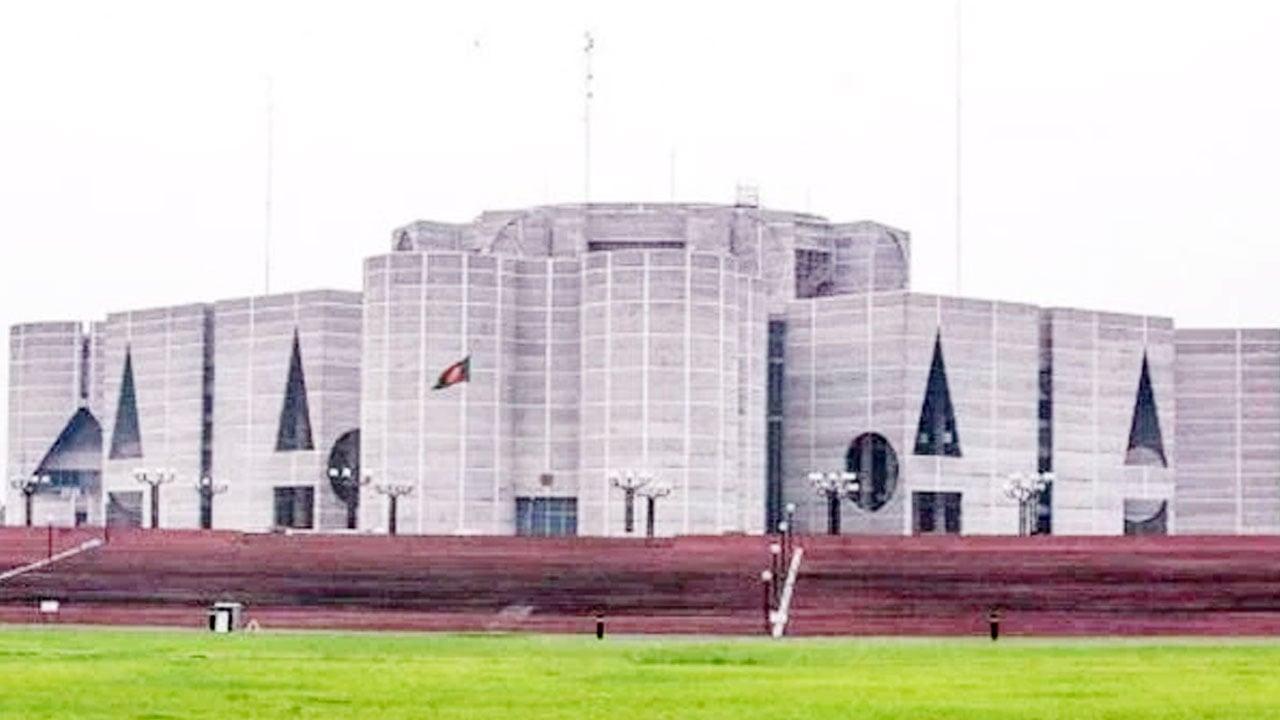
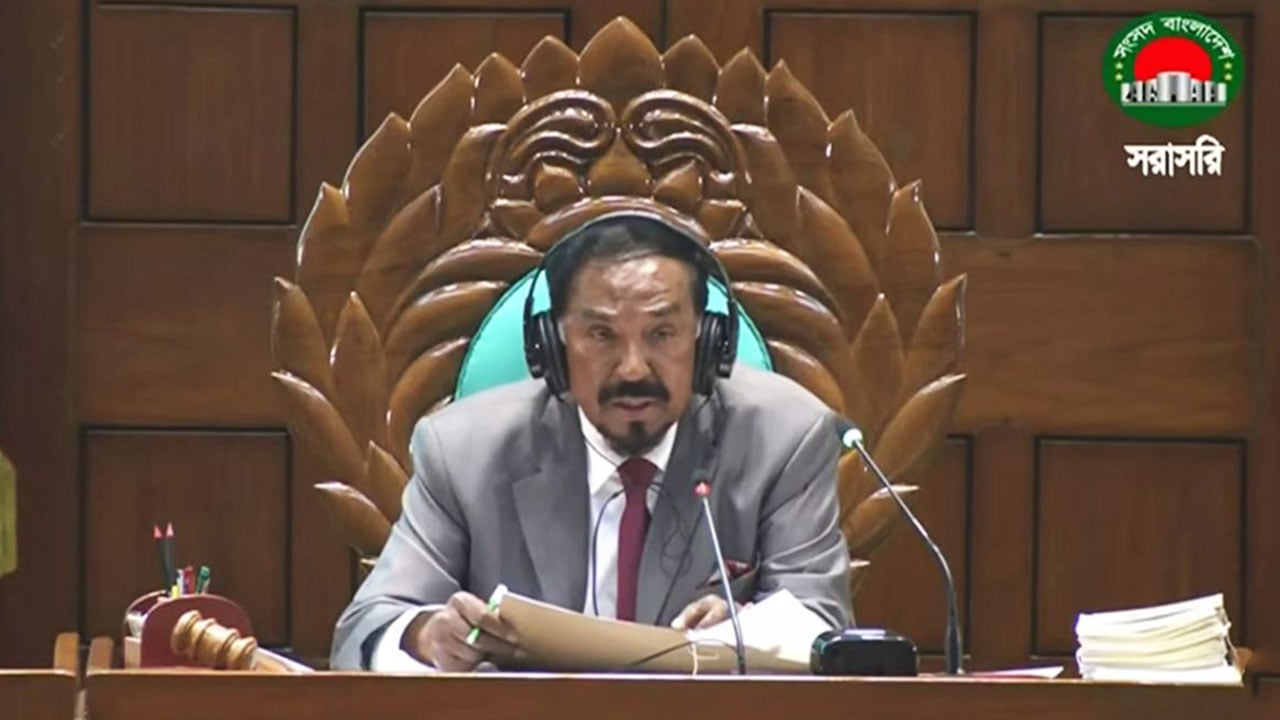
The Bangladesh National Parliament formed five committees, including the Business Advisory Committee, on the opening day of the 13th Parliament session held on Thursday under the chairmanship of Speaker Hafiz Uddin Ahmed. The committees were approved by voice vote of the members. Speaker Hafiz Uddin Ahmed announced the Business Advisory and Parliamentary Committees, while Chief Whip Nurul Islam Moni proposed the names for the Special Committee, Privilege Committee, and Private Members’ Bills and Resolutions Committee. The Business Advisory Committee includes Speaker Hafiz Uddin Ahmed as chair, with members such as Leader of the House Tareq Rahman and Opposition Leader Shafiqul Rahman. A 14-member Special Committee, headed by Zainal Abedin, was formed to review 133 ordinances issued during the interim government period. The Privilege Committee is chaired by the Speaker, and the Private Members’ Bills Committee is led by Md. Shahjahan. The ordinances under review include amendments to laws governing Bangladesh Bank, local government bodies, the Bangladesh Energy Regulatory Commission, and the International Crimes Tribunals, among others. Two ordinances related to the July Uprising were also listed for consideration.
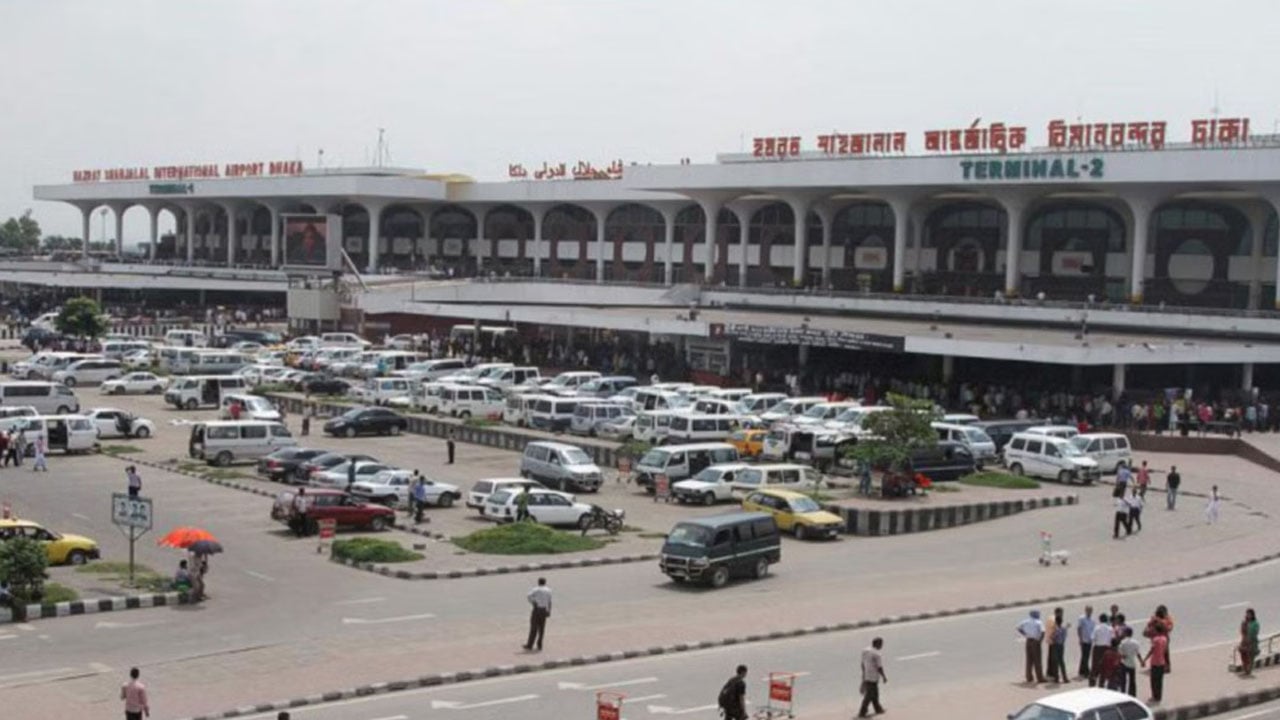
A total of 423 international flights have been canceled at Hazrat Shahjalal International Airport in Dhaka over the past 12 days due to the ongoing war situation in the Middle East. The Civil Aviation Authority of Bangladesh confirmed the cancellations in a statement on Thursday, March 12, 2026. On that day alone, 28 flights were canceled, including services by Kuwait Airways, Air Arabia, Gulf Air, Qatar Airways, Emirates, Jazeera Airways, Flydubai, and US-Bangla Airlines. According to the authority, flight disruptions began on February 28, when 23 flights were canceled, followed by 40 on March 1, 46 on March 2, and 39 on March 3. The cancellations continued daily through March 12, affecting routes mainly to Kuwait, the UAE, Bahrain, and other Middle Eastern destinations. Despite the disruptions, 51 flights were scheduled to operate on March 12, including nine to Muscat, 23 to Kuwait, and 19 to the UAE. The cancellations have significantly affected international air connectivity from Dhaka, with limited operations continuing under constrained conditions.
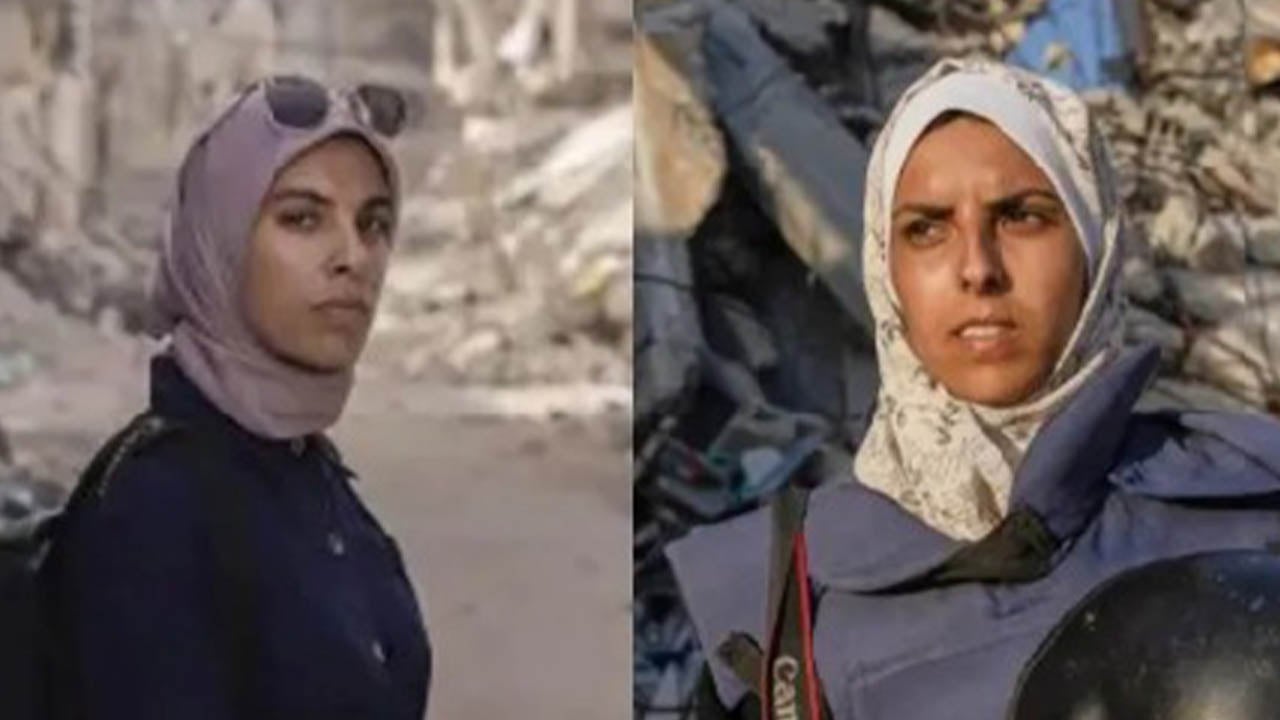
During the recent years of conflict in Gaza, thousands of women and girls have been killed, countless families displaced, and many have lost their homes. Yet amid destruction and uncertainty, Gaza’s women have continued to resist in their own ways—as doctors, teachers, aid workers, and especially journalists. Female reporters have shown remarkable courage, documenting the war with cameras, notebooks, and phones instead of weapons, revealing the human cost of survival under bombardment. Among them was journalist Mariam Abu Dakka, who chronicled Gaza’s struggles until she was killed during an attack on reporters in Khan Younis. Another, photojournalist Fatima Hassouna, died with six family members when her home was bombed shortly before a documentary about her was to be shown at the Cannes Film Festival. Despite immense danger, these women continued reporting from the frontlines, often without electricity, internet, or safety. Their perseverance has inspired younger journalists in Gaza, symbolizing that journalism is not only about news but also about preserving memory, recording history, and bearing witness to humanity amid destruction.
A Jhenaidah court has granted one-day remand for two leaders of the anti-discrimination student movement in a case related to a bus arson incident. The order was issued by Senior Judicial Magistrate Mokhlesur Rahman on Thursday morning. The two leaders are Humayun Kabir, former joint convener of the district committee, and Abu Hasnat Tanaim, convener of 'The Red July'. Police had sought a 10-day remand for interrogation, but the court approved one day. The case was filed over a bus set on fire at the Jhenaidah central bus terminal on the night of March 7. On the same day, the court denied bail to five other leaders of the same movement and ordered them sent to jail in connection with vandalism at a filling station owned by Awami League leader Harunur Rashid. The accused include district convener Saidur Rahman, member secretary Ashiqur Rahman Jibon, senior joint convener Tashdid Hasan, joint convener Ejaz Hossain Antor, and Russell Hossain. The incidents followed the death of student leader Fardin Ahmed Nirab, who was beaten by filling station workers after a dispute on March 7. Two separate cases were filed the next day, leading to police raids and arrests of movement activists.
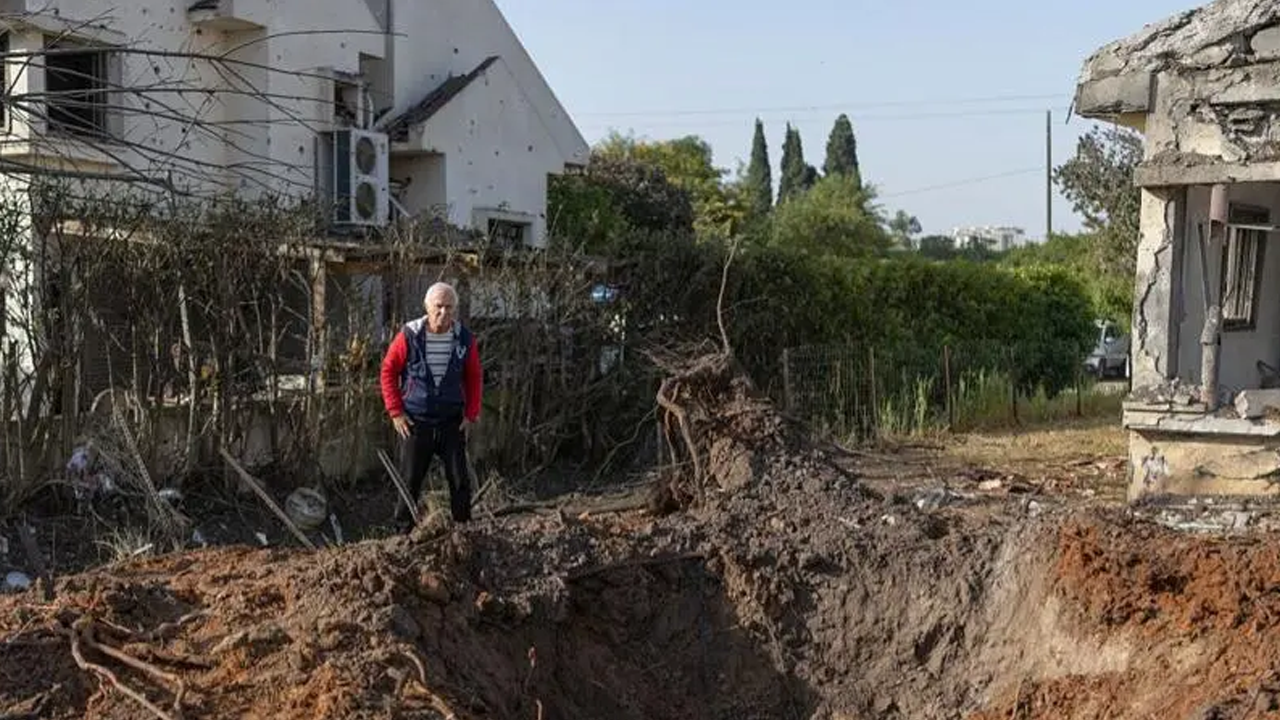
Iran carried out extensive attacks on Israel over the past 24 hours, injuring 179 people, according to Israel’s Health Ministry. The ministry said most of the injured were not in serious condition and were receiving initial treatment at medical facilities. Since the start of the ongoing conflict, a total of 2,745 people have been injured in Israel. Authorities attributed the casualties to missile strikes and the deteriorating security situation, adding that emergency medical services have been reinforced. Iran’s Islamic Revolutionary Guard Corps (IRGC) announced that this marks the 40th phase of its new wave of attacks in the Middle East. The IRGC stated that the strikes targeted Israeli and U.S. military sites in the region. Iran’s Khatam al-Anbiya military command said drones and various missiles, including Qadr, Emad, Kheibar Shekan, and Fattah, were used in the operation. According to Iranian claims, missiles were launched toward Tel Aviv, Jerusalem, and Haifa, as well as U.S. military bases in Jordan’s Al-Azraq and Saudi Arabia’s Al-Kharj.
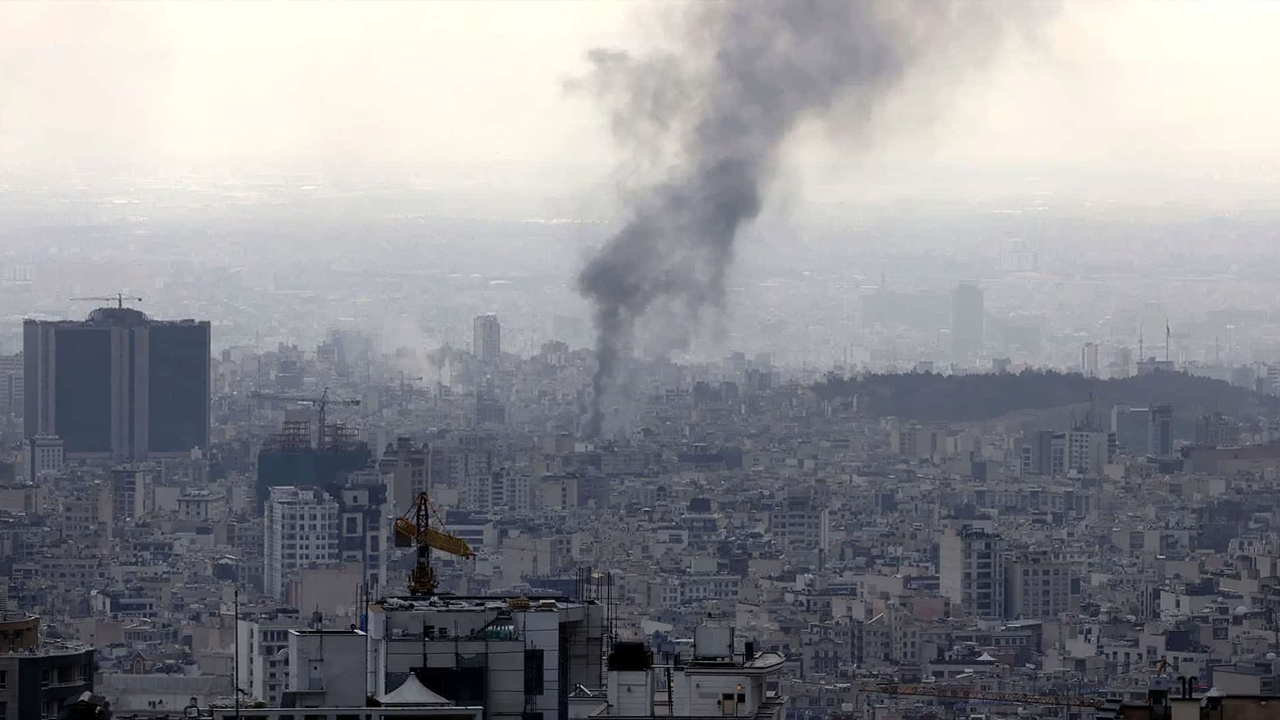
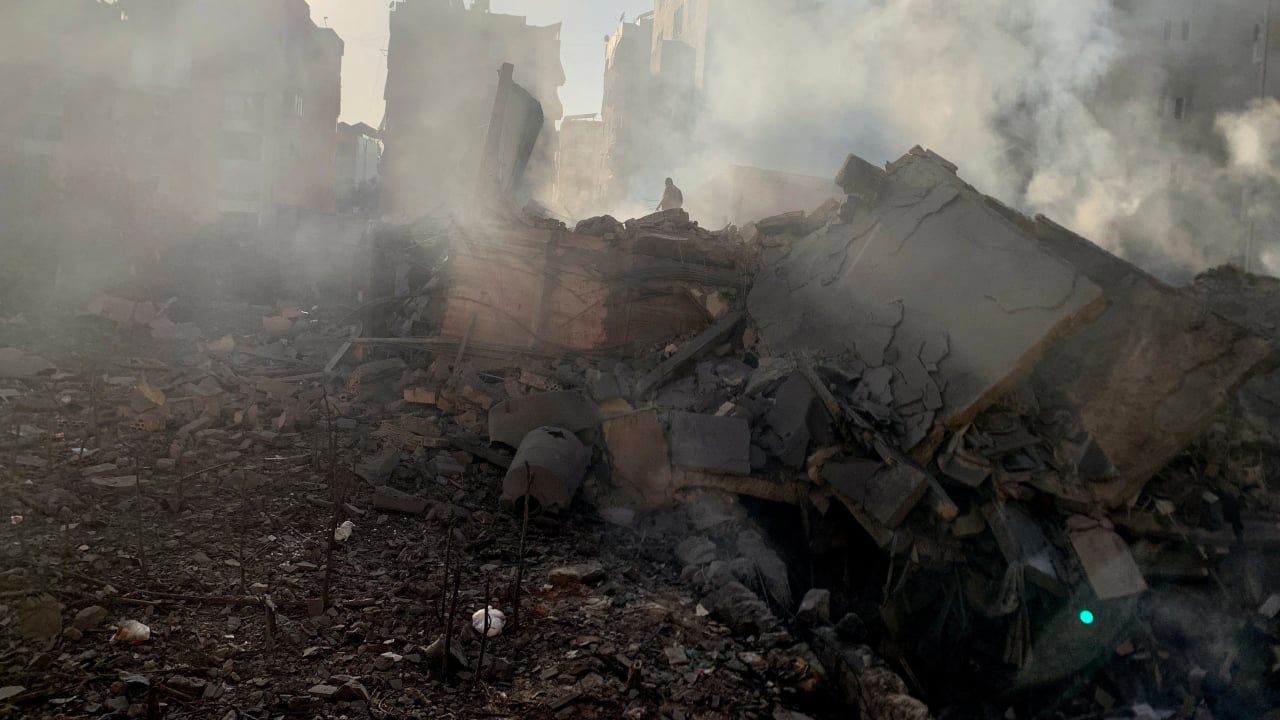
Casualty figures from the ongoing Middle East conflict have risen sharply, according to the latest report published on March 12, 2026. The report indicates that at least 2,008 people have been killed and more than 13,500 injured across several countries. Iran has suffered the highest losses, with at least 1,255 dead and over 12,000 injured. Lebanon reported 634 deaths and more than 1,500 injuries, while Israel recorded 14 deaths. The United States confirmed the deaths of seven military personnel. Additional casualties were reported in Kuwait, the United Arab Emirates, Saudi Arabia, Bahrain, Oman, Qatar, and Iraq. Kuwait recorded six deaths, including two soldiers and an 11-year-old girl. Iraq reported 26 deaths, mostly among pro-Iran fighters. The data was sourced from Al Jazeera and reflects the widespread human toll of the conflict. The report also mentioned related developments, including Israel’s claim of striking Iran’s nuclear facilities and multiple attacks on ships in the Persian Gulf and Strait of Hormuz, underscoring the regional escalation.
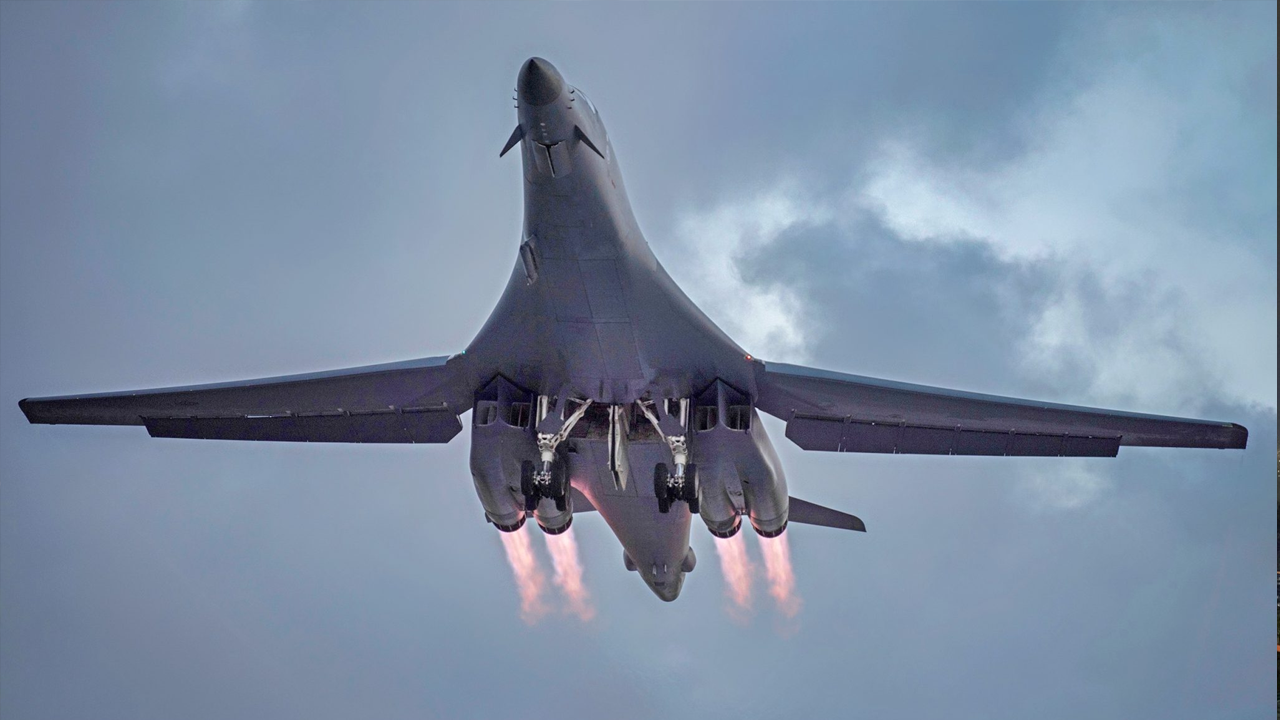
The United States has been seen loading powerful bombs onto B-1 bombers at a Royal Air Force base in the United Kingdom, suggesting preparations for potential strikes on Iran’s underground missile and drone storage sites. Video footage reportedly shows a missile launcher being removed from one of the bombers at RAF Fairford, indicating a shift in armament configuration. Reports state that the aircraft are being equipped with Joint Direct Attack Munitions (JDAM) bombs, which require the bomber to fly within about 25 miles of its target. This implies that US aircraft may need to enter or approach Iranian airspace to carry out such operations. Analysts interpret this as a sign that the Pentagon believes much of Iran’s air defense capability has already been neutralized. Observers note that the bombers have been positioned visibly outside hangars, apparently to signal that the United States’ most powerful weapons are ready and that Iran’s ability to counter them is limited.
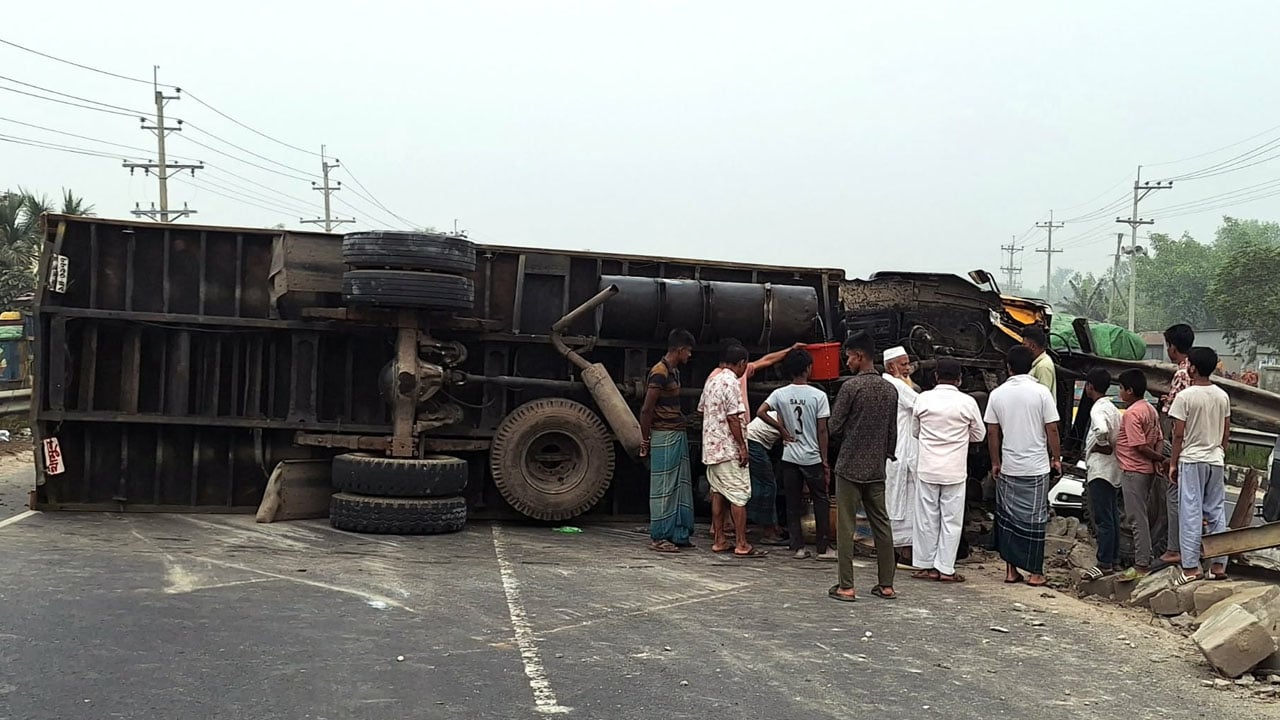
A covered van lost control and overturned on the western side of Shubulya Bridge in Mirzapur upazila of Tangail on Thursday morning, disrupting traffic on the Dhaka-Tangail highway. The accident occurred around 7:30 a.m. when a northbound vehicle from Sirajul Motors flipped across the road, damaging its front section and rupturing its fuel tank. Diesel began leaking onto the road, drawing crowds of locals who collected the fuel using buckets, plastic sheets, and other containers. Witnesses said one local bus driver attempted to stop the leak by straightening the dented tank with an iron rod and applying soap, which partially succeeded. The incident caused temporary suspension of northbound traffic, and a two-kilometer-long traffic jam formed between Shubulya and Ichail. Police later removed the overturned van with a wrecker, restoring normal traffic flow. No casualties were reported, though the driver and his assistant fled the scene after the crash. Authorities confirmed that the situation has since returned to normal following the removal of the vehicle from the highway.
The first session of Bangladesh’s 13th National Parliament turned heated on March 12, 2026, when President Md. Shahabuddin began his address. During the speech, the opposition alliance led by Jamaat-e-Islami and the National Congress Party (NCP) walked out of the chamber in protest. Jamaat Ameer told reporters that the president was a criminal and an accomplice to killers, accusing him of failing to take action in murder cases and neglecting his duties as a guardian of the nation. He further alleged that although the opposition members had taken two oaths, the ruling party had not, and that the president had not convened a reform council meeting. The Jamaat leader claimed that 70 percent of the population had been insulted and accused the Speaker of ignoring opposition lawmakers. He warned that the opposition would not tolerate injustice in parliament and emphasized their role as representatives of the people. After the walkout, opposition Chief Whip Nahid Islam said they had fought to oust fascism and protested because the Speaker denied them the chance to respond to the president’s speech.

Italy’s Ministry of Defence confirmed that a missile attack struck an Italian military base in Erbil, located in Iraq’s Kurdistan region. The incident occurred on March 12, 2026, but no casualties were reported among Italian personnel. The ministry stated on social media that all Italian staff were safe and unharmed. Defence Minister Guido Crosetto has been in contact with senior military commanders following the incident. In a separate statement, Foreign Minister Antonio Tajani said that soldiers took shelter in a bunker during the attack and were all safe. Approximately 300 Italian troops are currently stationed in Erbil. The report appeared amid heightened regional tensions, including recent claims of Israeli attacks on Iranian nuclear facilities and multiple assaults on ships in the Persian Gulf and Strait of Hormuz.
The opening day of the 13th National Parliament session in Bangladesh ended amid intense protests, placard displays, and a walkout by opposition lawmakers led by Jamaat-e-Islami. The session, held on Thursday, March 12, 2026, was adjourned until Sunday, March 15, at 11 a.m. by Speaker Major (Retd.) Hafiz Uddin Ahmed following President Md. Shahabuddin’s inaugural address. During the session, opposition members stood in protest as the President took the stage, chanting slogans and holding placards demanding democracy and denouncing alleged betrayal related to the July uprising. Despite repeated calls for calm from the Speaker, the opposition continued their demonstration before walking out in protest of the President’s presence and speech. In his address, President Shahabuddin discussed the July uprising and the interim government’s role, congratulating Prime Minister Tarique Rahman and his allies for forming a majority government while emphasizing the need for a strong opposition. Outside the chamber, opposition leader and Jamaat chief Dr. Shafiqur Rahman sharply criticized the President, accusing him of complicity during the July events.
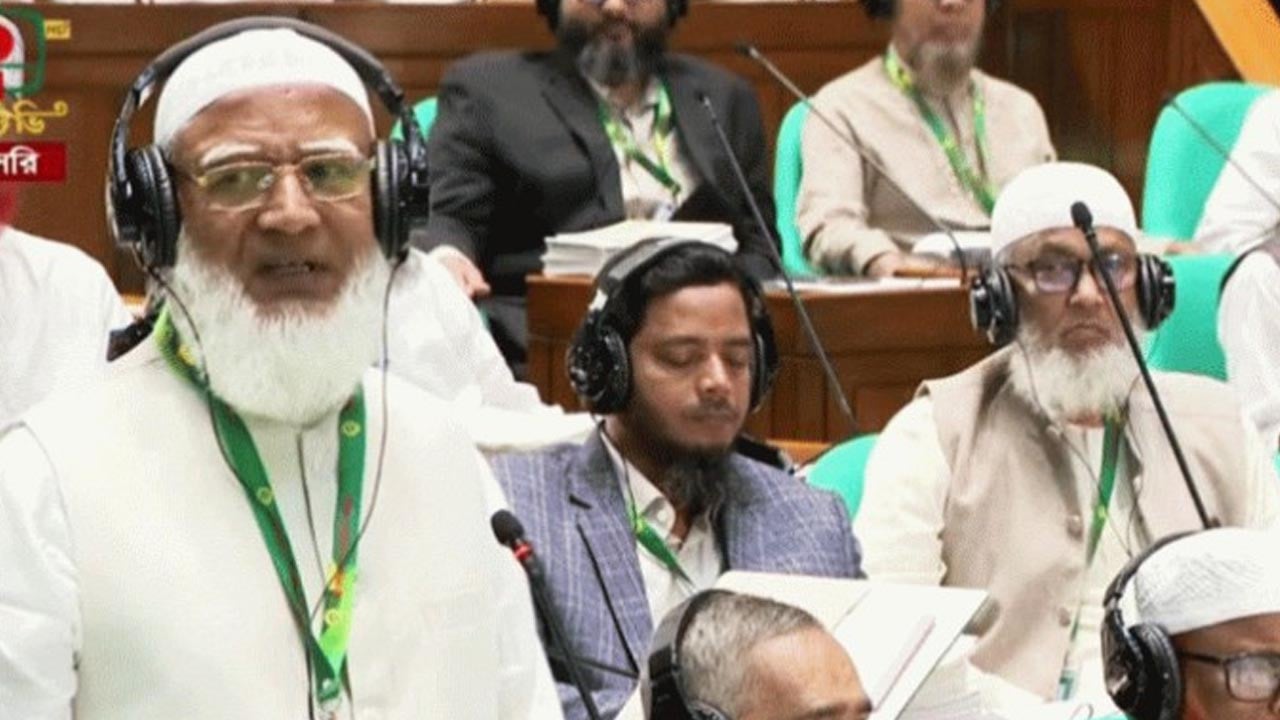
Bangladesh’s Leader of the Opposition and Jamaat-e-Islami Ameer Dr. Shafiqul Rahman stated that the country’s parliament had often been ineffective, describing it as a dummy institution under fascist control for much of its history. He made the remarks on Thursday afternoon while delivering a congratulatory speech in the National Parliament, where Speaker Major (Retd.) Hafiz Uddin Ahmed presided over the session. In his address, Dr. Rahman reflected on Bangladesh’s 55 years of independence, paying tribute to those who sacrificed their lives in 1947, 1971, 1990, and during the Shapla Chattar movement, as well as those persecuted during what he termed 15 and a half years of fascist rule. He described the current parliament as one built upon the blood of the 2024 struggle and congratulated both the newly appointed Speaker and Deputy Speaker Barrister Kaiser Kamal. Dr. Rahman expressed hope that the Speaker, having resigned from his party’s standing committee, would act impartially and ensure justice for all members, fostering a dynamic and fair parliament.
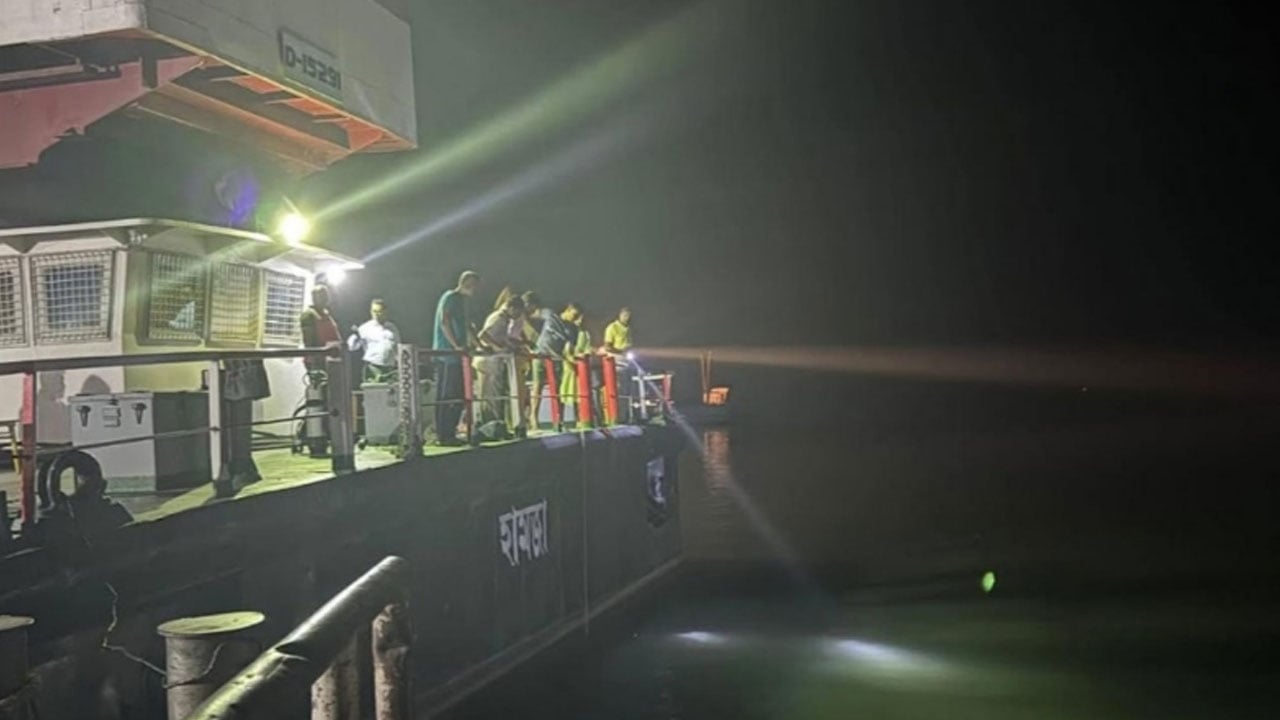
A lorry carrying 24,000 liters of oil sank into the Padma River at Paturia ferry ghat in Shibaloy upazila of Manikganj after its brakes failed while disembarking from a ferry on Wednesday night, March 11. The incident occurred around 8:30 p.m. at Paturia’s No. 5 ferry terminal. The driver and his assistant were rescued alive and taken to the local health complex for treatment. As of Thursday morning, more than 16 hours after the accident, the submerged vehicle had not yet been recovered. Officials from the Bangladesh Inland Water Transport Corporation (BIWTC) confirmed that the salvage vessel Hamza, along with teams from the Bangladesh Inland Water Transport Authority (BIWTA) and the Fire Service, were conducting recovery operations. The lorry, registered as Jhenaidah-Dha 41-0042, had been transporting bump oil from Jashore to Narayanganj when the accident occurred. Local authorities, including the Shibaloy Upazila Nirbahi Officer, visited the site and confirmed ongoing recovery efforts. According to BIWTA engineers, the depth of the river at the site is making the recovery process difficult, requiring divers to attach cables before the truck can be lifted.
National Citizen Party (NCP) northern chief organizer Sarjis Alam said the Bangladesh Nationalist Party (BNP) began its political journey by breaking the July Charter, sending a negative message to the people. He made the remarks on Thursday, March 12, 2026, after attending a scholarship award ceremony at Panchagarh Government Auditorium. According to him, the charter stipulated that while the Speaker would come from the ruling party, the Deputy Speaker should be from the opposition, but BNP’s Kaysar Kamal was appointed instead. Sarjis alleged that both the Speaker and Deputy Speaker were sworn in by what he called a fascist government’s president, marking BNP’s alignment with authoritarian forces. He said the people of Bangladesh, including BNP supporters, had voted “yes” in a referendum supporting the July Charter’s implementation, justice for genocide, and reforms. Ignoring these demands, he warned, would make normal parliamentary function impossible. He also criticized election irregularities, claiming targeted engineering in some constituencies during the national polls and warning that any attempt to manipulate upcoming local elections would be resisted by opposition forces.

The ‘1 Nojor’ media platform is now live in beta, inviting users to explore and provide feedback as we continue to refine the experience.