

The ‘1 Nojor’ media platform is now live in beta, inviting users to explore and provide feedback as we continue to refine the experience.
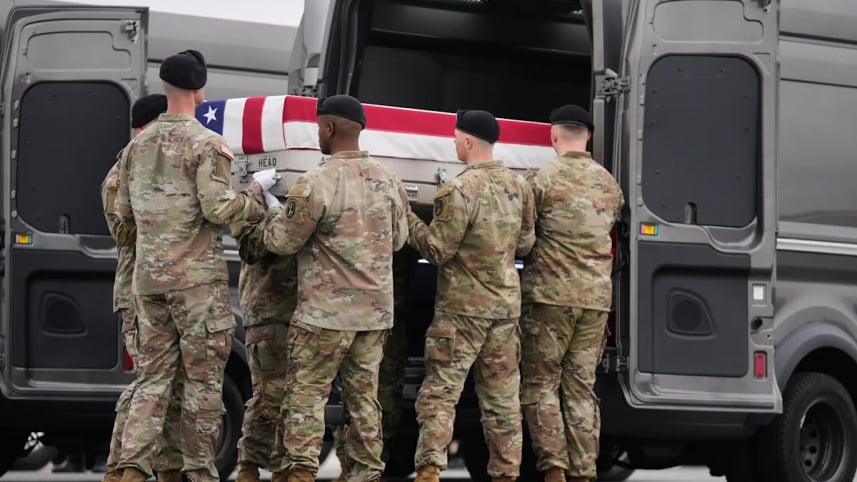
Iran has claimed that more than 200 US troops have been killed or injured during ongoing hostilities with the United States across the Middle East. According to Reuters, around 150 American soldiers were reported injured within the first ten days of the conflict. The Pentagon initially confirmed only eight serious injuries but later revised the figure to about 140, noting that most were minor and 108 soldiers had already returned to duty. The clashes intensified after an Iranian drone strike on March 1 killed seven US soldiers in Kuwait and Saudi Arabia. The conflict began after a joint US-Israeli attack on Iran on February 28, prompting Tehran to launch retaliatory strikes on American military bases, embassies, and infrastructure across the region. The New York Times identified at least 17 US installations damaged by Iranian attacks, supported by satellite imagery and verified videos. Iran reportedly fired thousands of missiles and drones, while US officials claimed to have intercepted most of them. Pentagon officials stated that US forces continue to target Iranian missile sites, reducing the frequency of attacks. However, both sides remain engaged in sustained military exchanges across the Gulf region.
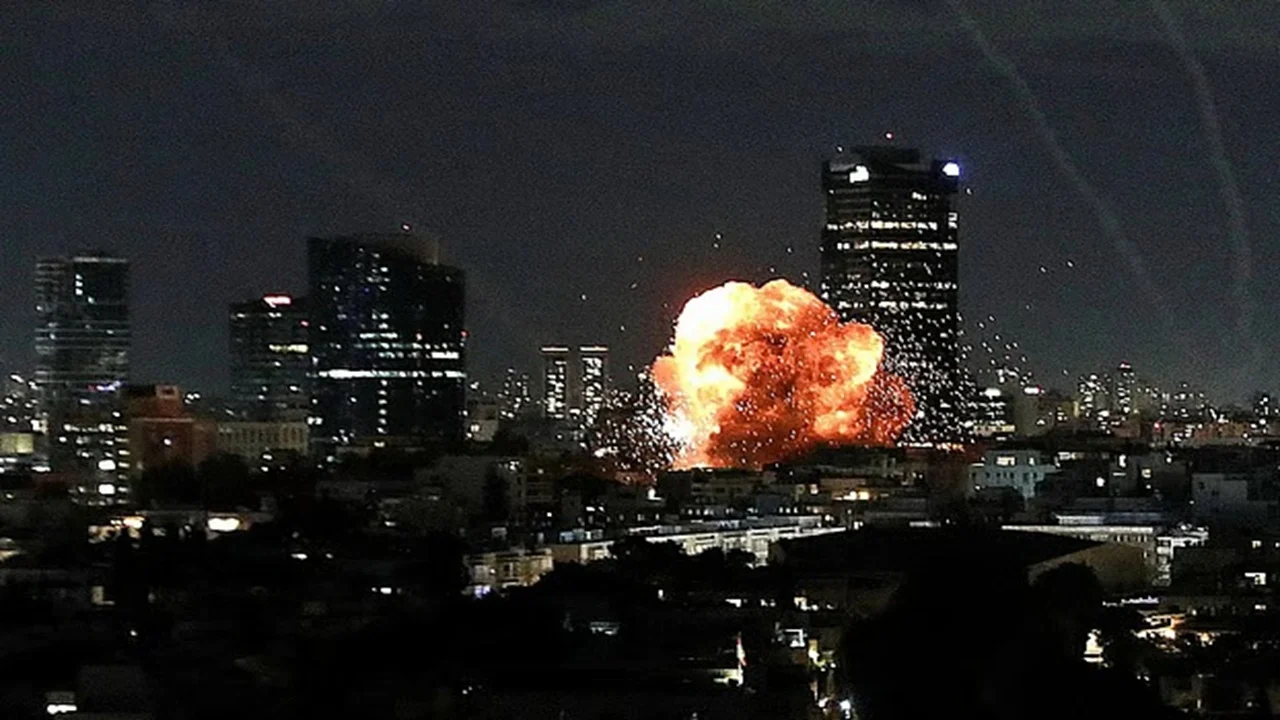
Iran has intensified its confrontation with the United States and Israel, employing a saturation strategy that overwhelmed regional defense systems and exposed their limitations. According to multiple international reports, Iran launched extensive drone, ballistic, and cruise missile attacks across Gulf states following US-led strikes. These assaults targeted military bases, airports, and energy infrastructure, severely affecting civilian areas and disrupting the global energy market. In the United Arab Emirates, drone strikes near Dubai International Airport injured civilians and damaged shipping routes, while attacks in the Strait of Hormuz disrupted one of the world’s key oil transport corridors. The United Nations Security Council urged Iran to halt its operations, but Tehran rejected the pressure and continued coordinated strikes. Amnesty International expressed concern over the humanitarian and environmental risks, and European leaders warned of long-term threats to energy security and international law. Analysts cited by the Atlantic Council and other outlets noted that Iran’s modular and decentralized strike tactics are reshaping modern warfare, forcing Gulf nations to reassess defense costs and strategic stability amid volatile oil markets.

U.S. President Donald Trump told Axios that the ongoing war with Iran would end soon, asserting that there is “nothing left to strike” in the country. He added that the conflict would conclude whenever he decided. The statement follows a series of joint U.S.-Israeli attacks on Iran that began on February 28. According to Axios, Trump’s remarks contrast with those of Israeli Defense Minister Israel Katz, who said last Wednesday that the war would continue without a set timeline. Citing Reuters and The Times of Israel, Katz stated that the joint operation would persist until all objectives were achieved. The report also referenced recent escalations, including attacks on six ships in the Persian Gulf and Hormuz Strait, and Iranian strikes that injured 179 people in Israel. The situation remains volatile as both nations signal differing expectations for the conflict’s duration.

Hezbollah has claimed responsibility for a new attack on Israel, saying it targeted the northern city of Shtula. The Lebanese armed group stated that the assault was carried out in retaliation for recent Israeli airstrikes in Beirut, which had struck the Lebanese capital multiple times. According to the report, Hezbollah’s rocket barrage coincided with Iran’s recent missile attacks on Israel. Israeli sources claimed that at least 100 rockets were launched jointly by Iran and Hezbollah. The escalation follows a series of heavy strikes by Israel on Beirut and broader regional tensions involving Iran. The latest exchange marks another surge in hostilities between Israel, Hezbollah, and Iran, raising concerns of a wider regional conflict if the attacks continue.
Spain has decided to recall its ambassador from Tel Aviv and appoint a chargé d’affaires instead, effectively reducing its diplomatic representation in Israel. According to Reuters, the decision was published in the Spanish government’s official gazette on Wednesday. Spain has been one of the strongest critics of the United States and Israel over their attacks on Iran, a stance that has angered U.S. President Donald Trump. The Spanish government also refused to allow the use of its joint bases in Morón and Rota for the strikes on Iran. In response, Trump reportedly called Spain “annoying” and threatened to impose a full trade embargo on the country. Prime Minister Pedro Sánchez defended Spain’s position, saying that one illegal act cannot be answered with another, as such actions lead to major human tragedies. Spain has also been a vocal critic of Israel’s actions in the Gaza war and remains one of Europe’s leading supporters of establishing an independent Palestinian state.

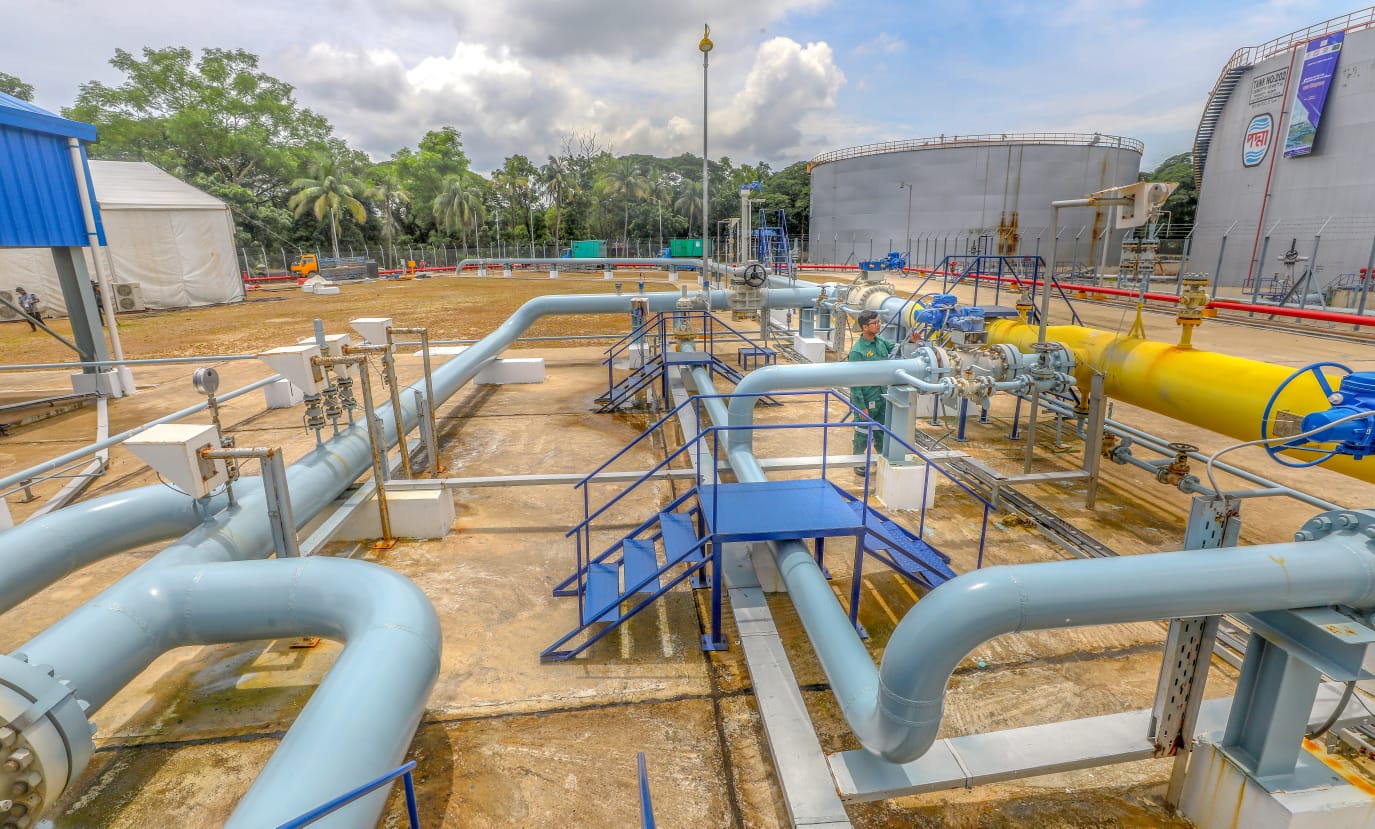
Bangladesh Petroleum Corporation (BPC) officials said there is little chance of a major diesel shortage in Bangladesh despite global concerns over fuel supply disruptions caused by conflict in the Middle East. The country regularly imports diesel from multiple sources, including India, which recently began pumping a 5,000-ton shipment under an existing agreement. The small consignment drew disproportionate attention in Bangladeshi and Indian media, though India’s share of Bangladesh’s total diesel imports remains below 14 percent. According to BPC data, Bangladesh’s annual diesel demand is around 4.4 million tons, with daily consumption averaging 12,000 tons. About 63 percent of the country’s total fuel use is diesel, mainly for agriculture, transport, and inland shipping. To maintain supply stability, Bangladesh imports through international tenders from Singapore, Malaysia, China, the UAE, and Saudi Arabia, among others. The Maitree pipeline from India’s Numaligarh refinery to Parbatipur was completed in 2022 to facilitate cross-border supply. BPC officials said new tenders have been invited to diversify import sources further, including from Brunei, Saudi Arabia, and possibly the United States, ensuring continued supply security despite regional tensions.
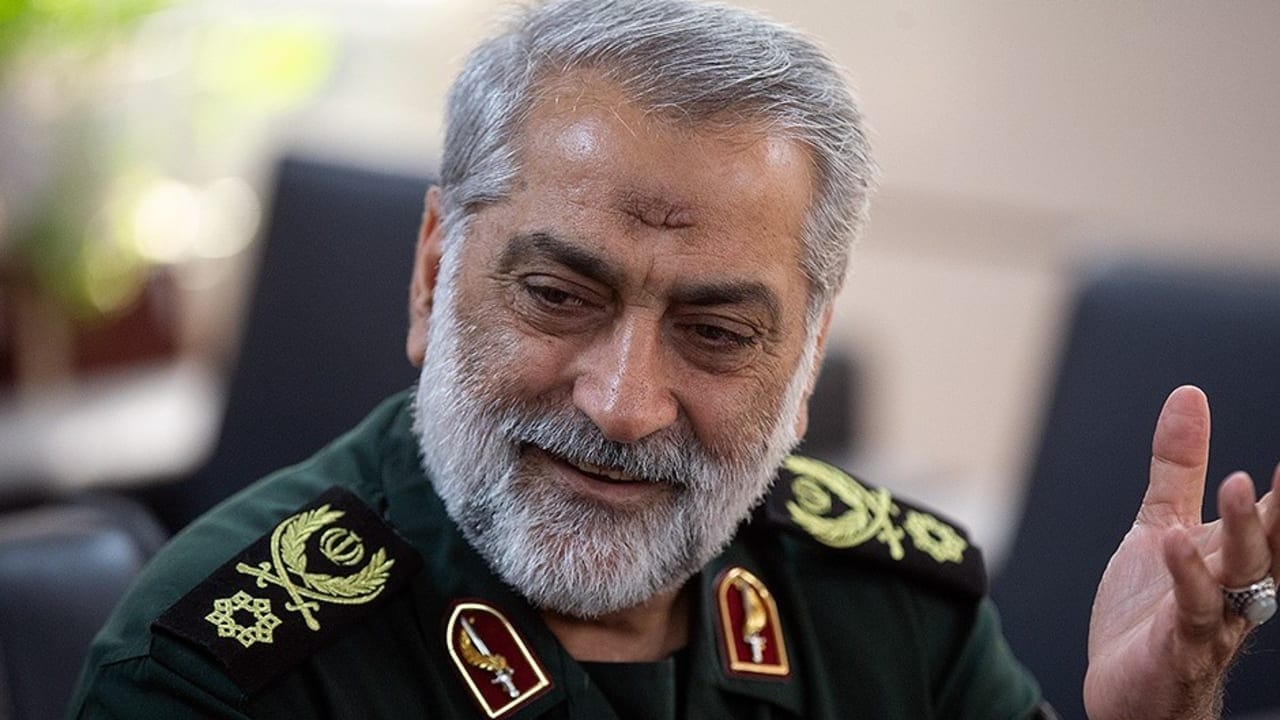
Iran has called on Middle Eastern countries and Muslims in the region to provide information about American and Israeli military assets. Brigadier General Abul Fazl Shekarchi, spokesperson for Iran’s armed forces, made the appeal in a statement published by the state-run Defa Press on Wednesday. He said the data would help Iran carry out more precise attacks, reducing civilian casualties during ongoing conflicts. Shekarchi accused the United States and Israel of using regional populations as human shields and urged people not to serve as protection for American forces. He argued that sharing intelligence would enhance regional security and help free local populations from what he described as American and Israeli control. The Iranian official also alleged that US and Israeli forces were deliberately targeting civilians, including women and children, out of frustration over battlefield losses. The statement comes amid reports of intensified Iranian attacks on Israel, including claims of strikes on Israeli intelligence headquarters and injuries to 179 people within the past 24 hours.
Tensions along the Lebanon–Israel border have sharply escalated as Hezbollah launched hundreds of rockets toward northern Israel, overwhelming the Iron Dome defense system. Air raid alerts were issued in Haifa, Acre, and Krayot, causing widespread panic and the closure of schools and offices. The attacks also included drones, short-range missiles, and commando operations targeting military bases and installations, including sites in Tel Aviv. Israeli ambulance service Magen David Adom reported at least 16 injuries. Israeli intelligence described Hezbollah’s rockets as heavy, fast, and long-range, capable of reaching southern Israel. Military analysts warned that Israel faces severe strain fighting on both the Gaza and Lebanon fronts simultaneously, with limited reserves and air defense capacity. Experts estimated that industrial regions in Haifa and Galilee could suffer up to 40% economic damage if dual-front conflict continues. The U.S. administration has reportedly advised Israel to avoid direct war with Hezbollah. In Lebanon, Israeli airstrikes have killed at least 400 people, leaving many displaced. Humanitarian agencies are operating near the border as civilians seek safety amid ongoing bombardments.

U.S. Senate Minority Leader Chuck Schumer has strongly criticized President Donald Trump for his handling of the ongoing military campaign in Iran, launched jointly by the United States and Israel under the banner of regime change. Speaking in the Senate on March 10, Schumer accused the administration of issuing contradictory statements about the war and demanded that senior officials testify publicly before Congress. Schumer questioned Trump’s conflicting remarks about whether the Iran operation was nearing its end or escalating toward more intense fighting. He also dismissed Trump’s claim that an Iranian Tomahawk missile was responsible for a deadly attack on a primary school that killed 175 civilians, calling the assertion absurd. Schumer further challenged Trump’s statement that Iran possesses Tomahawk cruise missiles. The Democratic leader called for a full, independent, and transparent investigation into the civilian casualties and warned that the conflict was already affecting the global economy, particularly through rising tensions in the Strait of Hormuz. He urged Defense Secretary Pete Hegseth and Secretary of State Marco Rubio to testify before Congress to explain the administration’s actions in the Middle East.
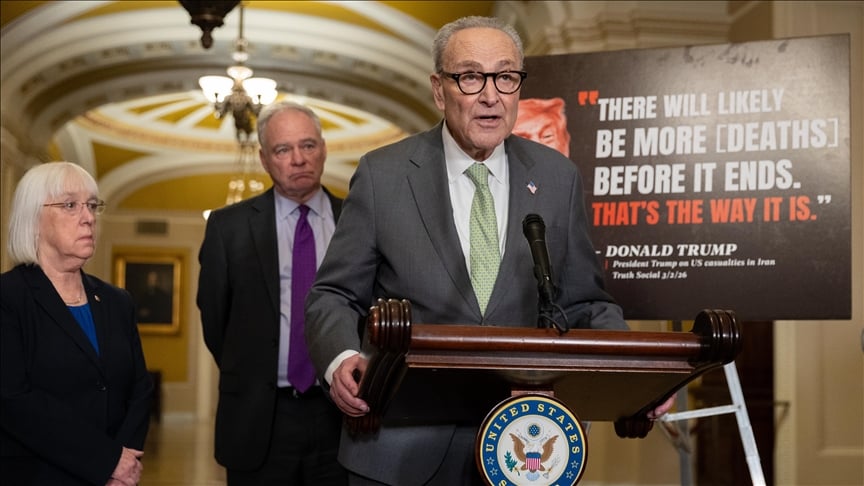
Iran has proposed ending the ongoing war against US-Israeli attacks on two conditions: compensation for damages and an international guarantee preventing future aggression. President Masoud Pezeshkian announced the proposal on social media platform X, stating that he had spoken with the leaders of Russia and Pakistan and reaffirmed Iran’s commitment to regional peace. Pezeshkian emphasized that the war could only end if Iran’s legitimate rights were recognized, compensation was paid, and firm international guarantees were established against future hostilities. He accused the United States and the Zionist government of igniting the current conflict. Analysts noted that Iran’s conditions could further complicate the political dimensions of the war and add new pressure to ongoing diplomatic efforts in the Middle East.

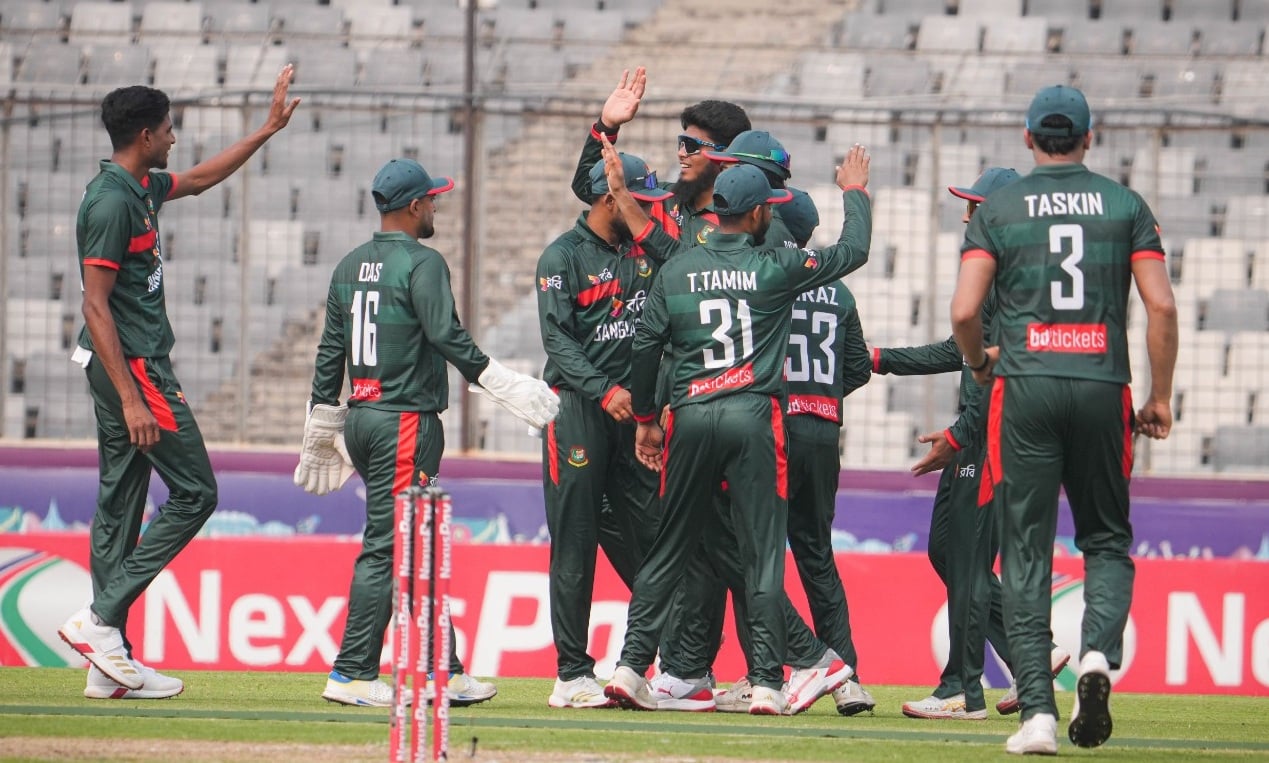
Bangladesh defeated Pakistan by eight wickets in the first match of their three-match ODI series held in Mirpur on March 12, 2026. Pakistan were bowled out for just 114 runs in 30.4 overs, with only the opening and final partnerships offering brief resistance. Bangladesh comfortably chased the target in 15.1 overs, finishing at 115 for 2. Opener Tanzid Tamim remained unbeaten on 67 off 42 balls, guiding the team to victory well before the scheduled break. The match was dominated by Bangladesh’s bowlers, particularly Nahid Rana, who took five wickets for 24 runs in seven overs. Captain Mehidy Hasan Miraz added three wickets, while Taskin Ahmed and Mustafizur Rahman also contributed. Pakistan’s batting collapsed after a steady start, with eight partnerships ending in single digits. The visitors’ decision to field four debutants backfired as their batting lineup faltered. With this emphatic win, Bangladesh took a 1–0 lead in the series and moved within one victory of clinching it. The second ODI is scheduled for March 13.
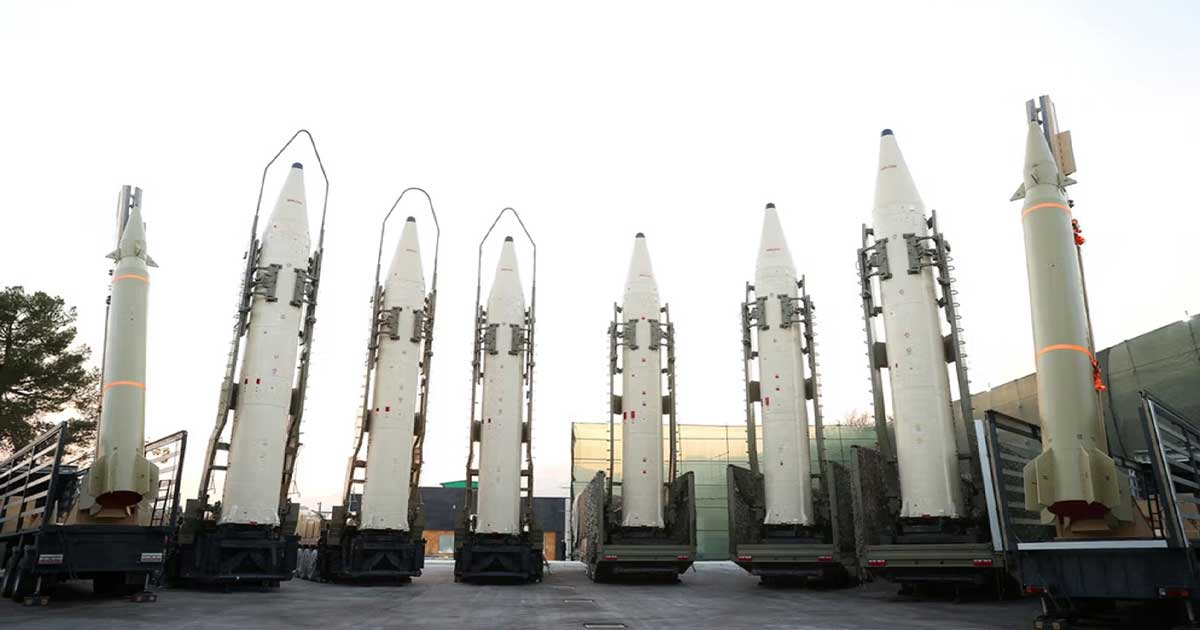
Qatar has accused Iran of launching nine ballistic missiles and several drones into its territory. According to the Qatari defense ministry, one of the missiles landed in an uninhabited area, while the rest were intercepted by Qatari forces. The incident reportedly occurred amid heightened regional tensions. The report, citing Al Jazeera, adds that the missile and drone attacks originated from Iran. The Qatari defense ministry provided no details on casualties or damage beyond confirming that most of the projectiles were neutralized. The event follows a series of regional escalations, including attacks on ships in the Persian Gulf and Hormuz Strait, and recent Iranian strikes in Israel that injured 179 people. The situation underscores growing instability in the Gulf region, with multiple incidents involving Iran and neighboring states raising concerns about broader conflict across the Middle East.
Indian airlines are facing a new operational crisis as several Middle Eastern countries have partially or fully closed their airspace due to ongoing regional conflict. The closures have disrupted international routes, particularly flights to Europe and North America, which were already rerouted after Pakistan shut its airspace to Indian carriers last year. According to aviation data, Air India and IndiGo, India’s largest international carriers, were unable to operate about 64 percent of their scheduled flights to the Middle East, Europe, and North America over the past ten days. HSBC reported that the geopolitical tension in the Middle East is expected to raise operating costs and reduce profitability for Indian airlines, estimating that a seven-day suspension in affected regions could cut annual profits by around 1.2 percent. IndiGo continues to face difficulties despite resuming some routes, as it relies on six Boeing aircraft leased from North Atlantic Airways, registered in Norway and subject to EU safety directives. European authorities have advised avoiding the airspace of Iran, Iraq, Israel, Kuwait, Lebanon, Qatar, the UAE, and Saudi Arabia, further complicating IndiGo’s operations.

Police in Sitakunda, Chattogram recovered the bloodied body of 25-year-old Youth Dal activist Sajib Chowdhury Akash from a tomato field in Guptakhali village under Muradpur Union on Wednesday morning. Locals discovered the body around 10:30 a.m. and informed police, who sent it to Chattogram Medical College Hospital for autopsy. Sajib, originally from Mirsarai’s Abutorab area, had been living with his maternal family in Sitakunda and worked at a CNG auto-rickshaw garage owned by local Youth Dal leader Md. Shahabuddin. According to reports, a clash occurred Tuesday night between groups led by BNP leader Abdul Alim and Youth Dal’s Shahabuddin in the same area, leaving at least five people injured. Sajib went missing after the incident, and his family filed a general diary with Sitakunda Model Police Station that night. Locals believe the violence stemmed from a long-standing rivalry between the two groups over upcoming union council elections. Police have arrested Rakib, 25, son of Md. Shahid of Guptakhali village, on suspicion of involvement. Investigators said the exact motive will be known after further inquiry, while officials noted the killing may be linked to local power struggles.

The United States has reportedly begun moving parts of its Terminal High Altitude Area Defense (THAAD) missile system and other military hardware from South Korea to the Middle East for use in its war against Iran. The move, reported this week by US media citing Pentagon officials, has raised questions about Washington’s security commitment to its East Asian allies. South Korea’s President Lee Jae Myung sought to reassure the public that the country remains capable of deterring threats from North Korea, despite the redeployment of US assets. He emphasized that South Korea’s defense budget is among the world’s largest and exceeds North Korea’s GDP by 1.4 times. Foreign Minister Cho Hyun confirmed that discussions were underway with the US on possibly redeploying Patriot missile defense systems to the Middle East, with unconfirmed reports suggesting some batteries could go to Saudi Arabia and the UAE. The US Forces Korea declined to comment on specific movements for security reasons. Analysts warned that North Korea might misinterpret the relocation as a chance to test allied defenses. Japan also faces adjustments as US naval assets based there are redirected to the Arabian Sea, prompting domestic criticism that the redeployments could weaken regional deterrence and reflect a lack of strategic planning in Washington.

The ‘1 Nojor’ media platform is now live in beta, inviting users to explore and provide feedback as we continue to refine the experience.