

The ‘1 Nojor’ media platform is now live in beta, inviting users to explore and provide feedback as we continue to refine the experience.
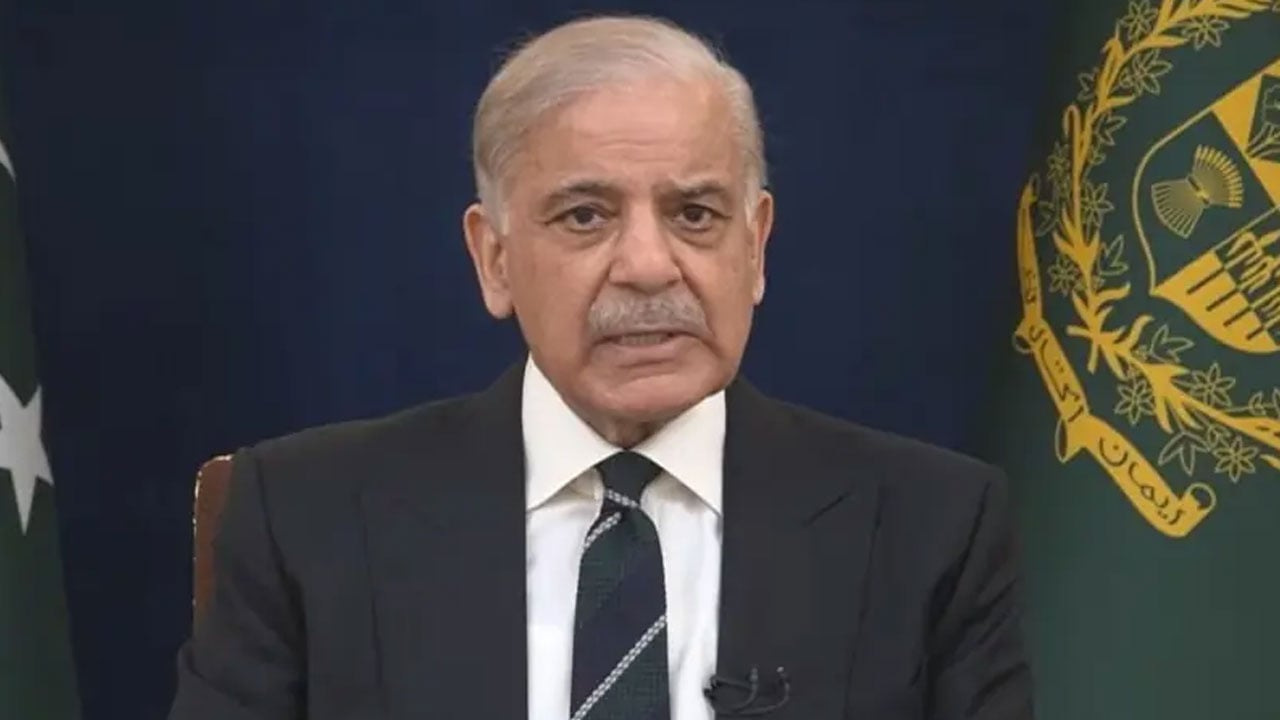
Pakistan’s Prime Minister Shehbaz Sharif announced strict energy-saving measures on Monday amid fears of a fuel shortage caused by the ongoing conflict in the Middle East. In a televised address, he said all primary schools across the country would remain closed for two weeks, while higher education institutions would shift to online classes. Half of all government and private employees have been instructed to work from home, and offices will now have an additional weekly holiday to reduce energy consumption. The announcement came as crude oil prices surpassed 100 dollars per barrel for the first time in four years. Sharif noted that Pakistan’s economy, agriculture, and transport sectors are heavily dependent on Middle Eastern oil and energy supplies. He also ordered a reduction in fuel allocations for government vehicles, banned new purchases of furniture, air conditioners, and other office items, and suspended all foreign trips by government officials, including himself. These measures are intended to conserve energy and stabilize national fuel reserves during the regional crisis.
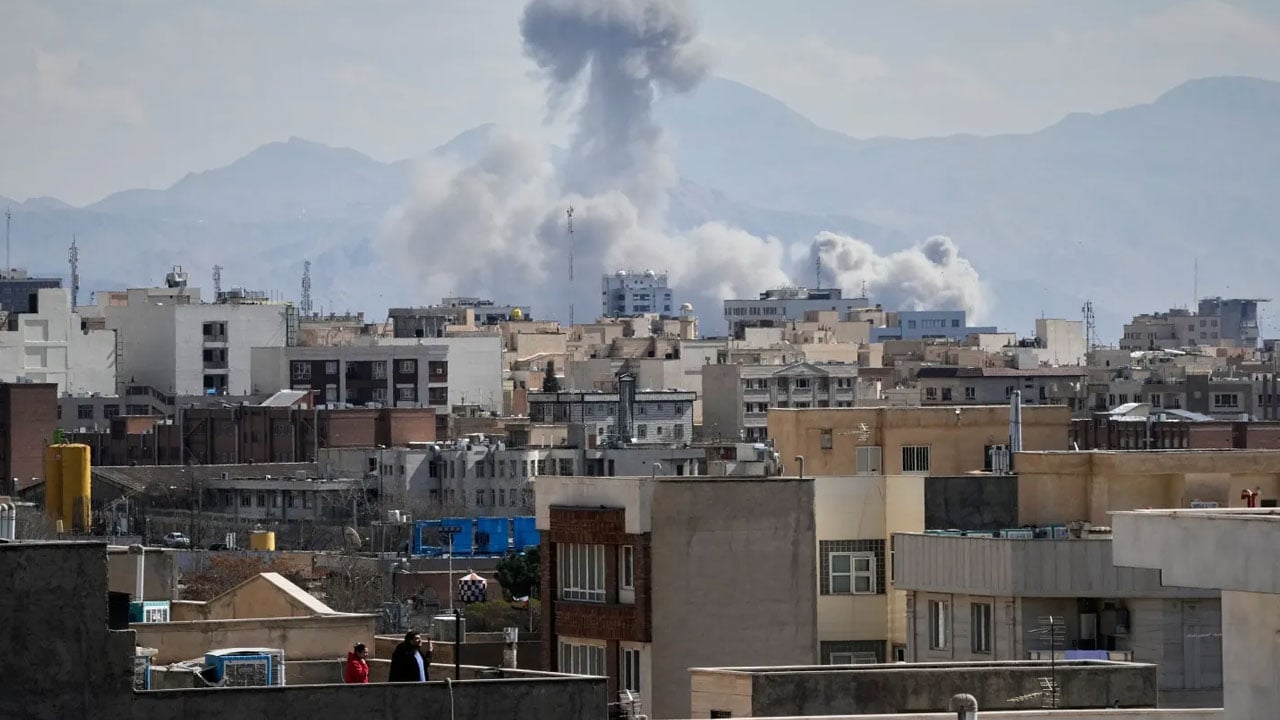
The United Arab Emirates reported that its Consulate General in Iraq’s Kurdistan region was struck by a drone attack. The incident caused structural damage to the facility but resulted in no casualties, according to a statement released by the UAE Ministry of Foreign Affairs on social media platform X. The ministry described the attack as a dangerous provocation and a threat to regional security and stability. It further stated that targeting diplomatic missions and premises constitutes a serious violation of international norms and laws. The statement did not specify where the drone was launched from. The UAE called on local authorities in Iraq to investigate the incident and identify those responsible for the attack.
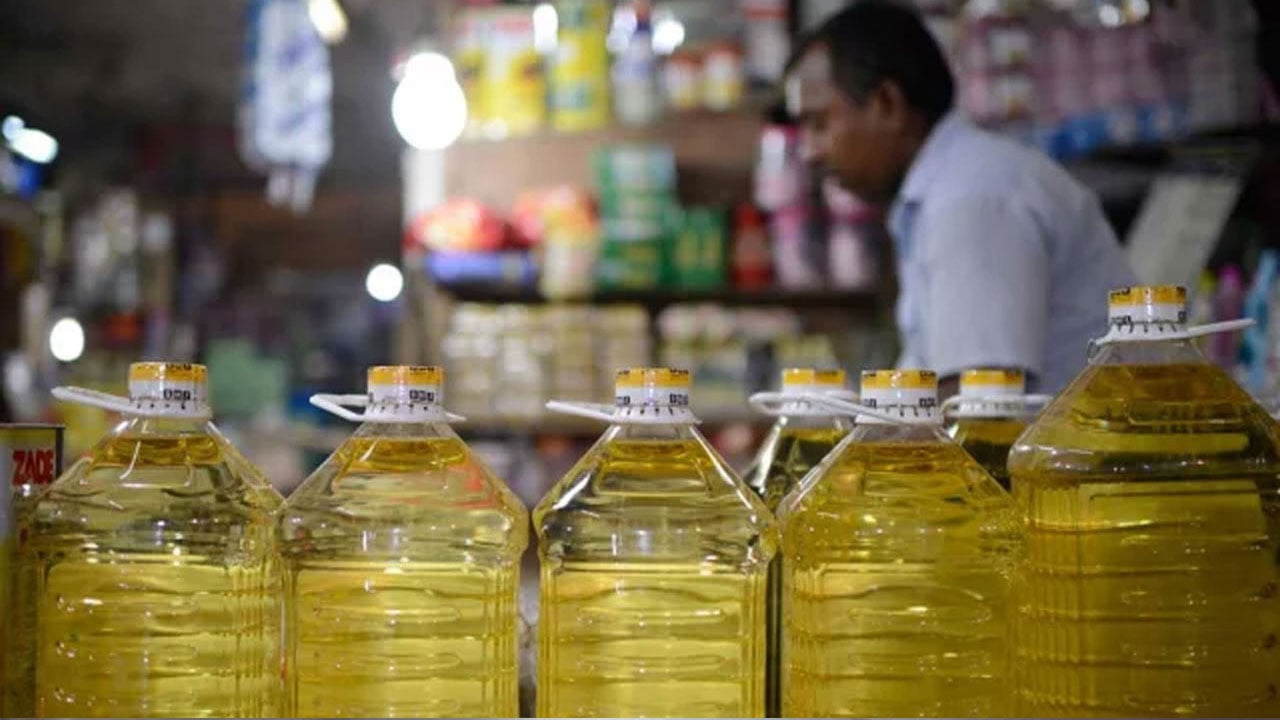
A shortage of bottled soybean oil has been reported in several markets across Dhaka, with consumers struggling to find one- and two-liter bottles despite stable retail prices. Dealers have reportedly raised wholesale prices, reducing retailers’ profit margins. Open soybean and palm oil prices have also increased. Some shopkeepers said companies are supplying less oil, while panic buying linked to conflict in the Middle East has worsened the situation. Commerce Minister Khandaker Abdul Muktadir, after meeting with importers and traders, denied any shortage, stating that there is sufficient stock and no reason for price hikes. He attributed the temporary supply pressure to consumers purchasing more than usual out of fear. The minister warned that panic buying could allow unscrupulous traders to exploit the situation and assured that monitoring would be intensified. Oil companies and importers also rejected claims of reduced production or supply, asserting that distribution remains normal. The ministry confirmed that consumer protection authorities and local administrations will continue market inspections to prevent manipulation.
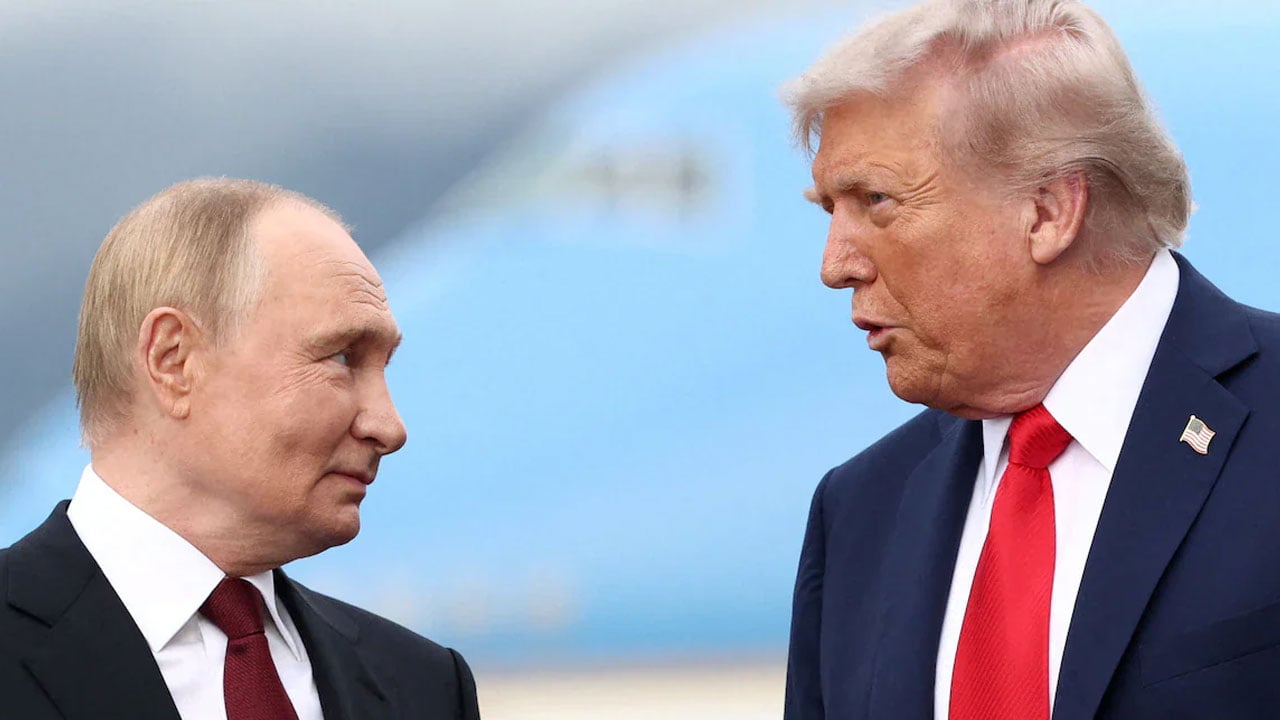
Russian President Vladimir Putin spoke by telephone with U.S. President Donald Trump to discuss the ongoing conflict involving Iran. According to Kremlin foreign policy adviser Yuri Ushakov, Putin presented several proposals aimed at achieving a swift resolution to the Iran war. The conversation also touched on the situation in Venezuela in the context of the Ukraine war and global oil markets. During a separate meeting at the Kremlin, Putin warned that the conflict between Iran, the United States, and Israel has triggered a global energy crisis. He cautioned that oil transport through the Strait of Hormuz could soon come to a complete halt. Putin urged Russian oil and gas companies to take advantage of the current circumstances while emphasizing that Russia remains ready to supply energy to various countries, including those in Europe, through long-term agreements beyond political considerations. Putin reaffirmed that Moscow will continue providing energy resources to its “trusted partners,” highlighting Russia’s position as the world’s second-largest oil exporter and holder of the largest natural gas reserves.
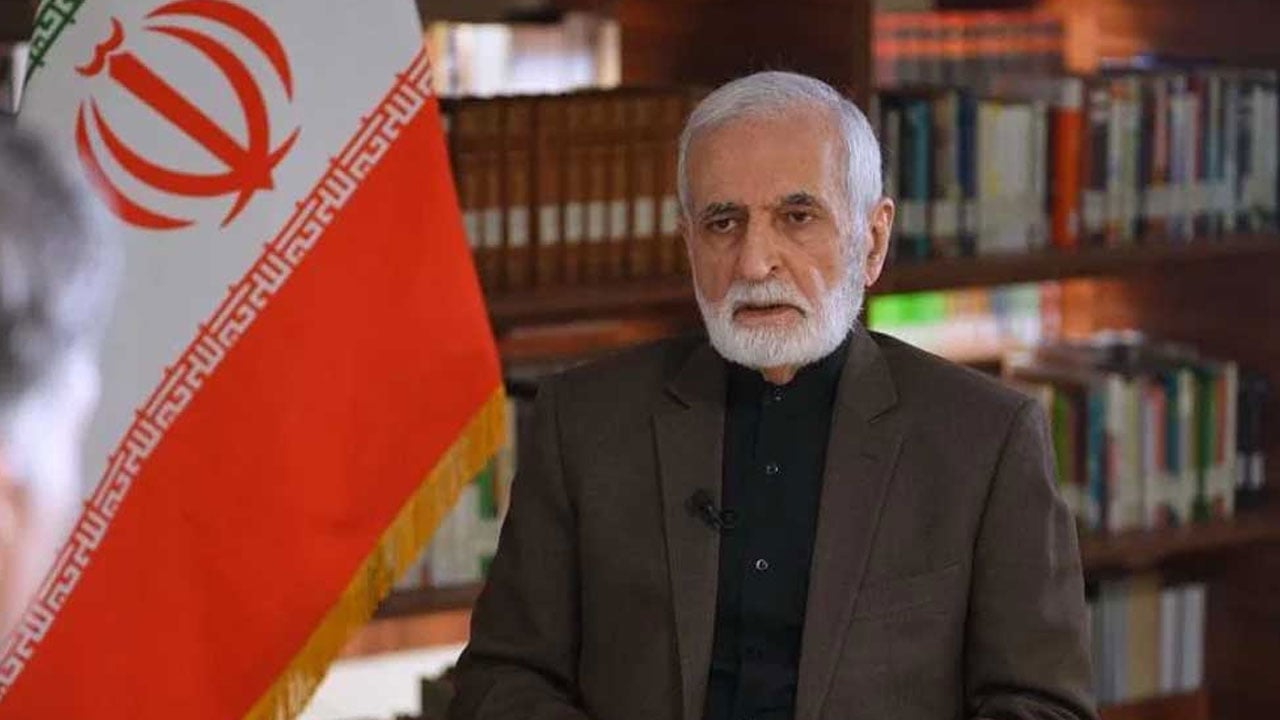
Iran’s senior official Kamal Kharrazi has warned that the country is prepared for a long-term war with the United States. In an exclusive interview with CNN in Tehran, Kharrazi, who serves as the foreign policy adviser to Iran’s Supreme Leader, suggested that Iran may continue attacks on Gulf countries to pressure them into persuading U.S. President Donald Trump to withdraw from the conflict. Kharrazi dismissed the possibility of pursuing diplomatic solutions, asserting that the war could only end through economic pressure or military impact. His remarks came on the tenth day of the ongoing war between Iran and the U.S.-Israel alliance, signaling Tehran’s firm stance against any ceasefire or negotiation efforts. The statement follows reports that Iran considers the U.S.-Israel war effort a failure, while neighboring Azerbaijan has sent humanitarian aid to Iran, including food and medicine.
U.S. President Donald Trump has said that the ongoing war with Iran is nearing its end. In an interview with CBS News on Monday, Trump stated that he believes the war is almost over, claiming Iran now lacks an effective navy, communication system, and air force. He added that Iran’s missile capabilities have also been dismantled. Trump noted that the United States is ahead of schedule in the conflict and suggested that the war’s conclusion depends largely on his own plans. When asked if he had a message for Iran’s new Supreme Leader Mojtaba Khamenei, Trump replied that he had none. Earlier, the White House had indicated that the war could last more than a month, but it is currently in its tenth day, suggesting a faster-than-expected progression according to Trump’s remarks.

Bahrain police have arrested six expatriates, including a Bangladeshi national, for allegedly posting and sharing videos supporting Iran on social media. The arrests took place amid heightened tensions in the Middle East related to ongoing conflict. The Bangladeshi detainee has been identified as Mohammad Israfil Mir, while the other five individuals are Pakistani nationals. The arrests were reported on Monday by Bahrain’s state news agency and local media, citing the country’s Ministry of Interior. According to the reports, the arrests were carried out following an investigation by the Ministry of Interior’s Anti-Corruption and Cybercrime Directorate. The ministry stated that the individuals were detained for their online activities that allegedly supported Iran during a period of regional unrest. The incident highlights Bahrain’s continued monitoring of online content and its enforcement of cybercrime laws, particularly in the context of regional political sensitivities.

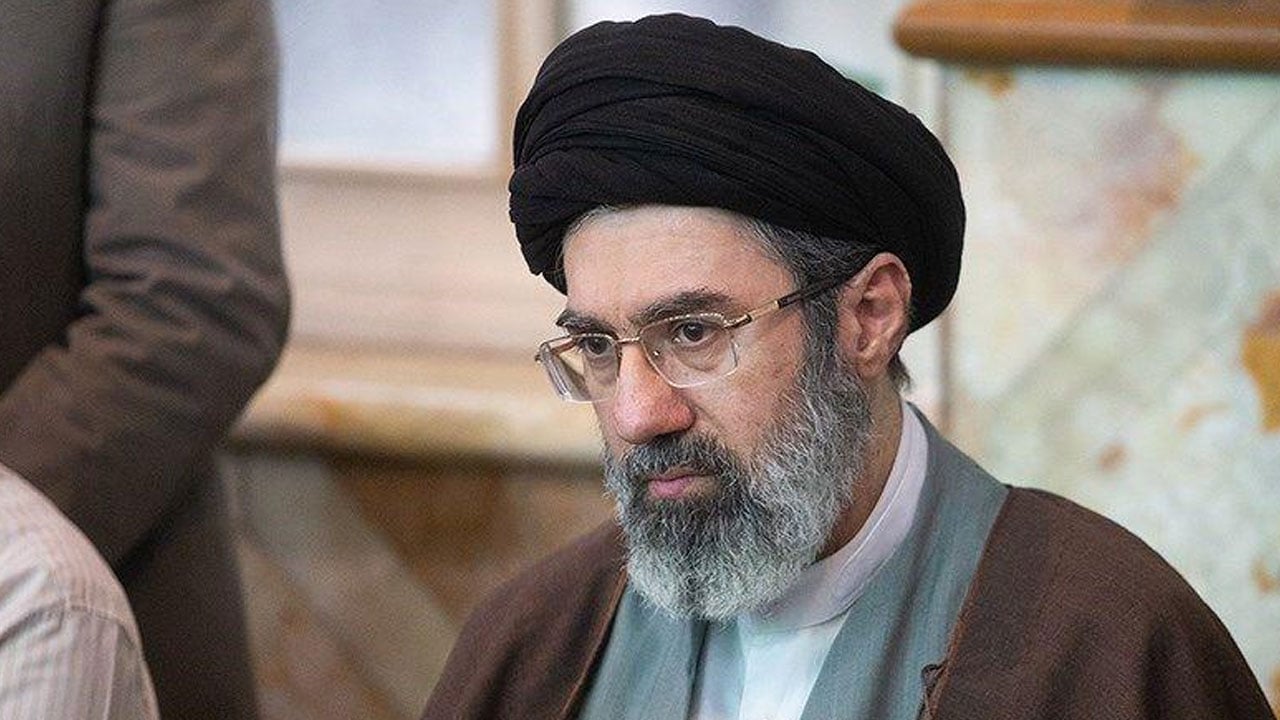
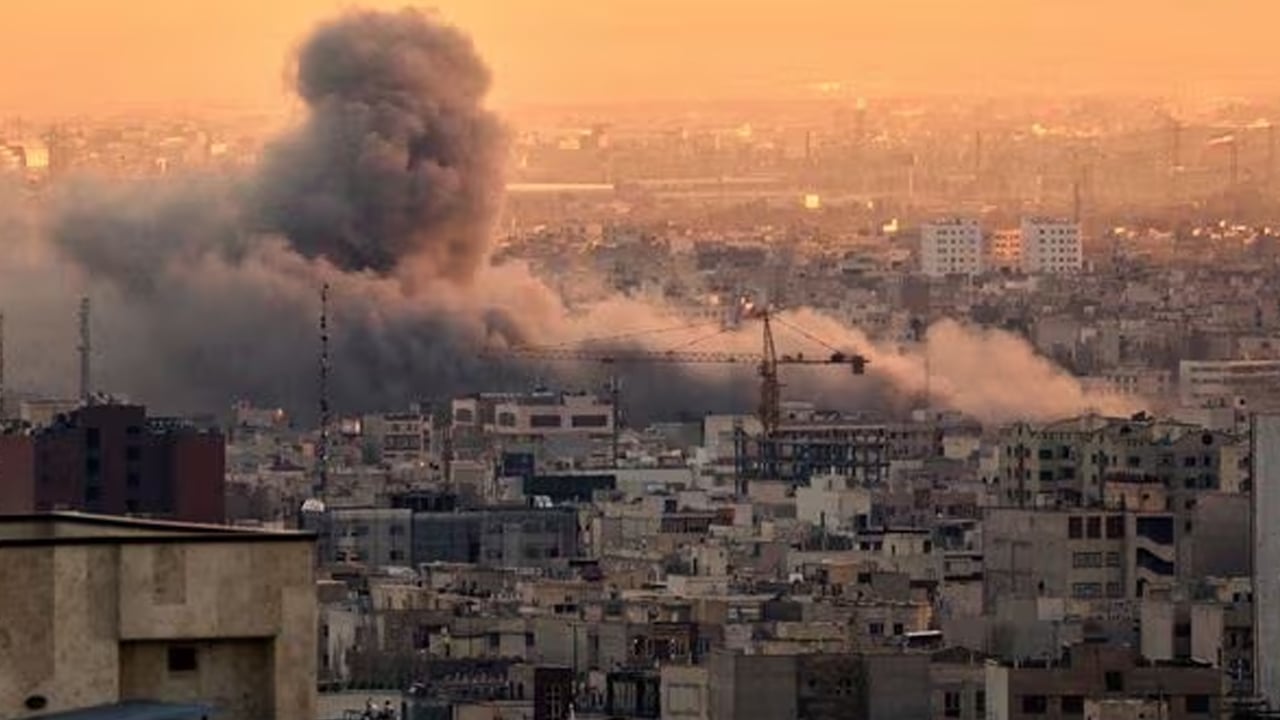
Reports indicate that Iran’s new Supreme Leader Mojtaba Khamenei has lost at least eight family members in airstrikes carried out by Israel and the United States. According to NDTV, Khamenei’s wife Zahra Haddad-Adel and one of his two sons were killed during the attacks linked to Iran’s nuclear program. His father, former Supreme Leader Ayatollah Ali Khamenei, and mother Mansoureh Khojasteh Bagherzadeh also died in separate strikes. In total, four of his closest relatives—father, mother, wife, and son—have been confirmed dead. Additional reports suggest that four more of his relatives, including a sister, a nephew, a niece, and a brother-in-law, were also killed, though NDTV could not independently verify these claims. Chinese and Russian authorities have welcomed Mojtaba Khamenei’s appointment as Iran’s new Supreme Leader, a position chosen by an 88-member clerical council through an undisclosed vote count. Despite the leadership transition, the conflict continues. Israeli forces launched new strikes in central Iran and targeted Hezbollah infrastructure in Beirut, showing no sign of de-escalation.
Hezbollah has claimed responsibility for a rocket attack targeting Israeli soldiers near the Lebanon border. According to a statement from the group, its fighters carried out the assault at around 5 p.m. local time in the Lebanese border town of Meis al-Jabal. The statement did not provide further details about the scale of the attack or any casualties. As of now, Israeli authorities have not issued any comment regarding the incident. The report, citing Al Jazeera, did not include additional information about the aftermath or potential military responses. The situation remains unclear, with no confirmation of damage or injuries on either side. The attack adds to ongoing tensions along the Lebanon-Israel frontier, where cross-border hostilities have periodically flared. Further developments or official statements from either side may clarify the extent and implications of the latest exchange.
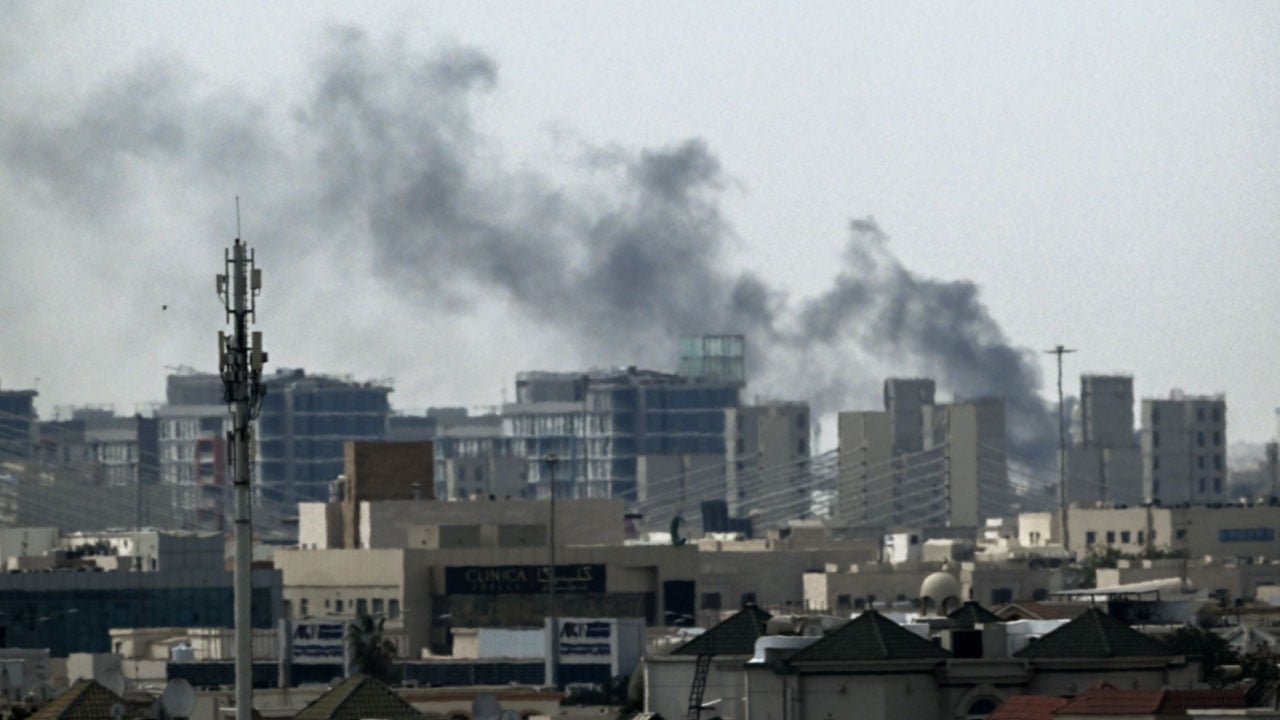
Israel has continued its attacks in Lebanon, with the Lebanese Health Ministry reporting that 486 people have been killed since the strikes began on March 2. The ministry also stated that 1,313 others have been injured in the ongoing assaults. According to the report, the latest incident involved an Israeli drone targeting a car in the southern Lebanese city of Burj Rahal. Additionally, airstrikes were carried out in the city of Sifra. The information was sourced from Al Jazeera and published by the outlet Amar Desh. The situation reflects a continued escalation of violence in Lebanon, with civilian areas being struck and casualties rising as the attacks persist.
Leaders of the Bangladesh Independent Power Producers Association (BIPPA) have warned that private sector furnace oil-based power plants can continue production for only about one month with their current fuel reserves. Speaking at a press conference in Dhaka on Monday, BIPPA President David Hasnat and former president Imran Karim urged the government to ensure timely fuel supply and payment of outstanding dues to prevent a severe electricity crisis as irrigation demand and summer heat intensify. Imran Karim stated that as of early March, private plants held around 130,000 tons of fuel oil, sufficient to operate until April 7–10. He noted that private producers generate roughly half of Bangladesh’s total electricity, but delayed government payments—often six to nine months late—have created financial strain, with dues reaching about Tk 14,000 crore. Karim also argued that furnace oil remains comparatively stable in price, unlike LNG, which has seen sharp increases. BIPPA Vice President Faisal Ahmed Chowdhury emphasized the sector’s growing local expertise, while Hasnat cautioned that the country could face a 3,000-megawatt power shortfall during peak heat if short- and long-term plans are not implemented.
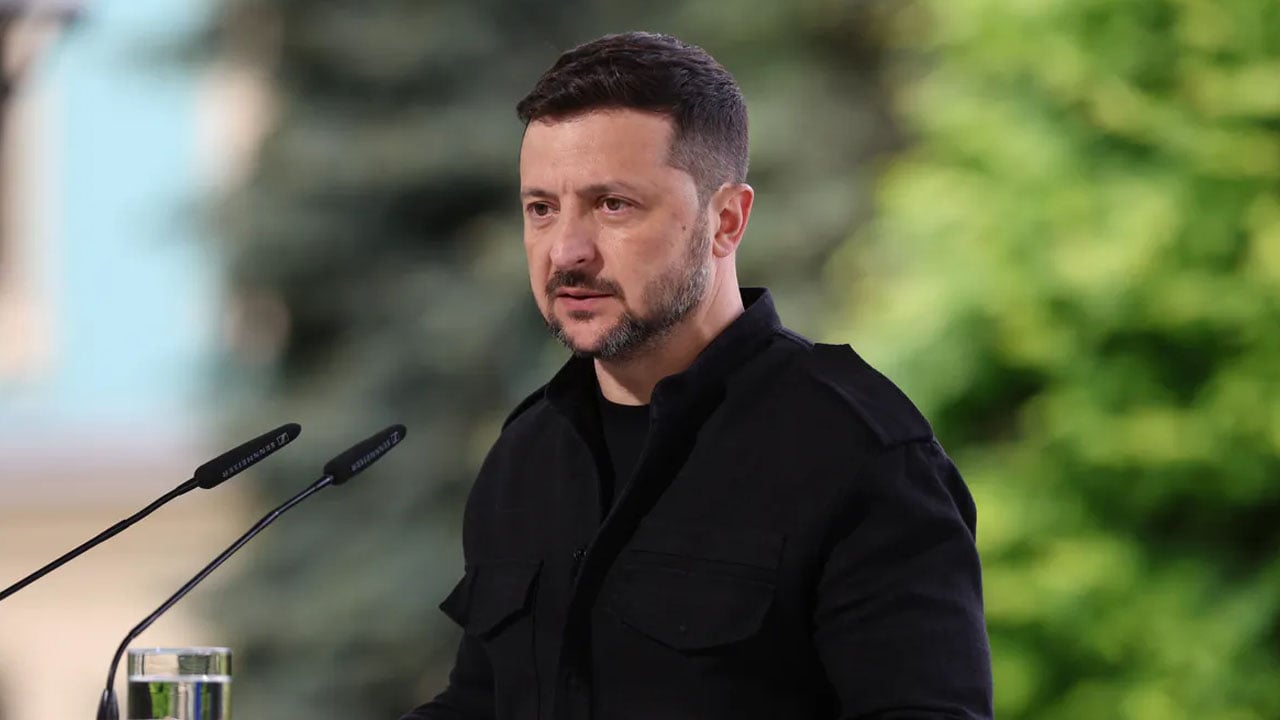
Ukrainian President Volodymyr Zelensky announced that the United States and 11 other countries have requested Ukraine’s assistance in countering Iranian drones, electronic warfare systems, and related training. He said the requests came from several European nations, the US, and some of Iran’s neighboring countries. Zelensky shared the information on social media after a meeting with top Ukrainian military and government officials. According to Zelensky, Ukraine is ready to respond positively to these requests from nations that have supported its defense and independence. He emphasized that Kyiv’s experience in drone defense, gained during four years of resisting Russia’s aggression, could be valuable for its partners’ long-term security. Ukraine hopes that the ongoing Middle East crisis will strengthen its bargaining position with allies. Zelensky added that specific decisions and assistance have already been provided in response to some of the requests, though he did not disclose details. Earlier, he told The New York Times that Ukraine had sent drone-destroying systems and an expert team to help protect US bases in Jordan at Washington’s request.
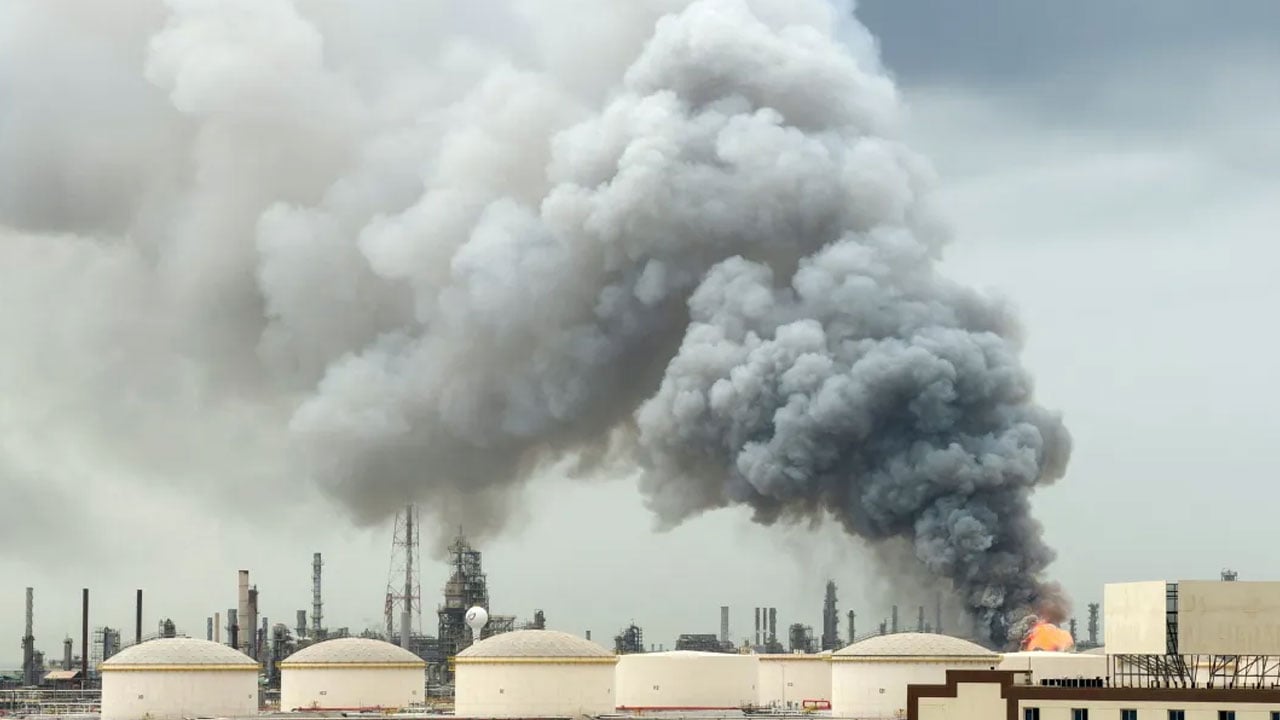
Israeli military authorities have enforced strict censorship on local media coverage of ongoing attacks during the current war. According to reports, the military censor has effectively imposed an information blackout on the locations and extent of damage caused by missile strikes. Al Jazeera reported that details such as the number of missiles or rockets fired by Iran or Hezbollah and their impact sites are under severe publication restrictions. Journalists who reveal additional information during broadcasts are reportedly being detained. Recent updates indicate that at least two people were killed in a missile strike near Ben Gurion Airport close to Tel Aviv. Witnesses said some missiles launched from Iran contained cluster warheads, which disperse multiple smaller explosives upon detonation, causing extensive damage across wide areas. Emergency workers have been conducting prolonged searches to ensure no unexploded ordnance remains at the targeted sites. The situation underscores the growing intensity of the conflict and the heightened control over information flow within Israel’s media landscape.
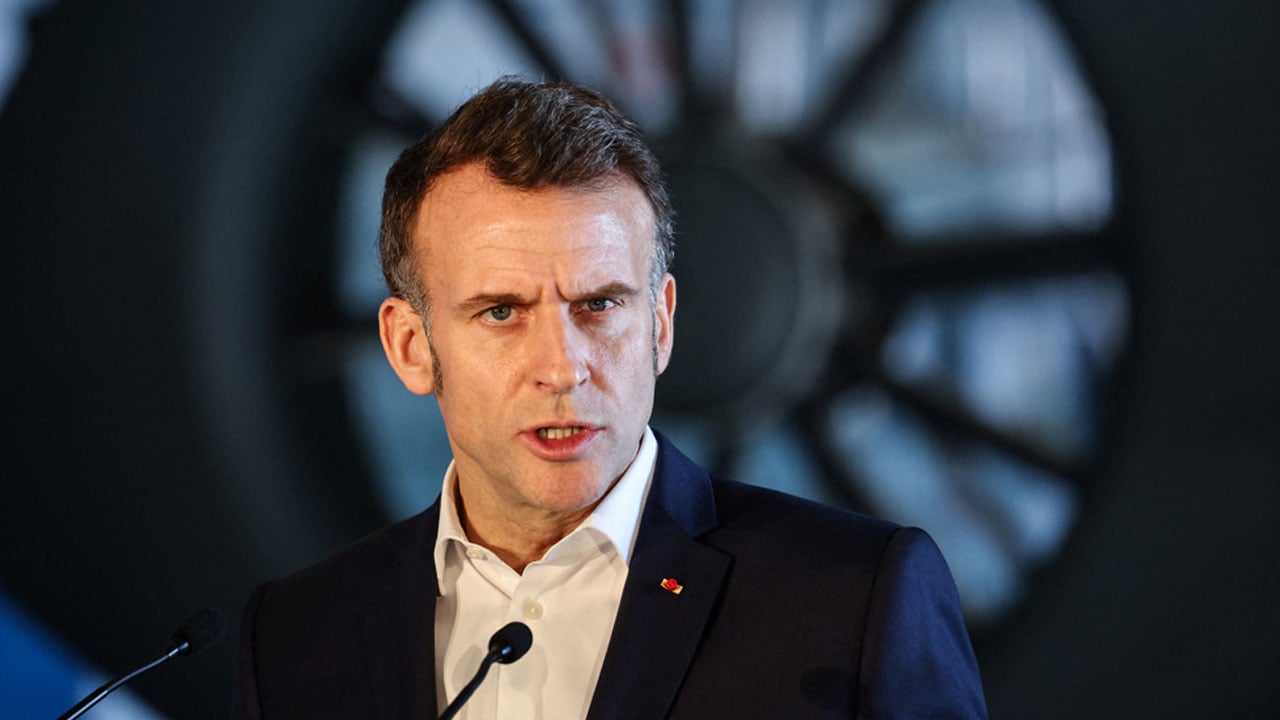
French President Emmanuel Macron announced that France will send two warships to the Red Sea as part of a European Union naval mission. The decision was revealed following his meeting with Cypriot President Nikos Christodoulides and Greek Prime Minister Kyriakos Mitsotakis. Macron stated that the initiative aims to build a fully defensive and security-cooperative mission. He emphasized that the mission will be prepared in coordination with both European and non-European countries. The announcement reflects France’s intention to strengthen maritime security efforts within the EU framework. Further details about the deployment timeline or the specific objectives of the mission were not disclosed in the statement.
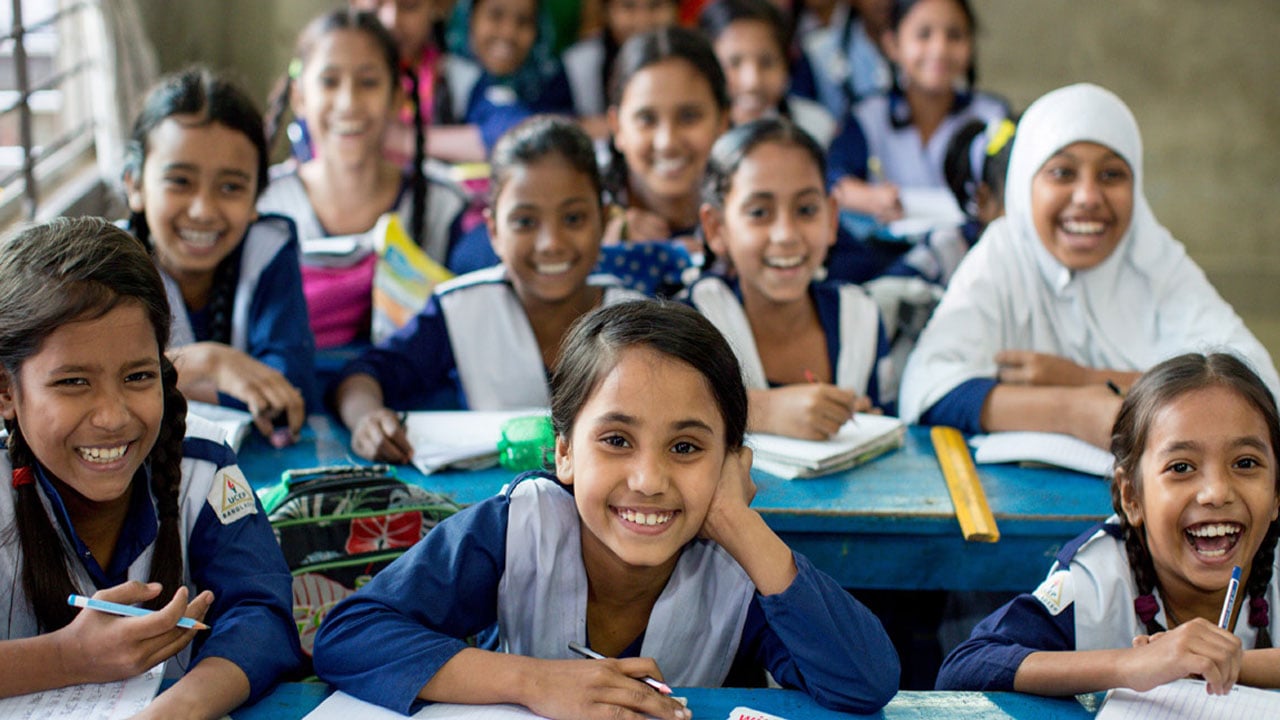
The Government of Bangladesh has introduced a new policy to enhance transparency and accountability in distributing stipends to primary school students. Announced on March 9, 2026, by the Ministry of Primary and Mass Education, the 'Primary Education Stipend Program Implementation Guidelines 2026' mandates that stipend funds be sent directly to the mother’s registered mobile banking account. In the absence of the mother, the father or a legal guardian will receive the payment through the same digital process. According to the new guidelines, all students of government primary schools, PTI-affiliated experimental schools, and those run by the Child Welfare Trust will be eligible, with a maximum of two children per family allowed to receive stipends. Monthly payments will vary by grade, ranging from 75 taka for pre-primary students to 200 taka for grades six to eight. Students must maintain at least 80% attendance and achieve minimum academic performance to continue receiving benefits. The Directorate of Primary Education will oversee the fully digital distribution system, coordinated with the Finance Division, Bangladesh Bank, and mobile financial service providers. Any irregularities in fund distribution will be subject to legal action.
The ‘1 Nojor’ media platform is now live in beta, inviting users to explore and provide feedback as we continue to refine the experience.