

The ‘1 Nojor’ media platform is now live in beta, inviting users to explore and provide feedback as we continue to refine the experience.
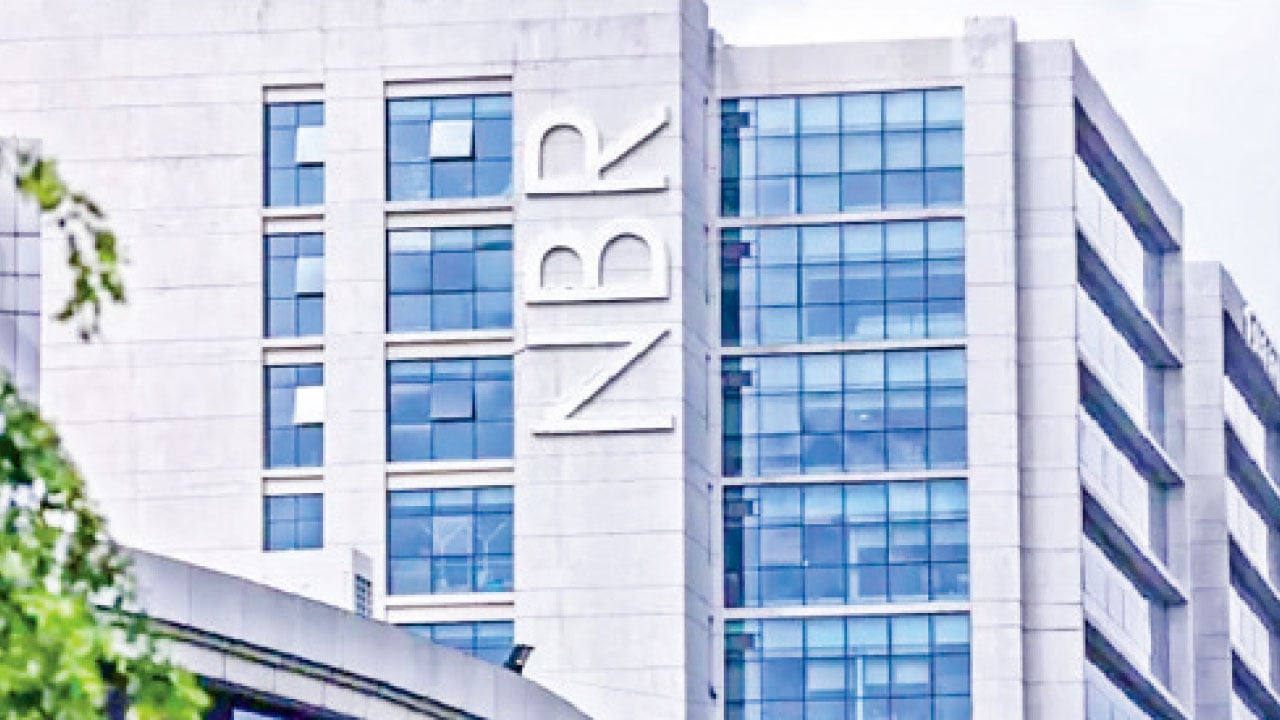
The National Board of Revenue (NBR) announced that its e-VAT system will remain unavailable until 5 PM on Friday, July 3, due to ongoing system upgrade work. According to a notice issued by the NBR’s e-VAT unit on Thursday, the upgrade process began at 6 AM Thursday and will continue until Friday evening. During this period, users will not be able to upload any data to the system. The upgrade aims to introduce several key improvements, including enhancements to the Mushak-9.1 form and the addition of a new option in Note 15 for entering ‘reverse charge’ inputs under Section 20(2). The name of BOE data will be changed to “Input Against Bill of Entry,” and the system’s title will shift from iVAT to eVAT. Additionally, the DDO function and master data list function are being improved, incorporating updated VAT office jurisdiction mapping and revised search criteria for issue and expiry dates. For users submitting returns through APL, the return submission process and BOE data processing within VAT software are also being upgraded to improve performance and accuracy.
Iran has accelerated its oil exports following a temporary easing of US sanctions, gaining a 60‑day window to secure new buyers and generate vital revenue. According to Bloomberg, more than 20 million barrels of Iranian crude have been floating in Asian waters for at least a week, an 18 percent increase from the previous week. Data from Vortexa and Bloomberg show that since the sanctions were lifted last week, Iran’s total seaborne oil volume has reached between 58 and 68 million barrels, including both in‑transit and waiting cargoes. About 90 percent of these floating cargoes have no confirmed destination, with many ships awaiting orders or listing Singapore as a placeholder port, a tactic often used for ship‑to‑ship transfers near the Malacca Strait. The sanctions relief came as part of an interim peace agreement, with Washington lifting restrictions on Iranian oil and ports in June. Tehran now has until mid‑August to finalize new buyers. Iran reported that since the US naval blockade was lifted, it has shipped over 40 million barrels of oil to various countries, potentially strengthening its economic position and leverage in ongoing talks with Washington.

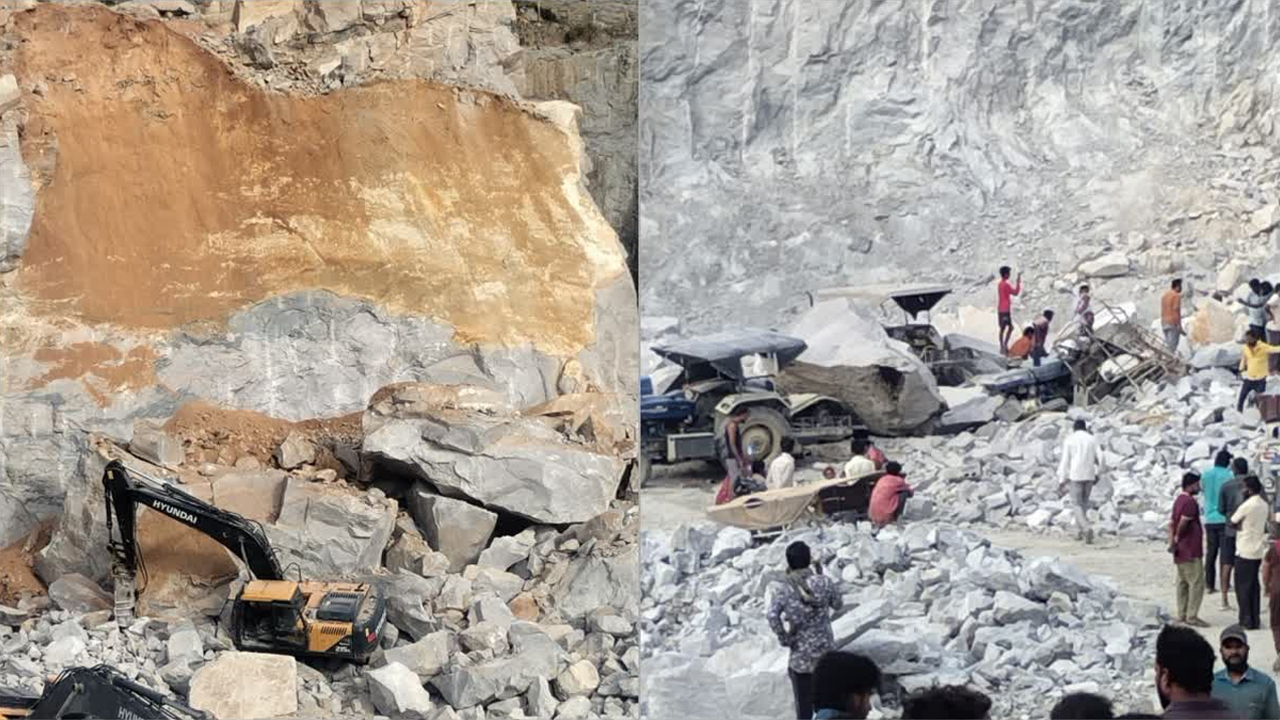
At least seven workers were killed in a rock quarry collapse on the outskirts of Bengaluru, Karnataka, early on Thursday, July 2, 2026. Police confirmed that all the victims were residents of Bihar who had been working at the quarry on a daily wage basis. Several others were injured and are receiving treatment at a local private hospital. The incident occurred in the Madapatna area of Bengaluru South Taluk when a large rock, about 40 feet high, suddenly broke off and fell on the workers. Rescue teams, police, and local officials quickly reached the site and began operations using heavy machinery to clear debris and search for anyone possibly trapped. The area was cordoned off for safety. Witnesses said around 18 workers were present at the time, and some managed to escape. Authorities have launched an investigation to determine whether safety regulations were properly followed and if negligence contributed to the collapse. Officials stated that legal action will be taken if any violations are found.
The Bangladesh Jatiyatabadi Chhatra Dal (JCD) has announced a month-long program to commemorate the July mass uprising. The initiative began at the Central Shaheed Minar in the early hours of July and will conclude on August 3 with a student rally at the same venue. BNP Chairperson and JCD’s organizational guardian Tarique Rahman will attend the concluding event as chief guest. The program was announced by JCD President Rakibul Islam Rakib and General Secretary Nasir Uddin Nasir through a press release signed by Office Secretary Md. Jahangir Alam. According to the release, the program aims to honor the martyrs and injured of the July–August uprising, preserve its historical memory, recognize contributions of all participants, and promote national unity against fascism. Events include candle lighting and the national anthem at the Shaheed Minar, discussions at TSC, divisional student rallies, memorial meetings, art and poetry festivals, and prayers for the martyrs. JCD leaders will also visit graves of the martyrs and meet their families to deliver gifts on behalf of Tarique Rahman. The month-long observance will culminate in a large student rally at the Central Shaheed Minar on August 3, marking the second anniversary of the movement’s victory.
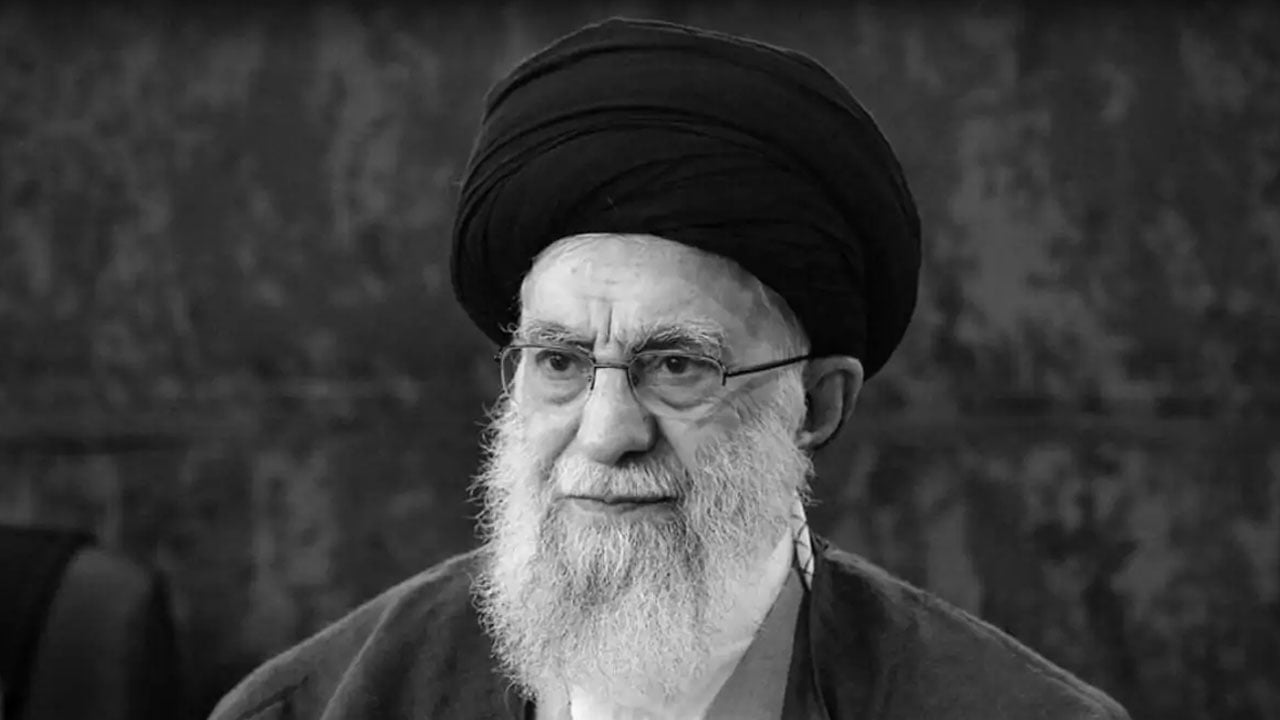
India will send a high-level delegation to attend the funeral of Iran’s late Supreme Leader Ayatollah Ali Khamenei, according to Al Jazeera. The Indian Ministry of External Affairs announced that Minister of State for External Affairs Shri Pavitra Margerita and Bihar Governor Syed Ata Hasnain will travel to Iran on Friday to represent India at the ceremony. A statement from the ministry said the high-level representation underscores the long-standing civilizational ties and people-to-people connections between India and Iran. It also reflects the strong foundation of political and economic relations between the two countries. Khamenei’s funeral and mourning ceremonies will begin on Saturday in Tehran and conclude on July 9 in Mashhad, his hometown, where he will be buried.
Gaza has reached 1,000 days since the start of the war, with violence continuing despite a ceasefire that took effect on October 10. According to Gaza’s Health Ministry, at least 1,053 Palestinians have been killed and more than 3,400 injured since the ceasefire began, including over 350 women and children. More than two million Palestinians remain displaced, living amid widespread destruction. Under the ceasefire, Israeli forces initially controlled over half of Gaza but have since expanded their control, aiming to hold 70 percent of the territory. Movement in and out of Gaza remains severely restricted, and post-war reconstruction and disarmament efforts have stalled. The International Committee of the Red Cross said much more needs to be done to restore even a semblance of normal life. The United Nations has warned that Israel’s territorial expansion in Gaza is increasing deadly risks for civilians, especially in areas without clear boundaries. Since October 7, 2023, a total of 73,066 Palestinians have been killed in Israeli attacks, according to Gaza’s Health Ministry.
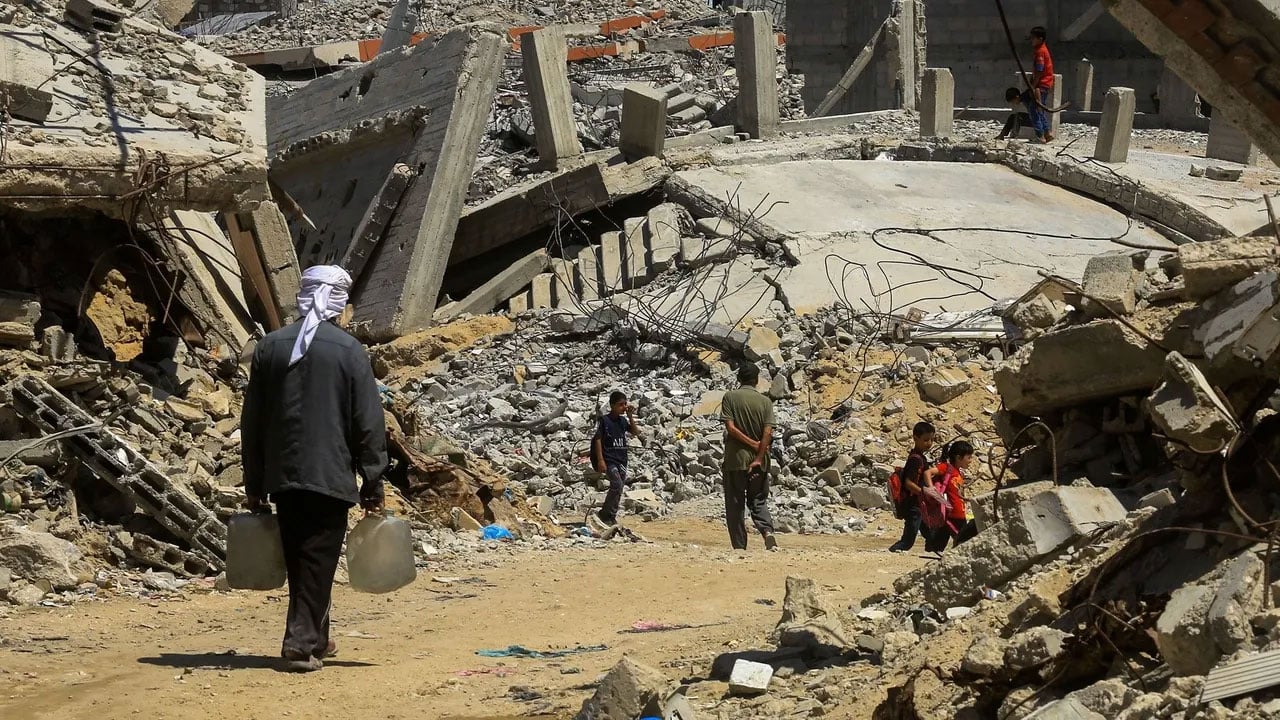
Thousands of Bangladeshi fans gathered in Dhaka to celebrate Argentina’s World Cup match against Algeria, where Lionel Messi scored a hat-trick. The city turned into a sea of blue and white as supporters waved flags, sang songs, and celebrated long after the final whistle. Despite being 17,000 kilometers away from Buenos Aires, Bangladesh’s capital mirrored Argentina’s football passion. Argentina’s popularity in Bangladesh dates back to the 1986 World Cup, when Diego Maradona’s brilliance captivated local fans. Former national footballer Shafiqul Islam Manik said the victory over England and Maradona’s emotional play made many Bangladeshis lifelong supporters. Over time, Argentina’s emotional appeal rivaled Brazil’s dominance, creating a deep-rooted football culture that other major teams could not replicate. The enthusiasm also influenced diplomacy. Following Bangladesh’s overwhelming support during the 2022 World Cup, Argentina reopened its embassy in Dhaka in 2023 after 45 years. Officials noted that football strengthened bilateral ties alongside trade interests. As Argentina prepares to face Cape Verde on July 4 in the 2026 World Cup, Bangladeshi fans continue their late-night vigils to cheer for their beloved team.

Chief Whip of the National Parliament Nurul Islam Moni questioned whether temples in Bangladesh are demolished at the same rate as mosques in India. He made the remark on Thursday during a post-budget parliamentary conference held at the LD Hall of the National Parliament. Moni emphasized that Bangladesh does not want interference from neighboring countries in its internal matters and also does not wish its territory to be used against any neighbor. He further stated that India’s reaction to Prime Minister Tarique Rahman’s visits to Malaysia and China could be understood by observing that country’s actions. The Chief Whip also discussed the recent budget session, noting that it was the first budget prepared under Tarique Rahman’s leadership and that the opposition participated actively from start to finish. Moni added that the opposition was given more time than usual to speak, with some members delivering speeches lasting up to 35 minutes. He highlighted that for the first time in parliamentary history, the opposition leader requested the Speaker to bring the guillotine proposal, later withdrawing their cut motions after concluding that discussions were sufficient.
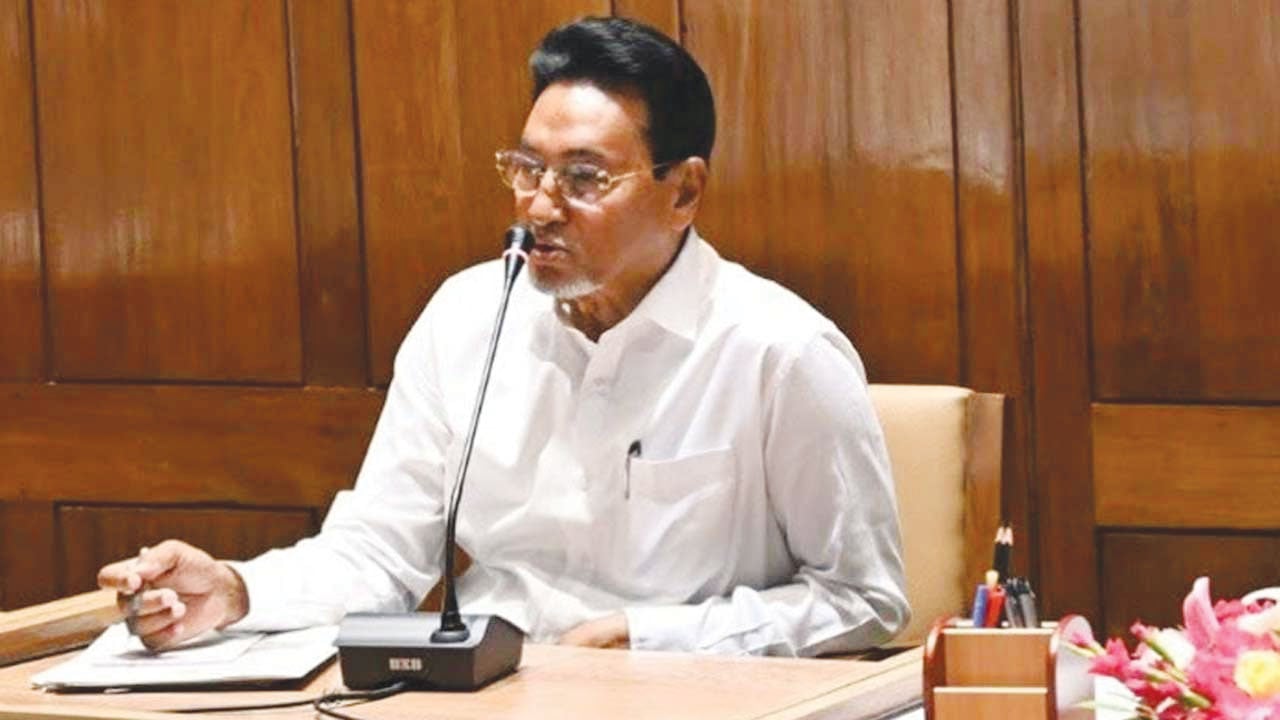
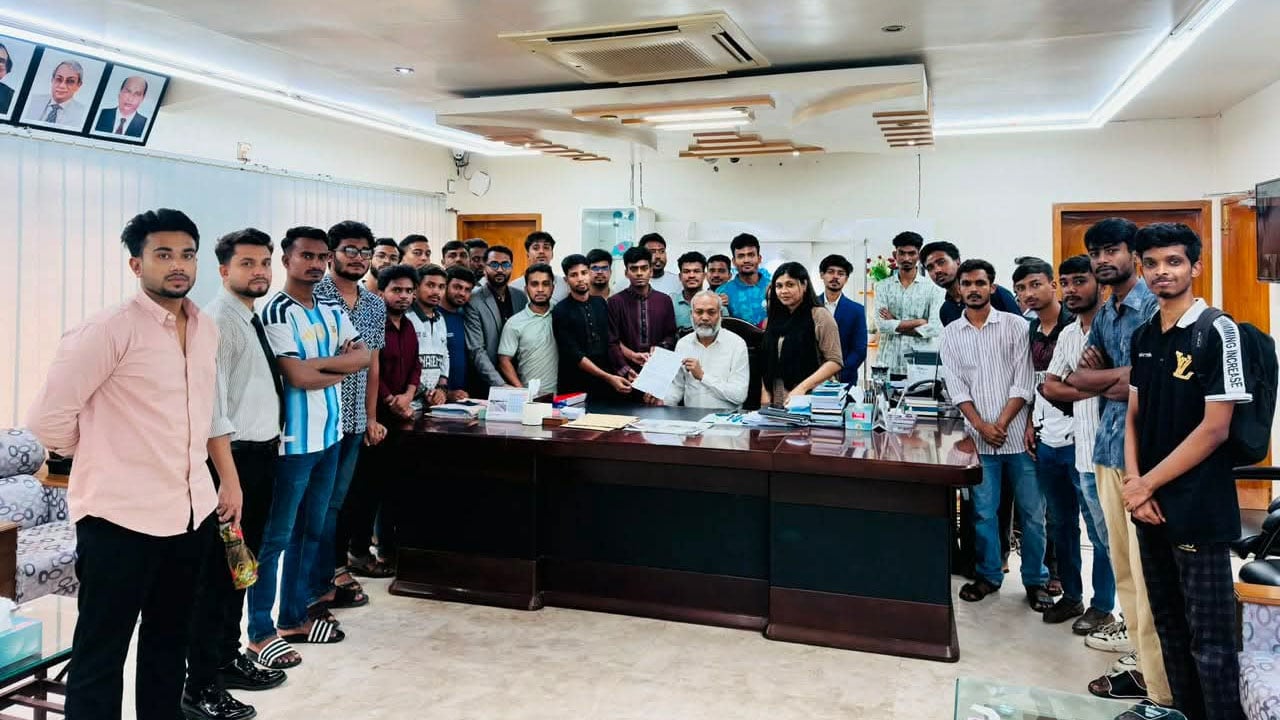
The Barishal University unit of the Bangladesh Jatiyatabadi Chhatra Dal submitted a memorandum to the vice-chancellor demanding official recognition of the institution as the country's first 'fascist force-free university.' The memorandum was handed over at the vice-chancellor’s office on Thursday, July 2, 2026, around 12:30 p.m. According to the memorandum, students of Barishal University actively joined the nationwide 'Anti-Discrimination Student Movement' in July 2024, aiming for a non-discriminatory and autocracy-free Bangladesh. On July 18, 2024, law enforcement and government-backed groups allegedly attacked students on campus and nearby roads, but were forced to retreat in the face of strong student resistance. The Chhatra Dal described this event as a turning point in the anti-autocracy movement in Barishal, noting that many students were seriously injured and continue to suffer from the aftermath. The memorandum urged the university syndicate to officially recognize July 18 as 'First Fascist Force-Free Day' to honor the sacrifices of the students and inspire future generations. The student leaders expressed hope that the vice-chancellor would raise the issue in the next syndicate meeting.
Rakibul Islam Rakib, president of the Bangladesh Jatiyatabadi Chhatra Dal, expressed deep disappointment and anger over remarks made by Member of Parliament Nilufar Chowdhury Moni regarding the July–August mass uprising. In a Facebook post on Thursday, he said that Moni, known for her role in anti-fascist movements and democratic struggles, should have shown more restraint when speaking about the historic events. Rakibul stated that the organization rejects Moni’s comments with contempt, emphasizing that she has long been recognized as a patriotic politician who embodies the spirit of July. He urged her to maintain respect and sensitivity when discussing the uprising, which holds significant meaning for many political activists. The statement came amid broader discussions about the July uprising, with other political figures highlighting the absence of government programs honoring July martyrs and calling for the opening of a July memorial museum by August 5.

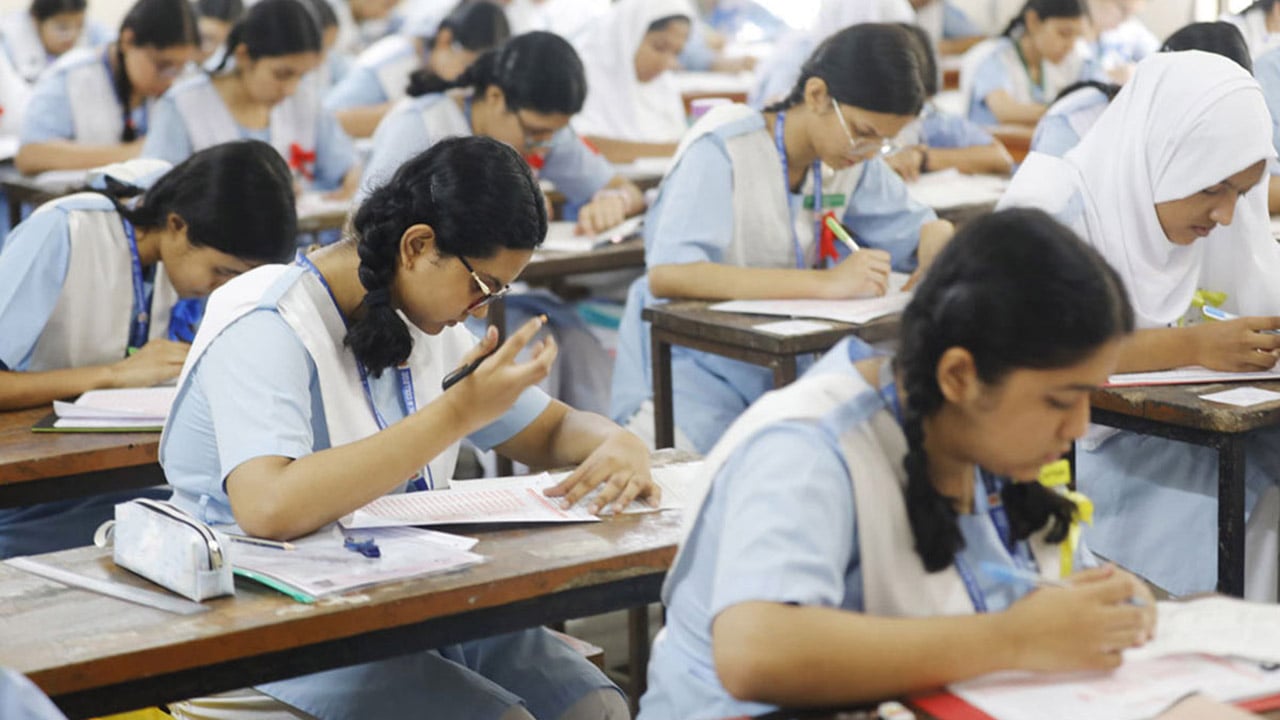
The Higher Secondary Certificate (HSC) and equivalent examinations for this year began peacefully across Bangladesh on Thursday. The first day’s exams were held from 10 a.m. to 1 p.m. under 11 education boards, with 24,784 students absent nationwide. The highest rate of absenteeism was recorded under the Madrasa Education Board. Seven students were expelled for cheating and other reasons, though no teachers faced expulsion. The exams started with Bangla First Paper for general and technical boards and Qur’an Majid for the madrasa board. A total of 1,270,583 students from 9,439 institutions are participating at 2,697 centers, an increase of 22,766 from last year. According to the Inter-Education Board Coordination Committee, 17,233 students were absent under the nine general boards, 4,478 under the madrasa board, and 3,073 under the technical board. This year, all general boards are using a unified question paper. Written exams will continue until August 8, followed by practical tests by August 15. To prevent question leaks, special security measures have been implemented, including CCTV surveillance for the first time in the country’s history.
A devastating fire in Sabupura market of Baufal upazila, Patuakhali, reduced several businesses and a home to ashes. In response, local Member of Parliament Dr. Shafiqul Islam Masud visited the affected area on Thursday morning and extended assistance to the victims. He provided each of the five affected business owners and one household with 7,500 taka in cash, two bundles of tin, and 30 kilograms of rice per family. During his visit, Dr. Masud said the support was modest compared to the victims’ losses but symbolized solidarity in their time of need. He emphasized that aid was given without political or religious bias, noting that both Hindu and Muslim shop owners, as well as people from different political backgrounds, received help. The affected traders expressed gratitude, saying the assistance gave them hope to rebuild their livelihoods. Local officials, political leaders, and community representatives were present during the distribution, and victims hoped that government and social support for rehabilitation would continue.
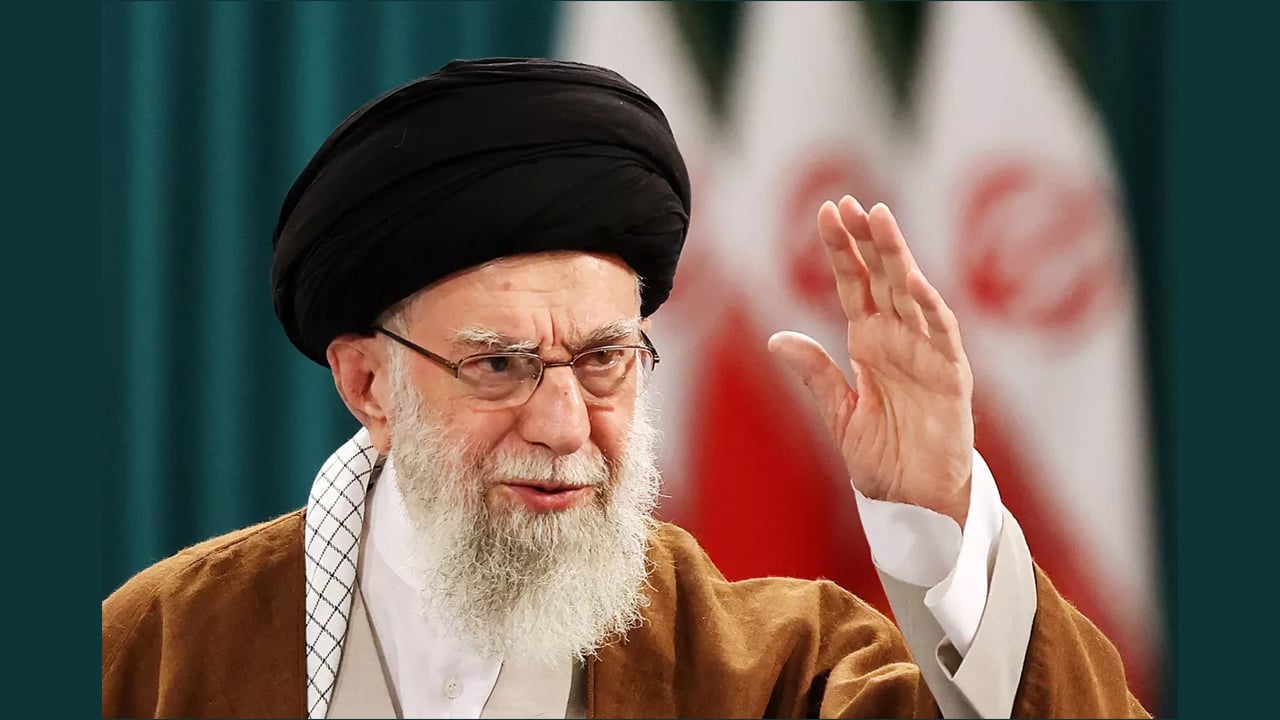
Iran has tightened security across the country ahead of the funeral and burial of former Supreme Leader Ayatollah Ali Khamenei, who was killed in a joint attack by the United States and Israel. The Iranian military has been placed on high alert to ensure safety during the ceremonies. Brigadier General Mohammad Akraminia stated that additional forces have been deployed to protect senior officials and religious and political figures arriving from various countries to attend the funeral. He added that Iran’s ground, naval, and air forces have increased their presence along border areas to maintain control over the security situation. According to Akraminia, Iran’s air defense units are maintaining continuous surveillance over the country’s airspace. Khamenei was killed on February 28 in the joint attack, and Iran is now preparing for his funeral and burial four months after his death.
The Cabinet Division’s selection committee has invited applications from qualified and interested individuals for the position of Chairman of the Anti-Corruption Commission (ACC). The announcement was made through a circular issued by the District Magistracy Branch of the Cabinet Division on Thursday. The committee, formed under Section 7 of the Anti-Corruption Commission Act, 2004, will recommend suitable candidates to the President for appointment to the posts of Chairman or Commissioner. According to the circular, applicants must meet the qualifications and experience requirements outlined in Section 8(1) of the Act, while those mentioned in Section 8(2) are ineligible for appointment. Applicants must submit a signed curriculum vitae containing personal details, educational background, professional experience, and contact information, along with two recent passport-sized color photographs, a copy of the national identity card, and relevant certificates. Applications must be submitted either to the Central Mail Receiving Center (Gate-5) of the Bangladesh Secretariat or to Room 935 of the District Magistracy Policy Branch by 4 p.m. on July 13, 2026. Those who have already submitted complete applications need not reapply.

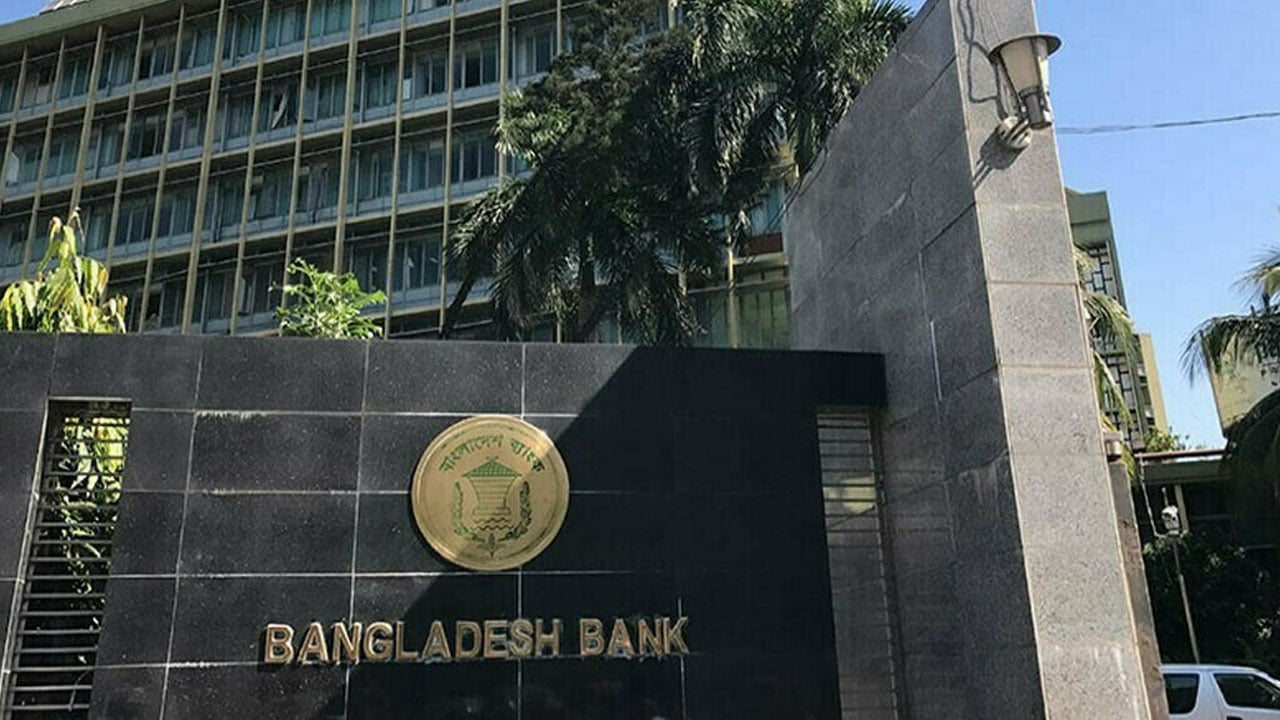
Bangladesh Bank has approved the introduction of forward rate contracts to mitigate interest rate fluctuation risks in import trade. The facility will apply to usance imports under suppliers’ and buyers’ credit arrangements. A circular issued on Thursday stated that authorized dealer banks may enter into forward rate contracts with importers borrowing in foreign currency to protect them from international benchmark rate volatility, particularly the Secured Overnight Financing Rate (SOFR). According to the circular, the contracts must be used solely for risk management and linked to genuine import transactions, prohibiting speculation or uncovered positions. Banks must fully offset any exposure through same-day reverse transactions, ensuring no market risk on their own accounts. The central bank capped banks’ pricing margin at 10 basis points and limited total forward rate contracts to 25 percent of the average monthly foreign currency inflow over the past 12 months. The directive also requires adherence to international contract standards, daily mark-to-market valuation, effective internal risk management, and proper documentation. Industry participants believe the measure will help importers manage interest rate uncertainty and foster the development of a regulated financial derivatives market in Bangladesh.
The ‘1 Nojor’ media platform is now live in beta, inviting users to explore and provide feedback as we continue to refine the experience.