

The ‘1 Nojor’ media platform is now live in beta, inviting users to explore and provide feedback as we continue to refine the experience.
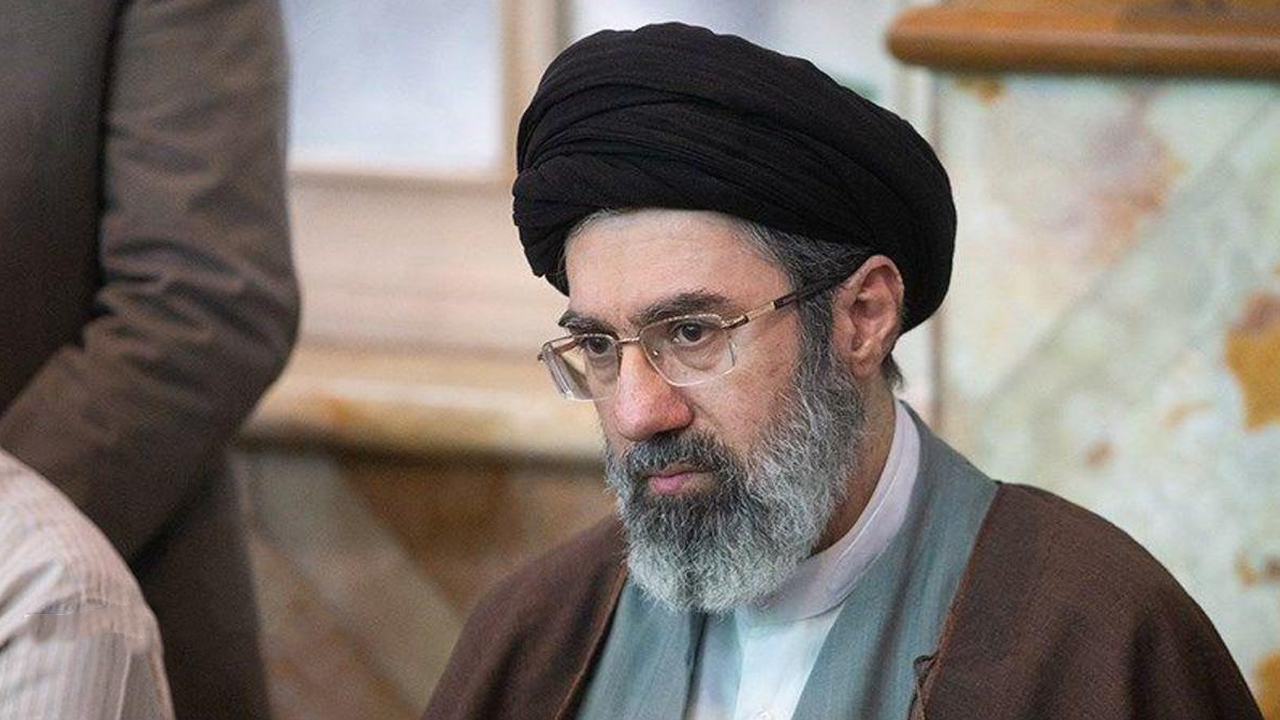
U.S. President Donald Trump has said that Iran’s newly appointed supreme leader will not remain in power for long without his approval. Speaking to ABC News, Trump stated that the new leader must seek authorization from the United States, otherwise his leadership will not endure. Iran has announced Mojtaba Khamenei, the second son of the late Ayatollah Ali Khamenei, as the country’s new supreme leader. The decision was made by the 88-member Assembly of Experts, which elects the supreme leader. The assembly also called on citizens to support the new leader following the announcement. Ayatollah Ali Khamenei was killed on February 28 in a joint U.S.-Israeli strike that also claimed the lives of his wife, daughter, and several senior military officials, according to Iranian state media reports.
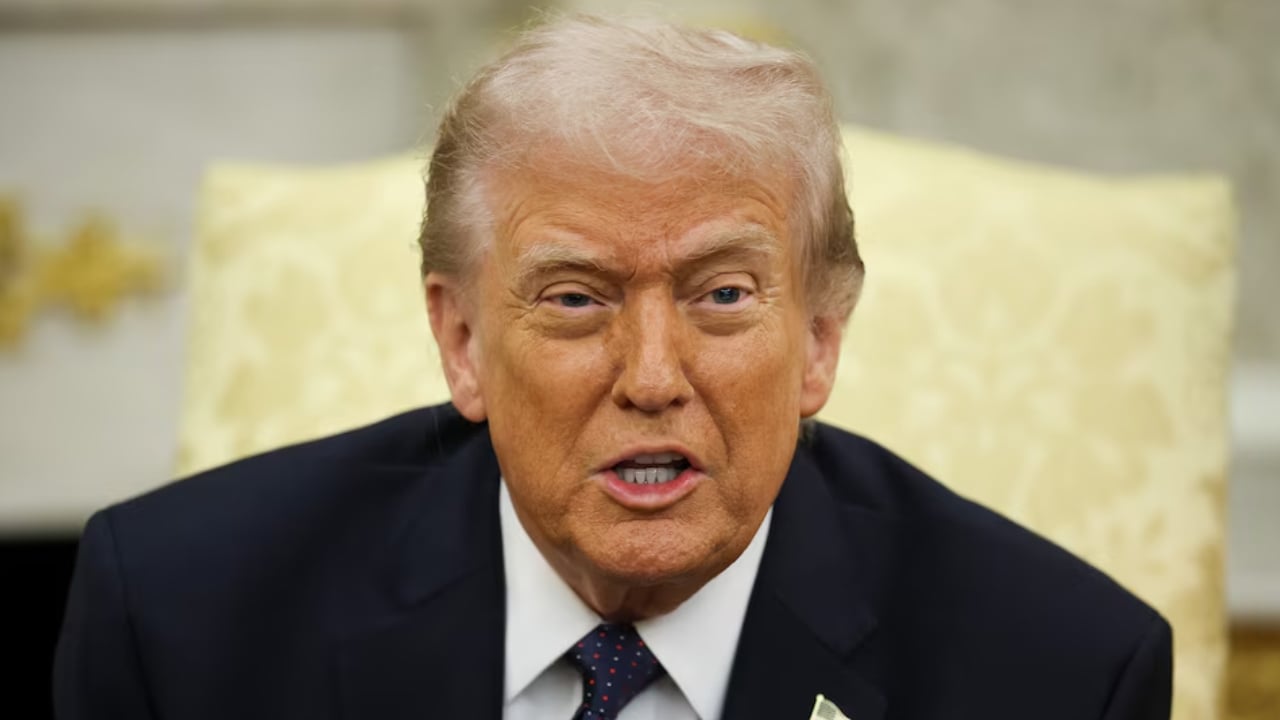
A Dhaka court is set to deliver its verdict today in a case against singer and Bangladesh Cricket Board director Asif Akbar, accused of possessing four bottles of foreign tequila without a license. The judgment will be announced by Judge Ayesha Akhtar Mausumi of the Second Additional Metropolitan Sessions Judge’s Court in Dhaka. According to the case details, Asif Akbar was arrested on June 6, 2018, from the office of ARB Entertainment in Tejgaon during an ICT-related case. Police allegedly found four bottles of illegal tequila in his office, which were later sent to the Department of Narcotics Control for testing. CID’s cyber investigation unit filed the case on July 23, 2019, and submitted a charge sheet on October 13, 2019. The court framed charges on November 25, 2024, and three witnesses testified during the trial. The verdict marks the conclusion of a legal process that began nearly seven years after the initial arrest.
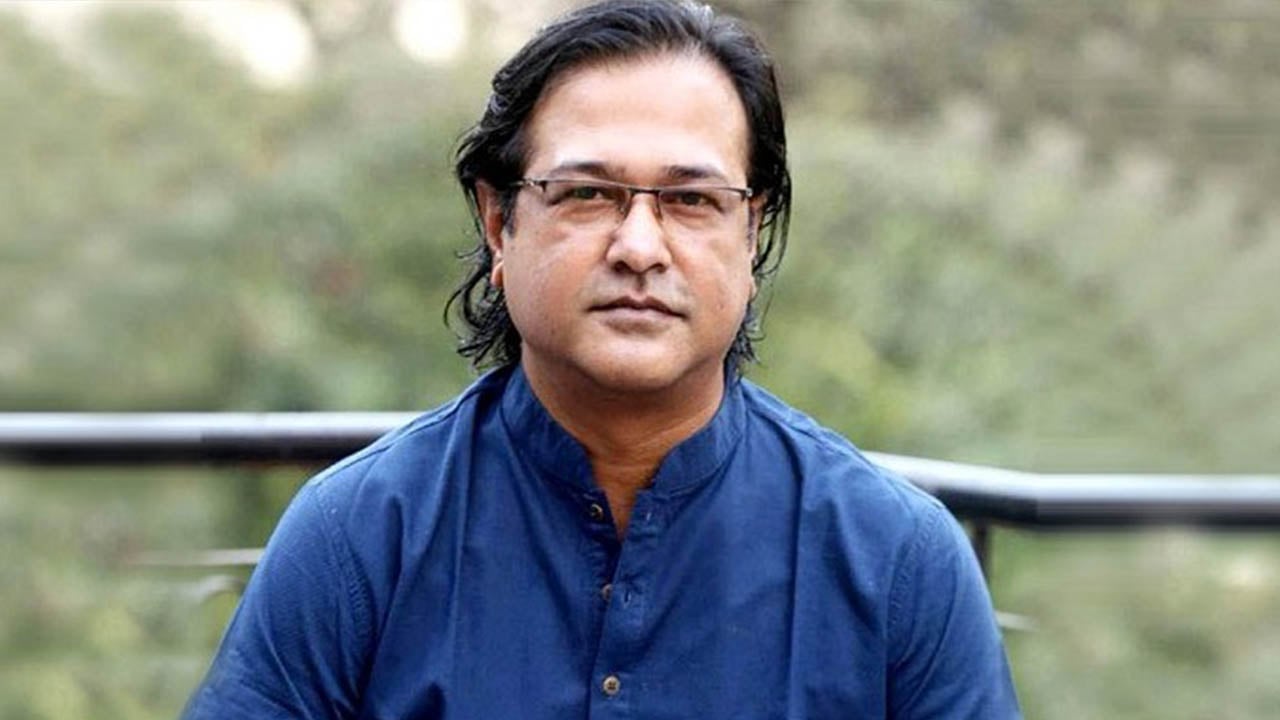
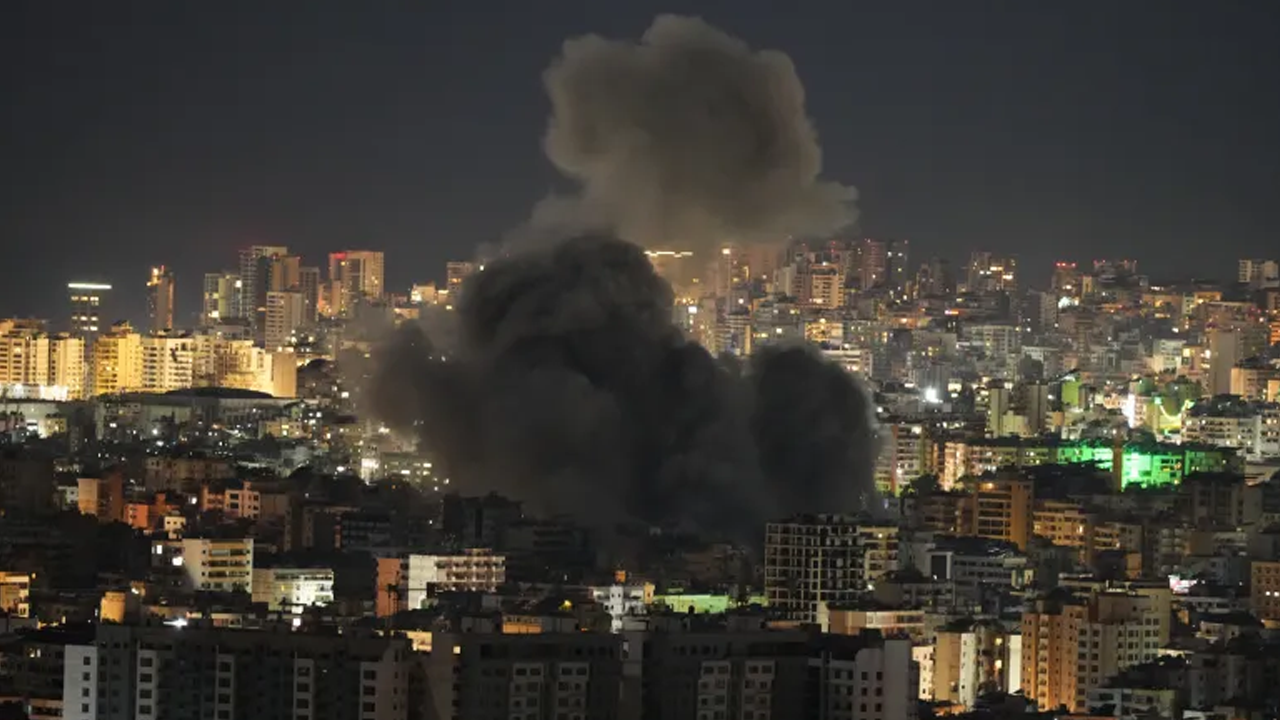
Israeli Chief of Staff Lieutenant General Ayal Zamir has warned that the ongoing conflict in the Middle East could continue for an extended period. In a video message released by the Israeli military, Zamir urged the nation to remain patient, noting that Israel has been in a state of emergency for the past two years and may face a prolonged situation. Zamir stated that Lebanon’s armed group Hezbollah would have to pay a heavy price for attacks on Israel. He also confirmed that Israeli forces carried out overnight strikes in Beirut targeting members of Iran’s Quds Force. According to him, there is no safe place in the Middle East for what he described as Iran’s “evil” weapons. The statement followed a Hezbollah attack that killed two Israeli soldiers. Zamir mentioned that northern settlements had come under heavy shelling and referred to an incident during the night linked to the soldiers’ deaths.
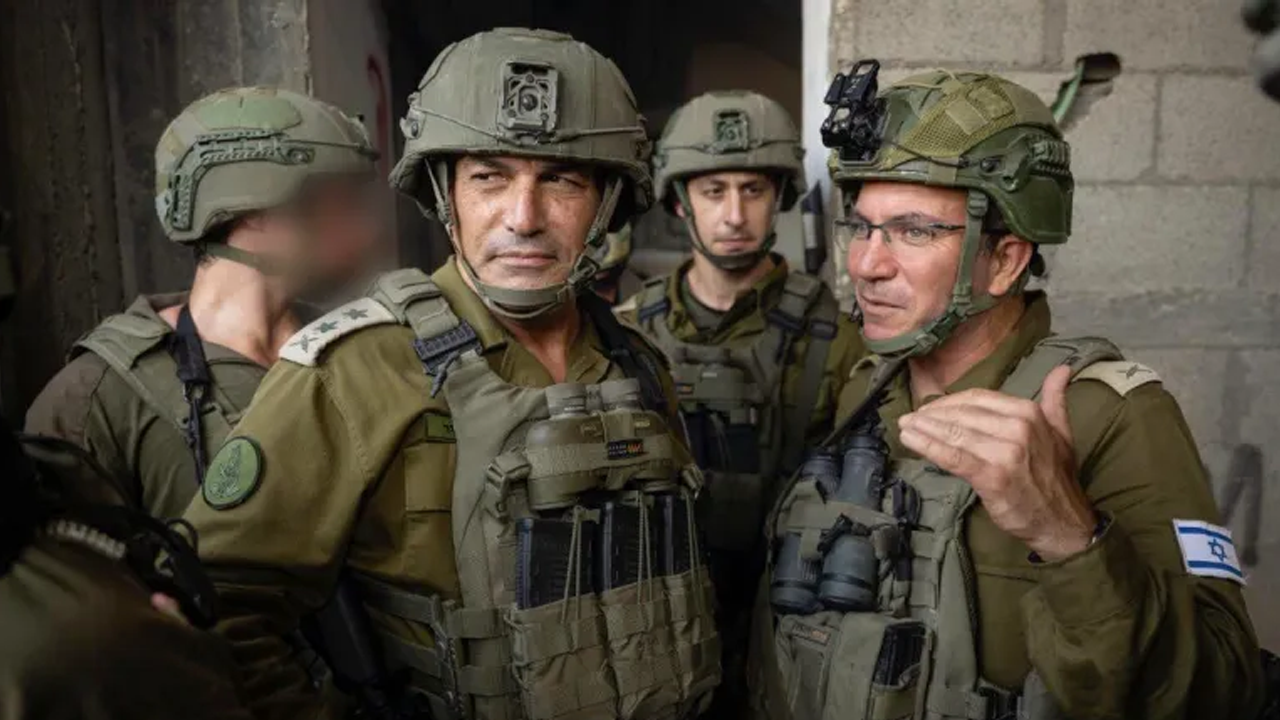
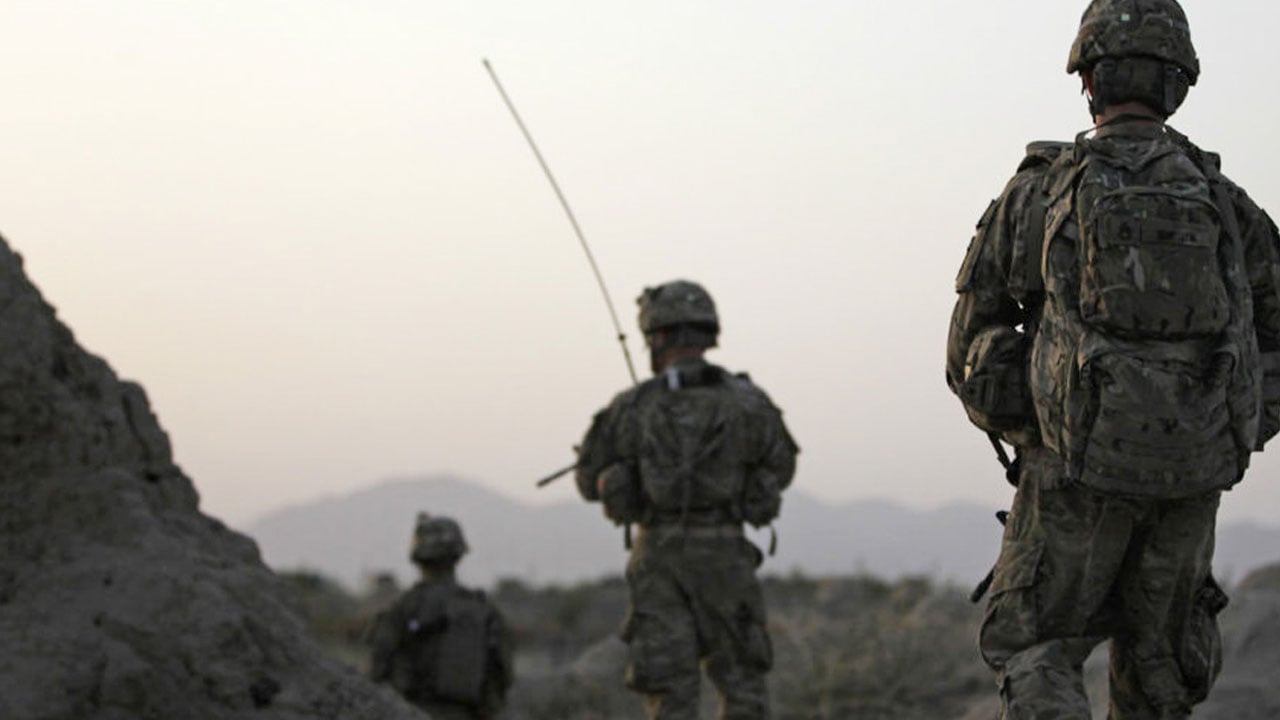
Amid intensifying conflict in the Middle East, multiple international outlets including NBC News and The Independent reported that U.S. President Donald Trump is considering a ground invasion of Iran. Although the White House has not made any official announcement, officials confirmed that all options remain on the president’s table. Trump has expressed personal interest in deploying limited U.S. ground forces or conducting surgical strikes to secure Iran’s nuclear facilities and influence the country’s governance. Iranian authorities responded defiantly, saying they are prepared to confront any U.S. ground incursion. Military and policy experts cited in the reports warned that such an operation could significantly escalate the war and increase risks for American troops. Pentagon officials noted that six U.S. soldiers have already been killed since the conflict began on February 28. Analysts from several Washington think tanks, including the Hudson Institute and Atlantic Council, described the plan as highly risky and questioned its feasibility, particularly given Iran’s strong military and entrenched political system. U.S. intelligence assessments reportedly caution that even a large-scale attack may fail to topple Iran’s leadership, raising doubts about the success of Trump’s broader regime-change strategy.
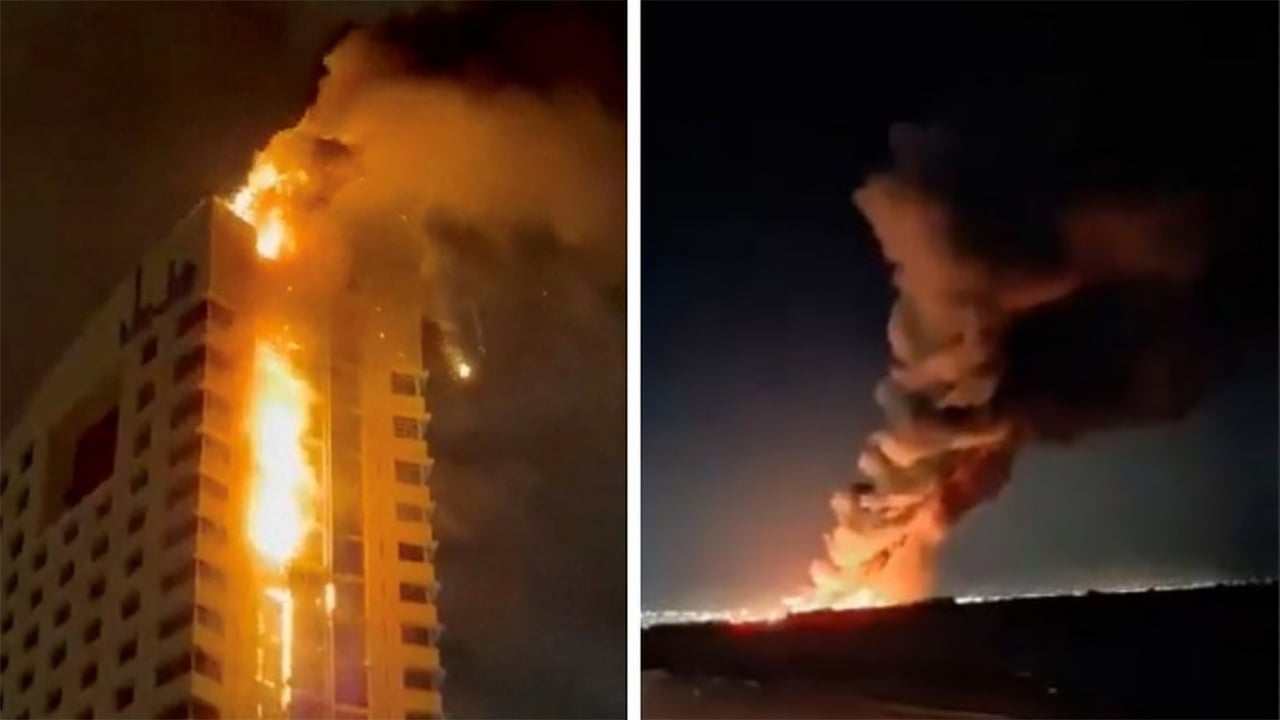
Iran has appointed Mojtaba Khamenei as its new Supreme Leader, a move analysts interpret as both a signal of continuity within the country’s religious leadership and a message of defiance toward the United States and Israel. The appointment was reported on March 9, 2026, with observers noting that the decision underscores Iran’s intent to maintain its existing ideological and political direction. Rami Khouri, a political analyst at the American University of Beirut, told Al Jazeera that the selection represents a challenge to Washington and Tel Aviv, suggesting Iran’s leadership is asserting resilience against external pressure. He described Mojtaba as potentially even more hardline than his late father, reinforcing the image of steadfastness within Iran’s ruling structure. Analysts further noted that Mojtaba Khamenei’s elevation reflects the entrenched power of Iran’s religious and political establishment. The long-term consequences of this leadership transition remain to be seen.
The Trump administration is spending about $1 billion per day in the ongoing war with Iran, according to US congressional sources cited by journalist Nancy Youssef. In the first nine days of fighting, more than 1,750 people have been killed across Iran and other Middle Eastern countries. Analysts warn that if the conflict continues, total US expenditures could exceed $200 billion. The Pentagon has already spent $630 million on pre-war deployments, and projections suggest costs could reach $215 billion if the war lasts until September. The conflict has triggered widespread regional escalation. Iran has launched missile strikes on Israel, Jordan, and Saudi Arabia, while Israeli attacks in Lebanon have killed 394 people, including 83 children, and displaced over half a million. Iran’s Revolutionary Guard claims it can sustain the current intensity of fighting for six months. Meanwhile, Iran’s new Supreme Leader has been selected following Ayatollah Ali Khamenei’s death, though his name has not yet been announced. US President Donald Trump warned that Iran’s new leader would not survive long without his approval, while Israel threatened to target whoever assumes the role. Iran’s leadership has vowed to resist and continue the war, calling for national unity and defense of its territory.
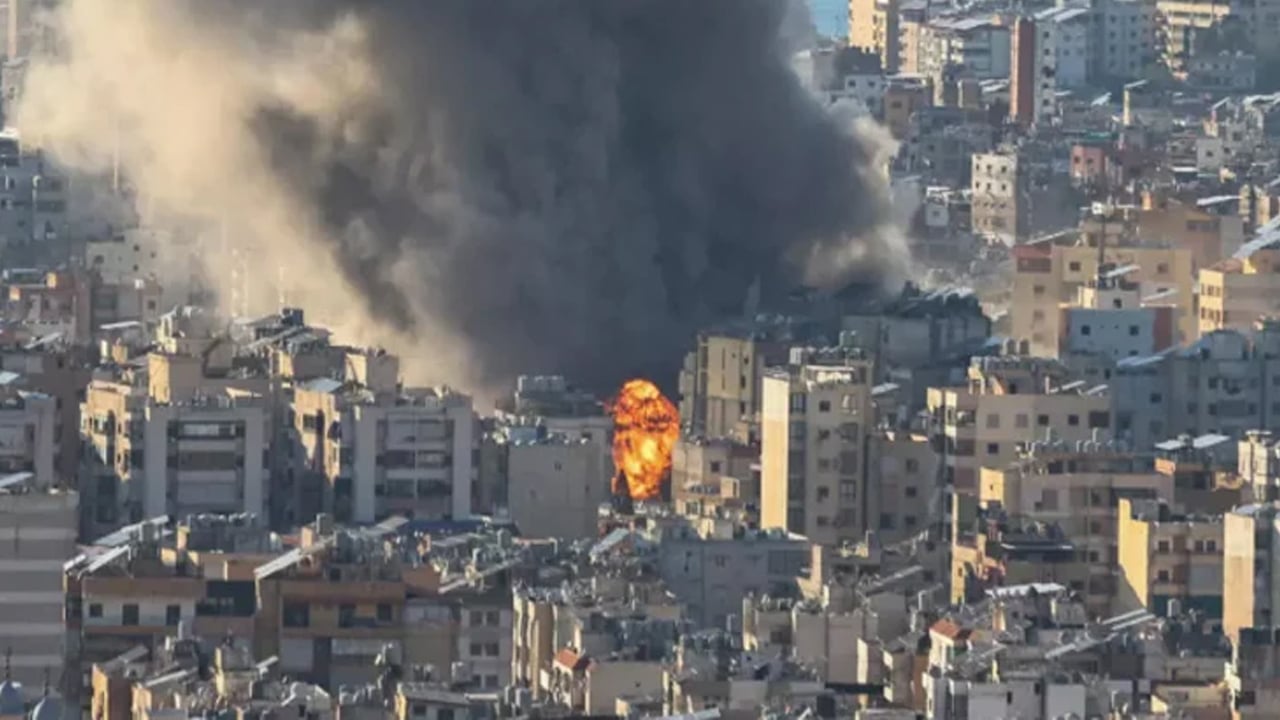
Lebanese armed group Hezbollah has claimed responsibility for several recent attacks on Israeli forces in southern Lebanon. In messages posted on Telegram, the group said its fighters engaged Israeli troops who had landed by helicopter in the Serghaya plain area. Hezbollah also reported using artillery and machine guns against Israeli units advancing toward the border town of Odaisseh and the Khallat al-Mahafir area, forcing them to retreat. Additionally, the group claimed to have shelled Israeli forces moving toward the town of Aitaroun. According to the report, Israeli authorities have not issued any immediate comment regarding these alleged attacks. The claims were reported by Al Jazeera and published by the outlet Amar Desh. The incidents highlight continuing tensions along the Lebanon-Israel border, where exchanges of fire have occurred intermittently. No independent confirmation of the attacks or casualty details was available at the time of reporting, and the situation remains fluid.
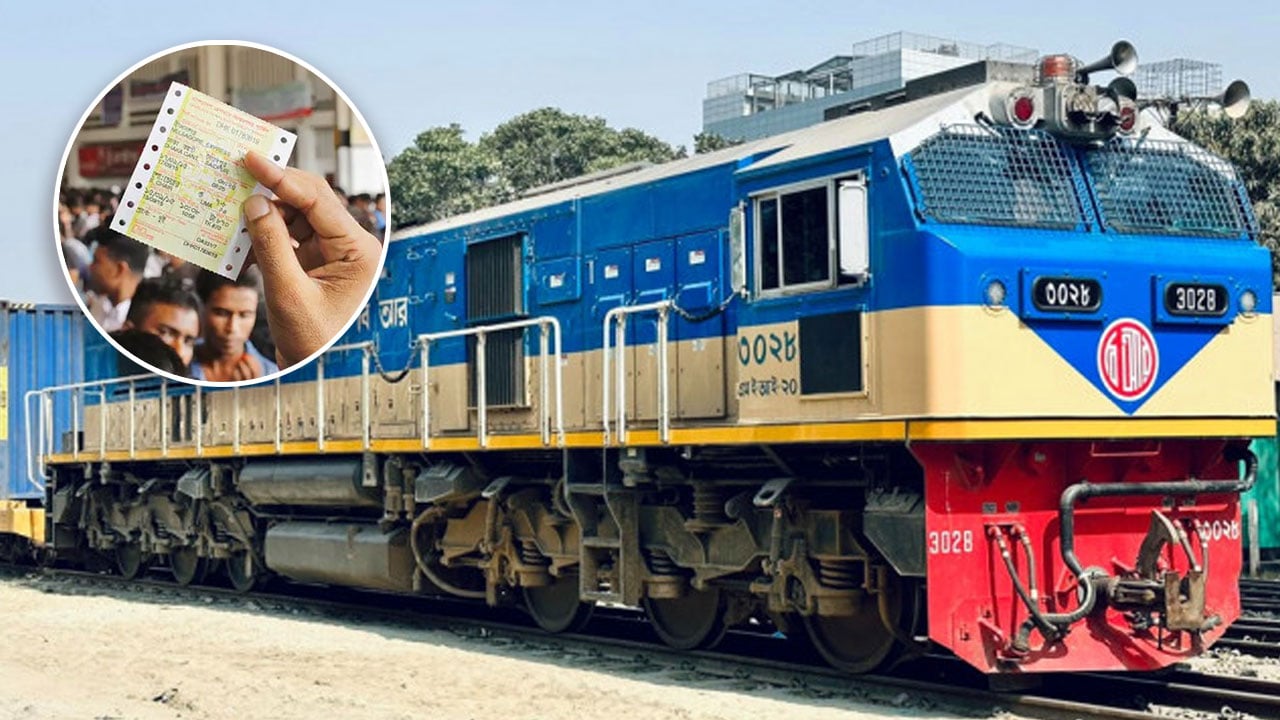
The final day of advance train ticket sales for Eid-ul-Fitr travelers begins today, Monday, March 9, according to Bangladesh Railway. Tickets for March 19 train journeys are being sold, with sales for western intercity trains starting at 8 a.m. and for eastern intercity trains at 2 p.m. The schedule was set during a preparatory meeting at the Railway Bhaban ahead of the Eid travel rush. The advance ticket sales process, which began on March 3, concludes today after tickets for March 13–18 were sold in phases. Railway authorities stated that decisions regarding ticket sales for March 20, 21, and 22 will be made later, depending on the moon sighting. Each passenger can purchase tickets only once and for up to four seats, with no refund option available. To accommodate passenger demand, the railway has allowed the collection of 25 percent standing tickets for non-AC coaches from the originating station before departure.
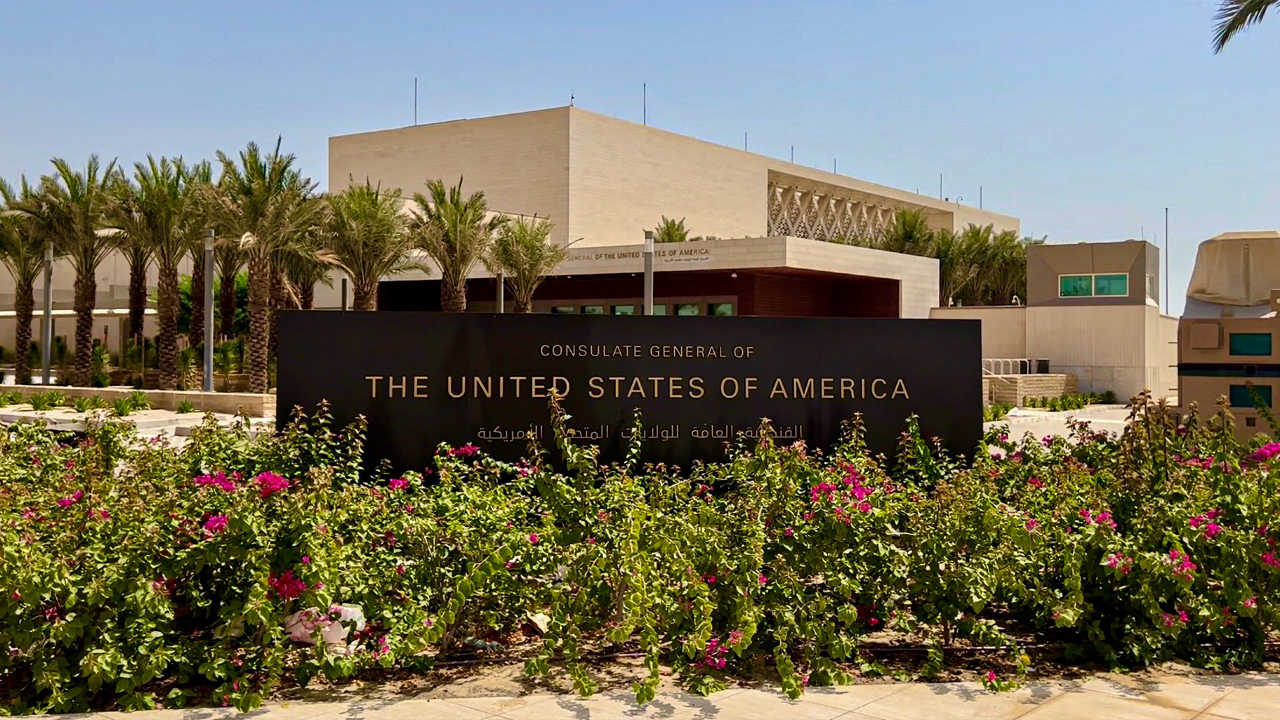
The United States has instructed all non-emergency officials and family members of its embassy staff in Saudi Arabia to return home due to escalating security risks linked to the ongoing war in the Middle East. The US State Department issued a notice on March 8, citing a deteriorating security situation following a series of Iranian missile and drone attacks on Saudi territory over the past week. The advisory also urged American citizens planning to travel to Saudi Arabia to reconsider their decisions. It warned of potential threats including Iranian drone and missile strikes, risks to US installations, armed conflict, terrorism, travel restrictions, and social media limitations. The tensions follow the collapse of nuclear talks between Tehran and Washington in late February, after which the US launched “Operation Epic Fury” in Iran and Israel began “Operation Roaring Lion.” In retaliation, Iran has targeted US military bases, embassies, and oil facilities across the Middle East, including multiple attacks in Saudi Arabia over the past week.
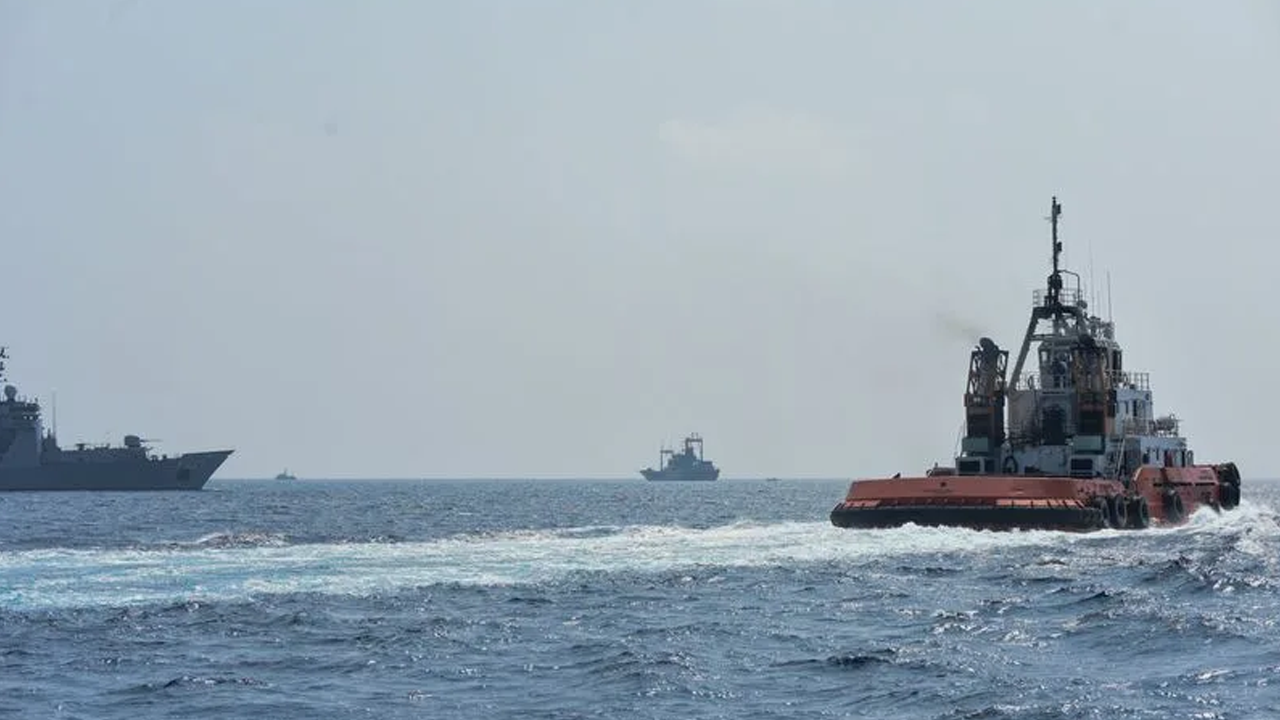
Sri Lanka has announced plans to issue free one-month visas to Iranian sailors rescued from outside its territorial waters. Public Security Minister Ananda Wijepala said the temporary visa arrangement aims to assist the sailors while they await repatriation to Iran. On Saturday, 204 sailors from the Iranian warship IRIS Bushehr were brought to a Sri Lankan naval base after the vessel experienced mechanical failure and sought assistance. Earlier in the week, the Iranian warship IRIS Dena sank near the Sri Lankan coast following a torpedo attack by a U.S. submarine, killing more than 80 sailors. The Sri Lankan Navy reported rescuing 32 survivors and recovering 87 bodies from the incident. The attack marks the first time since World War II that a warship has been sunk by a submarine torpedo. Sri Lanka’s decision to provide temporary visas reflects its humanitarian response to the crisis while coordination continues for the sailors’ return to Iran.
Bangladesh’s stock market has continued to decline sharply even after the formation of a new government, with the Dhaka Stock Exchange’s main index DSEX dropping 223 points, or 4.42 percent, on Sunday to fall back to 5,000 points. The market had initially surged following a peaceful national election, but optimism quickly faded as sustained sell-offs and liquidity shortages returned. Market participants attribute the downturn to investor panic triggered by the ongoing Middle East conflict and a long-standing crisis of confidence. Former BSEC chairman Faruq Ahmad Siddiqi said panic selling has intensified due to war fears, though he noted that the scale of the decline in Bangladesh is abnormal compared to other countries. He also pointed to structural weaknesses, including a shortage of strong companies and low financial literacy among traders. Investor groups expressed frustration over the lack of change in the securities regulator after the new BNP-led government took office. Current BSEC chairman Khondkar Rashed Maksud defended the commission’s record, citing reforms and efforts to attract quality listings. However, with few new companies entering the market and many existing ones in poor standing, analysts warn recovery will be difficult without fresh investment.

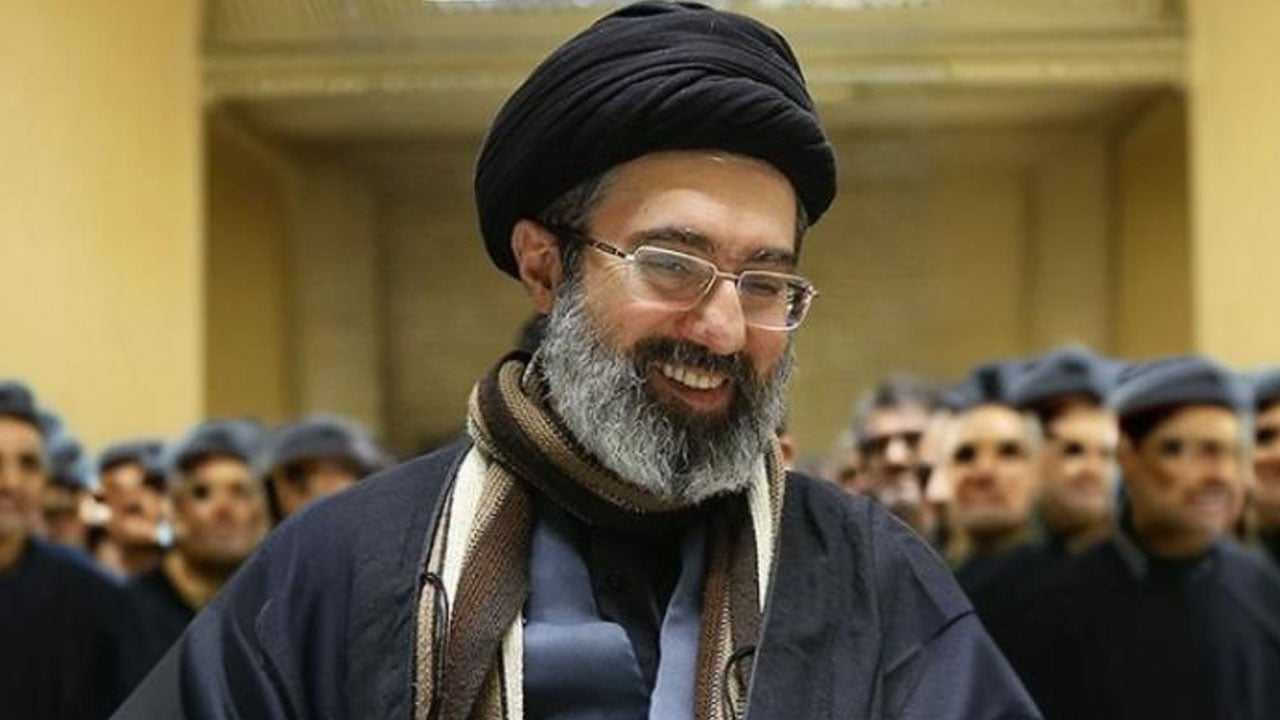
Iran has announced Mojtaba Khamenei as its new Supreme Leader, following the death of his father, Ayatollah Ali Khamenei. The decision was made by the Assembly of Experts, a body of 88 religious figures responsible for selecting the country’s highest authority. The announcement was broadcast by Iran’s state media on Monday night, Bangladesh time, and the Assembly called for public support for the new leader. Ayatollah Ali Khamenei was killed on February 28 in a joint U.S.-Israel attack that also claimed the lives of his wife, daughter, and several senior military officials. According to Al Jazeera, Mojtaba Khamenei, aged 56, has never held a government position or contested an election but has long been influential in Iran’s internal politics and maintains close ties with the Islamic Revolutionary Guard Corps. Former U.S. President Donald Trump stated two days earlier that Mojtaba’s appointment would be unacceptable to Washington, insisting on U.S. involvement in Iran’s leadership selection. The Assembly of Experts, however, proceeded with the appointment, making Mojtaba Khamenei the third Supreme Leader since the 1979 Islamic Revolution.
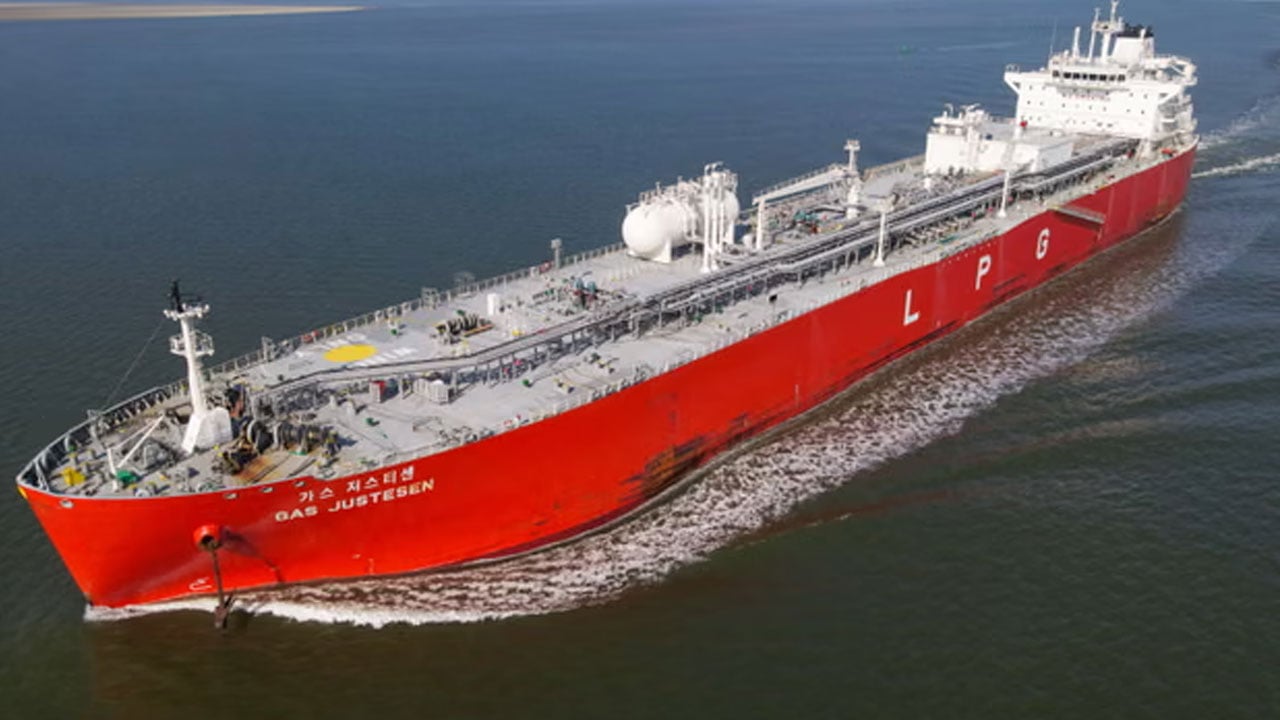
Global energy markets have become increasingly unstable due to the ongoing war involving Iran, with the United Kingdom now facing a sharp decline in its natural gas reserves. According to National Gas data, as of last Saturday, the UK held about 6,999 gigawatt-hours of gas, down from 9,105 gigawatt-hours a year earlier. The country’s storage capacity can normally cover up to 12 days of demand, but current reserves are sufficient for less than two days. National Gas stated that despite low reserves, the UK continues to receive regular gas supplies from multiple sources, including domestic offshore fields, Norway, liquefied natural gas (LNG) imports, European interconnectors, and stored gas. The Department for Energy Security and Net Zero also said that claims of only two days of gas are not entirely accurate, expressing confidence in the country’s energy security. The conflict has disrupted global gas shipping routes, with several vessels diverting from Europe to Asia. Following U.S. and Israeli airstrikes on Iran and the closure of the Strait of Hormuz, gas prices in the UK surged from 78.5 pence to about 137 pence per therm, adding pressure to the domestic energy market.
A United States soldier has died after being wounded in an Iranian attack on a US base in Saudi Arabia, according to the US Central Command. The soldier was critically injured during the March 1 assault and succumbed to his injuries on Sunday night. The incident was part of ongoing hostilities in the Middle East, where Iranian forces launched initial strikes earlier this month. Central Command confirmed that the death brings the total number of US soldiers killed in Operation Epic Fury to seven. The command also stated that the soldier’s identity will be released 24 hours after notifying family members. The attack occurred amid a major military operation currently underway in the region. The report, citing Al Jazeera, indicates that tensions remain high as multiple Iranian attacks have recently targeted areas in Qatar, Bahrain, Saudi Arabia, and the United Arab Emirates.
Dhaka University has decided to suspend all classes and examinations from Monday, March 9, 2026, until Saturday, March 28, 2026, in observance of the upcoming Eid holidays. The decision was made at an emergency meeting of the Syndicate Management Team (SMT) held on Sunday night, chaired by Vice-Chancellor Professor Dr. Niaz Ahmad Khan. The meeting discussed the government’s circular and a letter from the University Grants Commission (UGC), which guided the temporary suspension of academic activities. The university’s Public Relations Office confirmed the decision through a notice signed by Director Mohammad Rafiqul Islam. According to the announcement, university offices will remain open on March 9, and a further decision regarding administrative operations after that date will be announced later.

The ‘1 Nojor’ media platform is now live in beta, inviting users to explore and provide feedback as we continue to refine the experience.