

The ‘1 Nojor’ media platform is now live in beta, inviting users to explore and provide feedback as we continue to refine the experience.
Khalid Al-Jaber, Executive Director of the Middle East Council on Global Affairs in Doha, told Al Jazeera that Iranian officials have sent several conflicting messages to countries in the region. Referring to the attack on Bahrain’s water purification facility, he said it remains unclear which statements are true and expressed doubt that Iran would refrain from targeting Gulf infrastructure during wartime. Al-Jaber noted that since the attack on Ayatollah Khamenei, there appears to be no clear institution or leadership in Iran with whom regional actors can communicate, making it difficult to understand Tehran’s current stance. He added that Iran’s recent actions have not benefited the country or the region, instead fueling frustration and damaging the economy. He further stated that the current tension involves not only the United States and Israel but also parts of Europe, as all parties seek to protect their interests. While China and Russia appear to be signaling a desire to de-escalate, Al-Jaber said no one knows how to bring the situation under control.
Over the past one and a half years, the Bangladesh Securities and Exchange Commission (BSEC) has imposed fines totaling around Tk 1,500 crore on various individuals and institutions for irregularities and manipulation in the capital market. However, only Tk 5 crore has been collected so far. BSEC Chairman Khondkar Rashed Maksud stated that despite the low recovery, the full amount will eventually be deposited into the government treasury. He made the remarks on Sunday at a seminar titled “Challenges and Future Path of the Capital Market under the New Government,” held at a hotel in Dhaka. The event was organized by the Capital Market Journalists Forum (CMJF) and attended by Prime Minister’s Economic Adviser Dr. Rashed Al Mahmud Titumir as chief guest, along with NBR Chairman Abdur Rahman Khan and other market leaders. Maksud highlighted that numerous laws and regulations have been enacted in a short period, countering claims of stagnation within the commission. He also announced that a new law is being prepared to identify Public Interest Entities based on sales, market share, assets, workforce, and debt, aiming to bring more quality companies into the stock market despite potential resistance from vested interests.

Bangladesh has initiated the process to bring back two key suspects in the murder of Inquilab Manch convener Sharif Osman Hadi. The Inter-Services Public Relations (ISPR) confirmed that Faisal Karim Masud, also known as Rahul, aged 37, and Alamgir Hossain, aged 34, were arrested in India’s Bangaon area of West Bengal. The arrests were made based on intelligence provided by Bangladesh’s Directorate General of Forces Intelligence (DGFI). According to sources, DGFI Director General Major General Mohammad Kayser Rashid Chowdhury recently visited India, after which Indian authorities took stricter measures against fugitives from Bangladesh. Faisal and Alamgir reportedly entered India through the Meghalaya border and were attempting to return to Bangladesh when they were detained. Following their arrest on Saturday night, they were presented before the Bidhannagar court on Sunday and placed under 14-day police custody for interrogation. Officials stated that after completion of legal procedures in India, the two suspects will be repatriated to Bangladesh. Hadi was attacked in Dhaka’s Paltan area on December 12 last year and later died on December 18 while undergoing treatment in Singapore.

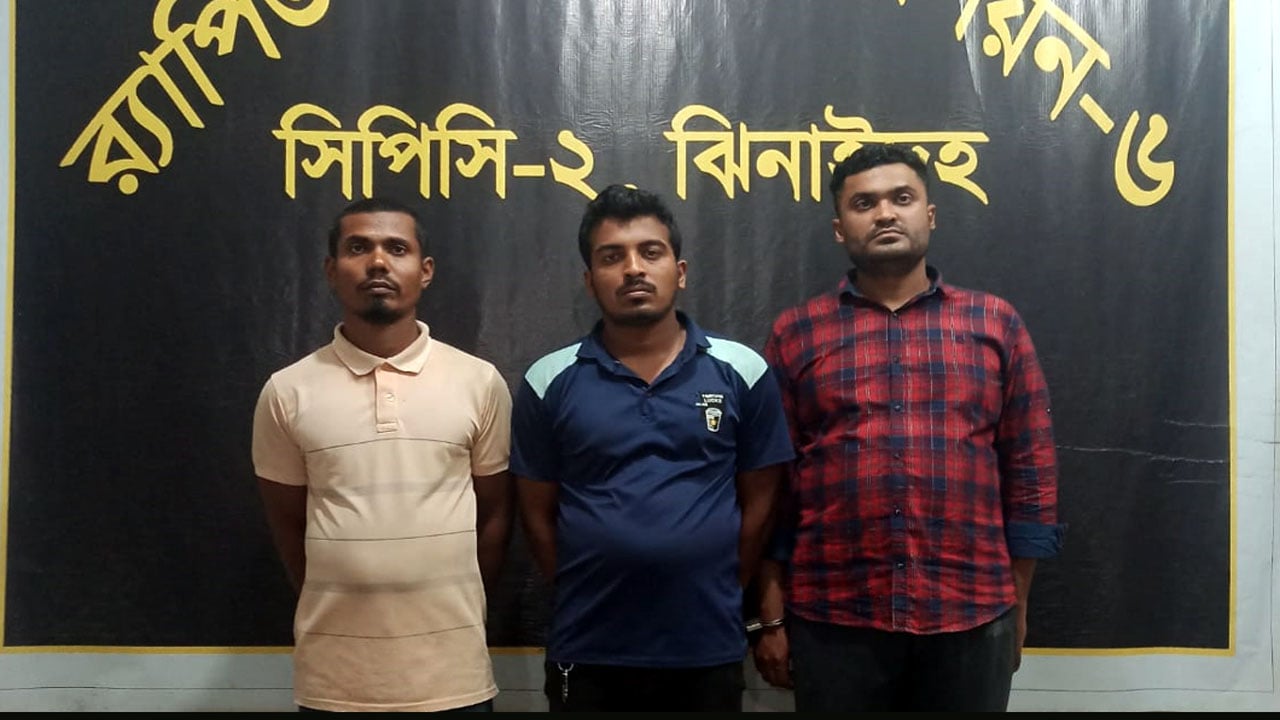
Police in Jhenaidah have arrested three individuals in connection with the killing of Nirab, an anti-discrimination leader, who died after being beaten by fuel station employees. The incident occurred on Saturday night at the Taj Filling Station near the central bus terminal. Nirab’s father filed a case at the Sadar Police Station naming four people and several unidentified suspects. The three detainees were formally shown arrested in the case. According to local sources, Nirab went to the filling station with two friends to refuel his motorcycle. When the staff refused to provide fuel but served another customer in a bottle, Nirab protested, leading to an argument. The employees then attacked him with bamboo sticks. Locals rescued the severely injured Nirab and took him to Jhenaidah General Hospital, where doctors declared him dead. Nirab was known as a fast-food businessman in Jhenaidah town and an active member of a student movement against discrimination.
The government of Bangladesh has decided to deploy mobile courts across the country to prevent illegal hoarding and overpricing of fuel. The decision follows reports of artificial fuel shortages and public unrest, including long queues and incidents of vandalism at petrol pumps. The directive was issued by the Energy and Mineral Resources Division under the Ministry of Power, Energy and Mineral Resources and signed by Senior Assistant Secretary Md Enamul Haque. It has already been sent to all district commissioners. According to the directive, some unscrupulous traders have been stockpiling fuel illegally to create an artificial crisis amid the ongoing conflict in the Middle East. The government has already set limits on fuel sales per vehicle to manage the situation. Reports have also surfaced of fuel being sold above government-fixed prices, hoarded for extra profit, or diverted to the open market and smuggling routes. The ministry has instructed district administrations to strengthen field-level monitoring through mobile courts to stop illegal storage, overpricing, open-market sales, and potential smuggling of fuel. Copies of the directive were also sent to the Home Ministry, the Cabinet Division, and relevant energy officials.

Expatriates’ Welfare and Overseas Employment Minister Ariful Haque Chowdhury has expressed concern that the ongoing war in the Middle East could negatively impact Bangladesh’s remittance inflow. Speaking to journalists on Sunday after a law and order committee meeting at the Sylhet Deputy Commissioner’s office, he said some impact is inevitable but the government has taken several initiatives to support expatriate workers, which will soon become visible. The minister said the government’s first priority is ensuring the safety of Bangladeshi expatriates in the Middle East by providing logistical and health support, and considering repatriation if the situation worsens. A joint monitoring cell comprising the foreign, civil aviation, and expatriates’ welfare ministries has been formed to track developments daily. So far, three Bangladeshi deaths have been reported, and efforts are underway to bring their bodies home. Chowdhury added that efforts to reopen closed overseas labor markets are ongoing but have slowed due to the war and Ramadan. He also instructed local law enforcement in Sylhet to strengthen surveillance against snatching and youth gang activities ahead of Eid.

Across the United States and Canada, companies are increasingly deploying AI agents—systems capable of planning, reasoning, and executing multistep tasks—to handle work once done by humans. At Snowflake, engineers now rely on AI agents to review product designs, assist during outages, and complete coding projects, freeing staff for higher-level decision-making. Similar tools from firms like Anthropic and Convictional are being used to assign tasks, manage workflows, and even evaluate employee performance, signaling a shift in how organizations operate. This transformation coincides with widespread layoffs in white-collar sectors, as major employers including Amazon, UPS, and General Motors cite AI-driven efficiency as a factor in job cuts. Analysts estimate that 6–7 percent of U.S. workers could be displaced by AI adoption, with middle management facing the greatest disruption. Yet surveys show that most executives have not yet realized financial benefits from AI, and many job reductions reflect anticipation of future gains rather than current capabilities. Experts warn that trust and psychological acceptance remain major barriers to successful AI integration. Some companies, such as Convictional, are experimenting with new work models to share productivity gains and maintain employee confidence, while others are setting limits to preserve human connection and oversight.

A new research paper presents a framework for measuring how artificial intelligence is affecting employment, introducing a metric called 'observed exposure.' This measure combines theoretical large language model (LLM) capabilities with real-world usage data, emphasizing automated and work-related applications. The study finds that AI’s actual use remains far below its theoretical potential, with only a fraction of feasible tasks currently automated. Occupations with higher observed exposure are projected by the U.S. Bureau of Labor Statistics to grow more slowly through 2034. The analysis shows that workers in highly exposed professions tend to be older, female, more educated, and higher-paid. Despite these exposure levels, researchers find no systematic increase in unemployment among these workers since late 2022. However, there is some evidence that hiring of younger workers has slowed in occupations with higher AI exposure. The authors emphasize that while AI’s labor market effects remain limited so far, their framework provides a foundation for tracking economic changes as AI adoption expands and capabilities advance.

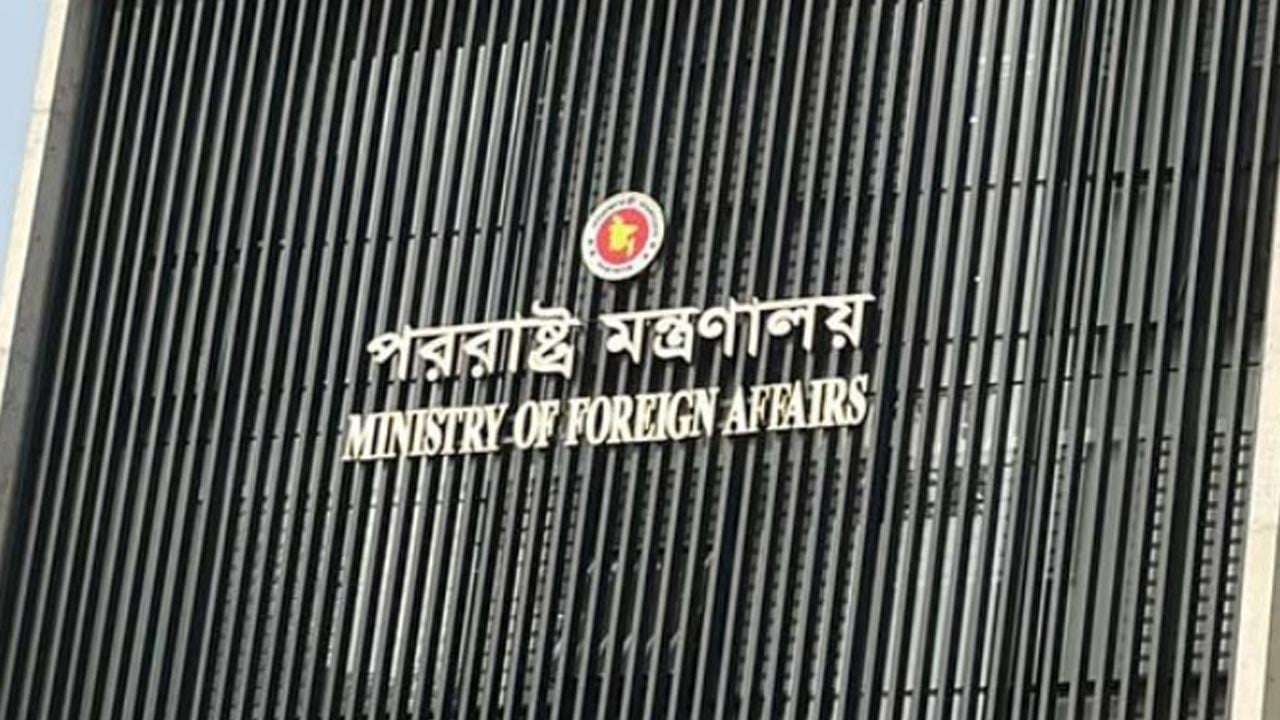
The Government of Bangladesh has recalled its ambassadors and high commissioner from five countries who were appointed on a contractual basis during the interim government period. The Ministry of Foreign Affairs announced on Sunday, March 8, 2026, that the envoys have been reassigned to the ministry’s headquarters in Dhaka. According to the ministry, the recalled diplomats include Dr. M. Mahfuzul Haque from Portugal, Md. Moynul Islam from Poland, M. Mushfiqur Fazal (Ansari) from Mexico, and Dr. Md. Nazmul Islam from the Maldives. Additionally, Abida Islam, the High Commissioner to the United Kingdom, has also been recalled. All five officials have been instructed to report to the Foreign Ministry’s Dhaka office immediately. The announcement marks a significant reshuffle in Bangladesh’s diplomatic representation abroad, focusing on officials appointed under the interim administration.
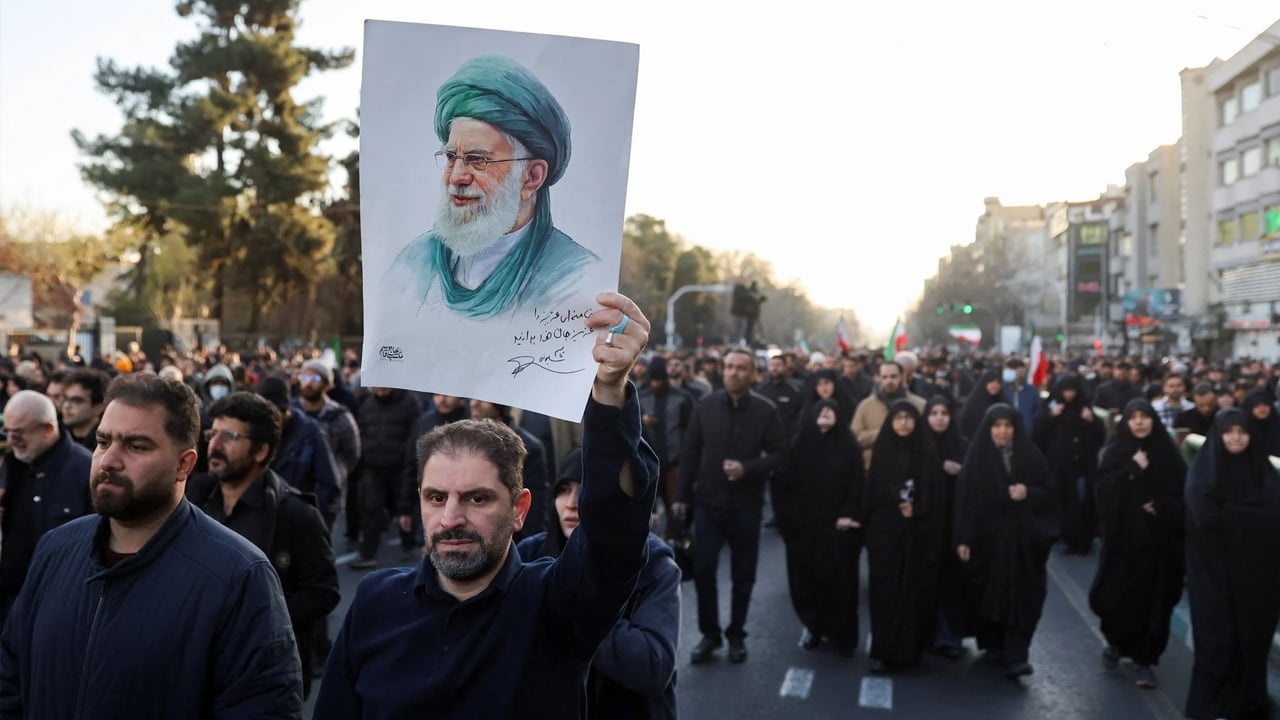
Iran’s Assembly of Experts has made significant progress toward selecting a successor to the country’s slain Supreme Leader Ayatollah Ali Khamenei, according to member Ayatollah Mohammad Mehdi Mirbagheri. He told Mehr News Agency that a broad consensus has been reached among members, though some obstacles remain before a final decision can be announced. A senior cleric earlier said the assembly may meet within a day to finalize the choice. Iranian media reported minor disagreements among members over whether the decision must be made in person or could be declared without a formal session. Another member, Ayatollah Mohsen Heydari Alekasir, said in a video published by Noor News that in-person voting has become difficult under current conditions. He added that one candidate has already been selected following advice from the late leader, who said the next Supreme Leader should be someone “hated by enemies.” Alekasir hinted that the chosen candidate has been mentioned by the “Great Satan,” a term used for the United States. Recently, U.S. President Donald Trump described Khamenei’s son, Mojtaba Khamenei, as an “unacceptable” option.
At least three Palestinians were killed by Israeli settlers in separate attacks across the occupied West Bank, according to the Palestinian news agency Wafa. Two men, Fare Jawdat Hamayel, 57, and Thaer Farouq Hamayel, 24, were shot dead in Khirbet Abu Falah, northeast of Ramallah, while a third, Muhammad Hassan Murrah, 55, died from tear gas inhalation after Israeli soldiers fired canisters during the incident. Palestinian Vice President Hussein al-Sheikh condemned the attack, saying three were killed and seven others injured. The Israeli military confirmed reports of fatalities and said it was investigating. Wafa later reported that 27-year-old Amir Muhammad Shanaran was killed by settlers in Masafer Yatta, south of Hebron, on Saturday night. The Palestinian Health Ministry and local officials said settlers had entered homes and attacked residents in the area. The Israeli military said soldiers and police were dispatched following reports of a violent confrontation. According to Wafa, at least eight Palestinians have been killed by settlers in the West Bank since the start of the US-Israeli assault on Iran a week ago, amid escalating violence across the region.

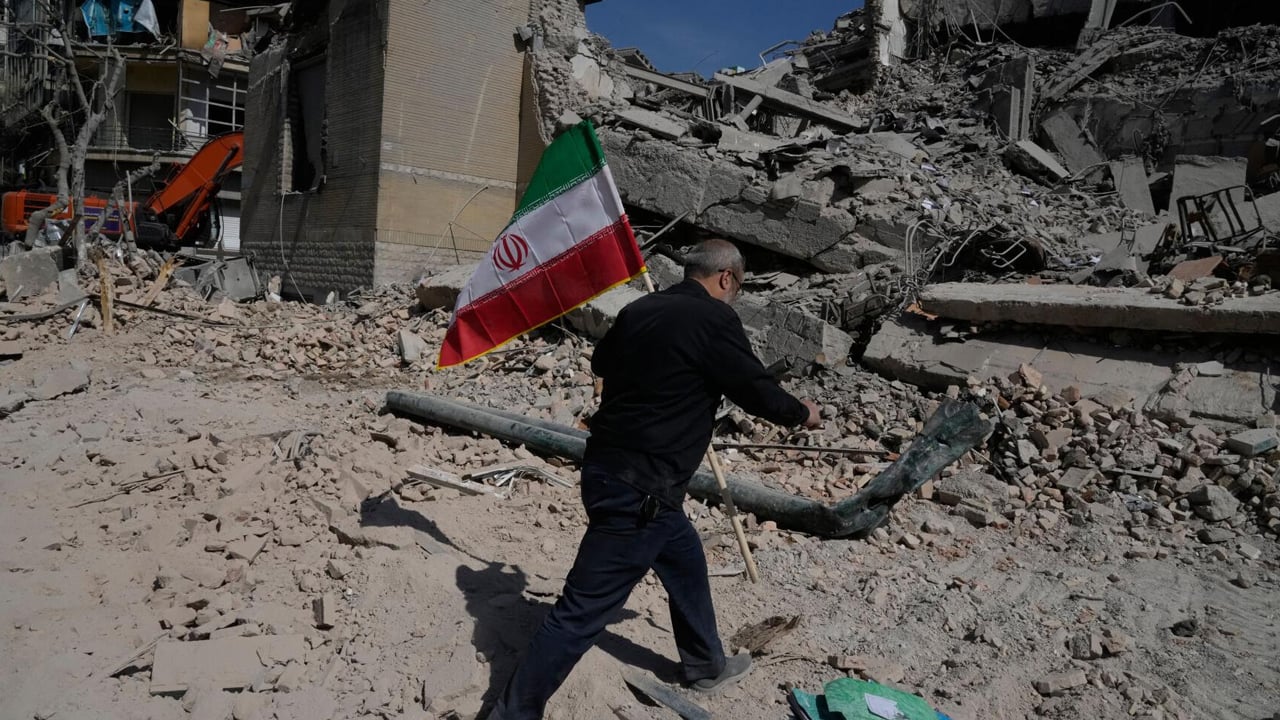
Israel’s February 2026 assassination of Iranian Supreme Leader Ali Khamenei, hailed domestically as a Mossad triumph, was in fact a joint US-Israeli operation, according to multiple analysts cited by Al Jazeera. The mission, which also killed senior Iranian military figures, depended heavily on CIA surveillance, US drones, and American missile and bomber support. Similar US-backed coordination was seen in earlier strikes against Hezbollah and Hamas leaders in 2024 and 2025. Experts from the International Institute for Strategic Studies said the CIA provided real-time intelligence that enabled the precision attack. Analyst Mamoun Abu Amer described the operations as evidence of Israel’s dependence on Washington rather than proof of Mossad’s autonomy. He said Prime Minister Benjamin Netanyahu used the strikes to claim political victory by drawing the US into direct confrontation with Iran. Abu Amer also noted that Mossad’s success often stems from exploiting local collaborators and sociopolitical fractures within Iran and Lebanon, rather than purely technological superiority. The report added that the joint strikes triggered environmental and humanitarian crises in Tehran and surrounding areas. Experts warned that despite their tactical success, these assassinations have failed to secure long-term stability, leaving the region mired in renewed conflict.

Police recovered six unexploded sound grenades from inside the boundary near the main gate of the Supreme Court in Dhaka on Sunday afternoon. The grenades were discovered around 12:30 p.m. by High Court cleaning staff during routine cleaning work. They immediately informed Shahbagh Police Station, which dispatched a team to the site. The Counter Terrorism and Transnational Crime (CTTC) unit’s bomb disposal team later arrived to handle the situation. According to Dhaka Metropolitan Police’s Media and Public Relations Deputy Commissioner Muhammad Talebur Rahman, the CTTC bomb disposal unit safely removed the grenades and transported them to Suhrawardy Udyan, where they were defused following proper safety procedures. Authorities have begun investigating the incident to determine how the grenades ended up near the court premises. The discovery prompted heightened security measures around the Supreme Court area as police continued their inquiry into the source and purpose of the abandoned explosives.

India successfully defended its T20 World Cup title by defeating New Zealand by 96 runs in the final held on March 8, 2026. With this victory, India became the first team to win the T20 World Cup three times and the first host nation to lift the trophy. New Zealand, meanwhile, suffered its second defeat in a T20 World Cup final. Batting first, India posted a commanding total of 255 for 5 in 20 overs, led by Sanju Samson’s 89, Ishan Kishan’s 54, and Abhishek’s 52. In reply, New Zealand managed 159 in 19 overs, with Tim Seifert scoring 52 and Mitchell Santner adding 43. Jasprit Bumrah took four wickets for 15 runs, earning the Player of the Match award, while Samson was named Player of the Series. The result reinforced India’s dominance in the T20 format and marked a historic milestone as the first team to win consecutive T20 World Cups and the first host to claim the title.

Switzerland has condemned the joint US-Israeli airstrikes on Iran, calling them a breach of international law. Swiss Defense Minister Martin Pfister said in an interview published Sunday by the newspaper Sonntags Zeitung that the Swiss Federal Council considers the attacks on Iran to be contrary to international law. He stated that, in Switzerland’s view, the strikes represent a violation of the prohibition on the use of force. Pfister urged all parties involved to cease hostilities and protect civilians. He clarified that his remarks were directed at countries disregarding the ban on violence, explicitly naming the United States and Israel. According to him, both nations carried out airstrikes on Iran, prompting retaliatory actions by Tehran. The statement follows widespread regional unrest after the US-Israel assault, which has drawn condemnation from several countries. Switzerland’s position adds another European voice opposing the escalation of violence in the Middle East.
The ‘1 Nojor’ media platform is now live in beta, inviting users to explore and provide feedback as we continue to refine the experience.