

The ‘1 Nojor’ media platform is now live in beta, inviting users to explore and provide feedback as we continue to refine the experience.
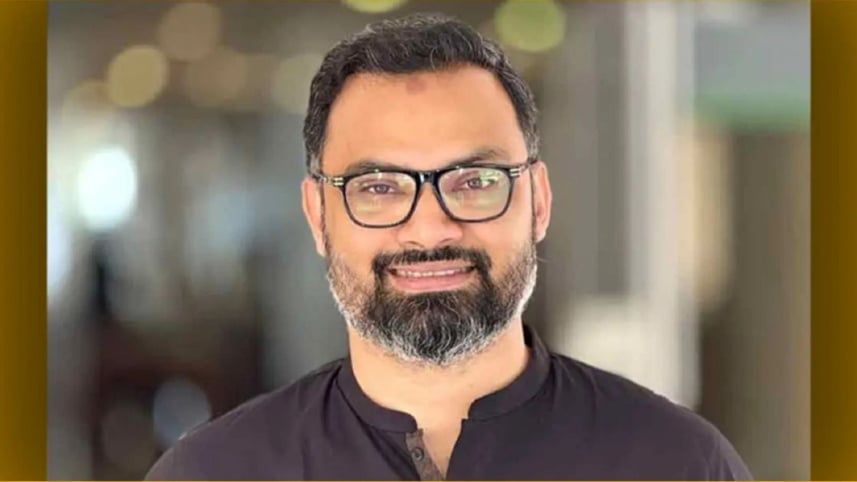
State Minister for Youth and Sports Aminul Haque has filed a petition in the High Court challenging the result of the Dhaka-16 constituency in the 13th National Parliamentary Election. The petition is expected to be heard by a single bench led by Justice Md Zakir Hossain. Haque, a former captain of the Bangladesh national football team and BNP candidate, lost to Jamaat-e-Islami’s Md Abdul Baten by a margin of 3,361 votes. Baten received 88,828 votes, while Haque secured 85,467. Despite his defeat, Aminul Haque was appointed as a technocrat State Minister in the new BNP-led government. More than 15 other candidates have also filed similar petitions in the High Court challenging election results. The court has ordered the preservation of ballots and related materials for these constituencies. Under Section 49 of the Representation of the People Order, the High Court forms an election tribunal to hear petitions alleging electoral irregularities. Justice Md Zakir Hossain’s bench is currently handling these election-related petitions as part of its civil jurisdiction.
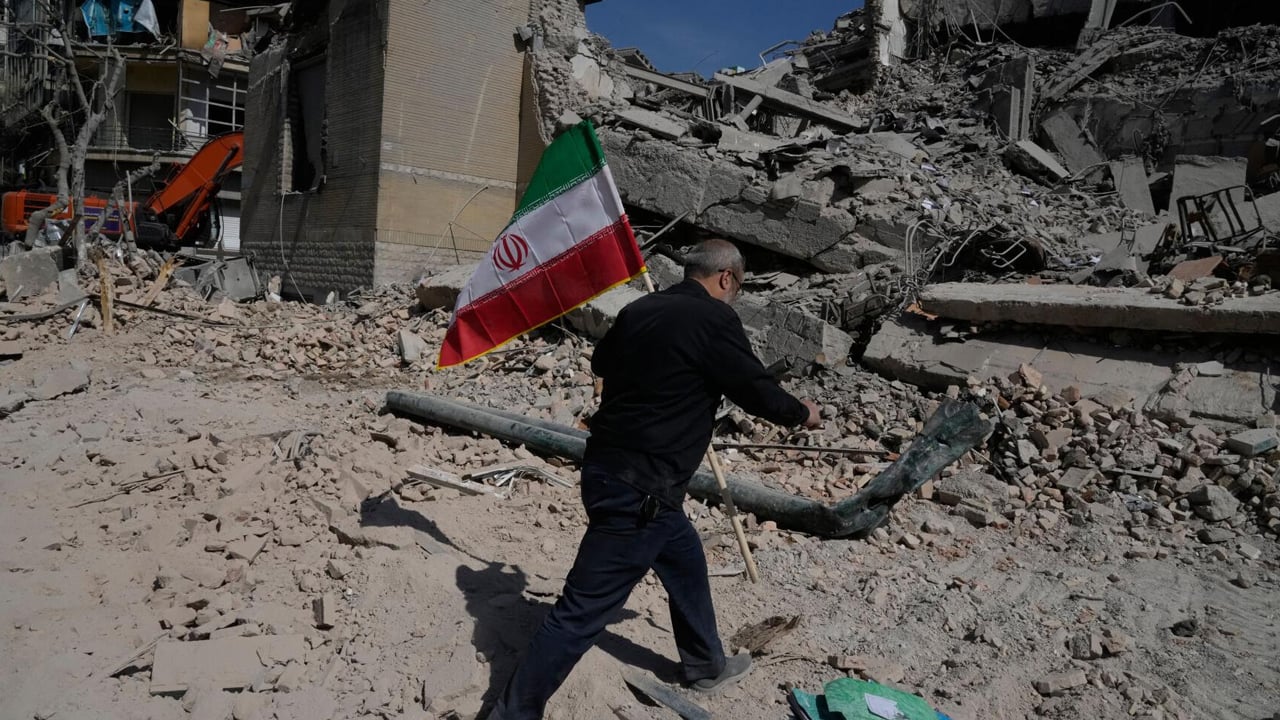
The Iranian Red Crescent reported that 9,669 civilian structures have been damaged across Iran following joint US-Israeli attacks. According to the organization’s data, the destruction includes 7,943 residential buildings and 1,617 commercial establishments. Among the affected facilities are 32 medical centers, 65 schools and educational institutions, 13 Red Crescent centers, 15 operational vehicles, and 13 ambulances. The attacks, which began on February 28, have also resulted in more than 1,200 deaths, including 11 healthcare workers, while 33 other medical staff have been injured. The Red Crescent’s report highlights the extensive civilian toll and infrastructure damage caused by the strikes. The figures underscore the scale of humanitarian impact, particularly on essential services such as healthcare and education, as well as on emergency response capacity. The situation remains critical as Iran continues to assess the full extent of the damage and casualties from the ongoing attacks.
A total of 300 international flights from Dhaka’s Hazrat Shahjalal International Airport have been canceled over the past nine days due to the ongoing conflict in the Middle East. On Sunday alone, 26 flights were canceled, while 36 flights operated on a limited scale. The Civil Aviation Authority’s public relations officer Muhammad Kawsar Mahmud confirmed the information in a press release. The cancellations began on February 28, with daily disruptions continuing through March 7. Countries including Iran, Iraq, Kuwait, the United Arab Emirates, Bahrain, Qatar, and Jordan have temporarily closed their airspace, causing major disruptions to flights bound for those destinations. Airlines affected include Kuwait Airways, Jazeera Airways, Air Arabia, Gulf Air, Qatar Airways, Emirates, Fly Dubai, and Saudia Airlines. Thousands of passengers, particularly migrant workers traveling to the Middle East, have been stranded or faced uncertainty as visa deadlines approach. Authorities said flight operations will gradually return to normal once the regional situation stabilizes.

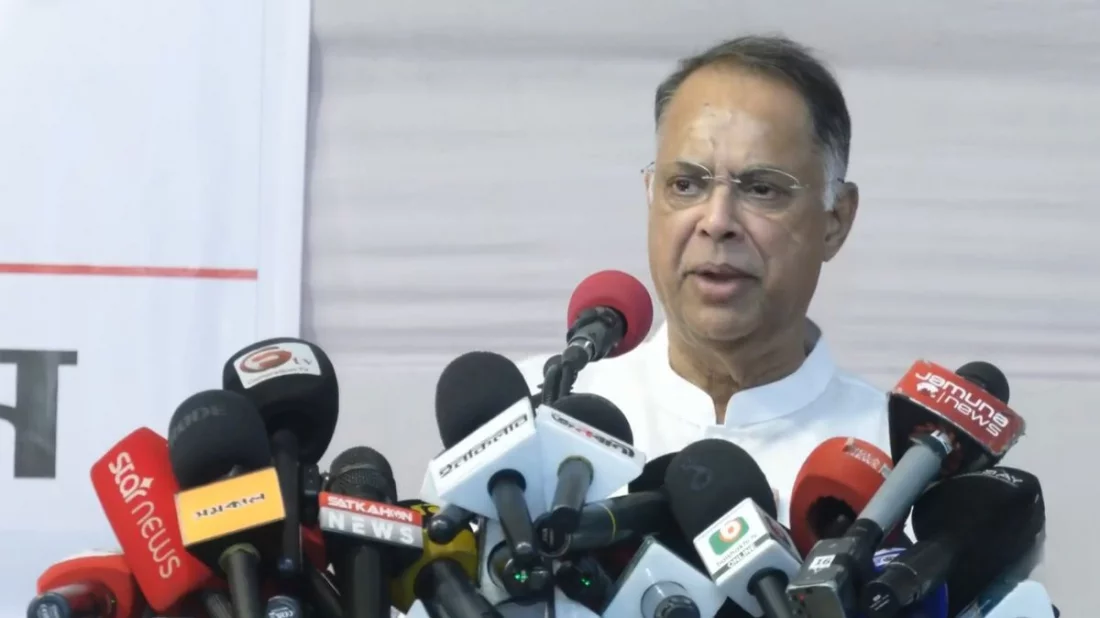
Bangladesh’s Minister of Power and Energy, Iqbal Hasan Mahmud Tuku, announced that electricity prices will not rise for now, despite public fears fueled by opposition claims linking potential hikes to the ongoing war. Speaking at an event organized by the Northern Region Student Forum at the National Press Club on Sunday, he said the country’s fuel reserves are increasing as two oil tankers have anchored to deliver supplies. The minister explained that one tanker has already anchored and another was expected later in the day, which will further boost reserves. However, he emphasized that rationing will continue until the war ends to ensure sustainable consumption. He urged citizens and party members to remain vigilant against fuel smuggling and black-market activities. Tuku reiterated that although reserves are improving, prudent management is essential to maintain stability until supply chains normalize. The government aims to balance fuel availability with responsible usage during the uncertain duration of the conflict.
U.S. President Donald Trump declared that he is not interested in any negotiations with Iran, stating that the war will only end when Iran’s leadership and military power are completely destroyed. His remarks come amid escalating conflict involving Iran, Israel, and the United States. Iranian President Masoud Pezeshkian apologized to neighboring countries and urged them not to join U.S.-Israeli attacks. He said Iran would suspend its assaults if no attacks were launched from neighboring territories. The conflict has already caused heavy casualties, with at least 1,330 Iranians killed and thousands injured, while Iranian strikes have killed 10 people in Israel and six U.S. soldiers. The Middle East conflict has driven up global oil prices as Kuwait, Iraq, and Qatar reduced production and the closure of the Strait of Hormuz disrupted supply routes. Trump signaled possible stronger actions, while Iran has shown limited responses so far.

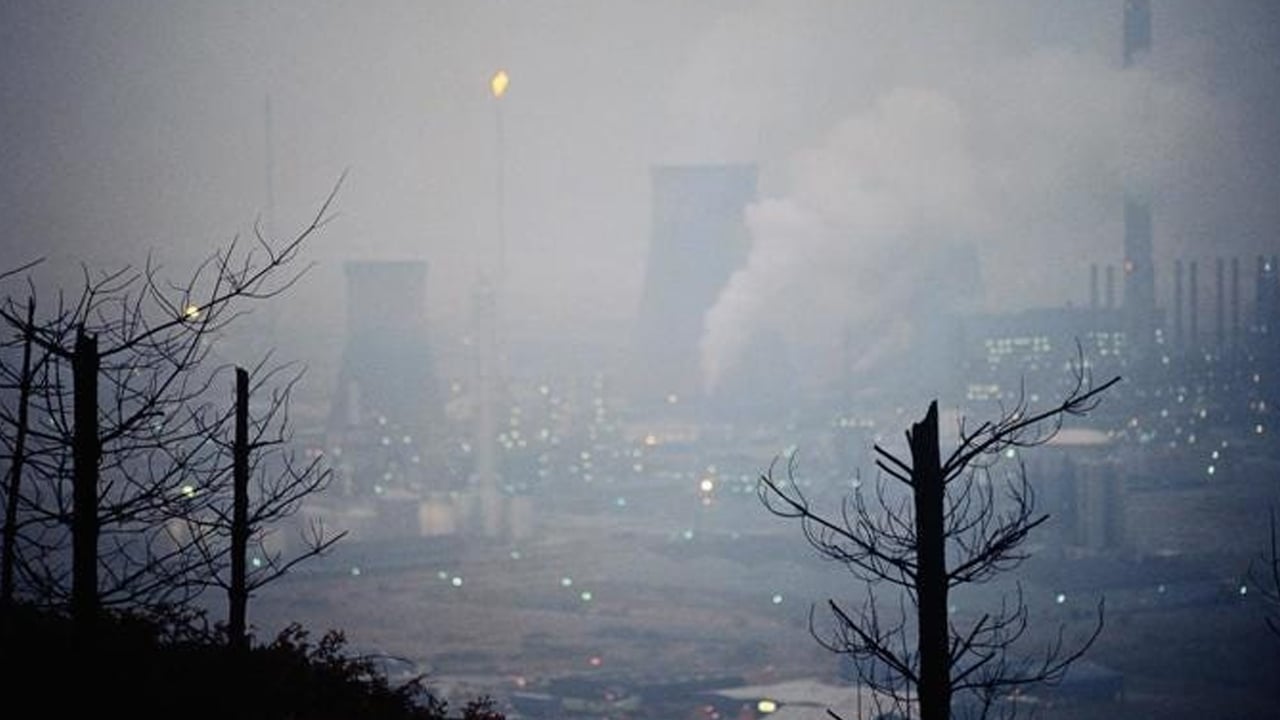
A massive fire continued to burn for nearly ten hours at Tehran’s fuel storage tanks following an Israeli strike, according to BBC Persian. The blaze, which began overnight, has filled the skies over large parts of the Iranian capital with thick black smoke. Despite ongoing efforts, authorities have not yet brought the fire under control. Iran’s Environmental Protection Organization has urged residents to stay indoors and avoid open spaces due to severe air pollution. The Iranian Red Crescent issued a warning about possible acid rain, explaining that explosions at the oil depot released large quantities of toxic hydrocarbons, sulfur, and nitrogen oxides into the atmosphere. The agency cautioned that any resulting rainfall could be highly dangerous and acidic. The Red Crescent advised citizens to avoid rubbing skin exposed to such rain, to rinse affected areas with cold water, and to change any wet clothing immediately, sealing it in a closed bag to prevent further exposure.
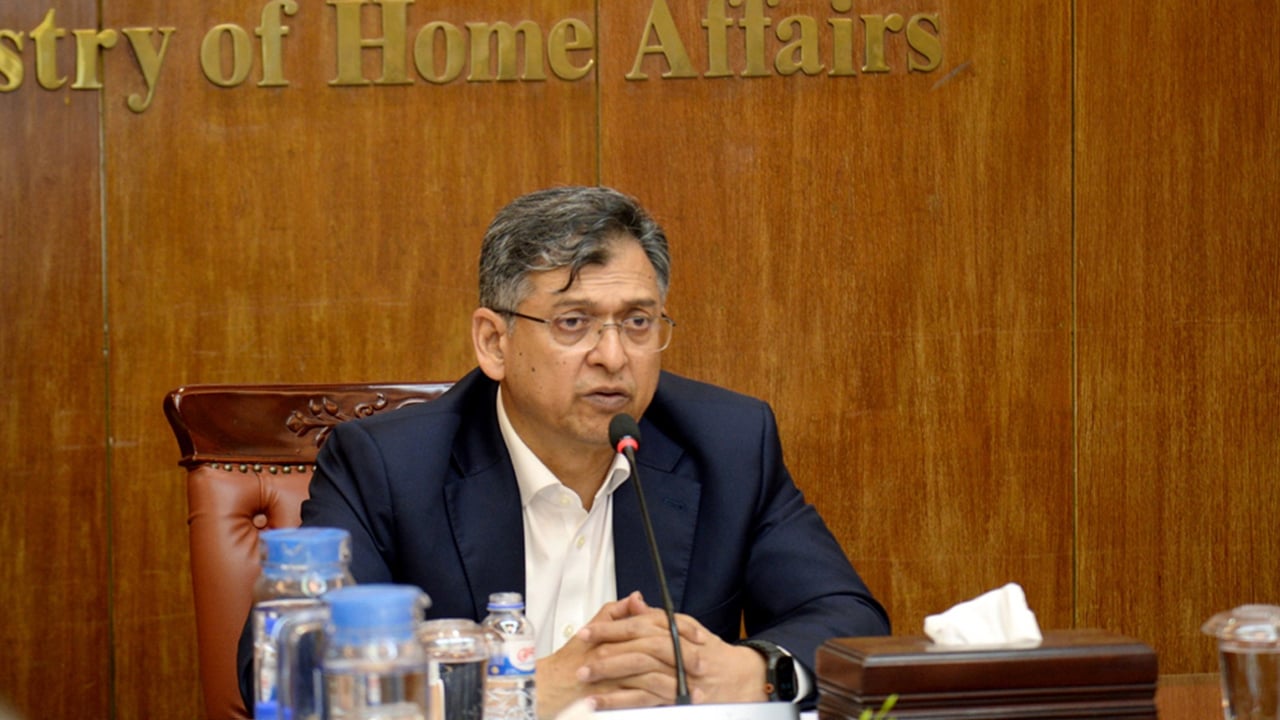
The government will ensure that workers receive their wages and bonuses before the upcoming Eid-ul-Fitr, Home Minister Salahuddin Ahmed announced on Sunday. He made the statement after a meeting on law and order held at the Ministry of Home Affairs, which also discussed preparations for Eid-ul-Fitr and Independence Day. The minister said the discussions focused on maintaining law and order during the Eid period, particularly in the garment sector and road transport, to ensure a smooth and comfortable holiday journey. Two separate meetings were held to address these issues. To coordinate efforts, the additional inspector general of industrial police has been designated as the focal point to work with BGMEA, labor representatives, and transport authorities. The government’s coordinated approach aims to prevent disruptions and ensure public comfort during the festive season, according to the minister’s briefing.
A Dhaka court has issued an arrest warrant against former Inspector General of Police (IGP) Benazir Ahmed in a case involving over Tk 11 crore in alleged illegal assets. On Sunday, March 8, 2026, Dhaka Metropolitan Senior Special Judge Md Sabbir Foyez accepted the Anti-Corruption Commission’s (ACC) charge sheet and ordered the warrant as Benazir remains absconding. The court also directed authorities to submit a report on the arrest by March 30, according to court bench assistant Md Riaz Hossain. The ACC had filed the case on December 15, 2024, through Deputy Director Hafizul Islam, accusing Benazir of acquiring wealth beyond known income sources, concealing asset information, and money laundering. The charge sheet, submitted on November 30, 2025, stated that Benazir declared assets worth Tk 12.2 crore, but investigators found evidence of property totaling Tk 15.68 crore. According to the ACC findings, Benazir’s legitimate income accounted for Tk 6.59 crore, leaving Tk 11.04 crore in unexplained wealth. The report alleges he concealed the origins and ownership of these funds through various bank accounts and business ventures.
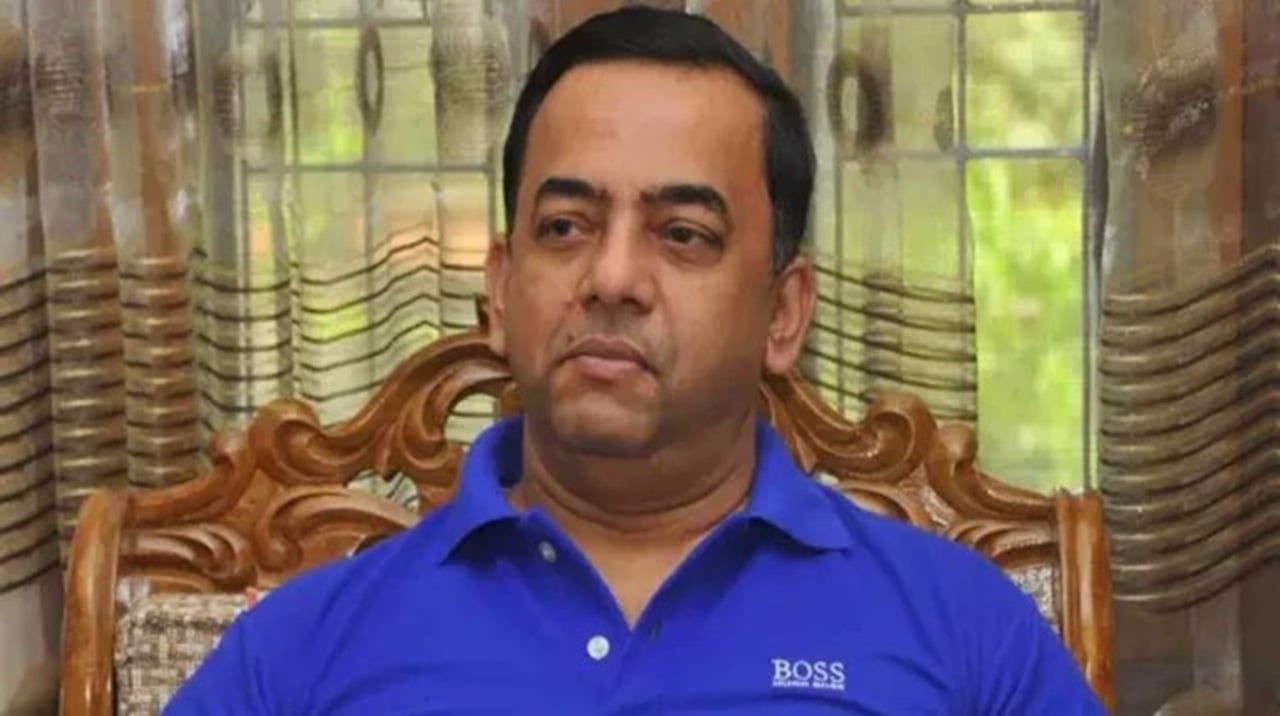
A Dhaka court has ordered the freezing of 22 bank accounts belonging to former Bangladesh Pratidin editor Naeem Nizam, his wife Farida Yasmin, and their child. The accounts, holding a total of Tk 42.18 million, were blocked following a petition from the Anti-Corruption Commission (ACC). The order was issued on Sunday, March 8, 2026, by Dhaka Metropolitan Senior Special Judge Md Sabbir Foyez, according to court officials. The ACC’s assistant director Md Rakibul Hayat filed the petition, citing ongoing investigations into allegations of illegal wealth accumulation and money laundering abroad involving Naeem Nizam, Farida Yasmin—also a former reserved-seat MP—and former Kaler Kantho editor Imdadul Haq Milan. The petition stated that the accused were allegedly attempting to transfer or conceal movable assets linked to them and their associated entities. The court issued the freeze order after a hearing, determining that the measure was necessary to ensure a fair and effective investigation into the allegations.

Environment, Forest and Climate Change Minister Abdul Awal Mintoo said that irregularities and corruption in the environmental sector will no longer be tolerated. He made the remarks on Sunday while speaking to journalists at the Feni Circuit House. The minister warned that anyone involved in such misconduct will be held accountable. He also announced that the traditional method of brick production using burnt clay will be phased out, with a gradual shift toward environmentally friendly block bricks. Mintoo emphasized the government’s firm stance on protecting the environment and improving public living standards. He said a 180-day special action plan has been adopted to combat climate change impacts, including a nationwide tree-planting campaign from May to August. Expressing concern over Dhaka’s severe air pollution, he noted that it ranks among the worst globally and harms both public health and the economy. The minister stressed that reducing pollution is a collective national responsibility, not just a government task. He urged transparency and accountability in all development activities to ensure genuine progress across the country.

Indian police have arrested Faisal Karim Masud, the prime suspect in the murder of Inqilab Monch spokesperson Sharif Osman Hadi, along with his associate Alamgir Hossain. The arrests were made on Sunday by the Special Task Force (STF) of West Bengal Police from the Bangaon border area. The Indian news agency ANI confirmed the arrests through a post on X, citing an STF press release. According to the release, the detainees were identified as Rahul alias Faisal Karim Masud, aged 37, from Patuakhali, and Alamgir Hossain, aged 34, from Dhaka. During initial interrogation, both admitted to killing Bangladeshi political activist Osman Hadi and fleeing to India through the Meghalaya border. They reportedly moved across several Indian regions before settling in Bangaon. Police stated that the suspects had been planning to re-enter Bangladesh illegally. A specific case has been filed, and a court has ordered them into police custody. The process of returning the accused to Bangladesh is underway.

The Criminal Investigation Department (CID) has confirmed that the process of bringing back Faisal Karim Masud and his associate Alamgir, the main suspects in the murder of Inquilab Mancha convener Shahid Sharif Osman Hadi, is underway. According to earlier reports by news agency ANI, the two suspects were arrested by the Special Task Force of West Bengal Police. Hadi was shot in Dhaka on December 12 and later taken to Singapore for advanced treatment, where he died on December 18. His death sparked nationwide outrage, prompting the government to declare a state mourning in his memory. Police investigations identified Faisal Karim Masud and Alamgir Hossain among several others as suspects in the case. Investigators also found over 127 crore taka in suspicious transactions linked to Faisal Karim Masud and his associates. On December 23, a court ordered the freezing of their bank accounts and imposed a travel ban on Faisal. Based on preliminary findings, CID has launched a separate inquiry into possible money laundering activities connected to the case.

The Ministry of Education has announced that all English-medium schools across Bangladesh will remain closed starting Monday, March 9, 2026. The closure, declared ahead of the holy month of Ramadan and the upcoming Eid-ul-Fitr, was confirmed in a statement signed by Senior Assistant Secretary Shirin Akter of the Secondary and Higher Education Division’s Private Secondary-1 branch. According to the statement, the decision was made unanimously in a meeting chaired by the Education Minister with representatives of English-medium schools. The schools will stay closed until the government-declared Eid holidays. The ministry said the move aims to ease public inconvenience in major cities, including Dhaka, during Ramadan. Two special directives accompanied the announcement. Schools following foreign curricula must continue mandatory examinations as per their pre-announced schedules, and all coaching centers—both Bangla and English-medium—must suspend operations during this period.

Kolkata Police’s Special Task Force (STF) has arrested Faisal Karim Masud, the prime accused in the murder of Osman Hadi, spokesperson of the Inquilab Mancha and face of the July Movement, along with another suspect named Alamgir Hossain. Both were detained from Bongaon in North 24 Parganas district of West Bengal, near the Bangladesh border. They were produced before the Bidhannagar court on Sunday, which ordered a 14-day police remand. Police sources said the two Bangladeshi nationals had illegally crossed the border into India and were hiding in Bongaon. They reportedly attempted to re-enter Bangladesh when apprehended. Masud, aged 37, is from Patuakhali, and Alamgir, aged 34, is from Dhaka. STF officials stated that both suspects confessed to their involvement in Hadi’s killing and had entered India through the Meghalaya border, moving across several locations before settling in Bongaon. A case has been filed under specific legal provisions, and investigators plan to question the suspects further while they remain in police custody.

The West Bengal Police Special Task Force (STF) has arrested two main suspects in the murder of Sharif Osman Hadi, spokesperson of Inquilab Manch. The arrests took place early Sunday in Bongaon, North 24 Parganas, near the India-Bangladesh border. According to initial interrogation, the suspects, Faisal Karim Masud and his associate Alamgir Hossain, fled Bangladesh after killing Hadi and entered India illegally through the Meghalaya border. The STF stated that the two Bangladeshi nationals were wanted for serious crimes including extortion and murder in their home country. Acting on confidential information, the STF conducted a late-night raid in Bongaon and detained them. A case has been filed, and both suspects were presented before court on Sunday and placed in police custody. Hadi was shot on December 12 last year in Dhaka’s Paltan area by helmeted assailants on a motorcycle. Faisal Karim Masud had been identified as one of the attackers, and the interim government had announced a reward of 5 million taka for information leading to his arrest.

The ‘1 Nojor’ media platform is now live in beta, inviting users to explore and provide feedback as we continue to refine the experience.