

The ‘1 Nojor’ media platform is now live in beta, inviting users to explore and provide feedback as we continue to refine the experience.
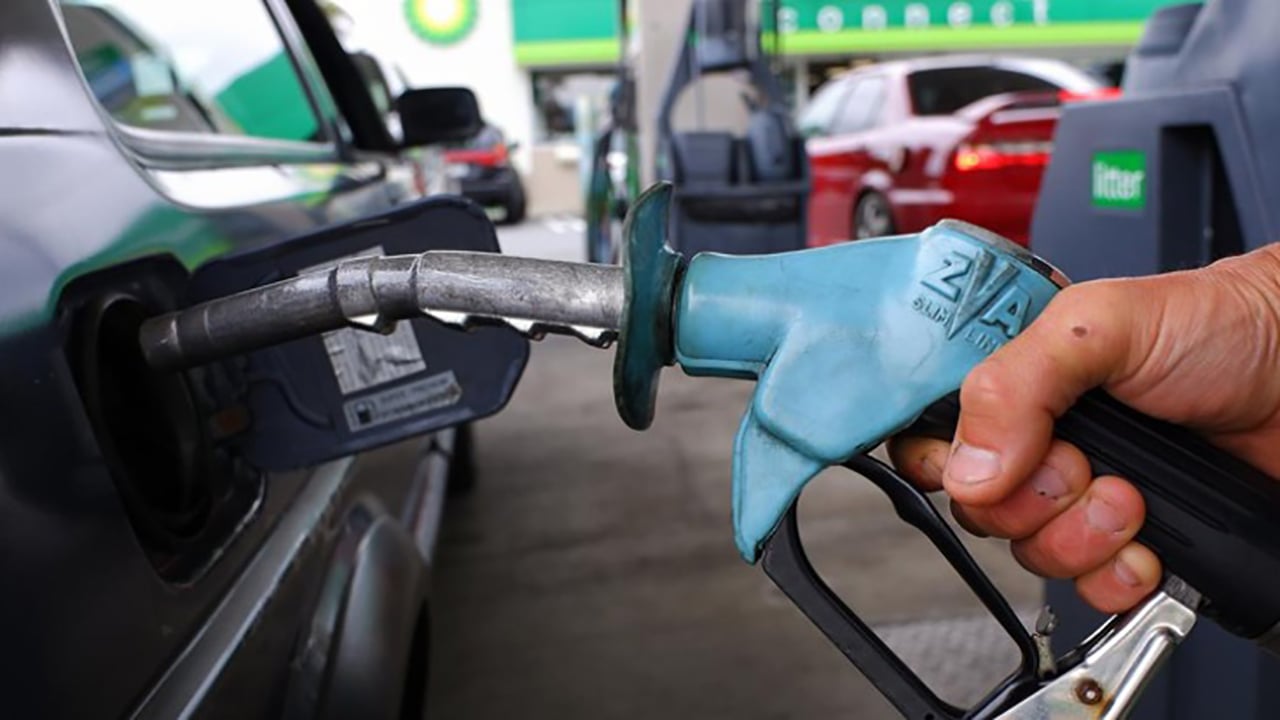
Bangladesh is facing widespread public anxiety and long queues at petrol stations amid global oil market instability caused by war in the Middle East. The government has urged citizens to conserve fuel and electricity, while the Bangladesh Petroleum Corporation (BPC) introduced rationing measures citing limited reserves. Despite official assurances of adequate supply, many stations have closed temporarily due to overwhelming demand, with reports of altercations and threats against pump operators. According to BPC officials, the country currently holds reserves for 10 days of diesel, 17–18 days of octane, 13 days of petrol, 90 days of furnace oil, and 52 days of jet fuel, with additional shipments arriving at Chattogram port. The government is also importing liquefied natural gas (LNG) at higher spot market prices to maintain electricity supply during Ramadan and the irrigation season. Energy Minister Iqbal Hasan Mahmud Tuku met Prime Minister Tarique Rahman to review the situation and announced plans to explore alternative import sources. Authorities have deployed mobile courts to monitor fuel distribution and warned against panic buying, emphasizing that current reserves are sufficient and supply will continue normally.
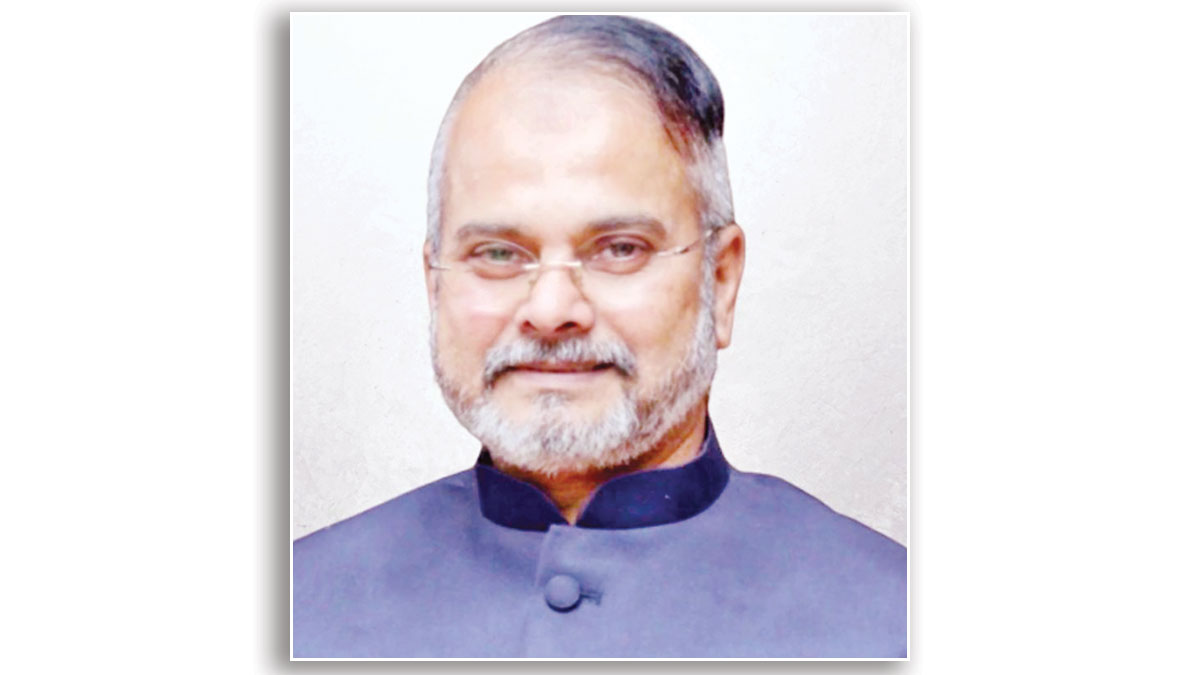
The United States, in coordination with Israel, has launched a full-scale military operation against Iran, targeting the country’s supreme leader and senior officials. The offensive, which also coincides with the reported abduction of Venezuela’s president and his wife, has been described as a clear violation of international law, the UN Charter, and state sovereignty. The escalation marks a sharp departure from earlier US policies that emphasized limited engagement and withdrawal from prolonged Middle Eastern conflicts. The report notes that under Donald Trump’s second term, Washington’s foreign policy has turned more aggressive, with actions suggesting attempts at regime change in multiple countries. Iran has retaliated with strikes on US and Israeli military sites, creating a cycle of attacks that threatens regional stability. Some Arab states have sided with the US, while Iran stands largely isolated, and calls from China, Russia, and the UN for restraint have been ignored. Analysts warn that the conflict could disrupt global oil routes through the Strait of Hormuz, drive energy prices sharply higher, and trigger humanitarian and economic crises. The article concludes that military power alone cannot ensure stability without political compromise and regional unity.
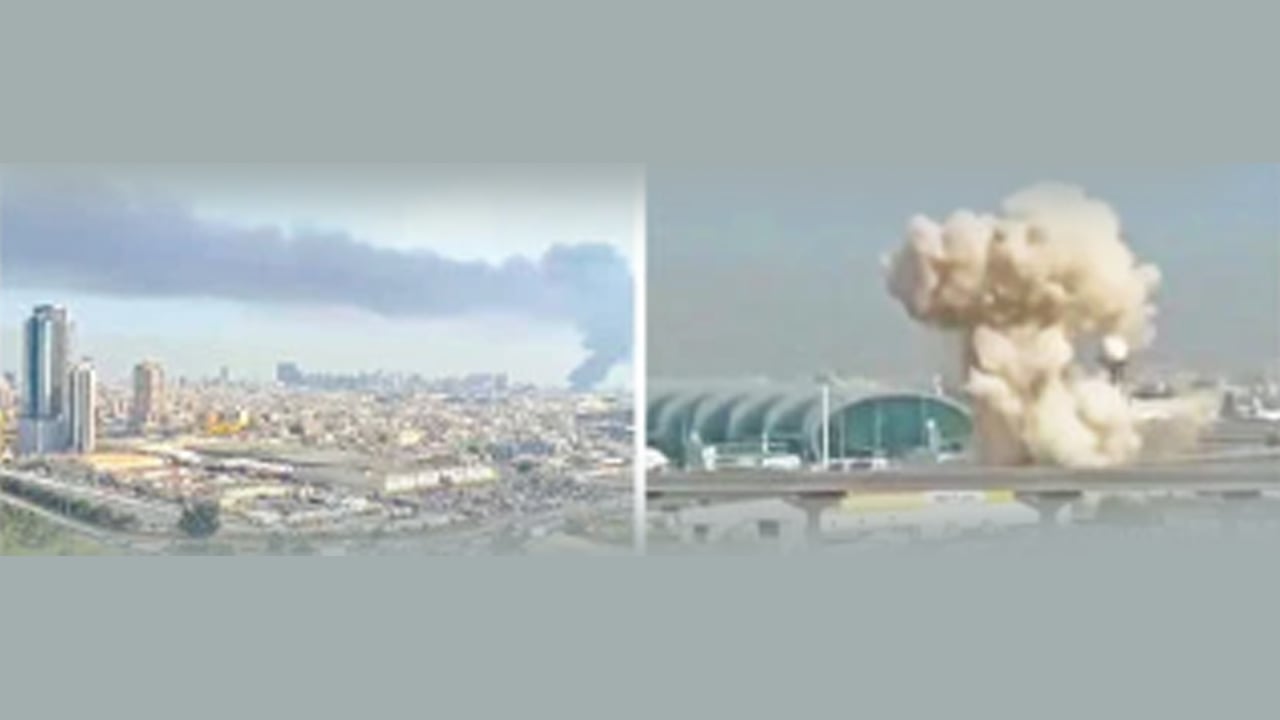
Iran has entered the second week of intense fighting following a joint US-Israeli assault that killed Supreme Leader Ayatollah Ali Khamenei and over 40 senior officials. Despite expectations in Washington and Tel Aviv of Tehran’s quick surrender, Iran continues to resist, launching missile and drone attacks on Israeli and US targets across the Middle East. The conflict, which began on February 28, has destabilized the region and disrupted global energy markets after Iran restricted passage through the Strait of Hormuz. Security analysts cited in the report describe the war as a strategic gamble by the US and Israel that has instead strengthened Iran’s resolve. Experts note that Iran’s strategy focuses on prolonging the conflict to exhaust its adversaries economically and militarily. The country’s large missile and drone arsenal, along with regional allies such as Hezbollah and Hamas, has enabled sustained operations. International reactions have been critical. Spain’s Prime Minister Pedro Sánchez called the war illegitimate, while Germany’s Chancellor Friedrich Merz warned against turning Iran into a proxy battlefield. Analysts suggest the conflict could become Washington’s most perilous campaign in decades.
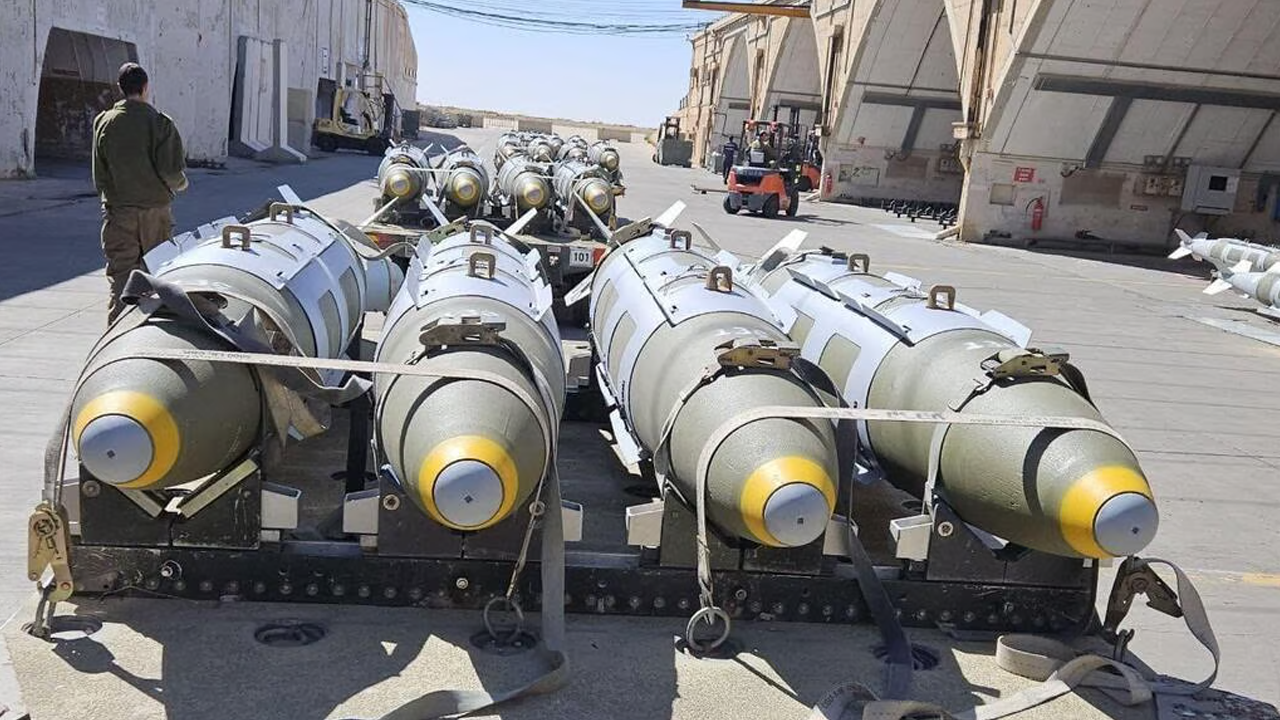
The United States government has approved the sale of more than 20,000 bombs to Israel, valued at approximately $650 million. According to officials, President Donald Trump’s administration granted the approval without going through the regular congressional review process. The US State Department stated that Secretary of State Marco Rubio determined an emergency situation existed, allowing the administration to bypass the usual congressional oversight. Officials also said Israel will purchase an additional $298 million worth of weapons and ammunition through direct commercial sales. The decision follows a December 2024 United Nations report that indicated Israel may have used similar heavy weapons in densely populated areas of Gaza during ongoing conflict in the Palestinian territory. The report’s findings have drawn attention to the potential humanitarian impact of such arms transfers, though the US government has justified the move on emergency grounds.
U.S. President Donald Trump has blamed Iran for a deadly bombing at a primary school in Minab, southern Iran, that killed at least 165 people. Speaking to reporters at Dover Air Force Base on Saturday, Trump dismissed suggestions that the United States was involved in the attack, asserting, “It was Iran.” He also said he had no indication of Russian involvement or evidence that Russia was assisting Iran. Trump further commented on Kurdish forces, stating that he did not want Kurdish fighters to enter Iran. He added that the U.S. goal was to see a president in Iran who would not lead the country into war. The bombing in Minab has sparked widespread international attention and debate over who was actually responsible. Discussions and disputes continue among various parties regarding the true perpetrators of the attack.
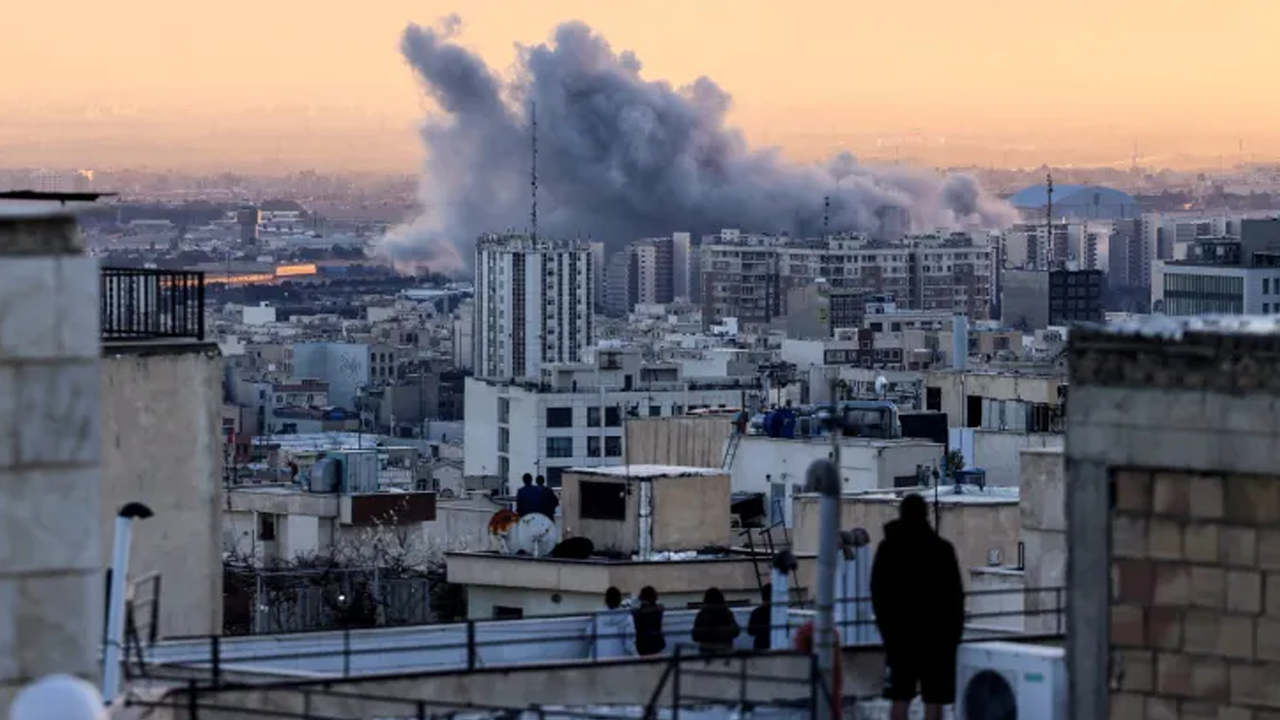
U.S. President Donald Trump has blamed Iran for a deadly bombing at a primary school in Minab, southern Iran, that killed at least 165 people. Speaking to reporters at Dover Air Force Base on Saturday, Trump dismissed suggestions that the United States was involved in the attack, asserting, “It was Iran.” He also said he had no indication of Russian involvement or evidence that Russia was assisting Iran. Trump further commented on Kurdish forces, stating that he did not want Kurdish fighters to enter Iran. He added that the U.S. goal was to see a president in Iran who would not lead the country into war. The bombing in Minab has sparked widespread international attention and debate over who was actually responsible. Discussions and disputes continue among various parties regarding the true perpetrators of the attack.
Iran launched multiple missile attacks targeting Israel, particularly Tel Aviv, throughout Saturday night. According to a Sunday morning report by the Times of Israel, warning sirens were activated across Israel’s central and northern regions, and residents were instructed to move to safe shelters. The report indicated that although the number of missiles fired by Iran was somewhat lower than in previous attacks, the strikes continued for most of the night. It remains unclear whether any of the missiles directly hit their intended targets. Israeli military forces are continuing to monitor the situation closely. No further details were available regarding casualties or damage, and official confirmation of impact sites had not been released at the time of reporting.
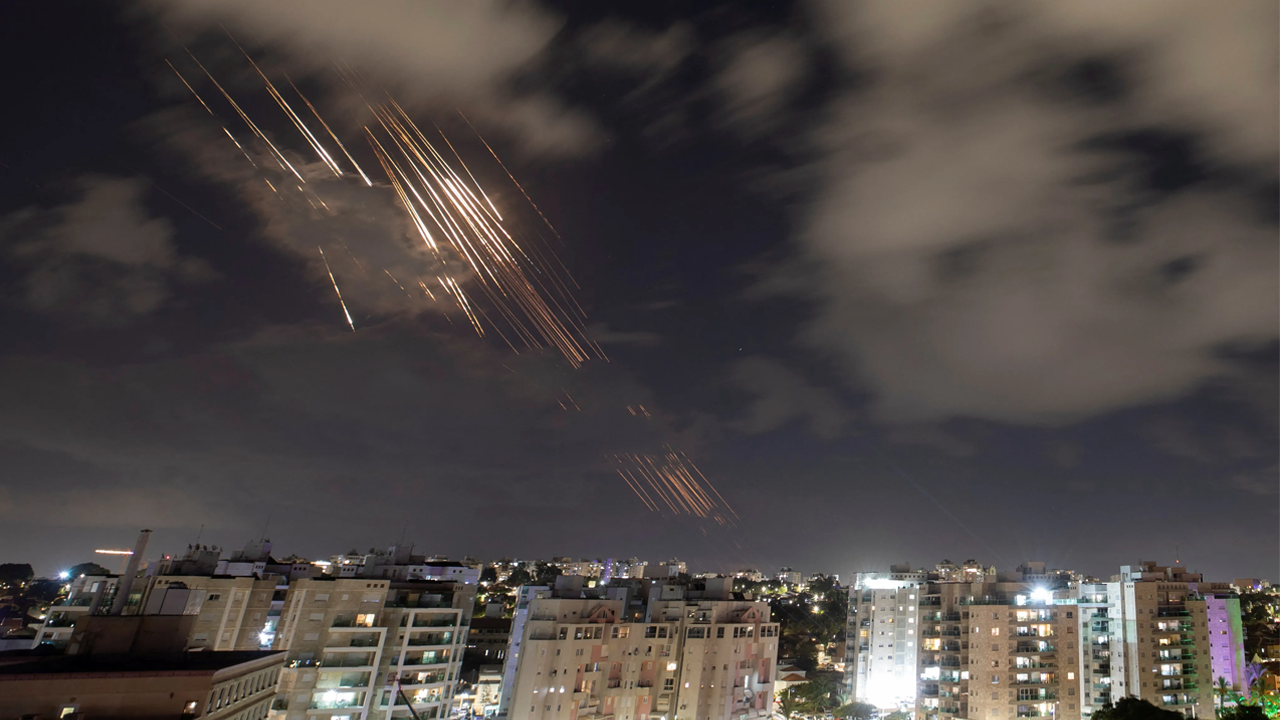
The United States Central Command (CENTCOM) has officially denied reports that Iranian forces captured several American soldiers. A CENTCOM spokesperson on Sunday described the claim as entirely false and baseless, according to Al Jazeera. The statement came after the head of Iran’s Supreme National Security Council alleged that Iranian security forces had detained multiple US troops, a claim that quickly drew international attention. CENTCOM sharply criticized the Iranian statement, calling it another example of deception by Iran’s leadership. The spokesperson said the allegation reflected a pattern of misinformation from Tehran. The exchange of claims and denials added to existing tensions between the two countries, which have frequently accused each other of hostile actions in the region. The report did not specify where or when the alleged incident was said to have occurred, leaving key details unclear.
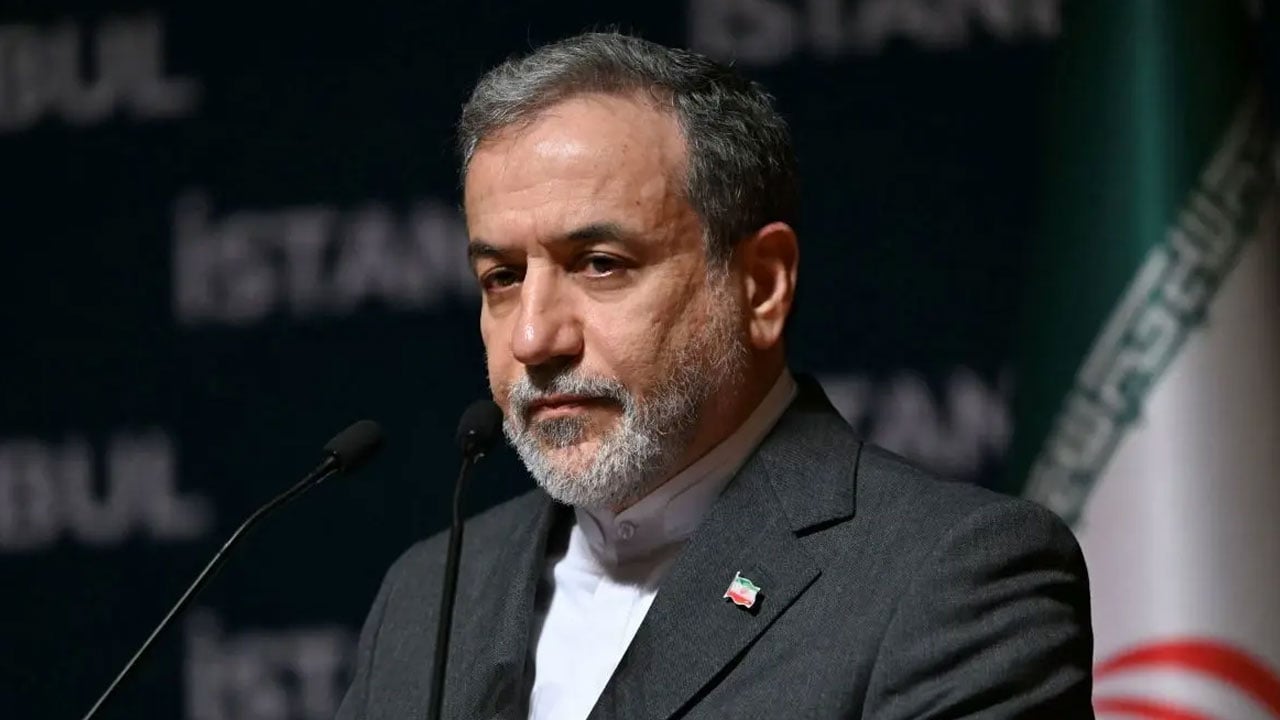
Iranian Foreign Minister Abbas Araghchi has accused U.S. President Donald Trump of undermining Tehran’s recent peace overture to neighboring countries. In a post on social media platform X on Sunday, Araghchi said President Masoud Pezeshkian had expressed goodwill toward reducing regional tensions, offering that Iran would not attack any neighbor unless its territory, airspace, or waters were used for attacks against Iranians. Earlier the same day, President Pezeshkian had assured that Tehran would not target any country unless it initiated aggression. However, Araghchi stated that Trump “almost immediately killed” Iran’s positive message to its neighbors. Shortly after Pezeshkian’s statement, Iran reportedly came under multiple attacks and responded with retaliatory strikes. According to Tehran, the counterattacks targeted U.S. military installations located in neighboring Gulf states. The developments mark a sharp escalation following Iran’s attempt to ease tensions through diplomatic assurances.
A Pakistani citizen was killed in Dubai when debris from a defense missile fell on his car in the Barsha area around midnight local time on Sunday, according to Al Jazeera. The missile had been launched to intercept Iranian drones and missiles targeting the United Arab Emirates. Earlier, Iran’s Islamic Revolutionary Guard Corps stated that it had carried out an attack aimed at a U.S. base in Dubai Marina. The incident occurred amid heightened regional tensions following Iran’s strikes on military targets in Israel and Jordan, and reports of extensive damage to civilian infrastructure inside Iran. The event underscores the growing risks of spillover effects from the escalating conflict between Iran and U.S.-aligned forces in the Middle East, with civilian casualties now reported beyond direct battle zones.

A violent clash erupted between local activists of Jamaat-e-Islami and the Bangladesh Nationalist Party (BNP) in Sakoa village of Mohanpur upazila, Rajshahi, on Saturday night. The confrontation occurred around 8 p.m. during a discussion over appointing an imam for the upcoming Eid prayer. According to local Jamaat leaders, one Jamaat activist named Alauddin was killed in the incident. Following the death, Jamaat supporters blocked the Rajshahi-Naogaon highway and set fires on the road. Witnesses reported that the dispute began when both groups insisted on appointing their preferred candidate as imam for the Eid congregation. The argument escalated into a physical altercation, leaving several people injured. Alauddin was taken to a local hospital, where doctors declared him dead. Police have deployed additional forces to control the situation. Mohanpur Police Station Officer-in-Charge S.M. Moinuddin confirmed the death and said the situation is now under control.
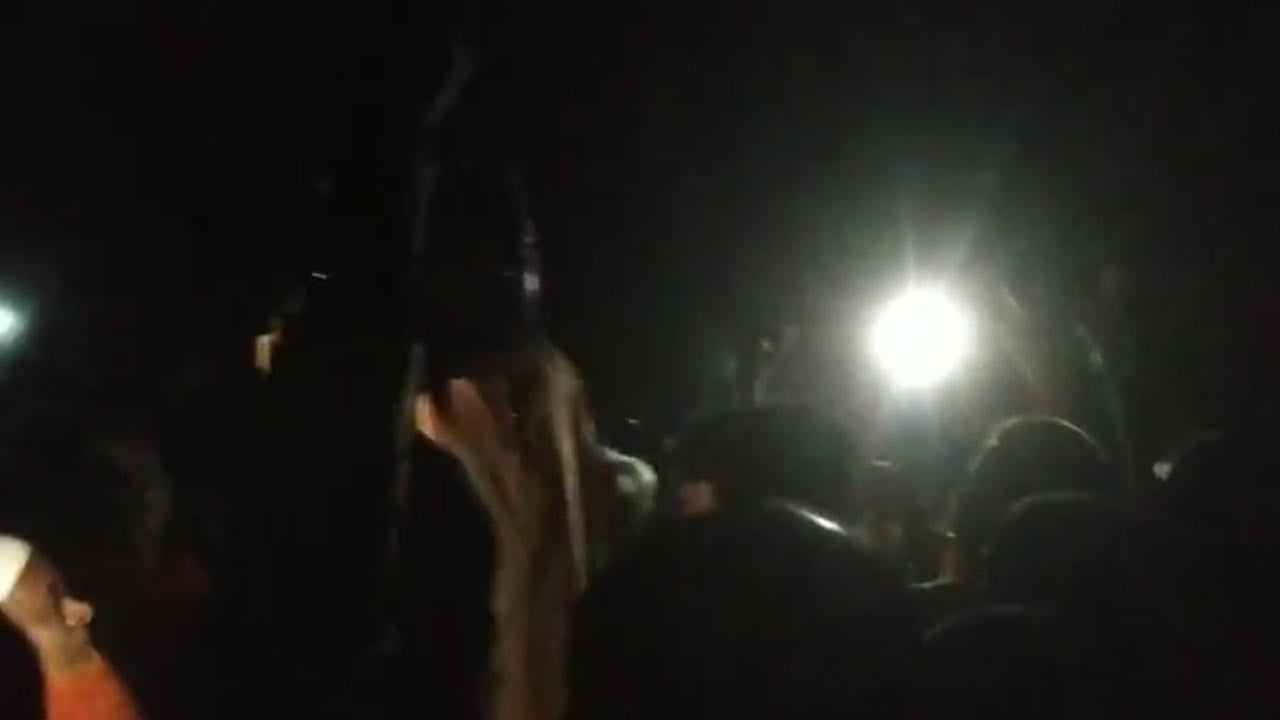
A Bangladesh Nationalist Party (BNP) student activist was reportedly attacked and injured by Awami League members in Chatkhil upazila of Noakhali on Saturday evening. The incident occurred at Korihati Bazar, where the victim, identified as Md. Faisal, claimed he was assaulted after returning home from Dhaka. Faisal went live on Facebook while injured, stating that Awami League activists attacked him suddenly after iftar, leaving injuries on his hands, head, and back, and also vandalized his shop. Faisal alleged that despite the BNP being in power, Awami League supporters carried out the attack. He demanded justice from Mahbub Uddin Khokon, a Member of Parliament. Chatkhil Police Station Officer-in-Charge Abdul Mannan confirmed the incident, saying police visited the scene and advised the parties to come to the station. He added that legal action would follow upon receiving a formal complaint. The report did not mention any arrests or official statements from Awami League representatives regarding the incident.

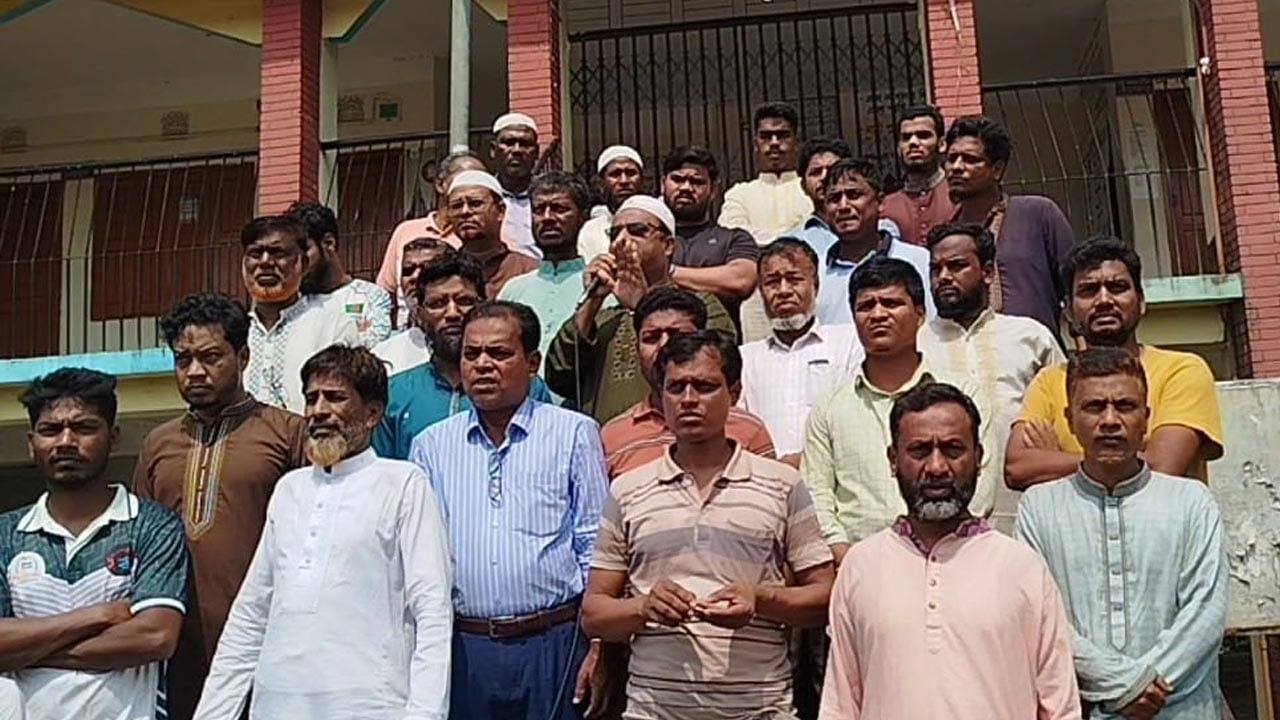
A protest rally and meeting were held in Banshkhali, Chattogram, on March 7, 2026, against alleged mob violence led by BNP leader Delwar Azim. The incident reportedly involved preventing High Court–reinstated chairman Rezaul Karim Chowdhury Yunus Munshi from entering the Baharchhara Union Parishad office, vandalizing property, and looting materials. The protest, jointly organized by a faction of the BNP and Jamaat-e-Islami, drew several thousand participants who condemned the attack and demanded accountability. Speakers at the rally said the chairman had regained his position through a High Court order after a prolonged legal process but faced obstruction from Azim’s supporters. They warned that any future attempt to block the chairman’s duties through violence would be met with strong resistance. Delwar Azim denied involvement, claiming he was in Chattogram city during the incident. The dispute follows administrative delays in implementing the court’s directive to reinstate the chairman, leading to tensions and administrative paralysis in Baharchhara Union. Local residents and political circles have expressed concern over the ongoing uncertainty.
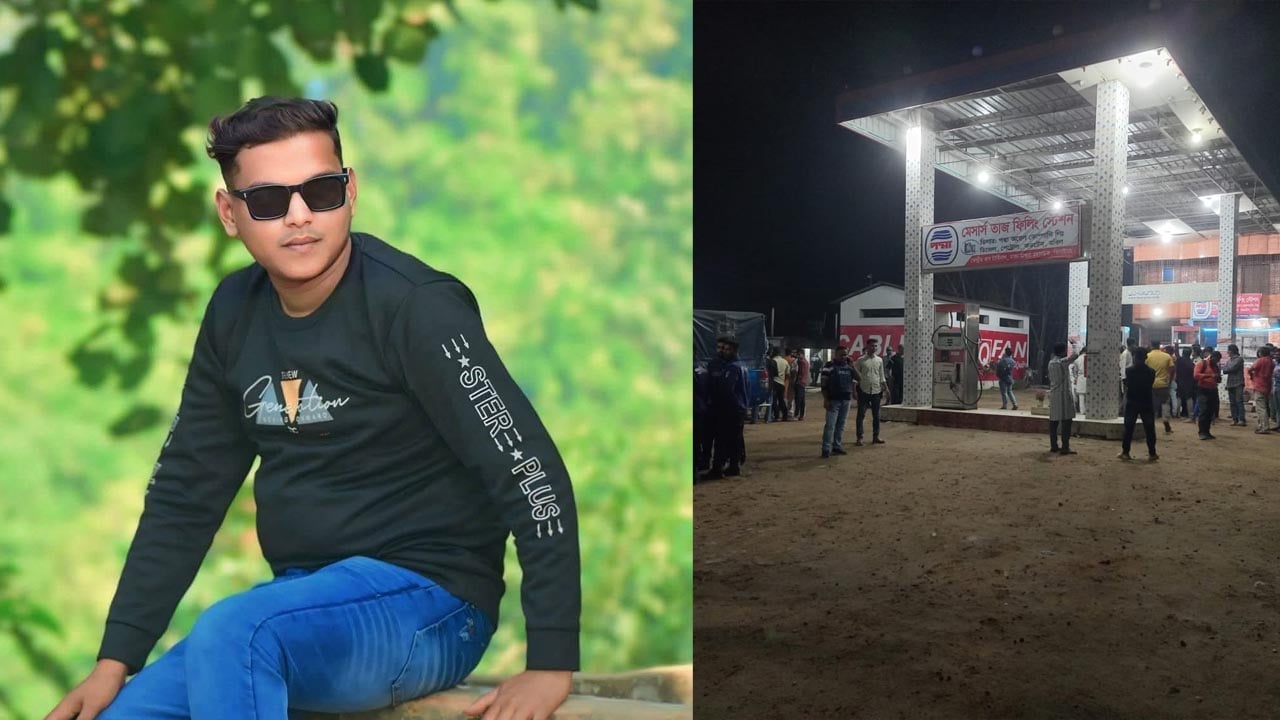
A youth named Al Miraz Nirab, a joint chief organizer of the anti-discrimination student movement in Jhenaidah Sadar, was beaten to death at a petrol pump in Jhenaidah on Saturday night. The incident occurred at Messrs Taj Filling Station near the central bus terminal when Nirab came to buy fuel. Police said he arrived around 8 p.m. with a plastic bottle, but the pump staff refused to sell fuel that way. Later, seeing another person being served in a bottle, Nirab protested, leading to an altercation. The employees then beat him with sticks, causing fatal injuries. He was taken to Jhenaidah Hospital, where doctors declared him dead. Three employees have been detained by RAB-6. Nirab, aged 23, was from Barobazar’s Badurgacha village in Kaliganj upazila and ran a fast-food business near Jhenaidah Government Boys’ School. He was also a second-year honors student at Jhenaidah Government KC College. Police said the detainees are being interrogated and legal action will follow after investigation. The filling station is owned by Harunur Rashid, also known as Srijoni Harun, a former district council chairman and expelled Awami League leader.
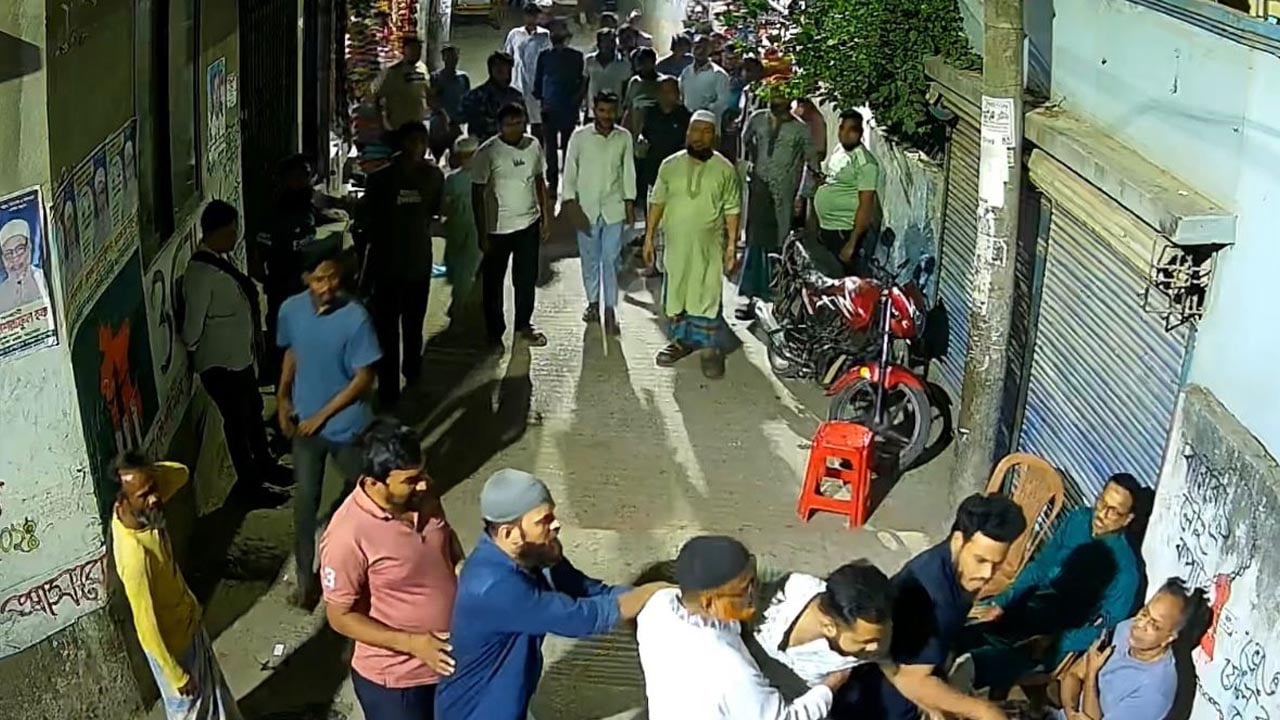
A senior journalist, Zahid Iqbal, was allegedly harassed by a mob in Dhaka’s Nikunja area on Saturday evening after publishing a report on road occupation. The incident occurred near Jamtala’s Zahid Iqbal Chattar, where local resident Nurul Islam’s son, Md. Sabuj, is accused of leading a group that surrounded and threatened the journalist. Police from Khilkhet station, led by Sub-Inspector Ujjal, visited the scene following the incident. CCTV footage reportedly shows around 30 people encircling Zahid Iqbal and intimidating him, while some of his friends were also threatened. Witness Matiur Rahman Swapon said the group demanded deletion of the published report and issued an ultimatum. Zahid Iqbal explained that the report highlighted how part of a narrow road in Nikunja had been illegally walled off, worsening public movement. Khilkhet Police Officer-in-Charge Abdul Alim confirmed that an investigation is underway and legal action will be taken against those responsible. Local residents identified several others allegedly involved and called for strict action, saying such intimidation undermines democratic values and press freedom.
The ‘1 Nojor’ media platform is now live in beta, inviting users to explore and provide feedback as we continue to refine the experience.