

The ‘1 Nojor’ media platform is now live in beta, inviting users to explore and provide feedback as we continue to refine the experience.
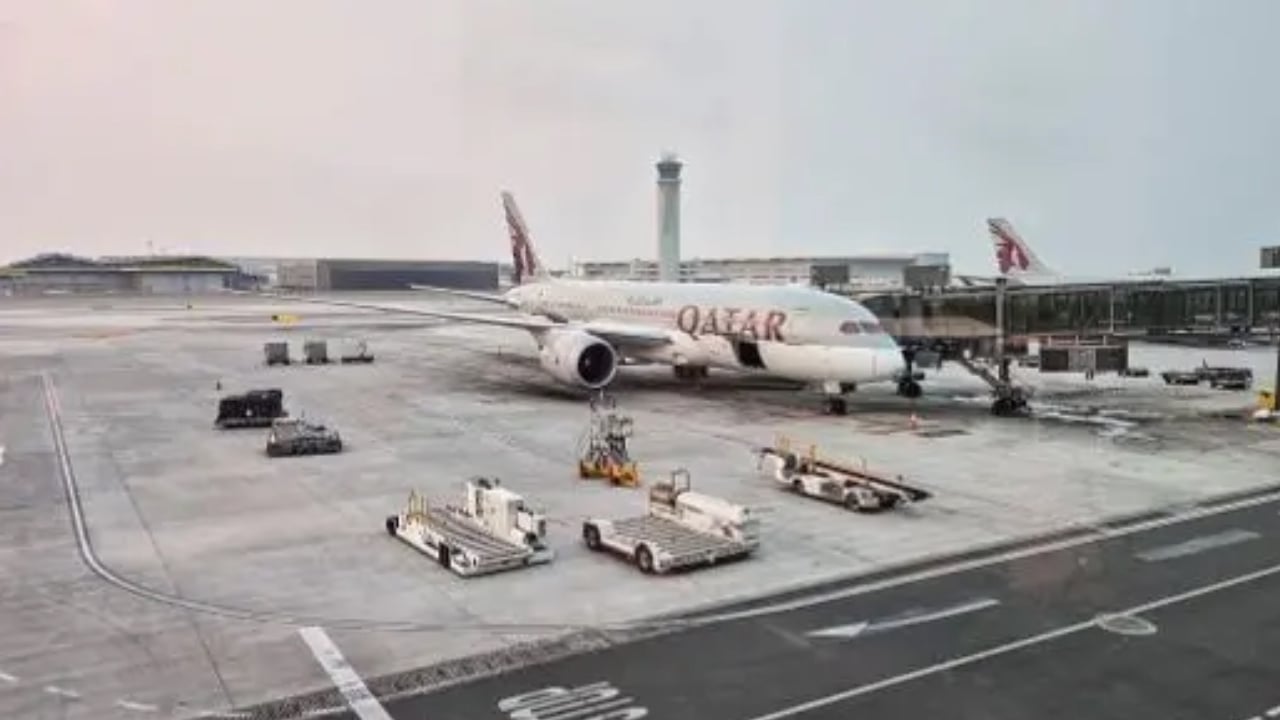
Qatar has announced the partial resumption of flights for the first time since the war began a week ago. The country’s aviation authority stated that the airspace will be reopened only for evacuation flights and emergency cargo operations. Hamad International Airport said that any further expansion of flight operations will depend on updated assessments of the security situation. Earlier, Qatari officials reported that their military had thwarted an attempted attack on the airport by Iran. The Ministry of Defense confirmed that Qatar shot down nine drones on Friday, one of which fell in an uninhabited area without causing casualties. The decision to reopen airspace in a limited capacity reflects Qatar’s cautious approach amid ongoing regional tensions and security concerns.
Iran has launched a series of missile and drone attacks on Israel, prompting millions of Israelis to take refuge in bomb shelters. Since midnight on Friday, Israel detected at least five ballistic missiles fired from Iran. Explosions were heard in Jerusalem on Saturday after air raid sirens warned of incoming strikes. According to Israeli military sources, Iran carried out a new round of missile attacks, while Israel’s air defense systems worked to intercept the threats. Israeli analysts believe Iran’s continued strikes and the mass movement of civilians into shelters are intended to pressure Prime Minister Benjamin Netanyahu’s government. The situation has heightened regional tension, with reports suggesting that the conflict could further destabilize the Middle East if the attacks persist.

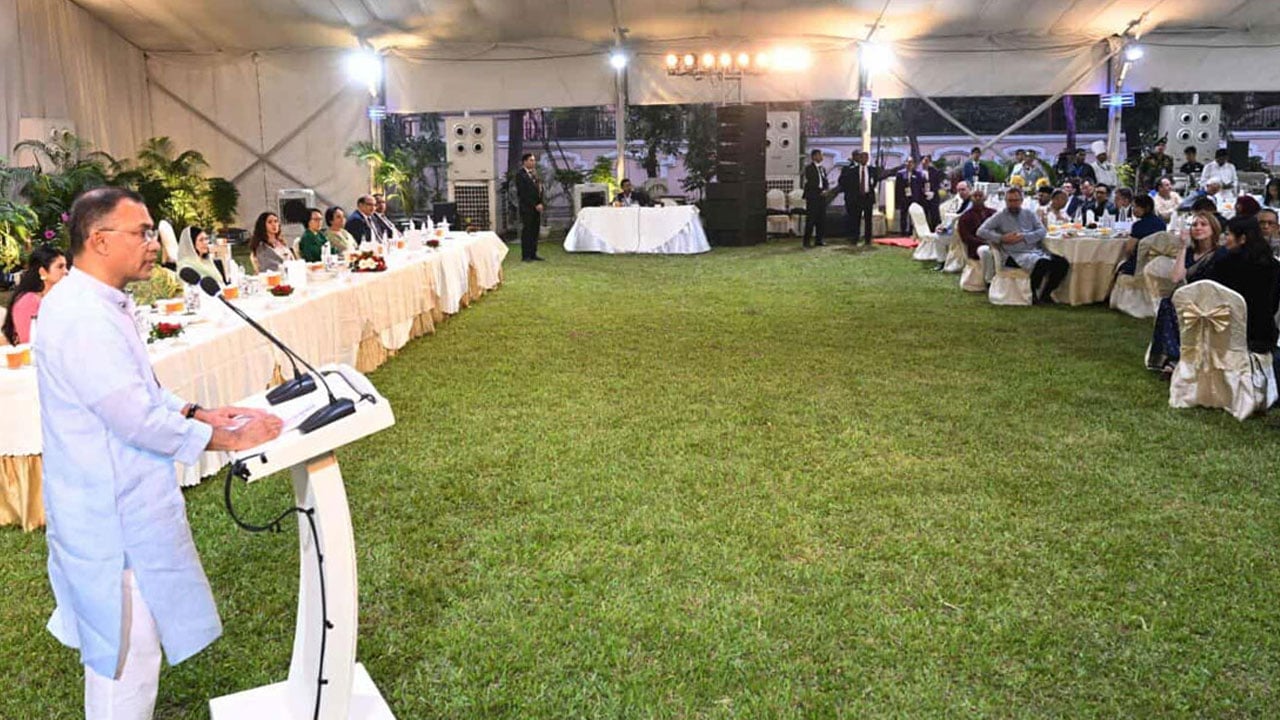
Prime Minister Tarique Rahman reaffirmed his government’s commitment to strengthening Bangladesh’s bilateral and multilateral relations based on mutual respect, trust, and cooperation. Speaking at an iftar reception for diplomats at the state guesthouse Jamuna in Dhaka on Friday, he said prosperity is built through collaboration, not isolation. Ambassadors, foreign mission representatives, cabinet members, and lawmakers attended the event. Rahman outlined his administration’s priorities, including easing business regulations, attracting responsible investment, and promoting public-private partnerships to drive growth. He emphasized transparency, accountability, and anti-corruption measures as foundations of democratic governance. The government plans to expand vocational education, introduce a third language in curricula, and extend preventive healthcare to rural areas to ensure equitable development. Highlighting Bangladesh’s position at a critical juncture, the prime minister said the goal is to build a diversified, technology-driven, and sustainable economy that empowers women, creates jobs, and fosters entrepreneurship. He also urged support for Bangladesh’s candidate, Foreign Minister Dr. Khalilur Rahman, for the presidency of the 81st UN General Assembly session for 2026–27.
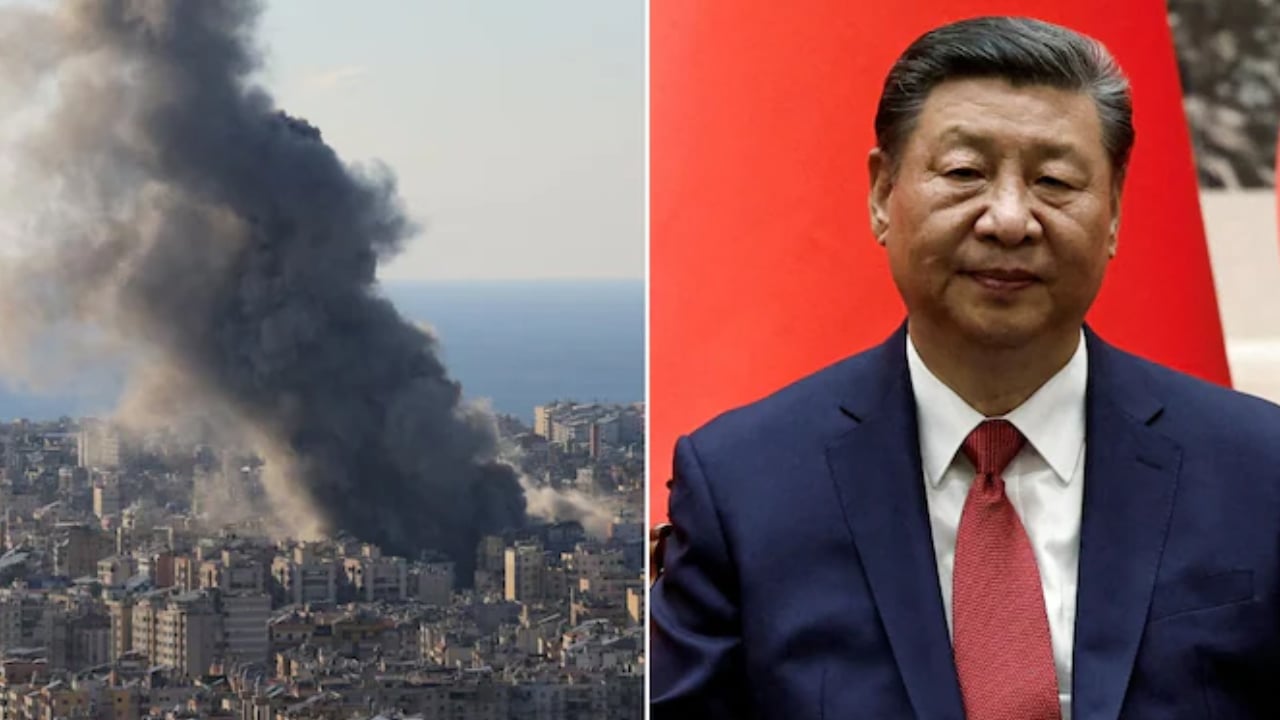
China has voiced concern over the ongoing tensions in the Middle East, condemning recent attacks and calling for a ceasefire. Foreign Minister Wang Yi criticized the United States and Israel for their actions in Iran, particularly the killing of a sovereign nation's leader. Despite its diplomatic stance, analysts note that China has remained largely a spectator in recent crises, including U.S. actions in Venezuela and Iran, revealing limits to its ability to assist allied nations. Experts from the Royal United Services Institute and SOAS China Institute observed that while China seeks to present itself as a counterbalance to U.S. power, it lacks the military capacity to protect its partners. They added that President Xi Jinping may attempt to project himself as a stable global leader in contrast to U.S. President Donald Trump. Analysts also warned that disruptions to energy supplies and air travel could disproportionately affect developing nations, potentially leading to food shortages in the coming months. China has initiated diplomatic outreach, with Wang Yi speaking to his counterparts in Oman and France and announcing plans to send a special envoy to the Middle East.
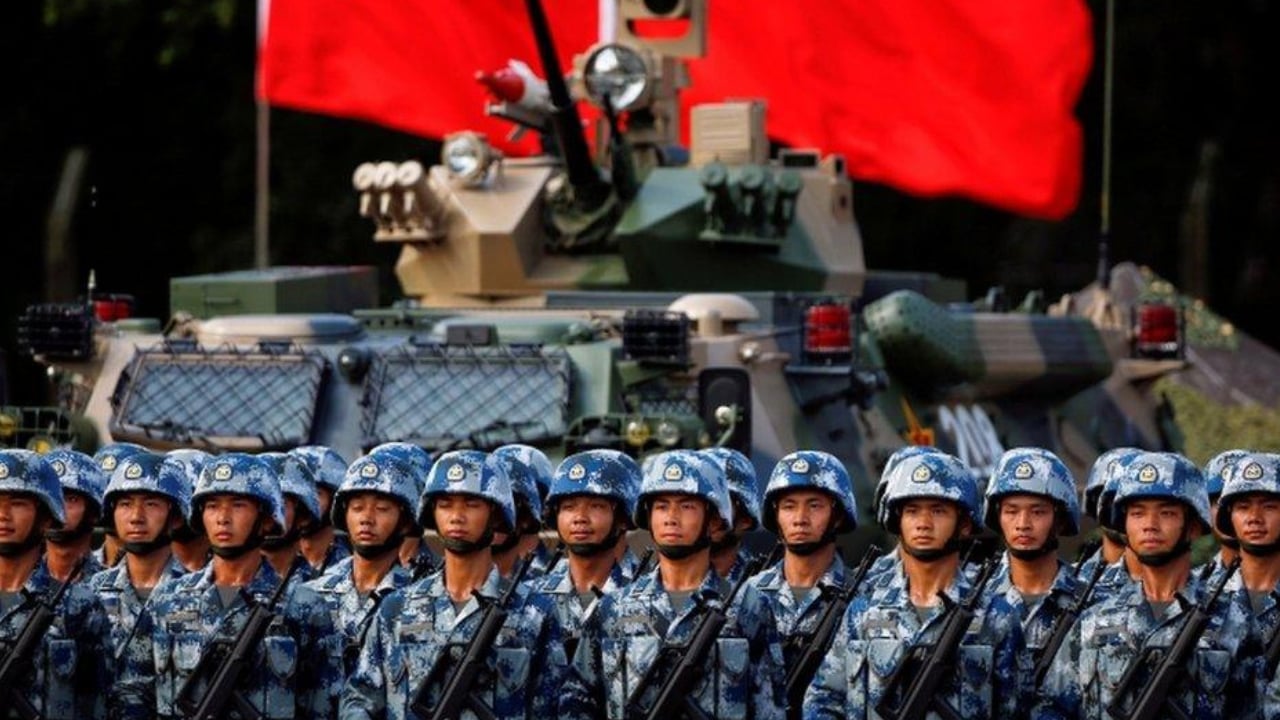
China is closely monitoring the escalating conflict involving Iran, the United States, and Israel, as the Middle East turmoil begins to affect its strategic and economic calculations. Although Beijing currently holds sufficient oil reserves for several months and could seek support from Russia if needed, officials are assessing the long-term consequences for China’s investments and energy security. The issue has surfaced during a major Communist Party meeting in Beijing, where delegates are already grappling with domestic economic challenges, including property market distress and high local debt. China’s ties with Iran, while often described as close, remain largely transactional. Despite a 25-year strategic partnership agreement signed in 2021, only a fraction of the pledged $400 billion investment has materialized, though oil flows from Iran to China continue. Analysts note that China’s ability to assist partners like Iran is limited, as seen in its restrained response to recent U.S. actions in Venezuela and Iran. Beijing has condemned the attacks and called for a ceasefire, while preparing for U.S. President Donald Trump’s upcoming visit. The meeting could clarify Washington’s stance on sensitive issues such as Taiwan and regional stability.
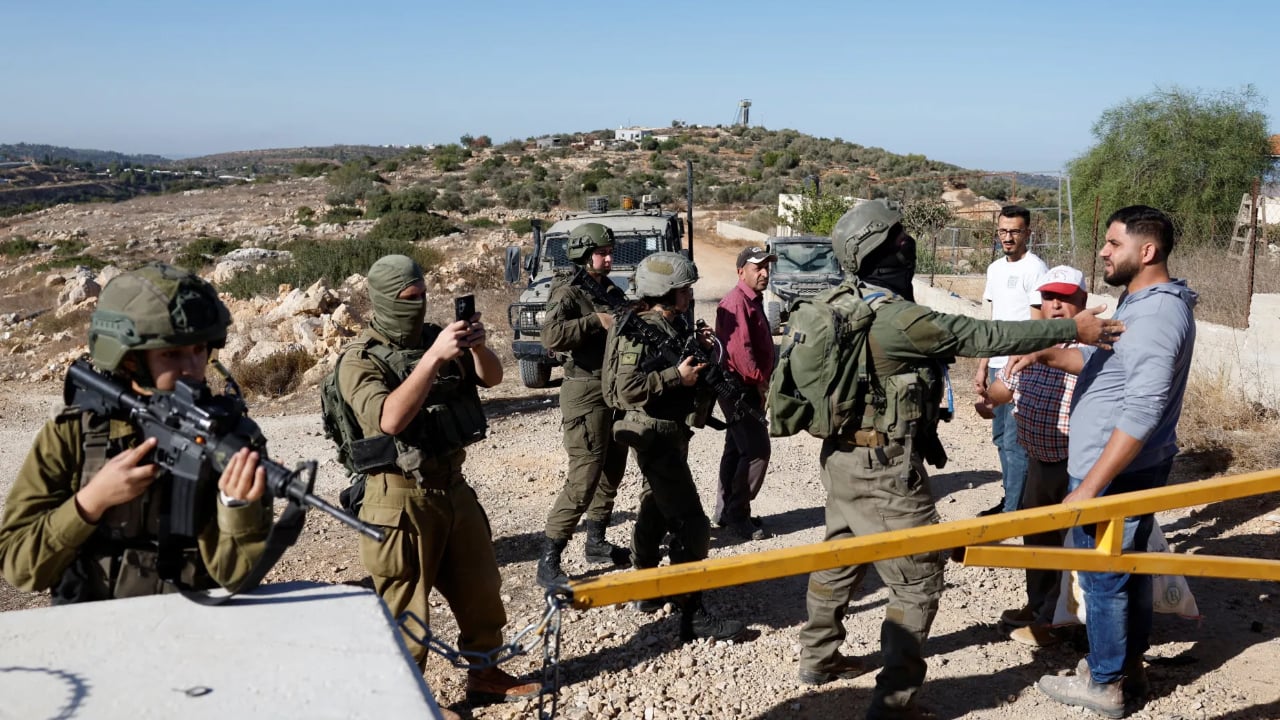
Israel has continued its assaults on Palestinians even as it carries out joint military aggression with the United States against Iran. According to reports, Israeli forces have launched simultaneous attacks on the blockaded Gaza Strip and the occupied West Bank. Despite a ceasefire announced on October 10 last year through mediation by US President Donald Trump, Israeli forces have continued to strike Palestinian areas. A statement from the Palestinian Health Ministry said that in the past 24 hours, three Palestinians were killed and one injured in Israeli attacks. Over the five months since the ceasefire, 636 people have been killed and 1,704 injured, while 753 bodies have been recovered. In total, more than 72,120 people have been killed and 171,802 injured in Israeli assaults over the past two years. Following the outbreak of conflict with Iran, Israel has imposed a complete blockade on Gaza, closing all entry and exit routes. Israeli authorities also banned Friday prayers at Jerusalem’s Al-Aqsa Mosque, citing security reasons, and arrested 11 people across the region.
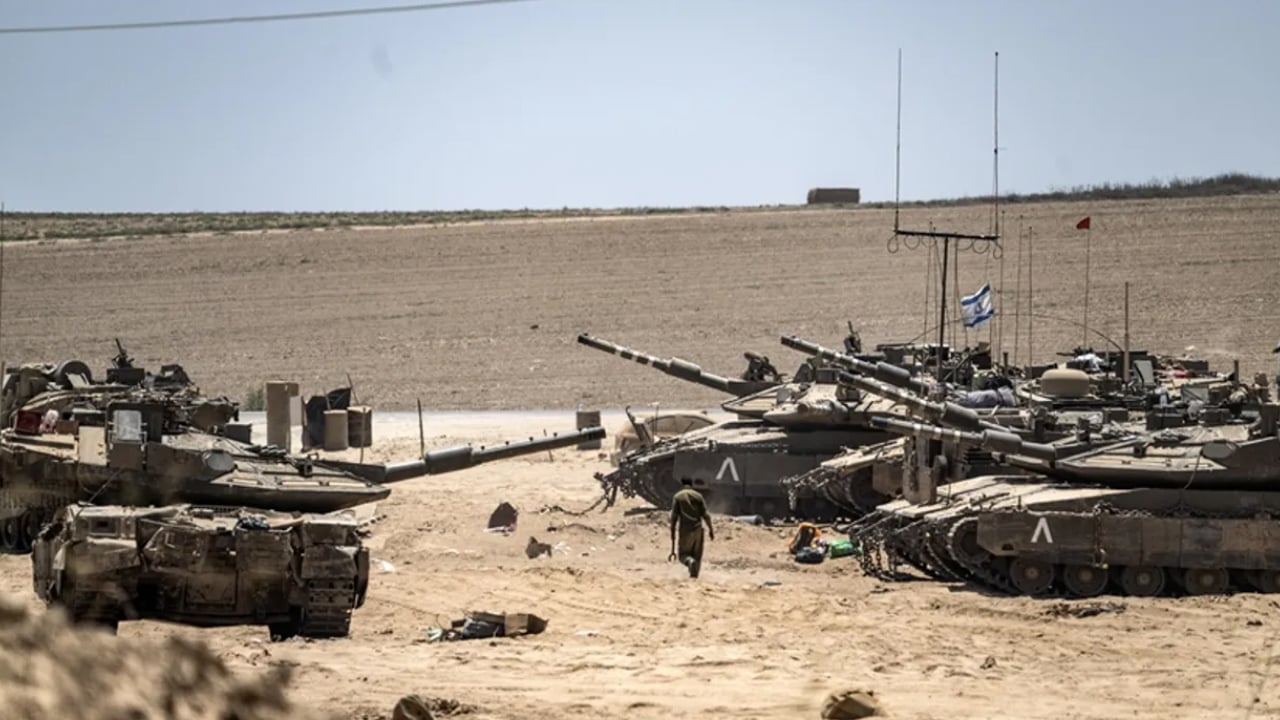
The United States Department of State has approved an emergency sale of weapons and military equipment worth $151 million to Israel. Secretary of State Marco Rubio stated that the sale was necessary under the existing emergency situation. The announcement was made through an official statement from the State Department. According to the statement, the proposed sale will support US foreign policy and national security objectives by strengthening the defense capabilities of a key regional ally. The package includes bombs, supplies, and other military equipment. The statement also emphasized that Israel remains an important force for political stability and economic progress in the Middle East. The approval reflects Washington’s continued commitment to its strategic partnership with Israel, particularly in the context of ongoing regional instability, as noted in the State Department’s communication.
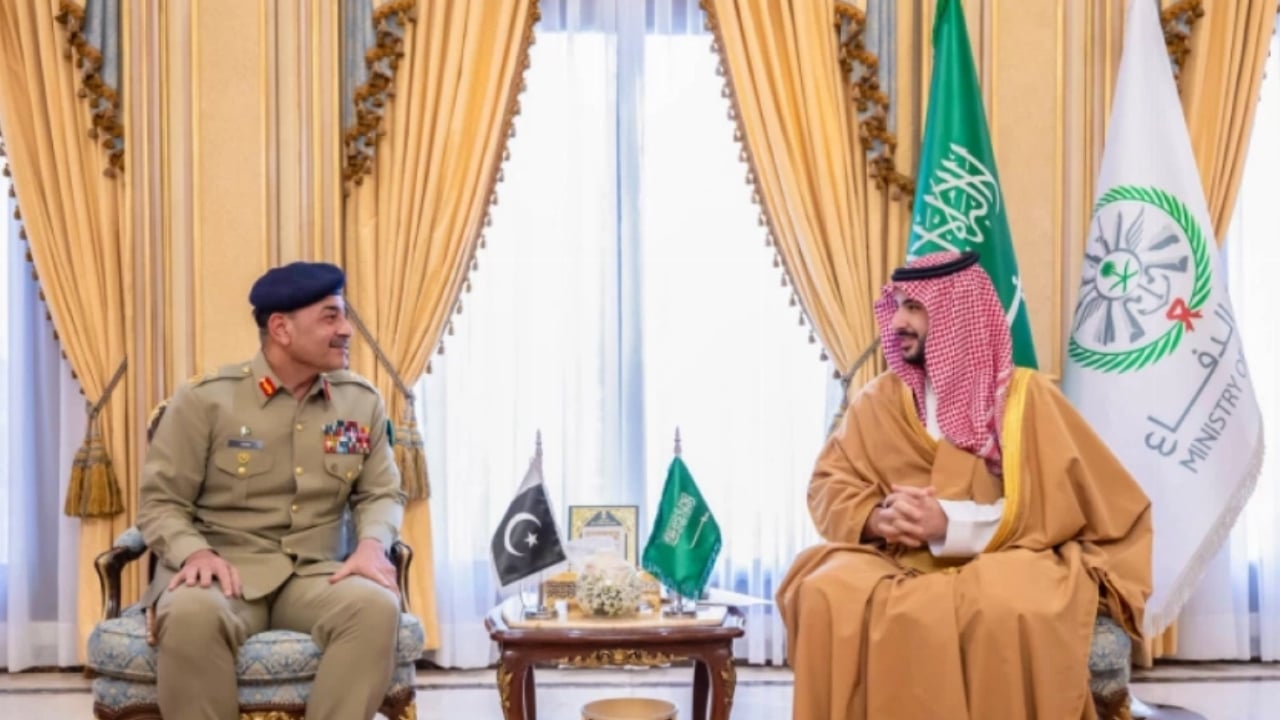
Saudi Defense Minister Khalid bin Salman Al Saud met with Pakistan’s Army Chief Asim Munir, according to a statement from the Saudi Ministry of Defense. The meeting focused on the recent Iranian attack in Saudi Arabia and the broader security situation in the region. The ministry said both sides emphasized the importance of strengthening their long-standing fraternal ties and enhancing strategic defense partnerships between Saudi Arabia and Pakistan. They also expressed hope that Iran would act with wisdom and reason and avoid taking any wrong steps. The discussion reflects ongoing regional tensions and efforts by both countries to coordinate their defense and diplomatic responses to evolving security challenges in the Middle East.
Indian drug syndicates have changed tactics as Bangladeshi law enforcement tightens control over Phensedyl smuggling. According to the Department of Narcotics Control (DNC), three new codeine-based syrups—Bronokof C, Choco Plus, and Win Corex—are being produced in at least ten Indian border districts and trafficked into eight Bangladeshi frontier districts. Though some shipments have been seized, the syrups remain largely unrecognized as narcotics, raising concern among authorities. DNC officials said the syrups contain codeine phosphate, the same addictive ingredient found in Phensedyl, and are being relabeled and exported despite being banned in India. The agency has identified 62 factories and 374 traffickers involved, and plans to formally request India to shut down the production centers. Border Guard Bangladesh has intensified surveillance, but officials admit earlier appeals to India yielded little progress. Recent intelligence reports warn that Bronokof C is spreading fastest through Rajshahi and Chapainawabganj, while Win Corex is entering through Jessore. Experts caution that the lower price and easy availability of these syrups could worsen addiction among youth if cross-border coordination does not improve.

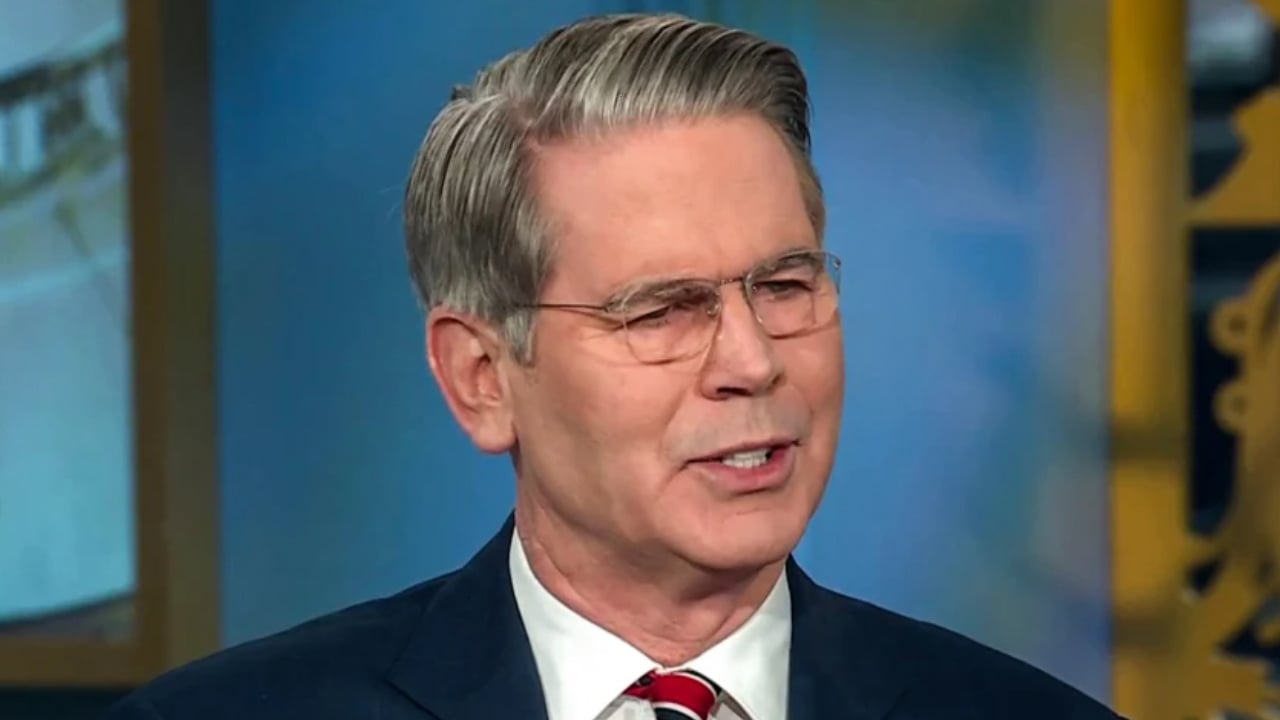
US Treasury Secretary Scott Basent has warned that the largest airstrike ever on Iran will take place tonight. In an interview with Fox News, he said that Iran’s missile launch centers and missile production factories would be the main targets, adding that the attacks aim to render these facilities significantly inoperative. Basent also accused Tehran of attempting to create economic chaos through its control over the Strait of Hormuz. Meanwhile, a major attack has already struck Mehrabad, one of Iran’s busiest airports. Social media videos showed burning aircraft and thick plumes of smoke rising from the site. Satellite images taken on Friday reportedly showed several aircraft stationed at the airport before the strike. The developments come as tensions rise across the Middle East, with reports suggesting that US and Israeli forces have identified thousands of civilian sites in Iran as potential targets.
Saudi Arabia’s defense forces intercepted six drones aimed at an oil field and a ballistic missile targeting an air base, according to a statement from the country’s defense ministry spokesperson posted on social media platform X. The incident occurred in the southern desert region known as the Empty Quarter, where the Shaibah oil field is located. The Shaibah field, operated by Saudi Aramco, produces about one million barrels of oil per day. The ballistic missile was reportedly heading toward Prince Sultan Air Base, which had been used by the United States Air Force as part of preparations for potential operations involving Iran. The ministry did not report any damage or casualties from the attempted attacks. The report, citing BBC as its source, comes amid heightened regional tensions involving Iran and Western military activities in the Middle East.
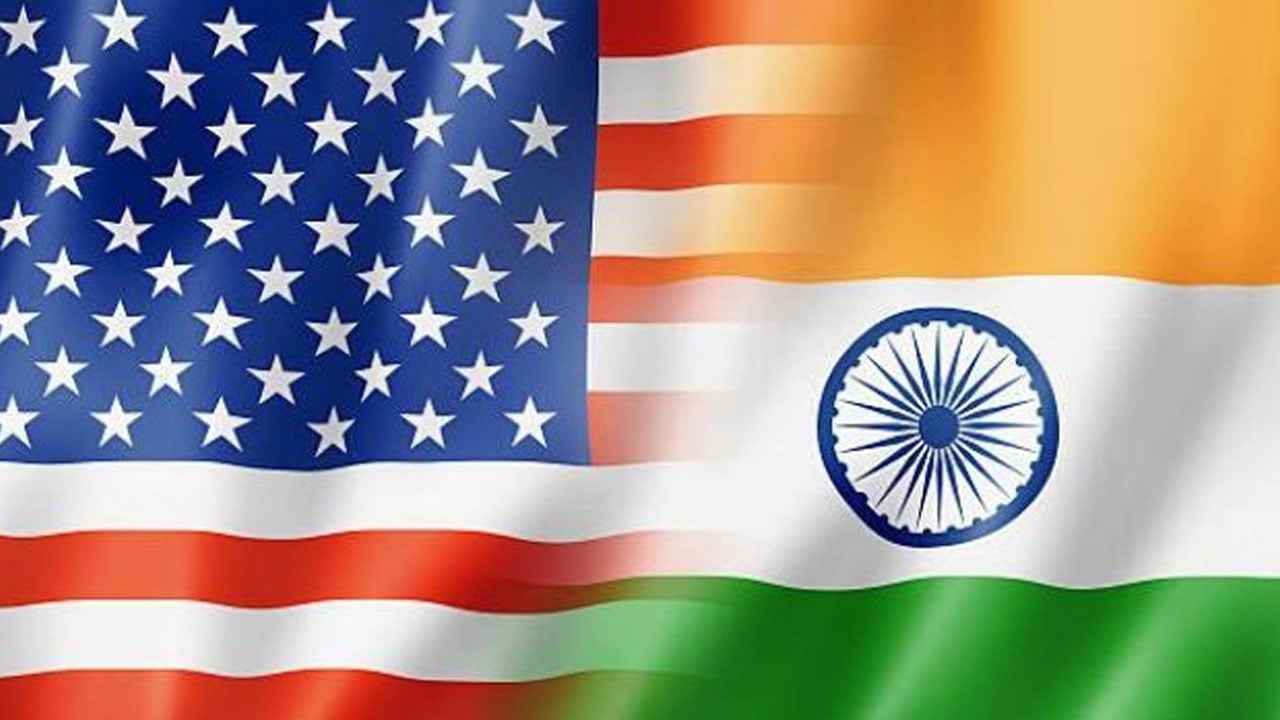
The United States will not grant India any trade concessions, Deputy Secretary of State Christopher Landau announced at the Raisina Dialogue in New Delhi on Thursday. He said Washington does not want to repeat the mistake it made two decades ago by giving China special trade privileges, which helped Beijing become a major rival. Landau emphasized that the Trump administration’s decision reflects a broader policy of using tariffs as a negotiation tool and prioritizing national interests. Landau stated that while the U.S. values its economic relationship with India, it cannot offer unfair advantages, as both governments are accountable to their citizens. He confirmed that Washington and New Delhi agreed on an interim trade framework on February 6, set to take effect in April, imposing an 18 percent reciprocal tariff on several Indian goods. The U.S. had earlier announced a 50 percent tariff on Indian imports due to oil purchases from Russia but later withdrew the punitive portion after India accepted certain U.S. conditions. Landau also urged India to diversify its energy sources amid supply disruptions linked to the Iran-Israel conflict, suggesting the U.S. could play a larger role in India’s energy security.
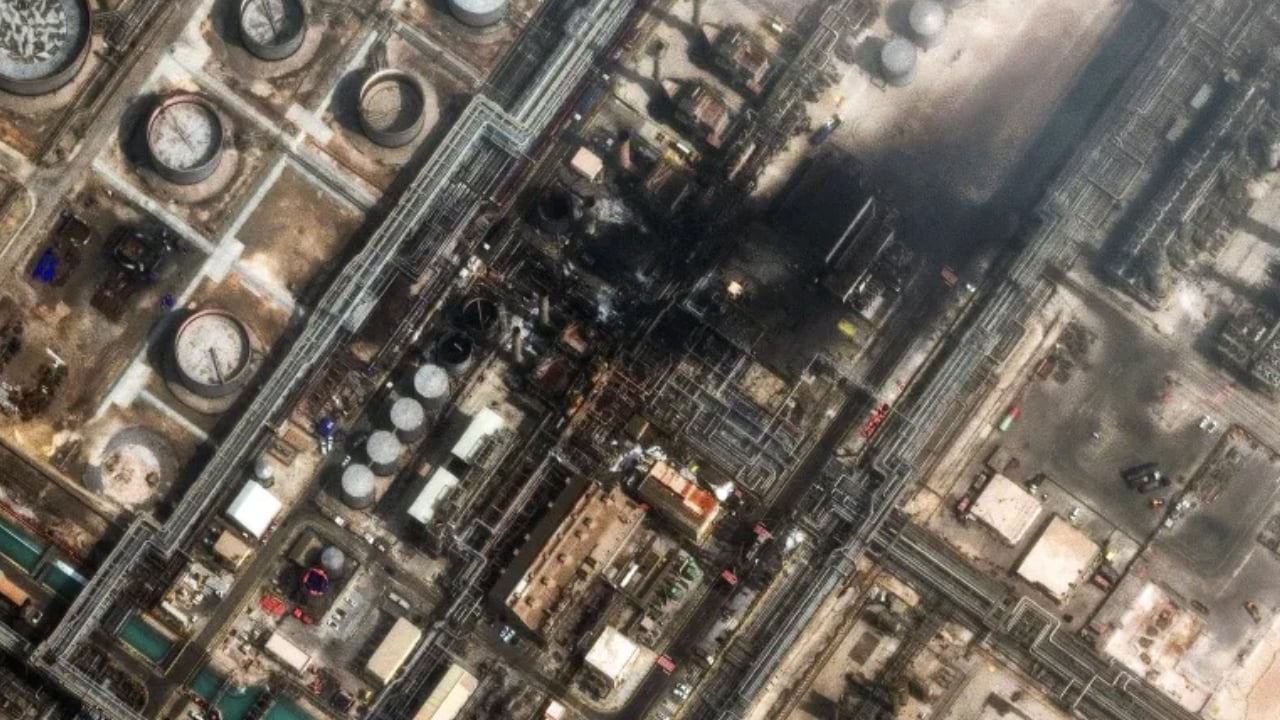
A major attack struck Mehrabad Airport, one of Iran’s busiest airports, on Friday. Videos circulating on social media showed planes on fire and thick plumes of smoke rising from the site. Satellite images taken the same day showed several aircraft positioned at the airport. Iranian state media confirmed that parts of the airport were hit, though it remained unclear which sections were affected. Eyewitnesses described the bombing as intense. The incident occurred shortly after Israel’s military announced the start of a new round of large-scale airstrikes on Iran. Earlier, on March 4, Israel had also targeted the same airport, claiming the strikes aimed to destroy defense and detection systems that posed a threat to its air force, including facilities linked to helicopter production. The renewed attacks have raised concerns about escalating hostilities between the two countries, with regional and international observers warning of potential wider instability in the Middle East.
The Jamaat-e-Islami-led alliance has announced preparations to play a constructive and responsible opposition role in Bangladesh’s 13th National Parliament. Following the February 17 oath-taking of its 77 members, Jamaat Amir and Opposition Leader Dr. Shafiqur Rahman declared the party’s intention to support government initiatives that serve national interests while opposing actions deemed harmful to the people. The alliance aims to replace confrontational politics with a positive, issue-based approach both inside and outside parliament. Jamaat has already organized training sessions for its newly elected MPs to familiarize them with parliamentary procedures, committee functions, and legislative responsibilities. The sessions, held on February 18–19 in Dhaka, were designed to prepare members for effective participation in debates, bill reviews, and oversight activities. Party leaders, including Assistant Secretary General Maulana Rafiqul Islam Khan and MPs Mufti Amir Hamza and Kamal Hossain, emphasized their commitment to constructive politics and public service. The alliance’s leadership stated that their goal is to establish a culture of responsible opposition similar to that seen in developed democracies, ensuring that parliament becomes a meaningful center for national dialogue and accountability.
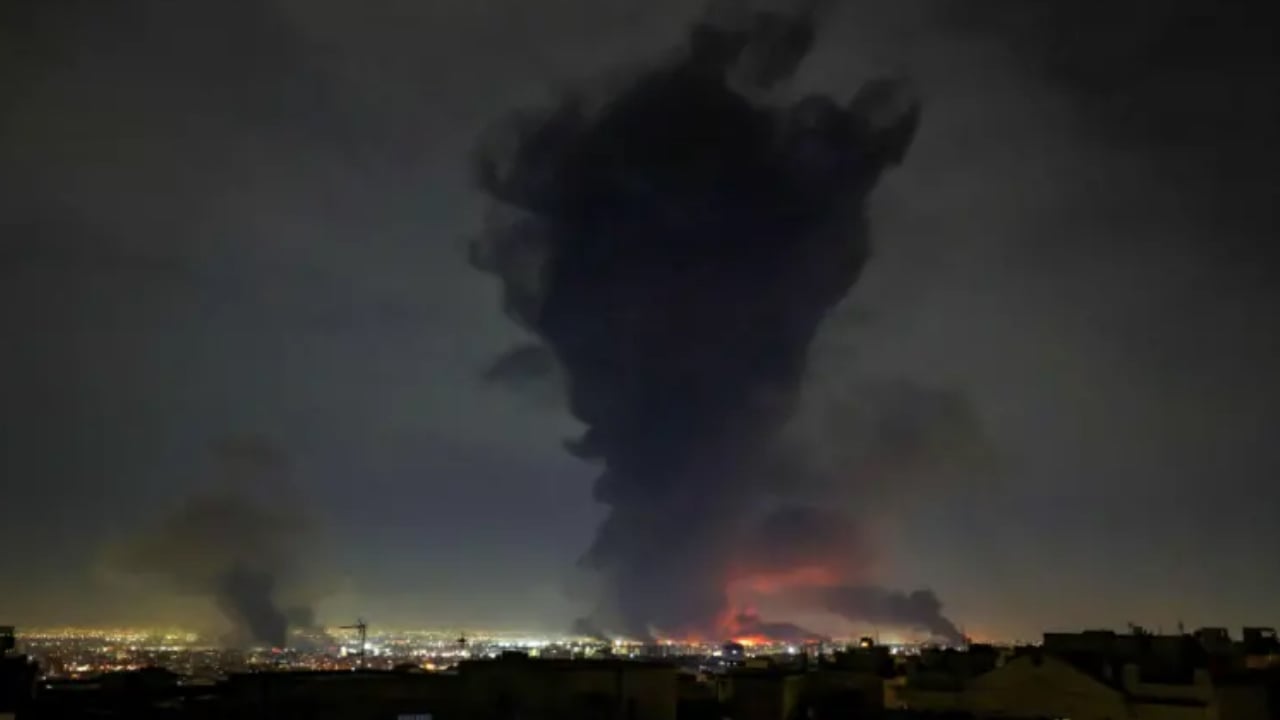
Iran’s Islamic Revolutionary Guard Corps (IRGC) has announced full readiness for a long-term war amid escalating regional conflict. Spokesperson Brigadier General Ali Mohammad Nayini said Iran is prepared for extended confrontation and will soon deploy advanced weapons not yet used in the conflict. The statement follows continued Iranian missile strikes on Israel, including attacks on Tel Aviv and Ben Gurion Airport, and a reported strike on the Israeli embassy in Bahrain’s capital, Manama. The United States and Israel have maintained heavy bombardments on Iranian targets, destroying missile launchers and defense systems. US Defense Secretary Pete Hegseth indicated that the scale of attacks on Iran will increase dramatically, while President Donald Trump ruled out sending ground troops but vowed to continue air operations. Iran’s Red Crescent reported over 1,300 deaths and thousands of damaged civilian structures since the joint assaults began. Meanwhile, Spain’s Prime Minister Pedro Sánchez condemned the war as a grave mistake. Energy markets reacted sharply, with Qatar’s energy minister warning that oil prices could exceed $150 per barrel, threatening global economic stability.
The ‘1 Nojor’ media platform is now live in beta, inviting users to explore and provide feedback as we continue to refine the experience.