

The ‘1 Nojor’ media platform is now live in beta, inviting users to explore and provide feedback as we continue to refine the experience.
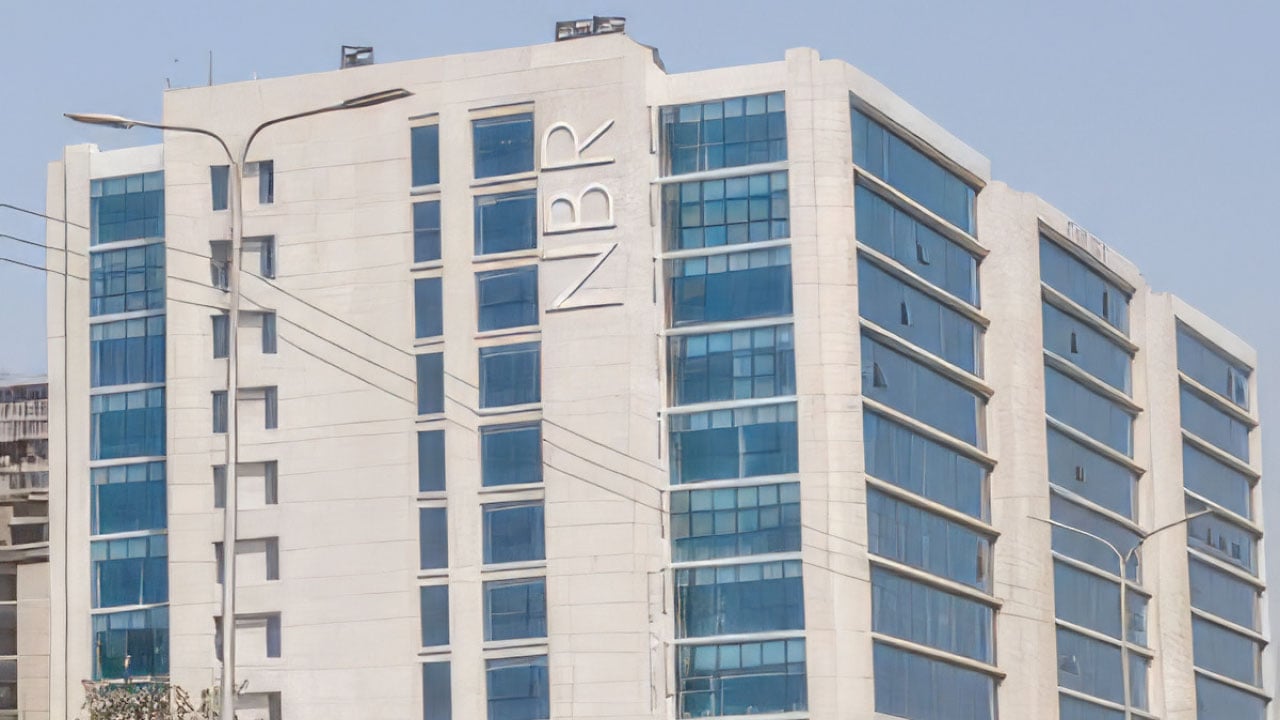
The National Board of Revenue (NBR) has made it mandatory to use data from the ASYCUDA System’s Business Intelligence (BI) server for determining income tax based on actual information about imported goods and advance income tax payments at the import stage. The directive, issued on March 4 under the NBR’s Income Tax Wing, details procedures for tax officials to access and use the BI server. According to an NBR press release on March 5, the system will be used during tax audits, case reopenings, and corrections of faulty tax orders. The order specifies that tax commissioners and range officers can log in to the BI server from pre-approved IP-bound computers to collect import-related data. Range officers must record the collected information in a designated register and inform relevant circle officers in writing. Initially, only range officers will have access to the BI server, not the assessing officers directly. NBR stated that the initiative will enhance transparency, prevent tax evasion, expedite tax case resolution, and improve coordination between customs and income tax departments, marking a new phase in inter-departmental data sharing.
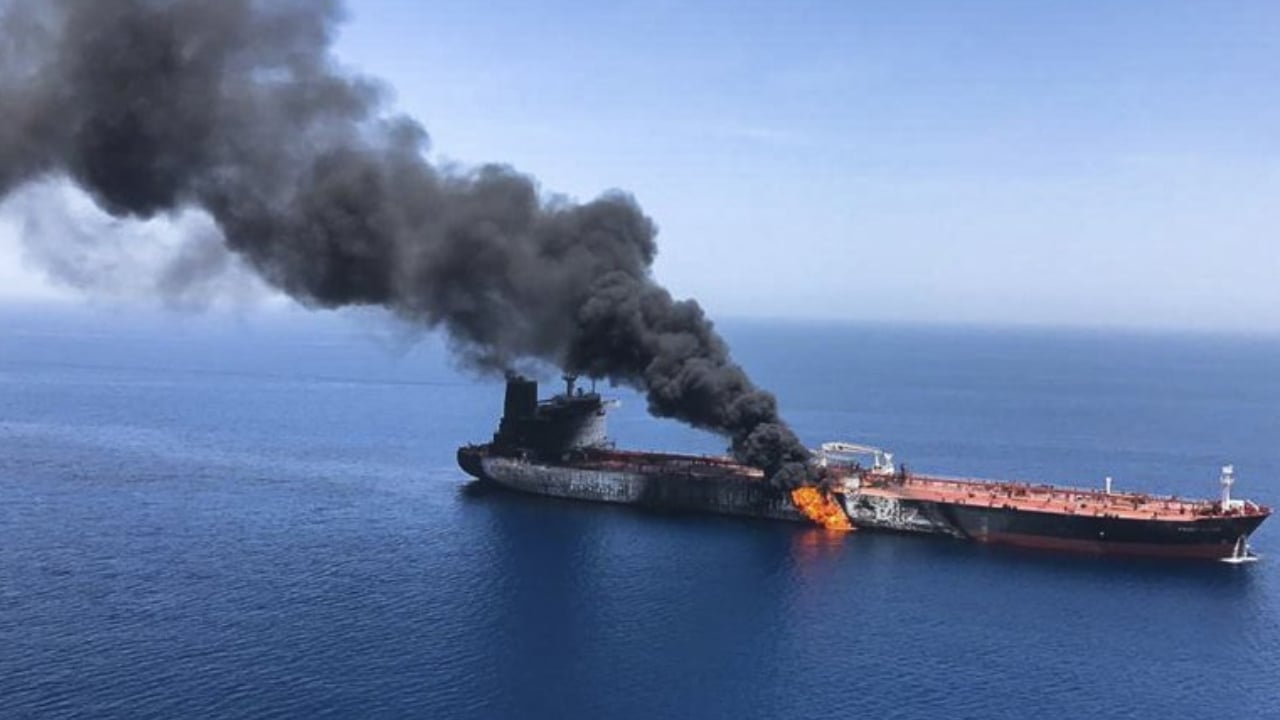
Iran’s Islamic Revolutionary Guard Corps (IRGC) has claimed responsibility for an attack on a US tanker in the northern Gulf on Thursday morning. The IRGC stated that its naval forces struck the vessel, asserting control over maritime movement in the region. According to the IRGC, military and commercial ships belonging to the United States, Israel, and their European allies will not be allowed to pass through the area. The force warned that any such vessels spotted would be targeted. The statement reiterated Iran’s earlier position that it has the right, under international law and resolutions, to regulate navigation through the Strait of Hormuz during wartime. The report, citing Al Jazeera, comes amid heightened regional tensions, with Gulf nations expressing concern over Iran’s internal instability and the broader security situation in the Middle East.
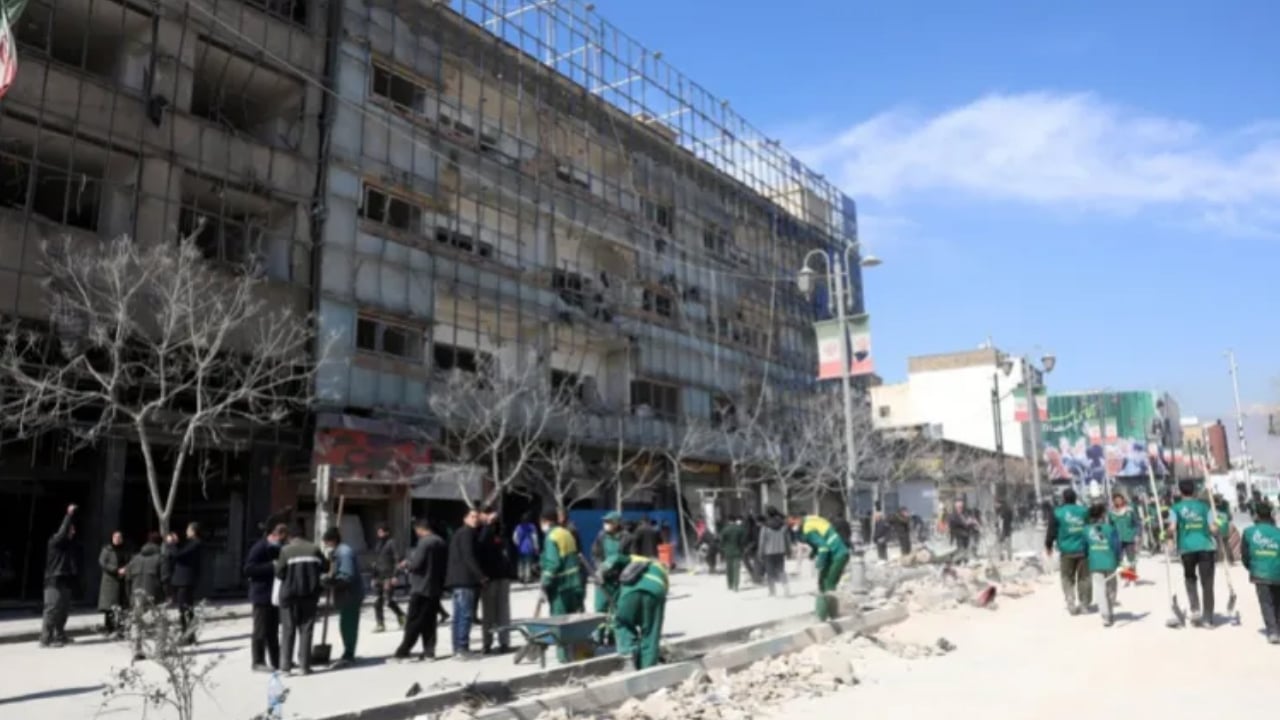
Israel has claimed responsibility for airstrikes targeting Iran’s ballistic missile launch system in the city of Qom. According to an Israeli military spokesperson, the country’s air force carried out the attack, destroying the system that was allegedly preparing for a strike. The spokesperson, Avichay Adraee, stated on social media that Israeli forces also destroyed an air defense system in Isfahan. The Israeli military said the strikes were aimed at weakening Iran’s defense capabilities and expanding Israel’s control over regional airspace. Israeli media reported that the army plans to continue operations in Iran for at least another one to two weeks. The announcement came five days after the start of the conflict, with Israel claiming to have dropped more than 5,000 bombs on Iran by Wednesday. In addition to the attacks in Iran, Israel said it had launched a new round of strikes against Tehran-backed Hezbollah forces in Lebanon.
Former Israeli Prime Minister Ehud Barak has claimed that U.S. President Donald Trump was drawn into the Iran war by Israeli Prime Minister Benjamin Netanyahu. In an interview with Channel 4 News, Barak said Netanyahu was dissatisfied with the end of the Gaza war and sought to involve Israel in a new conflict with Iran. He added that while the United States made its own decision to join the war, Netanyahu influenced Trump to abandon his desire to be seen as the 'King of Peace' and instead become the 'Lord of War.' Barak argued that the Iranian people themselves must ultimately bring down their government by standing up against it. He also stated that whether an attack on Iran was legal or not was less important than the belief that Iran deserved punishment. Warning against a ground war, Barak cautioned that such a move could destabilize the geopolitical balance beyond the Middle East.

Australia has deployed several crisis response teams and military equipment to the Middle East as part of preparations for potential emergency situations. Prime Minister Anthony Albanese confirmed the move, stating that the deployment was part of the government’s emergency planning. According to reports, six crisis response teams have already been sent to the region, and military assets were positioned earlier in the week. The announcement was made in the Australian Parliament, though Albanese did not provide further details about the nature or location of the deployment. Al Jazeera reported that the move is part of Australia’s readiness measures for possible regional emergencies. Separately, Australian broadcaster SBS News reported that two military aircraft have been sent to the Middle East. The deployment underscores Australia’s precautionary stance amid rising tensions in the Middle East, though the government has not disclosed specific threats or operational objectives.

Depositors of five merged Shariah-based banks staged a sit-in in front of Bangladesh Bank on Thursday morning, demanding the return of their deposits and cancellation of a profit reduction decision. The demonstration began around 10 a.m. and included slogans and speeches criticizing the central bank’s previous policy. Law enforcement took strict positions around the area to maintain order. Speakers at the human chain alleged that a former governor of Bangladesh Bank decided to cut profits on deposits from the past two years, offering only a 4 percent government concession instead. They described the move as inhumane and unfair, claiming many depositors have been unable to withdraw their principal or profits for two years, leaving families in severe financial distress. Protesters demanded full repayment of deposits with profits for 2024 and 2025 and called for normal banking operations at the unified Islamic bank. They warned that if their demands are not met, they will besiege Bangladesh Bank on March 12.

U.S. President Donald Trump stated that Iran would have developed a nuclear weapon if the United States had not launched a strike within two weeks. He made the remarks during a roundtable meeting at the White House, adding that if there were no changes in Iran, whoever became its supreme leader would be killed. Trump described the prospect of nuclear weapons in the hands of what he called 'crazy people' as dangerous. Iran has long maintained that its nuclear program poses no threat and is intended for peaceful purposes. However, the Director General of the International Atomic Energy Agency (IAEA) wrote on social media that the agency could not provide assurances about Iran’s activities. He noted that while there was no evidence Iran was building a bomb, its large stockpile of uranium enriched near weapons-grade levels and limited access for inspectors were causes for serious concern. The statements highlight renewed tensions over Iran’s nuclear ambitions and the limits of international monitoring amid U.S. pressure.

After remaining closed for four years, the Shahjibazar 330-megawatt combined cycle power plant in Habiganj has resumed partial electricity production. The plant had been shut down since a fire on May 29, 2022, damaged its transformers. Due to a funding delay of about 4.5 crore taka, the government reportedly incurred losses of around 20,000 crore taka during the closure. Following approval of a 111.18 crore taka repair proposal in August 2025, Chinese firm Sepco-111 Electric Power Construction began restoration work and partially restarted one unit on February 27. Currently, one unit with a capacity of 110 megawatts is supplying 40 megawatts to the national grid. Chief engineer Abdul Mannan stated that output could reach 165 megawatts within the month, potentially saving about 8 crore taka daily. The gas-based plant, inaugurated in 2017 after commercial operation began in 2016, had previously produced power at a significantly lower cost than furnace oil-based generation. Officials expect the partial resumption to improve the national power supply situation after years of reduced capacity.

Transparency International Bangladesh (TIB) has called for the cancellation of the appointment of Mostakur Rahman as the new governor of Bangladesh Bank. The organization made the demand at a press conference held on Thursday morning at its headquarters in Dhanmondi, Dhaka. TIB Executive Director Dr. Iftekharuzzaman stated that the appointment of a businessman and controversial figure to such a key position has already drawn criticism from various quarters. TIB urged the government to revoke the appointment and select a qualified, non-controversial, and competent individual for the role. During the same event, Dr. Iftekharuzzaman noted that the newly formed government has initiated several new measures but refrained from commenting on them at this stage. When asked about the recent resignation of the outgoing Anti-Corruption Commission (ACC) chairman, he said that the ACC’s structure and functions are defined by law and that the ruling party should appoint a neutral person to the chairmanship and other key positions. Several senior TIB officials, including advisers and directors, were present at the press conference.

Several international flights from Chattogram’s Shah Amanat International Airport were canceled on Thursday morning due to the ongoing war situation in the Middle East, which has kept airfields in Dubai, Abu Dhabi, Sharjah, and Doha closed. Airport sources confirmed the cancellations, citing the continued impact of the regional conflict on flight operations. In addition to the cancellations, a Salam Air flight (OB-401) arriving from Muscat was diverted to Dhaka earlier in the day because of fog. Once conditions improved, the aircraft departed Dhaka again and landed in Chattogram at 10:55 a.m. The same aircraft was scheduled to leave for Muscat as flight OB-402 at 11:55 a.m. According to airport officials, since February 28, 2026, a total of 50 international flights have been canceled from Shah Amanat International Airport, including four new cancellations reported this morning. The information was confirmed by Mohammad Ibrahim Khalil, an engineer in the airport’s public relations department.

Prime Minister Tareq Rahman has reduced half of the lighting and lowered the air conditioning level in his office at the Secretariat to encourage energy conservation. The decision was implemented on Thursday morning, as confirmed by his Additional Press Secretary Atikur Rahman Rumman. Upon arriving at his office at 9:10 a.m., the Prime Minister turned off 50 percent of the lights and adjusted the air conditioning to 25.1 degrees to reduce electricity consumption. He also instructed that half of the lights be turned off and the air conditioning level reduced in the Cabinet meeting room. Following his directive, all rooms in his office building immediately adopted the same measures. The Secretariat’s Building No. 1 houses the Prime Minister’s Office and several departments under his supervision. The Prime Minister urged all ministries, government and private offices, shopping malls, and institutions across the country to use electricity efficiently. He advised people to rely more on natural sunlight during the day by opening curtains and windows instead of using artificial lighting.

Israeli attacks near Beirut and Tripoli in Lebanon have killed five people, including a senior Hamas official, according to the Lebanese health ministry. The ministry reported that three people died in a strike near the road to Beirut–Rafic Hariri International Airport. Separately, a Hamas officer was killed in another Israeli attack. Lebanon’s state news agency said the Hamas official died when an Israeli drone targeted his home in the Beddaoui area near Tripoli. The report identified the victims as Wasim Atallah al-Ali and his wife, describing al-Ali as a senior Hamas figure. The strikes occurred early Thursday morning, according to the report. The incidents mark another escalation of Israeli operations in Lebanon, with attacks extending from the capital’s outskirts to northern refugee camps. The Lebanese health ministry and state media have confirmed the casualties, but no further details on the broader military or political context were provided.

The administrator of Cumilla City Corporation (CUSC), Md. Shah Alam, has been accused of frequently being absent from his office during official hours, reportedly spending most weekdays in Dhaka for official purposes. However, inquiries revealed that he was not present at the relevant ministries as claimed. His irregular attendance has allegedly led to delays in administrative decisions and increased difficulties for city residents seeking municipal services. The issue arises despite Prime Minister Tarique Rahman’s directive requiring all government officials to attend office on time. During a week-long inspection, Shah Alam was reportedly not found in his office on any of three working days. City residents and former officials expressed concern that such absenteeism undermines service delivery and public trust. The city’s chief executive officer confirmed the administrator was in Dhaka but could not provide further details. Local Member of Parliament Monirul Haque Chowdhury stated he would question Shah Alam about his irregular attendance. Citizens believe regular presence by the administrator could improve efficiency and responsiveness in civic services.

The Cabinet Division of Bangladesh has decided to declare March 18, 2026, as a public holiday in connection with the upcoming Eid-ul-Fitr. With this decision, government officials and employees will enjoy a total of seven consecutive days off during the festival. The announcement was made on Thursday morning following a cabinet meeting at the Secretariat, according to State Minister for Primary and Mass Education Bobby Hajjaj. Depending on the sighting of the Arabic month of Shaban, Eid-ul-Fitr is expected to be celebrated on March 21. The government had earlier set March 19 to 23 as general holidays for Eid. Additionally, March 17 is already a holiday for Shab-e-Qadr, and the newly declared March 18 holiday bridges the gap, creating a continuous seven-day break. The extended holiday period is expected to facilitate nationwide travel and family gatherings during the festival, according to the official announcement.

US-Bangla Airlines has repatriated 27 flight crew members of Biman Bangladesh Airlines who had been stranded in Dubai since February 28 due to the ongoing conflict in the Middle East. The crew had been stuck in the United Arab Emirates for five days following the outbreak of hostilities and were brought back to Bangladesh under special arrangements. The airline stated that it undertook the operation as part of its corporate responsibility, securing permission from Dubai Airport authorities to operate two special flights for stranded Bangladeshis. The first flight landed safely at Dhaka’s Hazrat Shahjalal International Airport on March 5 with 378 passengers, including the Biman crew. The second flight is scheduled to arrive on March 6 morning. Both flights are being operated using Airbus A330-300 aircraft with 436 seats. The return of the crew has eased the anxiety of their families, who had been deeply concerned during the uncertain period.

The ‘1 Nojor’ media platform is now live in beta, inviting users to explore and provide feedback as we continue to refine the experience.