

The ‘1 Nojor’ media platform is now live in beta, inviting users to explore and provide feedback as we continue to refine the experience.
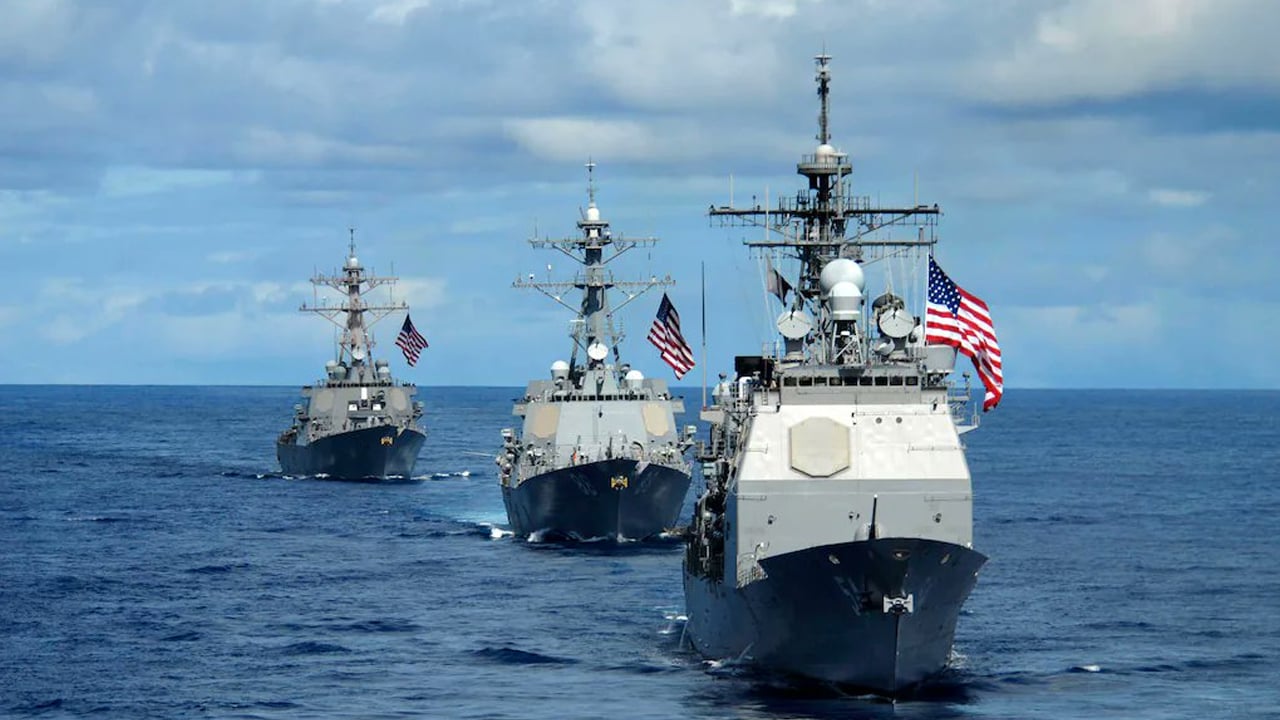
The United States has claimed that more than 2,000 targets in Iran have been struck as part of its ongoing military campaign. White House spokesperson Caroline Levitt told reporters on Wednesday that hundreds of Iranian ballistic missiles and drones were destroyed, asserting that the US and Israel have now established full air dominance over Iranian airspace. She also said that 20 Iranian naval vessels were destroyed, including a submarine sunk near the Sri Lankan coast. International analysts cited in the report said the continuing conflict between the United States and Iran has heightened tensions across the Middle East. They warned that the situation could impact global energy prices, trade, and security conditions. Experts in Bangladesh noted that prolonged instability in the Middle East could affect the safety of Bangladeshi expatriate workers and the flow of remittances. Rising global oil prices could also increase domestic energy costs and put pressure on the national economy.
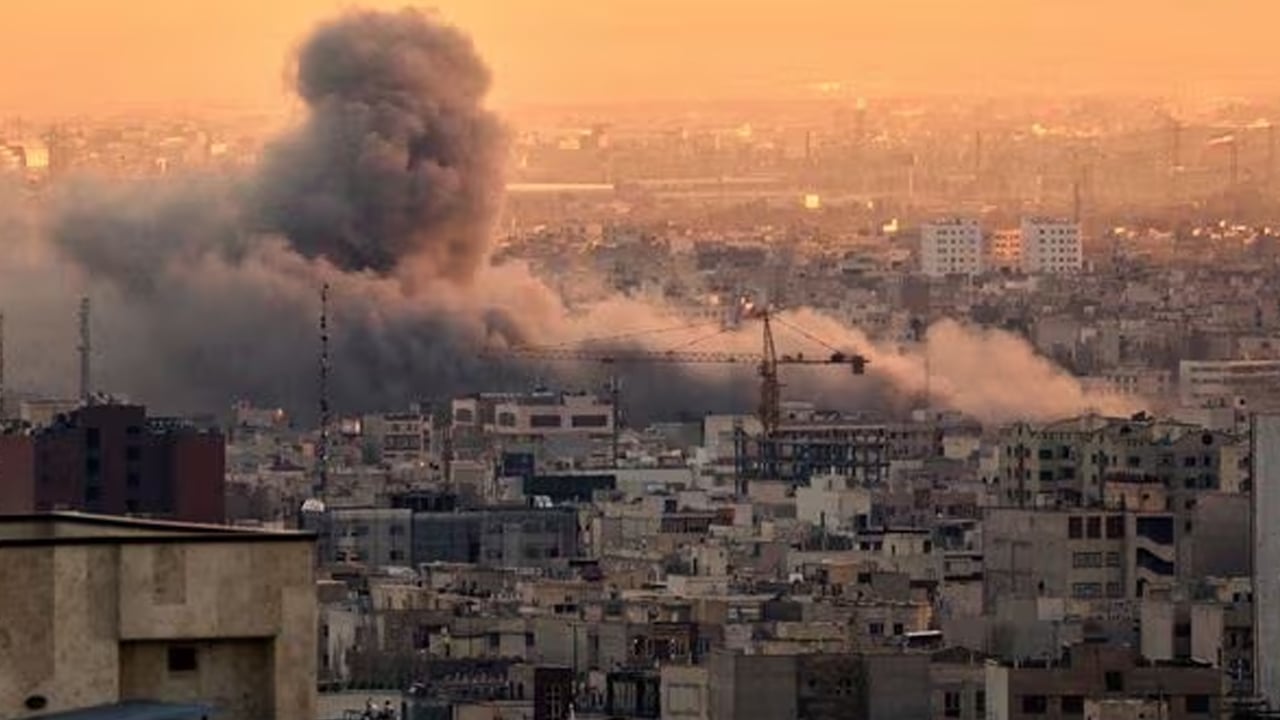
Spain has rejected a White House claim that it agreed to assist the United States in a military operation against Iran. According to Al Jazeera, the Spanish government dismissed the statement made by White House Press Secretary Caroline Levitt, who said President Donald Trump had threatened to halt trade with Madrid before Spain allegedly agreed to cooperate. Spanish Foreign Minister José Manuel Albares refuted the claim, stating that Spain’s position on the Middle East conflict and any attack on Iran remains unchanged. In an interview with Cadena SER radio, he reiterated that Spain would not allow U.S. bases in southern Spain to be used for any military action outside the framework of the United Nations Charter. The Spanish government’s statement directly contradicts the White House’s assertion, creating a clear diplomatic rift between the two allies. Observers suggest that this disagreement could further strain U.S.–Spain relations in the near term.

The White House announced that Spain has agreed to cooperate with the United States in its military operation against Iran in the Middle East. The decision reportedly came after President Donald Trump threatened to halt all trade with Madrid. White House Press Secretary Caroline Levitt said Spain had clearly understood the president’s message and confirmed that coordination between US forces and Spanish authorities is now underway. Earlier, President Trump had declared that he would end all trade with Spain. Just a day before that, Spanish Foreign Minister José Manuel Albares stated that his country would not allow the United States to use jointly operated bases in southern Spain for any attack outside the UN Charter. The Spanish government has not yet issued an official comment on the reported change in position. The development marks a significant shift in Spain’s stance amid rising tensions over US military actions against Iran, though the extent of Spain’s involvement remains unclear.

Two drones were shot down near Baghdad International Airport in Iraq, according to an Iraqi official quoted by AFP. The incident occurred just hours after another drone attack targeted the same facility. Authorities confirmed that there were no casualties or significant damage from the latest incident. A separate security source in Baghdad also verified the event. The airport complex includes a military base that houses a U.S. diplomatic facility and previously hosted troops from the U.S.-led coalition. The recurrence of drone attacks near such a sensitive site has drawn attention to the fragile security conditions in the area. The incidents come amid heightened tensions across the Middle East, raising renewed concerns about regional stability and the safety of diplomatic and military installations in Iraq.
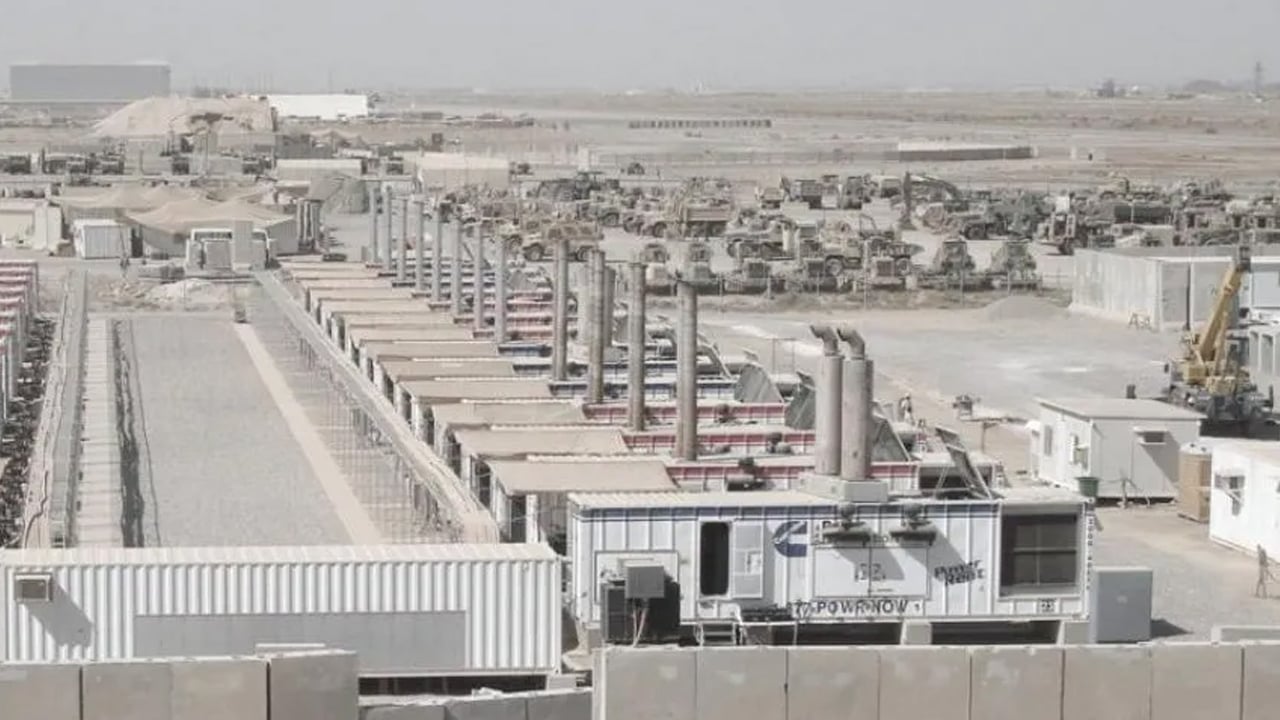
Analysts have questioned the Trump administration’s belief that military attacks could topple Iran’s ruling establishment. According to Al Jazeera, Maha Yahya, director of the Malcolm H. Kerr Carnegie Middle East Center, said there is no organized opposition group in Iran capable of taking control of the state. She warned that power could instead fragment among various ethnic, political, and social groups. Yahya noted that the only declared opposition leader is the son of former Shah Mohammad Reza Pahlavi, who lives abroad. She dismissed the idea of a Kurdish-led uprising as unrealistic. In her assessment, Iran is more likely to face internal discord and instability in the coming days. Yahya added that even if the fighting stopped immediately, Iran’s internal situation would remain fragile, and the post-conflict government in Tehran might intensify repression against dissenters.
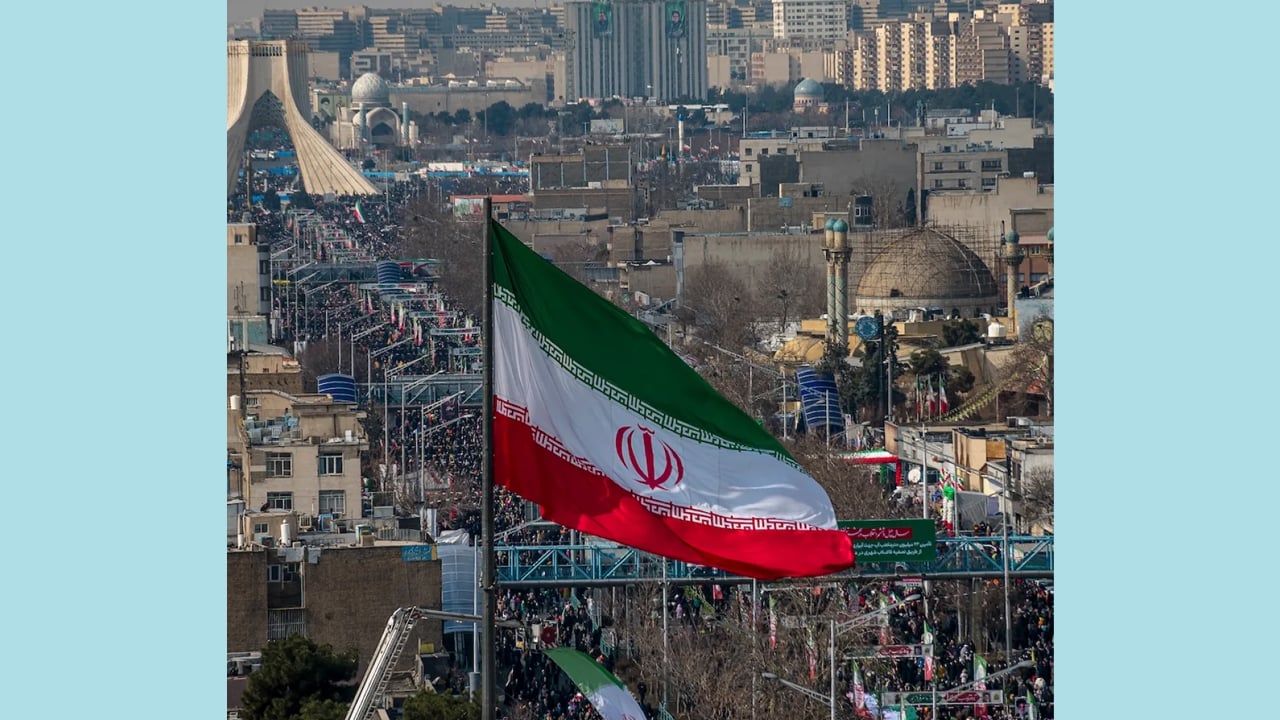
At least 72 people have been killed and 437 injured in Israeli airstrikes across Lebanon, according to the Lebanese Ministry of Health. The attacks began early Monday and have displaced 83,847 people who are now taking shelter in government facilities, the country’s social welfare minister said. The strikes follow rocket attacks launched by Iran-backed Hezbollah into northern Israel, which the group said were in retaliation for U.S. and Israeli strikes in Tehran after the death of Iran’s Supreme Leader Ayatollah Ali Khamenei. In response, Israel has intensified its military operations, launching extensive air raids and initiating new ground incursions into Lebanese territory. Israeli forces have reportedly ordered residents to evacuate southern Lebanon and the southern suburbs of Beirut, signaling a potential expansion of the conflict within Lebanon’s borders.
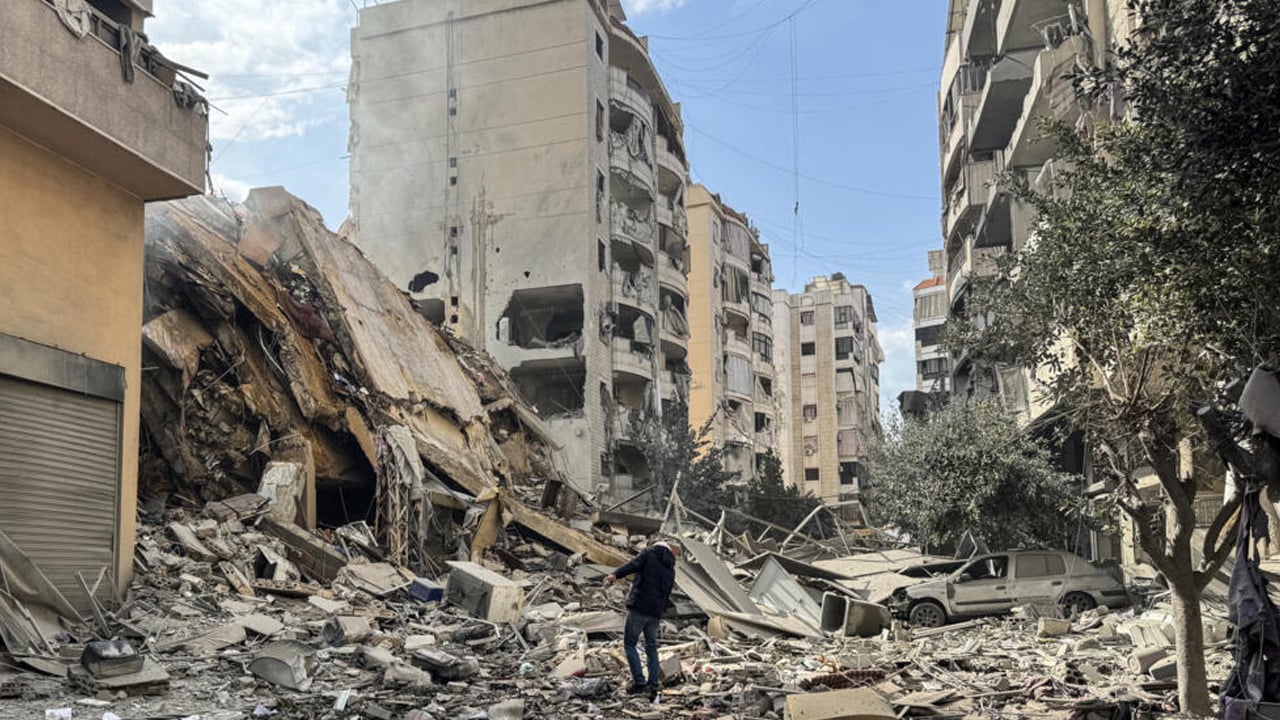
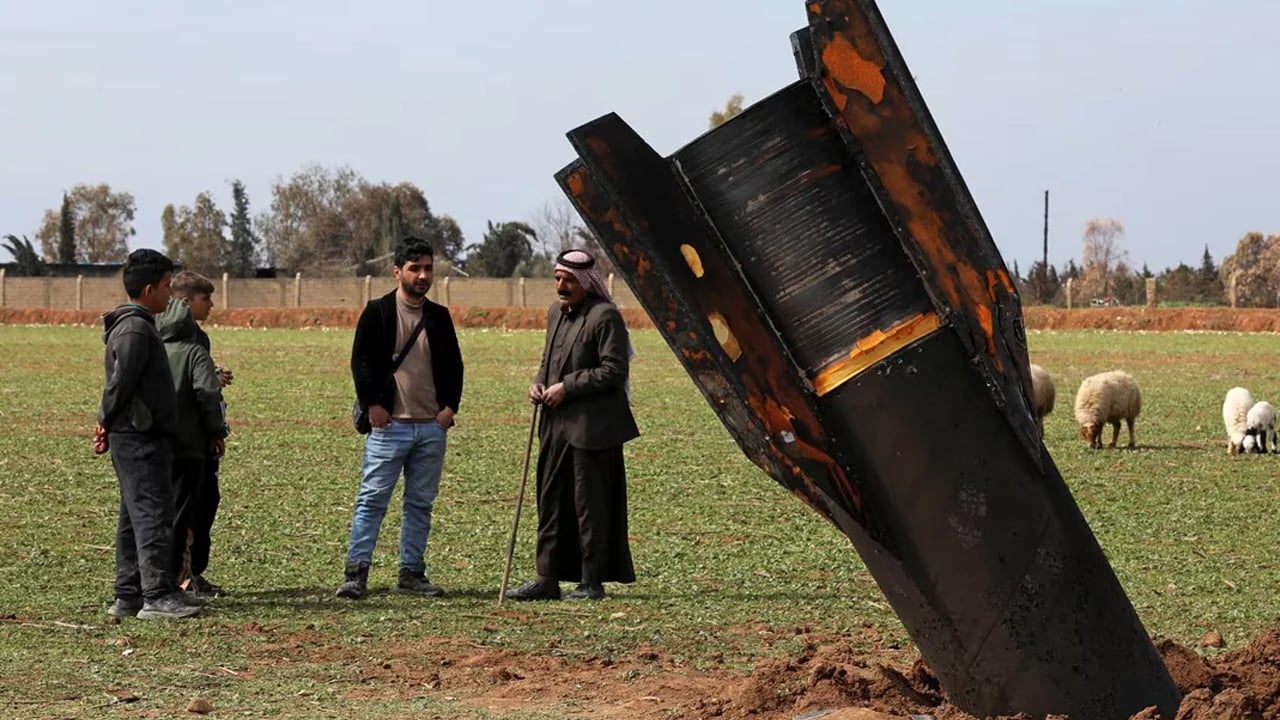
Debris from an Iranian missile has been discovered in the northeastern Syrian city of Qamishli, close to the Turkish border. Images circulating from the area show local residents gathering near the wreckage. The exact time when the missile fell in the area has not been confirmed. According to Turkey, a missile heading toward its airspace was intercepted by NATO’s air defense system. The debris found in Qamishli is believed to be part of that downed missile. The incident adds to ongoing regional tensions involving Iran, Syria, and neighboring countries. No official confirmation has yet been provided by Iranian or Syrian authorities regarding the missile’s origin or the interception details.
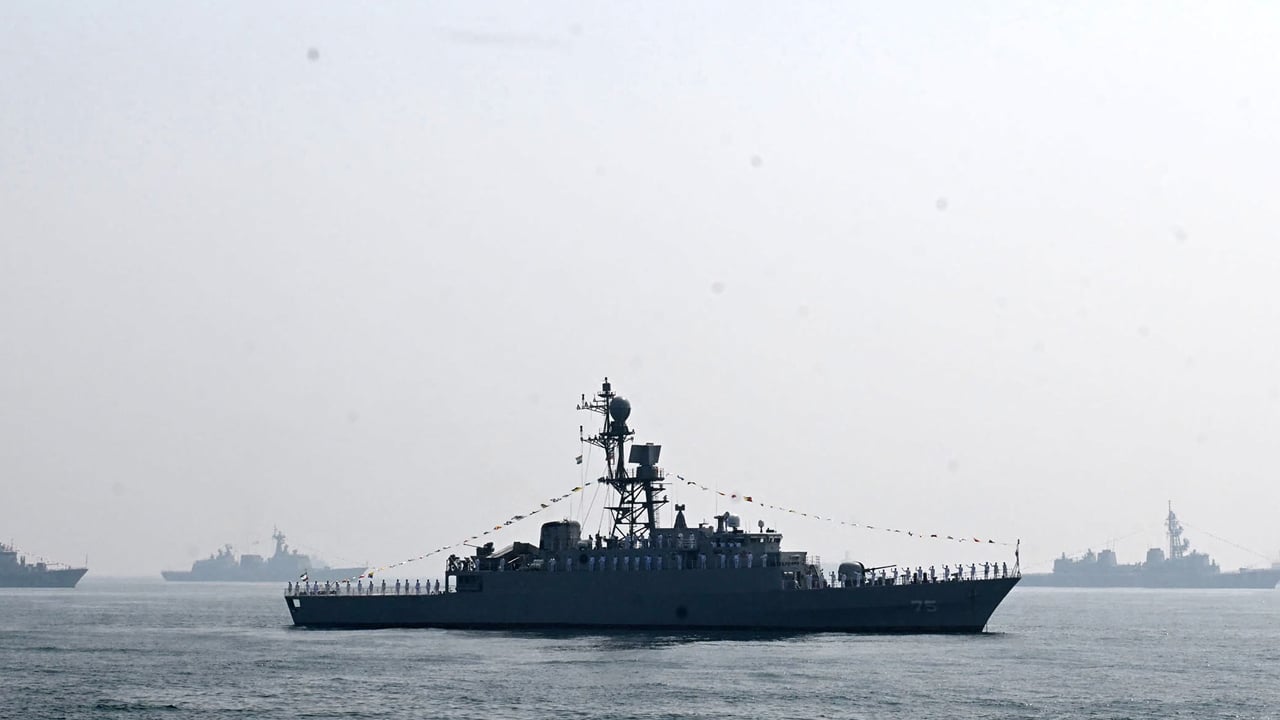
India’s Ministry of External Affairs has rejected claims that the United States Navy has been allowed to use Indian ports during the ongoing war against Iran. The denial followed remarks by Douglas Macgregor, a former adviser to the US Secretary of Defense, who told the right-wing American television channel One America News Network (OANN) that US naval vessels might be using Indian ports amid the Middle East conflict. In response, India’s foreign ministry stated that the claim broadcast on OANN was completely false and fabricated. The ministry also urged individuals and media outlets to refrain from spreading such baseless and concocted statements. The issue arose as international attention increased following a reported US submarine attack on an Iranian warship off the coast of Sri Lanka. The Iranian vessel was said to have been returning from a military exercise hosted by India when the incident occurred.
The International Atomic Energy Agency (IAEA) has called for maximum restraint in the Middle East following recent attacks by the United States and Israel. IAEA Director General Rafael Grossi warned that escalating conflict could heighten the risk of radioactive exposure in the region, urging all parties to act cautiously. According to the agency, satellite imagery analysis showed no damage to Iranian facilities storing nuclear materials, indicating no immediate risk of radioactive leakage. However, two buildings near the Natanz nuclear site in Isfahan sustained visible damage, though the IAEA confirmed no major impact or nuclear threat was detected. The agency also reported no evidence of damage at other Iranian nuclear sites, including the Bushehr power plant in the southeast. The IAEA stated it continues to monitor the situation closely, emphasizing that restraint by all sides is essential to prevent security and environmental risks across the Middle East.
The United States has claimed that more than 20 Iranian naval vessels have been destroyed or sunk during an ongoing military operation. According to the US Central Command (CENTCOM), the attacks were carried out against Iran’s naval forces as part of the continuing campaign. Earlier, US Defense Secretary Pete Hegseth stated that an American submarine in the Indian Ocean had sunk an Iranian warship using torpedoes. Sri Lankan authorities reported rescuing 32 people from the attacked vessel, while a local official told the BBC that 80 bodies were found aboard the ship identified as 'Iris Dena'. The incident marks a significant escalation in the confrontation between the two nations, with both sides reporting heavy losses. The UNHCR noted that nearly 100,000 people left Tehran within the first two days following the attacks, indicating growing civilian displacement linked to the conflict.
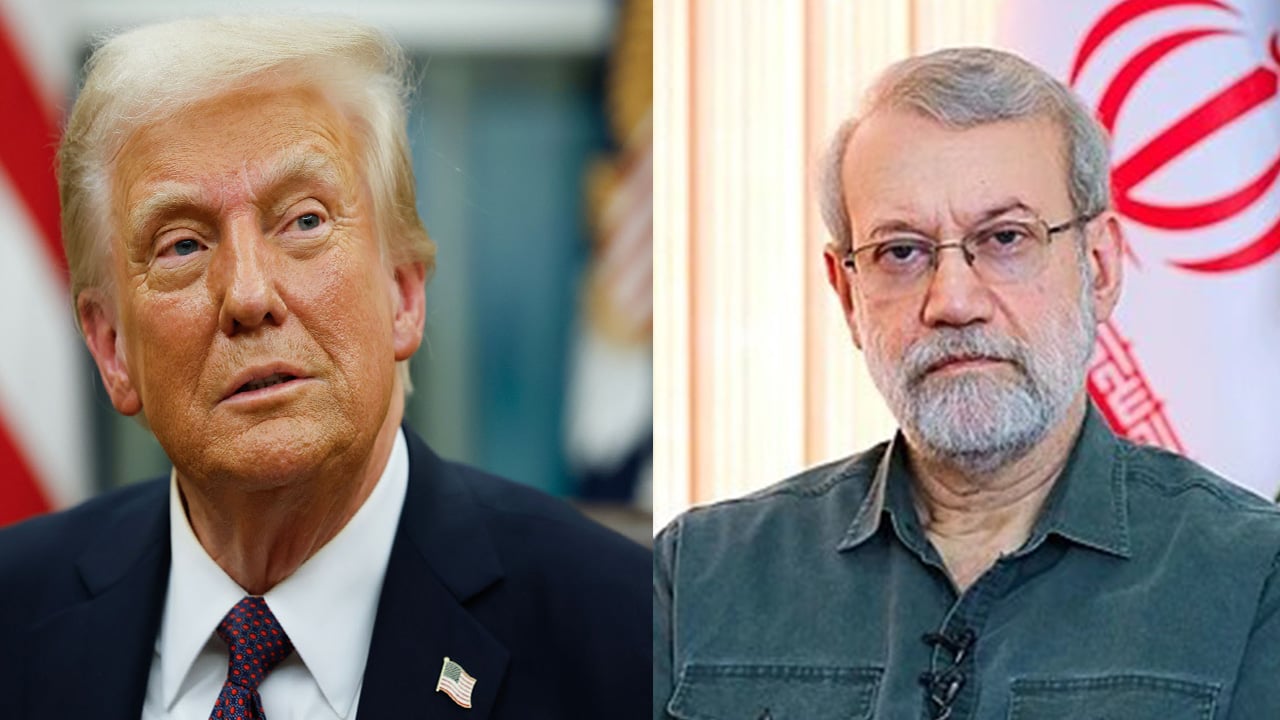
Ali Larijani, head of Iran’s National Security Council, issued a stern warning to U.S. President Donald Trump following the killing of Iran’s Supreme Leader Ayatollah Ali Khamenei. In a post on social media platform X on Wednesday, Larijani said the assassination would exact a heavy price from the United States. Larijani accused Trump of being lured by Israeli Prime Minister Benjamin Netanyahu’s actions and dragging the American people into what he called an unjust war against Iran. He questioned whether Trump’s “America First” policy still stood or had shifted to “Israel First.” According to the report, the killing occurred on February 28, when the United States and Israel launched widespread attacks across Iran. The incident has sharply escalated tensions between Tehran and Washington.
The Ministry of Social Welfare has finalized the 'Family Card Piloting Implementation Guideline-2026', which will be officially launched by Prime Minister Tareq Rahman on March 10 at the Karail slum in Dhaka. The program was initially planned for Bogura but was shifted due to the upcoming by-election in Bogura-6. The finalized policy excludes families with government pensioners, car or air-conditioner owners, government employees, and large business owners from eligibility. According to the guideline, priority will be given to landless and homeless families, households with disabled members, and marginalized groups such as hijra, bede, and ethnic minorities. Eligible women beneficiaries will receive funds directly into their mobile wallets or bank accounts. The existing TCB card will be integrated into a dynamic social registry, enabling access to food aid and future benefits like education stipends and agricultural subsidies. The pilot project will cover 13 diverse areas with a budget of 21.1 million taka, aiming to reach 6,500 poor families initially and expand to 20 million families. The long-term goal is to transform the Family Card into a universal social ID card by 2030.

Bangladesh Jamaat-e-Islami is set to introduce a mobile application called 'Nagarik Seba' aimed at addressing urban issues faced by city residents. According to an invitation letter from the party’s Dhaka Metropolitan North unit, the app will allow users to report problems such as mosquito infestations, waterlogging, garbage accumulation, and damaged roads in their local areas. The launch event is scheduled for Thursday, March 5, at 11 a.m. at a residence on Progoti Sarani’s main road in Dhaka’s J Block, Bajidhara. The initiative is being organized by Jamaat’s Dhaka Metropolitan North division, with its Ameer, Mohammad Selim Uddin, expected to inaugurate the app. The invitation stated that a dedicated team will work to resolve reported issues promptly through the app. The announcement highlights Jamaat’s effort to engage with urban communities through a digital platform focused on civic problem-solving. The launch marks a move by the party to use technology for community service and local engagement in Dhaka’s urban management context.

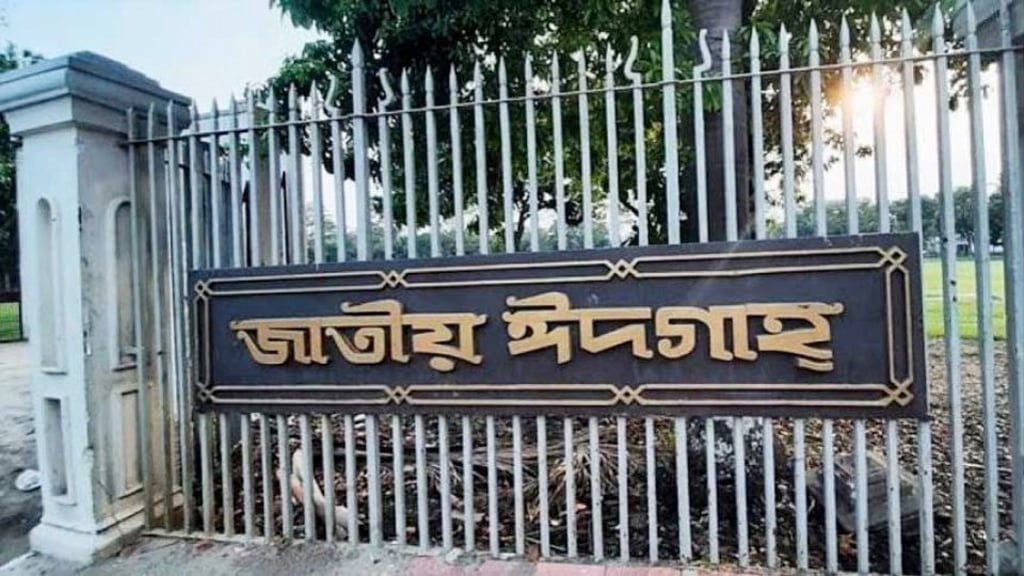
The main Eid-ul-Fitr congregation will be held at the National Eidgah in Dhaka at 8:30 a.m., weather permitting. If weather conditions are unfavorable, the main prayer will take place at 9:00 a.m. at the Baitul Mukarram National Mosque. The Dhaka South City Corporation will oversee overall preparations, following decisions made at an inter-ministerial meeting chaired by the Minister of Religious Affairs, Kazi Shah Mofazzal Hossain Kaykobad, on February 24. The meeting emphasized arrangements for prayer management, security, and public welfare. Separate entrances and seating will be arranged for women on the southern side of the Eidgah. The Ministry of Religious Affairs will nominate an imam, a qari, and a presenter from lists submitted by the ministry. Preparations include leveling the ground, installing tents, ensuring water and sanitation facilities, and deploying medical teams and law enforcement for security. Government buildings will be illuminated, and special meals will be served in hospitals, prisons, and welfare centers. Underprivileged children will receive free entry to selected parks and museums, while Bangladesh Television and Radio will air special programs.
Vatican Secretary for Relations with States Cardinal Pietro Parolin has voiced deep concern over the growing acceptance of 'preventive war' amid ongoing global conflicts. In an interview published on March 4, 2026, he warned that if nations claim the right to launch preventive wars based solely on their own standards and without any supranational legal framework, the entire world could face catastrophic consequences. Parolin described the erosion of international law as 'truly worrying' and criticized the current global tendency to replace the rule of law with the law of force. He argued that the belief in achieving peace only through the destruction of enemies undermines the foundations of international order. His remarks have brought renewed attention to the debate over the use of force versus adherence to international law in global politics, highlighting the Vatican’s concern about the moral and legal implications of unilateral military actions.

The ‘1 Nojor’ media platform is now live in beta, inviting users to explore and provide feedback as we continue to refine the experience.