

The ‘1 Nojor’ media platform is now live in beta, inviting users to explore and provide feedback as we continue to refine the experience.
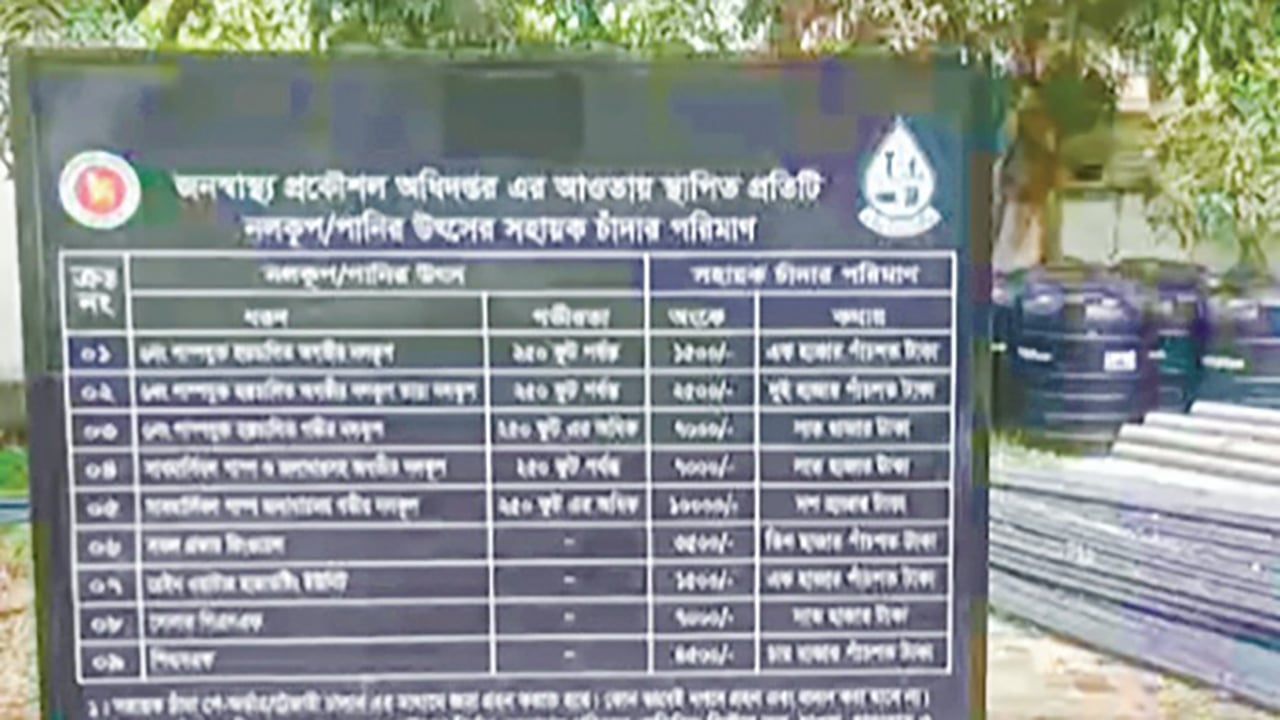
A community-based safe water supply project under the Department of Public Health Engineering in Madhupur, Tangail, remains incomplete after four years, amid allegations of corruption and irregularities. The project, launched in the 2021–22 fiscal year to install submersible pumps, deep tube wells, and pipelines across nine unions and one municipality, received an allocation of about 14.8 million taka. Despite this, contractors were paid 60 percent of the bill before completing the work and have since gone missing. Field visits revealed that only partial work was done, with many deep tube wells lying unused and several pumps and tanks either broken or never installed. In some areas, water connections were diverted to mosques and shrines instead of households. Locals reported paying money and submitting documents years ago but still lack access to clean water. Officials admitted that political influence and contractor negligence hindered progress, though letters were sent urging completion. The project’s stagnation has left residents frustrated and raised concerns about the misuse of nearly 15 million taka in public funds.
In Godagari upazila of Rajshahi, a drug-addicted man named Zahurul Islam requested the Upazila Nirbahi Officer (UNO) to send him to jail so he could overcome his addiction. After visiting the UNO office for three consecutive days with the same plea, a mobile court sentenced him to five months of rigorous imprisonment and a fine of 100 taka, with an additional seven days in jail if unpaid. The verdict was delivered on Wednesday, July 1, and he was later sent to Rajshahi Central Jail. The mobile court was conducted by Godagari UNO and Executive Magistrate Israt Jahan under the Narcotics Control Act. Zahurul, a resident of Jahanabad village, had previously served six months in prison for a drug-related case but failed to quit his addiction. According to the local police officer-in-charge, Zahurul repeatedly expressed his desire to be jailed to recover from addiction. The UNO stated that Zahurul’s family also supported his request, and the decision was made considering his and his family’s appeal within the legal framework.
Host nation United States advanced to the round of 16 in the World Cup after defeating Bosnia and Herzegovina 2-0 in San Francisco. Despite being reduced to ten men following a red card to forward Folarin Balogun in the 65th minute, the Americans maintained control and composure to secure the victory. Malik Tillman and Balogun scored the goals that sealed the win before a packed home crowd. The United States dominated possession and tempo from the start, holding 78 percent of the ball up to the 24th minute. Balogun opened the scoring just before halftime after a deflected attack initiated by Tillman. Bosnia’s efforts to equalize were hindered when veteran striker Edin Džeko left the field injured early in the second half. Despite numerical advantage after Balogun’s dismissal, Bosnia failed to capitalize as the U.S. defense held firm. The United States will face Belgium in the round of 16 on July 7. The team now aims to surpass its previous best World Cup performance, a quarterfinal appearance in 2002.

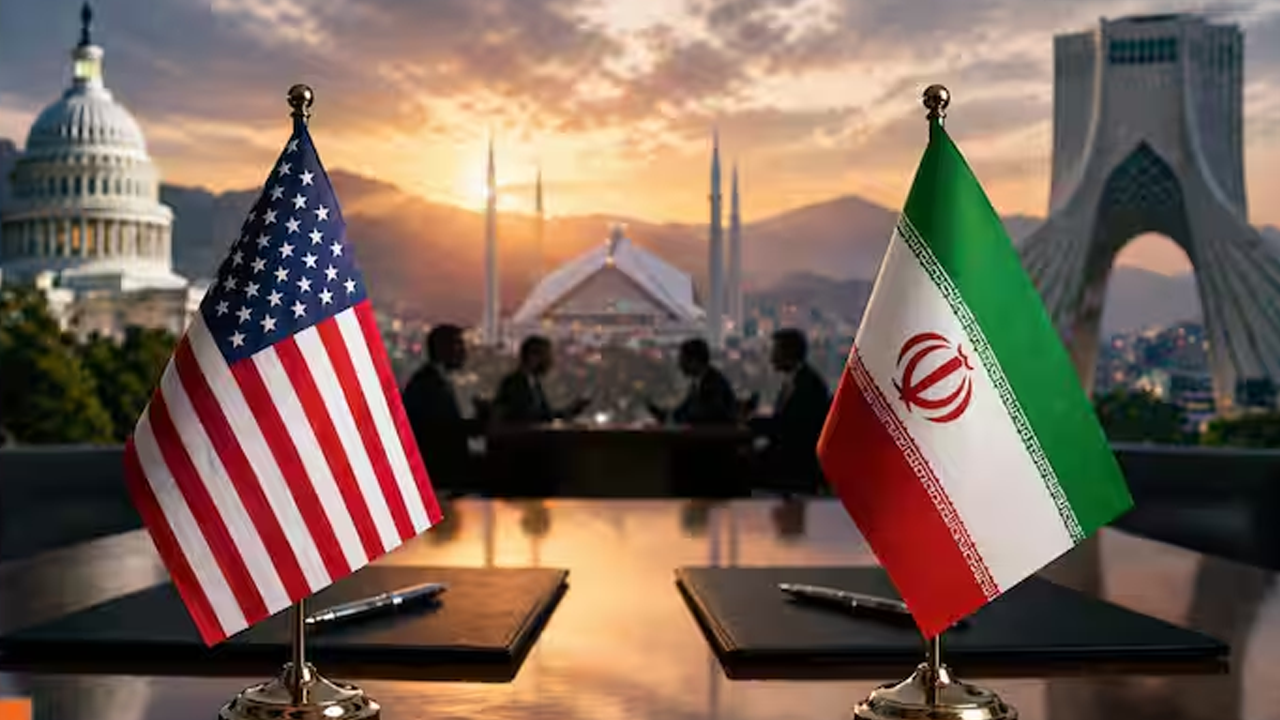
Iranian Parliament Speaker Mohammad Bagher Ghalibaf has dismissed as false reports that the International Atomic Energy Agency (IAEA) would be allowed to inspect nuclear facilities damaged by recent US airstrikes. He stated that IAEA inspectors have no right to visit the Fordow, Natanz, and Isfahan nuclear centers, which were affected by the attacks. The remarks were reported by Iran’s state broadcaster IRIB. Ghalibaf clarified that IAEA inspectors currently have access to only two sites: the Bushehr power plant and the Tehran reactor. He added that Iran’s parliament has already passed a law prohibiting IAEA access to the damaged facilities, and the country’s Supreme National Security Council has endorsed a similar resolution, making the restriction legally binding. His comments came shortly after IAEA chief Rafael Grossi said that under a US-Iran memorandum of understanding, UN inspectors must be granted access to Iranian nuclear sites. Ghalibaf’s response has renewed tensions between Tehran and the IAEA over inspection rights.
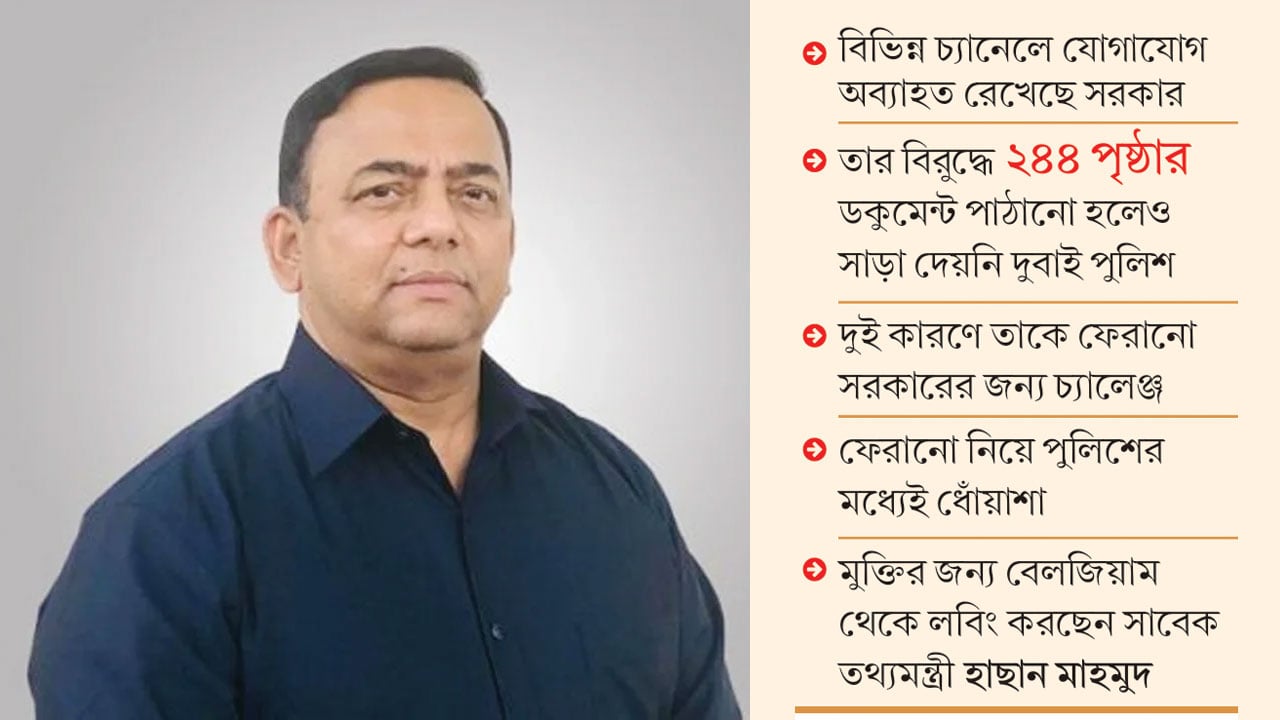
The Bangladesh government is struggling to secure the return of former Inspector General of Police (IGP) Benazir Ahmed, who was detained in Dubai on June 12, 2026. The Dubai Police’s Interpol branch informed Bangladesh Police of his arrest, prompting the government to send a 244-page dossier on June 19 through the Home Ministry seeking his extradition. Despite the detailed documentation, including case files, court orders, and corruption allegations, the government has not received a response from Dubai authorities after twelve days. Officials said Benazir’s extradition faces major challenges due to Dubai’s reluctance to hand over individuals with significant business interests and the absence of major criminal charges beyond money laundering. Diplomatic efforts are ongoing, with the government emphasizing that an Interpol red notice was issued against him on April 11, 2025. Meanwhile, reports suggest that Benazir’s associates in Dubai, including former minister Hasan Mahmud and businessman Faizul Islam, are lobbying for his release. Benazir, accused in multiple corruption and human rights cases, was previously sanctioned by the United States in 2021. He fled Bangladesh in May 2024 amid anti-corruption investigations and has since lived in several countries.
Former US diplomat Gordon Gray described the recent indirect talks between American and Iranian representatives in Qatar as a positive step in the right direction. He said the meeting demonstrated both sides’ genuine interest in maintaining the ongoing ceasefire and reaching a final agreement. Gray made these remarks in an interview with Al Jazeera. According to Gray, despite the encouraging tone of the discussions, several complex issues remain unresolved between Washington and Tehran. Each side has its own priorities and urgent interests. For the United States, the immediate goal is to reopen the Strait of Hormuz, a vital maritime route for global energy and trade security. Iran, on the other hand, is focused on securing relief from economic sanctions that have severely weakened its economy due to prolonged conflict, international restrictions, and domestic mismanagement. The talks in Qatar are viewed as a cautious but meaningful step toward stabilizing regional tensions, though significant challenges still lie ahead for both nations.
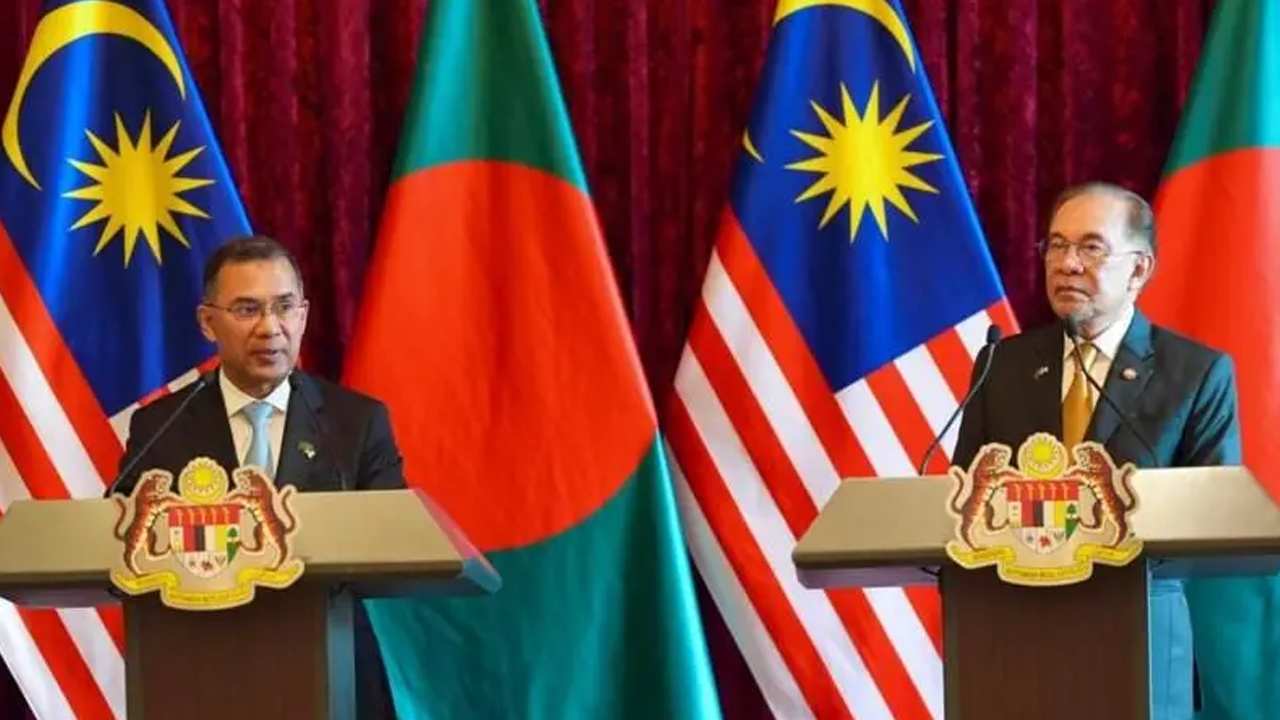
Bangladesh is prioritizing Malaysia’s experience to expand its halal industry and tap into the global halal market. During Prime Minister Tarique Rahman’s recent visit to Malaysia, and earlier by interim government adviser Muhammad Yunus, bilateral cooperation on halal industry development was a key topic. Experts estimate the global halal market at around 3 trillion dollars, but Bangladesh faces major challenges due to the absence of international-standard laboratories and unified certification. Malaysia is considered a global model in halal certification, having built a transparent and internationally recognized system since the 1970s. Its halal market is projected to reach 113 billion dollars by 2030, with food and beverages accounting for 85 billion. Malaysia’s JAKIM agency oversees certification, while the Halal Development Council works to strengthen the sector. Bangladesh currently exports about 850 million dollars in halal products, mostly agricultural goods. Officials and business groups believe that improving certification and laboratory capacity, and establishing a dedicated halal economic zone, could enable Bangladesh to expand exports significantly. The Bangladesh Investment Development Authority has begun working with Malaysia’s HDC to address these issues.
Global oil prices fell to their lowest level in four months as positive comments from US leaders about relations with Iran eased market concerns. According to Reuters, the international benchmark Brent crude dropped by $1.38, or 1.89 percent, to $71.57 per barrel, while US West Texas Intermediate (WTI) crude declined by $0.92, or 1.32 percent, to $68.58 per barrel. Both benchmarks closed at their lowest levels since March. Market analysts attributed the decline to recent remarks by US President Donald Trump and Vice President JD Vance, who described ongoing discussions between Washington and Tehran as progressing well. Their statements signaled a reduction in geopolitical tensions between the two countries, which directly influenced global oil trading. The easing of supply concerns among investors following these diplomatic signals led to a rapid downward shift in oil prices, reflecting renewed optimism about stability in the global energy market.

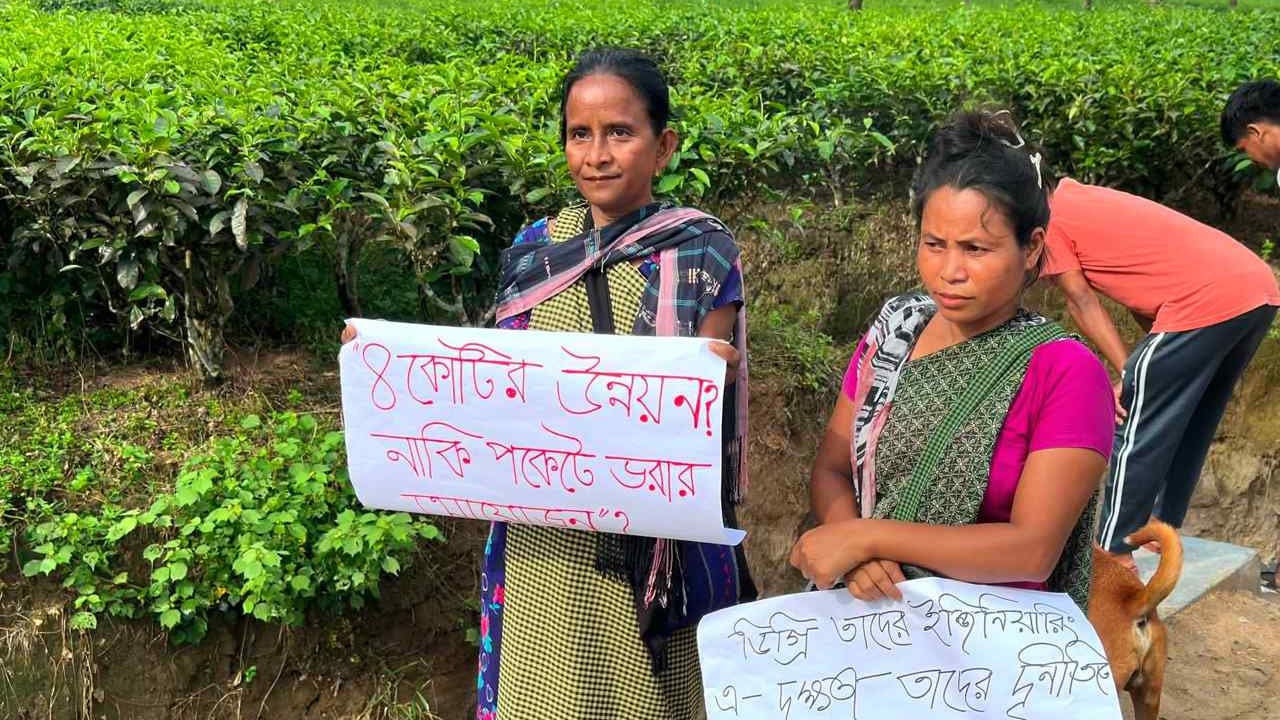
Construction work on the Kalighat-Manu-Dholai circular road in Ashidron Union of Srimangal upazila, Moulvibazar, has resumed after being halted for three days due to allegations of irregularities. The decision to restart came following an on-site inspection on July 1 by Srimangal Upazila Nirbahi Officer (UNO) Md Ziaur Rahman and Upazila Engineer (LGED) Md Abdur Rakib. Local residents had earlier stopped the work and submitted a written complaint alleging the use of substandard materials and negligence in construction. Before the inspection, residents staged a protest with placards, demanding quality control and stronger oversight. The UNO instructed the contractor to complete the project according to the approved design and schedule while maintaining quality standards. The administration also decided to form a local monitoring committee to ensure proper supervision of the project. The contractor, Sunny Enterprise, stated that the work had followed LGED guidelines and would now continue with a renewed focus on quality. The project had earlier drawn attention after a national newspaper reported alleged irregularities on June 29, prompting administrative action.
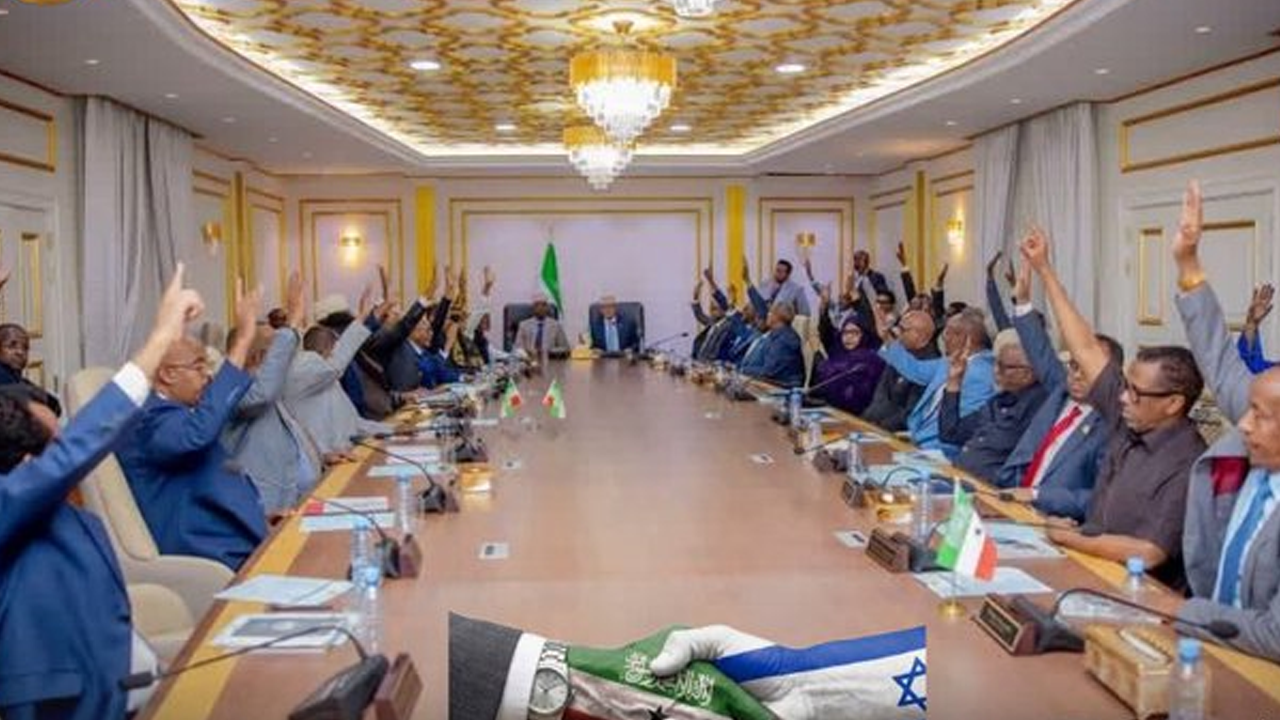
Somaliland’s cabinet has approved a bilateral strategic cooperation agreement with Israel, formalizing commitments announced during President Abdirahman Mohamed Abdullahi’s recent visit to the country. The agreement, passed unanimously in a cabinet meeting following the June trip, marks a new phase in relations between the two sides. According to the presidential office, the deal will open new avenues of partnership in security, investment, technology exchange, and economic development. Somaliland, which declared independence from Somalia in 1991, has long struggled for international recognition. Israel became the first country to officially recognize Somaliland last year. Geopolitical analysts cited in the report suggest that Israel’s recognition and cooperation are driven by strategic interests in the Red Sea region, particularly around the Gulf of Aden, where Israel seeks to strengthen its military and geopolitical presence and counter Iranian and Houthi influence.
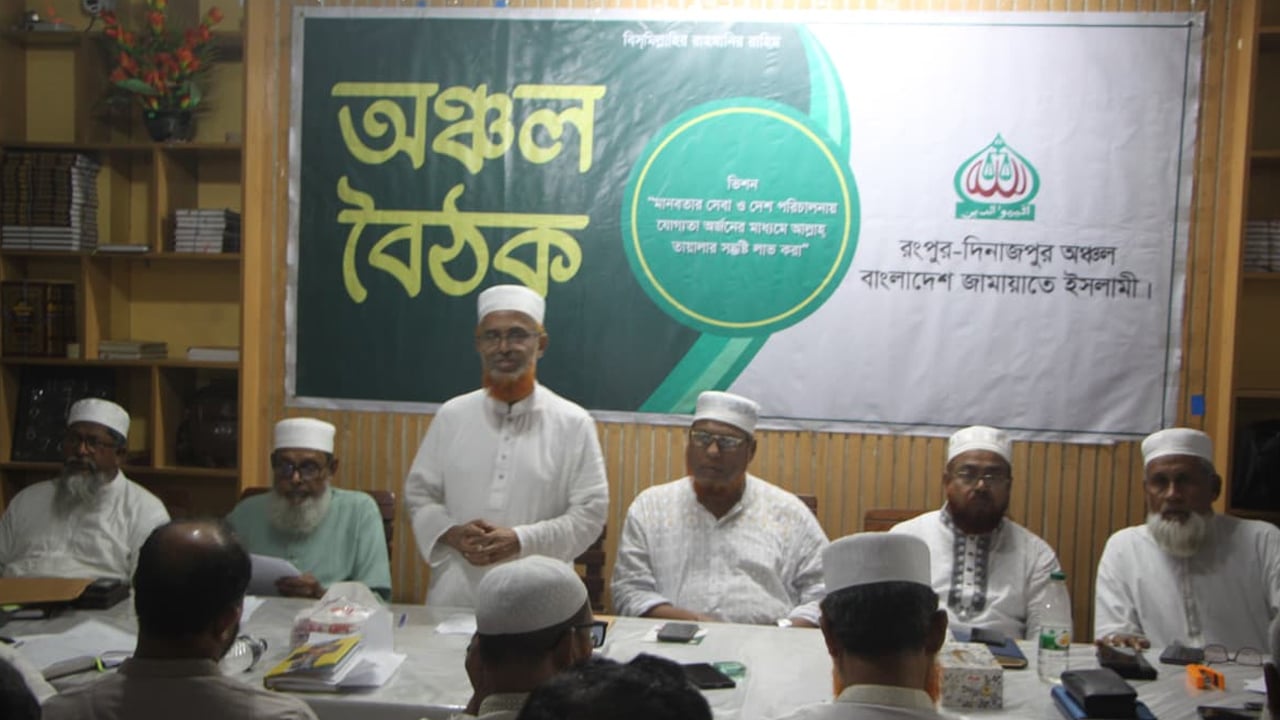
Bangladesh Jamaat-e-Islami central executive member and Rangpur-Dinajpur regional director Maulana Abdul Halim said the nation now expects full implementation of the referendum verdict. Speaking at a regional meeting in Rangpur on July 1, he called on the government to honor the people’s mandate by implementing the July Charter, forming a constitutional reform council, and fulfilling national commitments. He stated that Jamaat-e-Islami continues to play a constructive opposition role in parliament while maintaining peaceful movements for democratic rights and national interests. Abdul Halim criticized the government for failing to take visible steps toward implementing the July Charter despite earlier promises. He added that the 11-party alliance remains united in demanding realization of the referendum verdict and other national issues. The alliance announced a divisional rally on July 11 at Rangpur Zilla School ground to present four demands: implementation of the referendum verdict, progress on the Teesta mega project, an end to border killings and push-ins, and control of rising commodity prices to ensure fair returns for farmers.
Jatiya Chhatra Shakti has expressed deep concern and anger over a series of attacks on its activists across different parts of the country. In a statement issued on Tuesday, the organization alleged that two of its leaders were attacked on the first day of July, including incidents in Chittagong University, Bajitpur in Kishoreganj, and Dhaka College. The group accused Jatiyatabadi Chhatra Dal of carrying out these assaults and strongly condemned the incidents. According to the statement, Chittagong University organizer Ulfatur Rahman Rakib was attacked while helping a sick student, and Bajitpur unit convener Fahad Bin Mahi was assaulted on his way to a party program. The organization claimed that such politically motivated violence by Chhatra Dal has destabilized the academic environment in educational institutions. It also criticized the lack of visible administrative or organizational action against the alleged perpetrators. Jatiya Chhatra Shakti demanded that those responsible for the attacks be identified and brought to justice. The group urged the authorities to act impartially and called on Chhatra Dal to abandon aggressive and violent political practices.
A video allegedly showing Md. Intaj Ali, chairman of Nijpat Union Parishad and organizational secretary of Jaintapur Upazila BNP in Sylhet, using drugs has gone viral on social media, triggering widespread discussion and criticism. The 46-second clip, reportedly filmed at the home of Fayzul Islam Fazlu in Sarighat Dhupi village, began circulating widely on Wednesday. Locals claimed the footage was genuine, though no official confirmation has been made. Attempts to contact the chairman were unsuccessful as his phone remained switched off. Fayzul Islam, said to appear in the video, later posted on Facebook accusing the chairman of introducing him to drug use and developing a relationship with his wife. The post intensified public reaction, with many social media users demanding an impartial investigation. Local BNP leaders stated they were unaware of the incident or had not yet verified the video. Police confirmed that no formal complaint had been filed but said they would take necessary action if required. The controversy has drawn significant attention in Sylhet, with calls for accountability and transparency surrounding the allegations.

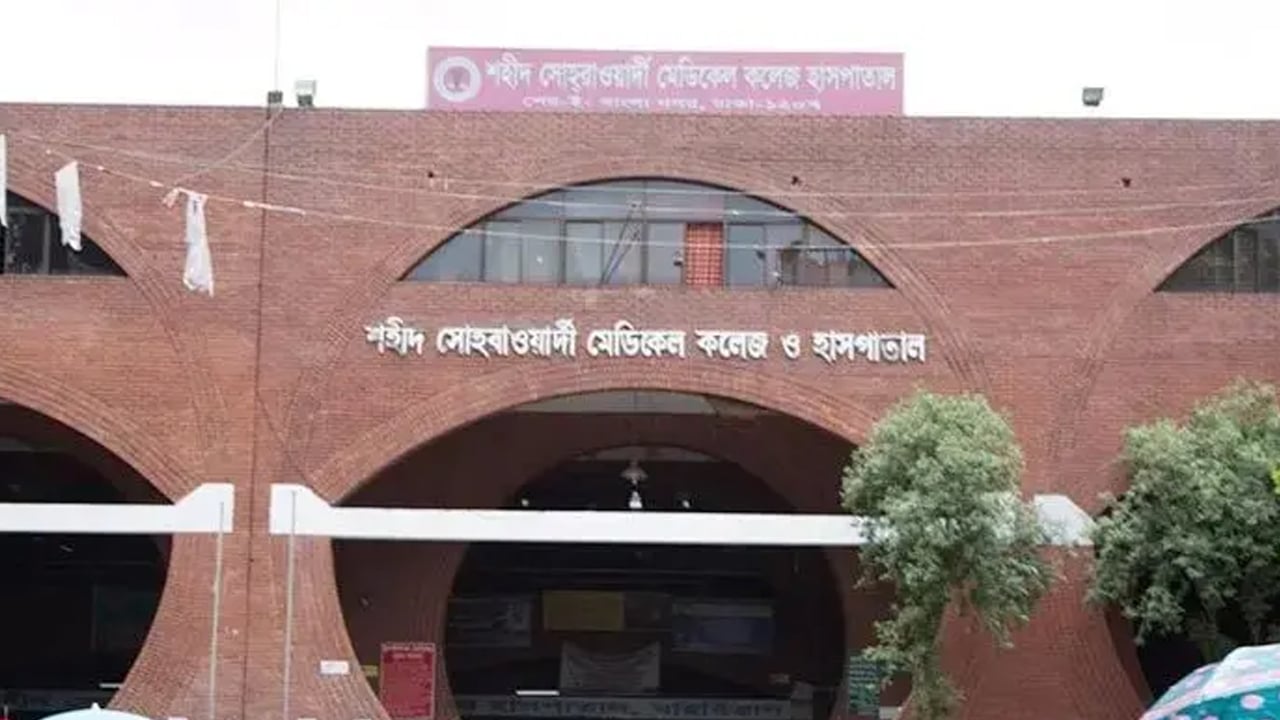
A violent attack in Dhaka’s Adabor area left one BNP leader dead and another injured following a dispute over watching a World Cup football match. According to police and local sources, the conflict began on Monday night during a match between Brazil and Japan, involving two groups led by local BNP leaders Saddam Hossain and Md. Badsha Mia on one side, and residents Ripon and Parvez on the other. On Wednesday evening, a mediation meeting was held to resolve the dispute, but no agreement was reached. As Saddam and Badsha were returning home around 8 p.m., they were attacked with sharp weapons by unidentified assailants. Both victims were taken to Shaheed Suhrawardy Medical College Hospital, and later Badsha was transferred to Dhaka Medical College Hospital, where doctors declared him dead. Saddam remains under treatment. Police confirmed the incident and said multiple teams are working to identify and arrest the attackers. CCTV footage and witness statements are being collected. Additional police have been deployed in the area, and Badsha’s body has been sent for autopsy. Authorities said the motive—whether personal, territorial, or otherwise—will be clarified after investigation.
The Tamil Nadu government has approached the Supreme Court challenging the Madras High Court’s directive that imposed a complete ban on cow and calf slaughter across the state. The High Court had issued the order in May 2026, citing the need to boost milk production and strengthen the rural economy by enforcing a 1976 government order. The directive followed a public interest litigation filed by a Coimbatore resident seeking to stop public cow slaughter. The High Court bench of Justices G R Swaminathan and V Lakshminarayanan had instructed the state’s Chief Secretary and Additional Director General of Police (Law and Order) to implement the ban immediately. The court also observed that cow slaughter is not a mandatory religious practice and referred to Article 48 of the Indian Constitution, which advocates for cow protection. In its Supreme Court petition, the Tamil Nadu government argued that the High Court’s order was self-contradictory, as it simultaneously allowed licensed slaughterhouses while imposing a total ban. The state also noted that the petitioner had not sought a statewide prohibition, and that the High Court had exceeded its jurisdiction.

The ‘1 Nojor’ media platform is now live in beta, inviting users to explore and provide feedback as we continue to refine the experience.