

The ‘1 Nojor’ media platform is now live in beta, inviting users to explore and provide feedback as we continue to refine the experience.
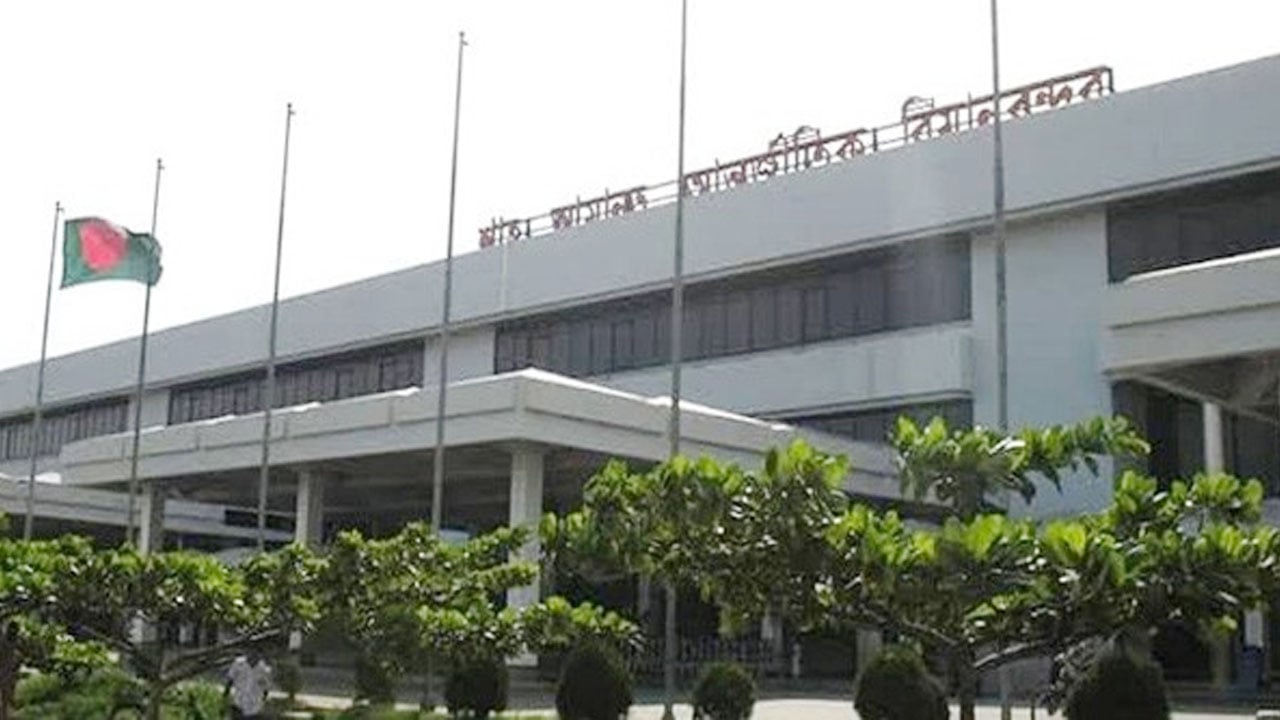
Air operations at Shah Amanat International Airport in Chattogram were disrupted on Sunday due to the ongoing conflict in the Middle East. A total of ten international flights were canceled in the morning, including three departures and seven arrivals. However, Biman Bangladesh Airlines flight BG-135, initially listed among the canceled flights, departed for Jeddah at 4 p.m. carrying 419 passengers. Airport public relations officer Engineer Mohammad Ibrahim Khalil said the cancellations were made temporarily for passenger safety. Earlier, six other flights had been canceled for the same reason. The affected flights included several bound for Dubai, Sharjah, and Doha. Authorities stated that further decisions would be taken after monitoring the situation. Sources indicated that uncertainty in flight operations may continue until the regional conflict stabilizes, suggesting potential ongoing disruptions for international travelers using the Chattogram route.
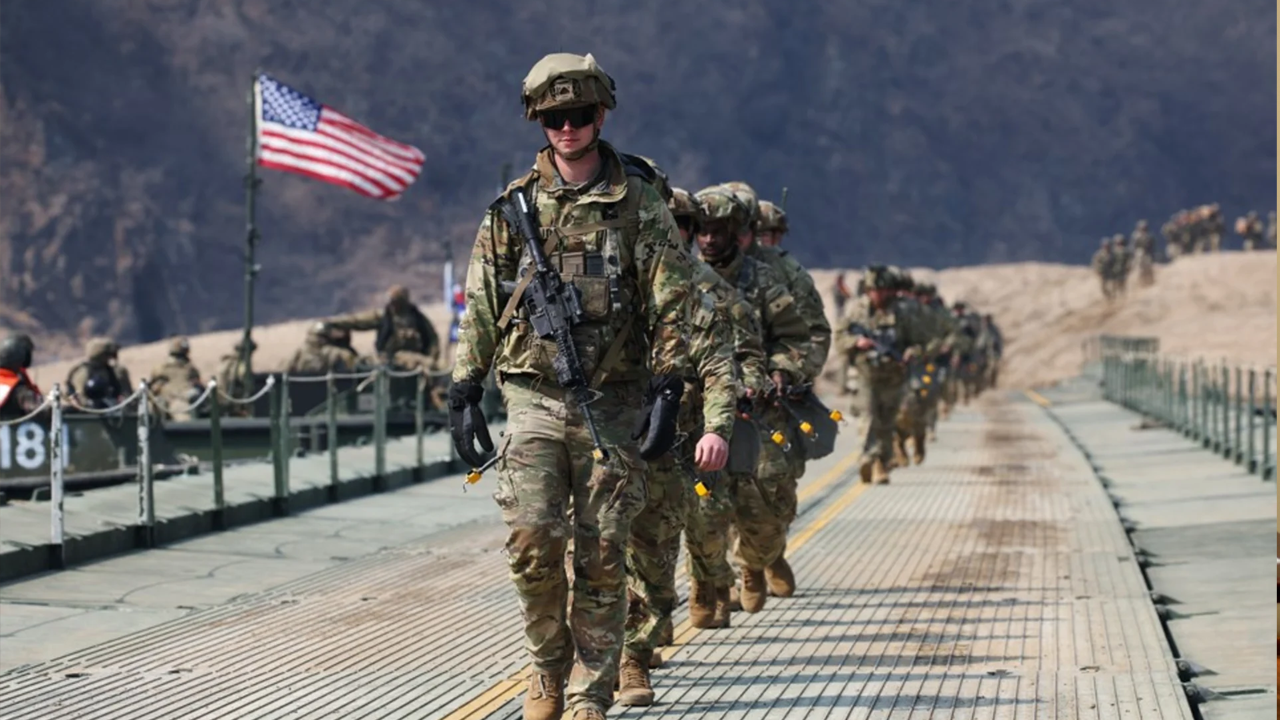
The United States has confirmed that three of its soldiers were killed during an ongoing military operation against Iran. According to an official statement from the U.S. military, five other soldiers were seriously injured in the same incident, while several others sustained minor physical and psychological injuries. Medical treatment and rehabilitation are underway, and efforts are being made to return the injured personnel to duty gradually. The U.S. Central Command stated that major combat operations are continuing and that response efforts remain active, though the situation is currently stable. The command also noted that, out of respect for the families of the deceased, the names and further details of the soldiers will not be released until their next of kin have been formally notified. The announcement comes amid heightened military activity involving Iran, with the U.S. maintaining that its operations are part of a broader campaign in the region.
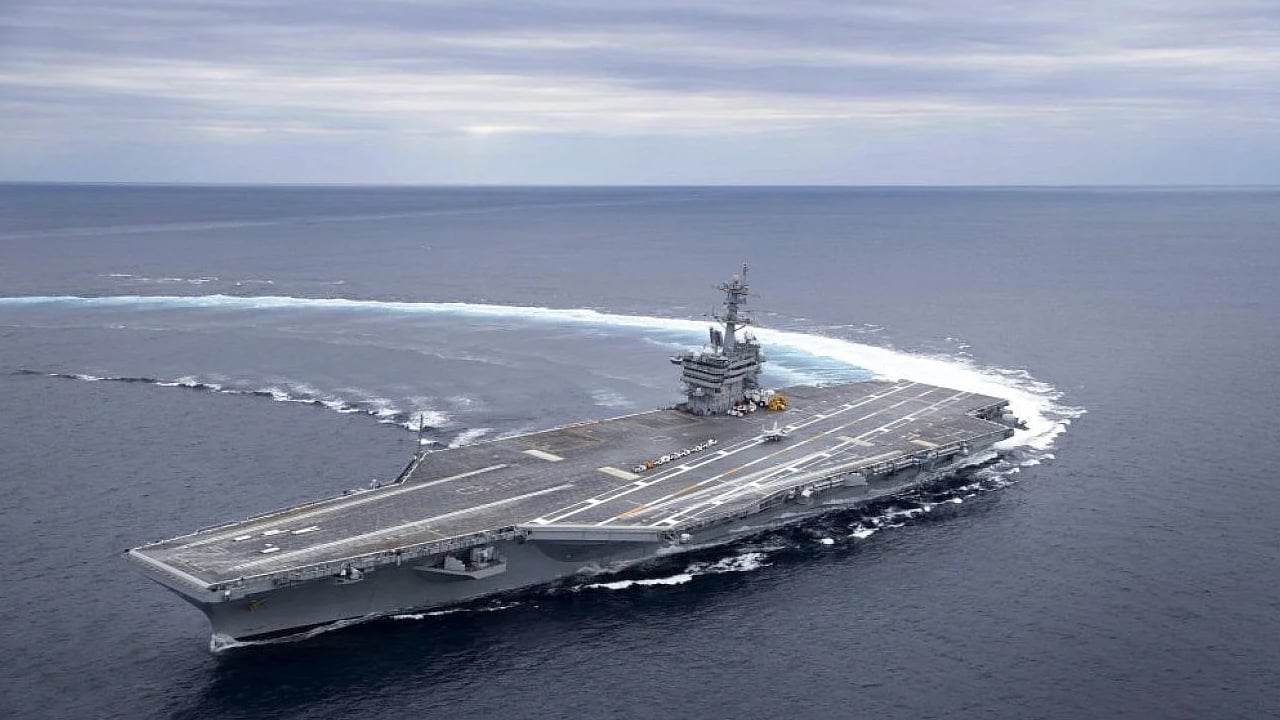
Iran’s Islamic Revolutionary Guard Corps (IRGC) has claimed responsibility for a missile attack on the US aircraft carrier USS Abraham Lincoln stationed in the Gulf region, according to Al Jazeera. In a statement published by local media, the IRGC said the carrier was hit by four ballistic missiles and warned that land and sea would become the graveyard of aggressors. The claim came shortly after Iran’s Supreme Leader Ayatollah Ali Khamenei was reportedly killed in US and Israeli airstrikes. The USS Abraham Lincoln has been deployed in the Arabian Sea since late January. A US official, however, denied Iran’s claim, telling Al Jazeera that no Iranian missiles struck the carrier and that its operations remain unaffected. The official confirmed that the vessel continues its mission without interruption. The conflicting statements highlight escalating tensions between Iran and the United States following recent attacks and leadership changes in Tehran.
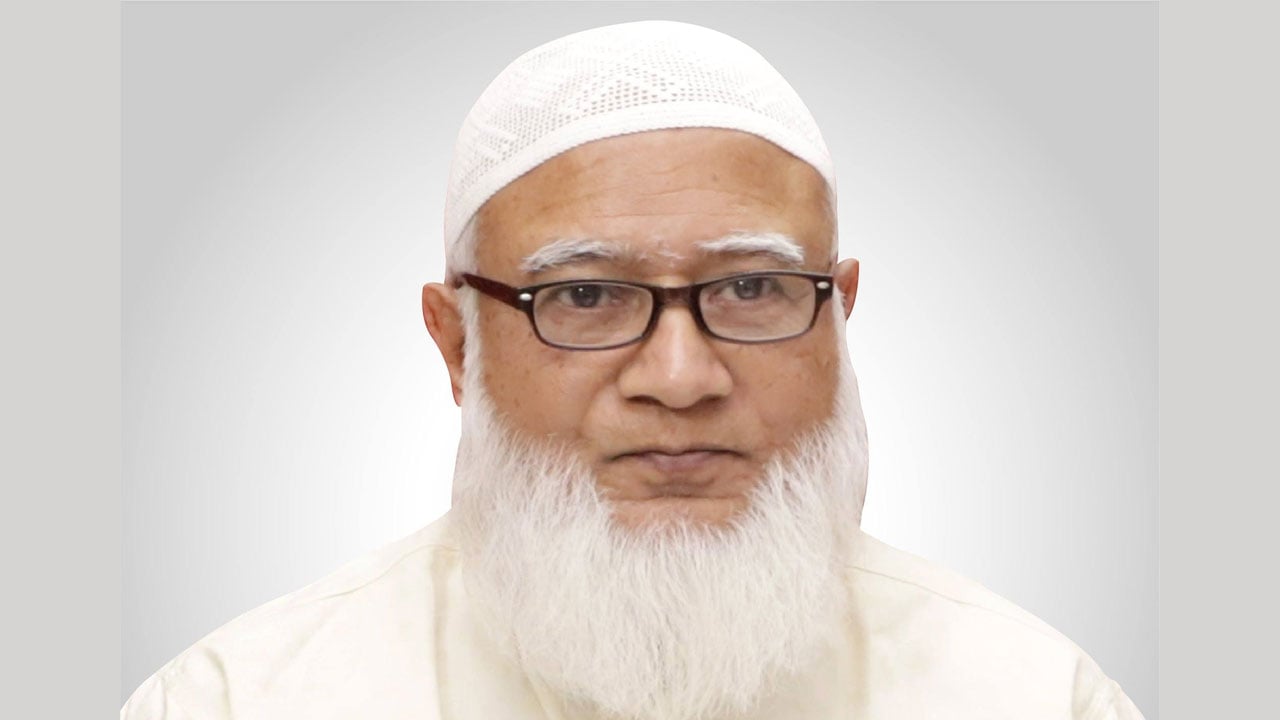
Bangladesh Jamaat-e-Islami Ameer and Leader of the Opposition in Parliament, Dr. Shafiqur Rahman, has expressed deep concern over the ongoing tensions in the Middle East. In a statement issued to the media on Sunday, he said that recent military attacks in Iran and subsequent missile and drone strikes on neighboring Gulf countries indicate a dangerous escalation that threatens regional stability. He condemned all actions violating national sovereignty, endangering civilians, and undermining peace. Dr. Rahman voiced particular concern over Israel’s destabilizing activities, saying such actions heighten tensions, obstruct dialogue, and weaken efforts for lasting peace. He also described Iran’s retaliatory attacks as counterproductive and urged an immediate halt to all hostilities. He warned that continued conflict would worsen human suffering and deepen instability across the Muslim world. Calling for restraint and renewed diplomacy, Dr. Rahman urged all parties to cease military operations and return to dialogue. He also appealed to the Bangladesh government to ensure the safety and consular support of Bangladeshi nationals in the Middle East during this crisis.
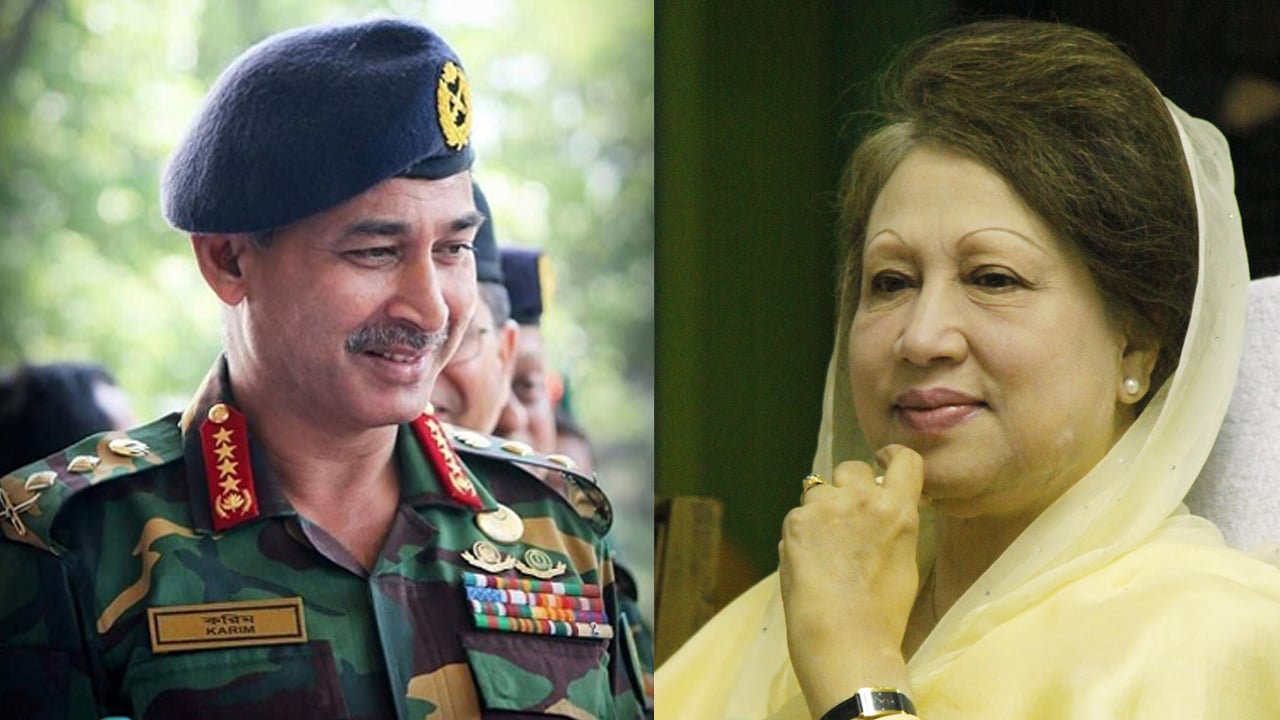
Former army chief Iqbal Karim Bhuiyan told the International Crimes Tribunal-1 that he had no role in the eviction of former Prime Minister Khaleda Zia from her Dhaka cantonment residence. He made the statement during cross-examination by defense lawyer Aminul Gani in the ongoing crimes against humanity case against dismissed Major General Ziaul Ahsan, where Bhuiyan appeared as the first prosecution witness. During the third day of questioning, Bhuiyan denied multiple allegations, including taking steps to evict Khaleda Zia while serving as Quartermaster General, failing to act on enforced disappearances, and benefiting from government favors. He stated that he was abroad during the alleged eviction period and had no operational control over army operations related to disappearances. He also denied offering any proposal to divert investigations or accumulating wealth through undue advantage. The trial is being conducted by a three-member bench of the International Crimes Tribunal-1, headed by Justice Golam Mortuza Majumder, with Justices Shafiul Alam Mahmud and retired District Judge Mohitul Haque Enam Chowdhury as members.
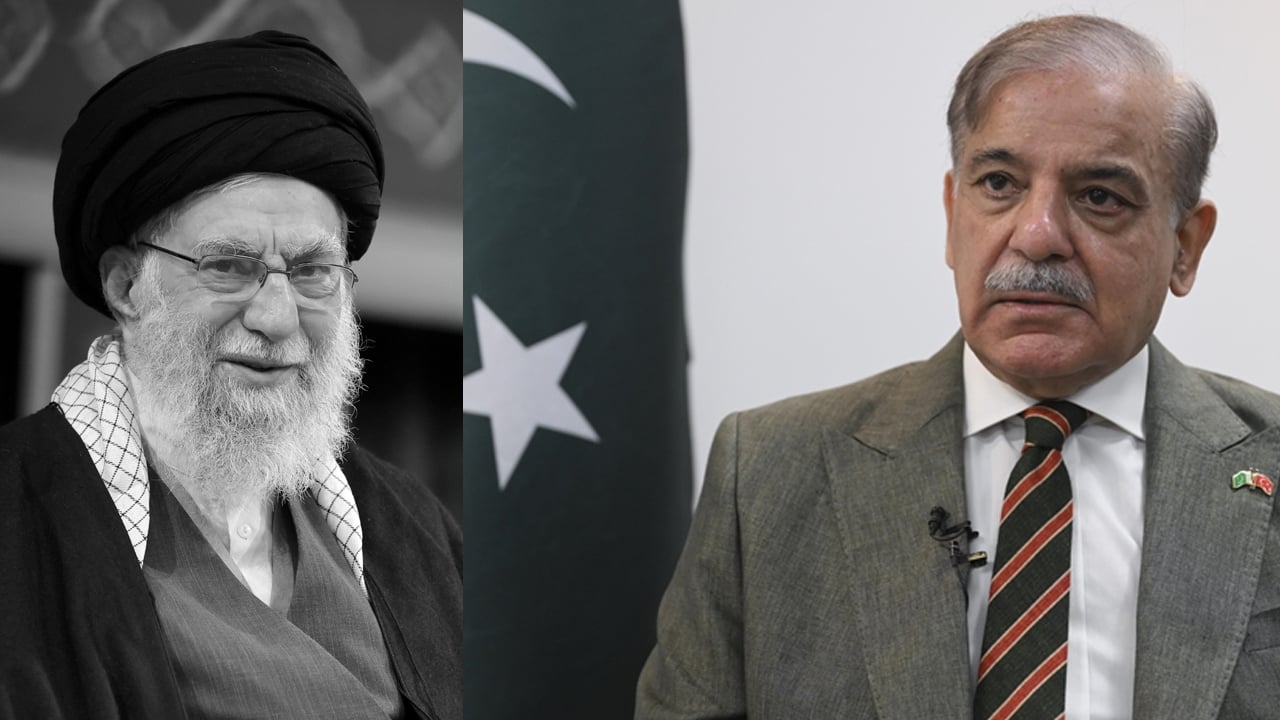
Pakistan’s Prime Minister Shehbaz Sharif has condemned the killing of Iran’s Supreme Leader Ayatollah Ali Khamenei, describing it as a violation of international law. In a message posted on social media on Sunday, Sharif expressed solidarity with the people of Iran following what he termed as Khamenei’s martyrdom. He conveyed Pakistan’s condolences and stated that the nation stands with Iran during this time of grief and sorrow. Sharif further said that Pakistan is deeply concerned over the breach of international legal principles. His remarks came as Pakistan officially expressed solidarity with Iran in the wake of a joint attack by Israel and the United States. The statement also reiterated Pakistan’s call for adherence to international law amid the escalating regional tensions. The development reflects Islamabad’s diplomatic stance aligning with Tehran following the reported attack, while urging respect for international norms and legal frameworks.
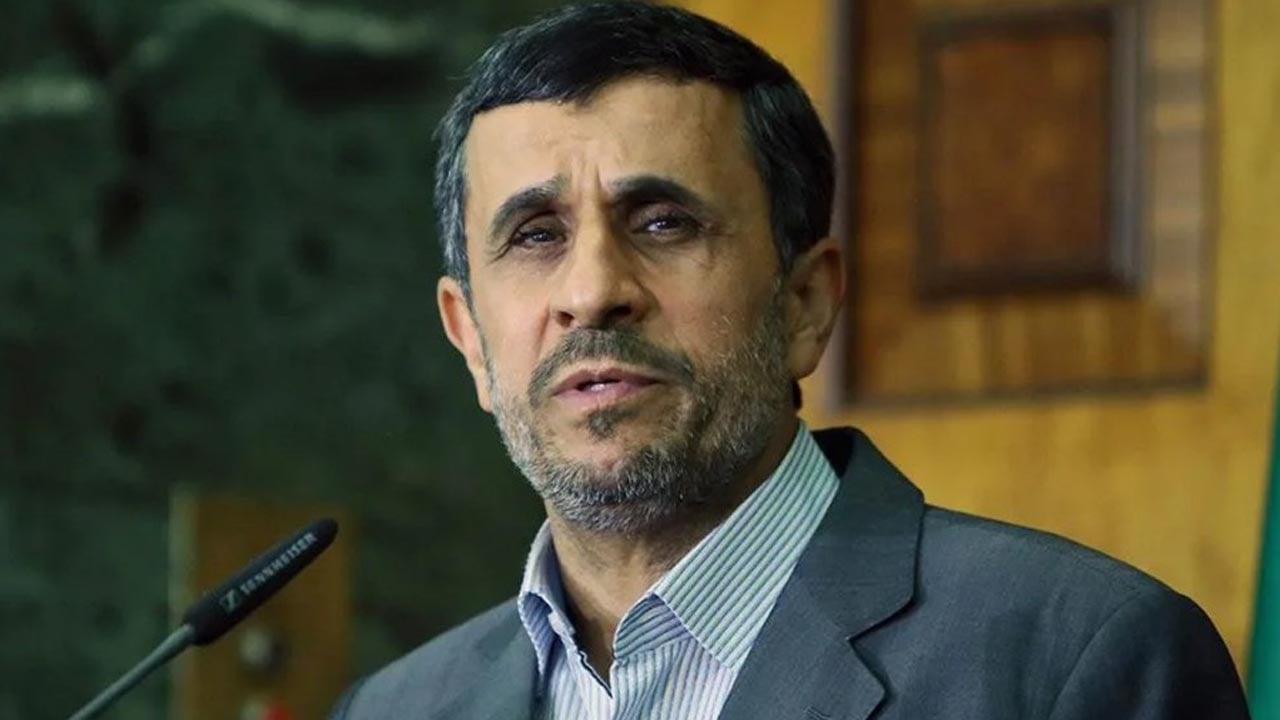
Former Iranian president Mahmoud Ahmadinejad, who served from 2005 to 2013, has reportedly been killed in an Israeli-US airstrike, according to several international media outlets. The Jerusalem Post, citing the Iranian Labour News Agency, reported on March 1 that the attack targeted Ahmadinejad’s residence in Narnak, northeast Tehran, killing him along with several of his bodyguards. The report has not been independently verified, and Iranian authorities have not issued any official statement regarding the incident. Ahmadinejad previously held positions as governor of Ardabil province and mayor of Tehran before becoming president. The lack of confirmation from Iranian officials leaves uncertainty about the accuracy of the reports and the broader implications for Iran’s political situation.
Iran’s Foreign Ministry has condemned recent attacks by the United States and Israel while diplomatic talks between Tehran and Washington over Iran’s nuclear program are ongoing. The condemnation came through a ministry statement issued following the death of Iran’s Supreme Leader Ali Khamenei. According to the statement, the attacks occurred as Oman was mediating discussions between Washington and Tehran, with the latest round of talks held in Geneva on February 26. Iranian Foreign Minister Abbas Araghchi stated in the same statement that Khamenei’s path will continue, signaling policy continuity despite the leadership change. The ministry’s remarks come amid heightened regional tensions and ongoing international focus on Iran’s nuclear activities, as well as the evolving political landscape following Khamenei’s death.
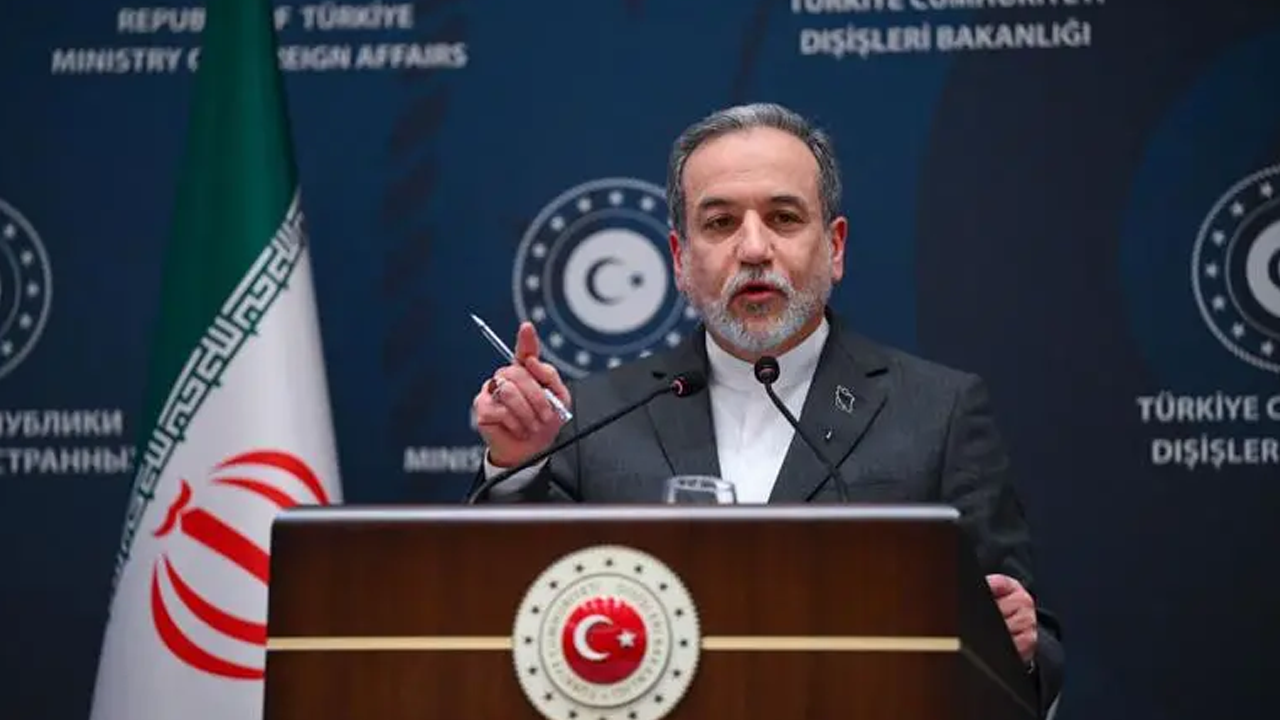
Iranian Foreign Minister Abbas Araghchi announced that the country will choose a new supreme leader within one or two days. In an interview with Al Jazeera on Sunday, he confirmed that the constitutional process had begun following the death of Supreme Leader Ayatollah Ali Khamenei and that an interim council had been formed to manage state affairs. Araghchi explained that the transitional council, established under Iran’s constitution, includes the president, the chief justice, and a cleric from the Guardian Council. This three-member body will oversee leadership duties until a new supreme leader is selected. The responsibility for electing the new leader lies with the 88-member Assembly of Experts, which is expected to make a decision soon. The foreign minister emphasized that all developments are proceeding in an orderly manner according to Iran’s laws and constitution. He also warned that Iran would not accept any restrictions on its right to self-defense.
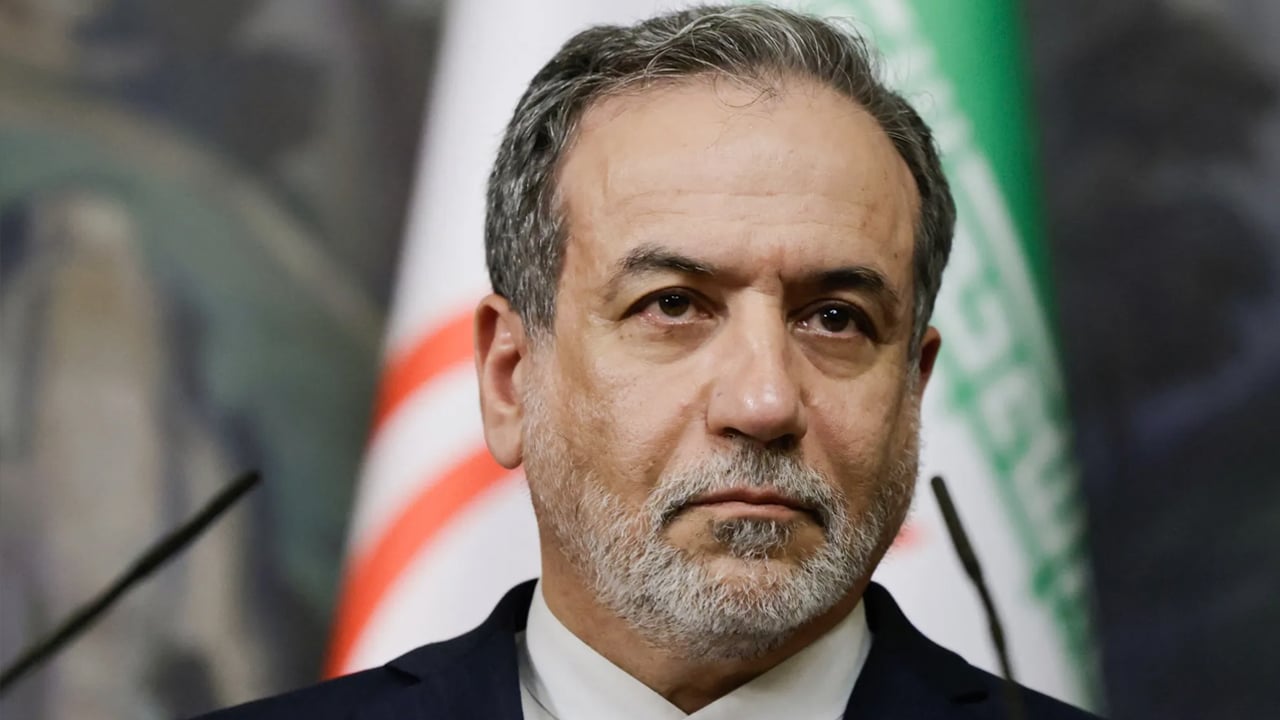
Iran launched retaliatory attacks in the Gulf region following strikes by the United States and Israel, resulting in three deaths, including one Bangladeshi, and 58 injuries in the United Arab Emirates, according to Emirati authorities. The victims reportedly included citizens of Pakistan, Nepal, and Bangladesh. The UAE Ministry of Defense stated that its defense systems detected 165 ballistic missiles, of which 152 were destroyed, along with two cruise missiles shot down. The ministry further reported identifying 541 Iranian drones, successfully intercepting and destroying 506 of them. The information was cited from Khaleej Times. The incident marks a significant escalation in regional hostilities, with Iran’s actions described as direct retaliation for earlier U.S. and Israeli attacks. The situation underscores rising tensions across the Gulf, with multiple nations now reporting casualties and heightened defense responses.
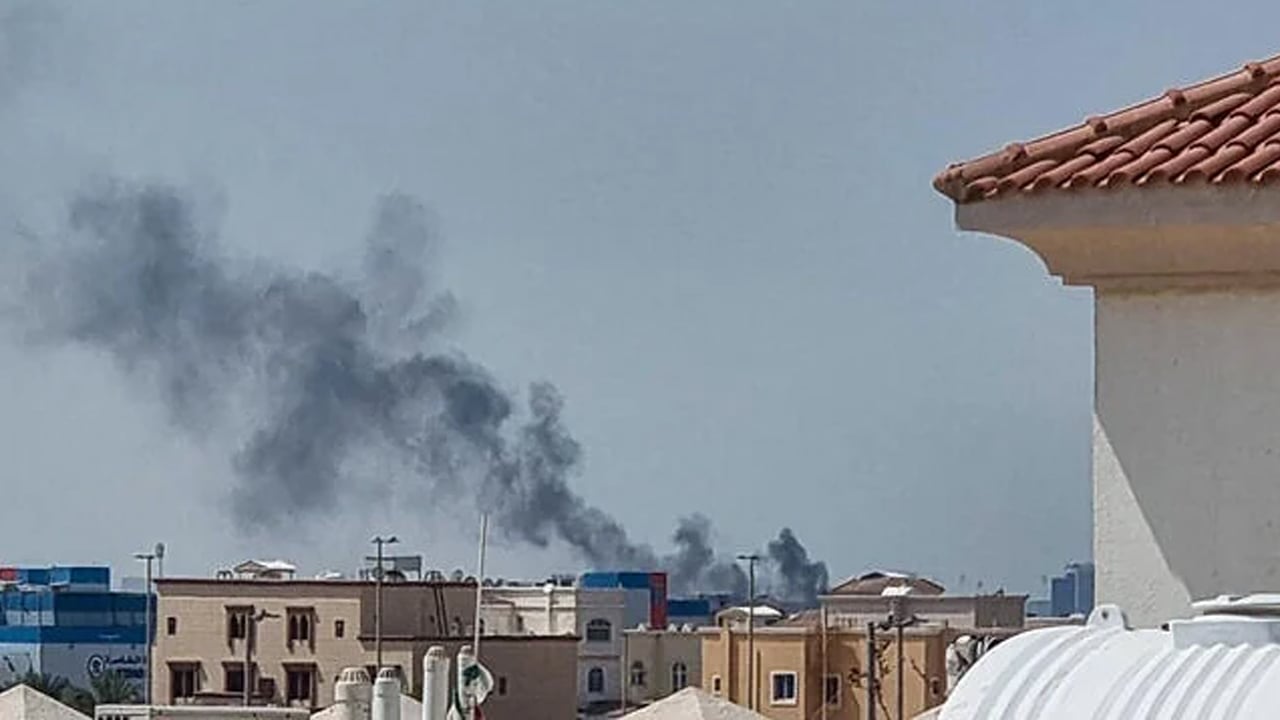
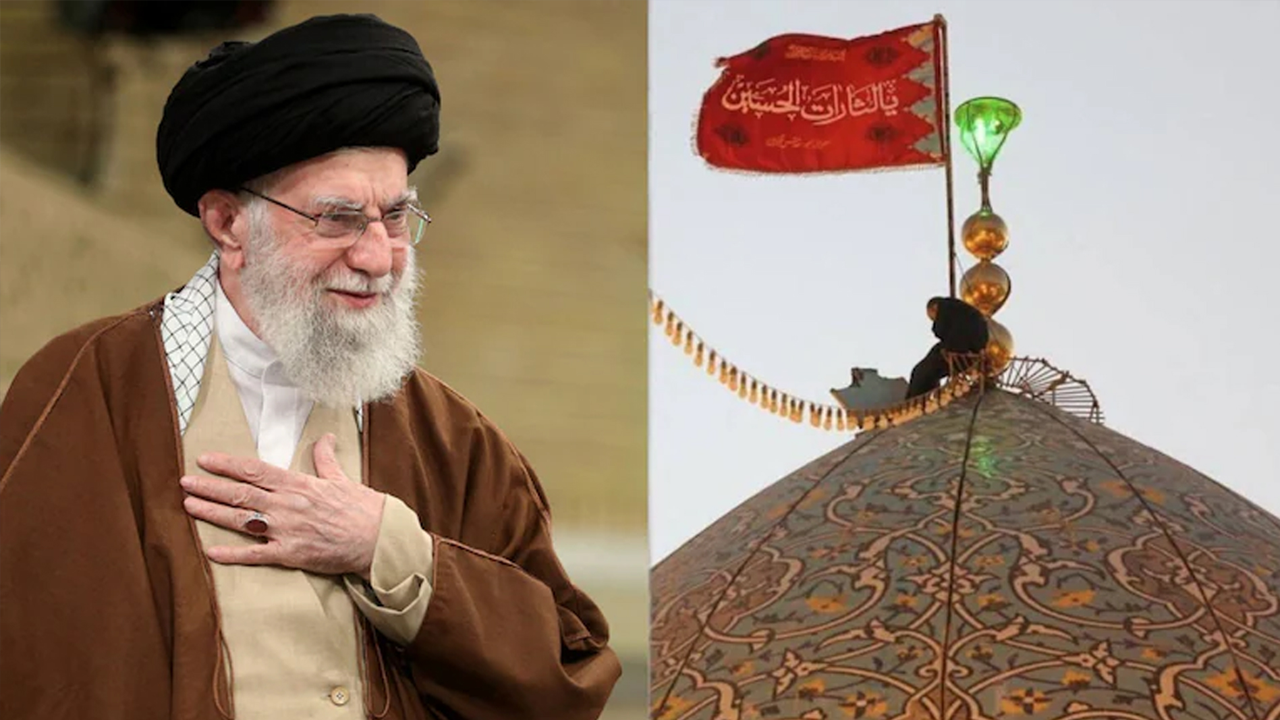
Iran has raised a red flag over the Jamkaran Mosque in the holy city of Qom following the death of Supreme Leader Ayatollah Ali Khamenei in a joint US-Israeli airstrike on Tehran. The flag, hoisted on Saturday, is described by Iranian media as a symbol of vengeance and a warning of severe retaliation against enemies at home and abroad. According to state-run Press TV, the red flag represents the blood of the Islamic Revolution’s leader and the call for justice. Religious officials and clerics reportedly carried Khamenei’s portrait during the flag-raising ceremony. The gesture mirrors a similar event in January 2020, when Iran raised the same flag after the killing of Quds Force commander Qasem Soleimani in a US airstrike. Reports indicate that the move reflects growing anger among Khamenei’s supporters and rising tensions across the Middle East. Following the attack, Iran launched strikes on US bases and fired missiles toward Israel, escalating regional hostilities.
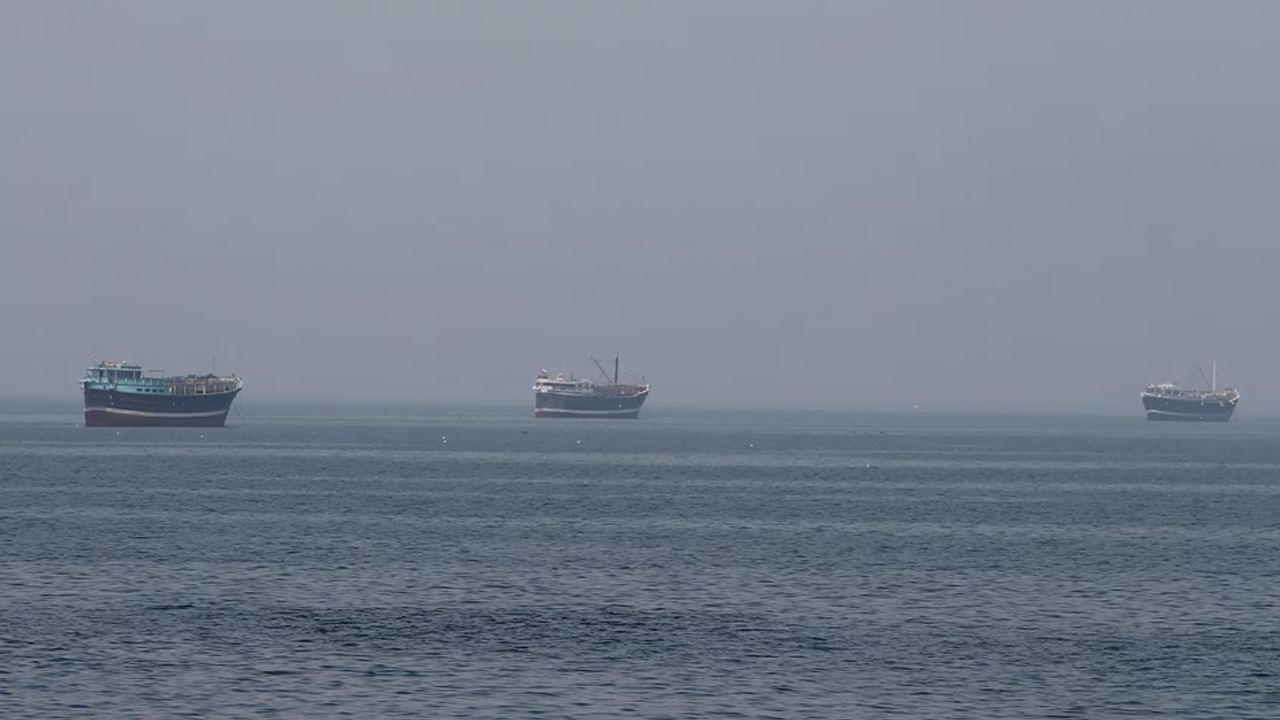
Global oil prices jumped sharply following US and Israeli attacks in Iran, which have pushed the Middle East into renewed conflict. According to Reuters, Brent crude rose nearly 10 percent in over-the-counter trading on Sunday, reaching around 80 dollars per barrel. Analysts warned that if the current instability continues, crude prices could hit 100 dollars per barrel by Monday. Ajay Parmar, director of energy and refining at ICIS, told Reuters that any military strike tends to drive oil prices higher, but the key concern now is the potential closure of the Strait of Hormuz. The strait handles about 15 to 20 percent of the world’s total oil, condensate, and petroleum products, and over 30 percent of liquefied natural gas shipments. Parmar added that if the Strait of Hormuz faces prolonged disruption, oil prices could rise beyond 100 dollars per barrel. The majority of oil transported through the strait goes to Asia, with the rest to Europe, including about 24 percent of China’s total LNG imports.
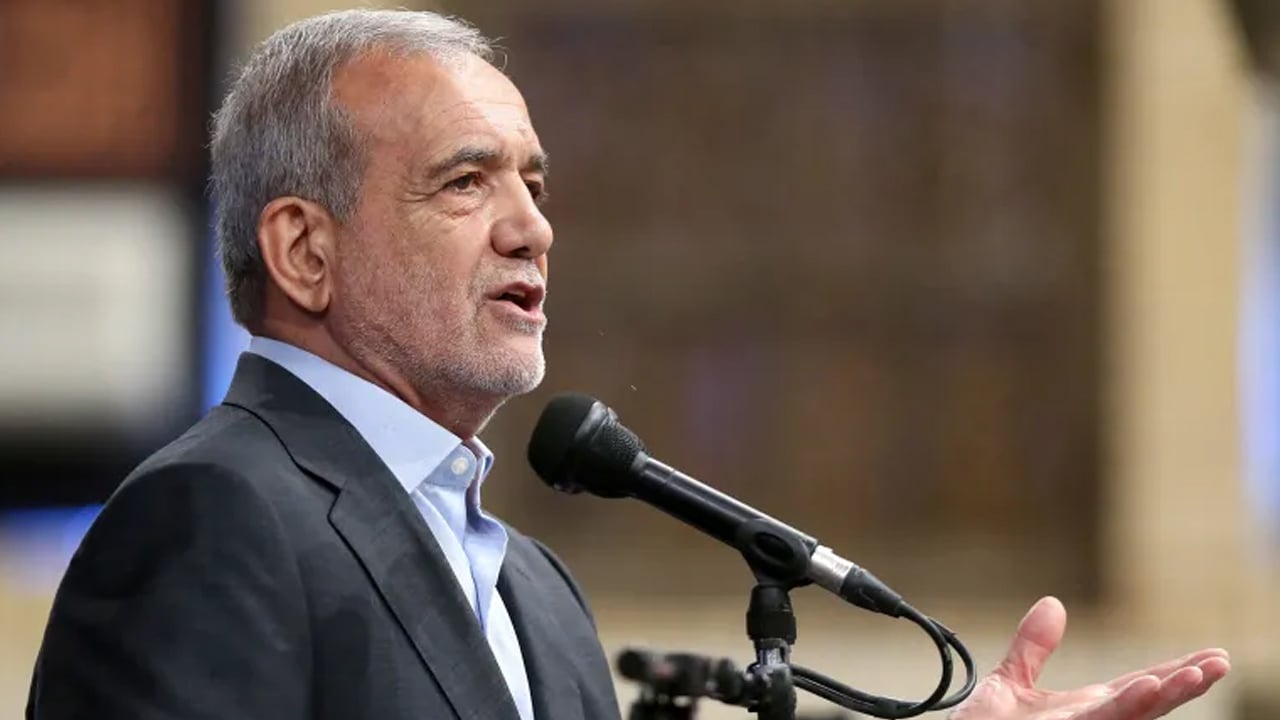
Iranian President Masoud Pezeshkian has warned that Iran will continue launching strong attacks on facilities linked to Israel and the United States. According to a statement released on Sunday, he said the country’s armed forces would keep striking enemy military bases and destroying their positions, following the path set by Iran’s supreme leader. Pezeshkian emphasized that the Islamic Republic’s military operations would persist as part of its broader defense strategy. He also referred to the martyrdom of revolutionary leader Ayatollah Ali Khamenei as the ultimate result of years of sacrifice, underscoring the government’s commitment to his legacy. The warning comes amid reports of escalating hostilities, including claims of attacks on tankers and the deaths of Iranian leaders, as well as renewed threats from Israeli Prime Minister Benjamin Netanyahu to intensify strikes on Iran.
Kuwait has been struck amid the ongoing conflict that erupted after a joint Israel–United States attack on Iran. According to Kuwait’s Ministry of Health, one person was killed and 32 others were injured in Iran’s counterattack. The ministry confirmed that all injured individuals were foreign nationals and were admitted to Al-Adan Hospital’s emergency department for immediate treatment. Fifteen of the injured were later transferred to Jaber Hospital for specialized care, while the rest remain under observation at Al-Adan Hospital, where five emergency surgeries have been completed. Ministry spokesperson Dr. Abdullah Al-Sanad stated that the injuries include chest, head, and abdominal trauma, as well as fractures and other serious wounds. All patients are being closely monitored under approved medical protocols. The Health Ministry added that emergency and intensive care units remain on high alert, with coordination strengthened among healthcare departments to ensure rapid response and quality medical services during the ongoing crisis.
Bangladesh has strongly condemned the violation of sovereignty of several Middle Eastern countries, including Bahrain, Iraq, Jordan, Kuwait, Qatar, Saudi Arabia, and the United Arab Emirates. The Ministry of Foreign Affairs issued a statement on Sunday, March 1, expressing the government’s concern following recent attacks in Iran and emphasizing the safety of Bangladeshi expatriates living in the region. The statement warned that continued hostilities could severely endanger regional peace, stability, and the welfare of civilians. Bangladesh called on all parties involved to exercise maximum restraint, halt military actions, and return to diplomatic negotiations to resolve differences. The ministry expressed hope that peace, security, and stability would soon be restored in the region. Although the statement listed seven countries whose sovereignty was violated, Iran was not included. The condemnation followed reports of a major military operation across Iran by Israel and the United States, which resulted in significant casualties, including senior Iranian figures.

The ‘1 Nojor’ media platform is now live in beta, inviting users to explore and provide feedback as we continue to refine the experience.