

The ‘1 Nojor’ media platform is now live in beta, inviting users to explore and provide feedback as we continue to refine the experience.
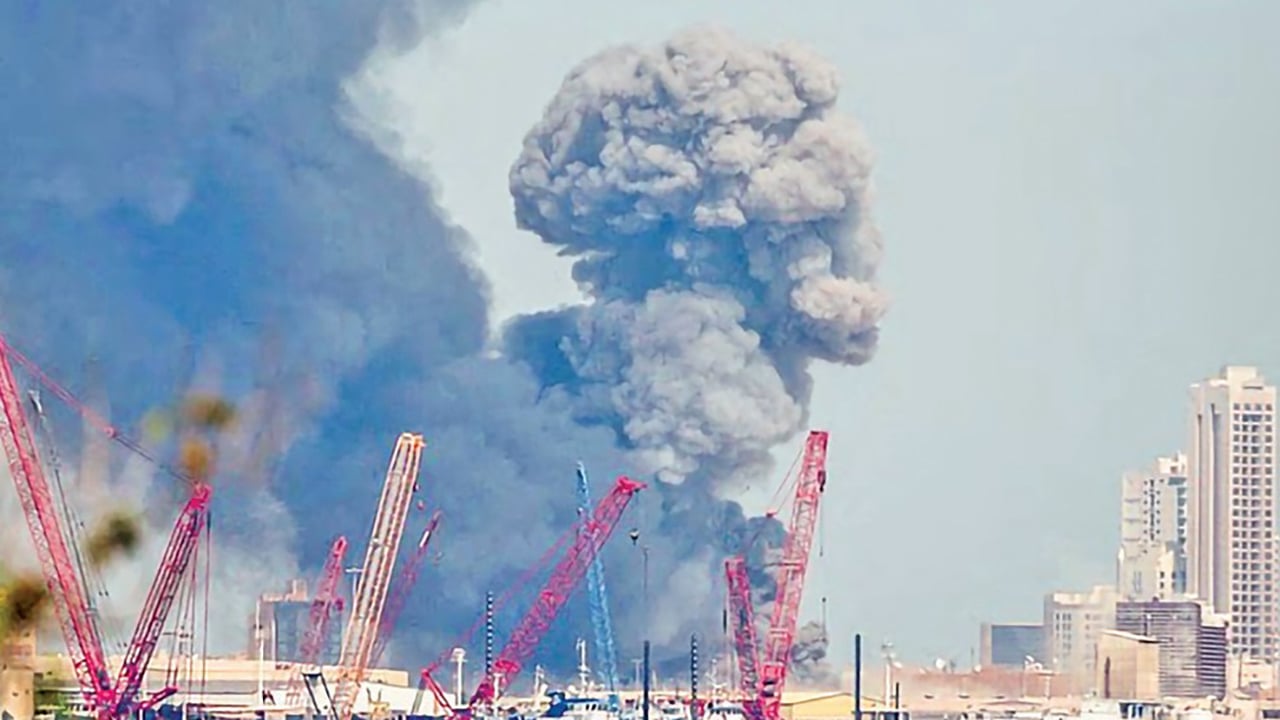
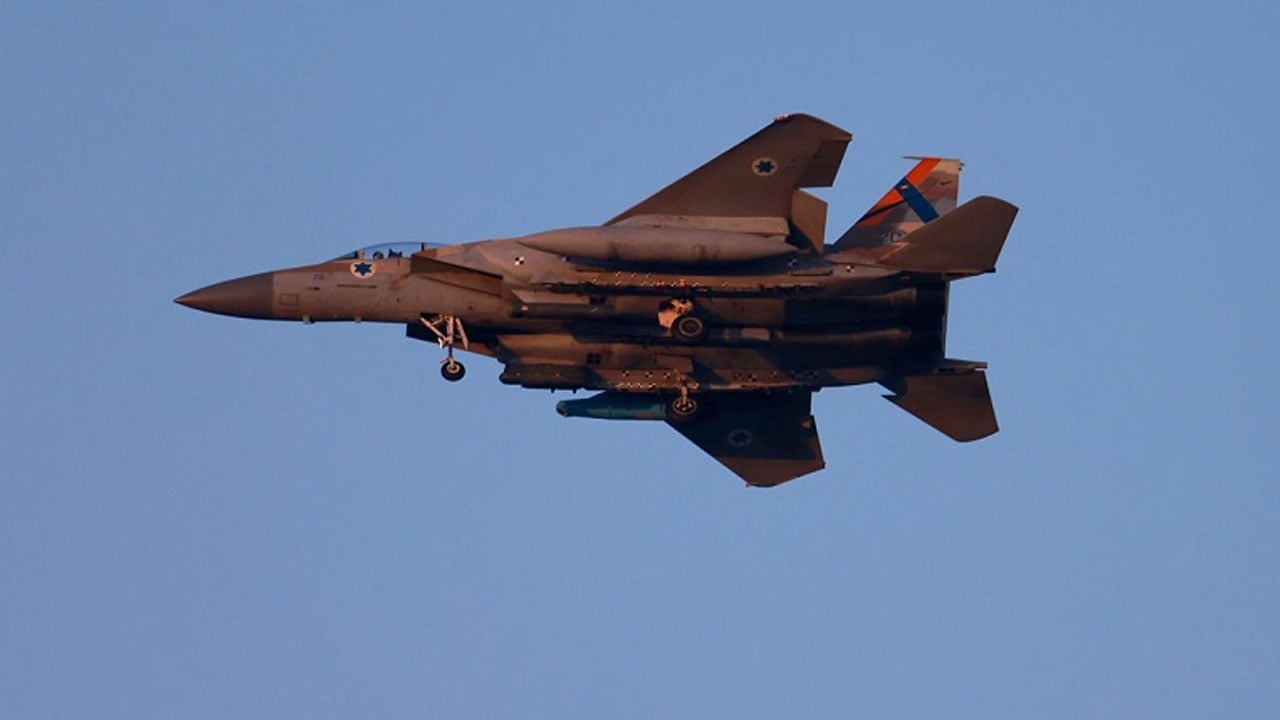
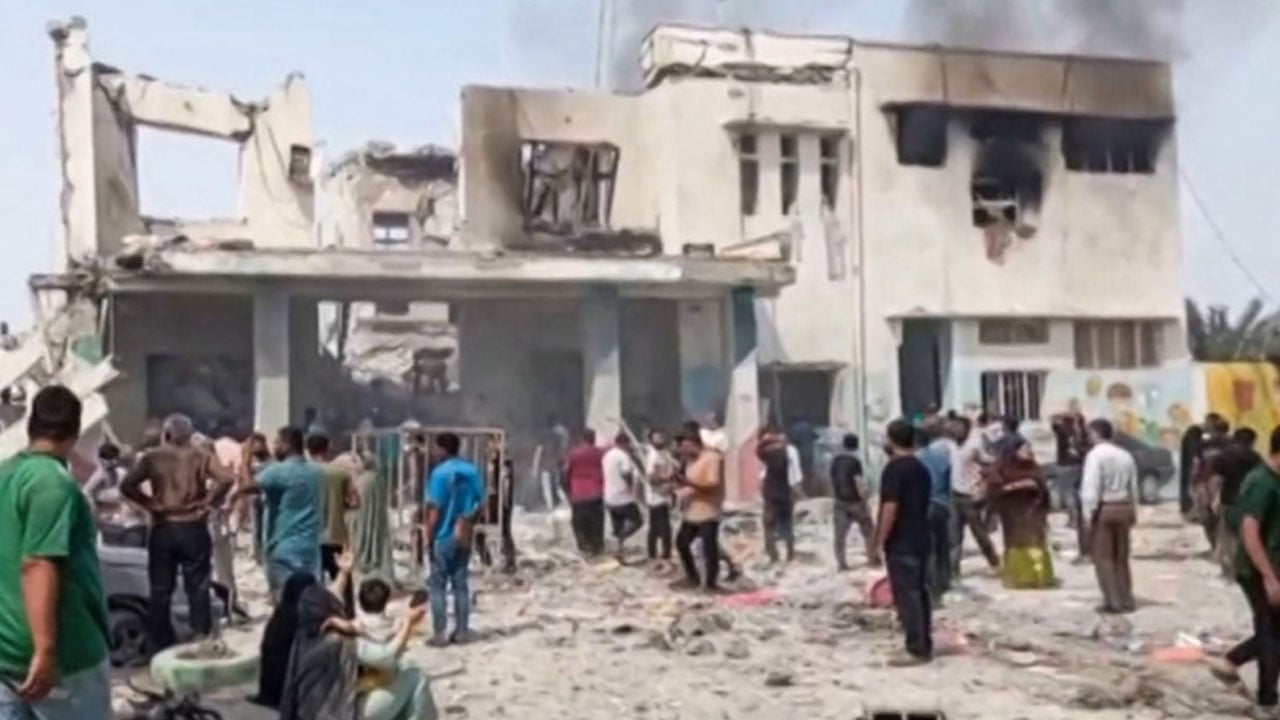
The United States and Israel jointly launched extensive airstrikes across at least 24 Iranian cities, including Tehran, on Saturday, following the collapse of nuclear negotiations in Geneva mediated by Oman. The attacks targeted both military and civilian sites, killing 201 people and injuring 747, according to the Iranian Red Crescent. The deadliest strike hit a girls’ school in Minab, where 85 people died. Iran’s Supreme Leader Ayatollah Ali Khamenei and President Masoud Pezeshkian were reported safe, though Israel claimed several senior Iranian officials were killed. In retaliation, Iran fired missiles at Israeli cities and US bases across the Middle East, causing damage in Iraq, Syria, and Gulf states. The escalation prompted regional airspace closures and the shutdown of the Strait of Hormuz, raising fears of a global oil price surge. US President Donald Trump and Israeli Prime Minister Benjamin Netanyahu defended the strikes as necessary for national security, while Iran’s foreign minister called them illegal acts of aggression. World leaders, including those from the UN, China, France, Turkey, and Russia, urged restraint and immediate ceasefire. Several Gulf nations condemned Iran’s counterattacks, warning of sovereignty violations and potential regional destabilization.
Iran’s Supreme Leader Ayatollah Ali Khamenei was killed on Sunday, March 1, 2026, according to reports from Iran’s Tasnim and Fars news agencies cited by Al Jazeera. Tehran later confirmed the martyrdom of Khamenei and several senior officials following a missile strike on a government complex in central Tehran. The attack occurred after U.S. and Israeli intelligence reportedly exchanged detailed information about Khamenei’s location and movements. Khamenei, 86, became Iran’s Supreme Leader in 1989 after the death of Ayatollah Ruhollah Khomeini and held ultimate authority over the country’s political, military, and religious institutions. His leadership was strongly supported by the Islamic Revolutionary Guard Corps (IRGC) and the Basij militia. The position of Supreme Leader, created after the 1979 revolution, grants absolute power over the president and parliament. According to The New York Times, the CIA had tracked Khamenei for months and shared precise intelligence with Israel, prompting a change in the timing of the strike. The attack targeted a complex housing Iran’s top leadership, including the president and national security officials, marking a major escalation in regional tensions.
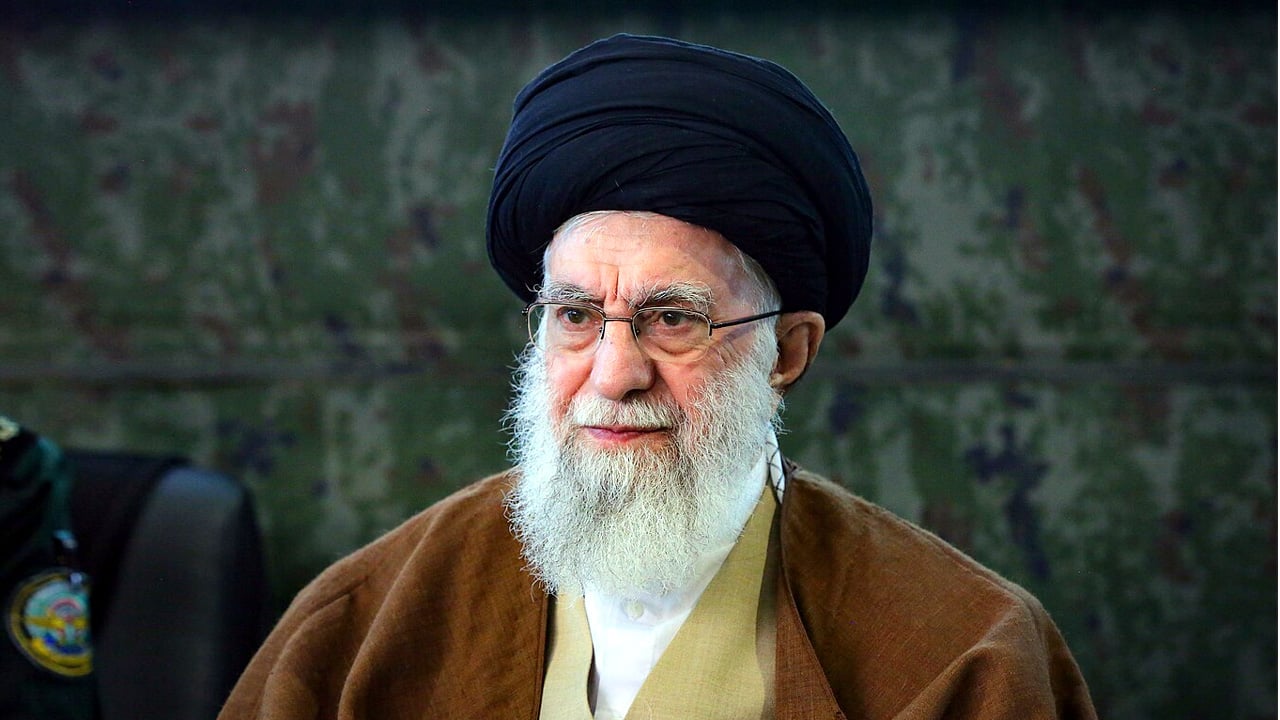
Reports from Iran indicate that a recent Israeli attack killed the daughter, son-in-law, and grandson of Iran’s Supreme Leader Ayatollah Ali Khamenei. The information was first shared by Fars News Agency, which is affiliated with the Islamic Revolutionary Guard Corps (IRGC), and later cited by Al Jazeera and Reuters. The incident reportedly occurred in Iran, though the exact location and timing were not specified. The United States and Israel have claimed that Ayatollah Khamenei himself was also killed in the strike. U.S. President Donald Trump posted this claim on his Truth Social account. However, Iranian authorities have neither confirmed nor denied the reports. Iranian news agencies Tasnim and Mehr stated that the Supreme Leader remains steadfast and continues to lead on the battlefield. The conflicting accounts highlight uncertainty over the situation in Iran, with no official confirmation yet from Tehran regarding the reported deaths or the broader implications of the attack.
Iran’s Islamic Revolutionary Guard Corps (IRGC) has carried out missile and drone attacks on Saudi Arabia’s Prince Sultan Air Base, according to Iranian state media. The base has been used by US forces for decades. Iranian media also reported strikes on Iraq’s Al-Harir Air Base, another facility under US control. No immediate reports of casualties or damage were available. The attacks followed a joint strike by the United States and Israel on Iran early Saturday, February 28. Tehran responded by targeting US military installations across the Middle East, including those in Israel and neighboring countries. Iranian state outlets described the operations as retaliatory actions following the earlier assault. The situation marks a sharp escalation in regional tensions, with both US and Iranian forces engaging in direct hostilities across multiple territories. Further developments remain uncertain as no official statements on potential next steps were reported.
The death toll from an Israeli attack on a girls’ school in southern Iran has risen to 108, according to Iranian media reports cited by Al Jazeera. The strike occurred on Saturday in Minab, a city in Hormozgan province, where the school was operating at the time of the attack. The Minab prosecution office confirmed the updated casualty figure. Reports indicate that 170 students were present at the school when the attack took place. Authorities fear the number of deaths could increase further as rescue and recovery efforts continue. The incident marks one of the deadliest reported attacks on a civilian educational facility in the region. No additional details were provided in the report regarding the broader context or responses from Iranian or Israeli officials.
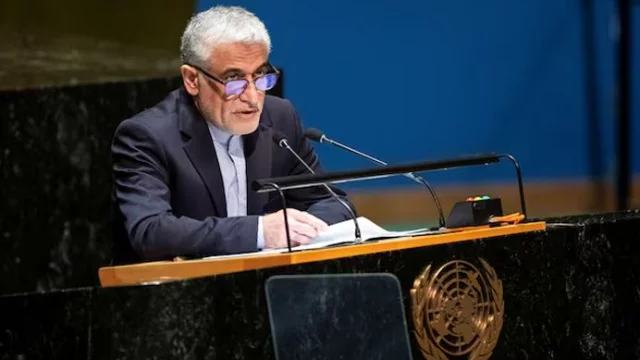
Iran’s ambassador to the United Nations, Amir-Saeid Iravani, declared that Iran will target all United States and Israeli bases, facilities, and assets in self-defense. Speaking at the UN, he said Iran considers all enemy bases and installations in the region as legitimate military targets under the legal framework of self-defense. He emphasized that Iran will continue exercising its right to defend itself fully and without hesitation until all aggression ceases completely. Iravani also stated that Iran remains firmly committed to respecting the sovereignty and territorial integrity of neighboring countries. He further claimed that Israel has succeeded in drawing the United States into a battlefield confrontation with Iran. The remarks were reported by Al Jazeera. The statement underscores heightened tensions involving Iran, the United States, and Israel, with Tehran asserting its readiness to respond militarily under international self-defense provisions.
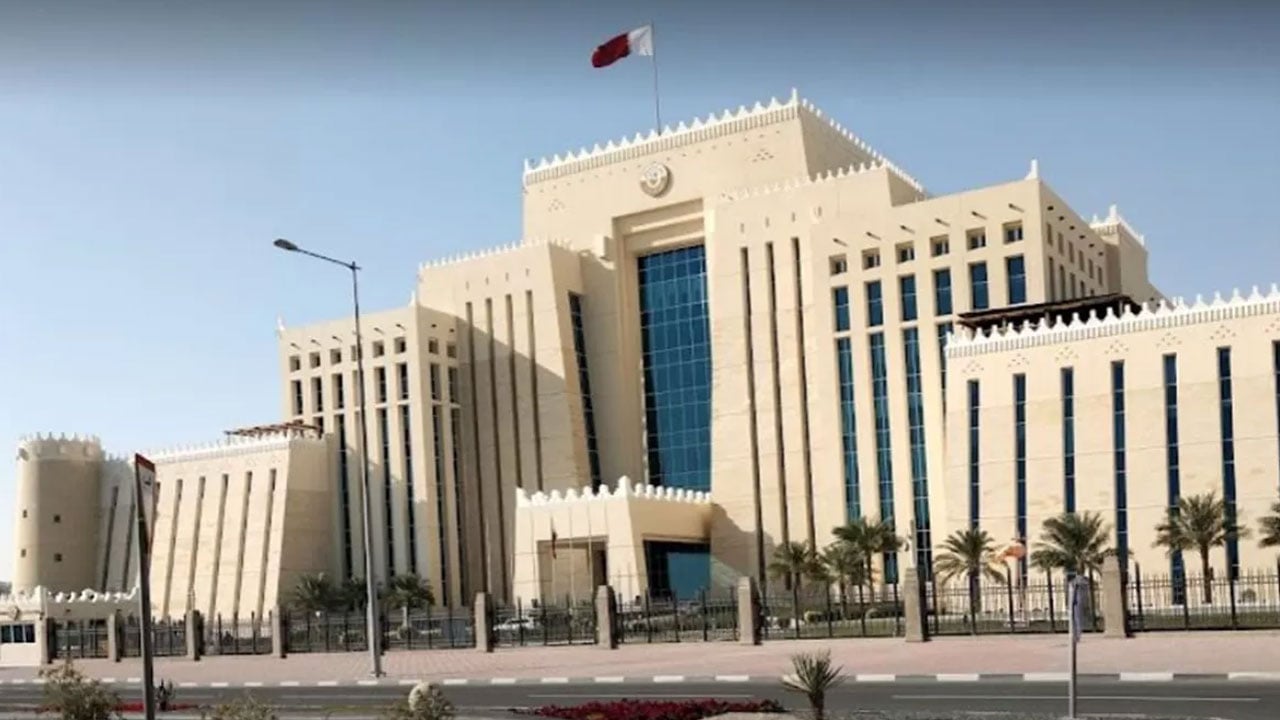
Qatar’s Ministry of Interior reported that eight people were injured in a missile attack, with one in critical condition. The ministry’s public relations chief, Abdullah Khalifa Al Muftah, stated on Saturday that a total of 66 missiles were fired at Qatar. Authorities also identified 114 pieces of metal debris scattered across the country. Additionally, an early-warning radar system was damaged after being struck by an Iranian drone. Ibrahim Sultan Al Hashemi, head of public relations at Qatar’s Ministry of Foreign Affairs, condemned the repeated targeting of Qatar, calling Iran’s actions reckless and irresponsible. He said such behavior violated the principles of good neighborly relations. Officials did not provide further details on the origin or timing of the attacks, and no information was released about potential responses or ongoing investigations.
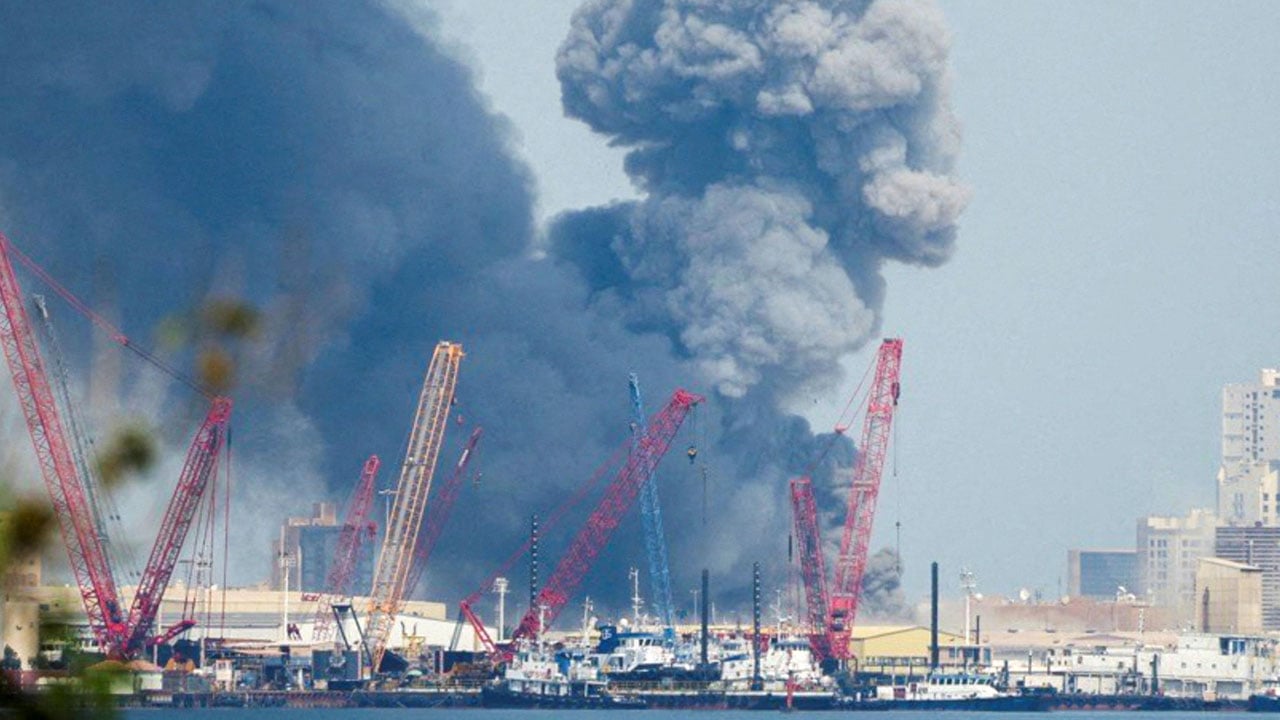
Israeli military spokesperson Efi Defrin announced that seven senior Iranian officials were killed in a military operation conducted inside Iran on Saturday. The statement was broadcast on Israeli television, where Defrin detailed that the operation targeted high-ranking figures within Iran’s security and defense establishment. According to the Israeli claim, the dead include Ali Shamkhani, former secretary of Iran’s National Security Council and a close adviser to Supreme Leader Ayatollah Ali Khamenei. Shamkhani had previously survived an attack at his Tehran residence in June 2025. The list also reportedly includes Iran’s Defense Minister Amir Nasirzadeh and Islamic Revolutionary Guard Corps (IRGC) commander Mohammad Pakpour. The report did not include confirmation or reaction from Iranian authorities, and no independent verification of the Israeli claim was mentioned in the source.
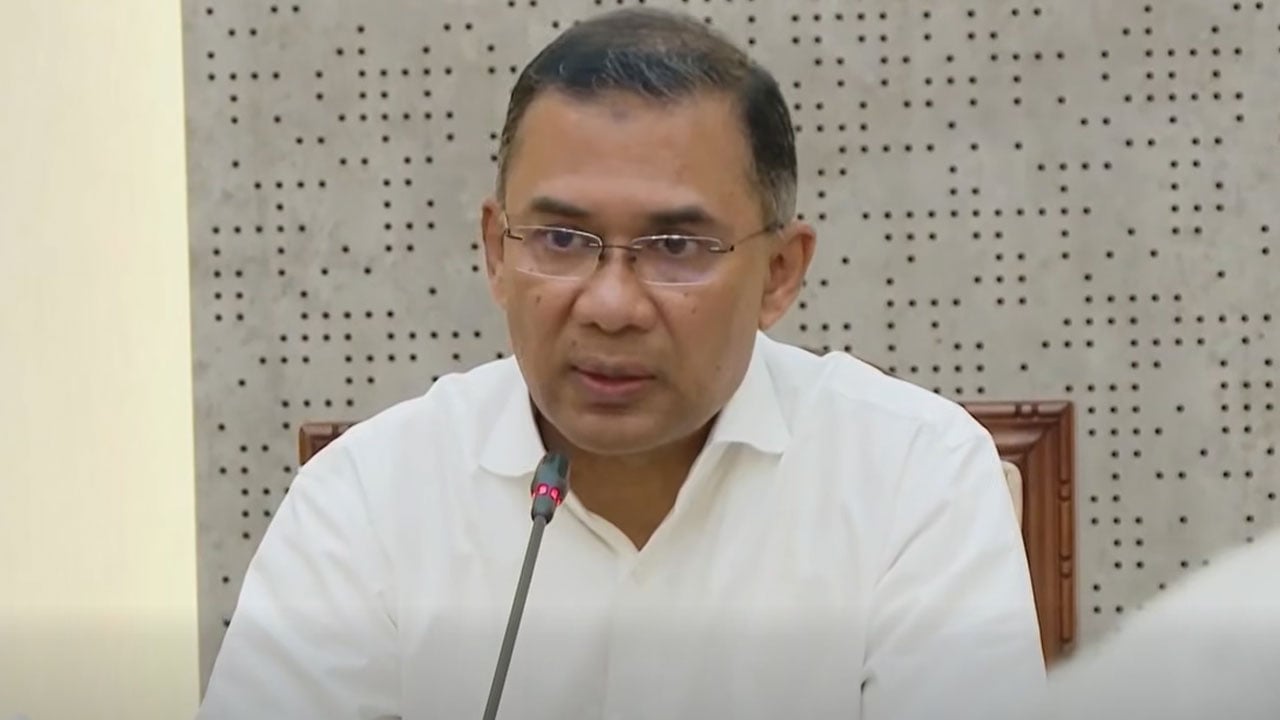
All flights from Bangladesh to the Middle East have been suspended due to escalating conflict and tension in the region, leaving thousands of passengers stranded at Hazrat Shahjalal International Airport. Many of the affected travelers are expatriate workers and passengers with connecting flights to Europe and America. On Saturday night, Expatriates’ Welfare and Overseas Employment Minister Ariful Haque Chowdhury visited the airport to assess the situation and oversee assistance measures. During a press briefing, Prime Minister Tarique Rahman called the minister to inquire about the condition of stranded passengers and the government’s response. The minister assured him that the ministry and the Civil Aviation Authority were jointly arranging food and accommodation for the affected travelers. According to Ariful Haque, 50 passengers were housed under the ministry’s management, while Civil Aviation arranged lodging for 800 more. Flights remain suspended following the closure of Middle Eastern airspace, including Iran’s, and the government has organized hotel stays and transport for passengers whose flights were canceled. The resumption of flights remains uncertain until the regional situation improves.
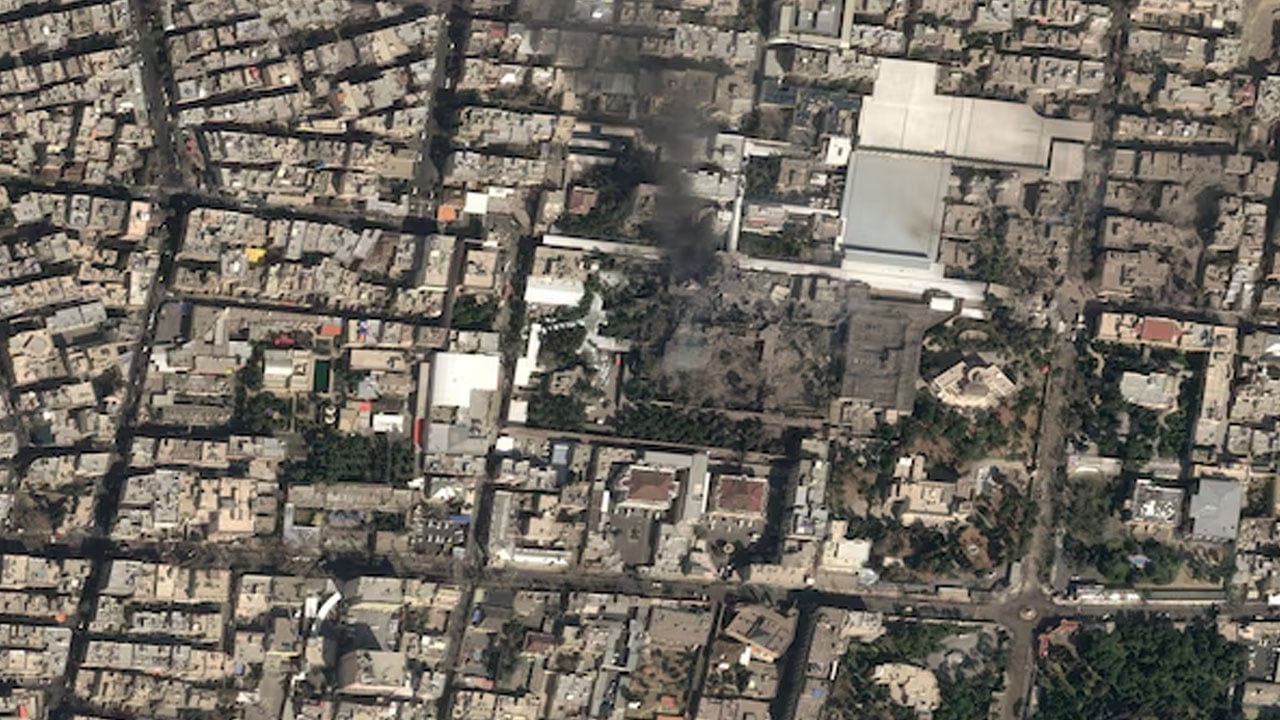
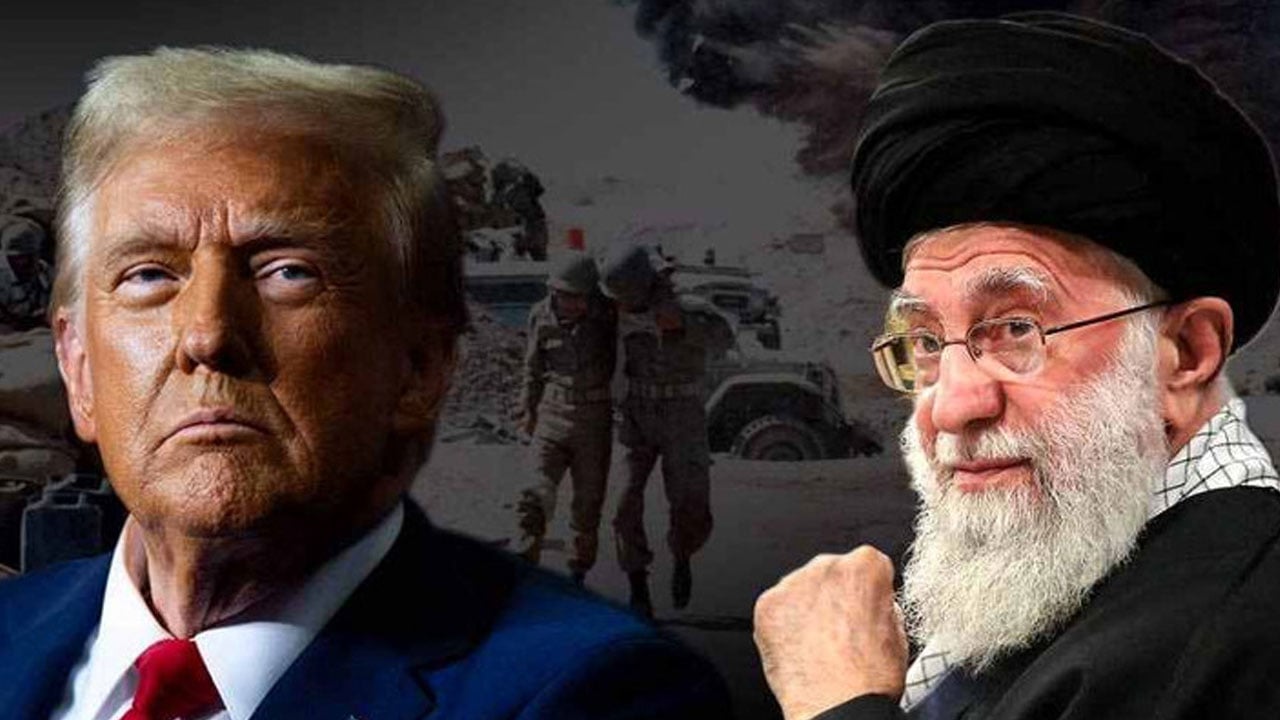
U.S. President Donald Trump stated that Iran’s Supreme Leader Ayatollah Ali Khamenei has been killed in an Israeli attack. In a telephone interview with NBC News on Saturday, Trump said his administration is confident that reports of Khamenei’s death are accurate. He added that available intelligence supports the claim and described Khamenei as responsible for widespread violence and destruction. When asked about official confirmation, Trump said he had spoken with several people and that U.S. officials were quite certain of the information. He also claimed that most of Iran’s top policymakers are no longer in place. Earlier on Saturday morning, international media reported a major joint strike by Israel and the United States targeting Khamenei’s residence. The New York Times later published satellite images showing the palace complex completely destroyed and reduced to rubble. The reports indicate a significant escalation in the conflict involving Iran, Israel, and the United States.
A drone attack struck Kuwait International Airport amid ongoing regional conflict, causing minor damage to Terminal 1 and injuring several workers, according to the country’s Civil Aviation Authority. Among the injured was a Bangladeshi national employed as an airport cleaner by Wael Al Nasib Company. The incident occurred as authorities swiftly activated emergency protocols and declared the area safe after bringing the situation under control. Mohammad Moniruzzaman, Counselor at the Bangladesh Embassy in Kuwait, confirmed that one Bangladeshi worker was injured and that the embassy is closely monitoring his condition. Civil Aviation spokesperson Abdullah Al-Razi stated that the drone directly targeted the airport and that damage assessment and recovery operations are underway under heightened security measures. Officials emphasized that the situation is fully under control and that the safety of passengers and staff remains the top priority. Further updates will be provided through official channels as the investigation continues.

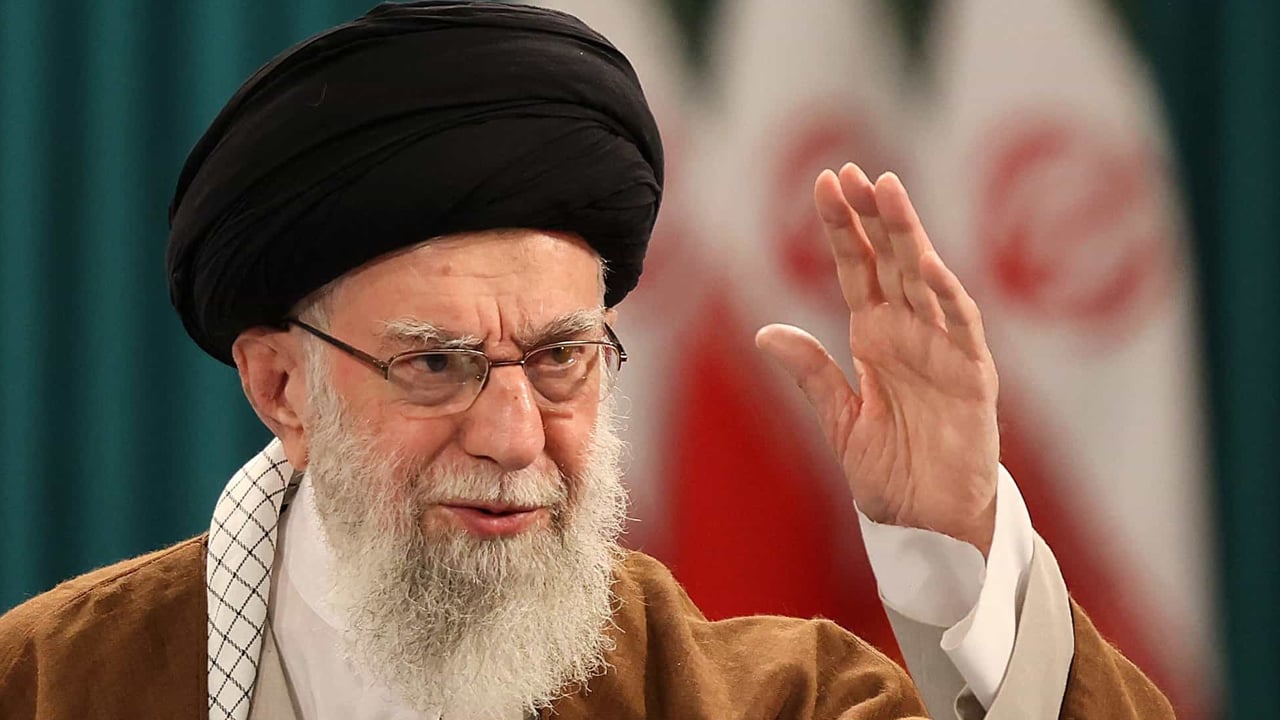
Iran’s state-run Tasnim and Mehr news agencies reported that the country’s Supreme Leader, Ayatollah Ali Khamenei, is alive and in good health. The confirmation came after conflicting international reports claimed that Khamenei had been killed. Earlier, Reuters cited a senior Israeli official who alleged that Khamenei’s body had been found following a joint U.S.-Israeli strike on February 28. The official claimed that the Iranian leader was killed in the attack and his body recovered. In contrast, Iranian Foreign Minister Abbas Araghchi told NBC that nearly all Iranian officials remain alive, healthy, and in safe locations. The contradictory statements have created uncertainty over the situation in Iran’s leadership, with state media emphasizing Khamenei’s wellbeing while foreign sources continue to assert his death.
Inquilab Manch organized a protest march in Uttara, Dhaka, on Saturday evening to denounce attacks on Iran by the United States and Israel. The demonstration, led by the group’s member secretary Abdullah Al Jaber, began after iftar and moved through several streets in the area. Participants included members of the organization as well as people from various professions. Protesters chanted slogans condemning the assaults on Iran and demanding an end to aggression in the Middle East. They also called for justice in the killing of Shaheed Sharif Osman Bin Hadi and demanded punishment for perpetrators of a rape incident in Narsingdi. The streets of Uttara echoed with chants expressing anger over foreign intervention and domestic injustices. The event reflected growing public sentiment against international military actions and local crimes, as expressed through coordinated street demonstrations in the capital.

A senior Israeli official has claimed that the body of Iran’s Supreme Leader Ayatollah Ali Khamenei has been found. According to the official, who spoke to Reuters, Khamenei was killed on Saturday, February 28, during a joint military strike carried out by the United States and Israel, and his body has since been recovered. In contrast, Iranian Foreign Minister Abbas Araghchi told NBC that nearly all Iranian officials are alive, healthy, and in safe locations. The conflicting statements have created uncertainty over the actual situation in Iran following the reported attack. The report also mentioned that an Israeli military spokesperson claimed seven senior Iranian officials were killed, while other regional reports noted casualties and injuries in related incidents.
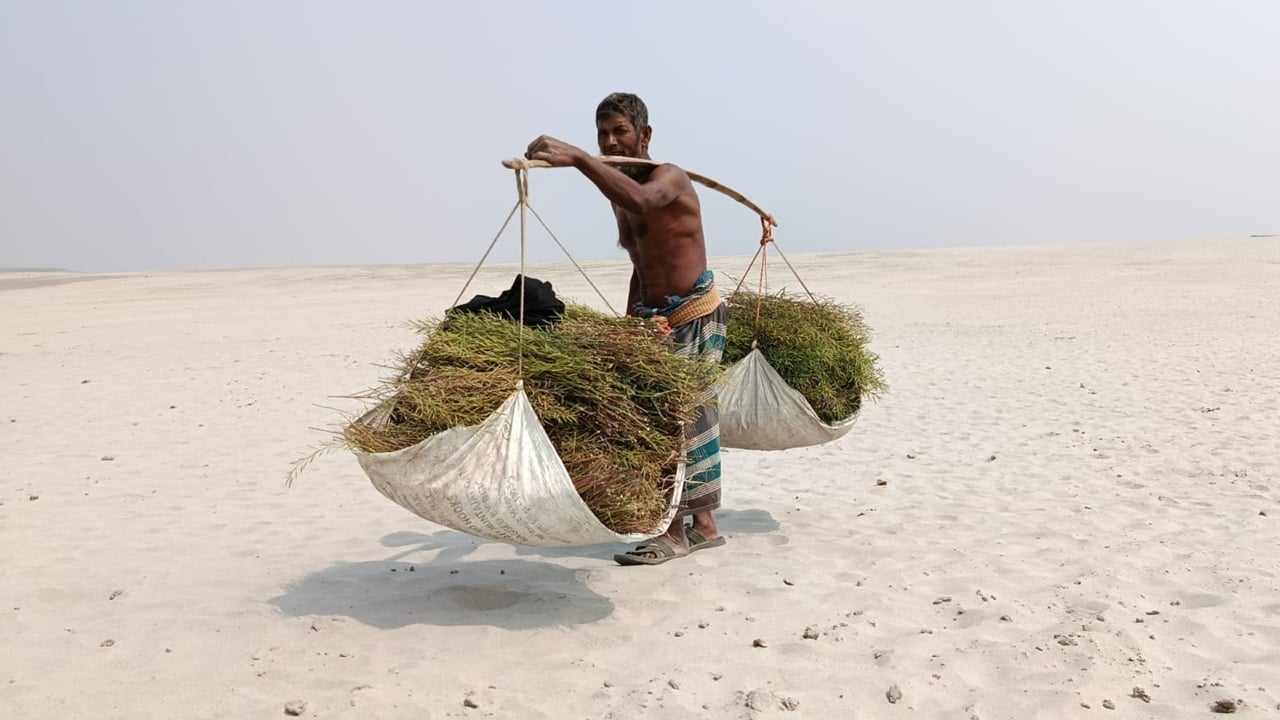
Bangladesh’s Jamuna River in the Bogura region is facing severe navigability problems due to reduced water flow from India. Local sources report that eight river routes have already been closed this dry season, disrupting transport and increasing hardship for residents. Sandbars have emerged across the river, making navigation nearly impossible and isolating communities dependent on river transport. Officials from the Water Development Board said the Jamuna’s average depth has dropped from about 9.5 meters to around 2 meters, largely due to dam construction in upstream countries including India and China. The river’s Bangladesh section spans 220 kilometers of its total 4,000-kilometer length. Local boatmen and leaseholders said even small boats now struggle to move, affecting livelihoods in 141 riverine villages with over 200,000 people. Authorities acknowledged the crisis, noting that while the Bangali River is under a dredging program, no such project exists for the Jamuna. Engineers warned that continued upstream water control could turn the region into a desert-like area unless natural water flow is restored.
The ‘1 Nojor’ media platform is now live in beta, inviting users to explore and provide feedback as we continue to refine the experience.