

The ‘1 Nojor’ media platform is now live in beta, inviting users to explore and provide feedback as we continue to refine the experience.
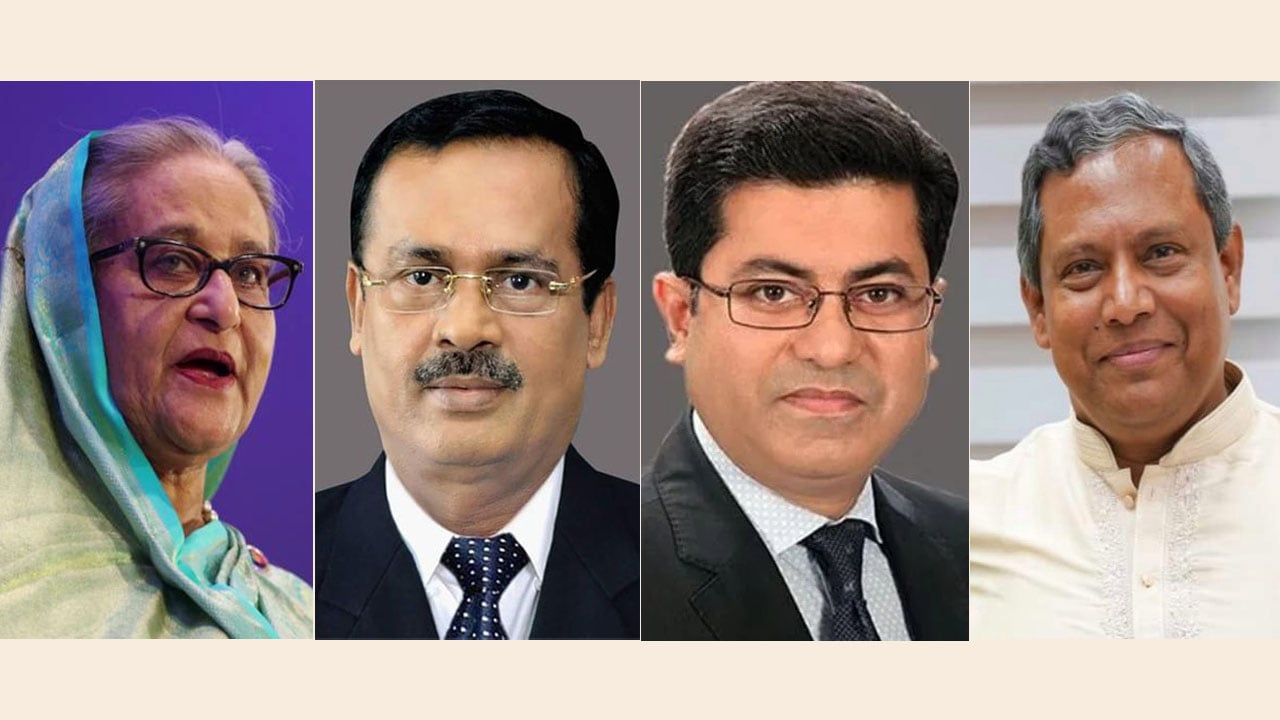
Former Prime Minister Sheikh Hasina, former mayor Sheikh Fazle Noor Taposh, and former MP Jahangir Kabir Nanak are being named as accused for the first time in the explosives case linked to the 2009 BDR tragedy. Chief Public Prosecutor Md. Borhan Uddin confirmed the development on Tuesday morning, stating that witness testimonies have mentioned the names of several Awami League leaders, including former ministers and MPs. Legal provisions allow their inclusion, and action is expected on February 26. The explosives case, filed under the Explosives Act, currently lists around 800 accused and 1,200 witnesses, with testimony from about 300 already recorded. Witness statements reportedly contain information implicating Sheikh Hasina and others. The case remains at the testimony stage, and about 200 accused have been granted bail since August 2024. The related murder case from the 2009 BDR mutiny saw 152 sentenced to death and 160 to life imprisonment in 2013. The High Court upheld 139 death sentences, and the case is now pending in the Supreme Court’s Appellate Division.
A devastating fire broke out on Monday night in Santa village under Pailgaon Union of Jagannathpur upazila, Sunamganj, destroying five residential houses. The incident occurred around 9 p.m. at the home of Arju Mia. Preliminary estimates suggest losses exceeding 2.5 million taka, including cash, gold ornaments, and furniture. The affected families have been left homeless, with scenes of grief prevailing in the area. According to local sources, the fire originated from the kitchen stove of Shahid Mia’s house and quickly spread through electrical wires to nearby homes. Houses belonging to Shahid Mia, Arju Mia, Ajid Mia, Ansar Mia, and Rupan Mia were completely burned down. A fire service unit from Jagannathpur rushed to the scene, but locals managed to bring the blaze under control before their arrival. Jagannathpur Police Station Officer-in-Charge Shafiqul Islam said police responded immediately after receiving the report. Initial investigation indicates the fire started from a kitchen stove, and further inquiry into the incident is ongoing.

A new European study under the 'Toxfree Life for All' project has found harmful chemicals in popular headphone brands, including Bose, Panasonic, Samsung, and Sennheiser. Researchers tested 81 in-ear and over-ear headphones and discovered endocrine-disrupting substances such as Bisphenol-A (BPA) and Bisphenol-S (BPS), which can interfere with the human hormone system. The study warns that prolonged headphone use may increase the risk of cancer and other serious diseases. According to the findings, nearly 98 percent of the tested headphones contained BPA, while more than three-quarters contained BPS. Some samples showed chemical levels as high as 315 milligrams per kilogram, far exceeding the European Chemicals Agency’s safety limit of 10 milligrams per kilogram. Experts explained that these chemicals can slowly leach from the plastic parts of headphones and be absorbed through the skin. Emese Gulyas, head of the Toxfree Life for All project, urged European policymakers to ban all hormone-disrupting chemicals to protect consumers. Researchers cautioned that long-term use could allow these substances to enter the body through skin contact.

Saudi academic Dr. Ahmad Al-Tuwaijri published a controversial article criticizing Israel and the United Arab Emirates, accusing Abu Dhabi’s rulers of aligning with Zionists and acting as a ‘Trojan horse’ for a wider Israeli project in the Middle East. The article, printed in a newspaper close to Saudi authorities, was briefly removed following protests from Tel Aviv and Washington, and accusations of antisemitism from pro-Israel networks in the United States. It was later restored, with claims that it had never been withdrawn. The publication marked an unprecedented public critique of the UAE by a Saudi figure, highlighting growing friction between the two allies. Al-Tuwaijri argued that a deep regional rift has emerged, rooted in Israel’s actions in Gaza and Yemen’s ongoing conflict. He said Saudi Arabia feels humiliated by Israel’s conduct and has shifted its tone, recognizing that peace with Israel is unlikely under current conditions. The episode underscores a possible strategic divergence between Riyadh and Abu Dhabi, as Saudi Arabia seeks closer ties with Turkey and reconciliation with Iran while reassessing its regional alliances.

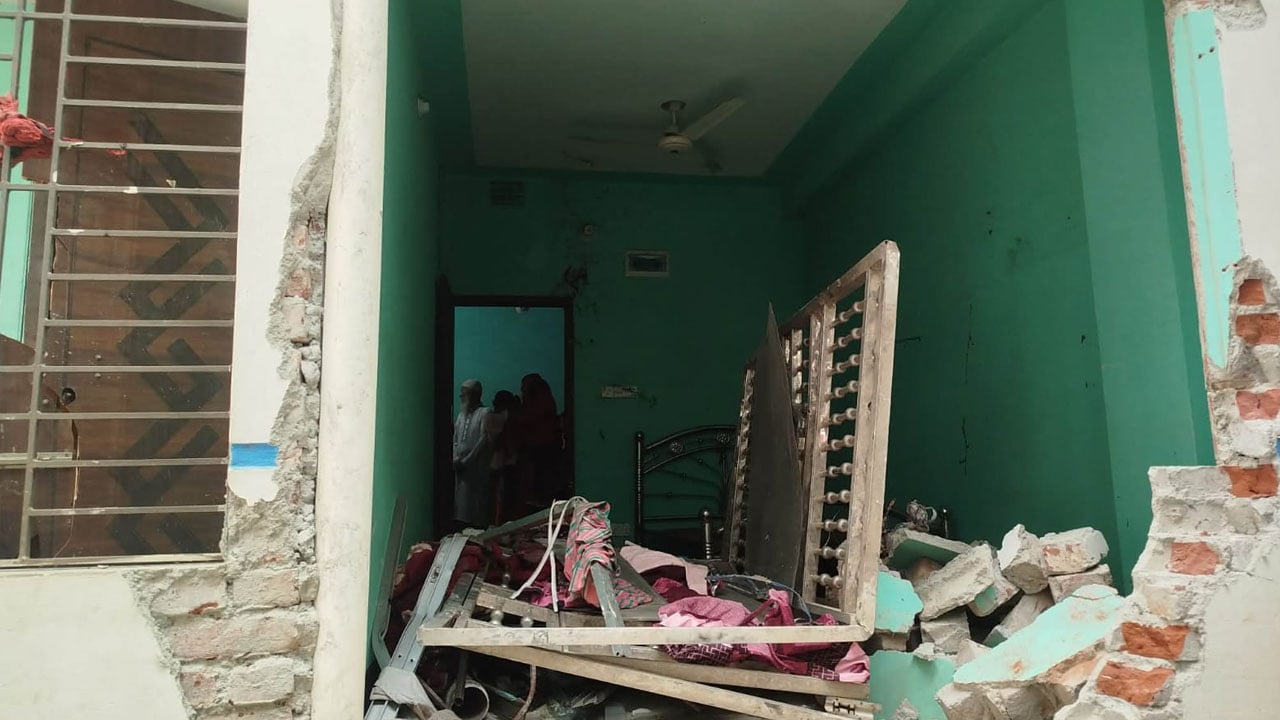
Four members of the same family, including a woman and a child, were burned in a gas line explosion early Tuesday in Daudkandi municipality’s Baldakhal area of Comilla. The incident occurred on the ground floor of a three-storey building. The injured were identified as Monowara (60), Jil Haque (37), Umme Humayra (30), and Huram (2). They were admitted to the emergency department of the National Institute of Burn and Plastic Surgery at Dhaka Medical College Hospital around 6 a.m. According to hospital sources, Monowara sustained burns on 2 percent of her body, Jil Haque 54 percent, Umme Humayra 65 percent, and the child Huram 6 percent. Locals reported that the building, owned by Peer Hossain, had an illegal gas connection, and a group collected rent for the gas each month. Fire Service Inspector Md. Ershad Hossain said a team was dispatched at 5 a.m., but the victims had already been sent to Dhaka. Preliminary investigation indicated the explosion resulted from a gas leak. Daudkandi municipal administrator Md. Redwan Isam stated that the gas line leakage issue will be investigated.
Syria’s Kurdish armed group, the People’s Protection Units (YPG), has agreed to disband and integrate into the Syrian army under a new deal with President Ahmed al-Shara’s government. The agreement follows the withdrawal of U.S. support and the earlier dissolution of Turkey’s Kurdistan Workers’ Party (PKK). The accord marks the end of the Kurds’ long-running armed struggle in northeastern Syria and signals a consolidation of central authority in Damascus. The development has raised security concerns in neighboring Iraq, which shares a 600-kilometer border with Syria. As Syria reasserts control over its Kurdish regions, Iraq faces growing security, political, and legal challenges along its western frontier. The transfer of thousands of Islamic State (IS) detainees from Syria to Iraq has further complicated Baghdad’s internal security landscape. Iraqi officials have strengthened border defenses and called for international cooperation to manage the influx of foreign detainees. Analysts view the YPG-Damascus deal as a turning point in regional geopolitics, compelling Iraq to reassess its counterterrorism and border strategies while deepening coordination with Syria to maintain stability.

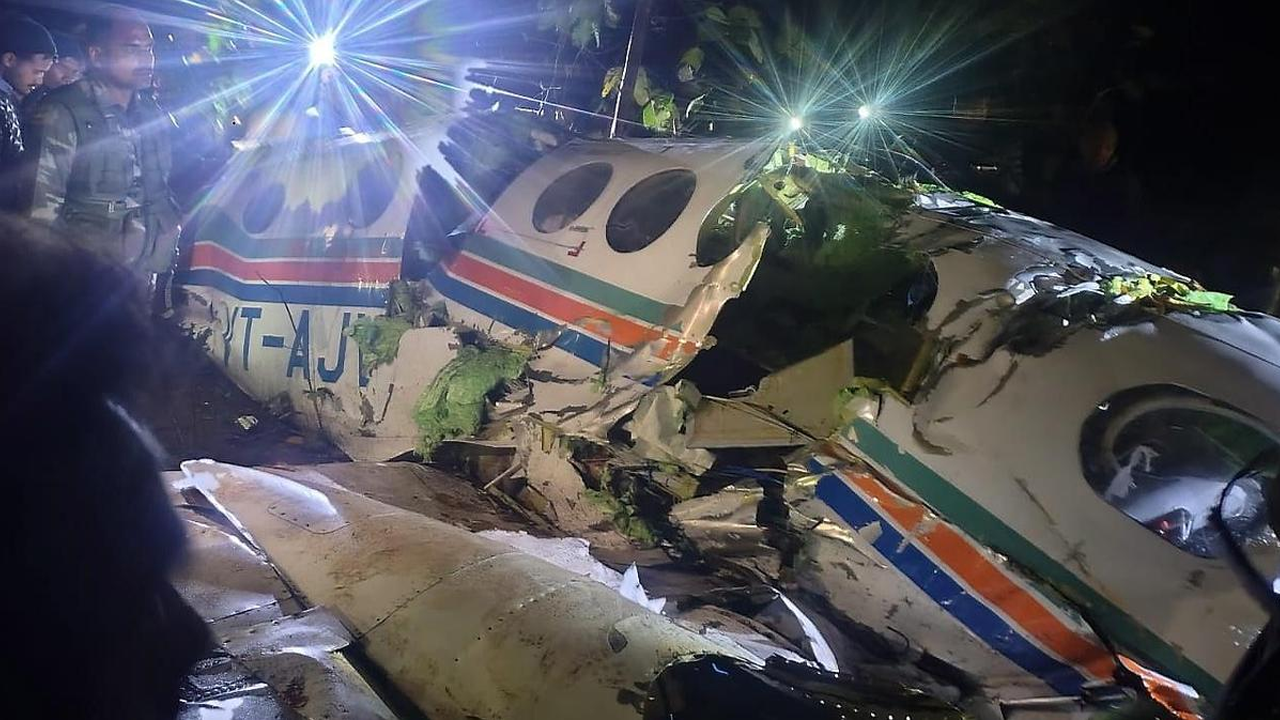
An air ambulance carrying seven people crashed near Simaria in Jharkhand’s Chatra district on Monday, February 23, killing everyone on board. The aircraft, operated by Redbird Airways Private Limited, had departed from Ranchi at 7:11 p.m. for Delhi but lost contact with radar about half an hour later. It was later found wrecked in a forested area under Bariatu Panchayat. Officials confirmed that all seven passengers, including the patient being transferred, died in the crash. According to Ranchi airport director Vinod Kumar, the plane had communicated with Kolkata Air Traffic Control shortly after takeoff before disappearing from radar. Local residents reported heavy rain, lightning, and strong winds at the time of the incident, and authorities suspect adverse weather conditions as the likely cause. The patient’s relatives said the air transfer was chosen on medical advice due to risks associated with road travel. India’s Aircraft Accident Investigation Bureau has launched a full investigation into the crash to determine the exact cause and contributing factors.
In a reflective essay published on February 24, 2026, writer Shubho Karmakar from Begum Rokeya University, Rangpur, described Bangladesh as standing at a technological crossroads where artificial intelligence (AI) has become deeply embedded in daily life. From students to professionals, people are using AI tools without fully understanding their implications. While AI has made knowledge more accessible, Karmakar cautioned that excessive reliance on it may erode human creativity, individuality, and critical thinking. The article emphasized that machines can organize information but cannot replicate human experience, emotion, or social understanding. Overdependence on AI, the writer argued, risks turning people into passive users who lose their intellectual independence. Karmakar also warned of privacy threats, as AI systems may misuse personal data, leading to cybercrime and data breaches. He urged users to verify information, maintain self-awareness, and treat AI as a supportive tool rather than a replacement for human intellect. The writer concluded that protecting freedom of thought and nurturing human intelligence are essential in the AI era, especially for the younger generation who are most engaged with technology.

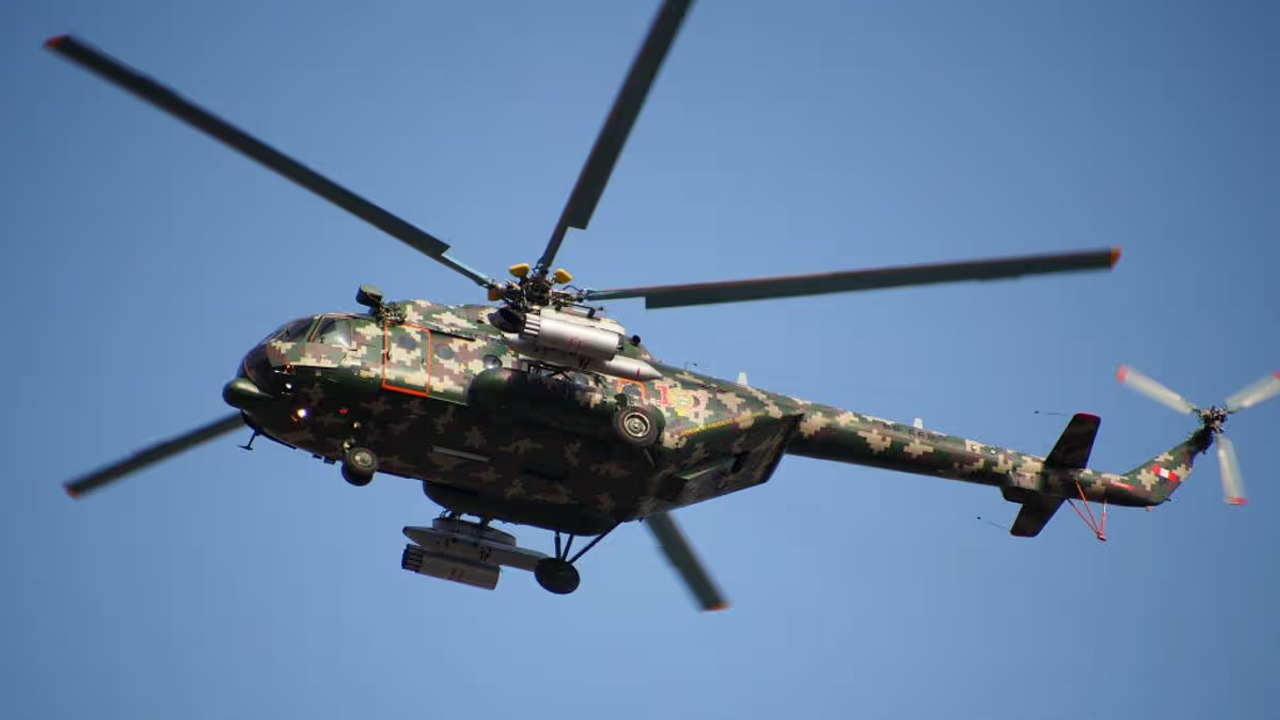
A Peruvian military helicopter crashed during a flood rescue operation in the Arequipa region, killing at least 15 people, the country's air force confirmed on Monday, February 24, 2026. According to the air force statement, the victims included four crew members and eleven passengers. Rescue teams recovered the bodies at the crash site near the city of Chala, about 300 kilometers from Arequipa. The Russian-made MI-17 helicopter lost radio contact while participating in the rescue mission. It had taken off from Pisco city in the Ica region before the crash. The Arequipa region has recently suffered severe flooding, prompting the military to conduct relief and rescue operations to assist affected residents. Authorities have not yet provided details on the cause of the crash, but the incident underscores the risks faced by rescue teams operating in disaster-hit areas.
Russian President Vladimir Putin announced plans to further strengthen the country’s military and technological capabilities, emphasizing that the development of the nuclear triad will remain a top priority. He made the remarks on February 23 in a video message marking Defender of the Fatherland Day, praising the professionalism and courage of Russian service members defending national sovereignty. Putin said the Russian army and navy would be reinforced based on lessons learned from the war in Ukraine, with science and high technology supporting improved combat readiness across all branches of the armed forces. He described the nuclear triad—comprising land-based missiles, submarine-launched missiles, and strategic bombers—as essential to Russia’s security and global strategic balance. His comments came as the last nuclear arms control treaty between Russia and the United States nears expiration. Moscow stated it would not take the first step to escalate tensions or increase warhead numbers, provided Washington maintains the same stance. Earlier, the renewal process stalled after the Trump administration sought to include China, which Beijing rejected as unfair given its smaller nuclear arsenal.

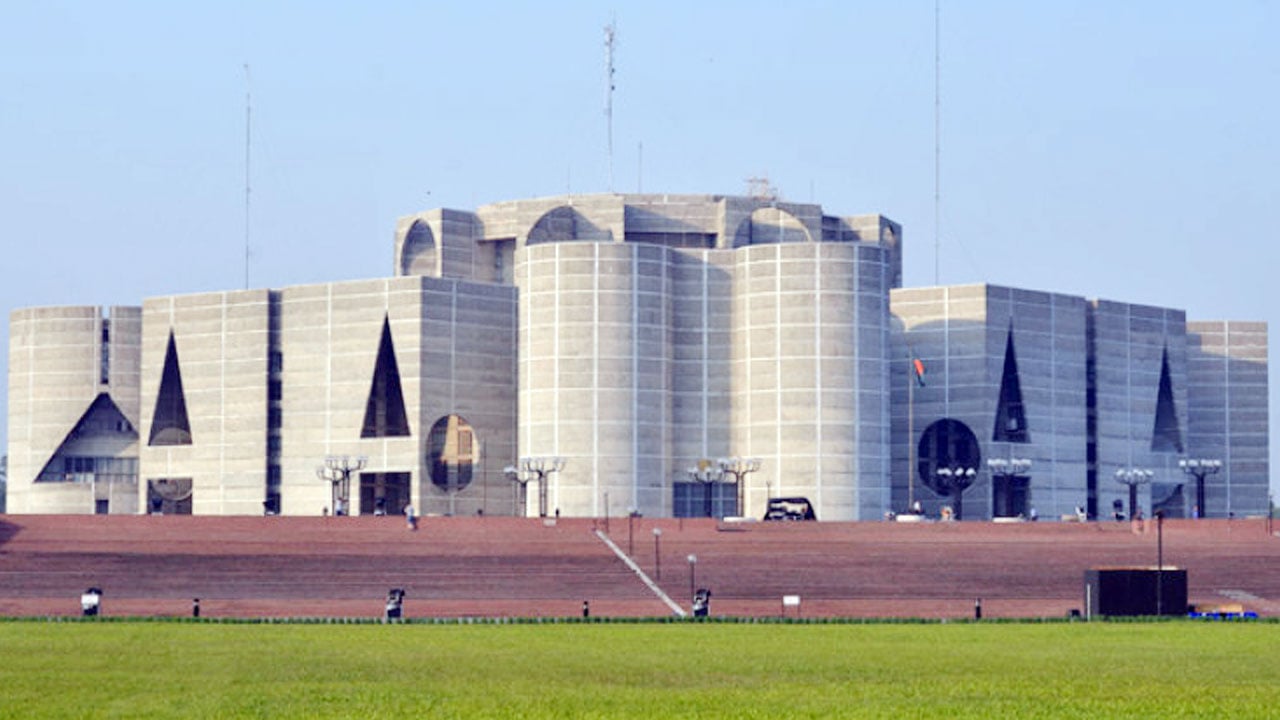
President Md. Shahabuddin has convened the first session of Bangladesh’s 13th National Parliament for March 12 at 11 a.m., fulfilling the constitutional requirement to begin within 30 days of election results. The February 12 election, held under an interim government, gave the BNP-led alliance a two-thirds majority with 212 of 297 seats, while the Jamaat-e-Islami–led alliance secured 77. The session will open with the election and oath of the new Speaker and Deputy Speaker, followed by the President’s address and presentation of ordinances issued by the outgoing interim government. Analysts and parliamentary sources expect the session to be vibrant and contentious, with disputes over the Constitutional Reform Council’s oath-taking and post-election violence likely to dominate early debates. Both ruling and opposition parties are preparing for active participation, with the opposition training its members on legislative procedures and planning to raise issues such as price hikes, traffic congestion, and governance reforms. Opposition leaders, including Jamaat-e-Islami’s Amir Dr. Shafiqur Rahman, have pledged constructive engagement, while government members anticipate an end to boycott politics and a more functional parliament representing public interests.
Eighteen months after the July 2024 uprising, investigations into related cases in Chattogram have seen little progress, according to victims’ families. Relatives allege that inquiries have slowed further since the new government took office, with no official follow-up or communication. Police confirmed that among 151 cases filed, only one has reached the reporting stage, while the rest remain under investigation. Families of those killed, including students Wasim Akram, Faisal Ahmed Shanto, Omar Nurul Absar, and Mahbubul Alam Masum, expressed frustration over the lack of justice and government contact. They said that during the interim government, officials and students had visited them, but since the new administration assumed power, even phone calls have stopped. Police and court sources reported that the cases involve more than 21,000 named and 30,000 unidentified accused individuals. The victims’ families say they have received neither financial assistance nor rehabilitation. Many now doubt whether justice will ever be served, as investigations remain stalled and no visible progress has been made.

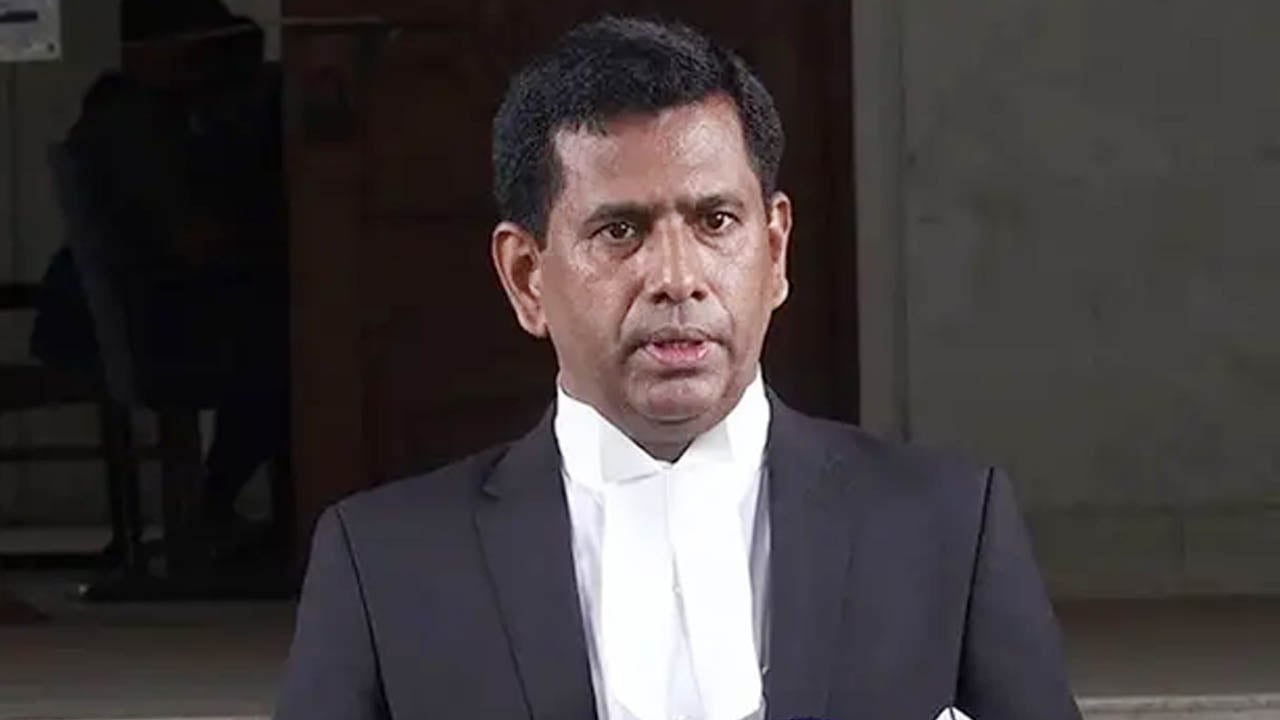
Advocate Tajul Islam has been removed from his position as Chief Prosecutor of the reconstituted International Crimes Tribunal, and Advocate Aminul Islam has been appointed as his replacement, according to a government notification issued on Monday. The change comes amid ongoing trials related to the July genocide and crimes against humanity, prompting discussions about the continuity and pace of the tribunal’s proceedings. During his one and a half years in office, Tajul Islam led significant progress in the prosecution of July genocide cases, resulting in multiple convictions, including death sentences for former Prime Minister Sheikh Hasina and former Home Minister Asaduzzaman Khan Kamal. Under his leadership, 24 formal charges were filed, 21 trials are ongoing, and three verdicts have been delivered. Tajul expressed confidence that the new prosecutor would continue the pursuit of justice and emphasized the need to prevent future atrocities. New Chief Prosecutor Aminul Islam, previously a lawyer for Khaleda Zia, pledged to uphold the aspirations of the July movement and ensure fair trials. He stated that under the elected government, the tribunal’s work would proceed with greater momentum.
The Election Commission (EC) of Bangladesh is set to amend postal ballot regulations following experiences from the recently held 13th parliamentary election. According to EC sources, the changes will remove the voter declaration form and the provision for multiple envelopes. These elements were found to compromise ballot secrecy, as the declaration form contained both the postal ballot number and the voter’s national ID, potentially revealing voting choices. Election Commissioner Abdur Rahmanel Mashud confirmed that the EC is considering dropping the declaration form, noting that voter identity is already verified through registration with a photograph. He also said the number of envelopes used in postal ballots will be reduced. EC officials explained that, unlike regular ballots cast in secret booths, postal ballots could expose voter preferences due to the attached declaration form. Dr. Badiul Alam Majumdar, secretary of Citizens for Good Governance (SUJAN), welcomed the move, calling the declaration form unnecessary and a risk to voter privacy. He described the reform as a positive step toward protecting electoral confidentiality.

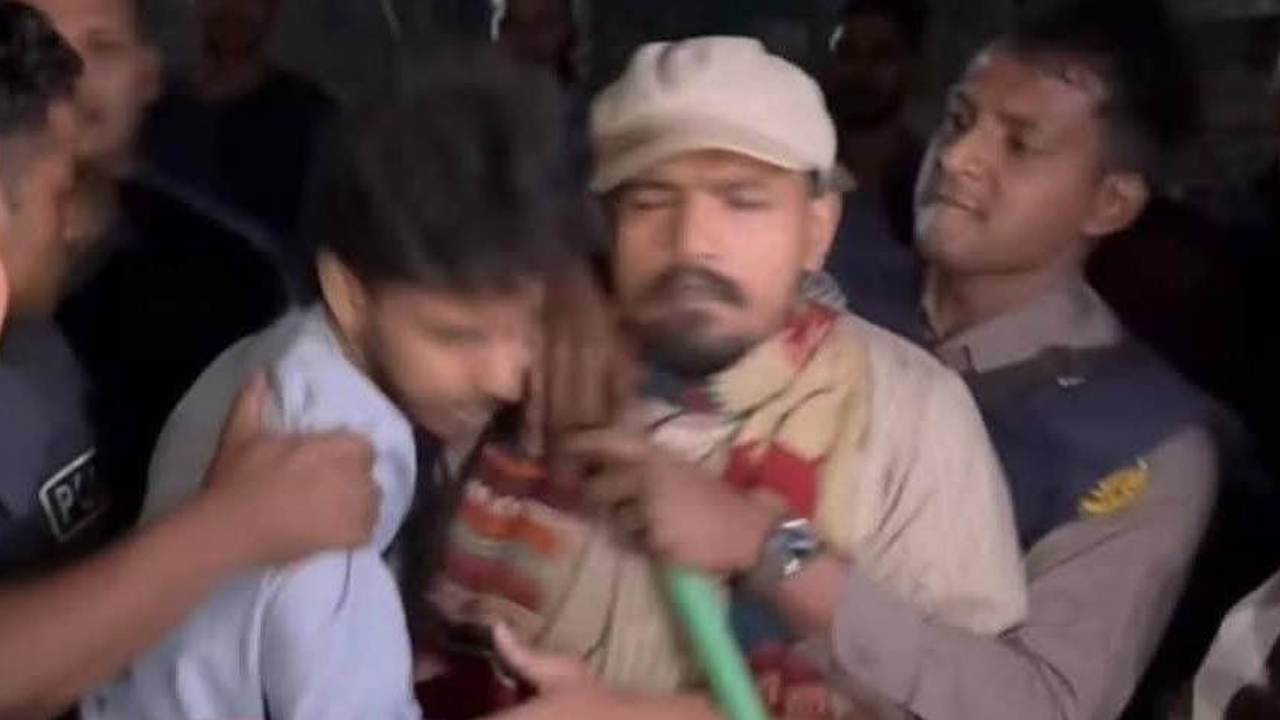
A Dhaka University student and student leader was allegedly beaten by police during an anti-drug operation at Suhrawardy Udyan in Dhaka on Monday night. Witnesses said the incident occurred when anthropology student Naeem Uddin questioned police actions, prompting an officer to remark, “You’re arguing too much,” before assaulting him and seizing his phone. Several journalists, including Banglanews24 multimedia journalist Tofayel Ahmed, were also reportedly injured while covering the raid. Student organizations and eyewitnesses condemned the incident, calling it a violation of human rights and demanding disciplinary and legal action against the involved officers. Leaders from various student groups said police cannot act as judges on the street and must be held accountable for unlawful behavior. The Dhaka Metropolitan Police and Shahbagh Police Station officials did not provide immediate comments, and the university administration has yet to respond. Journalists and students have urged an impartial investigation into the assaults, emphasizing the need for accountability to prevent further abuse of power by law enforcement.
The ‘1 Nojor’ media platform is now live in beta, inviting users to explore and provide feedback as we continue to refine the experience.