

The ‘1 Nojor’ media platform is now live in beta, inviting users to explore and provide feedback as we continue to refine the experience.
Jatiya Chhatra Shakti has expressed deep concern and anger over a series of attacks on its activists across different parts of the country. In a statement issued on Tuesday, the organization alleged that two of its leaders were attacked on the first day of July, including incidents in Chittagong University, Bajitpur in Kishoreganj, and Dhaka College. The group accused Jatiyatabadi Chhatra Dal of carrying out these assaults and strongly condemned the incidents. According to the statement, Chittagong University organizer Ulfatur Rahman Rakib was attacked while helping a sick student, and Bajitpur unit convener Fahad Bin Mahi was assaulted on his way to a party program. The organization claimed that such politically motivated violence by Chhatra Dal has destabilized the academic environment in educational institutions. It also criticized the lack of visible administrative or organizational action against the alleged perpetrators. Jatiya Chhatra Shakti demanded that those responsible for the attacks be identified and brought to justice. The group urged the authorities to act impartially and called on Chhatra Dal to abandon aggressive and violent political practices.

A video allegedly showing Md. Intaj Ali, chairman of Nijpat Union Parishad and organizational secretary of Jaintapur Upazila BNP in Sylhet, using drugs has gone viral on social media, triggering widespread discussion and criticism. The 46-second clip, reportedly filmed at the home of Fayzul Islam Fazlu in Sarighat Dhupi village, began circulating widely on Wednesday. Locals claimed the footage was genuine, though no official confirmation has been made. Attempts to contact the chairman were unsuccessful as his phone remained switched off. Fayzul Islam, said to appear in the video, later posted on Facebook accusing the chairman of introducing him to drug use and developing a relationship with his wife. The post intensified public reaction, with many social media users demanding an impartial investigation. Local BNP leaders stated they were unaware of the incident or had not yet verified the video. Police confirmed that no formal complaint had been filed but said they would take necessary action if required. The controversy has drawn significant attention in Sylhet, with calls for accountability and transparency surrounding the allegations.
A violent attack in Dhaka’s Adabor area left one BNP leader dead and another injured following a dispute over watching a World Cup football match. According to police and local sources, the conflict began on Monday night during a match between Brazil and Japan, involving two groups led by local BNP leaders Saddam Hossain and Md. Badsha Mia on one side, and residents Ripon and Parvez on the other. On Wednesday evening, a mediation meeting was held to resolve the dispute, but no agreement was reached. As Saddam and Badsha were returning home around 8 p.m., they were attacked with sharp weapons by unidentified assailants. Both victims were taken to Shaheed Suhrawardy Medical College Hospital, and later Badsha was transferred to Dhaka Medical College Hospital, where doctors declared him dead. Saddam remains under treatment. Police confirmed the incident and said multiple teams are working to identify and arrest the attackers. CCTV footage and witness statements are being collected. Additional police have been deployed in the area, and Badsha’s body has been sent for autopsy. Authorities said the motive—whether personal, territorial, or otherwise—will be clarified after investigation.
The Tamil Nadu government has approached the Supreme Court challenging the Madras High Court’s directive that imposed a complete ban on cow and calf slaughter across the state. The High Court had issued the order in May 2026, citing the need to boost milk production and strengthen the rural economy by enforcing a 1976 government order. The directive followed a public interest litigation filed by a Coimbatore resident seeking to stop public cow slaughter. The High Court bench of Justices G R Swaminathan and V Lakshminarayanan had instructed the state’s Chief Secretary and Additional Director General of Police (Law and Order) to implement the ban immediately. The court also observed that cow slaughter is not a mandatory religious practice and referred to Article 48 of the Indian Constitution, which advocates for cow protection. In its Supreme Court petition, the Tamil Nadu government argued that the High Court’s order was self-contradictory, as it simultaneously allowed licensed slaughterhouses while imposing a total ban. The state also noted that the petitioner had not sought a statewide prohibition, and that the High Court had exceeded its jurisdiction.

Heavy fighting between Myanmar’s government junta forces and the Arakan Army (AA) has intensified near Maungdaw Township in Rakhine State, sending loud explosions across the border into Bangladesh. The blasts, reportedly from powerful mortar shells, were heard on Monday night across several areas of Teknaf, Cox’s Bazar, including Shahparirdwip, Sabrang, Nazirpara, Jaliapara, Hnila, Jadimura, Dhumdumia, and Whaikhong. Residents described their homes shaking like an earthquake as the sounds echoed from across the Naf River. Local residents and community leaders confirmed hearing multiple explosions around 9:15 p.m., causing panic among border communities. Acting chairman of Hnila Union Parishad Mohammad Ali said the repeated blasts from Myanmar had sparked renewed fear among locals. Border Guard Bangladesh (BGB) officials confirmed awareness of the situation, stating that troops remain deployed and alert along the border, assuring there is no reason for panic. Authorities have not reported any casualties or cross-border damage, but the situation has heightened tension among residents living near the frontier.
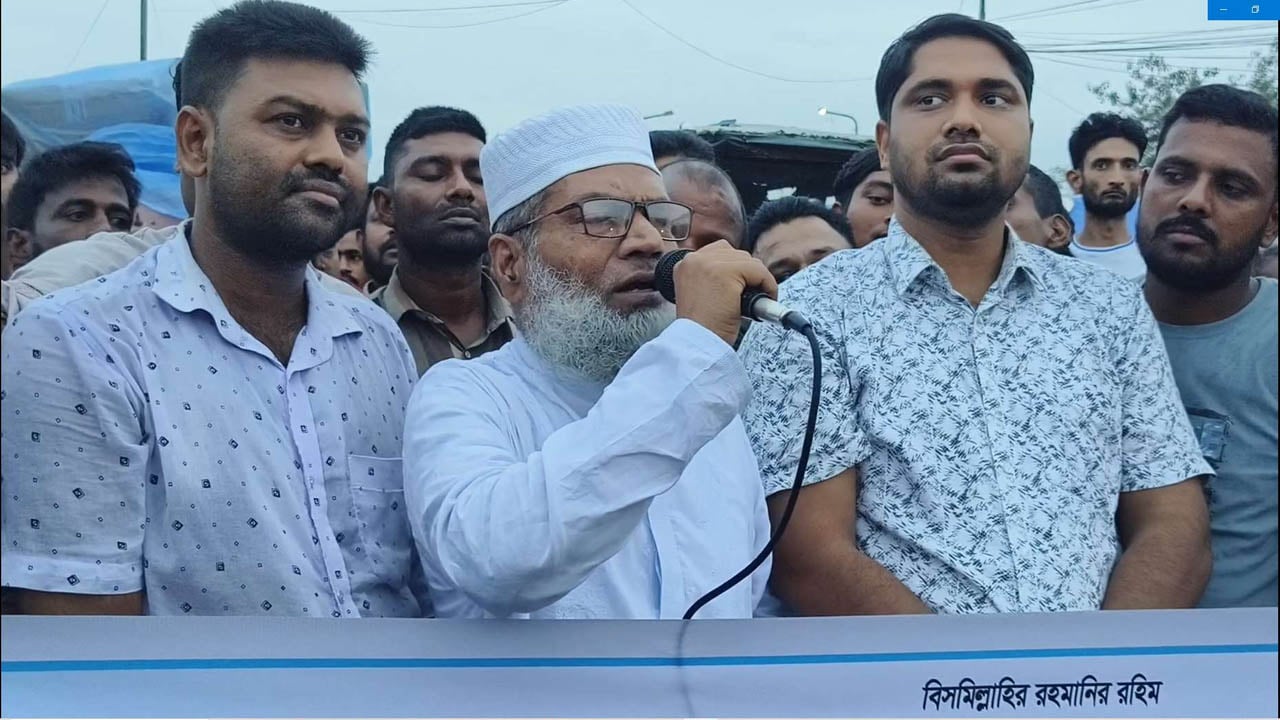
Workers in Chapainawabganj staged a road blockade and human chain on Wednesday afternoon demanding the suspension and complete withdrawal of toll collection from battery-powered rickshaws and vans. The demonstration took place for about two hours at the northern end of the Birshreshtha Shaheed Captain Mohiuddin Jahangir Bridge over the Mahananda River, disrupting traffic and causing temporary congestion. Jamaat-backed Member of Parliament Dr. Md. Keramat Ali from Chapainawabganj-01 (Shibganj) constituency joined the protesters, expressing solidarity and addressing the gathering. Other speakers included Advocate Nure Alam Siddiqui Asad and Md. Rocky, general secretary of the Chapai Municipal Ekata Auto Workers Development Organization. They argued that collecting tolls from battery-powered vehicles was unjustified and demanded immediate exemption. The speakers warned of tougher programs if their demands were not met. Police from the Sadar Police Station later arrived at the scene and brought the situation under control, after which traffic movement returned to normal.
Bangladesh Bank has given three months to four non-bank financial institutions to recover from their financial distress. The institutions—Prime Finance and Investment Limited, GSP Finance Company (Bangladesh) Limited, Bangladesh Industrial Finance Company Limited, and Premier Leasing and Finance Limited—must raise new capital, ensure liquidity, and make visible progress in repaying depositors within this period. Failure to meet these conditions will trigger resolution or liquidation proceedings under the Bank Resolution Act, 2026. According to a central bank press release, the decision was made under Section 15 of the Bank Resolution Act, 2026, based on the board’s commitment to take corrective measures. The institutions are required to sell assets, recover overdue loans, and restructure classified loans to reduce default rates. Bangladesh Bank emphasized that depositors’ interests must be prioritized throughout the restructuring process. The central bank has also approved a coordinated action plan for nine distressed financial institutions, dividing them into two groups. The most troubled five will enter the resolution process, and a special fund will be created to repay depositors after mandatory forensic audits identify irregularities and responsible individuals.

Leaders and senior representatives from more than 30 countries are traveling to Tehran to attend the funeral of Iran’s late Supreme Leader Ayatollah Seyyed Ali Khamenei, who was killed in a U.S.-Israel attack on February 28. Russia, China, Pakistan, India, Georgia, and Cuba are among the nations sending high-level delegations. Russian Security Council Deputy Chairman Dmitry Medvedev will attend as President Vladimir Putin’s special envoy, while Pakistan’s Prime Minister Shehbaz Sharif will lead his country’s delegation. Georgia’s president, Cuba’s higher education minister, and India’s Minister of State for External Affairs Pavitra Margariti are also expected to attend. Iran’s Deputy Interior Minister Ali Akbar Porjamshidian, head of the funeral organizing committee, said representatives from over 30 countries and religious leaders from more than 90 nations have confirmed participation. Officials expect between 15 and 20 million people to join the multi-day ceremonies, which they describe as the largest funeral in Iran’s history. Public viewing will take place at Tehran’s Grand Mosalla Prayer Complex, followed by a 10-kilometer procession on Monday. Burial ceremonies will continue in Qom, Iraq, and Mashhad through July 9.
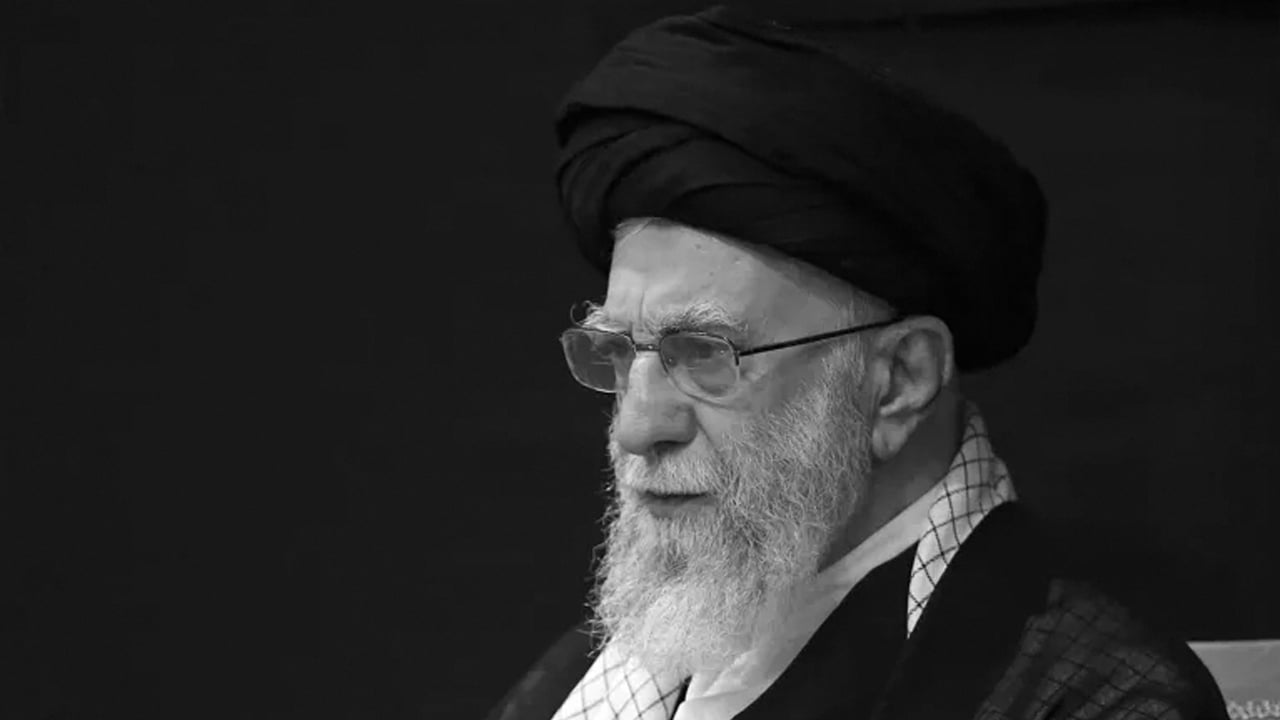
Iranian Parliament Speaker Mohammad Bagher Ghalibaf has warned that Tehran is prepared for war if the United States fails to honor the memorandum of understanding signed between the two nations. He stated that Washington’s repeated violations of the agreement could halt progress toward a final deal. The warning came as the date for the second round of peace talks remains undecided, despite earlier announcements from U.S. President Donald Trump that the meeting would take place in Qatar. Ghalibaf accused the United States of breaching the terms of the 14-point memorandum, citing incidents in the Persian Gulf. He emphasized that Iran continues discussions to implement the 13th clause of the memorandum, which calls for a joint U.S.-Iran team to monitor compliance. Following the signing of the memorandum on June 17, the U.S. lifted sanctions on Iranian oil exports, allowing Iran to export over 40 million barrels of crude oil. Ghalibaf also reaffirmed Iran’s control over the Strait of Hormuz and its right to regulate passage. Despite a temporary ceasefire, both nations have exchanged accusations and limited attacks. Analysts cited in the report suggest that neither side is likely to engage in full-scale war soon.
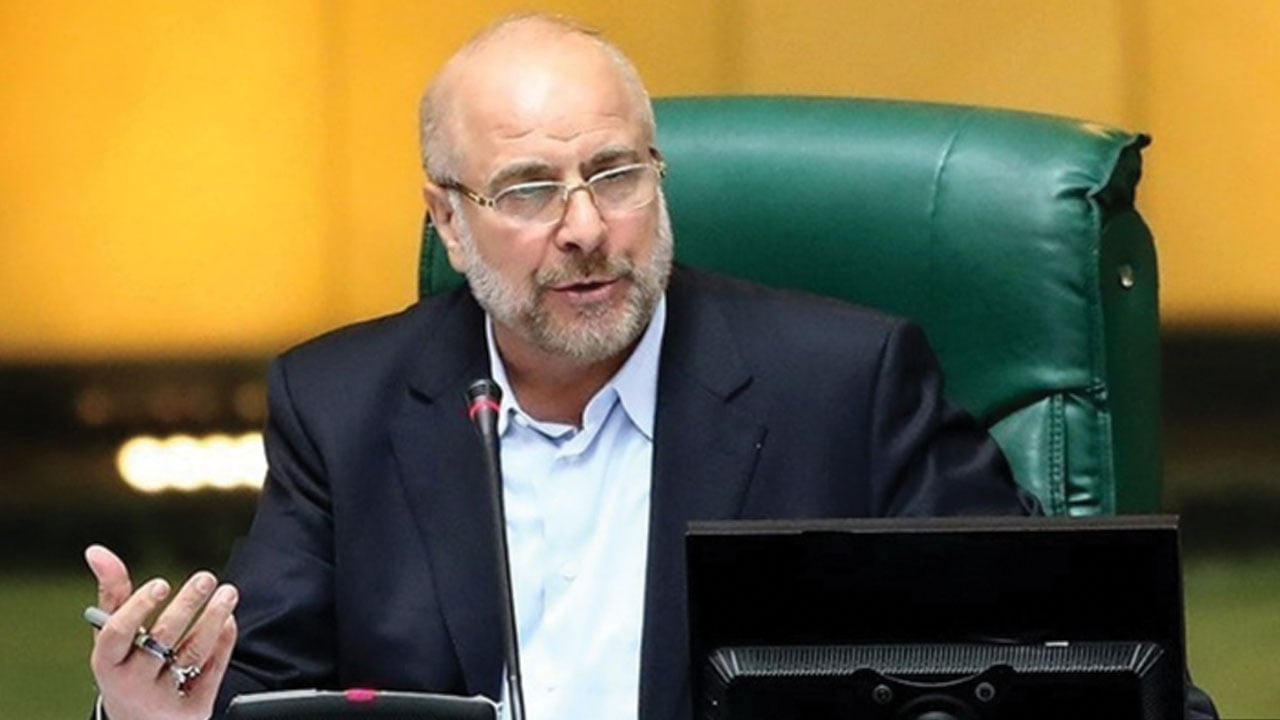
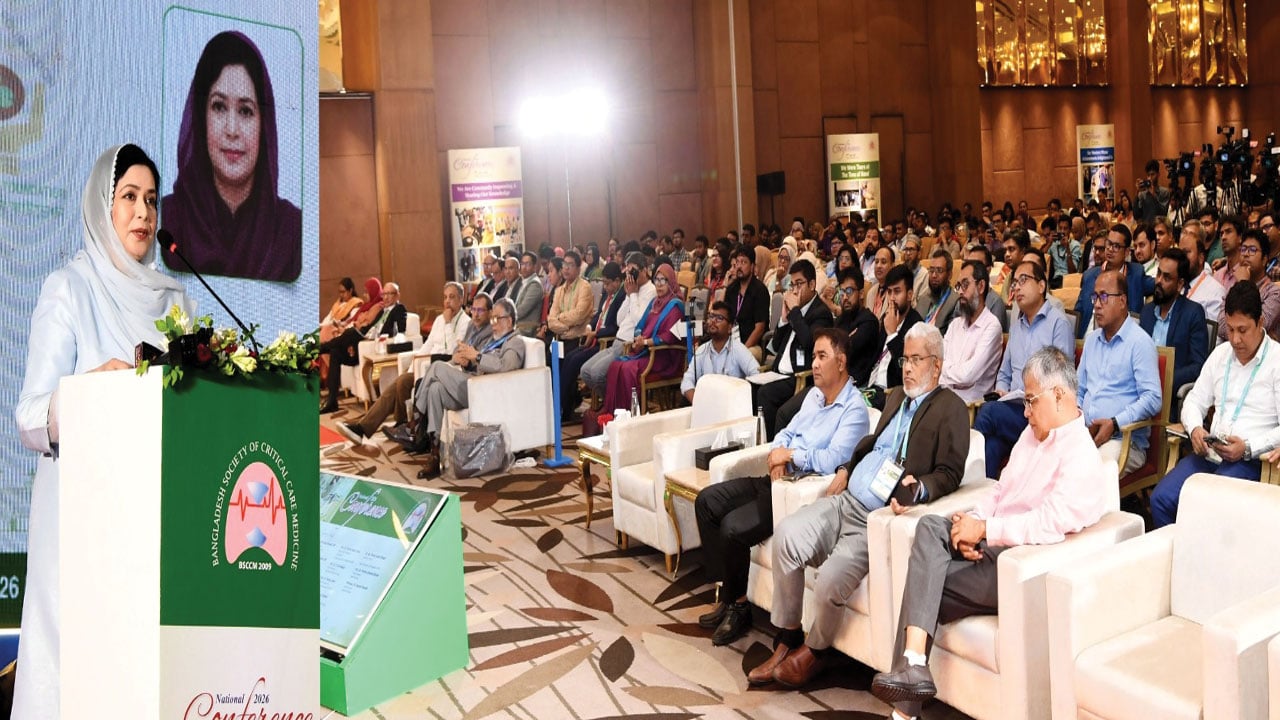
Dr. Zubaida Rahman, vice-chairperson of the Ziaur Rahman Foundation and spouse of the Prime Minister, has called for urgent expansion of intensive care and emergency health services to rural areas of Bangladesh. Speaking as the chief guest at the 2026 National Conference of the Bangladesh Society of Critical Care Medicine in Dhaka on Wednesday, she warned that 68–70 percent of the population lives in villages, yet 80–90 percent of life-saving ICU facilities are concentrated in the capital and major cities. She urged the establishment of intensive care units in every district and general hospital to reduce the urban-rural healthcare gap. Dr. Rahman highlighted that Bangladesh currently has only 1.7 ICU beds and nine general hospital beds per 100,000 people, with 38 out of 64 districts lacking any ICU facilities. She also noted severe shortages of specialist doctors, trained nurses, and essential medical equipment, which lead to preventable deaths among newborns, pregnant women, elderly stroke patients, and accident victims in remote areas. Emphasizing improved ambulance services, she said modern ambulances could help transfer critical patients quickly to district hospitals even if rural ICUs are unavailable.
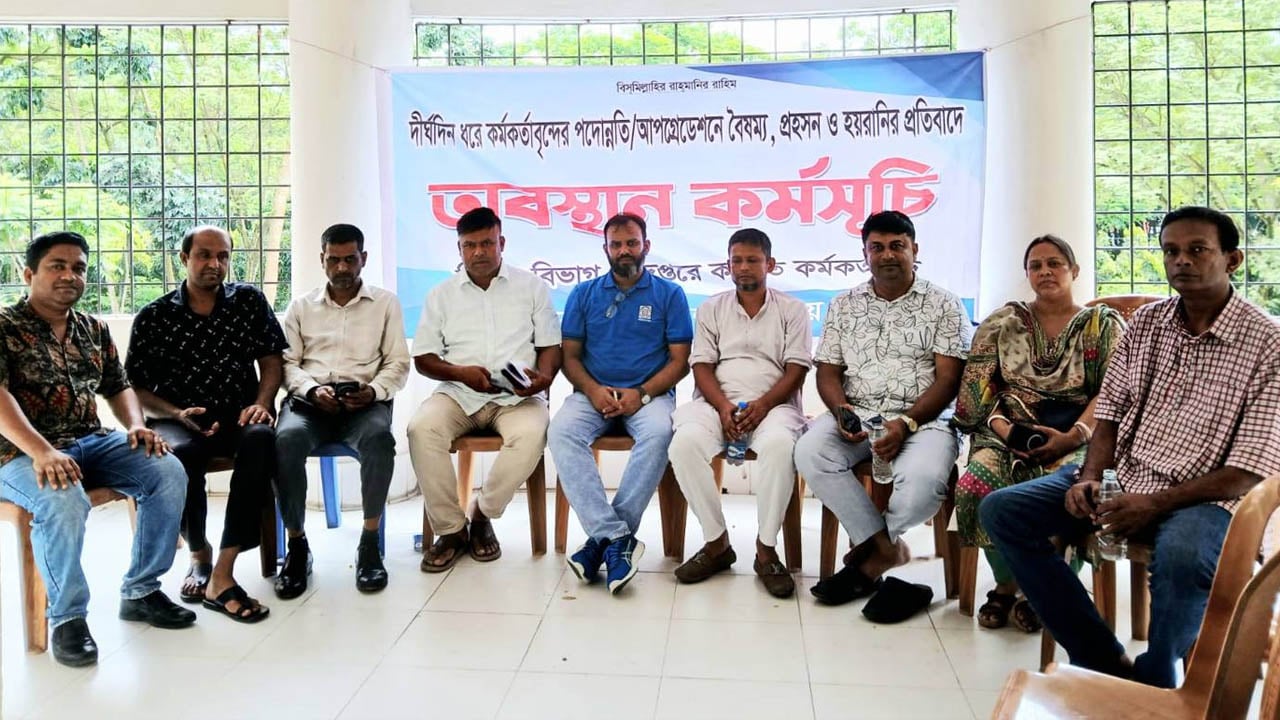
Officials of Begum Rokeya University (BRUR) have announced they will continue their protest demanding promotion and upgradation, expressing distrust in the vice-chancellor’s assurances. The decision was declared during a sit-in at the university’s administrative building on Wednesday. Although the protest will continue, the officials decided to shorten the daily program to two hours, from 2 pm to 4 pm, to avoid disrupting student services and administrative operations. The protesters stated that despite repeated assurances from Vice-Chancellor Professor Dr. Md. Shawkat Ali, no progress has been made on their demands. They said the lack of visible administrative action has eroded their confidence in the assurances. The officials warned that if the situation does not improve, they may intensify their movement in the future. Earlier, on June 28, the promotion board meeting was not held as scheduled, prompting the deprived officers to file a written complaint to the registrar accusing the vice-chancellor of breaking his promise. The protesters also announced that the sit-in will be suspended on July 16 in observance of Shaheed Abu Sayeed’s death anniversary.
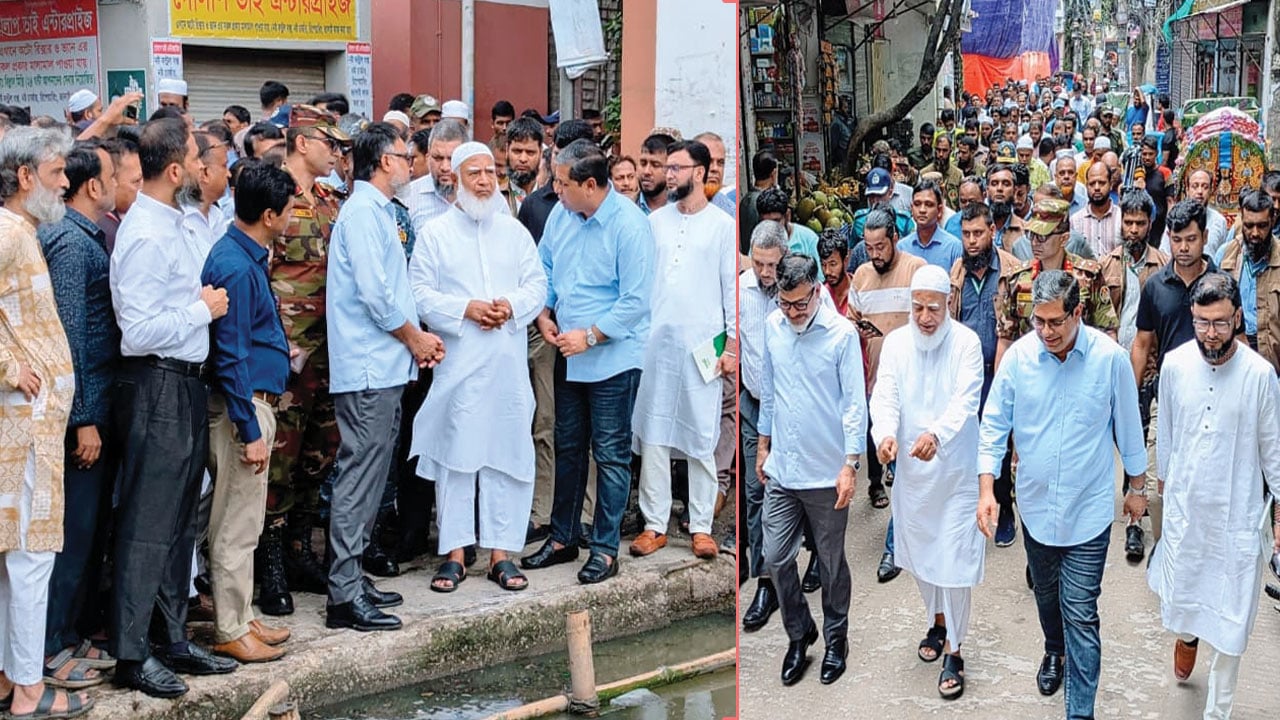
Opposition Leader and Bangladesh Jamaat-e-Islami Ameer Dr. Shafiqur Rahman MP called for national unity among government, opposition, and citizens to advance the country. He made the appeal during a views exchange meeting in Dhaka-15 constituency after visiting four wards to identify local problems. The event was attended by State Minister for Local Government, Rural Development and Cooperatives Mir Shahe Alam, DNCC Administrator Shafiqur Rahman Milton, and several local officials. Dr. Rahman stated that the Prime Minister, as leader of all 300 constituencies, had accepted responsibility for the area’s development and assigned Mir Shahe Alam to oversee the matter. The inspection covered roads, drainage, and water issues in Ibrahimpur, Shewrapara, Manipur, and Baishteki areas. Both government and opposition representatives assured residents that the problems would be resolved soon. Mir Shahe Alam said the Prime Minister responded to the opposition leader’s call by assigning him to address Dhaka-15’s issues, describing it as an unprecedented step in Bangladesh’s political history. DNCC Administrator Milton emphasized collective responsibility for national progress.
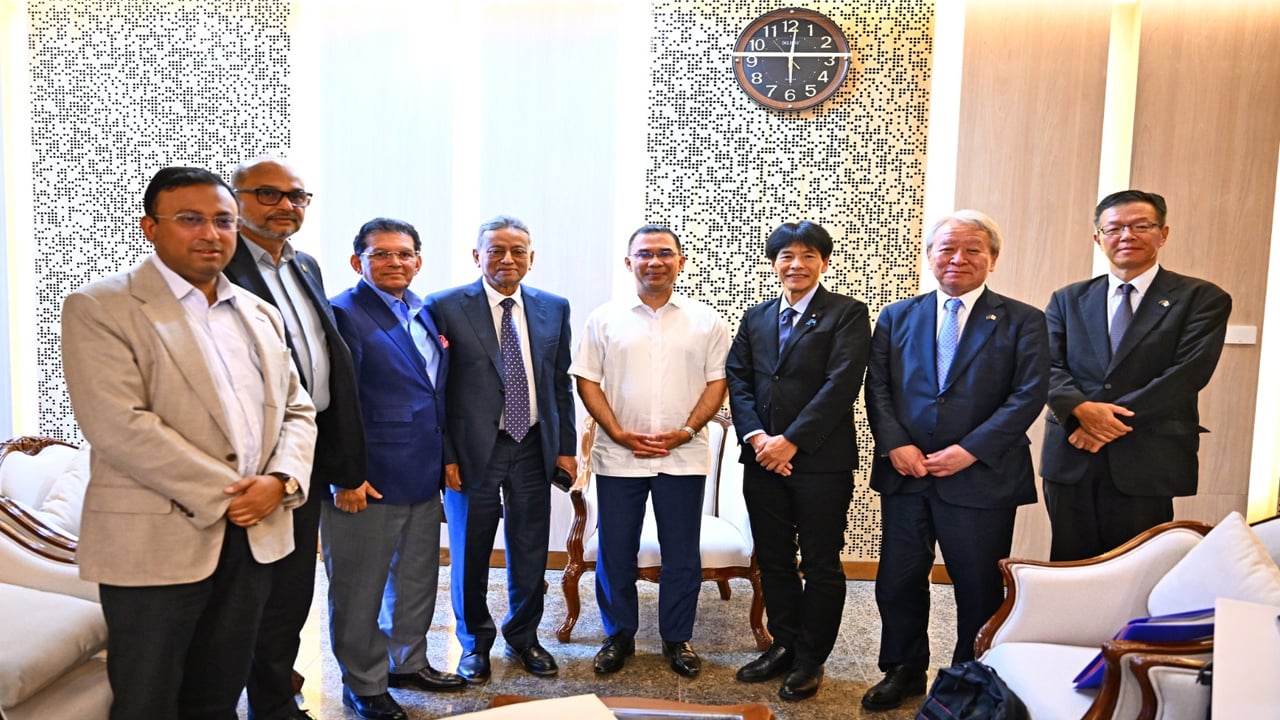
Prime Minister Tarique Rahman has expressed optimism that construction of the third terminal at Hazrat Shahjalal International Airport will be completed within the scheduled time, aiming for inauguration by mid-December this year. He made the remarks during a meeting at the Prime Minister’s Office in Dhaka with a Japanese delegation led by Japan’s Parliamentary Vice Minister for Foreign Affairs Shimada Tomaki, which included the President of the Japan International Cooperation Agency (JICA). The meeting discussed progress on several JICA-funded development projects in Bangladesh, including the Matarbari deep seaport, MRT lines, and the airport’s third terminal. Japan responded positively to increasing its energy assistance to Bangladesh from 312 million to 500 million US dollars. Both sides reaffirmed their commitment to advancing the Bangladesh–Japan Economic Partnership Agreement (EPA). During the talks, Japan also informed that it would provide five patrol boats to the Bangladesh Navy. The two sides discussed the Rohingya crisis, with the Prime Minister seeking Japan’s continued support for safe and sustainable repatriation. The Japanese delegation invited the Prime Minister to visit Japan, and he expressed hope to do so at a convenient time.
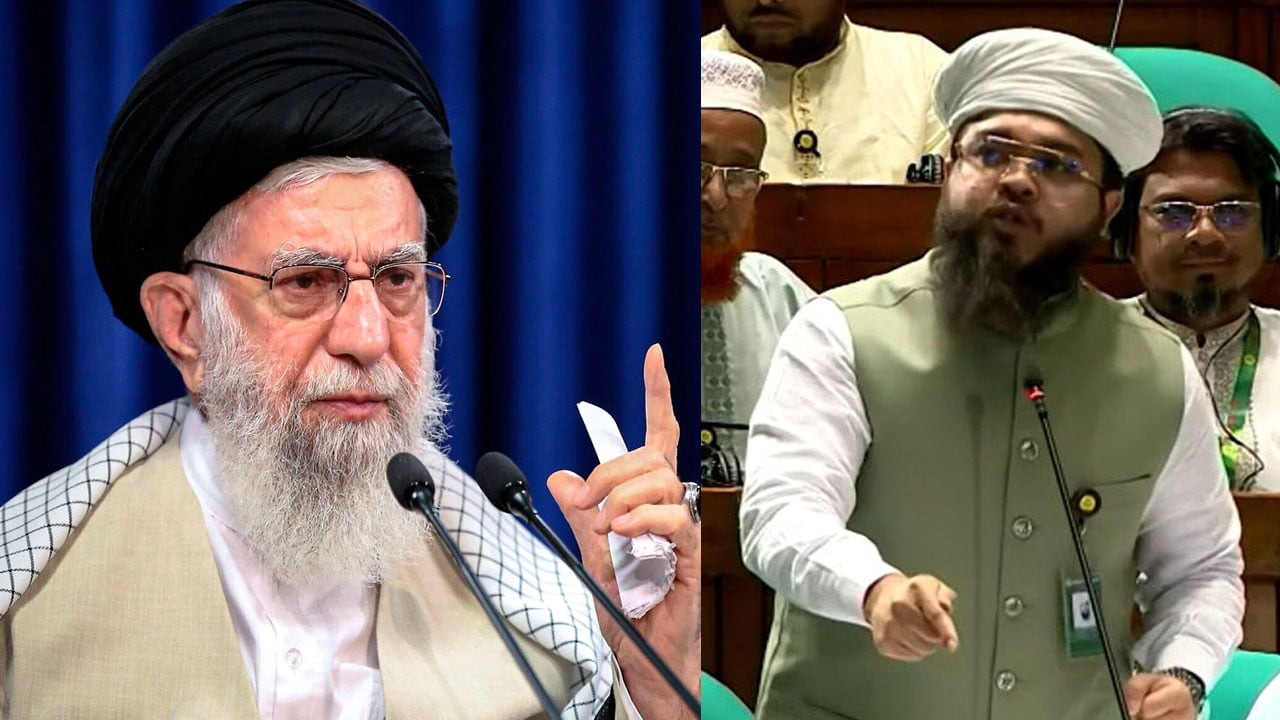
Pirzada Sayeed Uddin Ahmad Hanzala, Member of Parliament from Madaripur-1 (Shibchar), is set to travel to Iran to attend the state funeral of the late Supreme Leader Ayatollah Ali Khamenei. He will depart from Dhaka tomorrow, according to information he shared on Wednesday. The funeral had been postponed several times due to the ongoing war situation. A brief state ceremony was held in April, but it was not the full funeral. Khamenei, aged 86, was killed along with family members during a joint U.S.-Israeli attack on Iran on February 28. He had served as Iran’s Supreme Leader for 36 years. Iranian state television announced that the funeral and burial ceremonies will take place between July 4 and 8 in Tehran, Qom, and Mashhad, with an expected attendance of around 20 million people. Additional ceremonies will also be held in Baghdad, Kazmain, Karbala, and Najaf, while Iranian authorities are working to ensure full security and proper arrangements for the events.
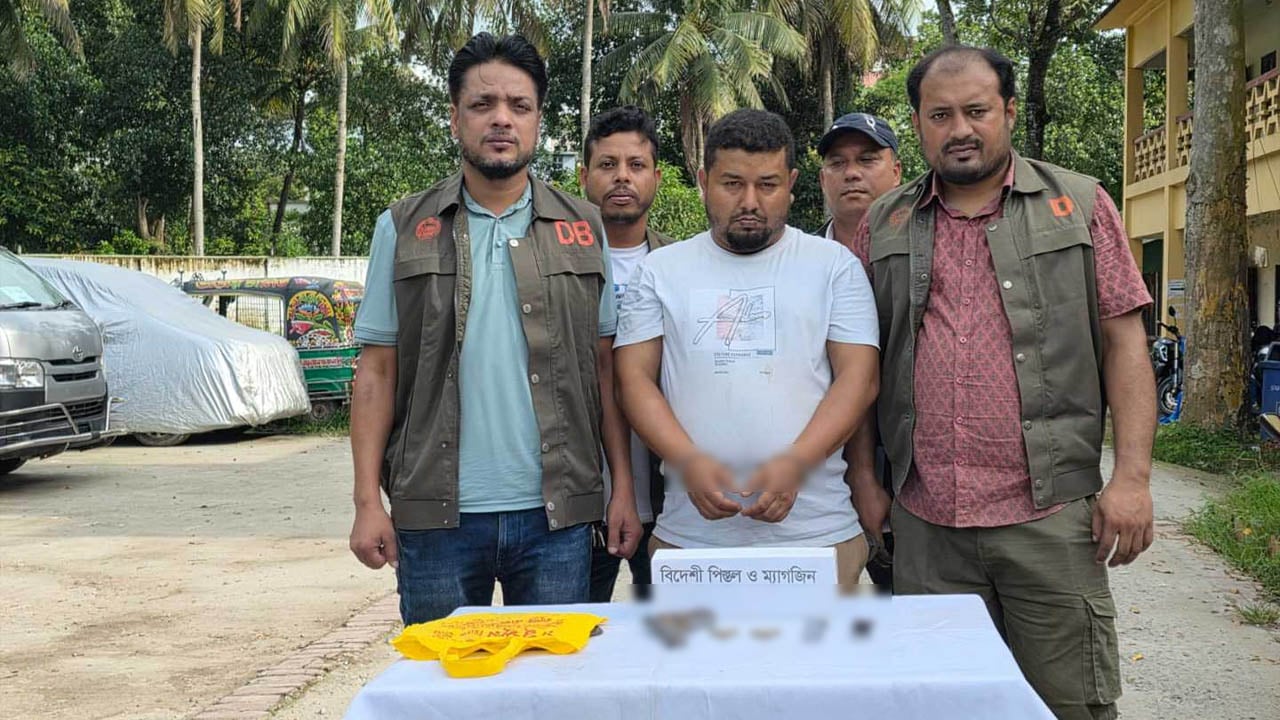
Police in Comilla have arrested Abu Hanif alias Opu, an accused in 25 cases, in connection with the shooting of school student Ethan Ahmed Prem. The arrest took place early Wednesday in Lakshmipur during a special operation by the district detective branch (DB). Authorities confirmed that Opu was apprehended with a foreign-made pistol. The incident stems from a violent clash between two groups, ‘Opu Group’ and ‘Sabbir Group,’ over drug trade disputes in Comilla’s Katabil area on June 25, which left 12-year-old Ethan seriously injured. According to police, four suspects have been arrested so far, and one foreign pistol has been recovered. Opu, identified as the main suspect, had been in hiding for a long time before being tracked down using technology. Based on his information, police later recovered another pistol, two magazines, and six rounds of ammunition from Comilla’s Jagannathpur area. Ethan’s father, Yunus Mia, filed a case naming six individuals, including Sabbir and Opu, and six unidentified suspects. Ethan remains under treatment in Dhaka.
The ‘1 Nojor’ media platform is now live in beta, inviting users to explore and provide feedback as we continue to refine the experience.