

The ‘1 Nojor’ media platform is now live in beta, inviting users to explore and provide feedback as we continue to refine the experience.
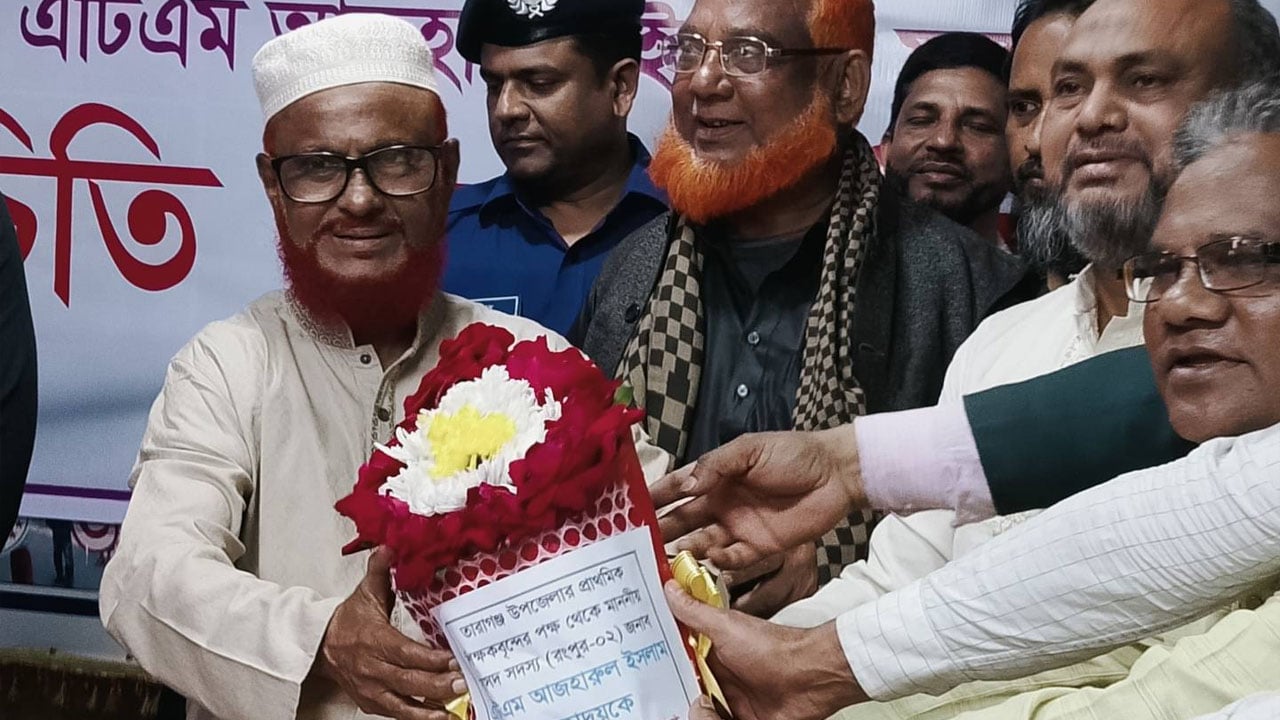
Jamaat-e-Islami’s Nayeb-e-Ameer and Member of Parliament ATM Azharul Islam stated that the government’s disregard for the July Charter will be discussed in parliament once the session begins. He made the remarks on Saturday afternoon while speaking to journalists at Saidpur Airport after receiving a floral reception from party activists. Azharul Islam said that during the referendum following the July movement, the public had supported the charter with a ‘yes’ vote, and several political parties had pledged to implement it. He warned that if any party in power denies that commitment, necessary measures will be taken through parliamentary discussion. He argued that without the July movement, many people would not have enjoyed freedom of expression in the current political context. Rejecting the July Charter, he said, would mean rejecting the election itself. Azharul Islam also expressed gratitude to his supporters in Badarganj and Taraganj and pledged to work for local development without discrimination. He emphasized that government officials must remain neutral and serve all citizens equally, while the administration should act firmly against drugs. He further stated that he represents both voters and non-voters alike and vowed not to exert any undue pressure on the administration.
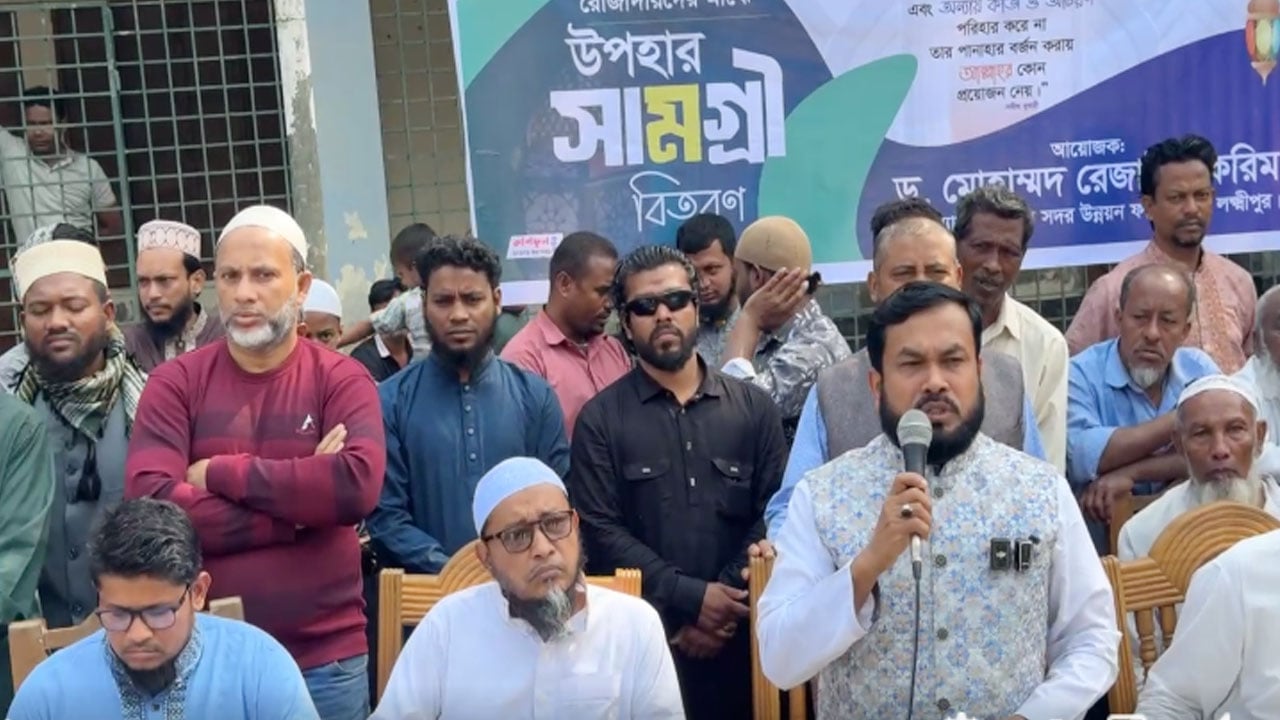
Dr. Muhammad Rezaul Karim, a central executive council member of Bangladesh Jamaat-e-Islami, said that rejecting the referendum would raise questions about the current government's legitimacy. He made the remarks on Saturday afternoon at a Ramadan food pack distribution event held at Char Monsa Government Primary School field in Lakshmipur Sadar upazila, where he was the chief guest. Rezaul Karim claimed that the July movement led to Tarique Rahman becoming prime minister and Dr. Shafiqur Rahman becoming the opposition leader, with many others returning to the country. He stated that 70 percent of voters supported the referendum, yet the government has not taken an oath to amend the constitution or formed the upper house as promised. He urged the government to implement the people's verdict from the July charter referendum without delay. He warned that if the referendum outcome is ignored, the 70 percent of people who participated in the July movement might take to the streets, though he expressed hope in the government’s assurances.
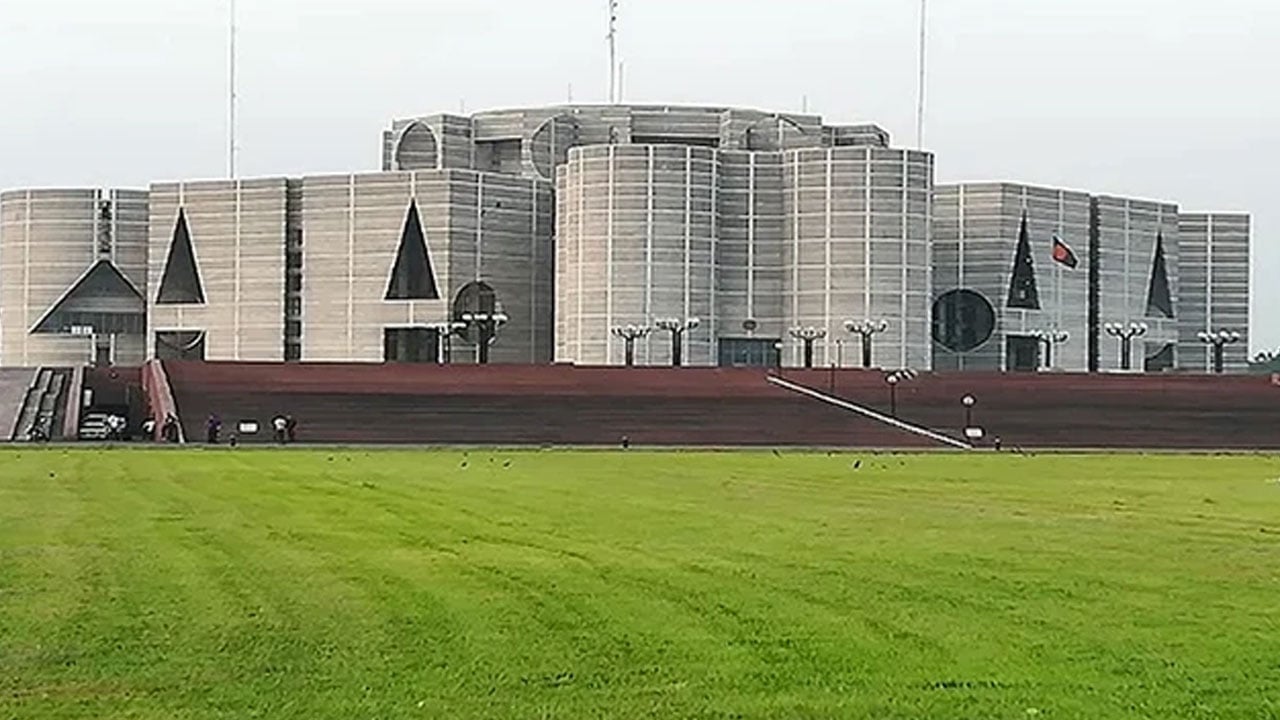
The 13th National Parliament of Bangladesh is scheduled to convene its first session on March 12 or a few days earlier, according to Salah Uddin Ahmed, Home Minister and member of the BNP Standing Committee. He made the announcement on Saturday night, confirming that the session will include the election of the Speaker and Deputy Speaker. Salah Uddin Ahmed stated that ordinances issued during the tenure of the interim government will be presented in this session, along with condolence motions. The 13th Parliament has already seen the election of BNP Chairperson Tarique Rahman as the Leader of the House and Jamaat-e-Islami Ameer Shafiqur Rahman as the Leader of the Opposition. The upcoming session marks the formal beginning of the 13th Parliament’s activities, setting the stage for legislative and administrative proceedings under the new political alignment.
The Bangladesh Government Employees Demand Implementation Alliance has announced new programs and issued an ultimatum to the government for the implementation of the ninth pay scale. According to a press release signed by Member Secretary Md. Mahmudul Hasan and Chief Coordinator Md. Warez Ali, if the demand is not met by March 15, the organization will announce further programs on March 28. The plan includes submitting memorandums to the Prime Minister through local MPs and ministers, holding representative assemblies, and organizing activities in divisional cities during Ramadan. The statement said that since the introduction of the eighth pay scale in 2015, employees in grades 11–20 have faced discrimination, and repeated appeals to successive governments have gone unanswered. The alliance noted that despite the formation of the eighth pay commission in 2025 and its report submission, the interim government did not implement the promised pay scale. It emphasized that rising living costs have made it difficult for employees to support their families. If no visible government action is taken by March 15, the alliance will announce its next steps at a press conference on March 28, after Eid-ul-Fitr.

The United States Supreme Court has declared President Donald Trump’s ‘Universal Baseline Tariff’ unconstitutional, ruling that it violated the US Constitution. The verdict, led by Chief Justice John Roberts, invalidates tariffs imposed under the International Emergency Economic Powers Act, which the court said were used as economic coercion rather than for national security. The decision has global implications, particularly for countries like Bangladesh that recently signed trade agreements under Trump’s tariff regime. Following the ruling, Trump swiftly announced a new 10 percent tariff under Section 122 of the 1974 Trade Act, replacing Bangladesh’s previous 19 percent rate. While this appears to ease pressure, economists warn that the new law allows tariffs to rise up to 50 percent after a 150-day review of labor and environmental conditions. Bangladeshi economists and business leaders have criticized the earlier trade deal as unequal and coercive, noting that the US gained more benefits. Experts suggest Bangladesh should avoid immediate renegotiation and instead focus on improving domestic compliance and preparedness as the US reviews trade practices under the new tariff framework.

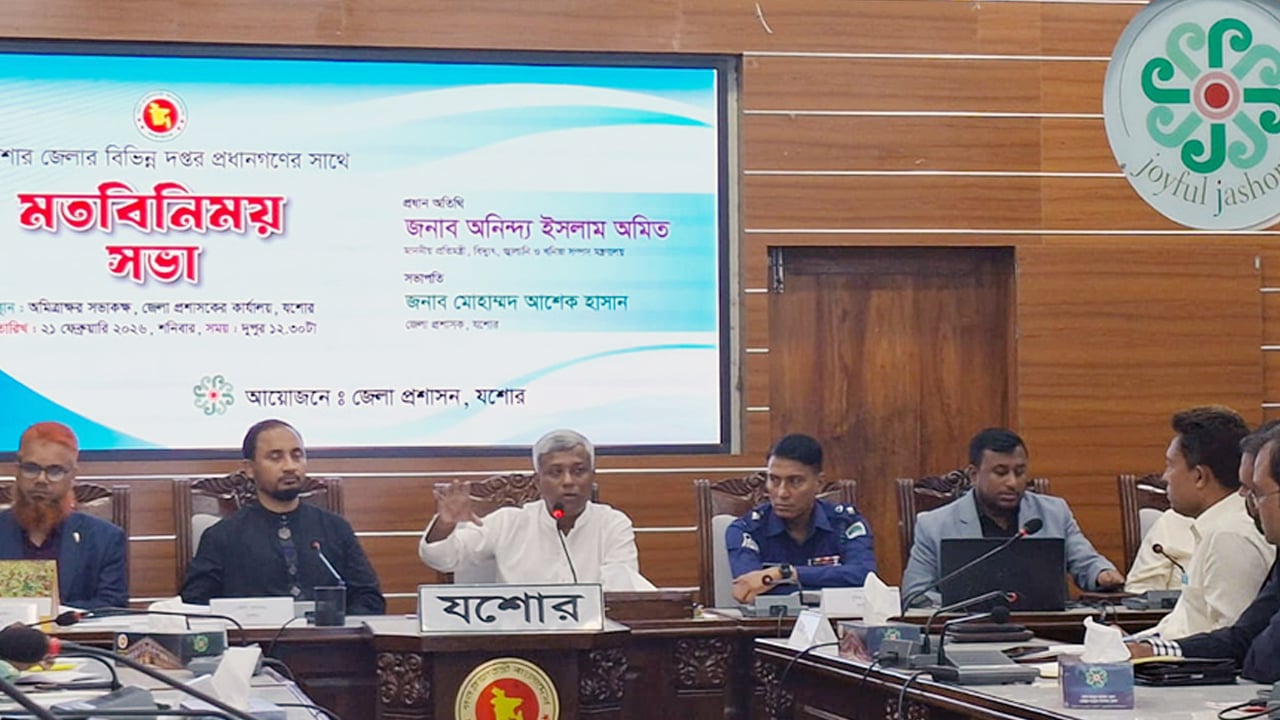
State Minister for Power, Energy and Mineral Resources Anindya Islam Amit has called on government officials in Jessore to perform their duties without political bias or fear. Speaking at a meeting with district department heads on Saturday, February 21, 2026, at the Jessore Deputy Commissioner’s Office, he emphasized that no official should seek special favors through political identity and urged them to focus on solving public problems through direct engagement with citizens. During the meeting, the minister reminded officials that the current government was elected by popular vote and must remain accountable to the people. He also advised humane consideration while removing illegal structures, particularly during Ramadan, suggesting alternative solutions for affected street vendors. Amit further stressed the importance of freeing local rivers from illegal occupation, expressing concern over encroachment on the Mukteshwari River. He assured officials that no political leader would interfere with their work and urged them to report any obstacles directly to him. The minister also instructed police to maintain law and order and reiterated his commitment to building a crime- and drug-free Jessore. In a separate session, he directed municipal authorities to identify and resolve drainage and waterlogging issues promptly.
Three leaders of the Bangladesh Nationalist Party (BNP) in Fulchhari upazila of Gaibandha district have been expelled for violating party discipline and taking a stance against the organization. The decision was announced on Saturday through a press release signed by the upazila BNP’s general secretary and organizing secretary. The expelled leaders are Abdur Rashid Sarkar Madhu, vice-president of Udakhali Union BNP; Anarul Islam, joint general secretary; and Saiful Islam Safiullah, organizing secretary of Erendabari Union BNP. Fulchhari upazila BNP general secretary Abdus Salam Sarkar confirmed the expulsion, stating that the three were removed from all party positions, including their primary memberships, due to organizational misconduct. The announcement underscores the BNP’s internal enforcement of discipline at the local level, as the party leadership moves to address activities deemed harmful to organizational unity.

Electricity, Energy and Mineral Resources Minister Iqbal Hasan Mahmud Tuku said that celebrating Language Day with only cultural programs is not enough. Speaking as the chief guest at a discussion, cultural event, and award ceremony organized by the Sirajganj district administration on Saturday morning, he emphasized that to truly uphold Bangla as the mother tongue, people must reject foreign slogans and attitudes that do not align with the spirit of the language. The minister stated that Bangla has a rare and proud history compared to many other languages and urged everyone to love their own language, culture, and country. He criticized the growing use of certain foreign expressions among the youth, saying such trends are disconnected from Bangla’s heritage and those who once tried to suppress it. The event was chaired by Deputy Commissioner Md. Aminul Islam and attended by local officials, political leaders, and freedom fighters. Tuku added that true patriotism requires purification of thought and action, which he said is essential for protecting the Bangla language.
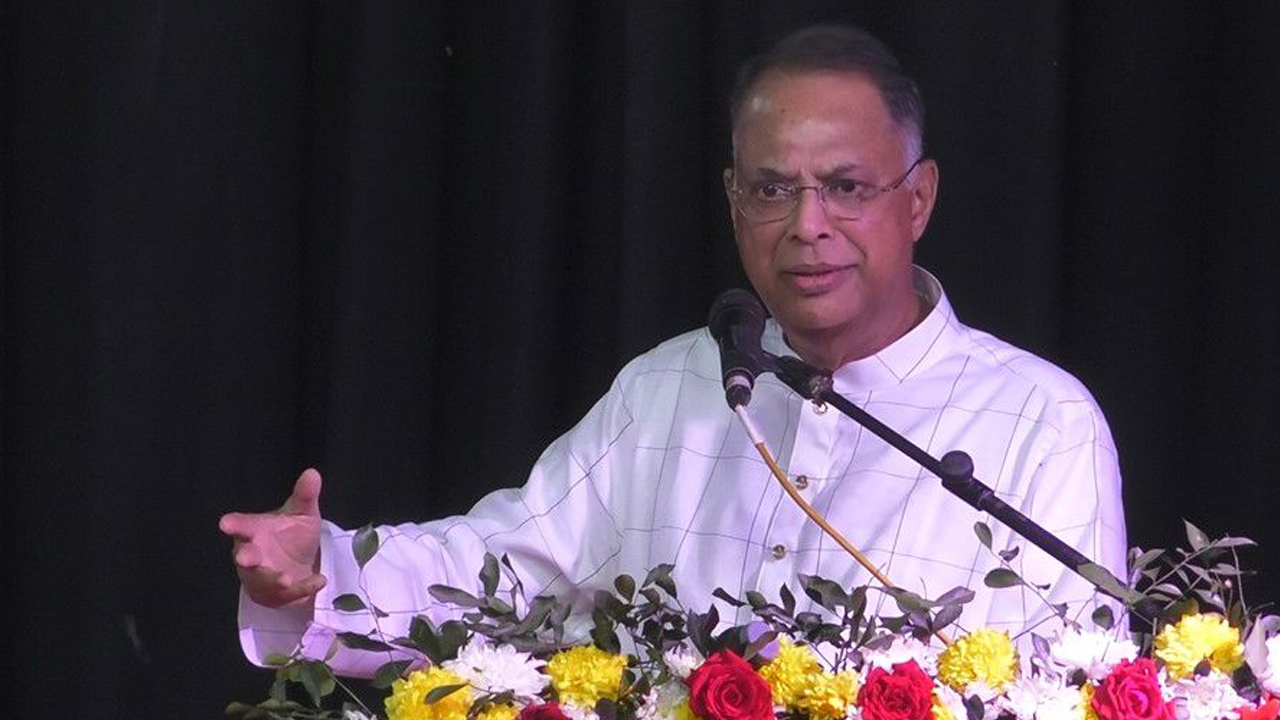
Dhaka-14 constituency’s elected Member of Parliament Barrister Arman declared that he and his supporters are ready to sacrifice their lives but will not accept 'July', during a visit to his father’s grave in Harirampur, Manikganj, on Saturday, February 21, 2026. He also demanded that justice for Shaheed Osman Hadi and Shaheed Abu Sayeed must be delivered on Bangladeshi soil. Arman, son of Jamaat leader Mir Quasem Ali, said he was abducted by what he called fascist forces shortly before his father’s execution and was unaware of his father’s fate. He described his survival as a second life granted by divine mercy and pledged to dedicate himself to ensuring that no one in Bangladesh faces such oppression again. He sought prayers to fulfill his parliamentary duty of representing people’s rights and to uphold his father’s Islamic ideals. Several Jamaat and student leaders, including former central Chhatra Shibir president Zahidur Rahman and local Jamaat leaders from Manikganj, were present during the visit.

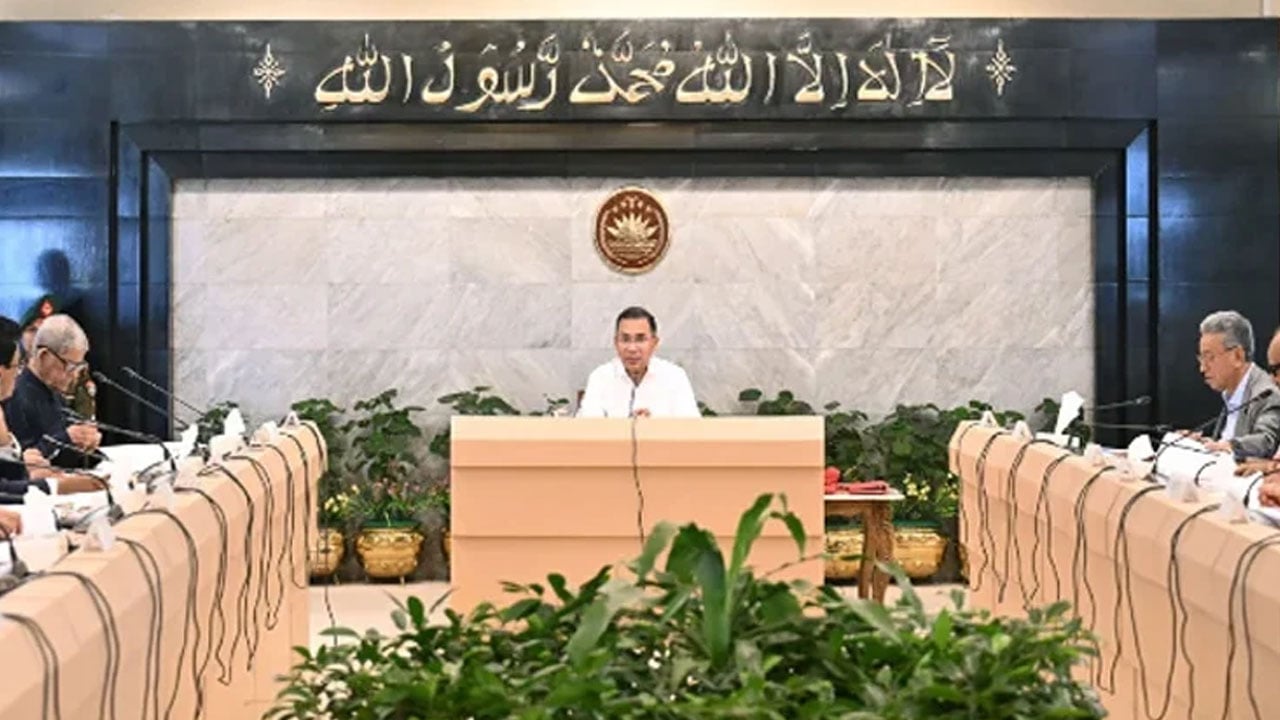
Prime Minister Tarique Rahman held a meeting on February 21, 2026, at the Prime Minister’s Office in Tejgaon, Dhaka, focusing on making the education system more enjoyable and employment-oriented, expanding job opportunities, and improving sports infrastructure and training facilities. The meeting was attended by relevant ministers, state ministers, and senior officials. According to Press Secretary Abu Abdullah M Saleh, this was the first time Prime Minister Tarique Rahman worked from the Tejgaon office since assuming office. It marked his third working day as head of government. After taking the oath as prime minister, he had worked at the Secretariat on the previous Wednesday and Thursday. The meeting reflected the new administration’s early focus on aligning education with employment and strengthening youth and sports development initiatives.
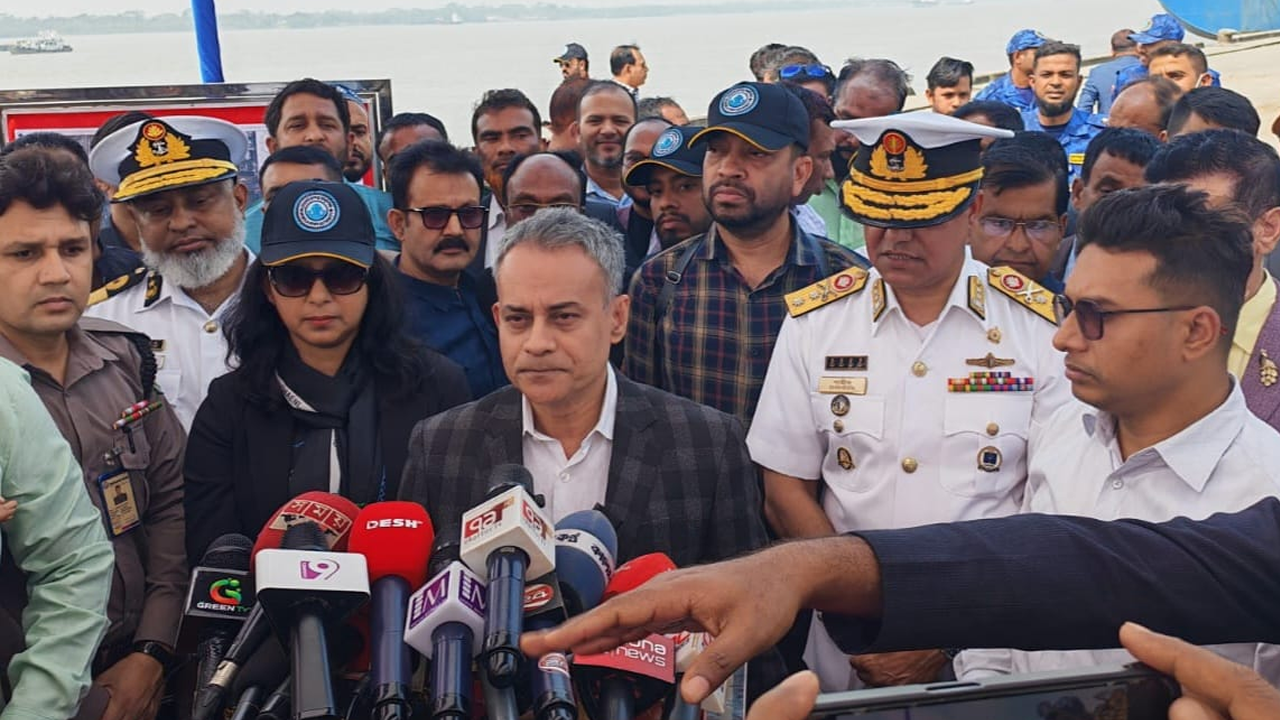
Bangladesh’s Shipping Minister Sheikh Robiul Alam announced that significant visible progress will be achieved within the next six months in the modernization and ongoing development projects of Mongla Port, the country’s second-largest seaport. He made the statement during a press briefing at the Mongla Port Authority jetty on Saturday afternoon. The minister said Mongla Port’s role in the economic growth, industrialization, and foreign trade of the southwestern region is expanding. Redirecting more import-export operations to Mongla could ease pressure on Dhaka and Chattogram, reduce transport costs, and save time. Under the government’s priority plans, infrastructure upgrades, addition of modern equipment, and digital transformation of services are underway. He emphasized coordinated efforts to make Mongla a modern, efficient regional trade hub contributing more to the national economy. Alam also highlighted the importance of the newly launched rail link to the port and said integrated management of rail and maritime transport will make cargo movement more dynamic. About 15 integrated development plans have been undertaken to transform Mongla into a competitive seaport modeled after Chattogram Port.
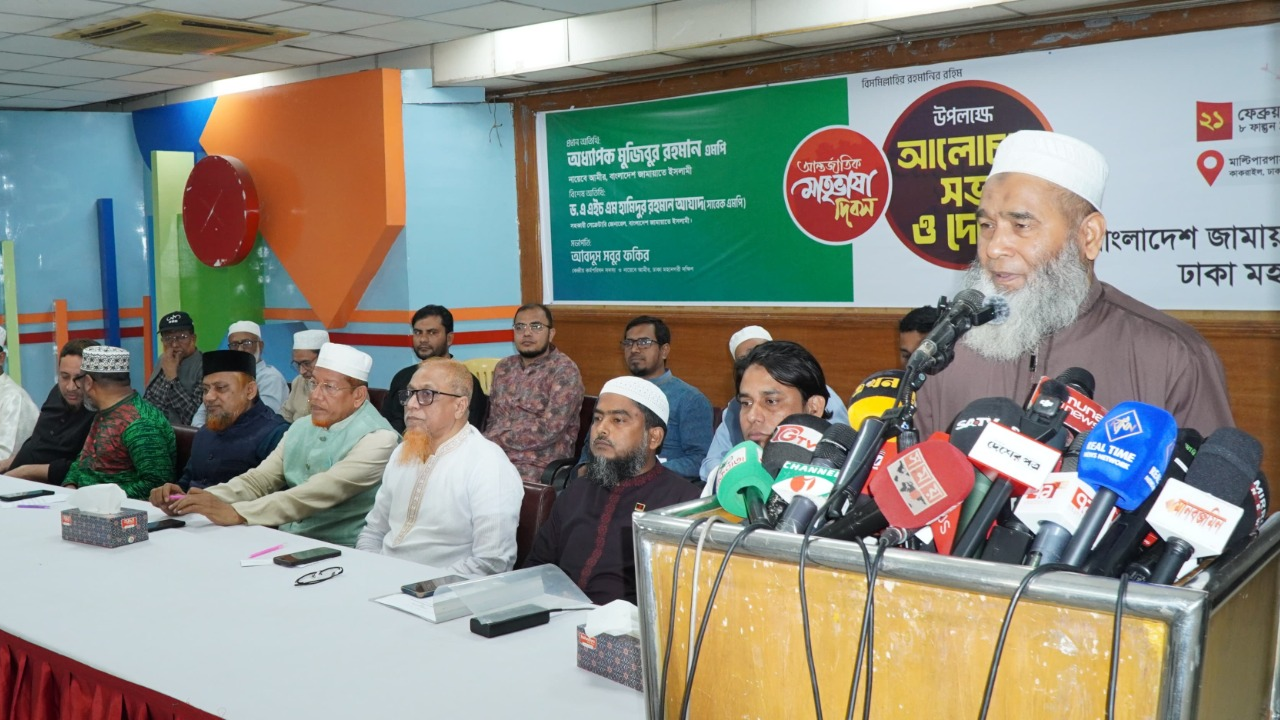
At a discussion meeting in Dhaka on Saturday marking International Mother Language and Martyrs’ Day, Jamaat-e-Islami’s Nayeb-e-Ameer and Member of Parliament Professor Mujibur Rahman said that a government had been formed against the people’s verdict by not taking the oath of the Constitutional Reform Council. He urged both the government and opposition to work together to implement the people’s mandate peacefully, warning that failure to do so could lead to public uprising. Rahman stated that no government in the country’s history had remained in power by defying public opinion and that Jamaat-e-Islami was prepared for a final struggle to establish people’s rights while also ready to cooperate with the government as an opposition party. He called for ensuring the use of the Bangla language in all sectors and for rewriting what he described as distorted historical narratives to present the truth to the younger generation. Other speakers, including Jamaat’s Assistant Secretary General Dr. A.H.M. Hamidur Rahman Azad, emphasized the need to implement the July Charter to strengthen democracy and warned against authoritarian tendencies.
At least five people have been killed in a severe snowstorm that struck Austria, causing widespread power outages and transport disruptions. Officials reported that one person died in the northern city of Linz, while four skiers were killed in avalanches in the Tyrol region. Three of them died near the St. Anton ski resort, and another was killed in Nauders, where one more person was injured. The storm has brought up to 16 inches of snowfall since Thursday, prompting warnings in southeastern Austria, particularly around the city of Graz. This winter season’s avalanche death toll in the country has now reached 21. Vienna International Airport was temporarily closed on Friday morning, and afternoon services were also affected. According to the national automobile association ÖAMTC, several major highways near Vienna were closed for hours. Power companies reported outages in southern and eastern regions, including Styria, where about 30,000 homes lost electricity.

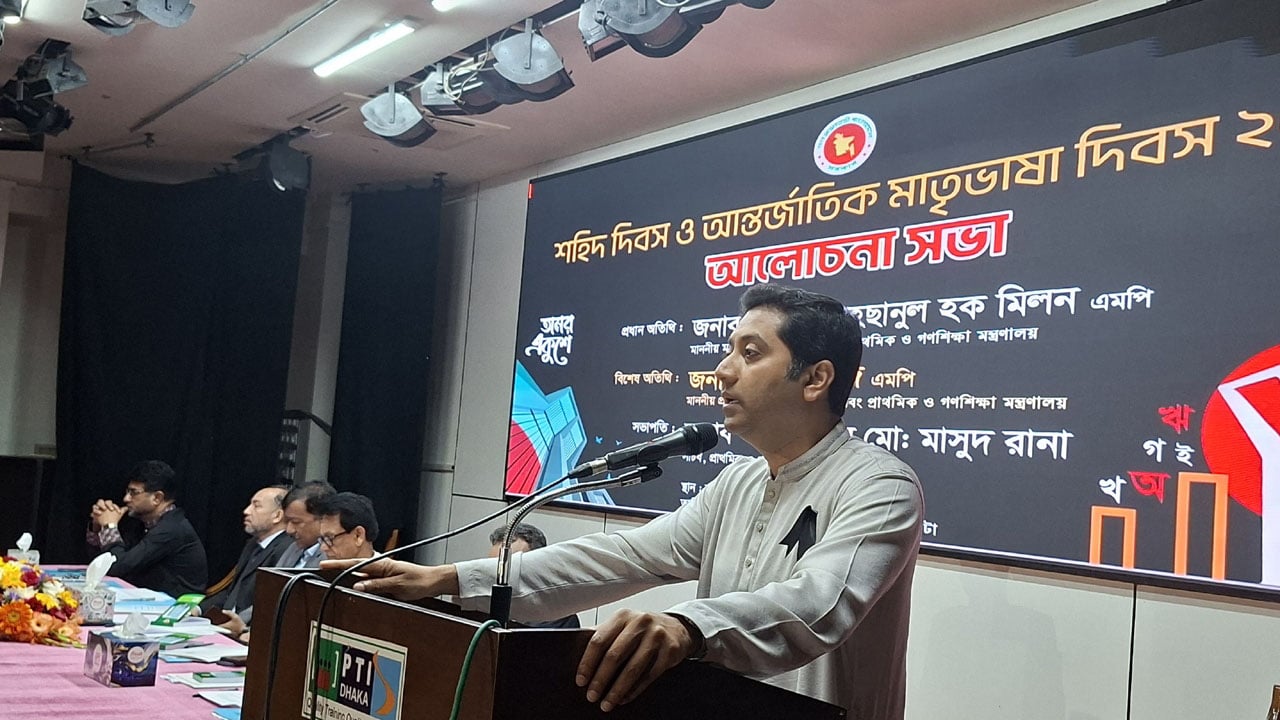
State Minister for Education Bobby Hajjaj has declared that no form of corruption will be tolerated in his ministry over the next five years. He made the statement on Saturday while addressing a discussion organized by the Ministry of Primary and Mass Education in observance of Shaheed Dibash and International Mother Language Day. During his speech, Hajjaj emphasized the significance of February 21 as a symbol of the Bengali nation’s struggle for fundamental rights, noting that language represents the most personal and basic human right. He reflected on the historical sacrifices made for rights and stated that democratic governance has now been restored through a popularly elected government. The state minister further stressed that education forms the foundation of the state, warning that a weak foundation cannot support a strong structure. He called for strengthening educational infrastructure and focusing on three key areas to improve education quality.
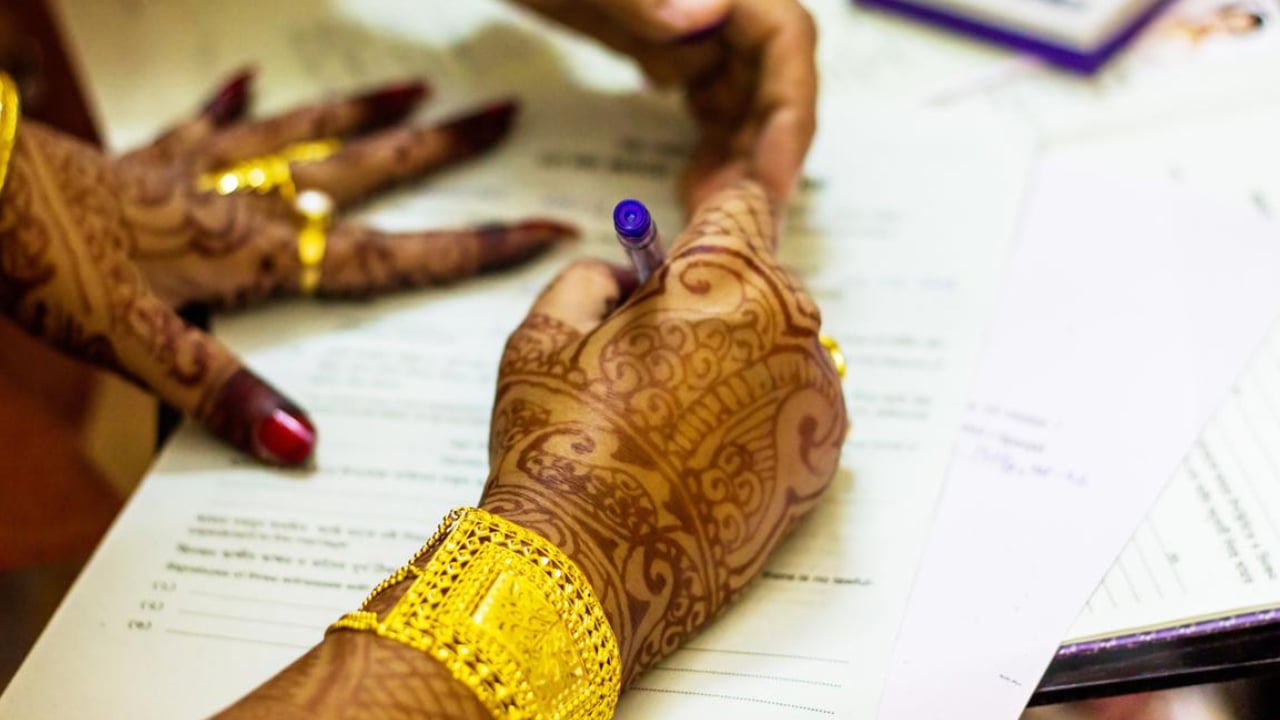
The government of Gujarat, a western Indian state, has announced plans to amend its marriage registration law to prevent alleged fraudulent marriages involving concealed identities, often referred to as 'love jihad'. Deputy Chief Minister Harsh Sanghavi made the announcement in the state assembly on Friday, stating that the initiative aims to protect women from deception. Under the proposed changes, both bride and groom must submit proof of parental consent and provide detailed information about their parents, including names, phone numbers, and addresses. The draft amendment requires assistant registrars to notify the parents of both parties within ten days of receiving a marriage registration application. The application will then be forwarded to the relevant district registrar’s office, where verification will be completed within one month. Sanghavi said details of the new law will be published on an official government website currently under development. He emphasized that the goal is to safeguard traditional marriage practices and ensure women’s safety. The amendment is being introduced under the Gujarat Marriage Registration Act of 2006. Sanghavi also mentioned reports of fake marriage certificates and marriages conducted under false identities, even in villages without Muslim populations. Public feedback was collected over a 30-day period before drafting the proposal.
The ‘1 Nojor’ media platform is now live in beta, inviting users to explore and provide feedback as we continue to refine the experience.