

The ‘1 Nojor’ media platform is now live in beta, inviting users to explore and provide feedback as we continue to refine the experience.
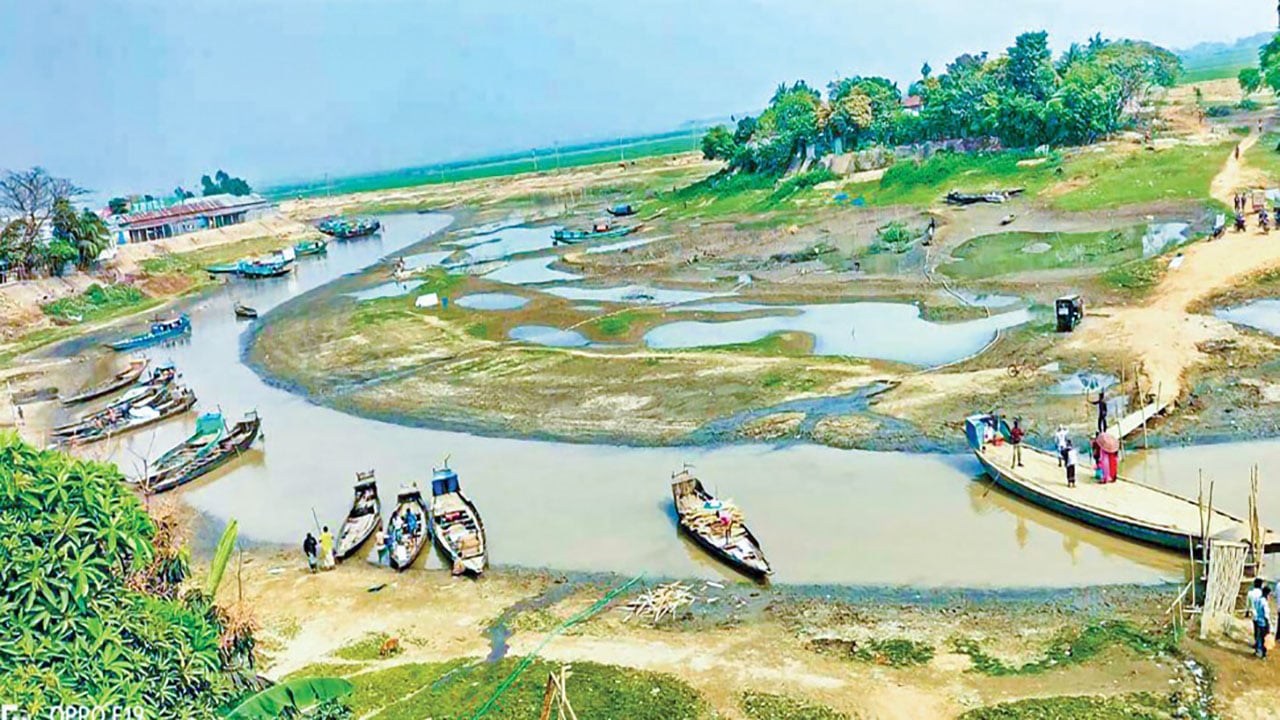
The Someshwari River flowing past Madhyanagar upazila in Sunamganj is rapidly losing navigability, turning into sandbars and threatening the survival of the 150-year-old Madhyanagar market. Once a major rice trading hub, the market now faces stagnation as boat transport has become nearly impossible during dry months. Traders report that goods must be unloaded and reloaded multiple times, increasing both time and costs, while irrigation now depends on deep tube wells due to reduced water flow. Local traders and boatmen said that from mid-Poush to Chaitra, parts of the river dry up completely, halting large boat movement for three to four months. Business leaders warned that without dredging, the market’s economic importance will vanish. Farmers and traders are already suffering from higher transport costs and reduced trade volume. The Sunamganj district farmers’ association and local business groups have long demanded river dredging to restore navigability. According to the Water Development Board’s Sunamganj office, a plan to dredge 19 rivers, including the Someshwari, is under consideration. The project awaits approval before dredging can begin.
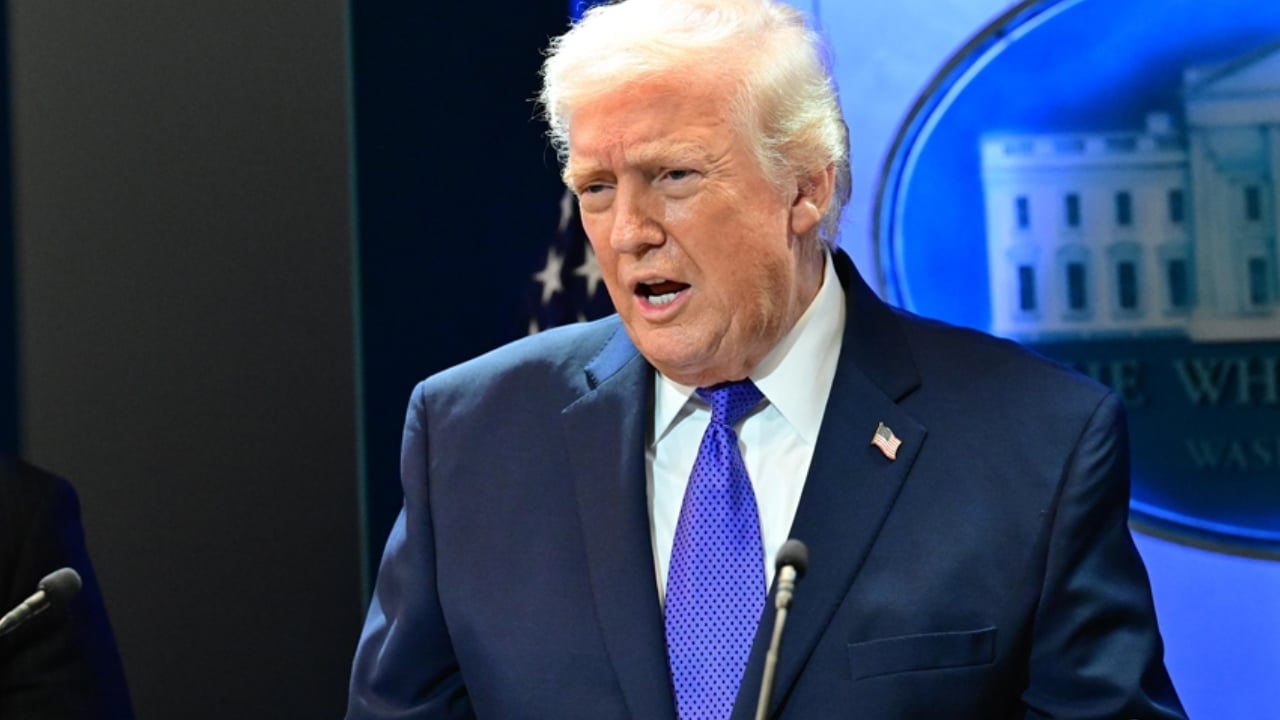
The U.S. Supreme Court ruled that President Donald Trump exceeded his authority by imposing broad tariffs under the International Emergency Economic Powers Act (IEEPA). The 6–3 decision restricted a key economic and foreign policy tool Trump had used to pressure other nations. In response, Trump announced on Friday that he would impose a new 10% tariff on all countries worldwide, using what he described as alternative legal powers. Speaking at the White House, Trump sharply criticized the court, claiming some justices lacked the courage to do what he considered right for the country. He said foreign nations that had taken advantage of the United States were celebrating the ruling but warned their joy would be short-lived. Trump stated he would sign an executive order to implement the new tariffs and initiate multiple trade investigations under Section 301 of the 1974 Trade Act, which allows tariffs against unfair or discriminatory trade practices. The Supreme Court’s decision significantly curtailed Trump’s ability to use tariffs as leverage in trade and diplomatic negotiations, a strategy he had relied on since his first year in office.
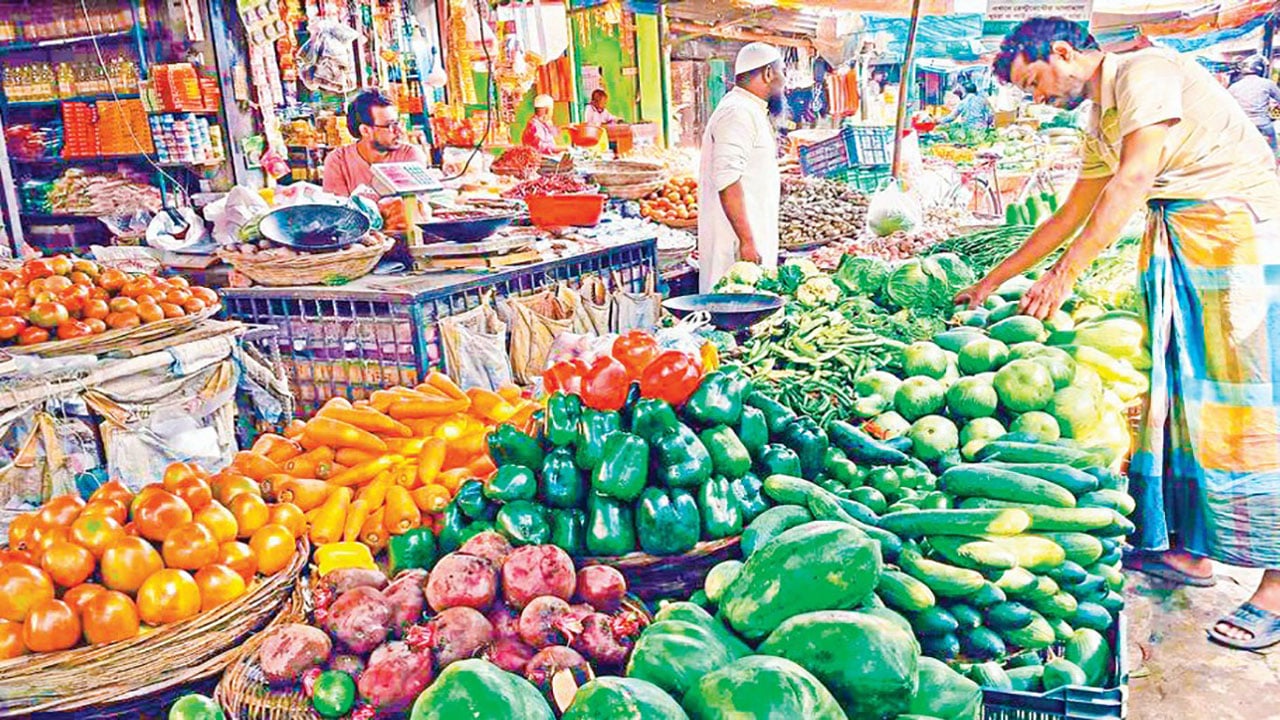
Markets across Bangladesh have become unstable at the start of Ramadan, with prices of almost all essential goods rising sharply. Reports from Sunamganj, Naogaon, Kurigram, and Pabna show that vegetables, fish, meat, and grocery items are being sold at significantly higher prices than a week earlier. In Sunamganj, cucumbers and carrots have doubled in price, while onions, garlic, and green chilies have also seen steep increases. Similar trends are reported in other districts, where milk, lemons, and dates are being sold at inflated rates, putting pressure on ordinary consumers. Traders attribute the price hikes to transportation problems, increased demand, and reduced imports. Local business associations and consumer rights officials have acknowledged the situation, saying monitoring and enforcement drives are underway to prevent artificial shortages and overpricing. In several districts, local administrations have pledged to take legal action against traders found guilty of price manipulation. Officials and traders expressed hope that prices of key items such as onions and garlic may stabilize within a few days as supply improves and monitoring continues.
On February 21, 2026, as International Mother Language Day was observed, a report highlighted the alarming global decline of linguistic diversity. According to UNESCO, around 40 percent of the world’s approximately 7,000 languages are now endangered, with one disappearing every two weeks. The loss of a language signifies not only the death of words and sounds but also the extinction of cultural knowledge, traditional wisdom, and ancestral identity. The article traces this crisis to historical and modern forces of forced assimilation, colonial education systems, and the dominance of global languages such as English, Mandarin, and Spanish. Examples include the suppression of Indigenous languages in North America, Australia, and Japan, and the marginalization of regional tongues in India, Ireland, and Latin America. Climate change and urbanization are also accelerating the erosion of linguistic heritage. Despite the grim outlook, the piece notes hopeful signs like the revival of Maori in New Zealand, official recognition of Tamazight in Morocco, and the UN’s 2022–2032 Decade of Indigenous Languages. It calls for political will and global solidarity to protect endangered languages and preserve humanity’s cultural diversity.

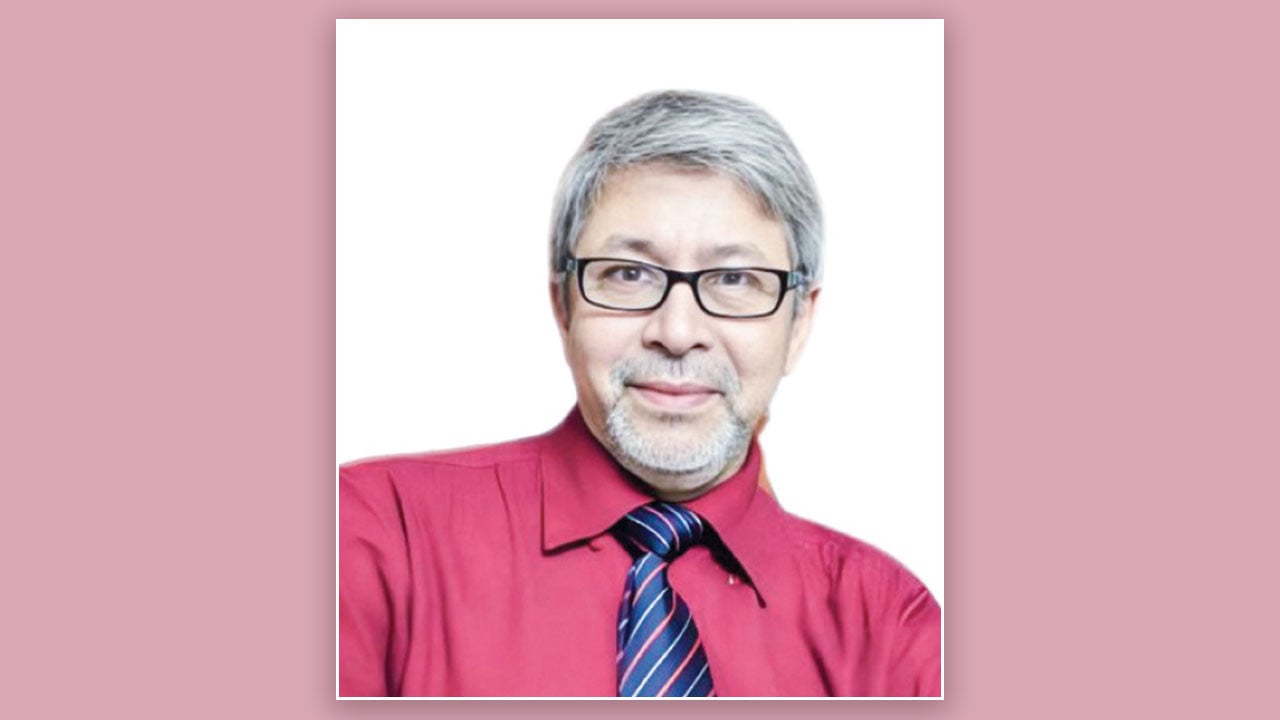
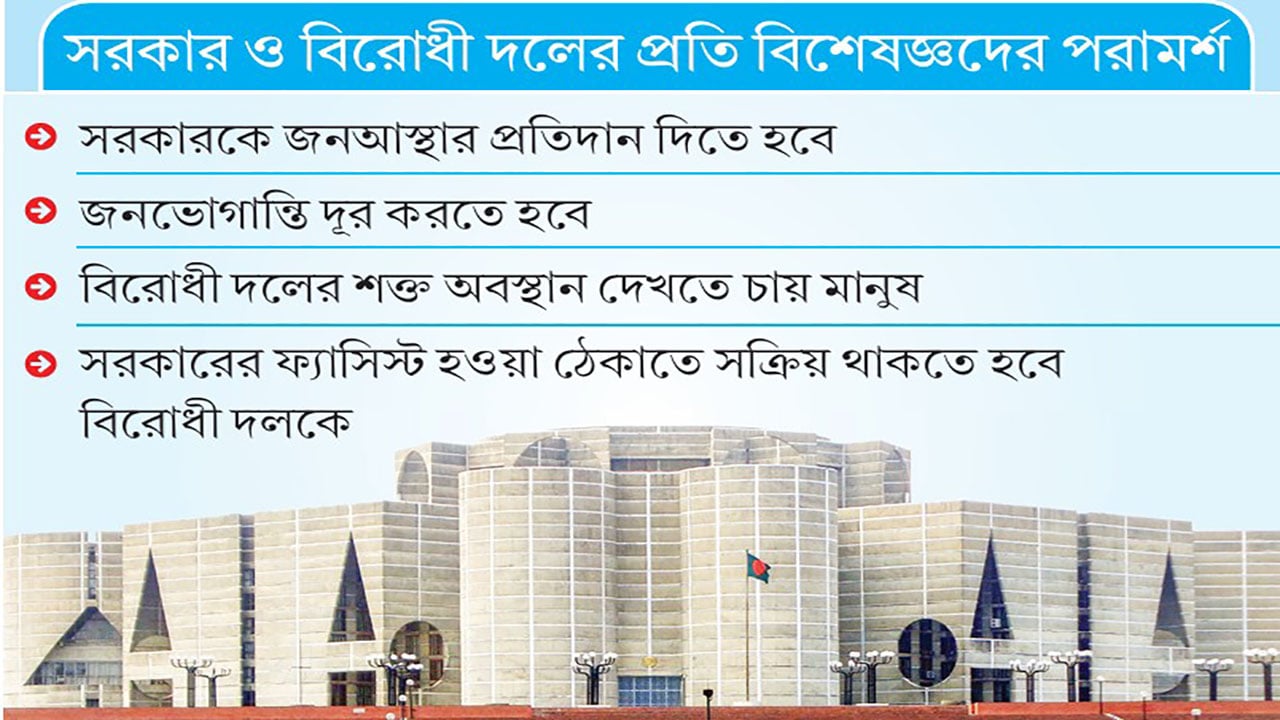
Dr. Mohammad Abdur Rob argues that Bangladesh’s democratic journey, long hindered by authoritarianism and power-centric politics, now requires institutional reforms to sustain its post-revolution progress. Writing on February 21, 2026, he highlights that the February 12 election marked a return to democratic governance and that opposition parties must play a constructive role in parliament to ensure accountability and stability. He explains that a shadow cabinet—comprising opposition members who monitor and critique government ministries—can institutionalize this role. Drawing examples from the United Kingdom, Australia, Canada, and Japan, he notes that such bodies serve as “governments-in-waiting,” preparing opposition leaders for future governance. In Bangladesh, the Jamaat-e-Islami and NCP have already announced plans for shadow cabinets, a move welcomed by the ruling BNP. Dr. Rob emphasizes that a single, unified shadow cabinet would foster national unity and effective oversight. He calls for public dialogue to eventually make the shadow cabinet a constitutional institution, arguing that its success could mark a new milestone in Bangladesh’s democratic evolution.
Bangladesh has entered a new democratic phase after ending fifteen and a half years of authoritarian rule, following a peaceful and fair election on 12 February 2026. The Bangladesh Nationalist Party (BNP) formed the government with an absolute majority, while Jamaat-e-Islami became the main opposition, leading a 77-member bloc in the 13th National Parliament. Citizens now expect both sides to ensure stability, uphold the rule of law, and work collaboratively for national progress. Public expectations from the new government include controlling commodity prices, reducing unemployment, improving law and order, and ensuring transparency in administration. Citizens also demand visible progress in curbing corruption, strengthening governance, and expanding digital services. Teachers, students, and professionals emphasized the need for reforms in education, employment, and constitutional implementation, while many called for immediate action within the first 100 days to stabilize prices and restore public confidence. The opposition, led by Jamaat-e-Islami, has pledged to act responsibly in parliament, supporting good initiatives and resisting anti-people policies. Citizens urge both government and opposition to avoid destructive politics and cooperate to sustain peace and democratic accountability.
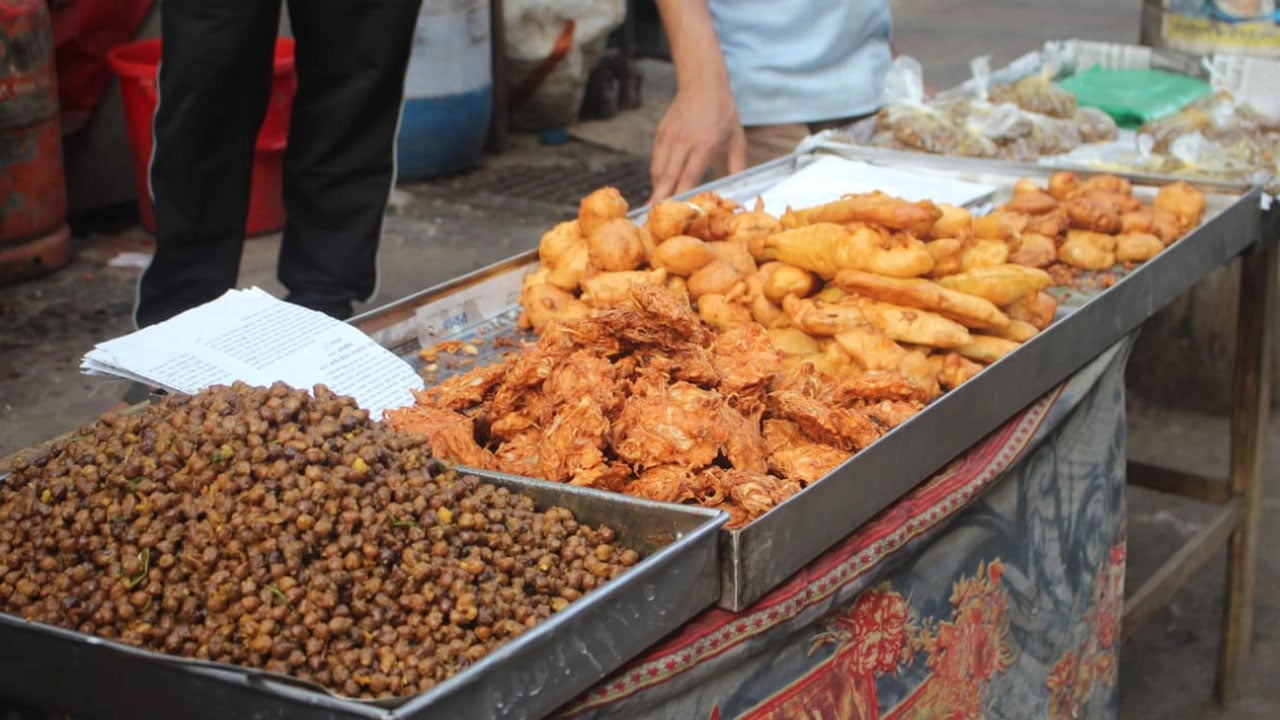
On the second day of Ramadan, vibrant roadside iftar stalls have sprung up across Dhaka, including Karwan Bazar, Shahbagh, Farmgate, Mohakhali, and Agargaon. From early afternoon, vendors prepare and sell popular items such as chickpeas, puffed rice, beguni, peyaju, potato chops, jilapi, and juices. Low- and lower-middle-income residents, along with drivers, helpers, and street vendors, gather on sidewalks or near their workplaces to break their fasts, often sharing modest meals together. Many say they cannot afford restaurant iftars and find joy in these simple gatherings. Street vendors like Monir Hossain and Mohammad Ismail offer a range of items priced between 5 and 300 taka, while rising food prices have made even basic iftar items costly for daily wage earners. Seasonal traders and even upscale restaurants have joined the roadside market, selling fried snacks and dates under open skies. Health experts, however, warn that such foods often contain harmful colors and spices and may be contaminated by dust, posing risks of indigestion and long-term illness. The bustling iftar trade reflects both the economic pressures and communal spirit of Ramadan in the capital.
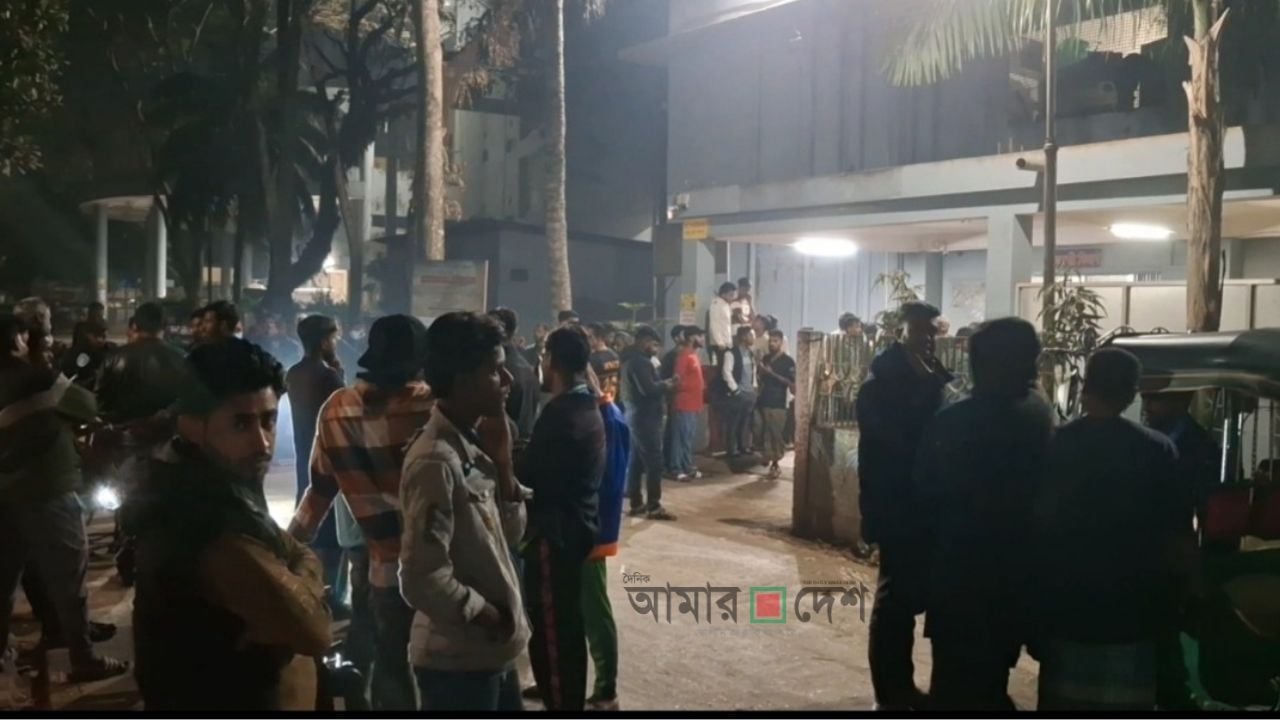
Three people, including the driver of a CNG autorickshaw, were killed and two others injured in a head-on collision between a pickup van and the autorickshaw at Shahpur in Giasnagar area of Moulvibazar early Friday night. The accident occurred around 1:30 a.m. when a Moulvibazar-bound pickup van collided with a CNG autorickshaw heading toward Sreemangal. According to Moulvibazar Model Police Station Officer-in-Charge Md. Saiful Islam, autorickshaw driver Alinur and passenger Rehan died on the spot. Another passenger, Rubel Mia, who was seriously injured, was rescued by the Fire Service and taken to Moulvibazar 250-bed General Hospital, where he later died. Alinur was from Kalenga village in Kamalganj upazila, while Rehan and Rubel Mia were residents of Dargah Mahalla in Moulvibazar Sadar. The bodies of the deceased have been kept at Moulvibazar Sadar Hospital. Police said legal procedures regarding the incident are ongoing.
French President Emmanuel Macron and British Prime Minister Keir Starmer will jointly chair a video conference of Ukraine’s “Coalition of the Allies” on February 24, according to Macron’s office. The meeting coincides with the fourth anniversary of Russia’s invasion of Ukraine and aims to coordinate continued support among partner nations. Separately, the European Commission has authorized the German government to assume trusteeship of the German assets of the US-sanctioned Russian oil company Rosneft. The decision ensures that Germany retains control over Rosneft’s operations, including the PCK Schwedt refinery, which supplies most of Berlin’s fuel, after the current arrangement expires on March 10. These developments highlight ongoing European coordination on both military and energy fronts as the war in Ukraine enters its fifth year, with key allies reaffirming their commitment to Ukraine and energy security within the European Union.

British police continued searching the former Windsor home of Andrew Mountbatten-Windsor on Friday, a day after questioning him for 11 hours on suspicion of misconduct in public office linked to his friendship with Jeffrey Epstein. The 66-year-old was released under investigation after his arrest, while officers also raided Wood Farm on the King’s Sandringham Estate in Norfolk, where he currently resides. Unmarked police vehicles were seen entering the Royal Lodge grounds throughout the morning. Thames Valley Police confirmed a full investigation into the alleged misconduct, which carries a potential life sentence if proven. The inquiry follows U.S. government document releases suggesting that Mountbatten-Windsor shared confidential British government reports with Epstein while serving as a trade representative. The king issued a rare statement emphasizing that “the law must take its course.” Other UK police forces, including London’s Metropolitan Police, are coordinating related investigations into Epstein’s activities, such as possible human trafficking through British airports. Authorities said no new sexual offence allegations have been made within their jurisdiction.

US President Donald Trump has criticized the Supreme Court and announced plans to introduce more tariffs. The statement reflects his continued focus on trade measures and his dissatisfaction with recent judicial developments. The brief update indicates that Trump’s comments link his trade agenda with his stance toward the judiciary, though no further details were provided about the specific tariffs or the court issue involved. The live coverage of the event has concluded, and no additional information or reactions were included in the source.

Iranian Foreign Minister Abbas Araghchi said on Friday that Iran remains ready for peace and diplomacy with the United States, asserting that a deal between the two countries is achievable despite Washington’s threats. Speaking to US network MS NOW, Araghchi emphasized that Iran’s nuclear programme has no military solution and described the US military build-up in the Middle East, including two aircraft carriers and dozens of fighter jets, as “unnecessary and unhelpful.” He warned that military action would bring disastrous consequences for the region and the international community. Araghchi’s comments came as US President Donald Trump confirmed he was considering limited strikes against Iran to strengthen Washington’s negotiating position. The two sides have held two rounds of talks in the past month, which both described as positive. However, the US continues to deploy military assets near Iran, and Trump has repeatedly threatened further action if Tehran rebuilds its nuclear or missile programmes. Araghchi said Iran will soon submit a written proposal for a deal to US negotiators, noting that both sides have agreed on guiding principles and will next work on finalizing the draft text.

United States President Donald Trump has sharply criticized the Supreme Court after a 6-3 ruling struck down his global tariffs imposed under the International Emergency Economic Powers Act (IEEPA). Speaking at a Friday news conference, Trump called the court a “disgrace” and accused it of being influenced by foreign interests. He said he would continue his tariff policy using the Trade Expansion Act of 1962, announcing a new 10 percent global tariff for 150 days to replace some of the duties invalidated by the court. The new measure is expected to take effect within three days. The Supreme Court majority, comprising three liberal and three conservative justices, ruled that only Congress can levy tariffs in peacetime. The decision dealt a major blow to Trump’s economic agenda, which had projected $3.6 trillion in tariff revenue from 2026 to 2035. Oxford Economics estimated the ruling would immediately lower the effective tariff rate from 12.7 percent to 8.3 percent. Trump, however, insisted that his powers under the Trade Expansion Act could yield even higher revenues. Experts warned that the ruling complicates the administration’s ability to impose tariffs quickly, creating uncertainty for businesses and consumers. Analysts said Trump’s alternative approach may sustain tariff burdens but with reduced flexibility and scope.

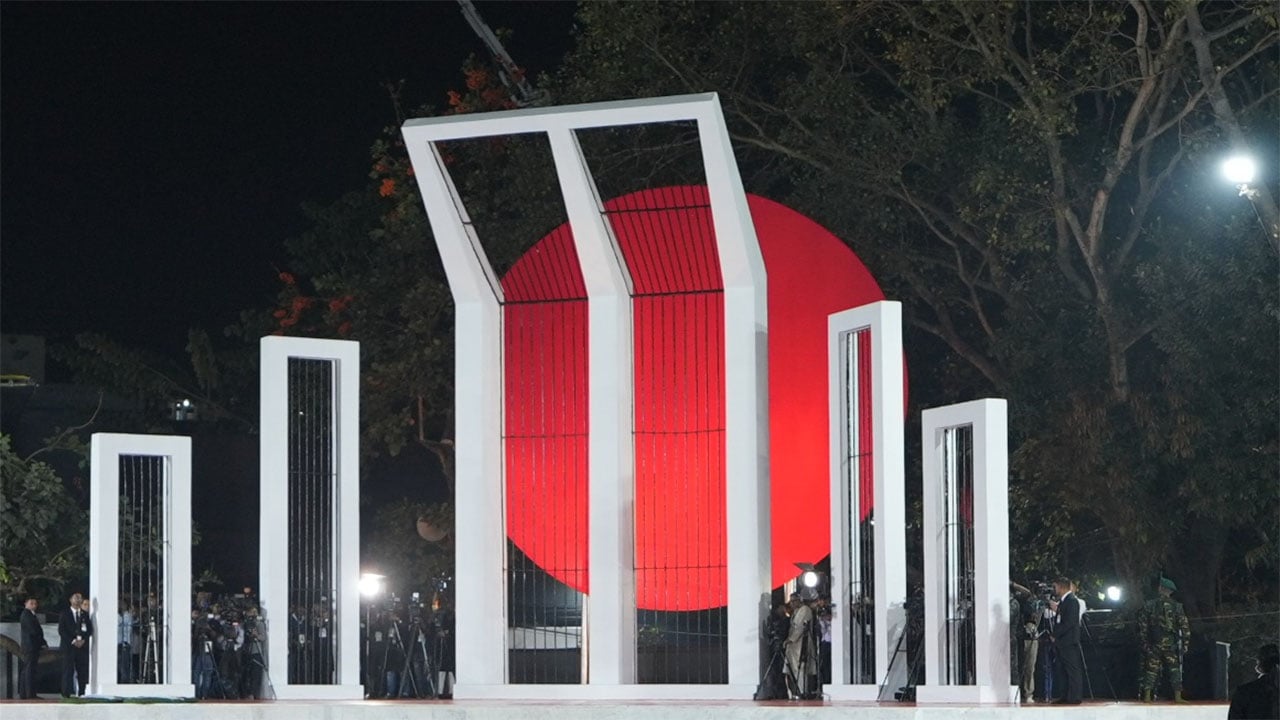
Bangladesh is observing International Mother Language Day today, February 21, 2026, commemorating the martyrs of the 1952 Language Movement who sacrificed their lives for the recognition of Bangla as a state language. The day’s events began at one minute past midnight with the laying of floral wreaths at the Central Shaheed Minar in Dhaka. President Md. Shahabuddin, Prime Minister Tarique Rahman, and Opposition Leader Dr. Shafiqul Rahman paid tribute to the language martyrs before the monument was opened to the public. This year’s UNESCO theme is “Youth Voices on Multilingual Education.” In his message marking the day, Prime Minister Tarique Rahman extended greetings to speakers of all languages worldwide and paid deep respect to the 1952 martyrs. He emphasized that democratic values, equality, and people’s rights were central to the spirit of the Language Movement and reaffirmed his government’s commitment to strengthening democracy. The observance recalls the 1952 protests in Dhaka, where police opened fire on demonstrators defying restrictions, leading to multiple deaths and ultimately securing Bangla’s status as a state language in 1956. UNESCO recognized February 21 as International Mother Language Day in 1999, and since 2000, it has been observed globally with Bangladesh at its center.
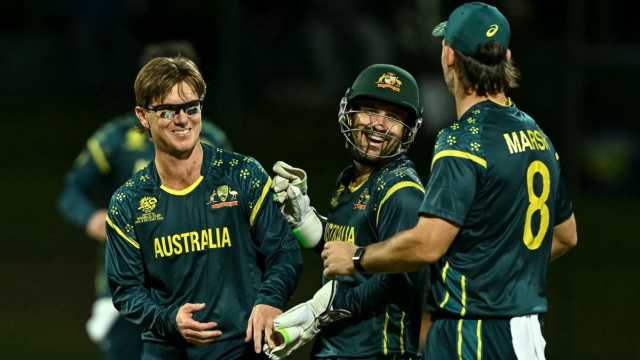
Australia concluded its T20 World Cup campaign with a dominant nine-wicket victory over Oman. Batting first, Oman were bowled out for just 104 runs in 16.2 overs, with Adam Zampa leading the attack by taking four wickets for 21 runs. In reply, Australia chased down the target in only 9.4 overs, finishing at 108 for 1. Captain Mitchell Marsh remained unbeaten on 64 off 33 balls, while Travis Head scored 32 from 19 deliveries before being dismissed just 13 runs short of the target. The win equalled the record for the fastest successful run chase in T20 World Cup history, matching England’s 9.4-over chase against the United States in the 2024 edition. Zampa’s bowling performance earned him the Player of the Match award, as Australia’s bowlers set up the victory with disciplined and aggressive spells. This result marked a strong finish for Australia in the tournament, highlighting their batting depth and bowling strength as they exited the competition on a high note.
The ‘1 Nojor’ media platform is now live in beta, inviting users to explore and provide feedback as we continue to refine the experience.