

The ‘1 Nojor’ media platform is now live in beta, inviting users to explore and provide feedback as we continue to refine the experience.
Opposition Chief Whip and National Citizens Party (NCP) convener Nahid Islam has warned that if the 'July Uprising Memorial Museum' is not reopened by August 5, the public will open it themselves. He made the statement on July 1 in Dhaka’s Rayerbazar after paying tribute at the mass grave of those killed in the July uprising. Nahid Islam said two years have passed since the July uprising, yet the government has not fulfilled the promise of justice for the July massacre or the vision of a reformed, discrimination-free democratic Bangladesh. He urged the government to prove its support for the uprising. The NCP leader announced a 36-day program beginning July 1 to commemorate the uprising, with events planned in Dhaka and across the country. He also paid tribute to the approximately 1,400 martyrs and 300 injured fighters of the July uprising, as well as students from various educational institutions who participated under the banner of the anti-discrimination student movement.

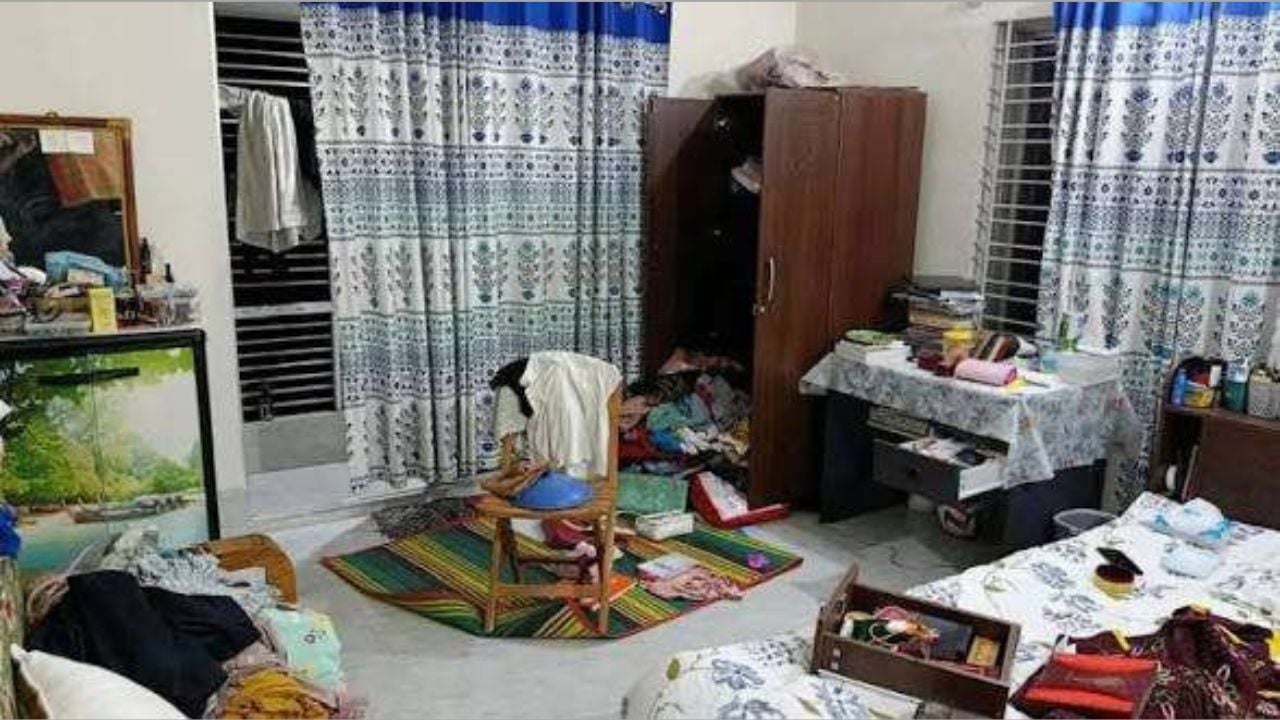
A daring burglary took place on Tuesday night at a rented apartment of two civil judges in the Amlapara area of Jamalpur municipality. According to the victims, the intruders cut through the window grill and stole around eight bhori of gold ornaments, a diamond ring, cash worth Tk 100,000, and other valuables. The victims, Civil Judge Ahmadul Kabir Sakil and his wife Civil Judge Nusrat Zerin Jenny, discovered the theft after returning home and finding the door locked from inside and the house ransacked. The couple had been living for seven months on the third floor of a three-storey building owned by Anwar Hossain. The building’s CCTV cameras were reportedly non-functional at the time of the incident. The owner suggested that the cameras might have been deliberately disabled before the burglary. Local residents expressed concern that such a bold theft could occur in the home of judges, questioning the effectiveness of urban security and surveillance systems. Police confirmed visiting the scene and said the case is under serious investigation. Legal action will follow upon receipt of a written complaint.
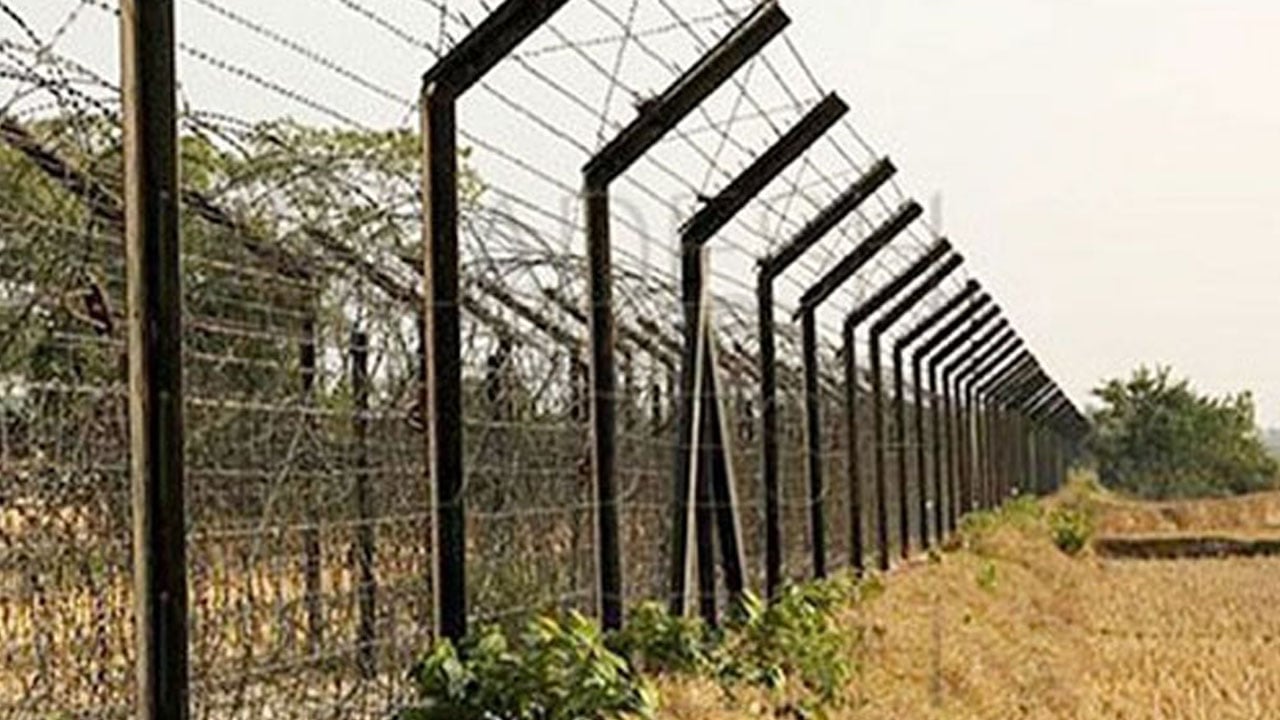
Police in Chauddagram, Cumilla, recovered the body of a woman named Rokeya Begum, aged 48, near the Indian border. The incident occurred after she went missing on Tuesday morning while collecting firewood and did not return home. Her body was later found near border pillar number 1413 by locals, who informed the Border Guard Bangladesh (BGB). Police retrieved the body following BGB’s report. According to local sources, Rokeya Begum had been suffering from mental health issues for a long time and occasionally begged from people. The discovery was confirmed by Officer-in-Charge Mohammad Arif Hossain, who stated that the body was taken to the police station for further investigation. BGB Subedar Morshed from the Jagannathdighi camp also confirmed that locals had first spotted the body and notified them. Police said the exact cause of death will be determined after an autopsy, and further details will be known following the investigation.
France captain Kylian Mbappé said his main goal is to lift the World Cup trophy on July 19 in New York, rather than chasing personal records. France secured their place in the last 16 with a 3–0 victory over Sweden, where Mbappé scored twice. His total of 18 World Cup goals is now just one short of Lionel Messi’s all-time record of 19. Despite matching Messi’s six goals in the current tournament, Mbappé emphasized that team success matters more than individual achievements. Speaking at a press conference, the Real Madrid forward said the team’s focus is on progressing as far as possible and returning to the same venue for the final. He downplayed the importance of goal records, noting that his attention is on upcoming opponents and reaching the final. France will face Paraguay next, a team that eliminated Germany in a tiebreaker. Mbappé acknowledged that improvements are still needed but expressed confidence in his squad’s ability to change the course of any match. If France defeat Paraguay, they will meet either host Canada or Morocco in the semifinals. Mbappé reiterated that the World Cup trophy means far more to him than the Golden Boot award.

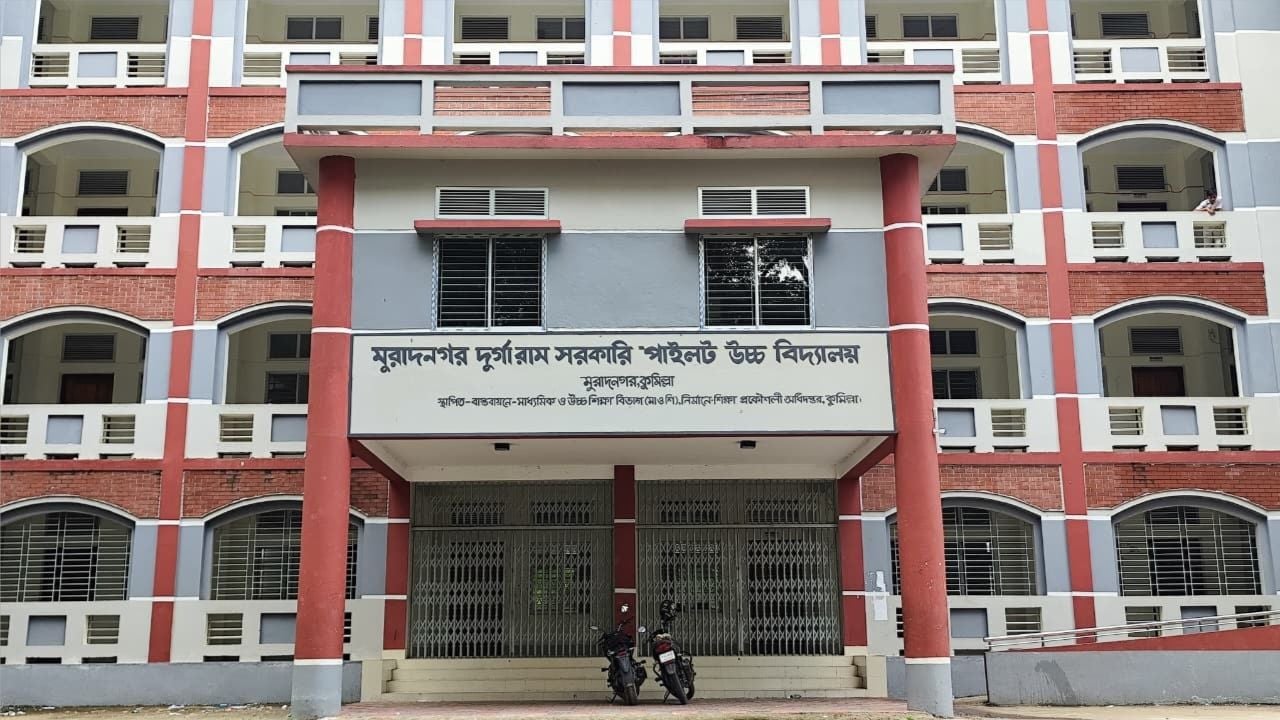
The historic Muradnagar DR Government Pilot High School in Cumilla, established in 1858 and the only government high school in Muradnagar, is facing an acute shortage of teachers and staff. Key teaching positions, including head teacher, assistant head teacher, and subject teachers for physics, biology, and ICT, remain vacant. Administrative posts such as office assistant, computer operator, peon, cleaner, and night guard are also unfilled, severely disrupting academic and administrative operations. According to school sources, the shortage has led to declining education quality and growing frustration among students, parents, and locals. The acting head teacher, Md. Moynal Hossain Sarkar, said the issue has been reported multiple times to higher authorities without effective action. Cumilla District Education Officer Rafiqul Islam confirmed the shortage and said efforts are underway to resolve it. Regional Deputy Director of Secondary and Higher Education, Mohammad Ariful Islam, stated that official applications would be recommended for prompt recruitment. Local residents have urged authorities to fill all vacant positions quickly to restore the school’s long-standing educational legacy and reputation.
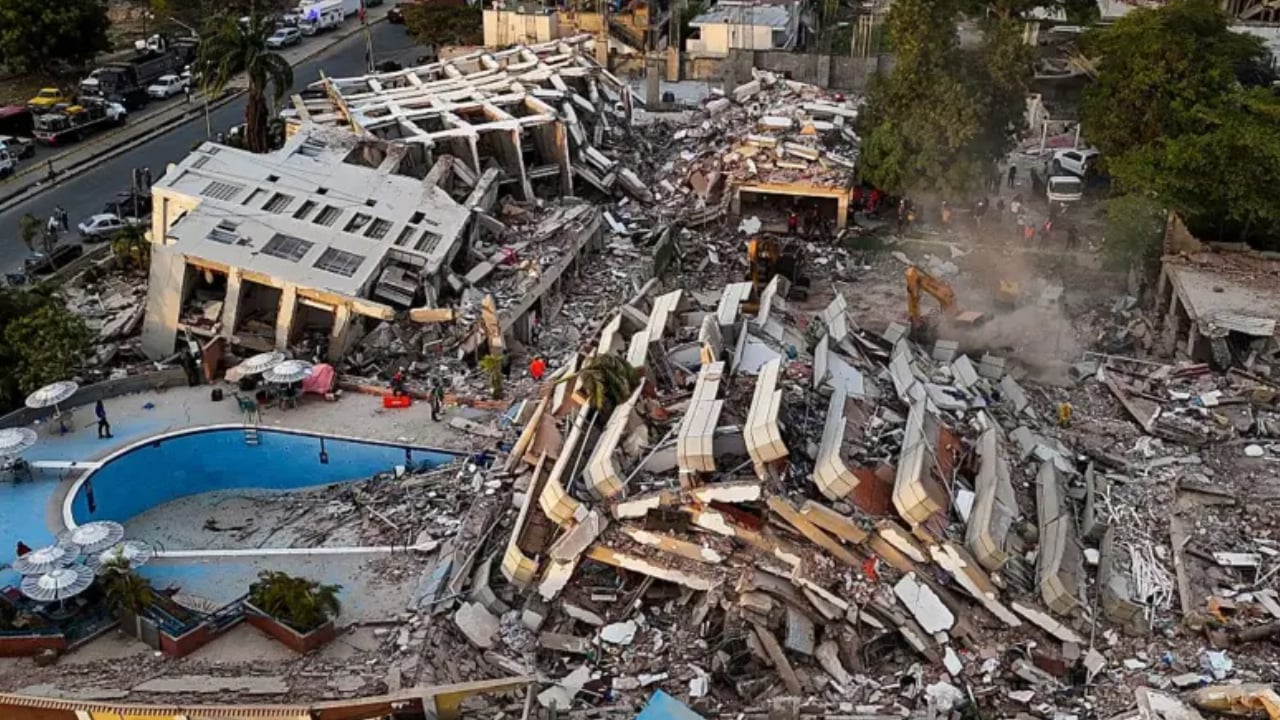
A three-year-old child was rescued alive from the rubble six days after a devastating earthquake struck Venezuela, according to a Jordanian rescue team. Video footage showed rescuers celebrating as they pulled the child, identified as Clieber Moran, from debris in La Guaira state. Interim President Delcy Rodríguez described the rescue as a moment of hope. The child received initial medical treatment and was later transferred to a hospital in Caracas, where his condition is reported stable. The United Nations has warned that thousands in Venezuela urgently need food and shelter following the twin earthquakes measuring 7.2 and 7.5 magnitude last week. The disaster has killed 1,943 people, injured more than 10,000, and left thousands missing. NASA’s preliminary satellite data indicated that about 58,870 buildings were damaged or destroyed. La Guaira remains one of the hardest-hit areas, where locals are conducting their own rescue efforts amid severe shortages and collapsed infrastructure, according to the UN refugee agency UNHCR.
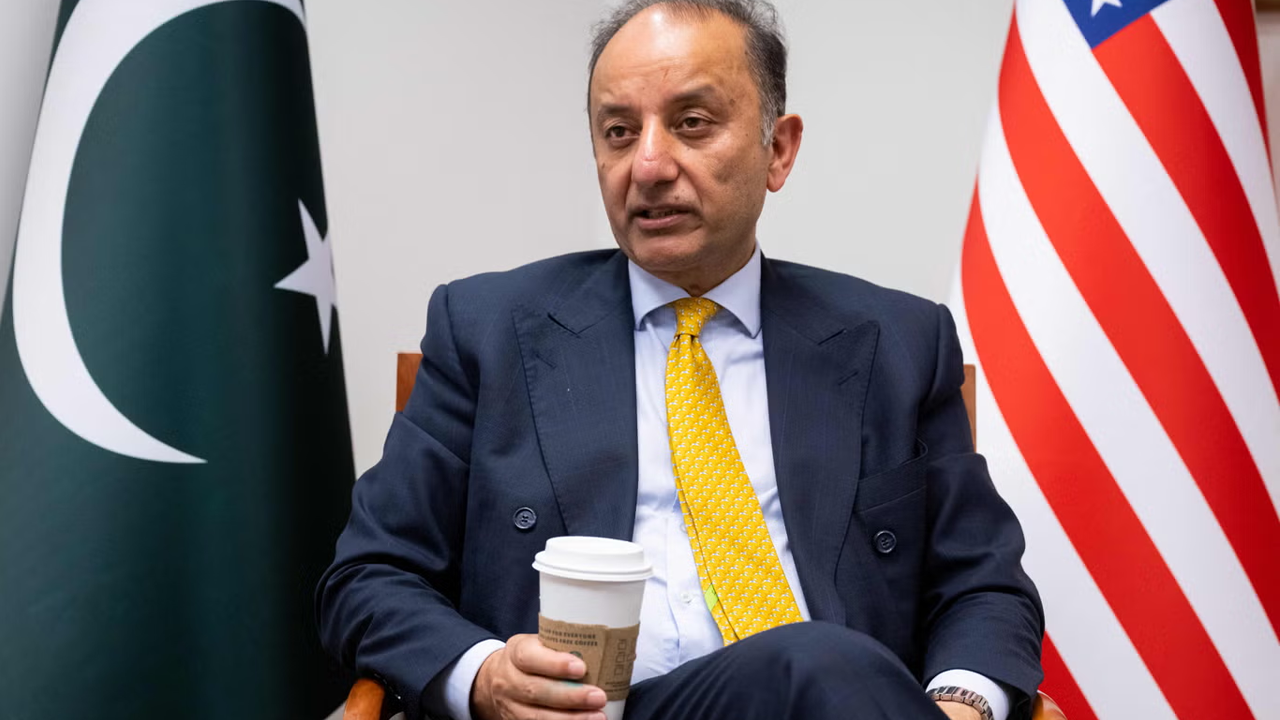
Pakistan’s Climate Change Minister Musadik Malik warned that any attempt by India to block or control Pakistan’s share of water under the Indus Waters Treaty would face severe retaliation. Speaking at a press conference on Tuesday, Malik said that Pakistan would not tolerate interference with its water rights, responding to recent remarks by India’s Water Resources Minister C.R. Patil, who claimed India was ensuring no water flowed to Pakistan after suspending the 1960 treaty. The Indus Waters Treaty, brokered by the World Bank in 1960, allocates six rivers between the two countries—three western rivers to Pakistan and three eastern rivers to India. India suspended the treaty following a deadly attack in Kashmir last year, which brought the two nations close to war. Pakistan argues that India is using water as a political weapon and warns that altering cross-border river flows would be considered an act of war. Pakistan hosted an international conference on Tuesday to discuss water rights, with experts examining the treaty’s legal basis, regional security, and conflict prevention.
Rainfall began in Dhaka and surrounding areas around noon on Wednesday, July 1, 2026, following a cloudy morning. The Bangladesh Meteorological Department reported that the temperature in the capital dropped after the rain, with 27.2 degrees Celsius recorded at 6 a.m. and humidity at 93 percent. The city received 3 millimeters of rain in the previous 24 hours. According to the department’s forecast, partial to heavy cloud cover and intermittent rain or thundershowers are expected across Dhaka and nearby regions. Winds from the south and southeast may blow at 10 to 15 kilometers per hour. Light to moderate rain with gusty winds and lightning is likely in several divisions, including Chattogram, Sylhet, Rangpur, Rajshahi, Mymensingh, Khulna, and Barishal. Some areas could experience moderate to heavy rainfall. The forecast indicates that rainfall may intensify across the country through Saturday, July 4, particularly in Dhaka, Mymensingh, Khulna, Rajshahi, Barishal, Chattogram, and Sylhet divisions, while temperatures are expected to slightly decrease during the day and remain nearly unchanged at night.

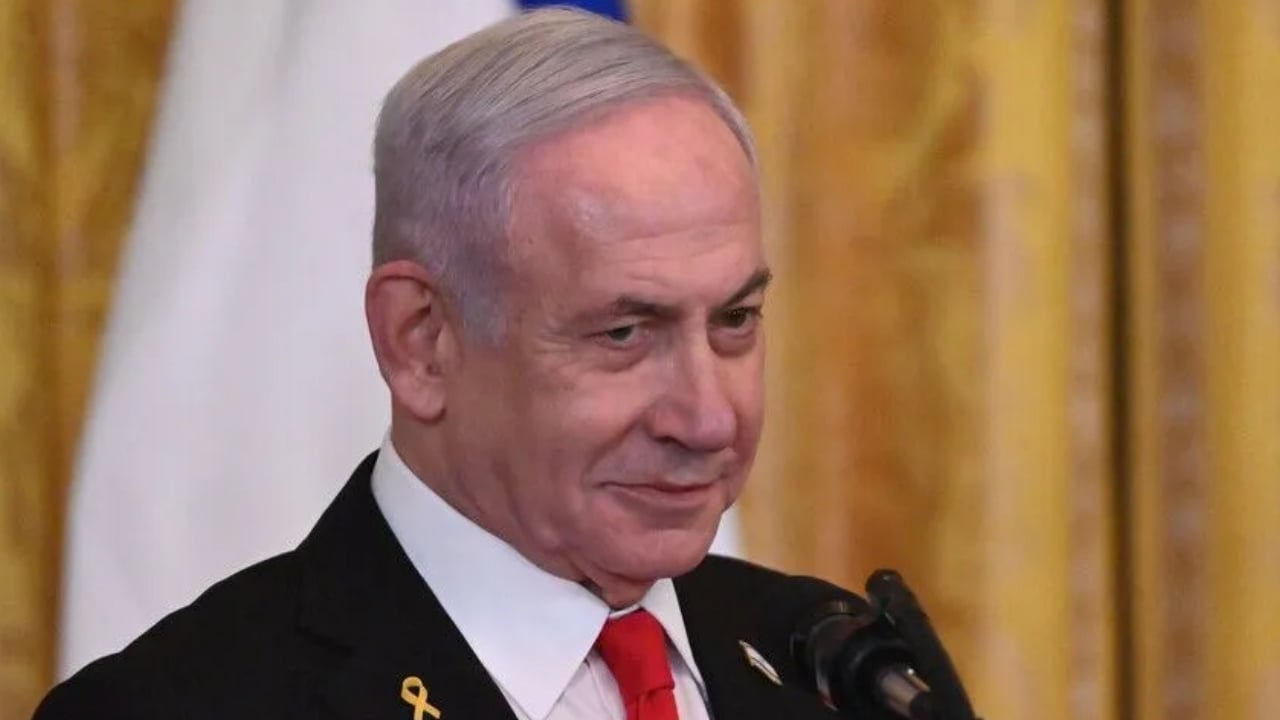
Israeli Prime Minister Benjamin Netanyahu has again threatened to launch attacks on Iran, declaring that Tehran must never possess nuclear weapons. He made the remarks during an interview with Israel’s Channel 14, according to a report published on July 1, 2026. Netanyahu’s warning came shortly after a memorandum of understanding between Washington and Tehran took effect on June 18, mediated by Pakistan. Iranian President Masoud Pezeshkian and US President Donald Trump electronically signed the agreement, which outlines steps to end hostilities and resolve outstanding issues through dialogue. The memorandum includes provisions for a ceasefire, lifting of sanctions, reopening of the Strait of Hormuz, and establishing a broader regional security framework. Israel has consistently opposed any agreements with Tehran and has now reiterated its readiness to strike Iran again, underscoring its rejection of the new diplomatic initiative.
Prime Minister Tarique Rahman has initiated a new phase of Bangladesh’s independent foreign policy through his first official visits to Malaysia and China. The visits resulted in a Dhaka–Beijing joint declaration and several memoranda of understanding, marking what the article describes as a revival of the independent diplomatic path once shaped by former president Ziaur Rahman. The agreements include cooperation on defense, the Teesta project, the Belt and Road Initiative, and the Bangladesh–Myanmar–China economic corridor, alongside Bangladesh’s reaffirmation of the One China policy. The report portrays the visits as a strategic move to strengthen Bangladesh’s sovereignty and reduce Indian influence, following the fall of Sheikh Hasina’s government in the July 24 revolution. It claims that India and the United States have expressed concern over Bangladesh’s growing ties with China, particularly regarding defense and economic cooperation. The article also references past efforts under Khaleda Zia’s “Look East” policy and suggests that the new government aims to revive regional connectivity through Chinese-backed initiatives. According to the article, the Dhaka–Beijing partnership could elevate Bangladesh’s regional role and open new opportunities for trade and strategic collaboration if implemented effectively.

Inspector General of Police (IGP) Md. Ali Hossain Fakir announced that four police stations and six investigation centers will be established under the Purbachal New Town Project. He made the statement on Wednesday morning while inaugurating the newly built Borkau Police Camp in the project area. According to the IGP, the initiative aims to strengthen law and order in Purbachal under the jurisdiction of the Dhaka Metropolitan Police (DMP). The plan includes four police stations, six investigation centers, two police lines, three deputy commissioner offices, and 41 police boxes. Out of 29.21 acres of land allocated for police facilities, registration for 18.63 acres has already been completed. He further mentioned that there are plans to bring Purbachal under DMP’s authority as a separate division led by an additional police commissioner, with a proposed manpower of about 6,524 personnel.

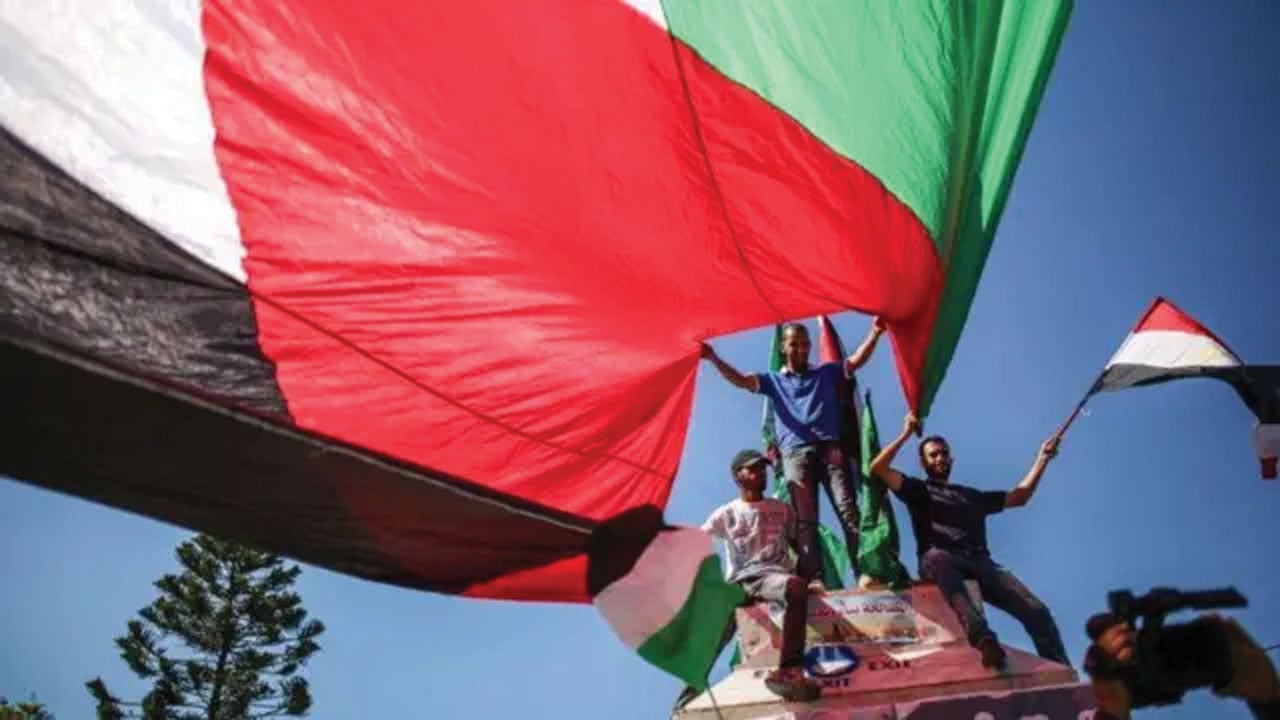
An article published on July 1, 2026, examines the historical and ongoing role of Palestinian elites in suppressing popular resistance movements. It argues that from the early 20th century to the present, sections of the Palestinian upper class have collaborated with colonial powers, Zionist settlers, and later with the Palestinian Authority (PA) under Mahmoud Abbas to weaken grassroots resistance. The piece traces this pattern from the British Mandate period, when elite families in Jerusalem and Jaffa sided with colonial administrators, to the current PA’s alleged cooperation with Israeli forces in the West Bank. The article recounts how early resistance movements led by farmers, workers, and middle-class intellectuals, such as the 1932 Independence Party, faced repression from both British authorities and elite Palestinian factions. It draws parallels between the suppression of the 1930s anti-colonial uprisings and the 2007 events involving the PA, Israel, and the United States. The author concludes that despite a century of elite collaboration, popular support among ordinary Palestinians continues to favor resistance movements. The report situates these developments amid ongoing Israeli military actions in Gaza, the West Bank, and Lebanon, portraying them as part of a long struggle between popular resistance and elite complicity.
A strong earthquake measuring 6.0 on the Richter scale struck parts of Mexico’s Baja California Peninsula on Tuesday. According to the U.S. Geological Survey, the quake occurred at 12:45 p.m. local time in the Gulf of California, with its epicenter located south and southwest of El Progreso. The tremor originated about six miles below the surface. No immediate reports of casualties or major damage were received. Light shaking was felt in the cities of Los Mochis and Culiacán in Sinaloa state. The report noted that earthquake activity has recently increased worldwide. In Venezuela, two powerful quakes measuring 7.2 and 7.5 struck within 39 seconds of each other, a phenomenon known as a “doublet.” The U.S. Geological Survey also recorded 93 earthquakes of magnitude 4.5 or higher globally between June 19 and June 26, suggesting heightened seismic activity. During the same period, a moderate 5.6 magnitude earthquake was recorded near Redwood Valley in Northern California, with its epicenter in Mendocino County about five miles underground.

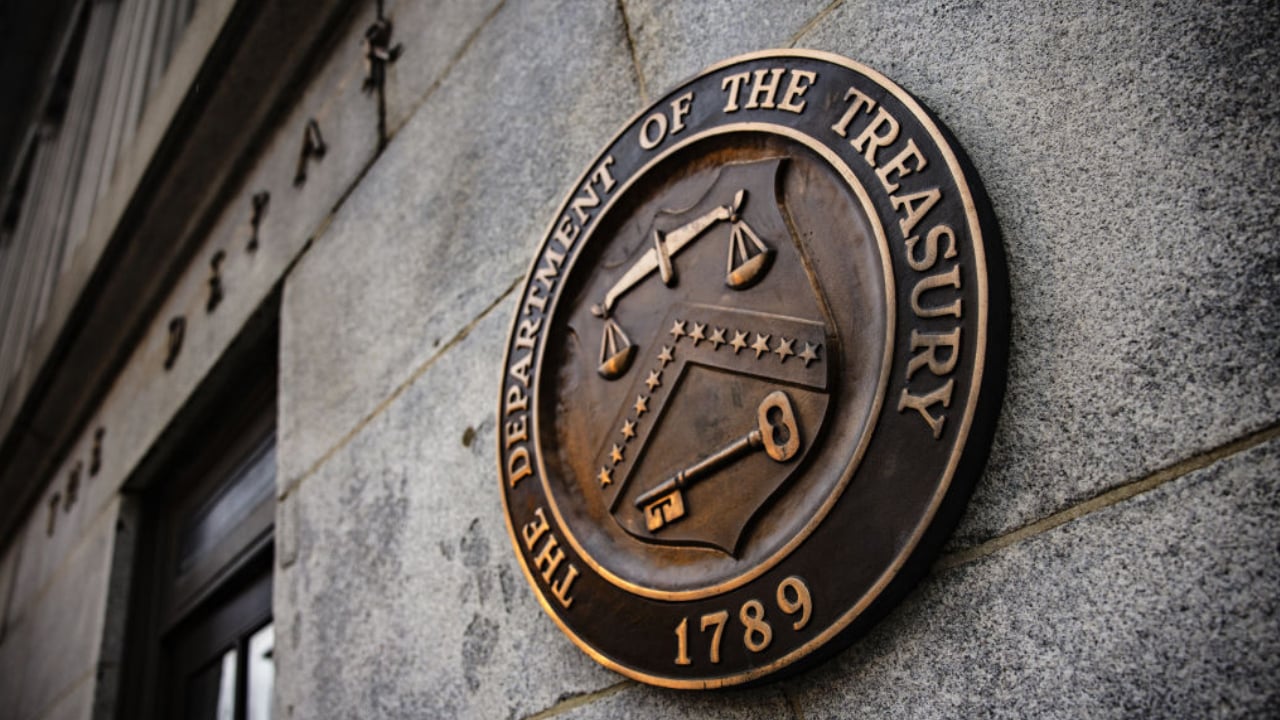
The United States and several Gulf countries have imposed sanctions on financial institutions and individuals linked to Hezbollah. According to the US Treasury Department, the sanctions target 16 individuals and five entities, including Al-Qard al-Hassan, Bayt al-Mal, and their top leaders. Al-Qard al-Hassan is described as a nonprofit financial organization that provides interest-free loans and operates under Hezbollah’s network of charitable entities, which also includes schools, hospitals, and low-cost grocery stores. The sanctions were issued through the Terrorist Financing Targeting Center, a coalition formed in May 2017 during former President Donald Trump’s first term. The center includes Bahrain, Kuwait, Oman, Saudi Arabia, the United Arab Emirates, and Qatar. The move reflects continued coordination between the United States and its Gulf partners to disrupt financial networks associated with Hezbollah. The announcement underscores ongoing efforts to curb Hezbollah’s financial operations across the region, though the immediate impact of the sanctions was not detailed in the report.
A tile worker named Sagar, aged 32, died while undergoing treatment at Dhaka Medical College Hospital after being stabbed in Lakshmipur’s Raipur municipality. The incident occurred on June 12 near the riverbank of Hall Road, where Sagar was attacked with a sharp weapon during an altercation over drug sales. He was initially taken to Raipur Upazila Health Complex and later transferred to Dhaka as his condition worsened. He died on Tuesday night at around 10:30 p.m. in the hospital’s ICU. Sagar, originally from Ketuya in Chandpur Sadar, had been living in a rented house near Halima Madrasa in Raipur’s Ward 3, working as a tile mason. Locals and family members said that Nurul Amin, 45, from Denayetpur area, was accused in the stabbing and was detained by residents at the scene. Seventeen days after the incident, Sagar’s mother-in-law filed a case with Raipur Police Station, leading to the suspect’s arrest and imprisonment. Raipur Police Station’s officer-in-charge Shahin Mia said the case would be updated following the post-mortem report and necessary legal procedures.
The ‘1 Nojor’ media platform is now live in beta, inviting users to explore and provide feedback as we continue to refine the experience.