

The ‘1 Nojor’ media platform is now live in beta, inviting users to explore and provide feedback as we continue to refine the experience.
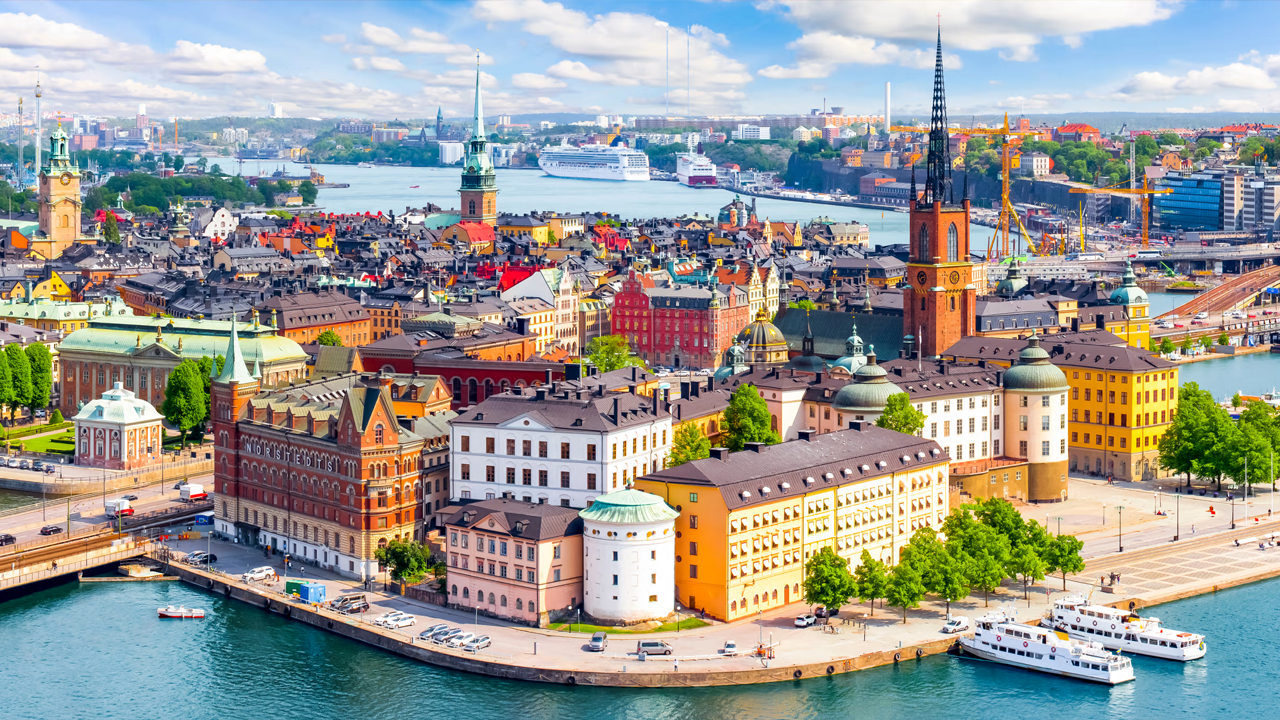
The Swedish government has announced plans to tighten its citizenship requirements, with new rules expected to take effect from June 6 if approved by parliament, according to AFP. Under the proposed regulations, applicants will need to live in Sweden for at least eight years instead of the current five. They must also meet a minimum monthly income of 20,000 Swedish kronor and pass a test on Swedish language, society, and culture. Those with criminal records in Sweden or abroad will face longer waiting periods before applying for citizenship. The move follows a series of stricter immigration policies introduced since the 2015 refugee crisis, when around 160,000 people sought asylum in Sweden. The current minority coalition government believes a tougher stance on immigration could help gain voter support in the upcoming parliamentary elections in September. Immigration Minister Johan Forssell said the new conditions are significantly stricter than before, noting that citizenship requirements had previously been relatively lenient. The anti-immigration Sweden Democrats have argued that long-standing failures in immigration policy have contributed to a rise in gang-related crime. Last week, the government also announced plans to tighten rules for asylum seekers.
The Bangladesh Election Commission (EC) has launched a mobile application named ‘Smart Election Management BD’ ahead of the 13th parliamentary election scheduled for February 12, 2026. The app, available on Google Play Store and Apple App Store, allows voters to access detailed information about their polling centers by entering their national ID number and date of birth. Users can view the name, number, and location of their designated polling centers, along with geo-location, building photos, distance, and maps. According to the EC, the initiative aims to reduce voter harassment and make election-related information more accessible. The app also provides data on registered political parties, candidate affidavits, election guidelines, and results. It is expected to particularly assist urban voters and new voters who often face confusion about their polling centers due to frequent changes between local and national elections. The 13th parliamentary election will be held on February 12 from 7:30 a.m. to 4:30 p.m., and the new app is intended to ensure smoother voter participation on election day.

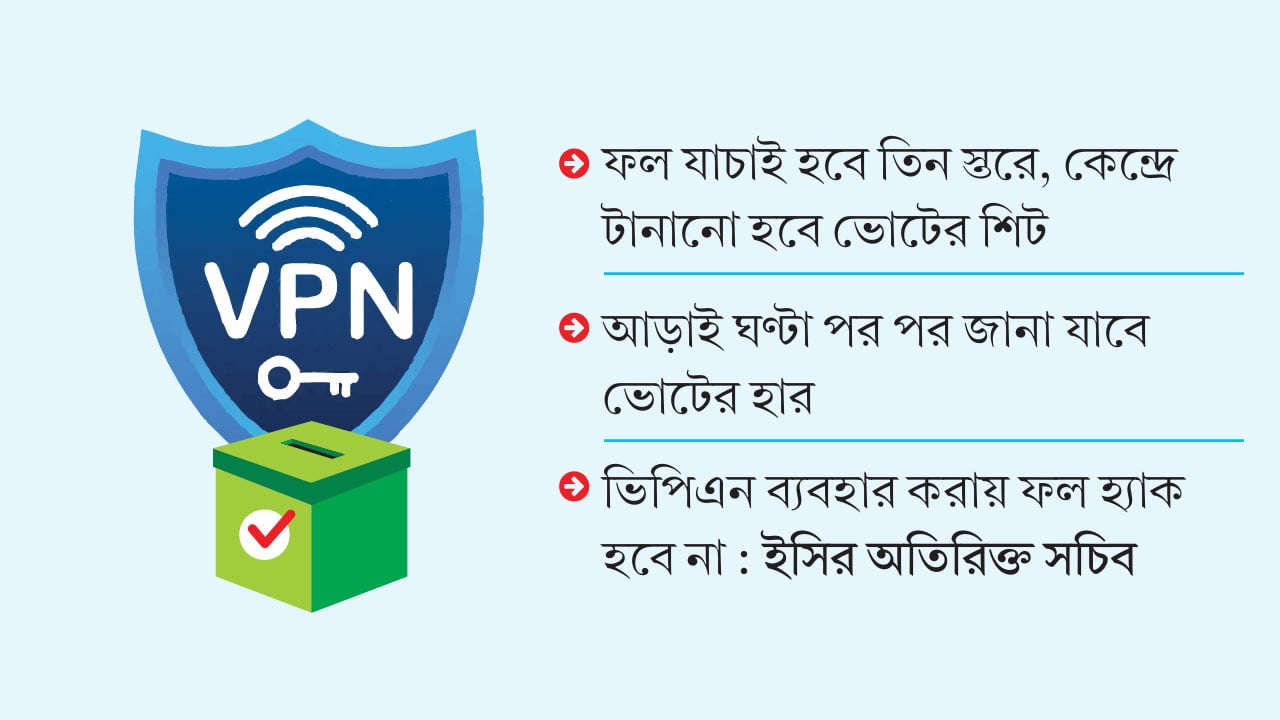
The Bangladesh Election Commission (EC) has implemented a strict digital security system for announcing results of the upcoming parliamentary election. Officials said final results will be declared only after a three-stage verification process. The EC has set up large digital monitoring screens, 87 media booths, and a closed network without internet access at its headquarters. Data will be transmitted through a secure VPN-based Election Management System (EMS) and its Result Management System (RMS) module, ensuring no direct online connection. According to EC officials, presiding officers will send scanned copies of results to assistant returning officers, who will verify and forward them to returning officers. A central three-member team led by Additional Secretary K.M. Ali Newaz will oversee the final announcement. The EC claims the system is technically secure and immune to hacking due to its closed-loop design. However, election analysts and civil society representatives have questioned the transparency and auditability of the internal system. Dr. Badiul Alam Majumdar of Shushashoner Jonno Nagorik (SUJAN) criticized the EC’s decision to collect results through returning officers instead of directly from polling centers, calling it a move that could undermine public trust.
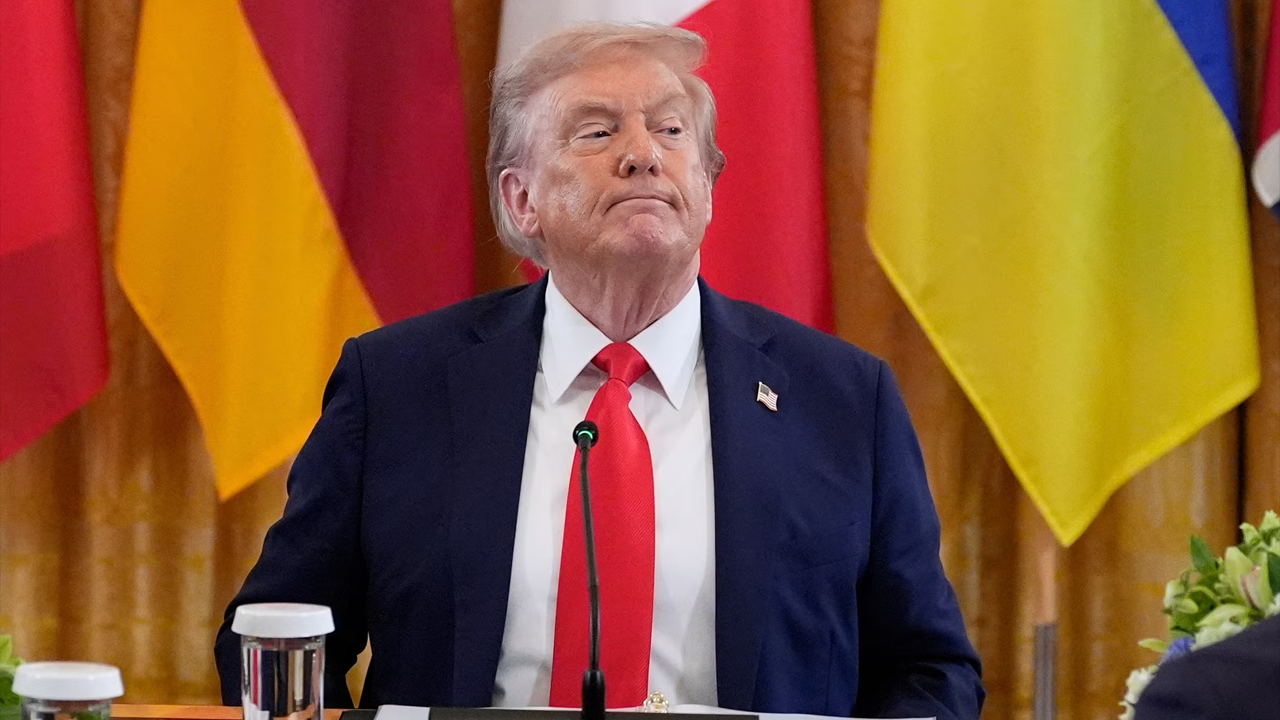
US President Donald Trump has again made controversial remarks about his country’s election system, alleging regular fraud and vote theft. In a post on his social media platform Truth Social on Sunday, he called for the implementation of a proposed 'Save America Act' to reform the voting process. Trump warned that without such reforms, the nation would be at risk and urged Republican Party members to unite on the issue. According to Axios, Trump has asked Congress to pass new legislation introducing three strict measures. These include mandatory voter identification during voting, in-person registration with proof of US citizenship, and a complete ban on mail-in ballots except for cases involving illness, disability, military service, or travel. He argued that the current system has become a global embarrassment for the United States. The call for reform comes ahead of the US congressional midterm elections scheduled for November 3 this year.
The United States Navy has seized a large oil tanker named ‘Aquila 2’ in the Indian Ocean for allegedly transporting Venezuelan oil to China in violation of sanctions imposed by President Donald Trump. According to Al Jazeera, the vessel was en route from Venezuela to a Chinese port when it was intercepted. US Defense Secretary Pete Hegseth confirmed the operation in a post on social media platform X on Monday, February 9, stating that the Navy had been monitoring the ship since it left the Caribbean Sea. Hegseth said the Defense Department strictly enforces any sanctions or quarantines it issues, adding that the ‘Aquila 2’ was seized after an overnight operation in the Indian Ocean. He noted that the tanker had continued its journey despite restrictions on Venezuelan vessels under Trump’s sanctions. The defense secretary emphasized that no one could evade US defense systems by air, land, or sea and warned that the Pentagon would take a firm stance against those violating international maritime laws. Hegseth further stated that the United States would maintain a strict and negative approach toward any misuse of rights in global maritime zones.

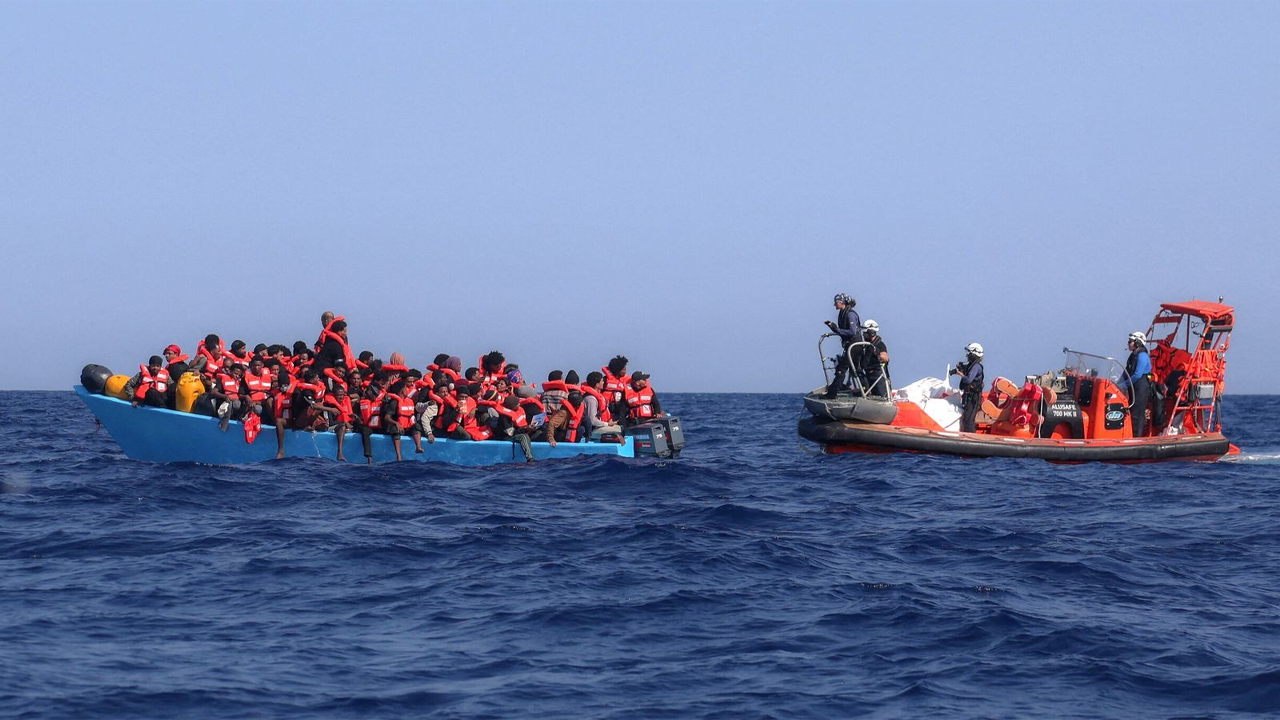
At least 53 migrants, including two children, died when a rubber boat capsized off the coast of Libya, according to the International Organization for Migration (IOM). The incident occurred after the vessel, carrying 55 people, began taking on water about six hours after departing from the coastal city of Al-Zawiya. Only two Nigerian women survived and were rescued by Libyan authorities on Friday. The IOM reported that the boat carried migrants and refugees from various African countries. One survivor lost her husband, while the other lost her two children. Both received emergency medical assistance. The organization added that nearly 500 migrants have died or gone missing this year while attempting to cross the Mediterranean from Libya. Since the fall of Muammar Gaddafi in 2011, Libya has become a major departure point for migrants from sub-Saharan Africa seeking to reach Europe. The IOM also noted that at least 375 migrants died or went missing in the central Mediterranean in January alone, with the actual number likely higher.
The Department of Information has established a media center at Hotel Intercontinental in Dhaka to assist foreign journalists and media professionals visiting Bangladesh for the 2026 referendum and the thirteenth parliamentary election. According to an official release, the center will provide information and logistical support to international reporters covering the events. The media center will operate from February 9 to February 13. In addition to the physical facilities, two hotline services have been launched to help foreign journalists obtain election-related information. The hotline numbers are 48322344 and 48322435. The initiative aims to facilitate professional work and ensure smooth access to official information for visiting media representatives during the election period. The establishment of the media center and hotlines reflects the government’s effort to support transparent and organized media coverage of the upcoming national events.

The Election Commission (EC) of Bangladesh has directed that reports on voter turnout and law and order be sent every two hours on polling day for the upcoming parliamentary election and referendum. The directive, issued Monday by Senior Assistant Secretary Md. Shahidul Islam, states that the process will begin at 7:30 a.m. and continue until unofficial results are received. Returning officers must report on the election environment, law and order, and submit vote count summaries from presiding officers. According to the circular, the Election Management System (EMS) software will be used to ensure faster and more accurate result transmission. Assistant returning officers will appoint two data entry operators per center to scan and upload results using Form-16. Even if no postal votes are received, results must record a zero entry, and final results must integrate postal votes into Form-18. The EC instructed that all consolidated result summaries (Form-18) and election returns (Form-19) be submitted in both hard and soft copies by February 13. Final result sheets must bear the returning officer’s signature and be uploaded to the Result Management System (RMS).

The Election Commission of Bangladesh has prohibited voters and others from carrying mobile phones or electronic devices inside secret voting booths. Senior Secretary Akhtar Ahmed announced that while voters, candidates, their agents, journalists, and election observers may bring mobile phones into polling centers and general voting areas, no one will be allowed to enter the secret room where stamping occurs with such devices. The clarification follows earlier confusion after a commissioner had said there was no restriction on bringing phones to polling centers. Ahmed explained that the revised circular aims to remove any ambiguity from previous instructions. He added that polling agents, polling officers, assistant presiding officers, and members of law enforcement will not be permitted to keep mobile phones while on duty inside centers. The commission also withdrew its earlier restriction that barred journalists and observers from carrying phones into polling centers after reconsideration. The updated directive is intended to ensure transparency and maintain the secrecy of the ballot while allowing limited use of mobile phones for observation and reporting purposes.
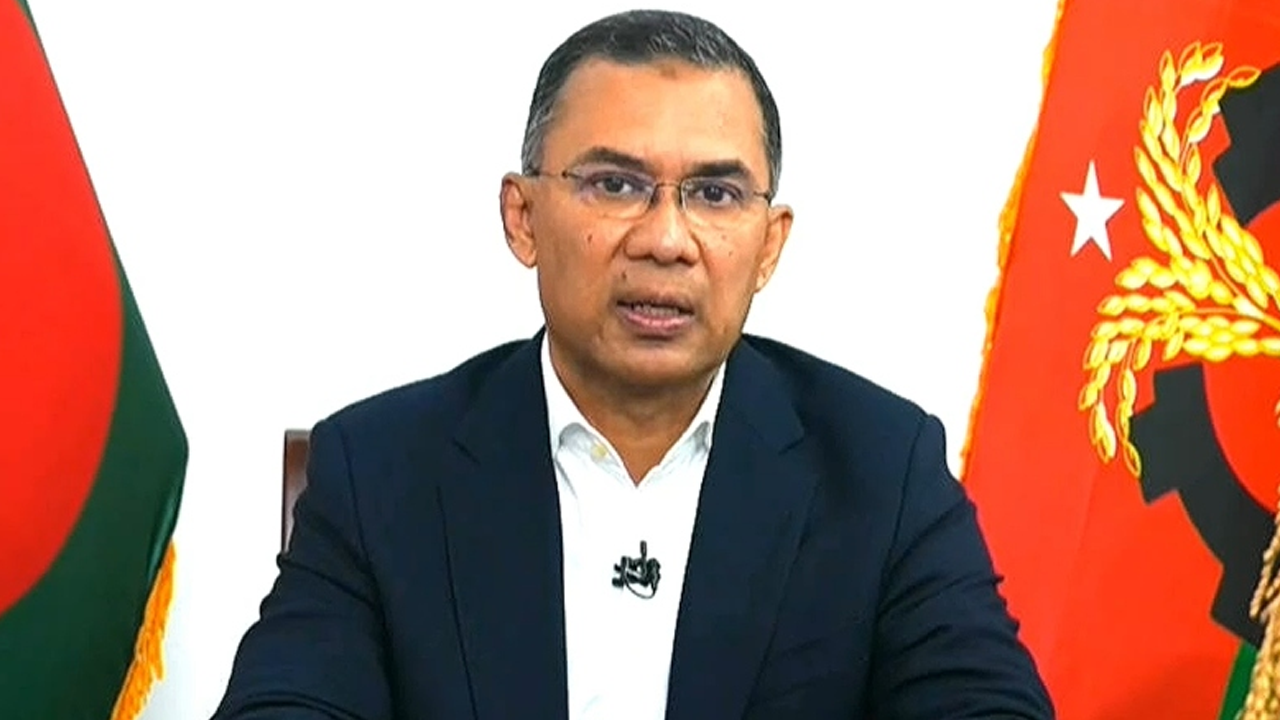
Bangladesh Nationalist Party (BNP) Chairperson Tarique Rahman announced that his party would enforce a zero-tolerance policy against corruption if it forms the next government. In a televised address to the nation on Bangladesh Television on Monday evening, ahead of the February 12 parliamentary election, he said the BNP aims to build a governance system where the state stands above individuals or parties. He emphasized accountability, rule of law, and reconstruction of the state after what he described as 15–16 years of authoritarian rule. Rahman outlined four key priorities: reform and change, economic and social security, voting and democratic rights, and addressing youth unemployment. He promised one million new jobs through technical and vocational training, free skills development programs, and expanded employment opportunities at home and abroad. He also pledged to recruit 100,000 health workers nationwide to improve public services and ensure equal treatment for all citizens regardless of religion or background. Calling for peaceful participation in the upcoming election, Rahman urged citizens not to respond to provocations and to honor the sacrifices of those who fought for democracy by exercising their right to vote.
Pakistan has decided to play its scheduled T20 World Cup match against India on February 15, reversing an earlier boycott decision. The move follows a telephone conversation between Pakistan’s Prime Minister Shehbaz Sharif and Sri Lankan President Anura Kumara Dissanayake, who urged Pakistan to reconsider. Pakistan had previously announced a boycott in solidarity with Bangladesh, protesting what it said was India’s influence over the International Cricket Council’s decision to exclude Bangladesh from the tournament. Geo TV reported that the discussion between the two leaders was positive, with Sri Lanka proposing that the match be hosted in Sri Lanka. Both leaders highlighted the historic friendship between their nations and mutual support during difficult times. Meanwhile, the ICC confirmed that the Bangladesh Cricket Board would face no sanctions over its absence from the World Cup and reaffirmed Bangladesh’s importance as a full member. The ICC also announced that Bangladesh will host an ICC event before the 2031 Men’s Cricket World Cup, reinforcing its confidence in Bangladesh’s hosting capabilities and commitment to cricket development across member nations.

Sports journalists boycotted the final of the Adommo Bangladesh T20 Cup after the Bangladesh Cricket Board (BCB) failed to issue an apology within the deadline set by the journalists. The dispute began when a photo taken during the tournament’s opening day, showing BCB officials in the President’s Box, circulated on social media. The BCB sent a warning letter to photojournalist Tanvin Tamim for taking the picture, and later BCB vice-president Faruk Ahmed claimed the image was created using artificial intelligence. The controversy deepened after the photo, originally published in an English daily on February 6, showed Faruk Ahmed pointing at BCB director M Nazmul Islam while another director, Khaled Mashud Pilot, stood nearby. In protest of the warning and the AI claim, sports journalists demanded an apology from the BCB and staged a demonstration before the final match at the BCB premises. When the BCB did not apologize within the specified time, the journalists collectively boycotted coverage of the final match, marking a rare protest in Bangladesh’s sports media community.

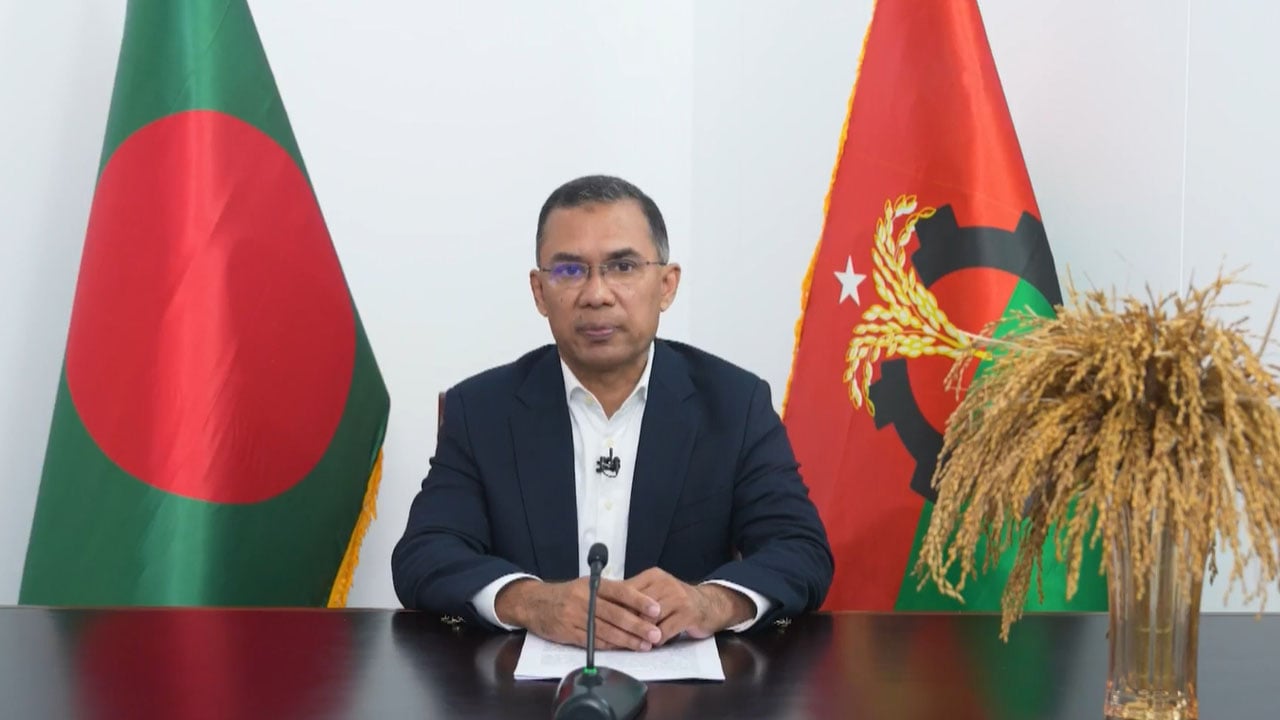
BNP Chairperson Tarique Rahman has called for building a Bangladesh that fulfills the aspirations of the martyrs. He said the sacrifices of those who shed blood for the country must not go in vain. Rahman made the remarks on Monday in a televised address to the nation ahead of the upcoming 13th National Parliamentary Election. The address followed earlier televised speeches by NCP Convener Nahid Islam and Islami Andolan Bangladesh Amir Mufti Syed Muhammad Rezaul Karim (Charmonai Pir) on Sunday. According to official data, the 13th election will include a total of 127,711,793 registered voters, comprising 64,825,361 men, 62,885,200 women, and 1,232 third-gender voters. The speeches mark a series of national addresses by political leaders as the country prepares for the election, reflecting calls for unity and commitment to the ideals of those who contributed to Bangladesh’s independence.
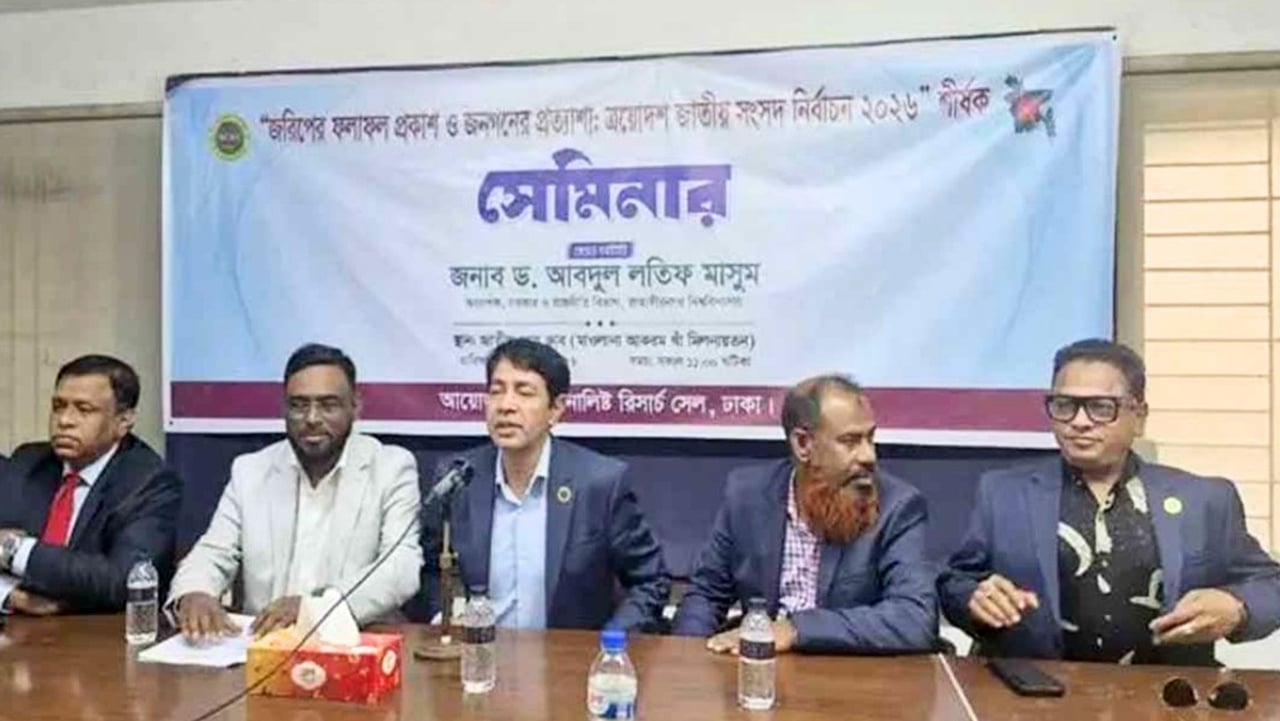
A survey by the Dhaka University alumni organization ‘Nationalist Research Cell’ has predicted that the Bangladesh Nationalist Party (BNP) could win 220 seats and Bangladesh Jamaat-e-Islami 57 seats in the upcoming 13th national election. The findings were presented on Monday at a seminar held at the National Press Club. The survey involved 10 former Dhaka University students and five PhD researchers, with the organization’s vice president Abdur Rahim Tuhin and Dr. Gazi Mizanur Rahman among those present. According to the organization, 300 people were surveyed. Among respondents, 77 percent expressed support for BNP, 16 percent for Jamaat-e-Islami, 3 percent for NCP, 2 percent for Jatiya Party, and 1 percent for other parties, while 1 percent declined to comment. On a separate referendum question regarding reforms, 49 percent said they were undecided, 30 percent supported “yes,” and 21 percent supported “no.” Additionally, 99 percent said they were satisfied with the electoral environment in their constituencies. The survey further projected that NCP may win 2 seats, Jatiya Party 5, independents 12, and other parties 4 seats.
BNP Chairperson Tarique Rahman delivered a national address on Monday, February 9, 2026, ahead of Bangladesh’s upcoming 13th National Parliamentary Election. The speech was broadcast live on Bangladesh Television (BTV) starting at 7:15 p.m. The address comes as part of a series of televised messages by political leaders before the election. Earlier, on Sunday, BTV aired speeches by Nahid Islam, convener of the Nationalist Citizens’ Party (NCP), and Mufti Syed Muhammad Rezaul Karim, the Amir of Islami Andolan Bangladesh, also known as the Charmonai Pir. The Election Commission has reported a total of 127,711,793 registered voters for the 13th election, including 64,825,361 men, 62,885,200 women, and 1,232 third-gender voters. The televised addresses mark a key phase in the pre-election period, as major political figures outline their visions and appeal to voters nationwide through state media.
The ‘1 Nojor’ media platform is now live in beta, inviting users to explore and provide feedback as we continue to refine the experience.