

The ‘1 Nojor’ media platform is now live in beta, inviting users to explore and provide feedback as we continue to refine the experience.
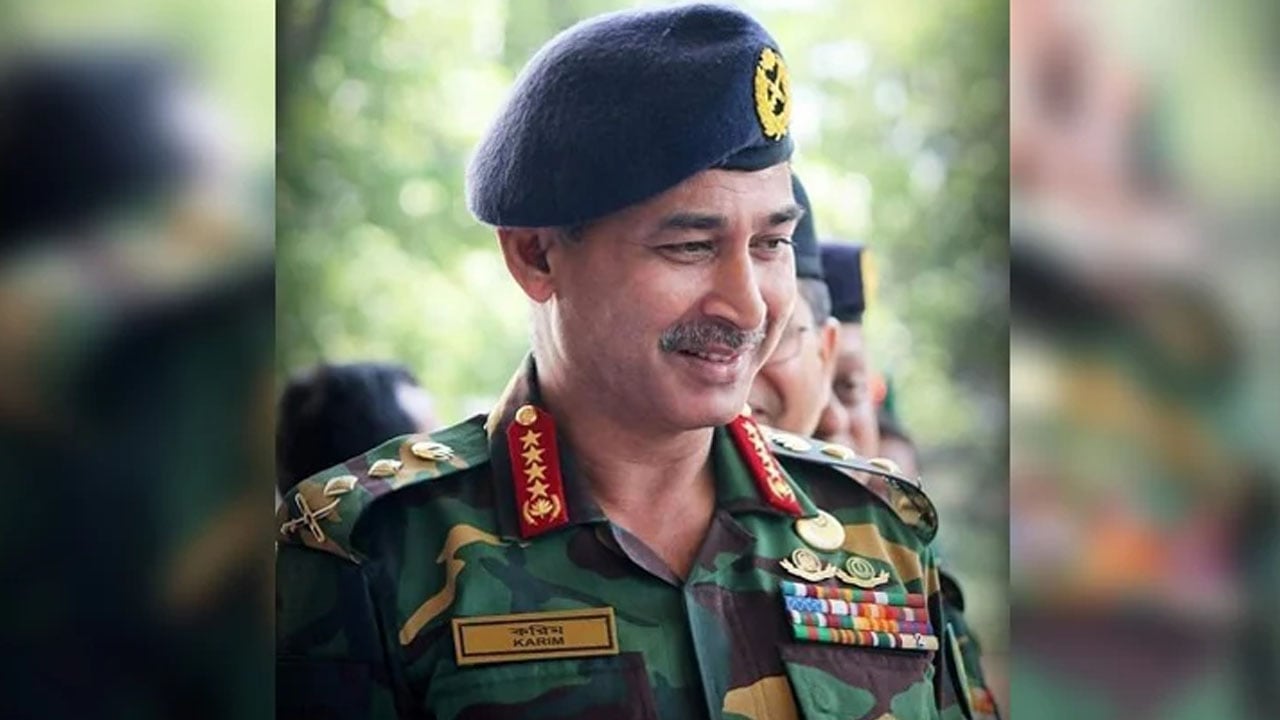
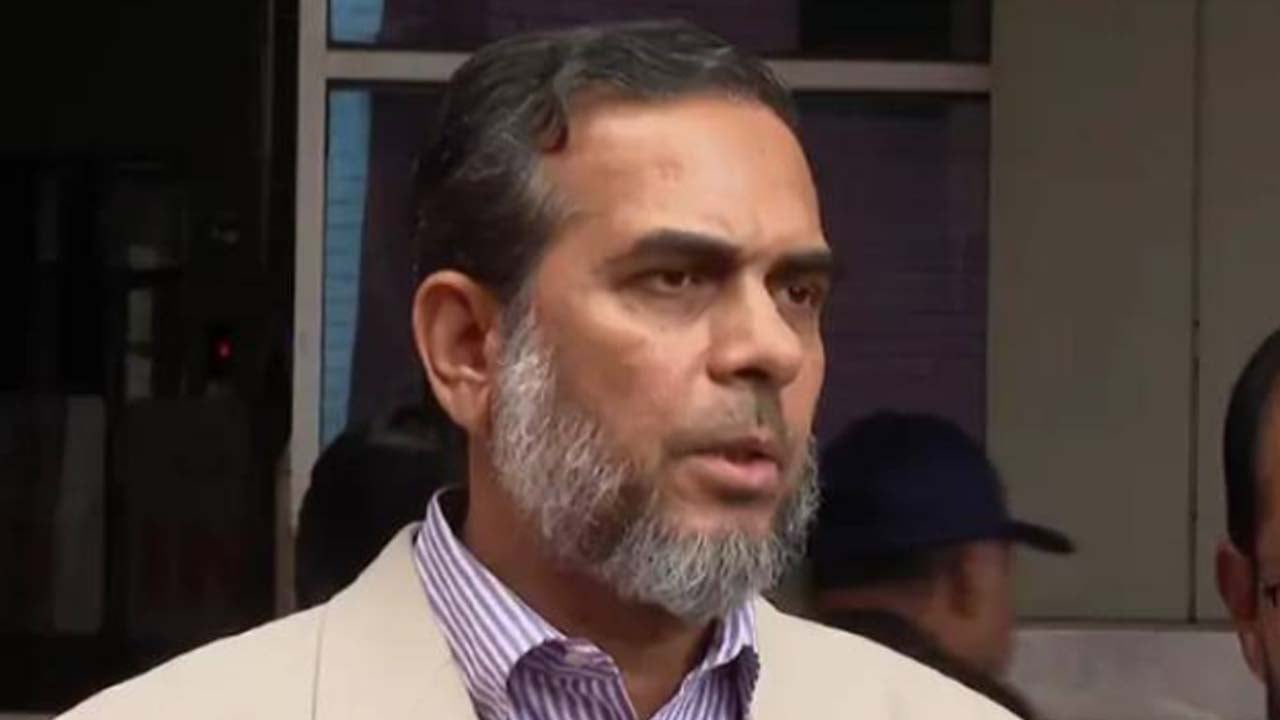
Former Bangladesh Army Chief General Iqbal Karim Bhuiyan testified that during his tenure, individuals linked to India’s intelligence agency ‘R’ regularly visited the Directorate General of Forces Intelligence (DGFI) office and operated from one of its seven meeting rooms. He stated that these visitors, reportedly under the patronage of retired Major General Tariq Siddiqi, provided DGFI with lists of people they identified as militants. Bhuiyan made these remarks on Monday while giving testimony before International Crimes Tribunal-1 in a case against Ziaul Ahsan concerning enforced disappearances and killings. In his statement, Bhuiyan explained that as army chief he had multiple sources of information, including the Army Security Unit, the Directorate of Military Intelligence, and discussions with officers from the Rapid Action Battalion (RAB). Through these channels, he learned that some junior officers were being misled and drawn into wrongful activities. He cited three specific incidents involving officers who admitted to killings during their service, describing his efforts to confront and counsel them about their actions. The testimony highlighted Bhuiyan’s concerns about external influence and ethical lapses within military and law enforcement ranks, as presented in the tribunal proceedings.
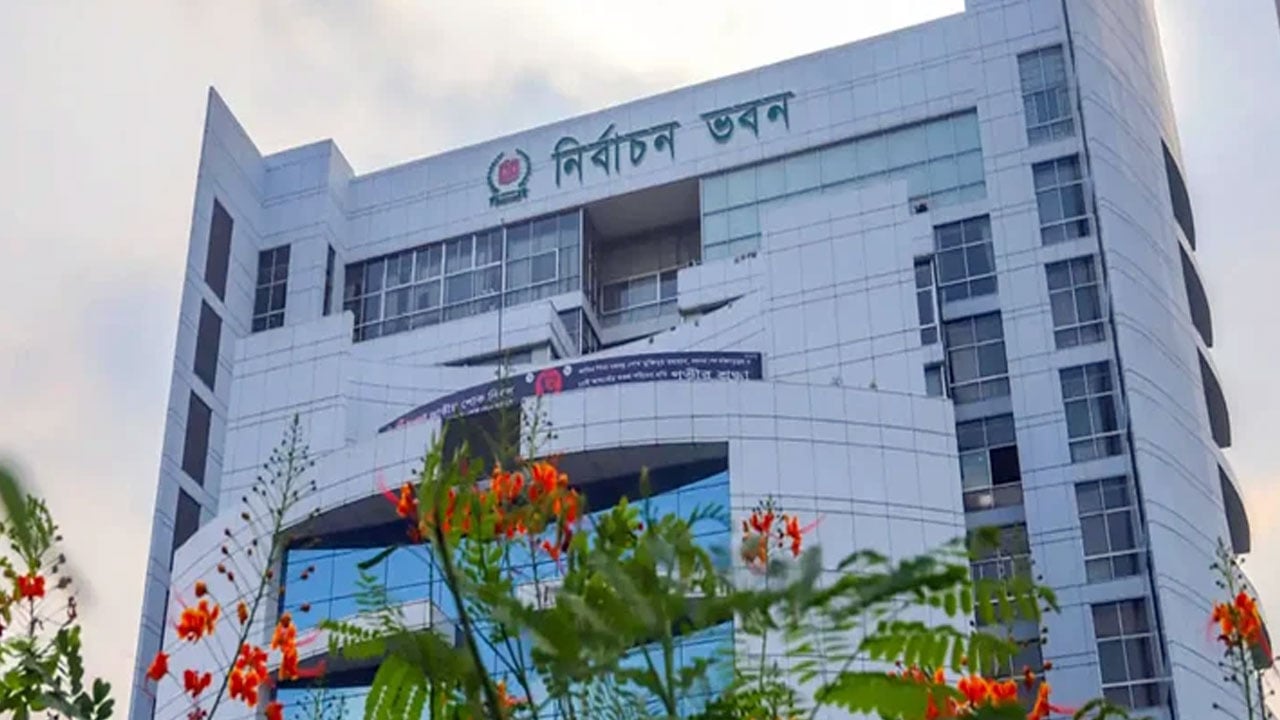
The Election Commission (EC) of Bangladesh has directed authorities to ensure uninterrupted telecommunications across the country during the 13th National Parliamentary Election and the national referendum scheduled for February 12. The instruction, issued by Senior Assistant Secretary Md. Shahidul Islam, was sent to the secretaries of four key ministries: Local Government, Road Transport and Highways, Power, and Posts and Telecommunications. The EC emphasized that no road repair or development work should disrupt critical transmission connections during this period. According to the EC’s letter, fast and uninterrupted communication is essential for election operations. It instructed that any highway or road development work before or after the election must be coordinated with the Bangladesh Telecommunication Regulatory Commission (BTRC) to prevent damage to underground optical fiber or vital telecom lines. EC Secretariat sources said the decision aims to maintain live drone feeds, ensure continuous data exchange from polling centers, and prevent accidental internet or phone disconnections. Over 120 million voters are expected to participate in both the election and the referendum on February 12.
The July Revolutionary Journalist Alliance (JRJA) has announced plans to besiege the Election Commission (EC) if a recent directive banning journalists from using mobile phones within 400 meters of polling centers during the 13th National Parliament election and referendum is not withdrawn by 5 p.m. today. JRJA General Secretary Israfil Farzi declared that the EC’s order constitutes a direct interference with citizens’ rights and an attack on press freedom. In a statement, Farzi described the restriction as unjustified, discriminatory, and contrary to the principles of free media. He argued that mobile phones are essential tools for journalists in the digital era, enabling real-time reporting and public access to information. Preventing their use, he said, amounts to deliberate control of news flow and undermines transparency and accountability in the electoral process. The JRJA warned that if the EC fails to revoke the ban within the deadline, journalists will proceed with the planned siege, holding the commission fully responsible for any resulting situation.

Journalists will be allowed to use mobile phones inside polling centers during the upcoming 13th National Parliament election and referendum in Bangladesh. The decision was confirmed after a meeting between the Election Commission’s Senior Secretary Akhtar Ahmed and Kazi Zebel, president of the Reporters Forum for Election and Democracy (RFED), at the Election Commission building in Agargaon on Monday. Kazi Zebel said the Election Commission assured that the restriction on mobile phone use would not apply to journalists, recognizing the importance of mobile phones in their professional duties. The assurance came after RFED expressed concerns that such restrictions could hinder transparency and press freedom. The Commission also promised to issue an official notification soon. Earlier, on Sunday, the Election Commission had issued a circular prohibiting anyone, including voters, from carrying mobile phones within 400 yards of polling centers, a move that drew protests from several journalist organizations.

The Dhaka University Central Students' Union (DUCSU) held a meeting with the Election Commission (EC) on February 9, 2026, representing four crore young voters who regained their voting rights after sixteen years. After the meeting, DUCSU Vice President and student leader Sadiq Kayem declared that the successors of the July Revolution would not allow any form of election engineering or backdoor power grabs in Bangladesh. Kayem criticized the EC’s recent directive banning mobile phone use within 400 yards of polling centers, calling it authoritarian and undemocratic. He said the decision would hinder public participation and noted that the commission assured them the order would be withdrawn and replaced. He also expressed concern over excluding the Bangladesh National Cadet Corps (BNCC) from election duties, describing the force as professional and disciplined, and said the EC promised to reconsider the issue. Kayem further questioned the administration’s role in attacks and threats against candidates, especially women, urging law enforcement to act responsibly to ensure a free, fair, and participatory election where democracy ultimately prevails.
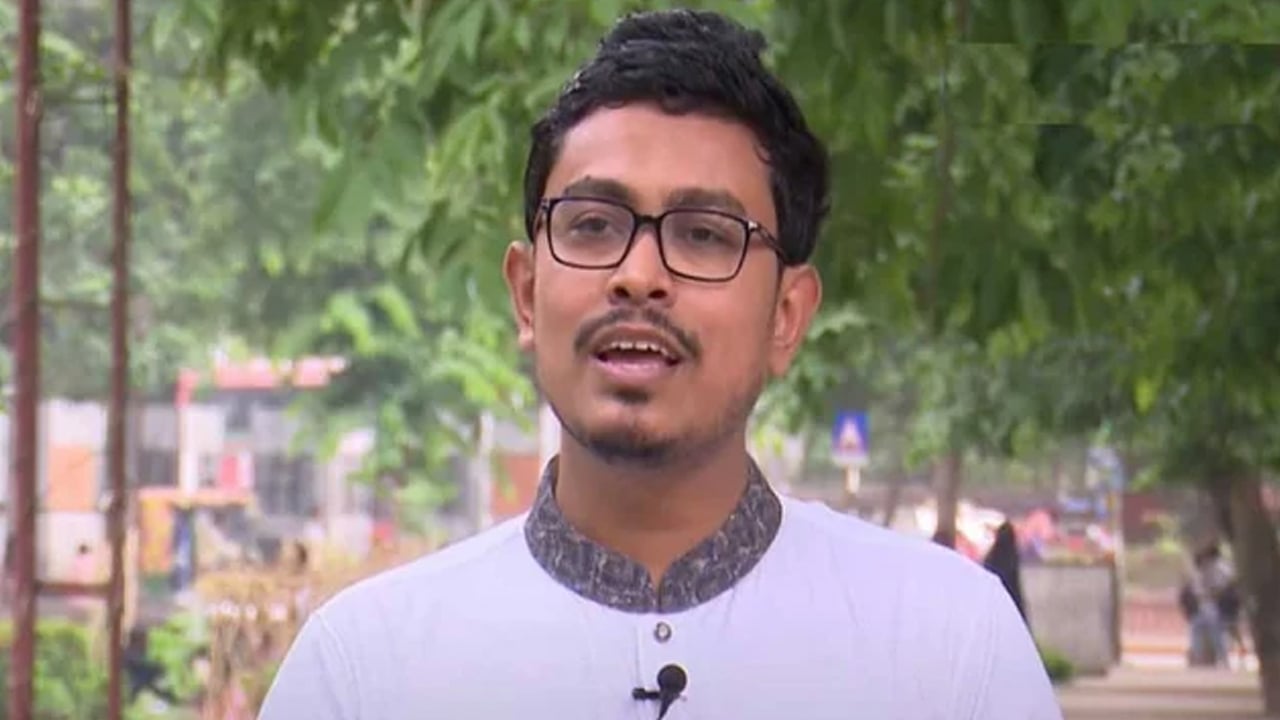
Chief Prosecutor Mohammad Tajul Islam of the International Crimes Tribunal stated that the ongoing trial over the July killings will not be affected by any change in government. Speaking to reporters at the tribunal premises on Monday, he emphasized that the trial is a responsibility of the state and not linked to political transitions. He assured that even if a new political government takes office, the judicial process will continue. Tajul Islam described the July killings as crimes committed against the people of Bangladesh, asserting that the state is obligated to ensure justice. He expressed optimism that an elected government would provide better support to the tribunal, possibly by increasing the number of tribunals to overcome existing limitations. He reiterated that all political parties and citizens are united in their commitment to justice for the atrocities, including killings, torture, and enforced disappearances during July and August. He further noted that those who come to power in the future are also citizens of Bangladesh and remain bound by the national pledge to complete the trials, leaving no scope for political influence over the judicial process.
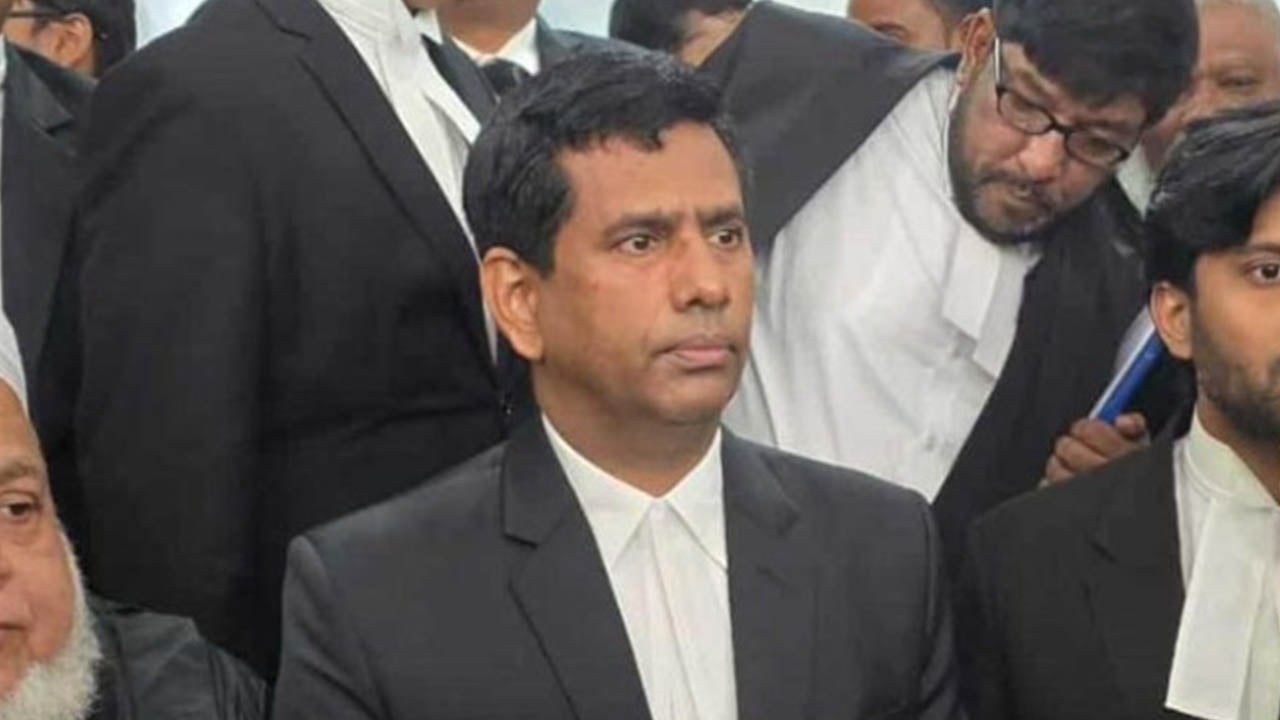
Advocate Ehsanul Mahbub Zubair, Assistant Secretary General of Bangladesh Jamaat-e-Islami and head of its central publicity and media department, has called for the immediate withdrawal of the Election Commission’s decision to ban voters from carrying mobile phones within 400 yards of polling centers. In a statement to the media on Monday, he described the decision as unjust and urged the Commission to reverse it without delay. Zubair argued that the restriction, imposed ahead of the upcoming national parliamentary election and referendum, undermines voters’ freedom and security rather than protecting them. He stated that the measure amounts to unnecessary control over citizens and called on the Election Commission to reconsider its stance. He further warned that if the decision is not withdrawn, Jamaat-e-Islami, along with the public, would surround the Election Commission office to compel the withdrawal of what he termed an unfair decision.
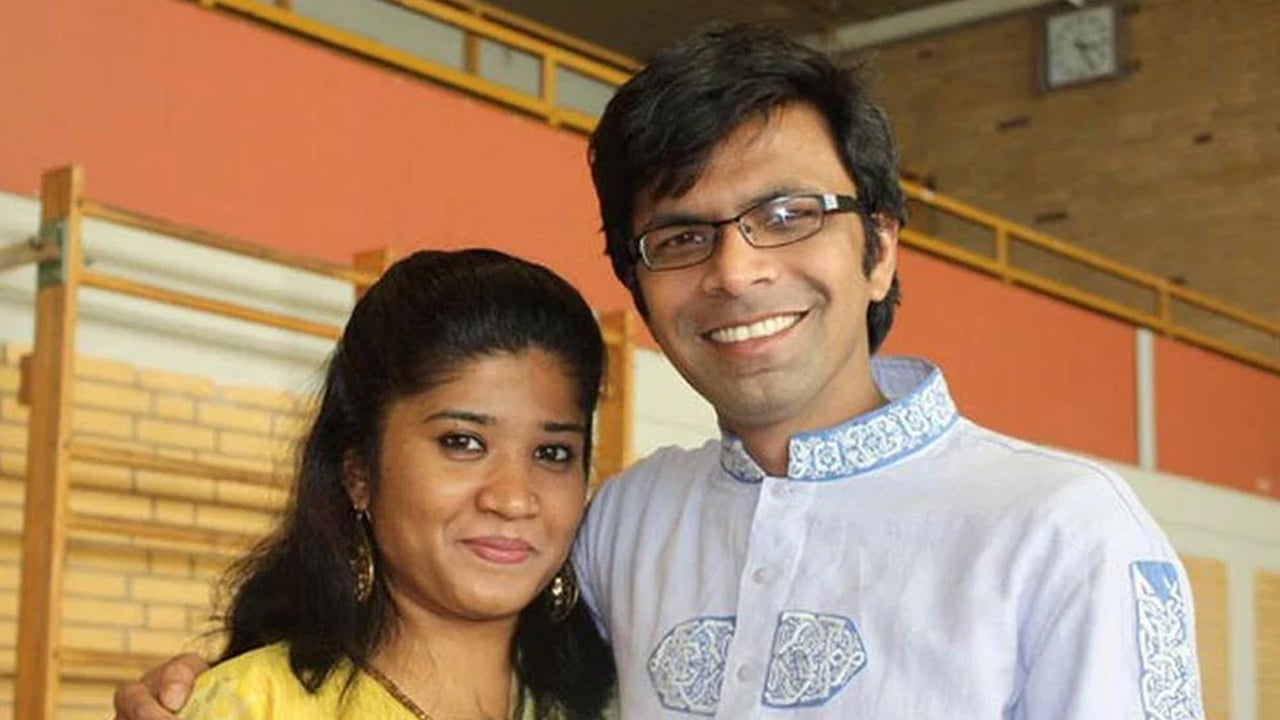
A Dhaka court has again postponed the submission of the investigation report in the murder case of journalist couple Sagar Sarowar and Meherun Runi. Metropolitan Magistrate Ariful Islam fixed April 1 as the new date after the Police Bureau of Investigation’s Additional Superintendent of Police, Md Azizul Haque, failed to submit the report on the scheduled day. The prosecution’s Sub-Inspector Rafiqul Islam Russell confirmed the development. The case, filed by Runi’s brother after the couple’s killing on February 11, 2012, has seen repeated delays and transfers among investigative agencies. Initially handled by Sher-e-Bangla Nagar police, it was later moved to the Detective Branch, then to the Rapid Action Battalion, and finally to the Police Bureau of Investigation following High Court orders. In 2024, the High Court directed the formation of a four-member high-level task force led by the PBI chief to complete the probe within six months. Among the accused, Tanvir Rahman Khan is on bail, while Palash Rudra Pal remains absconding after securing bail. The rest are in custody.
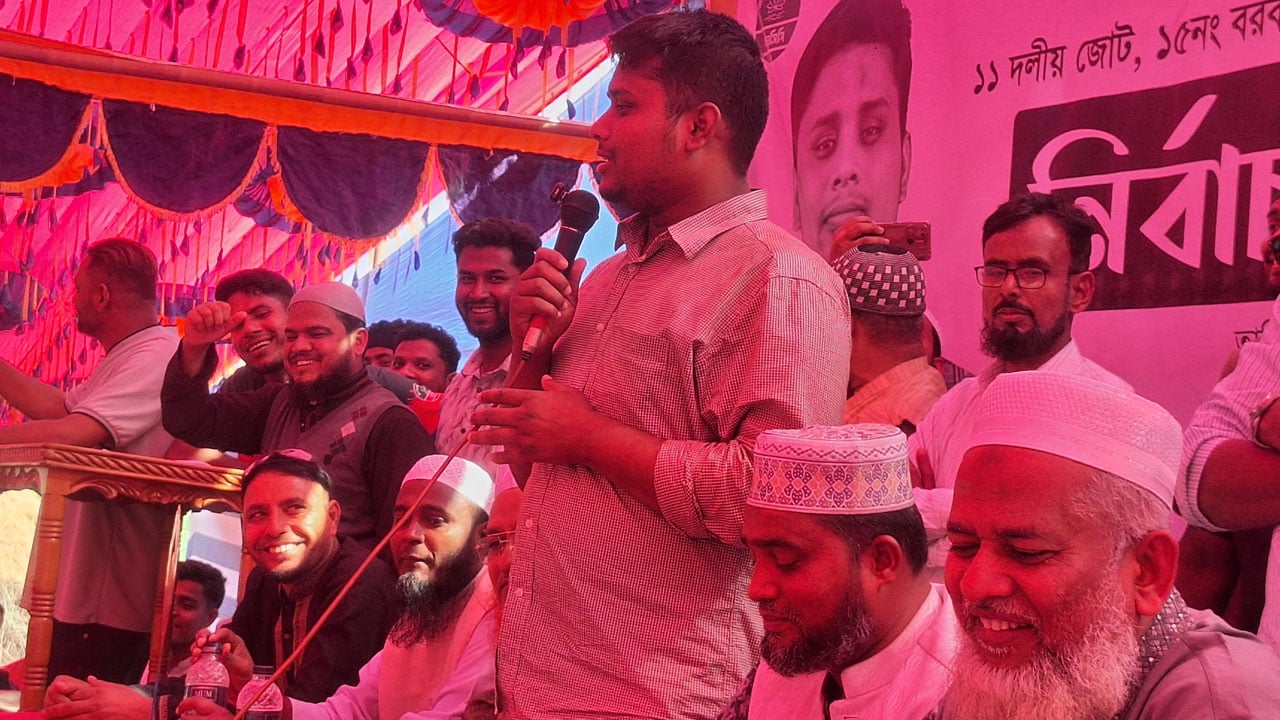
Hasnat Abdullah, the NCP’s chief organizer for the southern region and a candidate representing an 11-party alliance in Cumilla-4 (Debidwar), has alleged that the Election Commission’s decision to ban mobile phones at polling centers is part of a conspiracy to steal votes. He made the remarks on Tuesday at an election rally held at Bhaisherkot Eidgah field in Debidwar upazila. During his speech, Hasnat argued that prohibiting mobile phones on election day would prevent citizen journalists from exposing irregularities. He said that in July, only a few media outlets were allowed to report freely, while mobile journalists played a key role in delivering real news to the public. He demanded that the Election Commission withdraw the mobile ban to ensure transparency and free news coverage. The rally was conducted by expatriate Masud Parvez Sohag and attended by local leaders from NCP and Jamaat, including Jahangir Alam, Saiful Islam Shahid, and Professor Shahidul Islam.
The ongoing strike at Chattogram Port, called to protest the leasing of the NCT terminal to a foreign company and disciplinary actions against workers, has been suspended until February 15. The Port Protection Struggle Council announced the suspension late Sunday night through a press release signed by coordinators Humayun Kabir and Ibrahim Khokon. The statement said the decision was made to help stabilize market prices ahead of the 13th national election and the upcoming Ramadan. Workers were instructed to return to work from 8 a.m. Monday. The council noted that workers felt reassured after the government’s shipping adviser and BIDA chairman declared that the port would not be leased to foreign entities during the current administration. However, concern spread among workers after the port authority temporarily suspended 16 strike leaders and canceled their housing. Following the withdrawal of the blockade, container handling and cargo transport resumed, restoring normal operations at the port. According to port officials, vessel movements and cargo deliveries have returned to normal, bringing relief to the country’s import and export sectors after nine days of disruption.

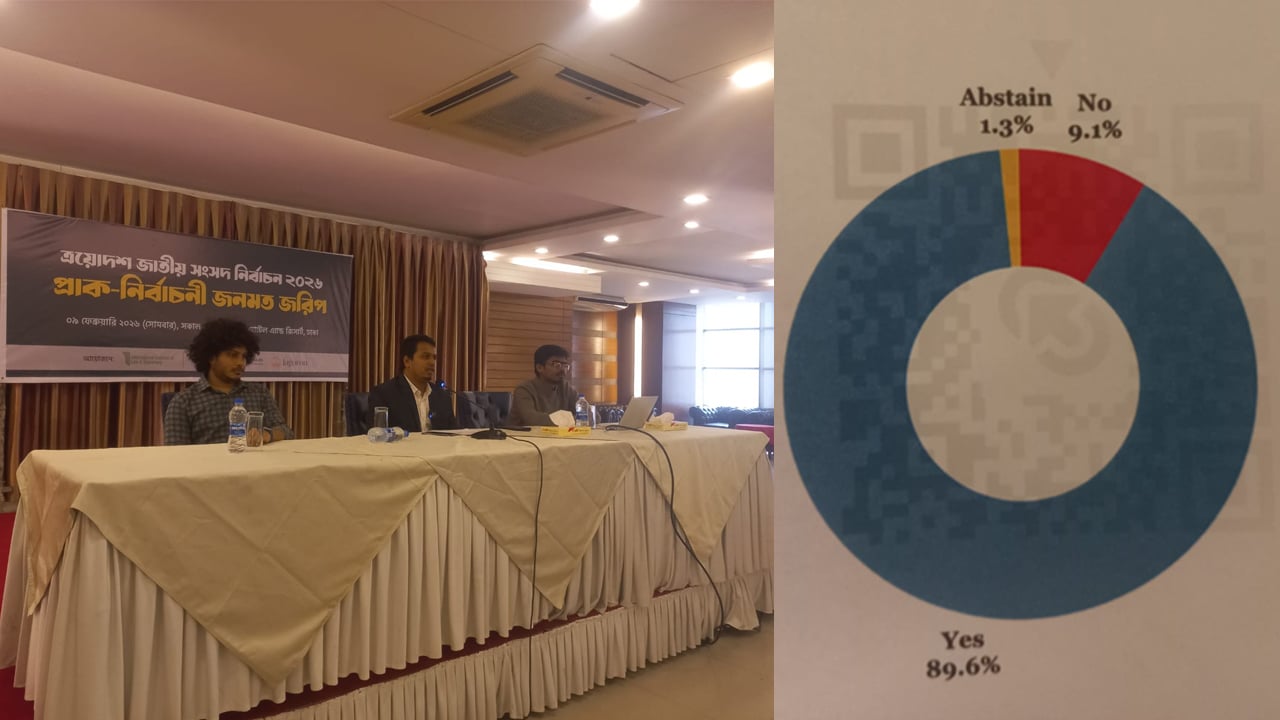
According to a survey by the International Institute of Law and Diplomacy (IILD), the 'Yes' vote is projected to win the upcoming referendum scheduled for February 12 with 89.6 percent of the votes. The findings were announced on February 9 at Fars Hotel and Resort in Dhaka by IILD Executive Director Shafiul Alam Shaheen. The survey covered all 300 parliamentary constituencies and included responses from 63,615 voters, of whom 57.59 percent were men and 42.41 percent women. The results show that 92.9 percent of respondents expressed interest in voting in the 13th National Parliamentary Election, while 4.4 percent said they would not vote and 2.7 percent remained undecided. Among those aware of the referendum, 89.6 percent said they would vote 'Yes' and 9.1 percent 'No'. However, 25.2 percent of surveyed voters reported being unaware of the referendum. The survey suggests strong public support for the 'Yes' option ahead of the February 12 referendum, reflecting high voter engagement and awareness levels across the country.
A total of 153 officers of the Bangladesh Police have been promoted from sub-inspector to inspector ranks ahead of the upcoming national election. The promotions were approved through three separate circulars signed by Inspector General of Police Baharul Alam on Sunday, though the decision was made public later. According to the circulars, 100 unarmed sub-inspectors, 47 armed sub-inspectors, and 6 police sergeants were elevated to inspector positions in their respective categories. The announcement comes just days before the 13th National Parliamentary Election and referendum, scheduled for February 12. The timing places the promotions within a sensitive pre-election period, as law enforcement agencies prepare for nationwide deployment and security duties. The source did not specify the criteria for selection or the distribution of the newly promoted officers across regions, but the move formally expands the inspector-level leadership within the Bangladesh Police ahead of the national vote.
The government has issued the 'Dhaka Central University Ordinance, 2026', establishing a new university to oversee higher education and research management for seven public colleges in Dhaka. The ordinance was published in the official gazette by the Ministry of Law, Justice and Parliamentary Affairs on Sunday, February 8. Although the draft proposed dividing the colleges into four schools, the final version retains each college’s individual identity while linking them academically to Dhaka Central University. The seven colleges included are Dhaka College, Eden Mohila College, Government Shaheed Suhrawardy College, Kabi Nazrul Government College, Begum Badrunnesa Government Women’s College, Mirpur Government Bangla College, and Government Titumir College. These institutions were previously affiliated with the National University before being brought under Dhaka University in 2017. Students had long demanded a separate university, citing academic harassment under Dhaka University. Students described the formation of Dhaka Central University as a significant advancement in higher education and the fulfillment of their longstanding demand.

A Dhaka court has ordered the freezing of 11 bank accounts belonging to former Ekattor Television CEO Mozammel Haque Babu, his wife, daughter, and related entities. The accounts reportedly contain a total of 39 million taka. The order was issued on Monday, February 9, by Dhaka Metropolitan Senior Special Judge Md Sabbir Foyez, following a petition from the Anti-Corruption Commission (ACC). According to the ACC’s application, Deputy Director Bayezidur Rahman Khan stated that Mozammel Babu and his family had acquired several movable assets without a clear source of income. The petition alleged attempts to transfer or conceal these assets, which could constitute an offense under the Money Laundering Prevention Act. To ensure a fair investigation, the ACC requested the court to block the accounts and prevent any transfer of ownership. The court granted the request after a hearing, directing that the accounts remain frozen during the ongoing inquiry into the alleged unexplained wealth.
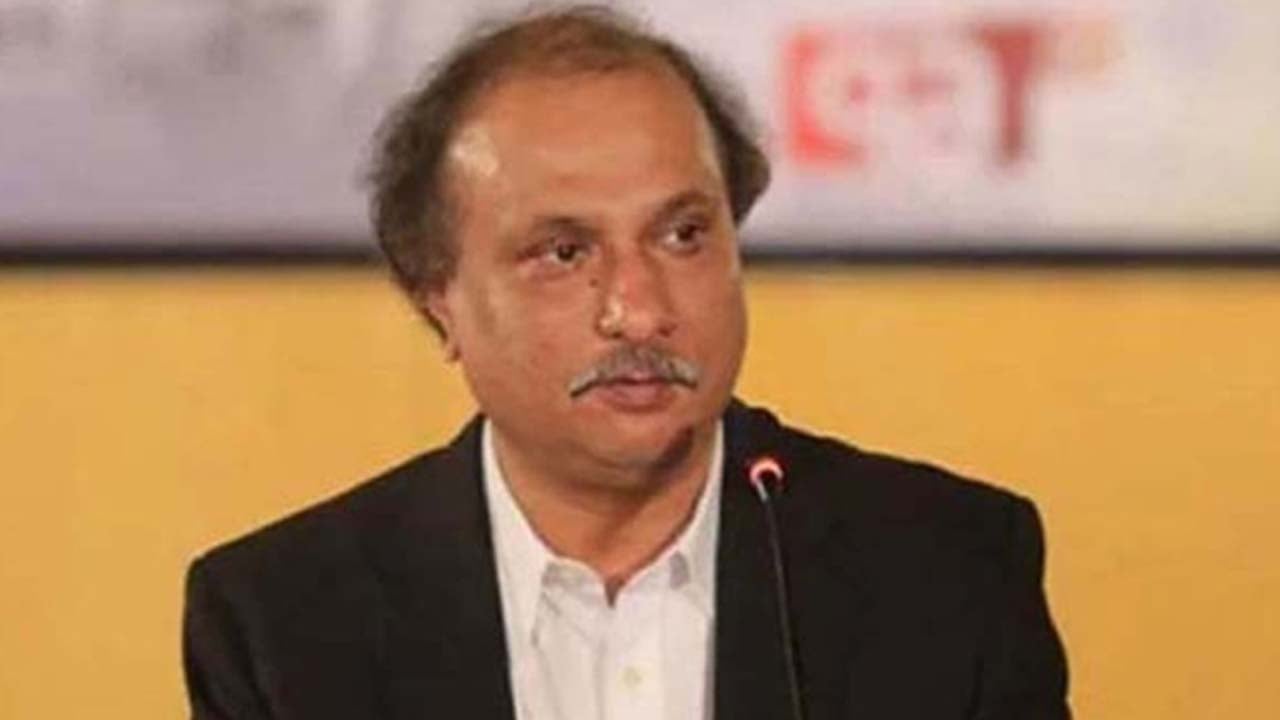
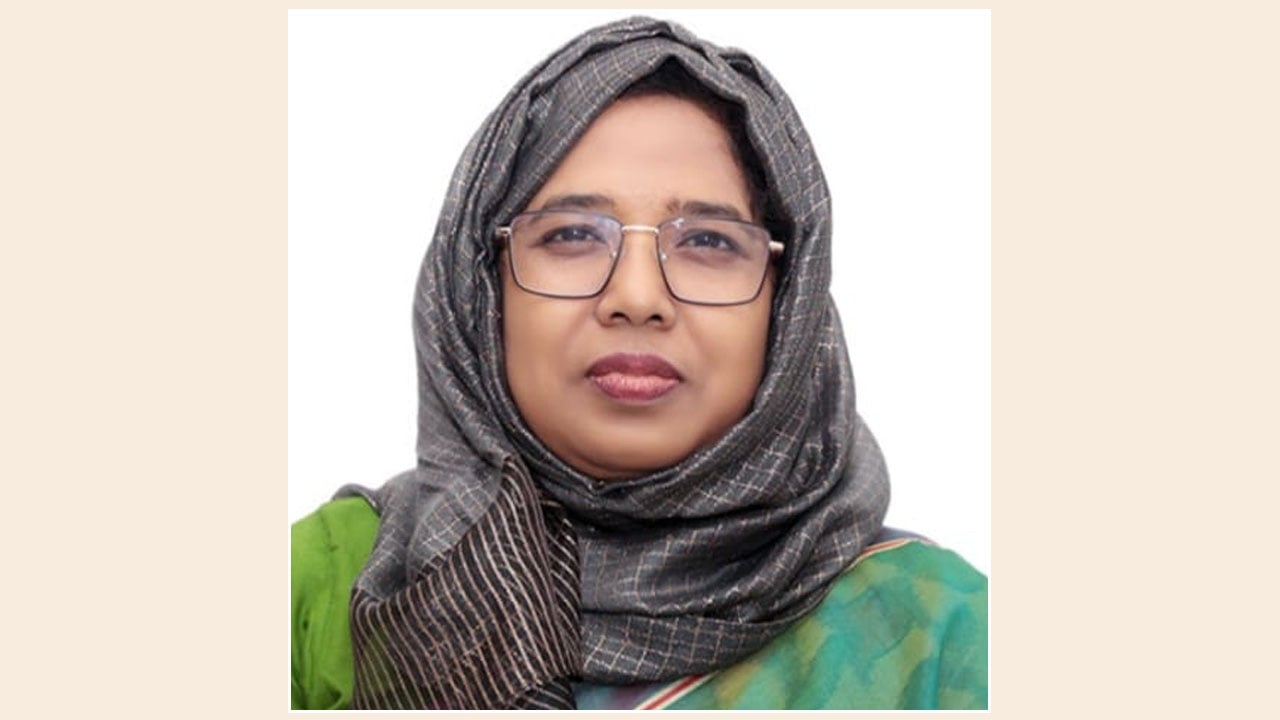
Suraiya Akter Jahan, Additional Secretary of the Local Government Division, has been appointed as the new administrator of Dhaka North City Corporation (DNCC). The appointment was formalized through a notification signed on Monday morning by Mahbuba Irene, Joint Secretary of the Ministry of Local Government, Rural Development and Cooperatives. The decision follows the removal of Mohammad Ejaz from the position of DNCC administrator. According to the notification issued by the City Corporation-1 branch of the ministry, the appointment was made under Section 25A(1) of the Local Government (City Corporation) (Amendment) Ordinance, 2024. Suraiya Akter Jahan will exercise the powers and perform the duties of the mayor until further notice. She will carry out this role as an additional responsibility alongside her current position in the Local Government Division. Mohammad Ejaz, Chairman of the River and Delta Research Center, had been serving as DNCC administrator since February 12 of the previous year, before being replaced by the new appointment.
The ‘1 Nojor’ media platform is now live in beta, inviting users to explore and provide feedback as we continue to refine the experience.