

The ‘1 Nojor’ media platform is now live in beta, inviting users to explore and provide feedback as we continue to refine the experience.
The Bangladesh Election Commission (EC) has announced that 1,000 drones will be deployed across the country to monitor the upcoming parliamentary election from the air. The initiative aims to prevent electoral violence and ensure strict surveillance in remote and sensitive areas, including the Rohingya camps in Cox’s Bazar, the hill tracts, and border regions from Teknaf to Feni. Election Commissioner Brigadier General (Retd.) Abul Fazl Mohammad Sanaullah said the drones, operated with technical support from the Air Force, will function like satellites, transmitting real-time video and data to the EC’s central coordination cell in Dhaka. According to EC sources, 21 law enforcement and intelligence agencies, including DGFI, NSI, RAB, and BGB, will be active on the ground to respond immediately to any detected sabotage, armed activity, or secret operations. A specialized e-monitoring app will coordinate the entire process. The drones will also track the movement of candidates’ supporters and voters in remote areas and help prevent external influence in Rohingya-populated zones. Political analysts described the large-scale drone use as a major technological milestone in Bangladesh’s electoral history, expected to enhance voter confidence and a sense of security.

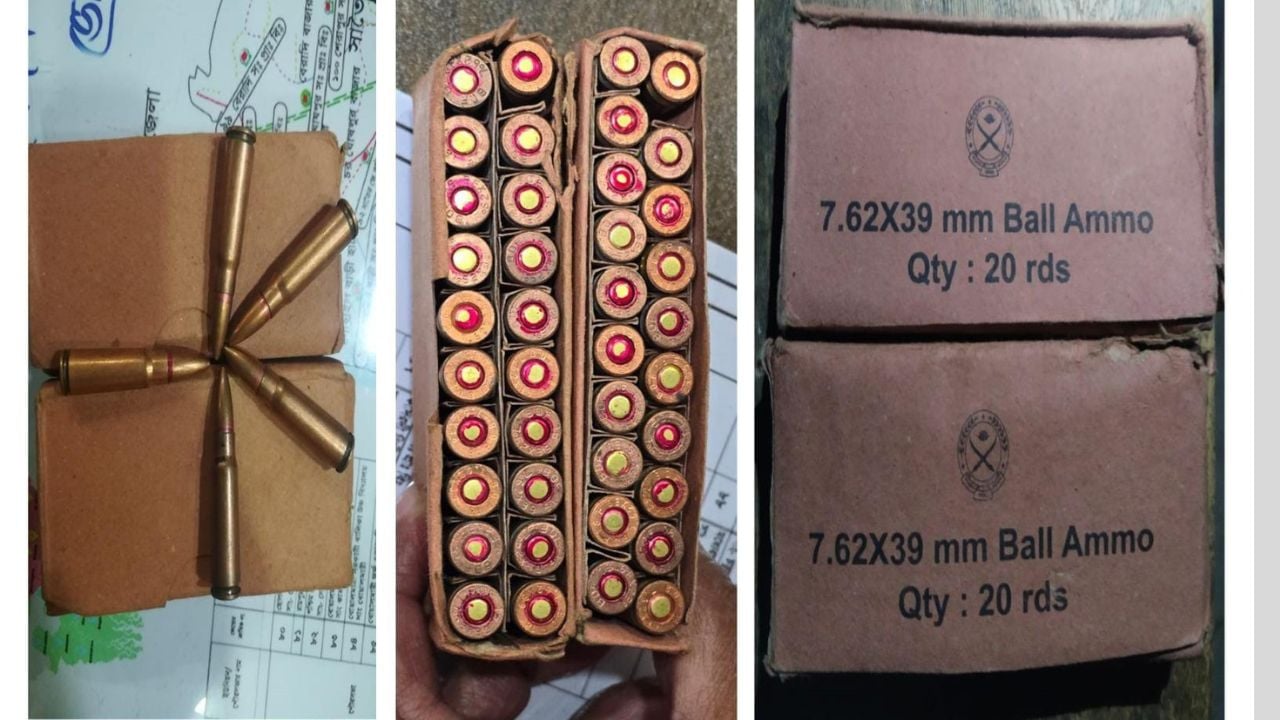
Police in Boalmari upazila of Faridpur recovered 40 live rounds of ammunition found abandoned in the Kaliyand area on Sunday evening between 7:30 and 8:00 p.m. According to police sources, Manik Sheikh, a 50-year-old tea stall owner near Kaliyand Qaumi Madrasa, noticed two suspicious packets placed on a stool in front of his shop. After returning from evening prayers, he found the packets still there and informed Boalmari Police Station. Sub-inspector Sharif Abdur Rashid arrived at the scene and seized the packets through official procedure. Upon opening them, police discovered two boxes marked with the Bangladesh Army logo and labeled “7.62×39 mm Ball Ammo,” containing a total of 40 rounds. The ammunition was taken to the police station for safekeeping. Officer-in-Charge Anwar Hossain stated that the bullets were found abandoned and that an investigation is underway to identify those involved. Legal procedures are in progress.
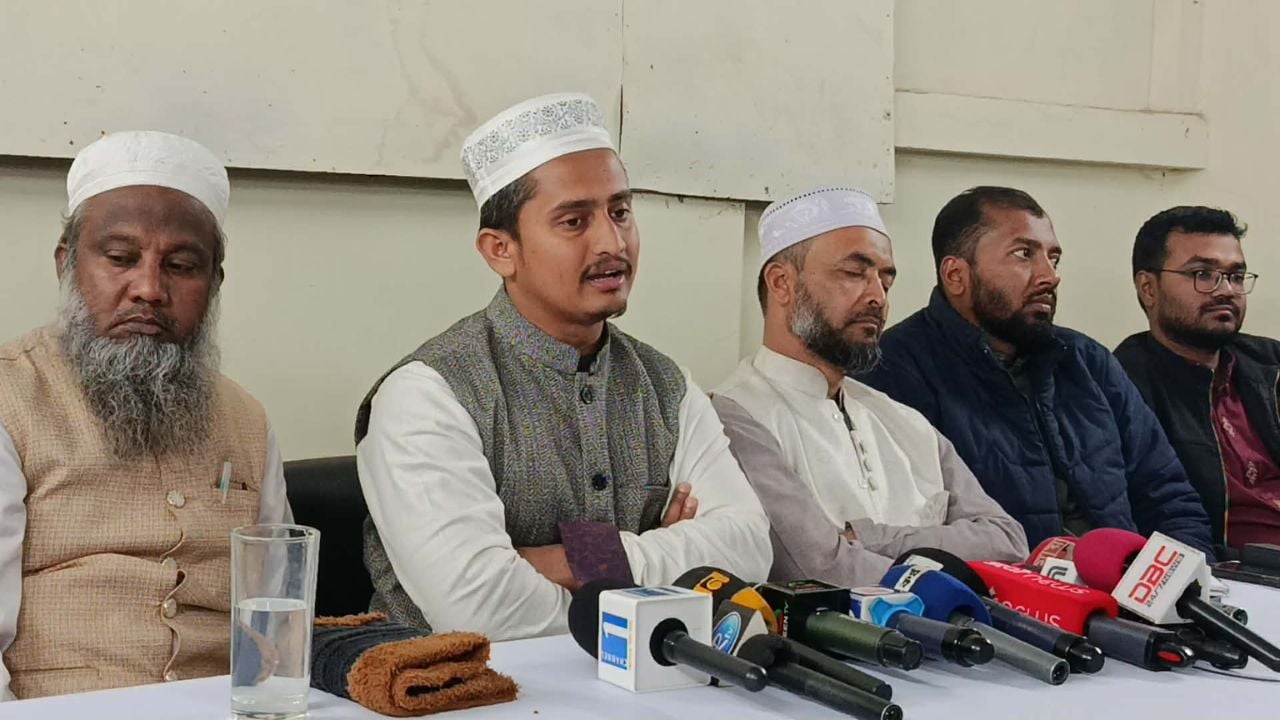
Sarjis Alam, the chief organizer of the National Citizens Party (NCP) for the northern region and the 11-party alliance candidate for Panchagarh-1 constituency, called on journalists to remain neutral and uphold professionalism. He made the remarks on Sunday night during a discussion with journalists at the Panchagarh Press Club hall. Alam said that while journalists may have personal political preferences, they must act as mirrors of the district, state, and society when reporting. He emphasized the importance of fair coverage during the upcoming election, which was only three days away, urging journalists to expose any attempts by political parties or individuals to influence the vote or violate election laws. Alam also pledged that if elected, he would work in parliament to establish a salary structure and ensure financial and social security for media professionals. The meeting was chaired by Panchagarh Press Club President Mosharraf Hossain and conducted by General Secretary Sarkar Haydar, with several local political and professional figures in attendance.
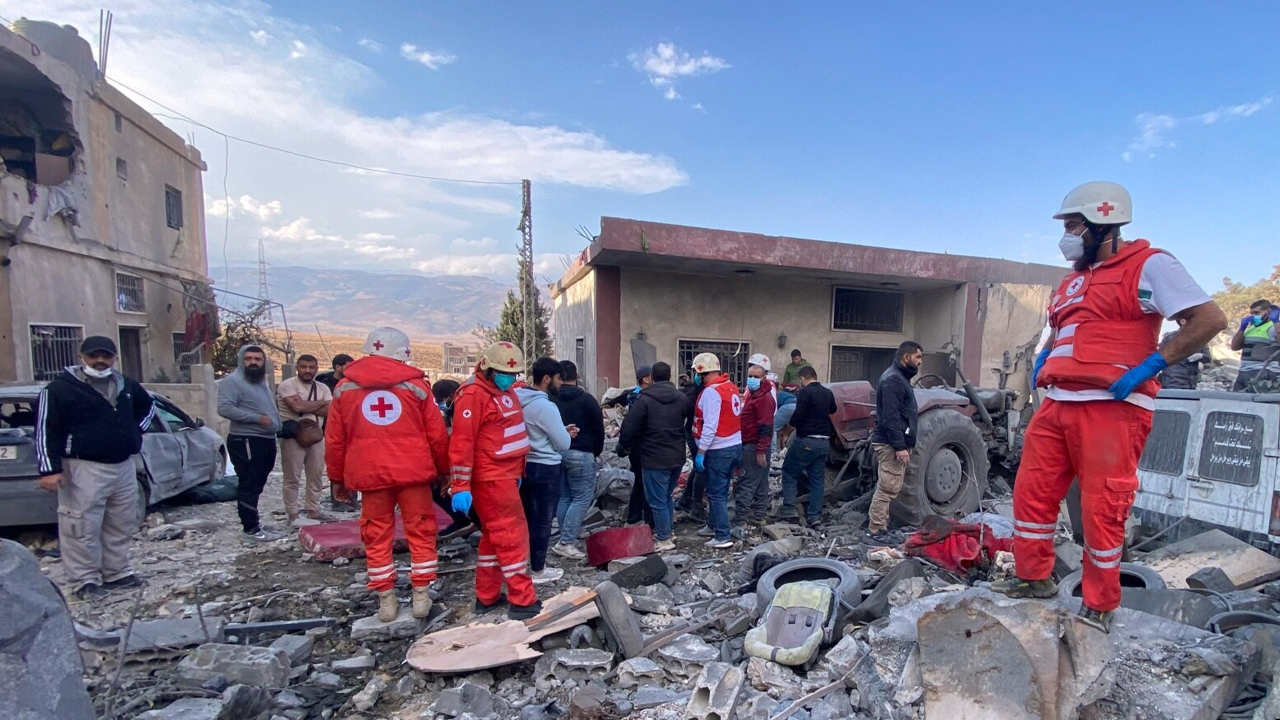
At least nine people were killed and several others injured when a residential building collapsed in Tripoli, northern Lebanon, on Sunday night, according to officials cited by Al Jazeera. Lebanon’s Civil Defense Director General Imad Khreish said nine bodies had been recovered and six survivors were taken to hospital. The building consisted of two blocks with six apartments each, and residents estimated that around 22 people were inside when it collapsed. Rescue operations are being conducted by Civil Defense teams with support from the Lebanese Red Cross and other emergency and relief organizations. Local residents have also joined efforts to clear debris. Tripoli’s Mayor Abdel Hamid Karimeh declared the city a disaster zone, citing unsafe buildings and years of neglect that have left thousands at risk, beyond the municipality’s capacity to manage. Lebanon’s National News Agency reported that security forces evacuated nearby buildings. President Joseph Aoun ordered all emergency services to assist rescue operations and ensure safe shelter for nearby residents, while Prime Minister Nawaf Salam pledged housing allowances for those displaced. The report noted that many of Lebanon’s aging and war-era buildings pose serious safety risks.
Left-wing candidate Antonio José Seguro has won Portugal’s presidential election by a wide margin, defeating far-right contender André Ventura. The country’s election commission announced on Sunday that Seguro, leader of the Socialist Party, secured 63 percent of the votes, while Ventura, head of the right-wing Chega party, received 34 percent. A total of 97 percent of registered voters cast their ballots in the runoff. The runoff election was held on February 7 after the original vote scheduled for January 18 was disrupted by severe flooding in Portugal’s central and southern regions. Voting had taken place only in the northern areas on that date, where about 37,000 people—roughly 0.3 percent of the electorate—were able to cast ballots. The election commission later postponed the remaining voting and combined all ballots in the final count. The inclusion of votes from both rounds confirmed Seguro’s decisive victory, marking a strong mandate for the Socialist Party following the weather-related delays.

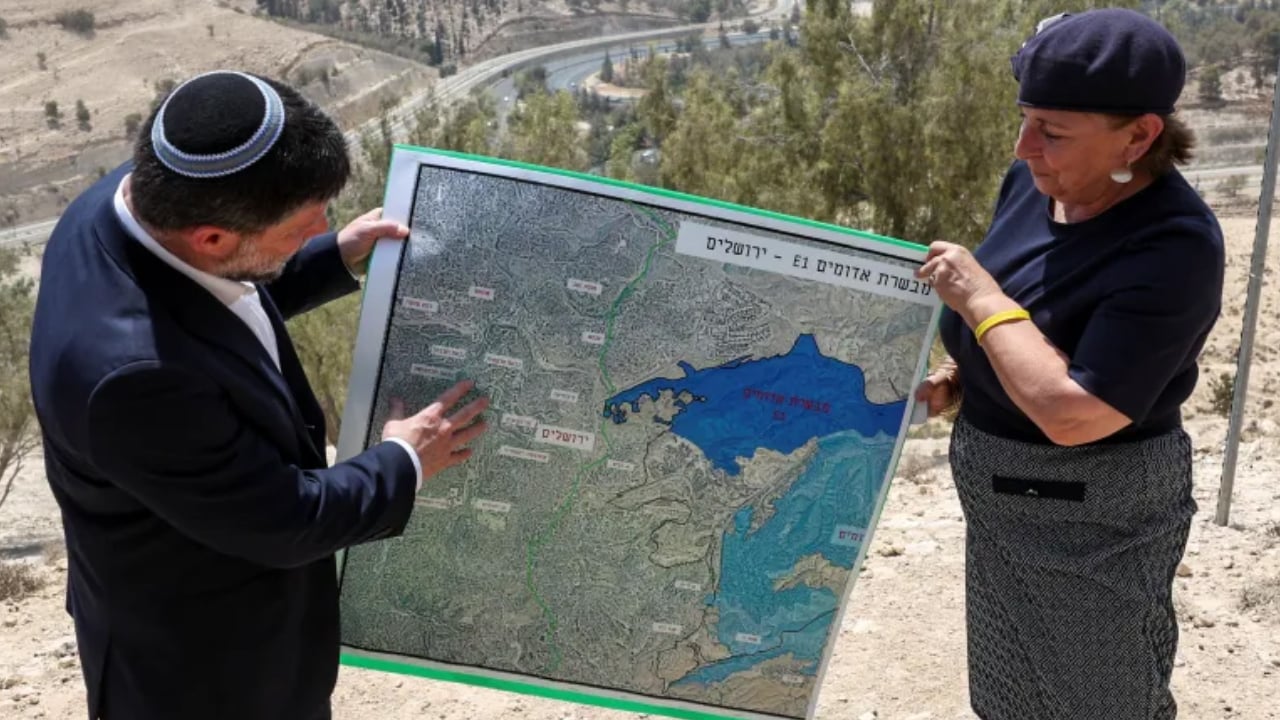
Israel’s security cabinet has approved new regulations aimed at tightening control over the occupied West Bank. According to the report, the measures will make it easier for Israeli settlers to purchase land in the territory and grant Israeli officials broader authority to enforce laws on Palestinians in the area. The Palestinian Authority condemned the move, calling it a dangerous step that legitimizes settlement expansion and land seizure. In a statement, the office of President Mahmoud Abbas urged immediate intervention by the United States and the United Nations Security Council. Jordan’s Foreign Ministry also denounced the decision, describing it as an attempt to impose illegal Israeli sovereignty and entrench settlements. Meanwhile, Hamas called on Palestinians in the West Bank to intensify resistance against what it termed occupying forces and settlers. The new regulations have sparked strong regional criticism and calls for international response.
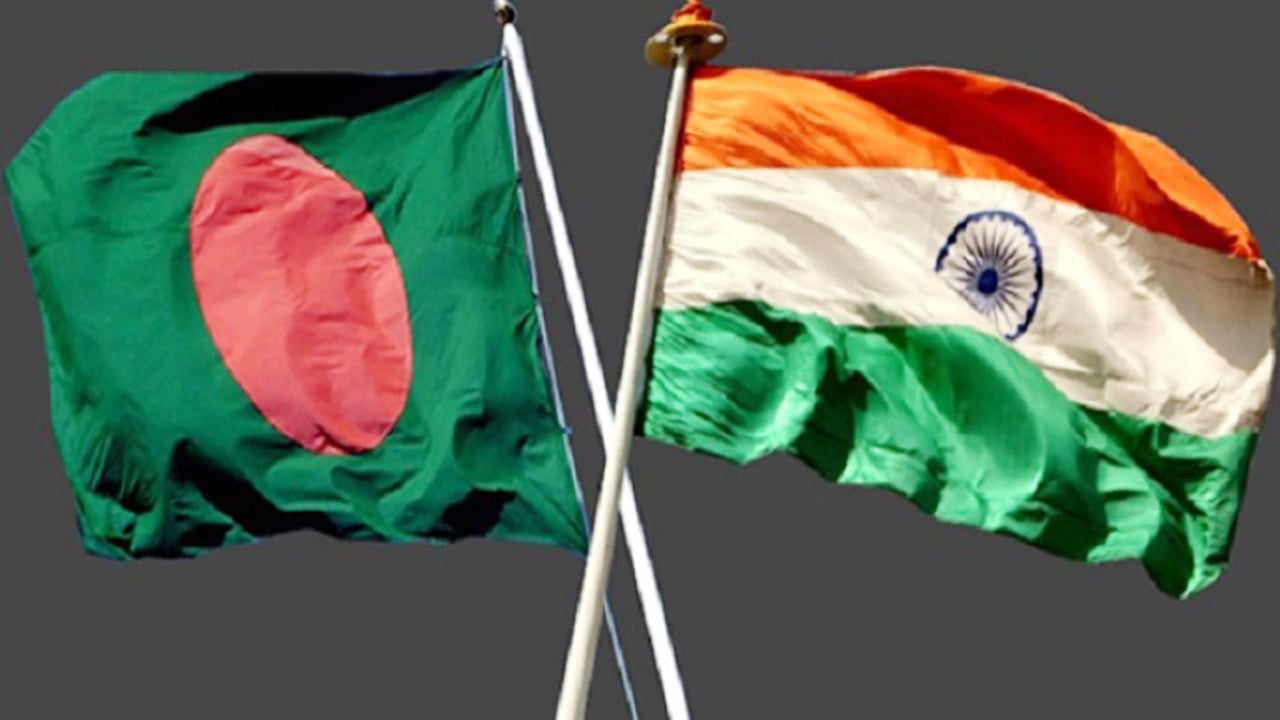
The article argues that India must revise its Bangladesh policy and abandon its strategic dominance approach if it seeks a sustainable partnership with Dhaka. It notes that Bangladesh’s February 12 national election offers New Delhi a genuine opportunity to rebuild relations on the basis of mutual respect and sovereignty. The piece stresses that India’s past support for Sheikh Hasina’s government went beyond normal diplomacy, leading to resentment among Bangladeshis who viewed India as an interfering actor rather than a partner. The commentary highlights that India’s attempt to apply a Bhutan-style model of limited autonomy to Bangladesh was a strategic miscalculation, given Bangladesh’s large population, global economic integration, and diplomatic reach. It calls for India to respect Bangladesh’s internal political process, stop allowing exiled Awami League figures to operate politically from Indian soil, and accept the election outcome regardless of which party wins. The article concludes that adopting an ASEAN-style framework of non-interference and equality could help India rebuild trust. It also identifies unresolved issues such as Teesta River water sharing as key tests of India’s sincerity in reshaping bilateral relations.
Three prominent Venezuelan opposition politicians close to Nobel Peace Prize laureate María Corina Machado were released from prison on Sunday, about a month after the start of a broader process to free political detainees following former president Nicolás Maduro’s ouster. The releases come just days before lawmakers are set to vote on a historic amnesty bill that would cover charges used to suppress dissent during nearly three decades of socialist rule. Those freed include former National Assembly vice president Juan Pablo Guanipa, who shared a video showing his release papers and said he had spent ten months in hiding and nine months imprisoned. Machado’s former legal adviser Perkins Rocha and former Barinas governor-elect Freddy Superlano were also released. Human rights group Foro Penal confirmed 35 releases on Sunday and said about 400 political detainees have been freed since January 8, though roughly 700 remain jailed. Acting President Delcy Rodríguez, formerly Maduro’s vice president, described the amnesty initiative as a milestone toward national reconciliation. Her government has begun opening the oil sector and restoring diplomatic ties with Washington, severed in 2019.

The ongoing tension among Bangladesh, Pakistan, and the International Cricket Council (ICC) over the upcoming T20 World Cup has taken a new turn. The Pakistan Cricket Board (PCB), which had earlier decided to boycott its match against India in protest of Bangladesh’s exclusion, has now placed three conditions to withdraw that decision. According to reports, Pakistan will play India only if the ICC accepts these demands. Bangladesh was excluded from the India-hosted T20 World Cup after refusing to participate due to security concerns. Despite Bangladesh’s request to change the venue, the ICC did not agree, prompting Pakistan to stand by Bangladesh and announce a boycott of its match against India. This move strained Pakistan’s relationship with the ICC. However, signs of resolution emerged after a meeting in Lahore, where PCB demanded additional compensation for Bangladesh, full participation fees despite its absence, and hosting rights for a future ICC event. Although the ICC hinted at possible disciplinary action, PCB Chairman Mohsin Naqvi remains firm. He is expected to meet Prime Minister Shehbaz Sharif before making a final decision, as the cricket world watches how the ICC responds to Pakistan’s conditions.

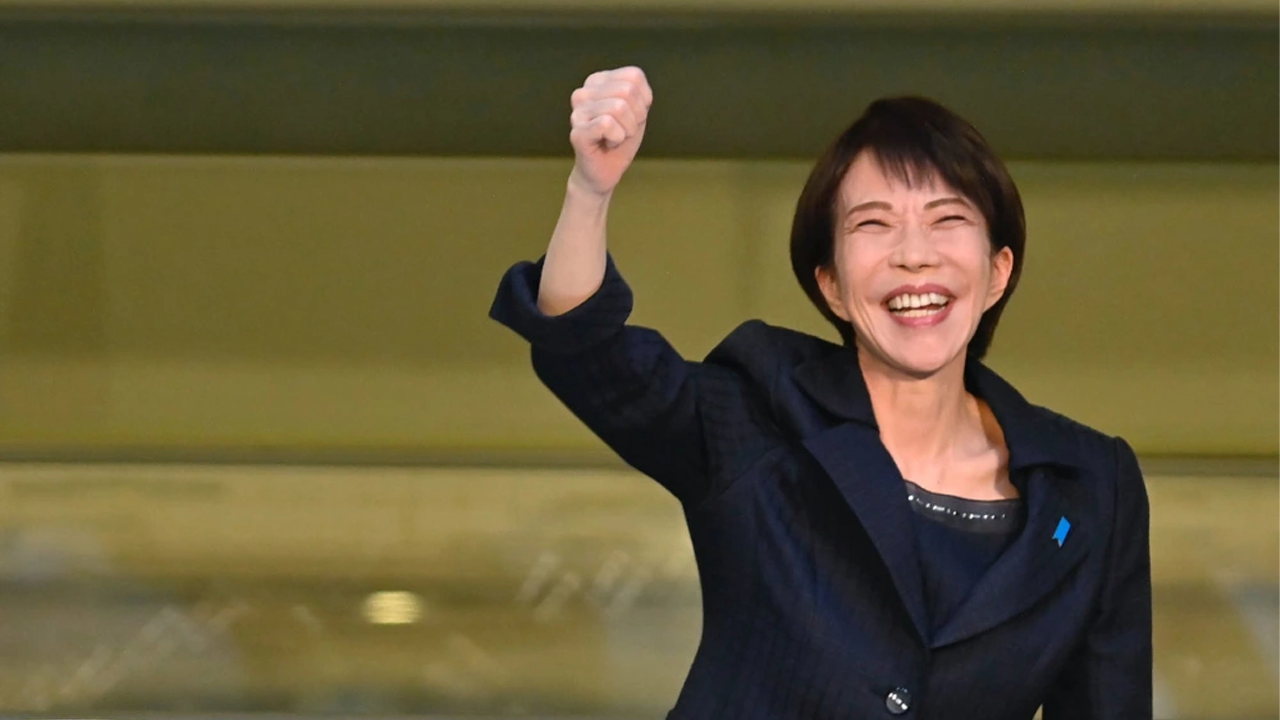
Japan’s ruling Liberal Democratic Party (LDP), led by Prime Minister Sanae Takaichi, achieved a landslide victory in the general election held on February 8. According to preliminary results from public broadcaster NHK, the LDP secured 352 out of 465 seats in the lower house, far exceeding the 233 needed to form a government. The official final results have not yet been announced. Following early indications of victory, Takaichi told reporters that her party would continue to prioritize responsible and proactive fiscal policies, balancing financial stability with necessary investments. Despite recent pressure from political funding scandals and links to religious organizations, Takaichi called the snap election just three months after taking office to reaffirm public trust in her party. The result contrasts sharply with the tenure of her two predecessors, when the LDP lost its majority amid corruption allegations and rising living costs. Analysts noted that the absence of a strong opposition has long favored the LDP’s dominance, while Takaichi’s personal popularity and approval ratings above 70 percent appear to have driven this decisive win.
Israel’s security cabinet has approved new regulations aimed at strengthening Israeli control over the occupied West Bank, according to local media reports. The measures will make it easier for Israeli settlers to purchase land in the territory and grant Israeli officials greater authority to enforce laws on Palestinians. The new steps reportedly remove restrictions that previously prevented private Jewish individuals from buying land and allow Israeli authorities to manage certain religious sites and increase supervision in areas administered by the Palestinian Authority. The Palestinian presidency condemned the decision as a “dangerous” move and an attempt to legalize settlement expansion and land confiscation, urging the United States and the United Nations Security Council to intervene. Jordan’s Ministry of Foreign Affairs also denounced the decision, calling it an effort to impose illegal sovereignty and entrench settlements. Hamas called on Palestinians to intensify confrontation with Israeli forces and settlers. Palestinian Vice President Hussein Al-Sheikh described the measures as a violation of international law and existing agreements, warning that they undermine the two-state solution and risk escalating regional instability.

The International Cricket Council (ICC) is holding discussions with the Pakistan Cricket Board (PCB) to address Pakistan’s boycott of its T20 World Cup 2026 fixture against India, scheduled for February 15 in Colombo. The match, one of the most commercially valuable in world cricket, was thrown into uncertainty after Pakistan’s government instructed its team not to play. According to a source cited by AFP, the ICC has opted for dialogue rather than confrontation to find a resolution. The 20-team tournament has already been marred by political tensions. Bangladesh withdrew from playing in India over security concerns and was replaced by Scotland, prompting Pakistan to refuse to face co-hosts India in protest. Pakistan, which defeated the Netherlands in the tournament opener, risks losing two points and damaging its net run rate if it forfeits the match. India’s captain Suryakumar Yadav has confirmed his team’s readiness to travel to Colombo for the fixture. The ICC’s mediation aims to preserve one of cricket’s most anticipated contests, as India and Pakistan have not played a bilateral series for more than a decade.

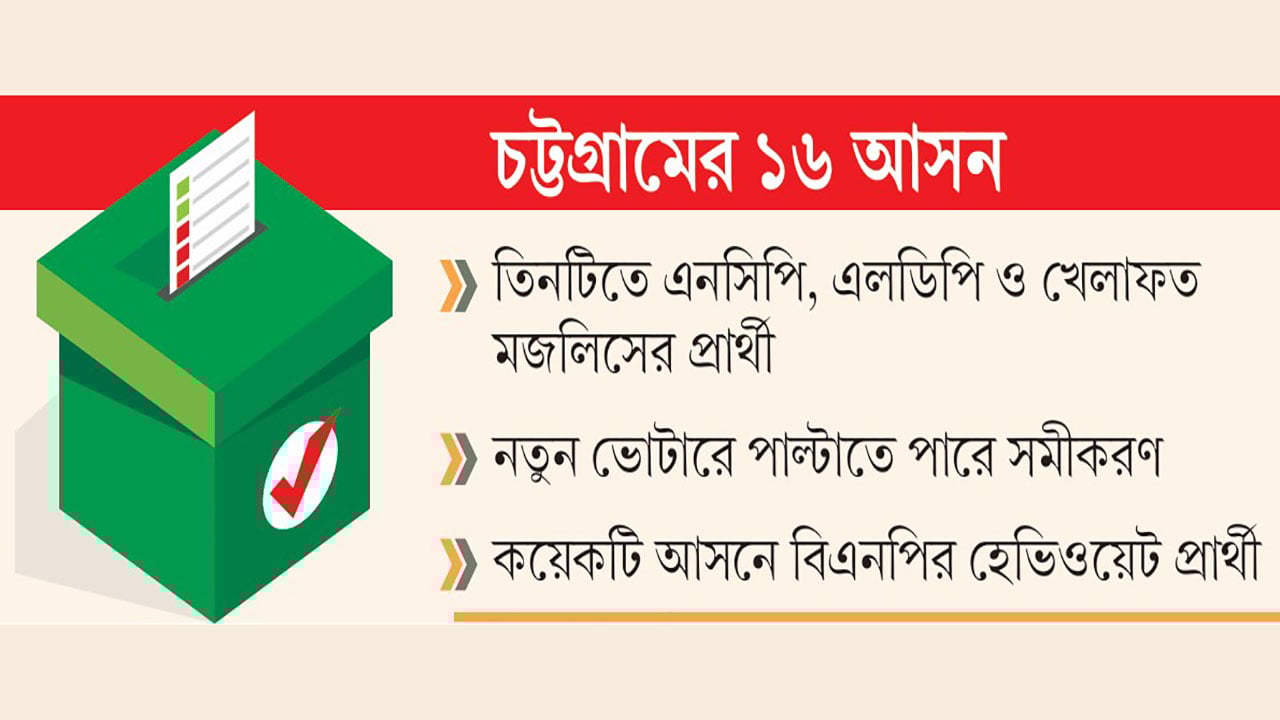
In Chattogram, 112 candidates across 16 constituencies are in the final stretch of campaigning for Bangladesh’s 13th parliamentary election scheduled for February 12. Despite multiple parties and independents contesting, the main competition is between the Bangladesh Nationalist Party (BNP) and Jamaat-e-Islami, both part of an 11-party alliance. In two constituencies, BNP faces additional challenges from rebel candidates. Jamaat has also left three seats for alliance partners, while smaller parties such as Islami Andolon Bangladesh, Gano Adhikar Parishad, and Ganosamhati Andolon are also active. The contests are particularly tight in 13 constituencies, including Mirsharai, Fatikchhari, Sandwip, Sitakunda, Hathazari, Rauzan, Rangunia, Chandgaon-Boalkhali, Kotwali-Bakalia, Halishahar-Pahartali, Bandar-Patenga, Patiya, and Anwara-Karnaphuli. Each seat features six to nine candidates, but BNP and Jamaat nominees dominate the field. Local dynamics, candidate reputations, and internal party divisions are shaping the electoral landscape. Observers note that voter sentiment, new voter registrations, and alliance coordination could determine outcomes in several constituencies, where both BNP and Jamaat remain optimistic about their chances.
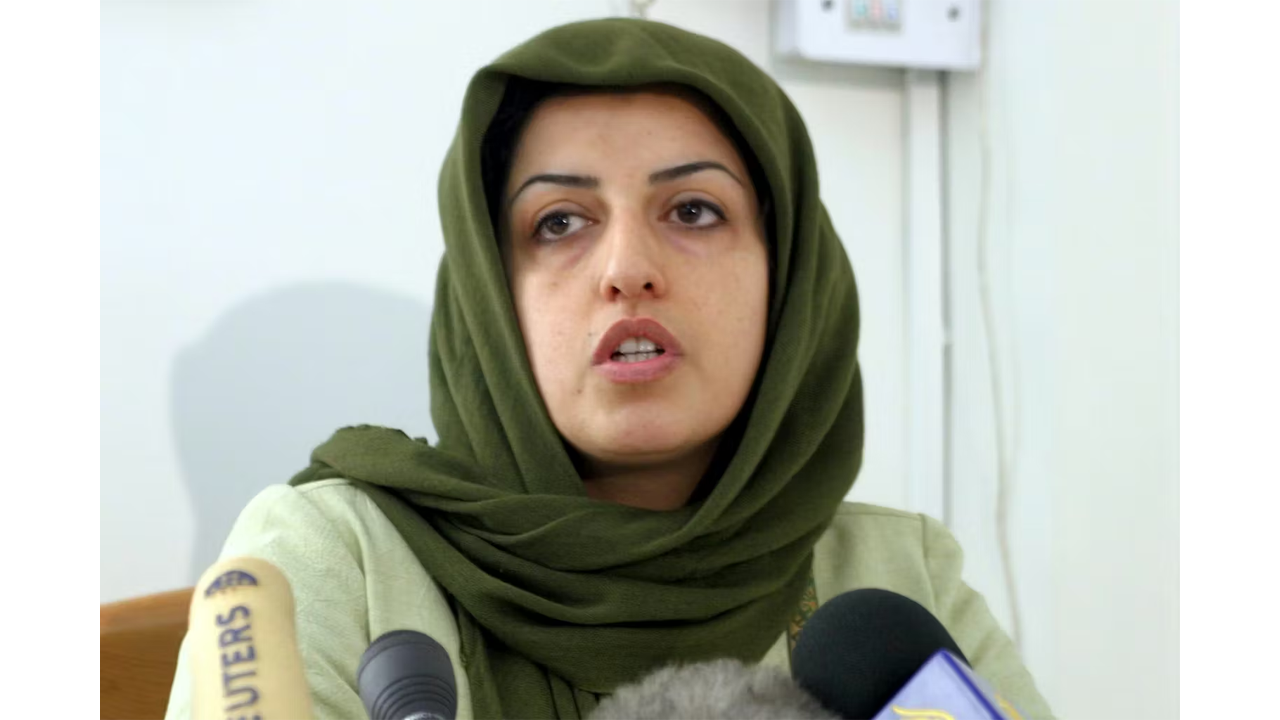
Iranian human rights activist and 2023 Nobel Peace Prize laureate Narges Mohammadi has been sentenced to a total of seven and a half years in prison, according to her lawyer and a supporting organization. Lawyer Mostafa Nili told AFP that Mohammadi received six years for 'assembly and collusion to commit crimes' and another one and a half years for 'spreading anti-state propaganda.' The ruling also includes two years of exile in Khosf, South Khorasan Province, and a two-year travel ban. Nili said the verdict is not final and can be appealed, expressing hope that Mohammadi might be temporarily released on medical grounds due to serious health issues. Mohammadi began a hunger strike on February 2 to protest restrictions on contacting her lawyer and family. The Narges Foundation stated she ended the strike on its sixth day, though her health remains in critical condition. She was arrested on December 12 after protesting the mysterious death of lawyer Khosro Alikordi. Prosecutor Hassan Hematifar accused her of making provocative remarks at a memorial event in Mashhad. Mohammadi, deputy director of the Defenders of Human Rights Center, is Iran’s second female Nobel Peace Prize winner after Shirin Ebadi in 2003.
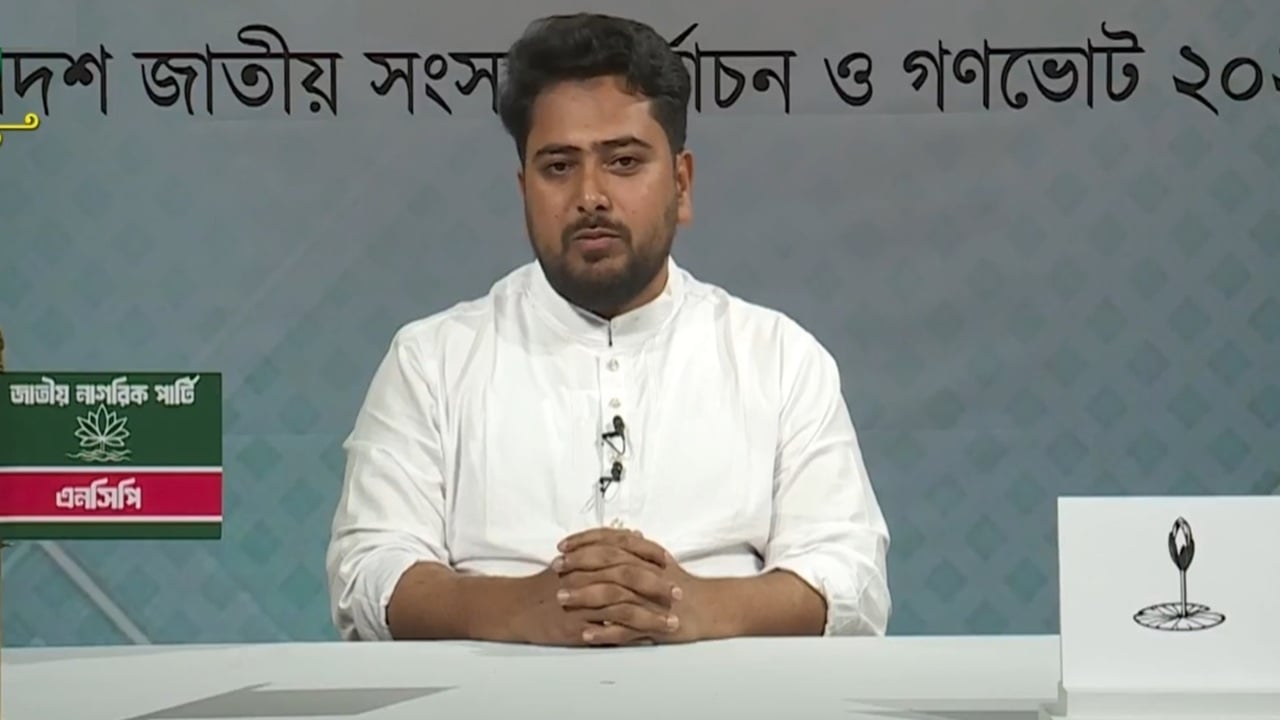
Nahid Islam, convener of the National Citizens Party (NCP) and candidate of the 11-party alliance for Dhaka-11, delivered a televised address on Sunday evening urging citizens to vote early in the February 12 election. He said the alliance aims to restore democracy, protect voting rights, and establish justice. Islam pledged that no one would be able to take away people’s voting rights and called the election a continuation of the July uprising. He emphasized that the coalition’s goal is to build a new Bangladesh free from corruption, inequality, and dominance. In his speech, Islam outlined the NCP’s vision for a reformed and fair state, highlighting plans for economic justice, environmental protection, and balanced foreign policy. He said the alliance’s 30 candidates are contesting under the ‘Shapla Kali’ symbol nationwide. He also promised to restructure the defense and police systems, ensure fair trials for past abuses, and strengthen local governance. Islam urged voters to support the alliance to achieve a “Bangladesh of change and justice.” He added that a fair election on February 12 is essential to sustain the achievements of the August 5 revolution and to realize the dream of a reformed, independent Bangladesh.
The ‘1 Nojor’ media platform is now live in beta, inviting users to explore and provide feedback as we continue to refine the experience.