

The ‘1 Nojor’ media platform is now live in beta, inviting users to explore and provide feedback as we continue to refine the experience.
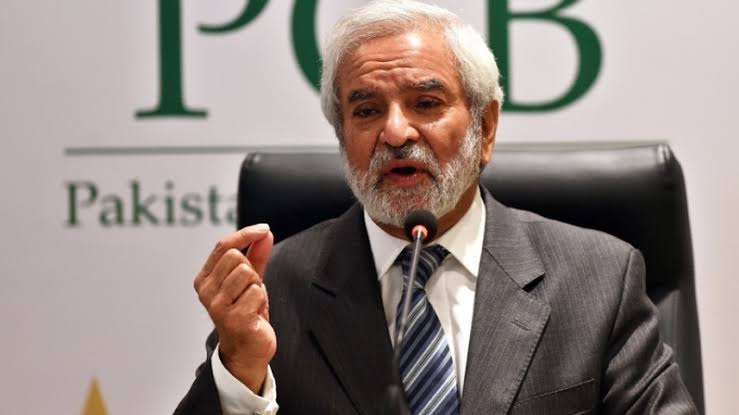
Former International Cricket Council (ICC) president Ehsan Mani has called on current ICC chairman Jay Shah to take an active role in reducing tensions between Pakistan and India. Speaking to Pakistan’s Dawn newspaper from London, Mani said Shah should personally visit Pakistan to persuade its government to withdraw its boycott and to listen carefully to its concerns. He warned that the ICC must also protect global cricket from potential financial losses if the standoff continues. Mani criticized the ICC’s reported decision to assign deputy chairman Imran Khwaja to handle talks with the Pakistan Cricket Board (PCB), arguing that as a representative of associate member Singapore, Khwaja was not the right person for the task. He said the ICC chairman himself should engage directly with the Pakistani government. Mani added that Pakistan’s decision likely rests on a strong foundation, especially if the matter reaches the ICC arbitration committee. He expressed concern that India’s influence within the ICC could affect any arbitration outcome, as seen in 2018, and suggested Pakistan could appeal to the Court of Arbitration for Sport in Switzerland if justice is denied.
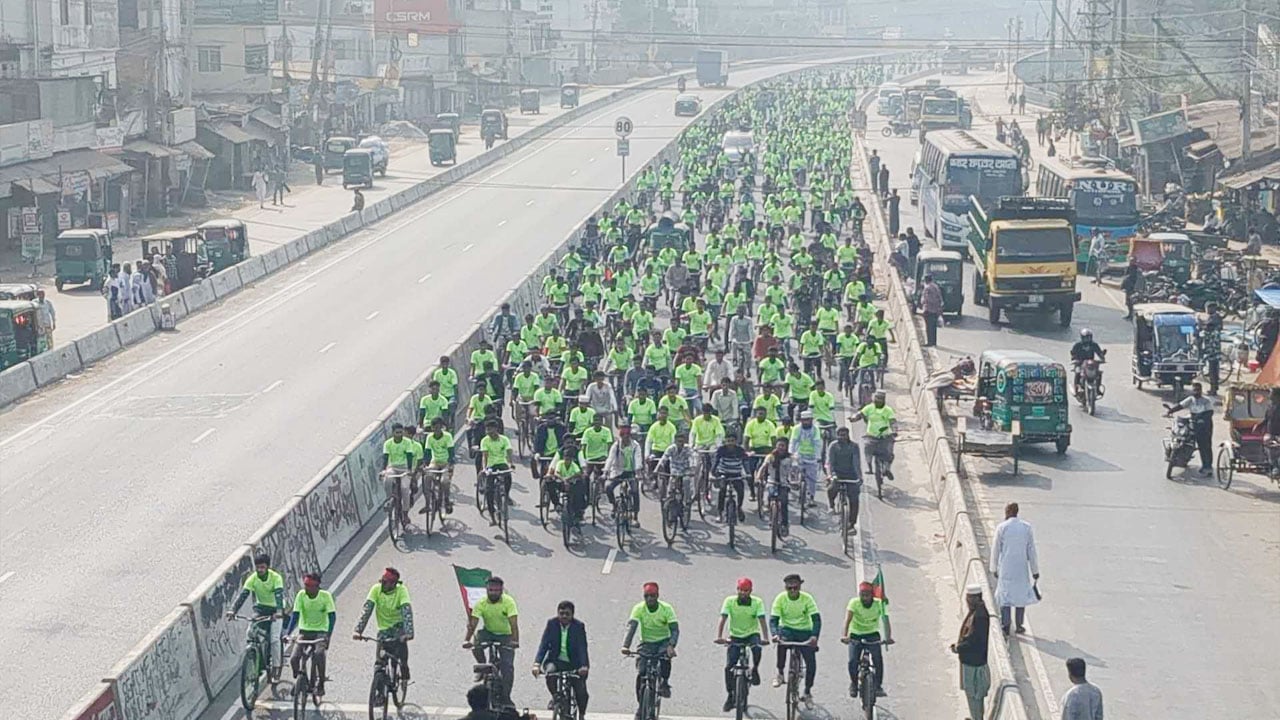
Bangladesh Islami Chhatra Shibir celebrated its 49th founding anniversary in Shahjahanpur upazila of Bogura with a bicycle rally and a brief assembly on Friday morning. The rally began at 10:30 a.m. from Majhira Bazar and moved through various roads along the Dhaka–Bogura highway before concluding with a gathering. The event was chaired by Abu Sayem, president of the Shahjahanpur town branch, and attended by a large number of members and students. Bogura district east branch office secretary Tawfiqul Islam Taki attended as chief guest, while Baytul secretary Talibul Habib and publication secretary Rakibul Islam Robin were special guests. In his address, Taki emphasized the importance of student organizations in fostering morally and ideologically sound generations. Jamaat-e-Islami’s nominated candidate for Bogura-7, Golam Rabbani, also spoke, urging unity to build a generation inspired by ethics, education, and patriotism. Speakers highlighted Shibir’s ongoing efforts to promote ideal education, social responsibility, and positive leadership among youth, calling on students to contribute to national welfare through discipline and human values.
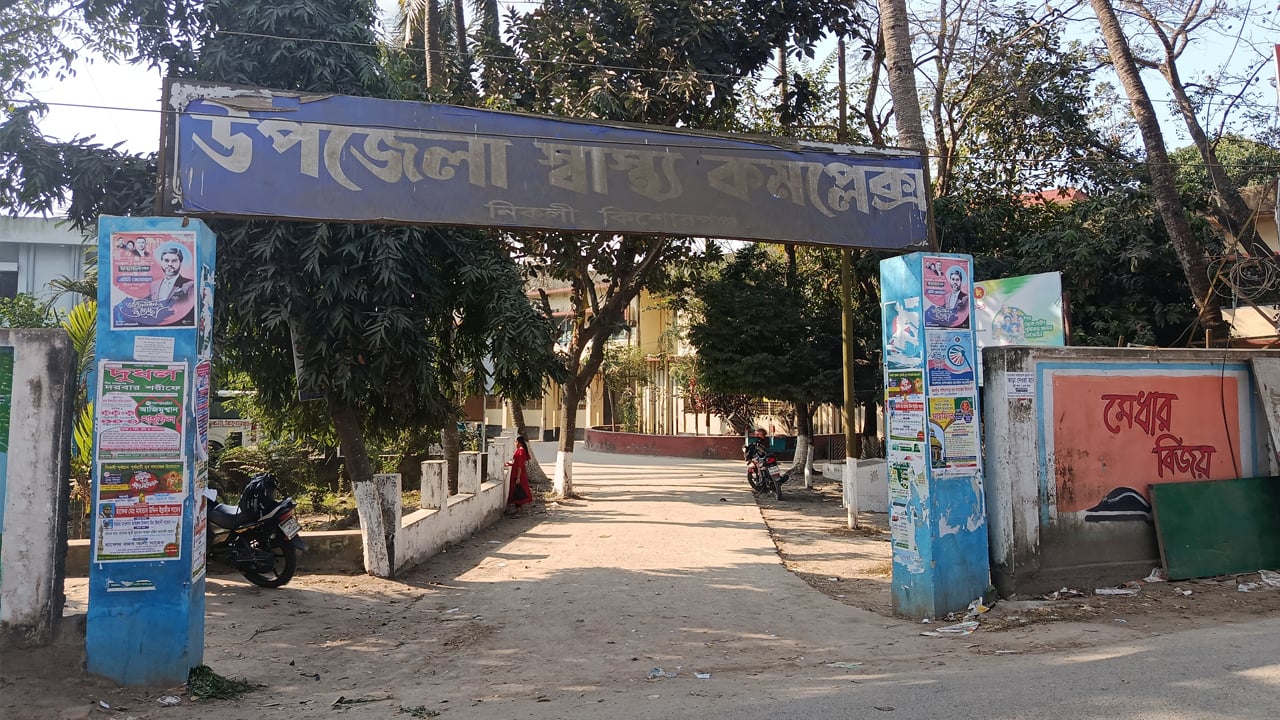
At least nine people, including women and children, were injured after being bitten by a fox in Nikli upazila of Kishoreganj on Friday. The incidents occurred between 10 a.m. and 12:30 p.m. in separate locations at Badarpur and Jalalpur villages under Karapasha Union. The injured were taken to the upazila health complex, where they received primary treatment before returning home. According to local accounts, a fox behaving abnormally attacked several residents in Badarpur village, biting them on their legs and lower bodies before fleeing. In a separate incident in Jalalpur village, a man named Jahangir Mia and his wife were attacked when the fox pounced on them. Jahangir later struck the animal with a stick, killing it on the spot. Following the attacks, panic spread across the area, and residents urged the local administration to take immediate action to prevent further incidents.
Sri Lanka Cricket (SLC) has urged the Pakistan Cricket Board (PCB) to reconsider its decision to boycott the World Cup match against India, citing potential financial losses. The match, one of the tournament’s most commercially valuable fixtures, could cost the International Cricket Council (ICC) around 500 million US dollars if it does not take place. Each cricket board of the two rival nations could lose approximately 2 billion Indian rupees directly and indirectly. SLC stated that the boycott would also harm Sri Lanka’s economy, particularly its tourism sector, which is still recovering from the 2022 financial crisis. The board emphasized that as a co-host of the World Cup, it stands to face significant economic setbacks if the high-profile match is canceled. However, the PCB has declined to act on Sri Lanka’s request, explaining that the decision to boycott India was made by the Pakistani government and is beyond the board’s authority. The ICC and the Board of Control for Cricket in India (BCCI) had previously failed to persuade Pakistan to reverse its stance.

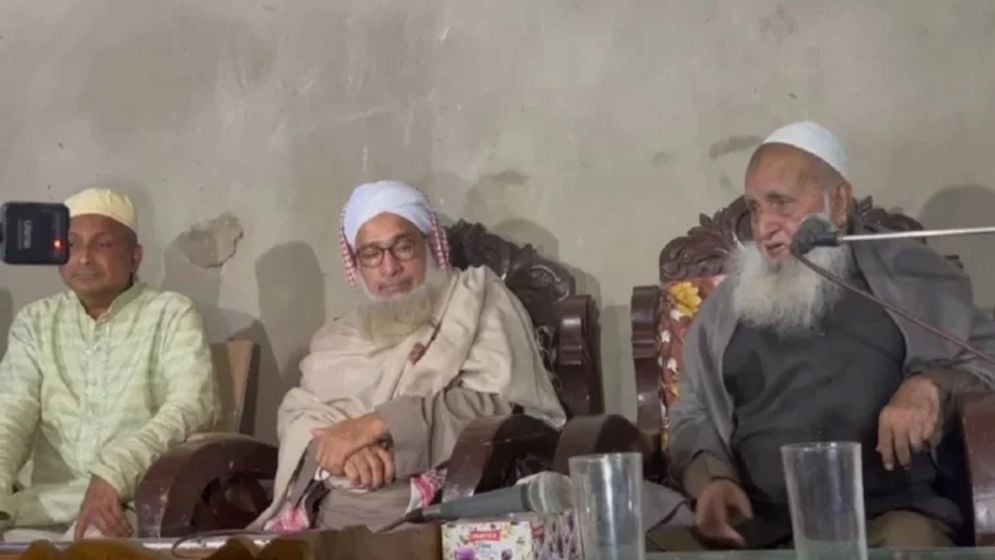
Hefazat-e-Islam Bangladesh’s Amir Allama Shah Muhibullah Babunagari has declared that voting for Jamaat-e-Islami is religiously forbidden, calling it 'haram' and 'not permissible in any way.' He made the statement on Thursday night at a religious event marking the completion of Bukhari Sharif at Kazi’s Hat Boro Madrasa in Fatikchhari, Chattogram. During the same event, Babunagari announced a 'jihad' against Jamaat-e-Islami and publicly endorsed BNP’s paddy-sheaf symbol candidate, Md. Sarwar Alamgir, for the Chattogram-2 (Fatikchhari) constituency. His remarks quickly stirred widespread discussion in local political circles and on social media. While some users supported his statement, most online comments criticized the language and the mixing of religious messages with politics. Several observers described the remarks as potentially provocative for the election environment, and local political actors speculated that the statement could alter the electoral dynamics in the constituency. As of publication, Jamaat-e-Islami and other concerned parties had not issued any immediate response to Babunagari’s comments.
French forward Karim Benzema made a spectacular debut for Al Hilal, scoring a hat-trick and providing an assist in a 6-0 victory over Al Akhdoud in the Saudi Pro League on Thursday night. The 38-year-old striker, who recently transferred from Al Ittihad to Al Hilal on the final day of the winter transfer window, opened the scoring in the 31st minute with a backheel finish. He added two more goals in the second half before assisting Brazilian forward Malcom. Benzema was substituted in the 71st minute by Italian coach Simone Inzaghi, but Al Hilal continued their dominance as Salem Al-Dawsari scored twice to complete the rout. The match marked a strong start for Benzema at his new club, which is also the former team of Neymar Jr. The Frenchman expressed his delight after the match, saying the team played well, scored many goals, and conceded none. The emphatic win highlighted Benzema’s seamless adaptation to Al Hilal and raised expectations for his performance in the remainder of the season.

The T20 World Cup begins today, but Bangladesh will not participate in the tournament due to security concerns. Despite the team’s absence, Bangladesh will still have representation at the global event through former national cricketer Athar Ali Khan, who has been named among the 40 commentators announced by the International Cricket Council (ICC) on its website. Earlier, the ICC also released the list of match officials for the tournament, which includes Bangladeshi umpires Sharafuddoula Ibne Shahid from the ICC Elite Panel and Gazi Sohel from the ICC International Panel. The commentary team features several renowned names such as Ravi Shastri, Nasser Hussain, Ian Smith, Ian Bishop, Sunil Gavaskar, Michael Atherton, Harsha Bhogle, Ramiz Raja, and Alan Wilkins. Additionally, former T20 World Cup winners Aaron Finch, Dinesh Karthik, Kumar Sangakkara, Samuel Badree, Robin Uthappa, and Carlos Brathwaite will also join the commentary panel, adding further star power to the broadcast lineup.

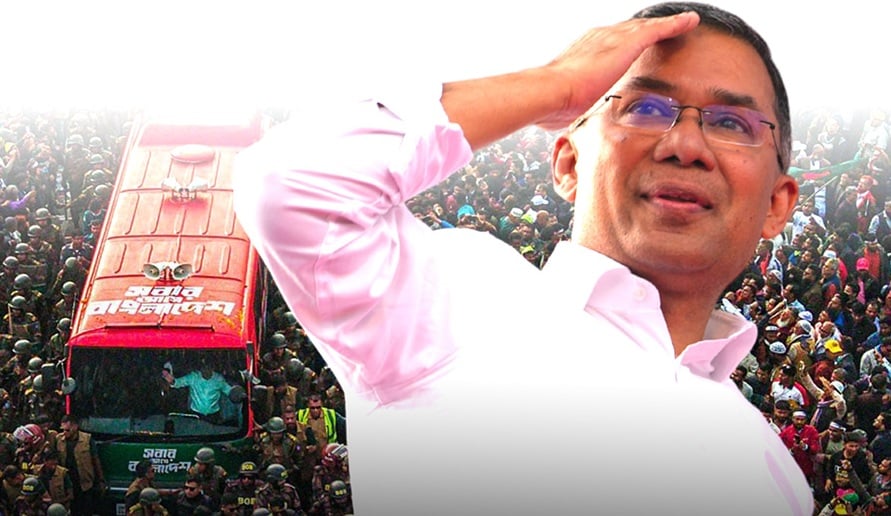
The Bangladesh Nationalist Party (BNP) has unveiled its election manifesto ahead of the upcoming national polls, emphasizing the theme 'Bangladesh First' as its guiding philosophy. Party Chairperson Tarique Rahman announced the plan at a ceremony in Dhaka’s Hotel Sonargaon on February 6, 2026, pledging to create one million new jobs in artificial intelligence (AI), cybersecurity, and freelancing sectors to address youth unemployment and revive the fragile economy. The manifesto outlines several ICT-focused initiatives, including transforming Bangladesh into an international hub for AI, software, and hardware production. It promises free high-speed internet in key areas, a national cybersecurity center, and a 'Made in Bangladesh' program to promote local tech products globally. The BNP also plans to introduce digital payment systems such as PayPal, establish AI-driven data centers, and support startups with tax exemptions, subsidized loans, and a national crowdfunding platform. According to Tarique Rahman, these initiatives aim to build a technology-driven, employment-oriented, and innovative economy if the BNP forms the next government.
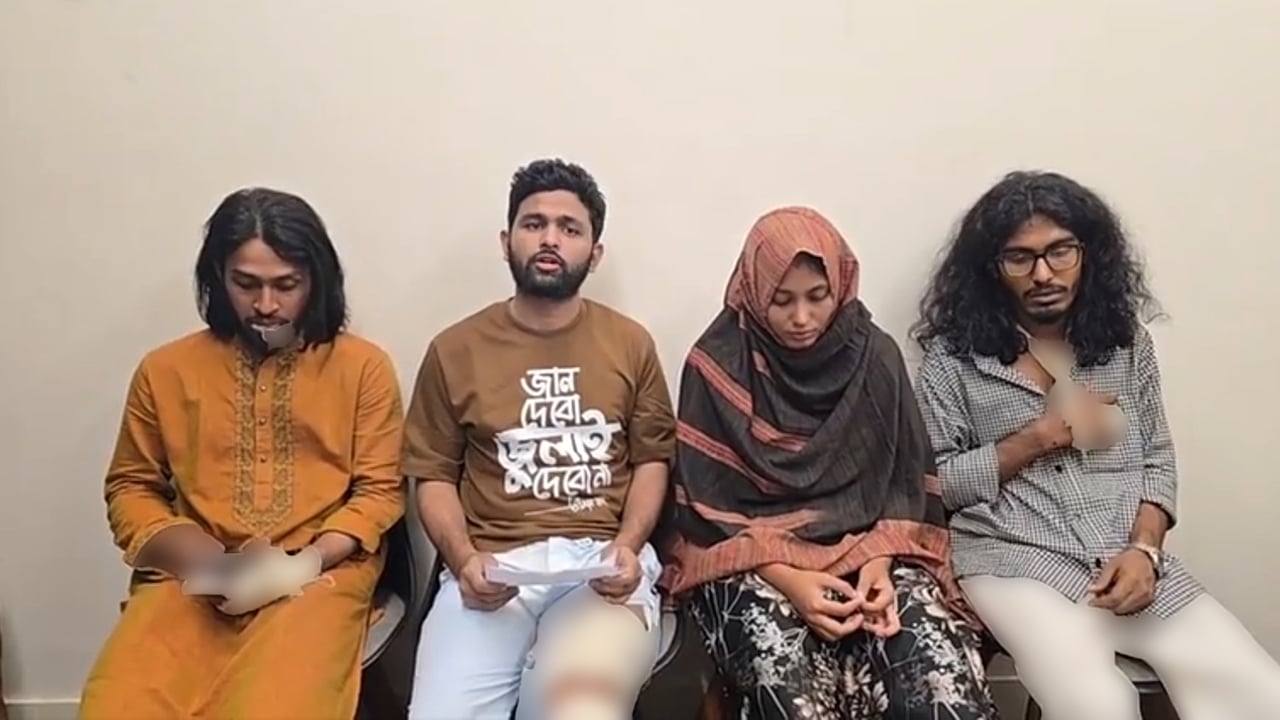
Police dispersed a demonstration by Inkilab Moncho activists on Friday during their campaign demanding justice for the killing of Shahid Sharif Osman Hadi. Several members of the group were injured in the incident. Later that night, the organization released a video on its Facebook page where member secretary Abdullah Al Jaber described the events and accused police of using excessive force against peaceful protesters near Dr. Yunus’s residence. In the video, Jaber alleged that police assaulted female activists and ignored orders from senior officers to avoid violence. He claimed that the attack was intended to disrupt the upcoming national election scheduled for the 12th. The group demanded that the interim government send a letter to the United Nations by February 8 requesting an independent investigation into Hadi’s killing under UN supervision. Jaber also alleged that some police officers removed nameplates and wore masks during the assault. Inkilab Moncho called for identifying and prosecuting those responsible for the attack and warned that failure to act could further destabilize the country’s law and order situation.
According to the Department of Prisons, only about seven percent of inmates across Bangladesh are participating in the national election and referendum through postal ballots. Out of approximately 85,000 prisoners nationwide, 5,960 have been approved to vote by post. Assistant Inspector General of Prisons Jannatul Farhad confirmed the information on Friday, noting that inmates from 71 of the country’s 75 prisons registered for postal voting, while four newly established prisons currently have no inmates. Prison authorities reported that 6,313 prisoners initially registered for postal voting, but after verification and procedural complexities, 5,960 registrations were approved. By Thursday, 3,647 votes had been collected and sent to the respective centers, with the remaining ballots still being processed. The registration process is conducted online, requiring inmates to access candidate lists from their home constituencies, which takes additional time. Officials added that many prisoners lack national identity cards or show little interest in voting, contributing to the low participation rate. The prison population has risen sharply since the July uprising, with about 85,000 inmates now held in facilities designed for 43,000.
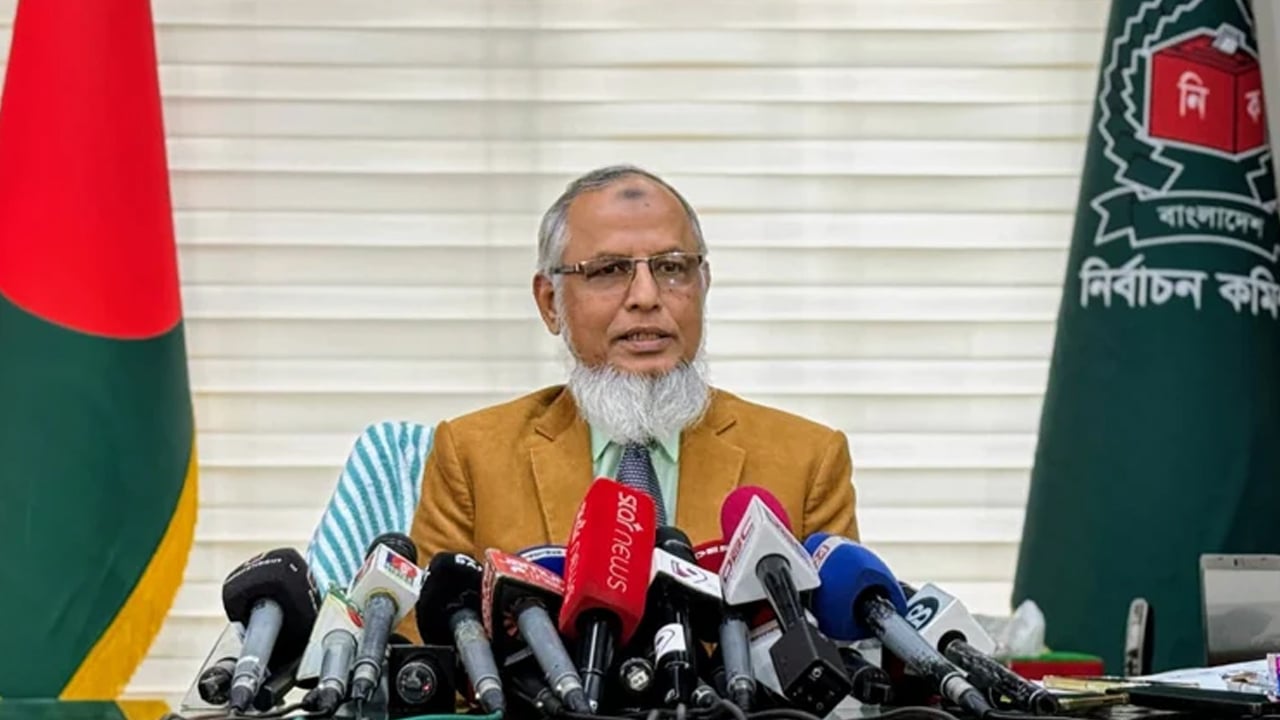
Election Commissioner Md. Anwarul Islam Sarkar announced that all preparations for Bangladesh’s 13th National Parliamentary Election and referendum, scheduled for February 12, have been completed. He stated that only voter participation remains, as ballot distribution to remaining constituencies will be finalized within the next few days. The commission reported that ballots have already reached 116 constituencies and will reach all others by February 7. Senior Secretary Akhtar Ahmed of the Election Commission Secretariat explained that some ballots had to be reprinted after court rulings reinstated several candidates, causing minor delays. He expressed confidence that all ballots would arrive on time. To ensure security, the highest-ever number of law enforcement personnel in Bangladesh’s electoral history has been deployed, with the army active for seven days, Ansar for eight days, and police already on duty. Additionally, 1,050 executive magistrates and judicial magistrates will be stationed from February 8 to 14 to oversee mobile courts and election-related duties.
Inqilab Mancha has alleged that members of the Awami League infiltrated their protest demanding justice for the killing of Shaheed Sharif Osman Hadi. The group claimed that during their gathering at Shahbagh on Friday night, individuals linked to the Awami League mixed with the general public and attempted to divert the situation. The allegations were made through two separate Facebook posts at 8:09 p.m. and 9:13 p.m. In the later post, Inqilab Mancha stated that the 'League has become active' and accused them of trying to derail both the demand for justice and the upcoming election. The group urged supporters to move to safe locations. Earlier, in the first post, it reaffirmed that the election would be held on the 12th as planned and would not be allowed to be disrupted. The report indicates that Inqilab Mancha remains firm on holding the election as scheduled while warning of attempts to destabilize the movement and the electoral process.
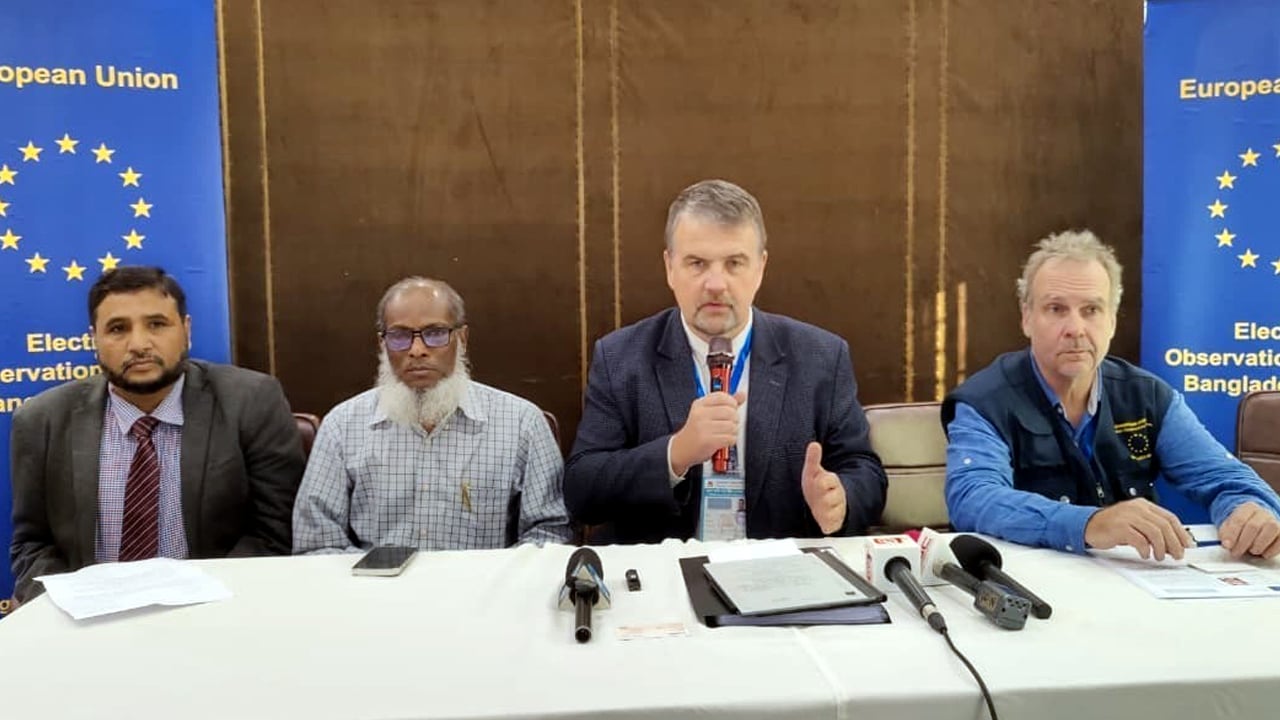
The European Union Election Observation Mission (EU EOM) Chief Observer Ivars Ijabs said the upcoming February 12 national election in Bangladesh is expected to be free, fair, peaceful, and transparent, leading to the formation of a new parliament. Speaking at a press briefing at the Sylhet Press Club on Friday evening, he expressed optimism that the historic election would strengthen democracy and help Bangladesh emerge as a dynamic state. Ijabs emphasized that the EU EOM operates under three technical principles—independence, impartiality, and non-interference—and will observe the electoral process but not certify the results. He noted that the election belongs solely to the people of Bangladesh. The mission will assess the overall environment for political and civic participation, including that of women, youth, and vulnerable groups, as well as monitor media and social media to evaluate voter access to information. According to Ijabs, the EU EOM will issue a preliminary statement and hold a press conference in Dhaka on February 14, followed by a final report with recommendations about two months later.
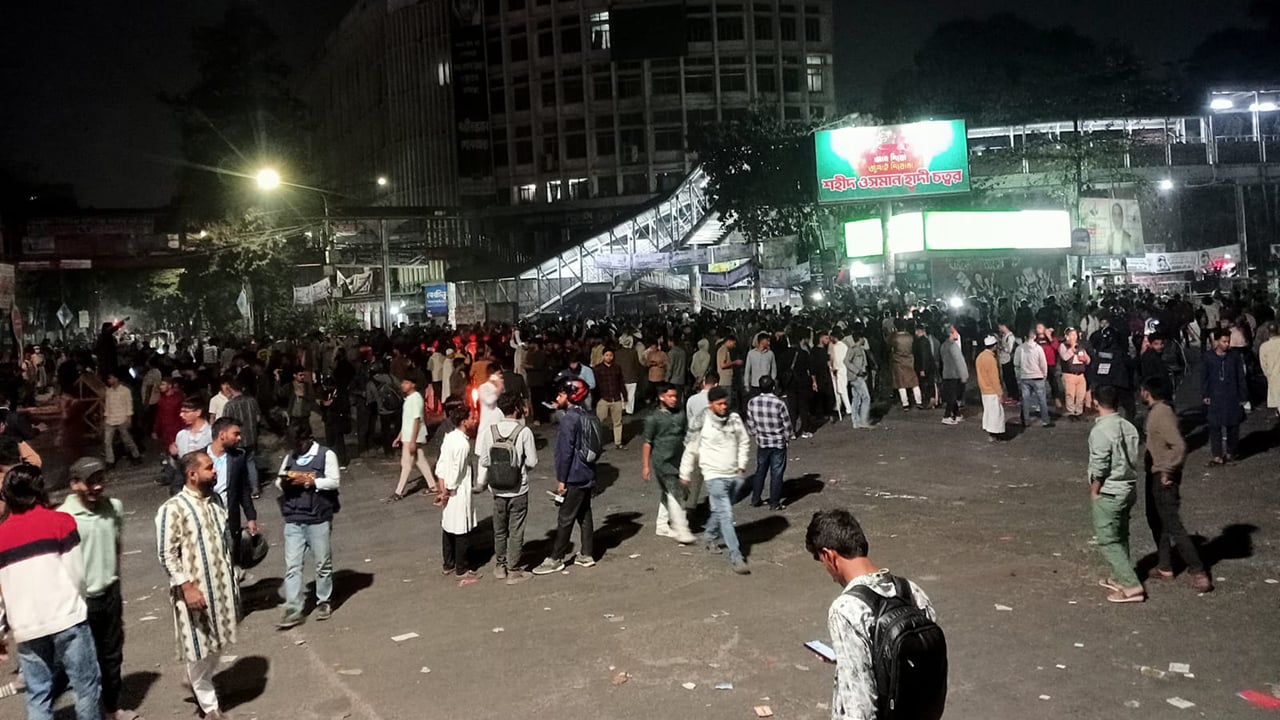
Leaders and activists of Inqilab Manch reoccupied Dhaka’s Shahbagh intersection late Friday night after enduring police sound grenades and tear gas for two hours. Earlier in the evening, police had dispersed the group and taken control of the area around 7 p.m., but by 8:45 p.m. the protesters regained their position. The group has been demonstrating since Thursday near the Intercontinental Hotel, demanding a United Nations-led investigation into the killing of Hadi. Police had earlier used sound grenades and tear gas to remove the protesters from the hotel area, prompting Inqilab Manch to block Shahbagh in protest. Independent MP candidate for Dhaka-18, Mohiuddin Roni, was injured during the confrontation and is receiving hospital treatment, according to his associate Obaidur Rahman Sohan. In a Facebook post Friday night, Inqilab Manch reaffirmed that the election scheduled for the 12th would proceed and warned against attempts to derail it. Another post from the group alleged that ruling party activists were blending with the public to divert the situation and urged supporters to move to safe locations.
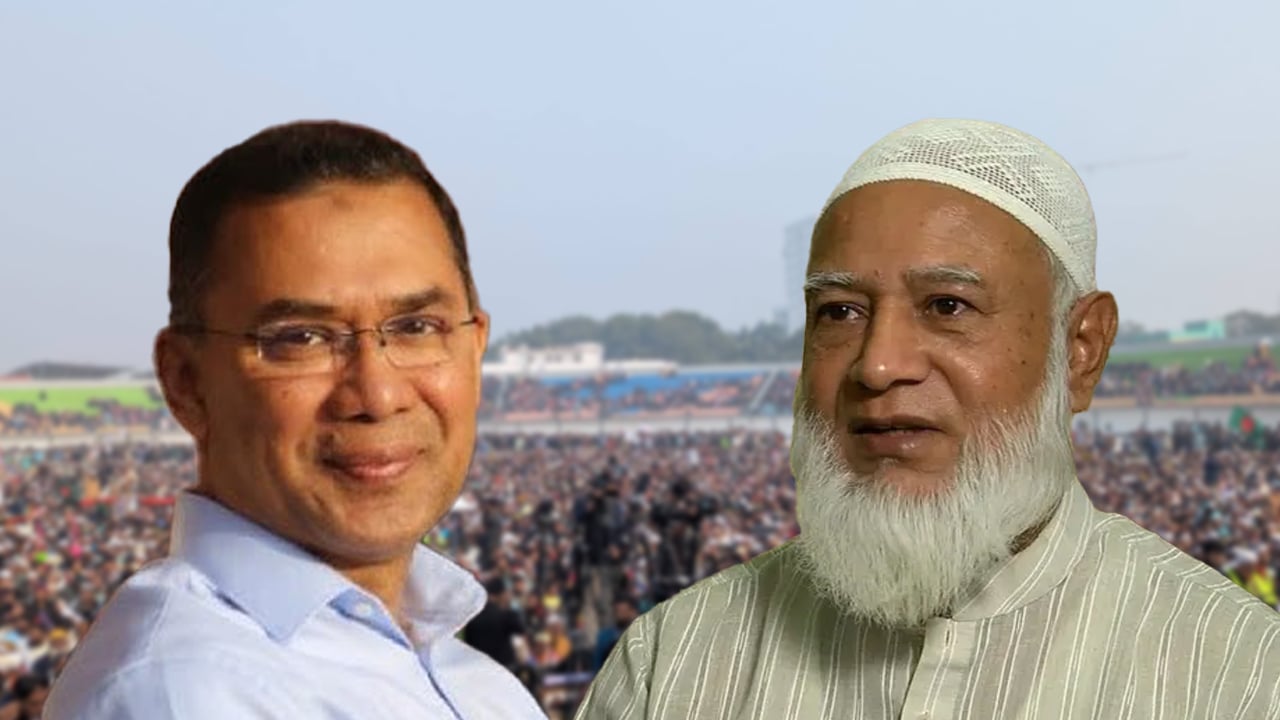
Jamaat-e-Islami Ameer Dr. Shafiqur Rahman has invited BNP Chairperson Tarique Rahman to join a direct public discussion on the upcoming national election. The invitation was made on Friday evening through a post on Dr. Rahman’s verified Facebook page, where he emphasized the importance of free and fair elections as the foundation of legitimacy and public trust. In his post, Dr. Rahman stated that political engagement should be civil and non-confrontational, particularly after the July revolution, and called for both leaders to appear before the media and the public to present their respective manifestos. He proposed that such a discussion would allow citizens to evaluate their visions and make informed decisions about the country’s future governance. Dr. Rahman concluded by urging for a new chapter in Bangladesh’s politics, one that honors the will of the people and upholds transparency and accountability in leadership.
The ‘1 Nojor’ media platform is now live in beta, inviting users to explore and provide feedback as we continue to refine the experience.