

The ‘1 Nojor’ media platform is now live in beta, inviting users to explore and provide feedback as we continue to refine the experience.
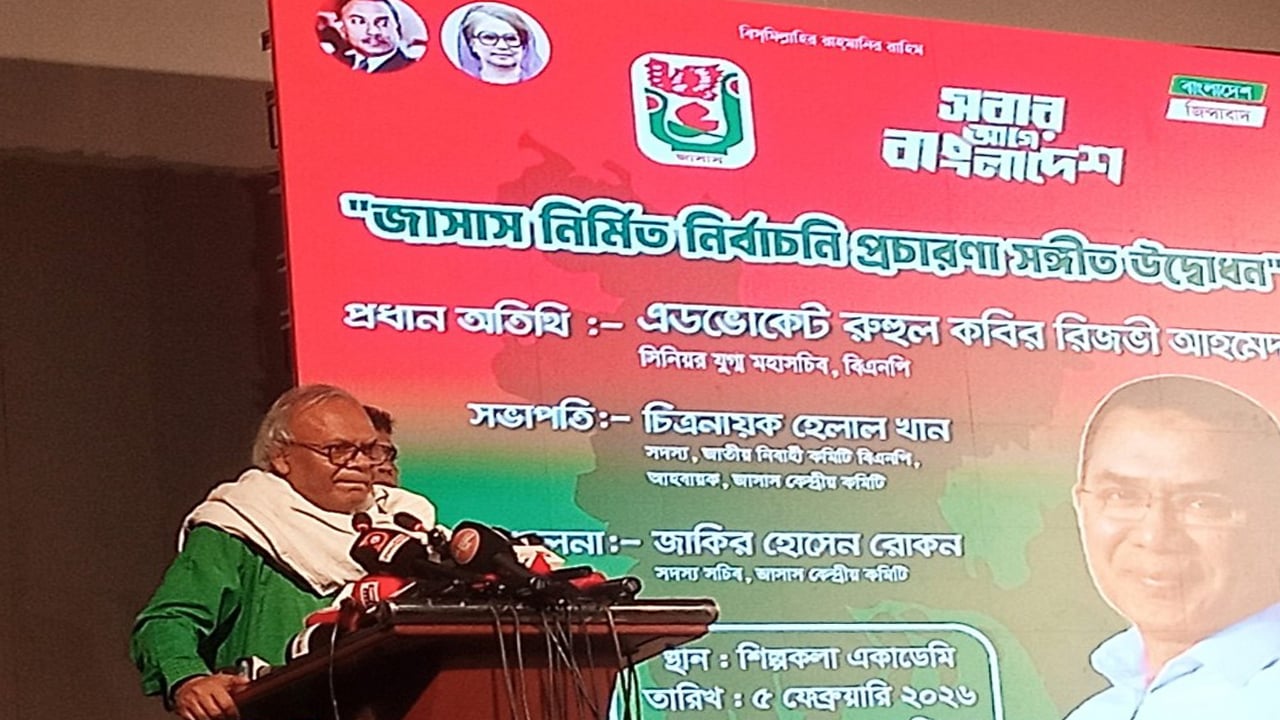
Bangladesh Nationalist Party (BNP) Senior Joint Secretary General Ruhul Kabir Rizvi has alleged that a planned campaign of false propaganda is being carried out against the party. Speaking as chief guest at an event at the Bangladesh Shilpakala Academy on Thursday, he said the upcoming election is a struggle for the BNP amid widespread conspiracies, misinformation, and technological manipulation through so-called propaganda bots. The event was organized by Jatiyatabadi Samajik Sangskritik Sangstha (JASAS) to launch five new BNP election campaign songs. Rizvi stated that those who fought for democracy and did not hide under the ruling party’s influence are now being targeted by deliberate misinformation. He emphasized that the roots of nationalist forces are deeply entrenched and cannot be obscured by lies or propaganda. He called on poets, writers, artists, lyricists, performers, and composers to take responsibility in countering such defamation and to ensure the victory of truth and justice. The event was presided over by actor Helal Khan, with speeches from JASAS leaders and cultural figures including Rezauddin Stalin and Moniruzzaman Monir.
British scientists from the British Antarctic Survey have introduced an artificial intelligence (AI) system designed to identify and track icebergs as they drift and fragment in the ocean. The announcement, reported from Paris by AFP on Thursday, marks the first use of AI for this purpose. The technology aims to help scientists understand climate change and improve future predictions by monitoring icebergs from their formation to their eventual melting. According to the researchers, the AI system captures the unique shape of an iceberg the moment it detaches from a glacier or ice shelf. When the iceberg later breaks apart, the system can match the smaller fragments back to the original structure, creating a complete “family tree” of icebergs. This allows scientists to analyze the origins, movements, and climate impacts of entire iceberg systems rather than just a few individual ones. Researchers noted that the technology could also enhance maritime safety in polar regions. They cautioned, however, that while iceberg calving is a natural process, the rate of ice loss in Antarctica is increasing alarmingly due to climate change.

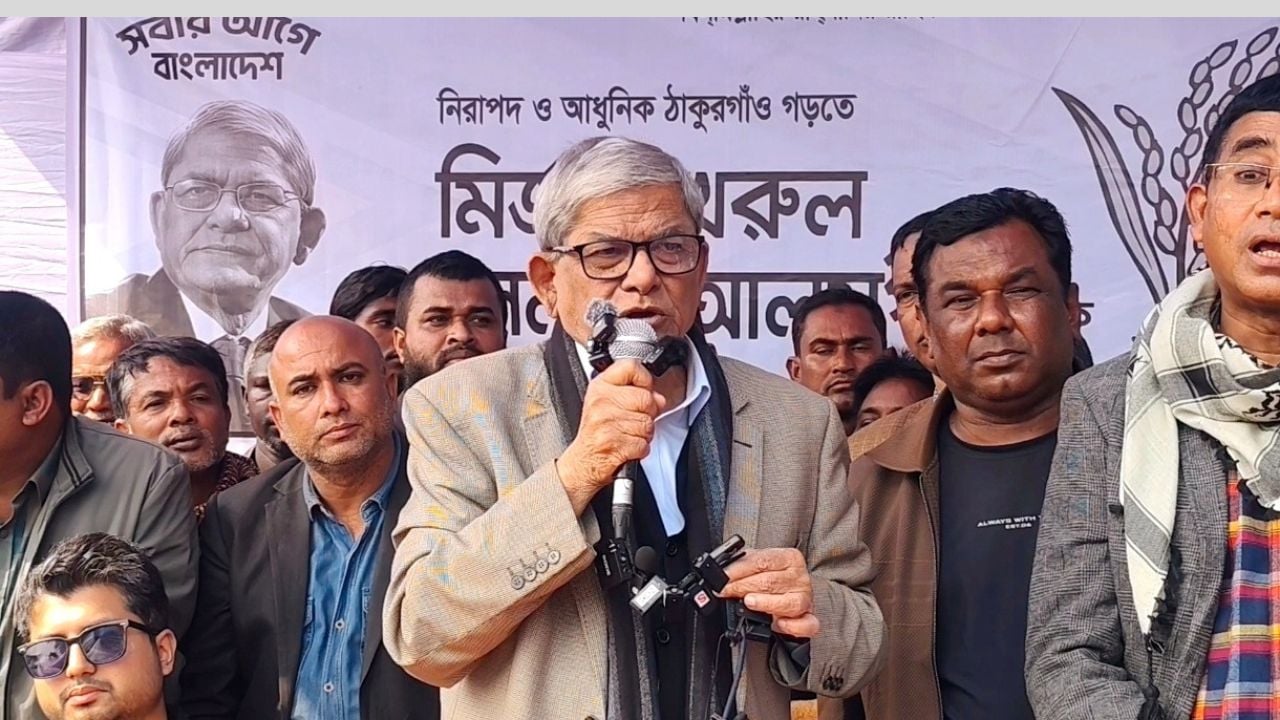
BNP Secretary General Mirza Fakhrul Islam Alamgir said the upcoming election presents a crucial opportunity for Bangladesh after 15 years without genuine voting rights. Speaking at a roadside rally at Farabari High School field in Akcha Union, Thakurgaon-1, on Thursday, he stated that the current government is neutral and willing to hold a fair election. He expressed optimism that this time there would be no vote manipulation or coercion, crediting student and public movements for restoring the people’s right to vote. During the rally, Fakhrul outlined BNP’s election pledges, including a Family Card for affordable essentials, a Farmer Card for irrigation and fertilizer purchases, and debt waivers up to Tk 10,000 for farmers. He promised to suspend NGO loan installments for one year and create jobs for one crore youths within 18 months. He also announced plans for road development, a warehouse, technical and nursing training, and agricultural industries in Thakurgaon. Fakhrul emphasized communal harmony, urging all religious communities to vote without fear. Calling it his last election, he sought support for BNP’s symbol, the paddy sheaf, and reiterated his commitment to honest governance.
A major cybersecurity concern has emerged after more than 149 million login records were discovered in an unprotected online database. The exposed data included credentials from popular services such as Gmail, Facebook, Instagram, Yahoo Mail, Netflix, Outlook, iCloud, and TikTok. The database, found by cybersecurity researcher Jeremiah Fowler, was 96 gigabytes in size and lacked any password or encryption protection, allowing anyone with internet access to view it. The leak did not result from a direct hack of Google or Meta servers but from malware infections on users’ devices. The malware, identified as an infostealer type, collected login data over time through fake software updates, malicious email attachments, harmful browser extensions, and deceptive online ads. Despite being reported to the hosting company, the database remained publicly accessible for nearly a month. Experts warned that compromised email accounts could allow hackers to reset passwords for other services, putting banking, social media, and healthcare accounts at risk. They urged users to update software, use strong unique passwords, enable two-factor authentication, and regularly scan devices for malware.

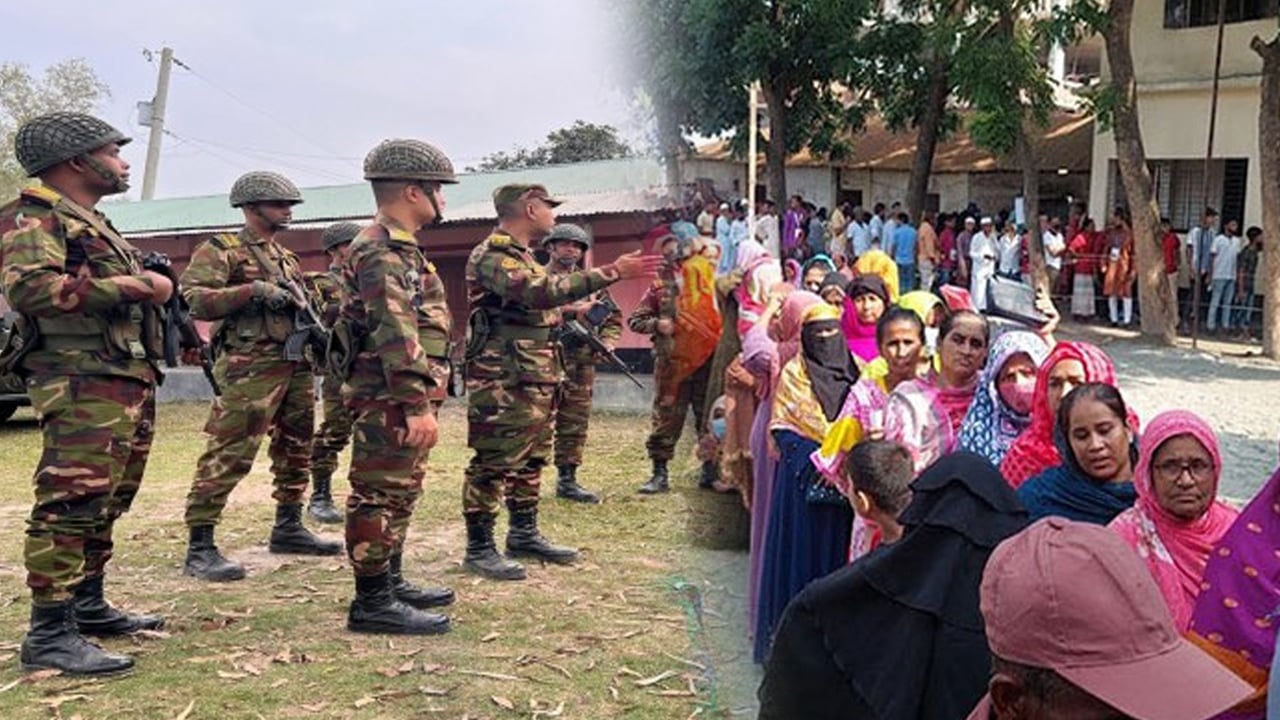
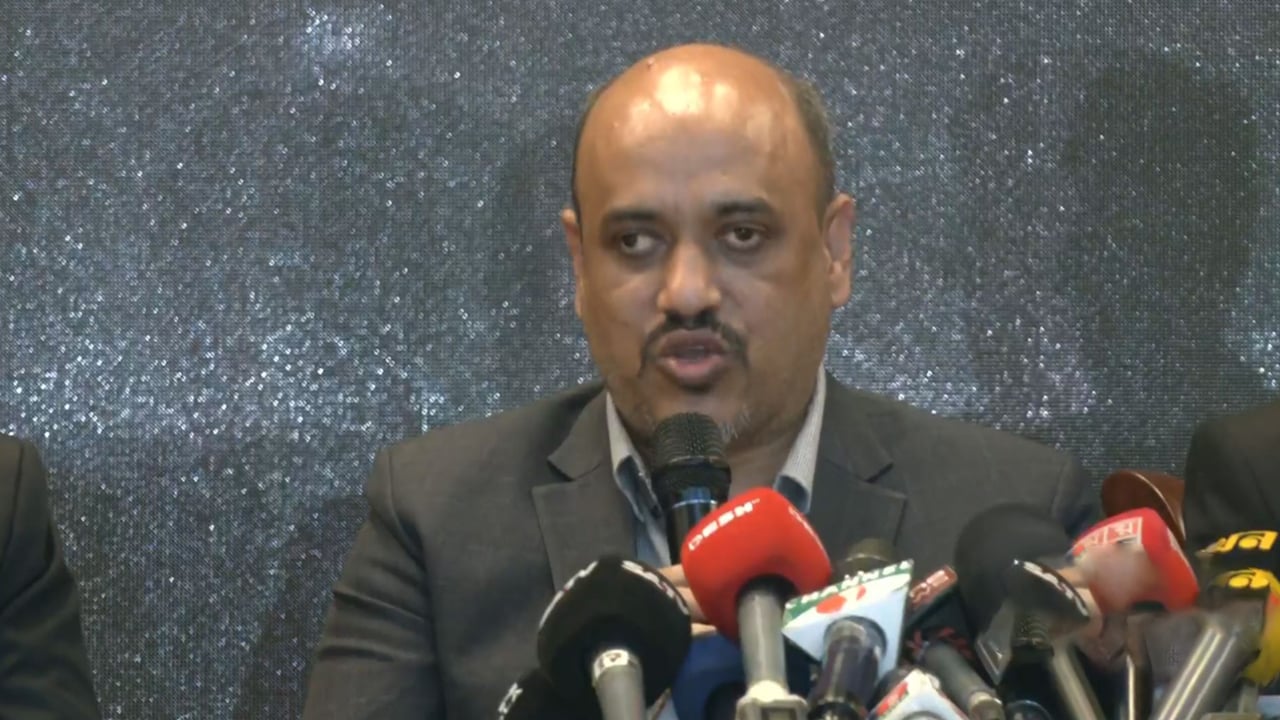
The Bangladesh Army has deployed 100,000 personnel to ensure a peaceful and orderly environment for the upcoming national parliamentary election, according to the Army Headquarters. For the first time, troops have been authorized to patrol up to the premises of polling centers. Previously, a maximum of 40,000 to 42,000 soldiers were stationed as striking forces in remote areas. The enhanced deployment has been in effect since January 20. At a press conference held on Thursday at the Roller Skating Complex in Gulistan, Brigadier General Dewan Mohammad Monzur Hossain, Director of Military Operations, explained that the increased deployment aims to restore voter confidence and ensure safe access to polling centers. He noted that the army chief has assigned nearly all available personnel for election duties, keeping only the minimum required for other operations. Due to a shortage of vehicles, the army has sought assistance from the civil administration and is hiring vehicles when necessary to maintain continuous patrols. The troops have been conducting day and night patrols to strengthen public trust ahead of the election.
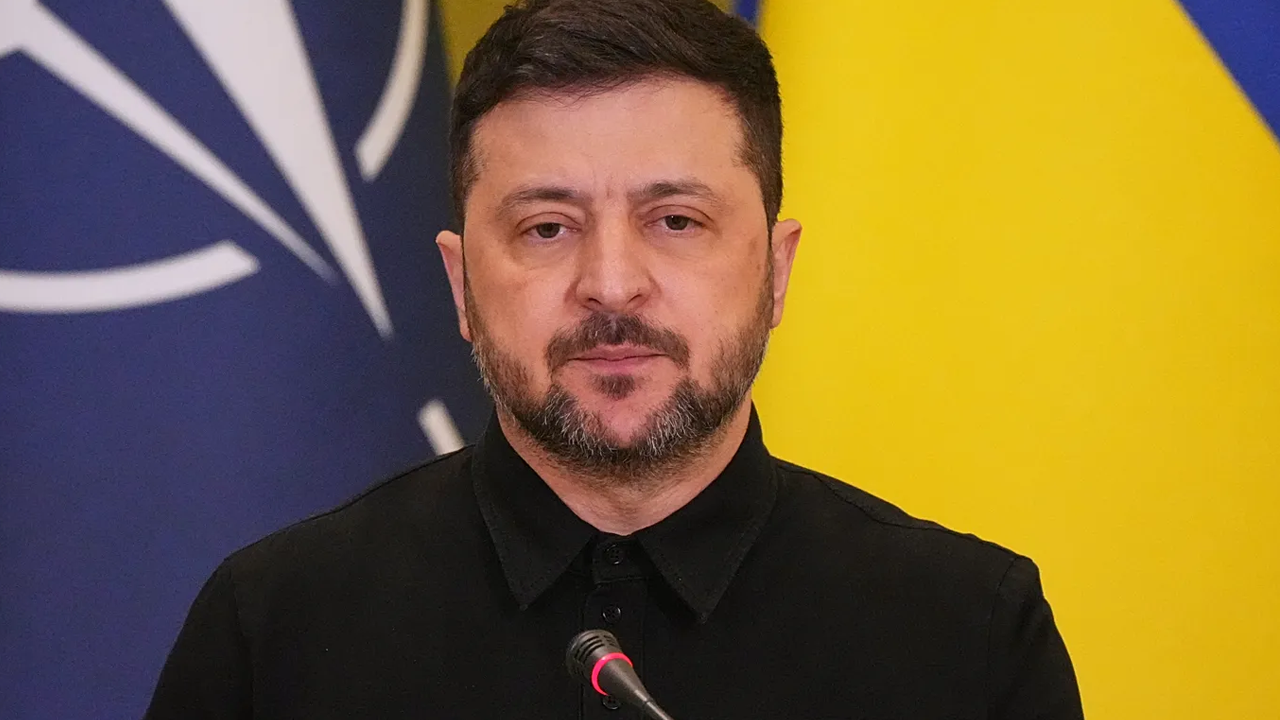
Ukrainian President Volodymyr Zelensky stated that around 55,000 Ukrainian soldiers have been killed since the start of the war with Russia. He revealed the figure during an interview with France 2 television on February 4, 2026. According to Turkey’s state media TRT World, Zelensky said the casualties include both professional soldiers and conscripts, and many people remain officially listed as missing. A report by the U.S.-based Center for Strategic and International Studies (CSIS) estimated that by spring 2026, total military casualties, including the dead, wounded, and missing from both sides, could reach about two million. CSIS estimated Russia’s military losses at around 1.2 million and Ukraine’s at between 500,000 and 600,000, with roughly 325,000 Russian soldiers killed over nearly four years of conflict. The United Nations reported that civilian casualties in Ukraine reached their highest level in 2025 since 2022, with at least 2,500 civilians killed and more than 12,000 injured that year. The UN warned that the actual figures may be higher.
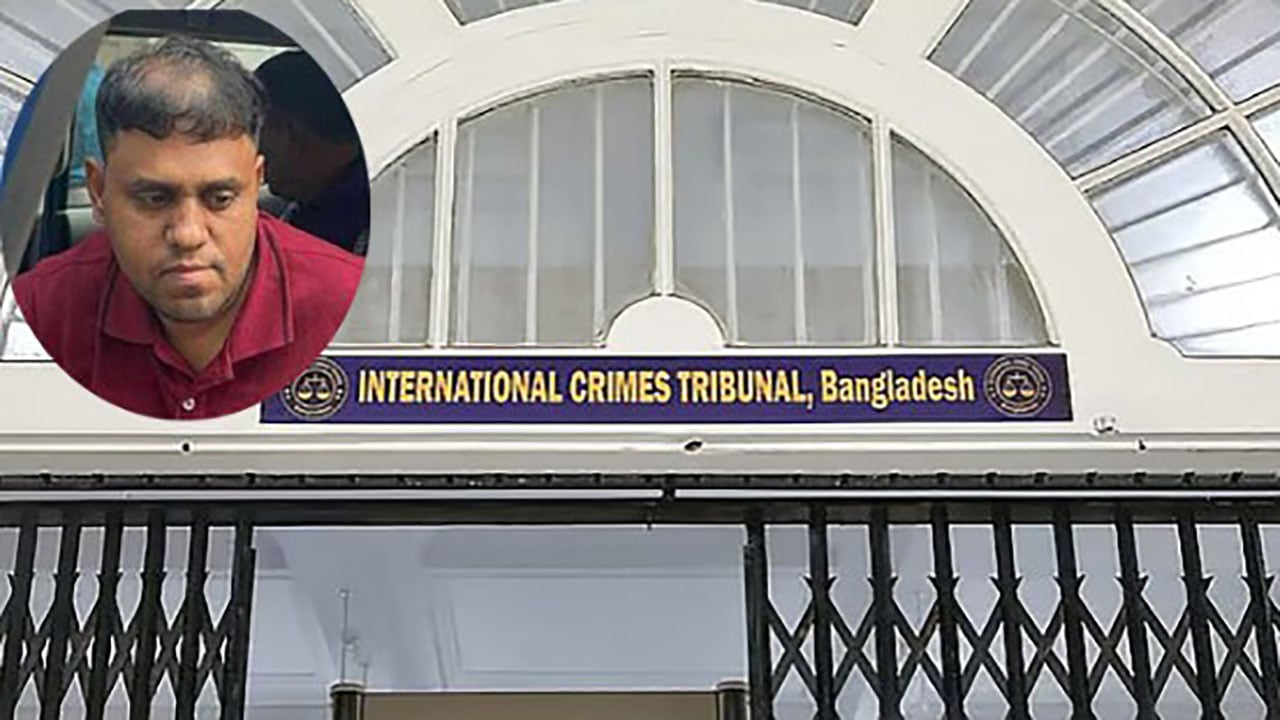
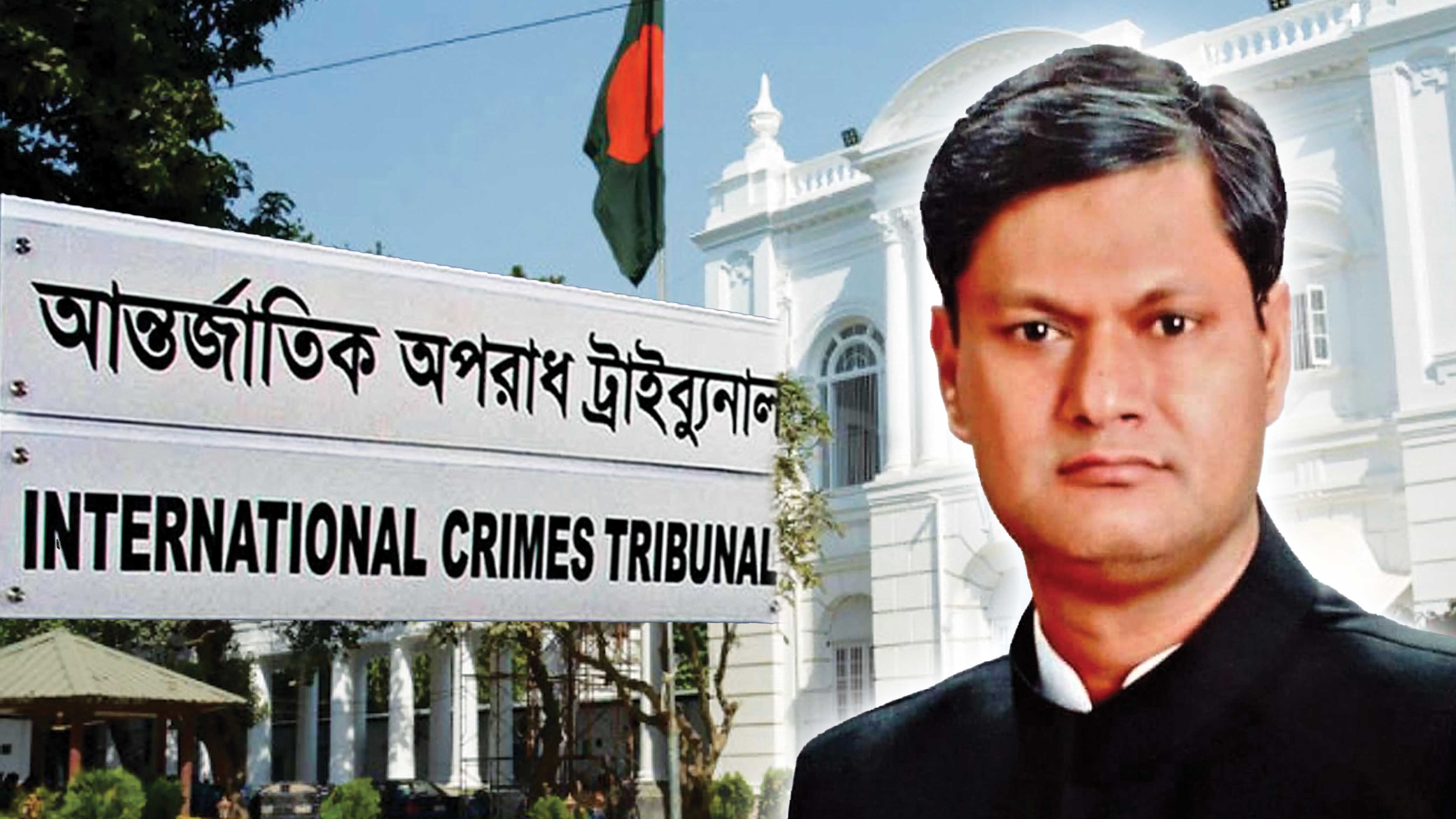
A Bangladesh tribunal has sentenced former Member of Parliament Saiful Islam and five others to death for crimes against humanity related to the killing of seven people and burning of six bodies in Ashulia during the July uprising. The verdict was delivered on Thursday afternoon by the three-member judicial panel of Tribunal-2, chaired by Justice Nazrul Islam Chowdhury. Seven others received life imprisonment, and two were sentenced to seven years in prison. Former Ashulia police sub-inspector Sheikh Abzalul Haque was acquitted. The court also ordered the confiscation of Saiful Islam’s assets for distribution among the victims’ families. Those sentenced to death include former Ashulia police officials and a local youth leader. The tribunal area and the Supreme Court premises were placed under tight security, with police, RAB, BGB, army, and intelligence personnel deployed. The ruling marks a significant judgment in a case tied to violent events during the July uprising, underscoring the tribunal’s continued pursuit of accountability for crimes against humanity.
Sheikh Bandar Balilah, Imam and Khatib of Masjid al-Haram, has been appointed as the official Mufti of the Makkah region. The appointment was announced on Tuesday with the approval of Saudi Arabia’s Grand Mufti, Sheikh Dr. Saleh Al-Fawzan. The decision is part of a broader initiative dividing the country into eight regions, each overseen by a senior scholar to ensure reliable sources for issuing fatwas. Sheikh Al-Fawzan congratulated Sheikh Balilah, noting that his experience and knowledge would enrich religious research and benefit worshippers and pilgrims visiting the two holy mosques. Sheikh Balilah was born in Makkah in 1975 and holds degrees in Islamic law and jurisprudence from Umm al-Qura University and a PhD from the University of Madinah. Before his new appointment, Sheikh Balilah served as Imam of Masjid al-Haram since 2013 and previously led prayers in several other mosques in Makkah.

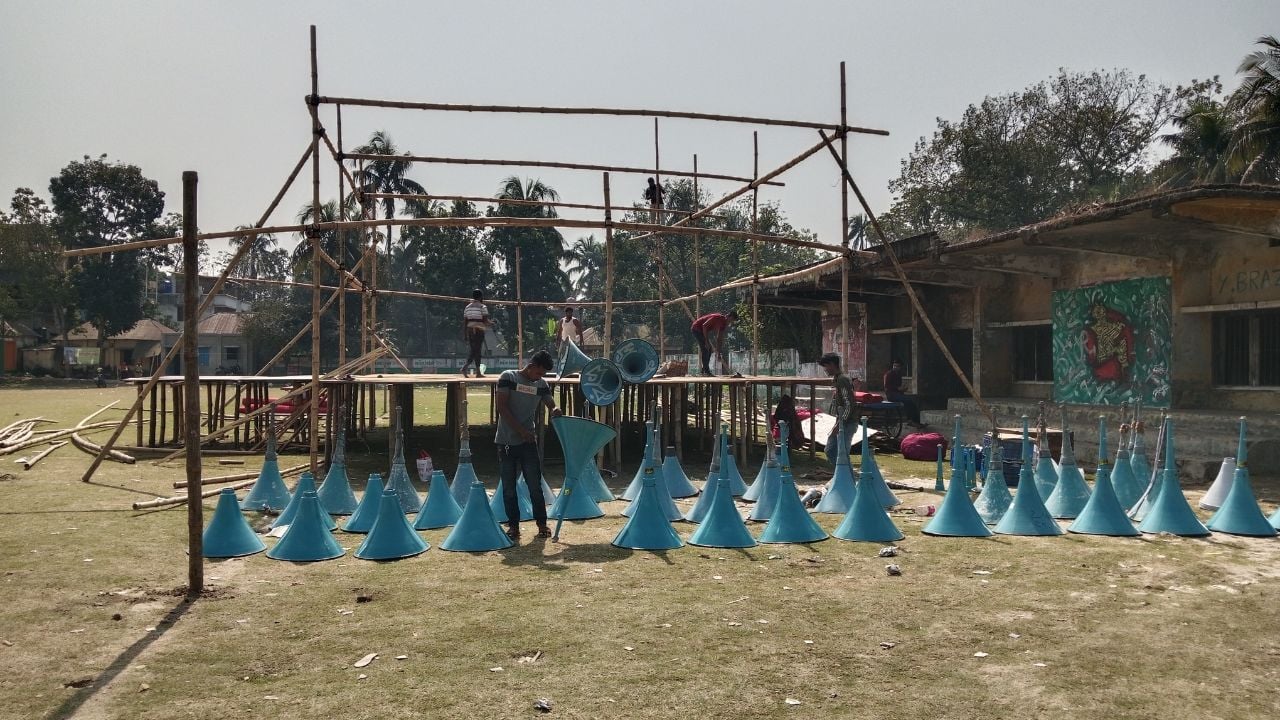
Bangladesh Jamaat-e-Islami Ameer Dr. Shafiqur Rahman is scheduled to visit Boalmari in Faridpur for the first time on Friday. Preparations are underway at the Boalmari municipal stadium, where he will address a public gathering at 4 p.m. The event, described as an election grand rally, has generated significant enthusiasm among party members and residents from Boalmari, Alfadanga, Madhukhali, and nearby areas. Local Jamaat leaders said the visit marks a historic occasion for Boalmari, expressing hopes for a peaceful and well-organized rally with broad public participation. Boalmari municipal Jamaat president Syed Niamul Hasan stated that the community expects spontaneous involvement from people across all levels. Authorities have intensified security measures to maintain law and order during the event. Boalmari Police Station Officer-in-Charge Anwar Hossain confirmed strict monitoring and increased police deployment. Upazila Nirbahi Officer Rakibul Hasan said a law and order meeting would be held at 3 p.m. to finalize necessary decisions regarding the rally.
The International Crimes Tribunal-2 on Thursday sentenced former MP Muhammad Saiful Islam and five others to death in the Ashulia seven-murder case, which involved the killing and burning of six bodies during the July Revolution. The tribunal also ordered the confiscation of Saiful’s properties for distribution among the victims’ families. The verdict was delivered at 1:15 p.m. by a three-member panel led by Justice Nazrul Islam Chowdhury. The other death-row convicts are former Ashulia police officers AFM Sayed Rony, Abdul Malek, Biswajit Saha, constable Mukul Chowdhury, and Jubo League member Rony Bhuiyan. Seven others, including former DIG Syed Nurul Islam and SP Asaduzzaman Ripon, received life imprisonment, while two were sentenced to seven years. SI Afzalul Haque was pardoned for testifying as a state witness. The tribunal panel also included retired judges Manjurul Bashid and Nur Mohammad Shahriar Kabir. The case stemmed from the August 5, 2024 incident in front of Ashulia Police Station, where five people were shot dead and one fatally injured before police allegedly set fire to a vehicle carrying the bodies.
The government will hand over responsibilities to elected representatives as soon as possible after the upcoming national election, according to Abul Kalam Azad Majumdar, Deputy Press Secretary to the Chief Adviser. He made the statement in a verified Facebook post on Wednesday night, dismissing claims that the interim government would remain in power for 180 working days after the election. Majumdar described such claims as dishonest propaganda, accusing those spreading them of previously trying to create doubts about the election. He said that now, as the election is proceeding on schedule, these groups are promoting new conspiracy theories. He added that even some highly educated individuals are being misled by such misinformation, but there is no scope for confusion in reality. The 13th National Parliamentary Election and referendum are scheduled to take place across the country on February 12, 2026.
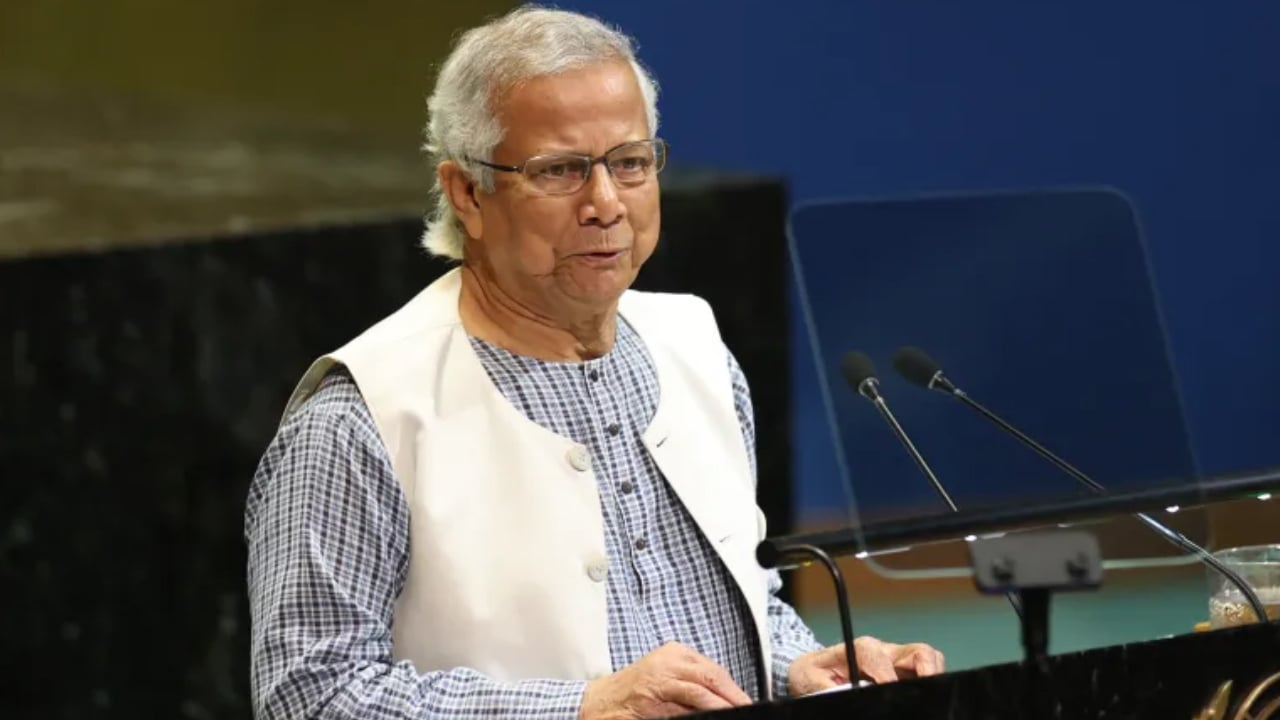
As Bangladesh moves toward its February 12 national election, debate has intensified over the legacy of Dr. Muhammad Yunus, the country’s only Nobel laureate and head of the interim government formed after the August 2024 uprising that toppled Sheikh Hasina. Yunus, now 85, was appointed three days after Hasina’s resignation to stabilize a fractured state following violence that killed more than 1,400 people. His administration sought to restore credible elections, balance institutional powers, and prevent a return to authoritarianism. Supporters credit Yunus with initiating major reforms and accountability measures, including commissions on constitutional, judicial, and human rights issues, as well as investigations into enforced disappearances and abuses under Hasina’s rule. Critics argue the unelected government moved too fast and lacked broad consensus. Political parties remain divided: the BNP questions the interim authority’s limits, while the National Citizens Party and Jamaat-e-Islami back deeper reforms. Yunus’s final act will be overseeing the first free election in over a decade, coupled with a referendum on reform proposals. Analysts say the outcome will determine whether his leadership is remembered for stabilizing a collapsing nation or for failing to deliver lasting structural change.
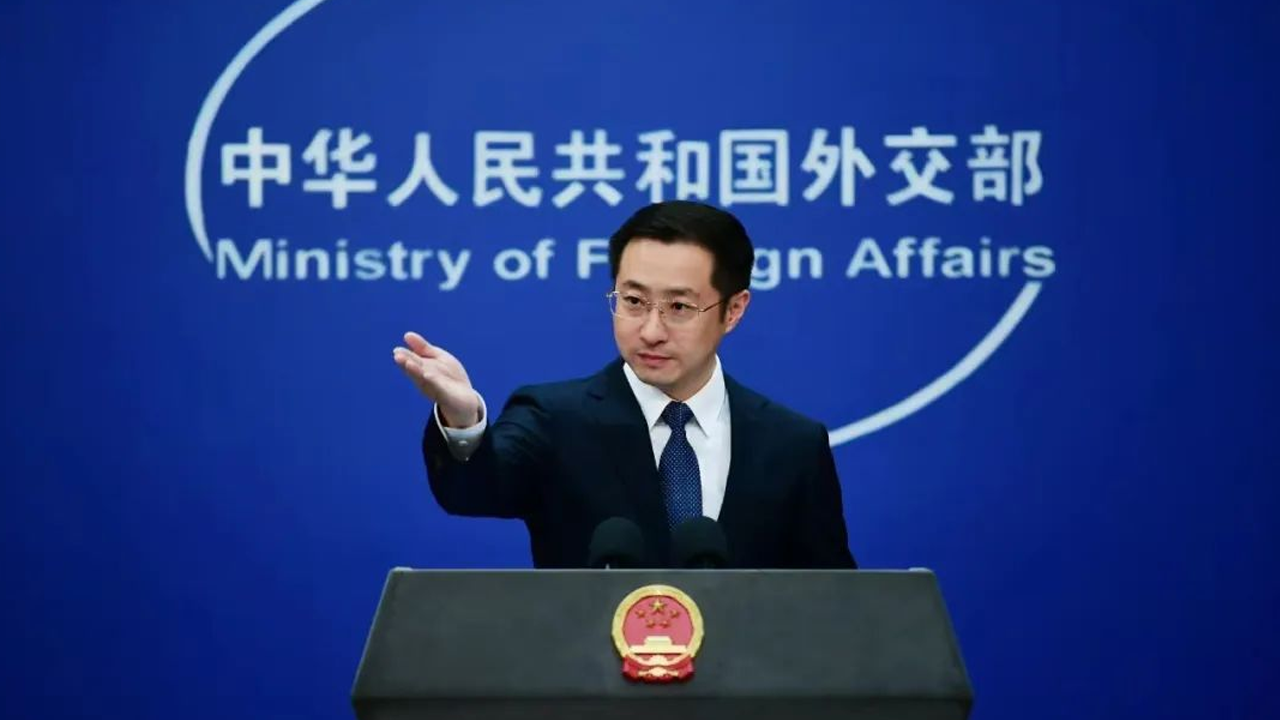
China has announced that it will not participate in nuclear disarmament talks at this stage, despite calls from Germany for Beijing to join global arms control discussions. The statement came on Thursday following the expiration of the last active nuclear arms control treaty between the United States and Russia, which has raised fears of a renewed global arms race. At a press conference in Beijing, Chinese Foreign Ministry spokesperson Lin Jian said that China’s nuclear capabilities are fundamentally different from those of the United States and Russia. For that reason, he explained, China will not take part in nuclear disarmament negotiations at this time. China’s position comes as international concern grows over the potential escalation of global weapons competition following the end of the U.S.-Russia START treaty, which had been the final functioning nuclear arms control agreement between the two powers.
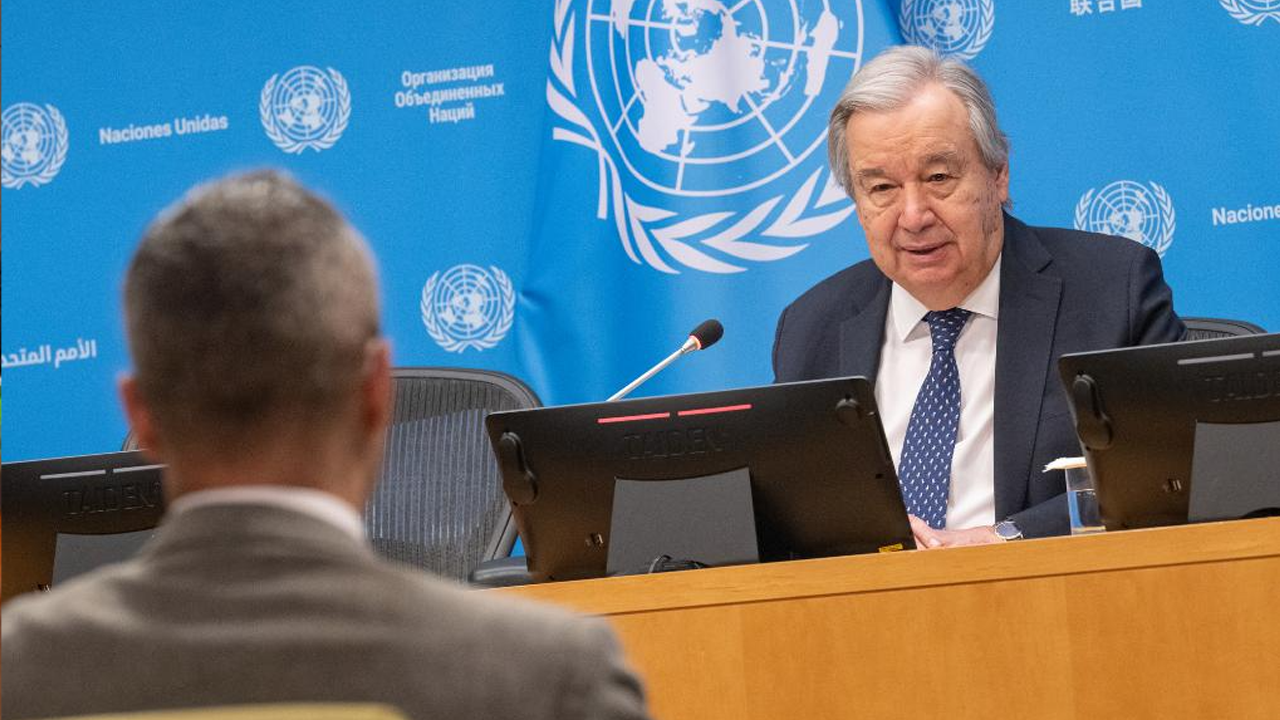
The United Nations has announced the formation of a 40-member expert panel to evaluate the global impact of artificial intelligence. The panel includes Nobel Peace Prize-winning Filipino journalist Maria Ressa and Canadian AI researcher Yoshua Bengio. According to AFP, the three-year panel also features Joelle Barral, Senior Director at Google DeepMind, and Girmaw Abebe Tadesse, Principal Research Scientist at Microsoft Labs, who focuses on AI applications in sustainable development, humanitarian work, and health. UN Secretary-General António Guterres said the panel will be the first fully independent global scientific body dedicated to addressing knowledge gaps about AI and assessing its real effects on economies and societies. Members will serve in their personal capacities, not as representatives of governments or organizations, and their appointments will be submitted to the General Assembly for approval. The panel, decided by the UN General Assembly in August 2025, will include experts in machine learning, data governance, cybersecurity, public health, child development, and human rights. Its first report is expected during the upcoming UN Global Dialogue on AI Governance in July.
Microsoft co-founder Bill Gates has apologized for spending time with convicted sex offender Jeffrey Epstein. The apology came after the U.S. Department of Justice released a new batch of documents related to Epstein, revealing email communications with several influential figures. Among the documents was a draft email in which Epstein claimed Gates had engaged in an extramarital affair. In an interview with 9News Australia, Gates said he regretted every minute spent with Epstein and apologized, calling the email false and never sent. A spokesperson for Gates also denied the claims, stating that the newly released files only showed Epstein’s frustration over the end of his contact with Gates and his attempts to entrap and defame him. Melinda French Gates, who divorced Bill Gates in 2021, told National Public Radio that the documents brought back painful memories from their marriage, adding that some questions still remain.

The ‘1 Nojor’ media platform is now live in beta, inviting users to explore and provide feedback as we continue to refine the experience.