

The ‘1 Nojor’ media platform is now live in beta, inviting users to explore and provide feedback as we continue to refine the experience.
U.S. President Donald Trump said it is time for the country to move on from the Jeffrey Epstein case after the Justice Department completed its mandatory review of millions of documents related to Epstein’s sex trafficking investigation. Deputy Attorney General Todd Blanche confirmed that the review, required under a law passed by Congress last November, found no grounds for new prosecutions. Despite this, the House of Representatives continues its own inquiry, summoning former President Bill Clinton and former Secretary of State Hillary Clinton to testify later in February. Some lawmakers and Epstein’s victims are demanding the release of additional unreleased files. The documents mention Trump over 6,000 times, reflecting his past friendship with Epstein during the 1990s, which he says ended in the early 2000s. The Justice Department also published unverified FBI source lists containing unsubstantiated allegations against Trump and other influential figures, later temporarily removed from its website. The department stated those claims were false and lacked evidence. While Trump appears politically unscathed, other high-profile individuals named in the documents, including Prince Andrew, Larry Summers, and Bill Gates, have faced professional and personal fallout.
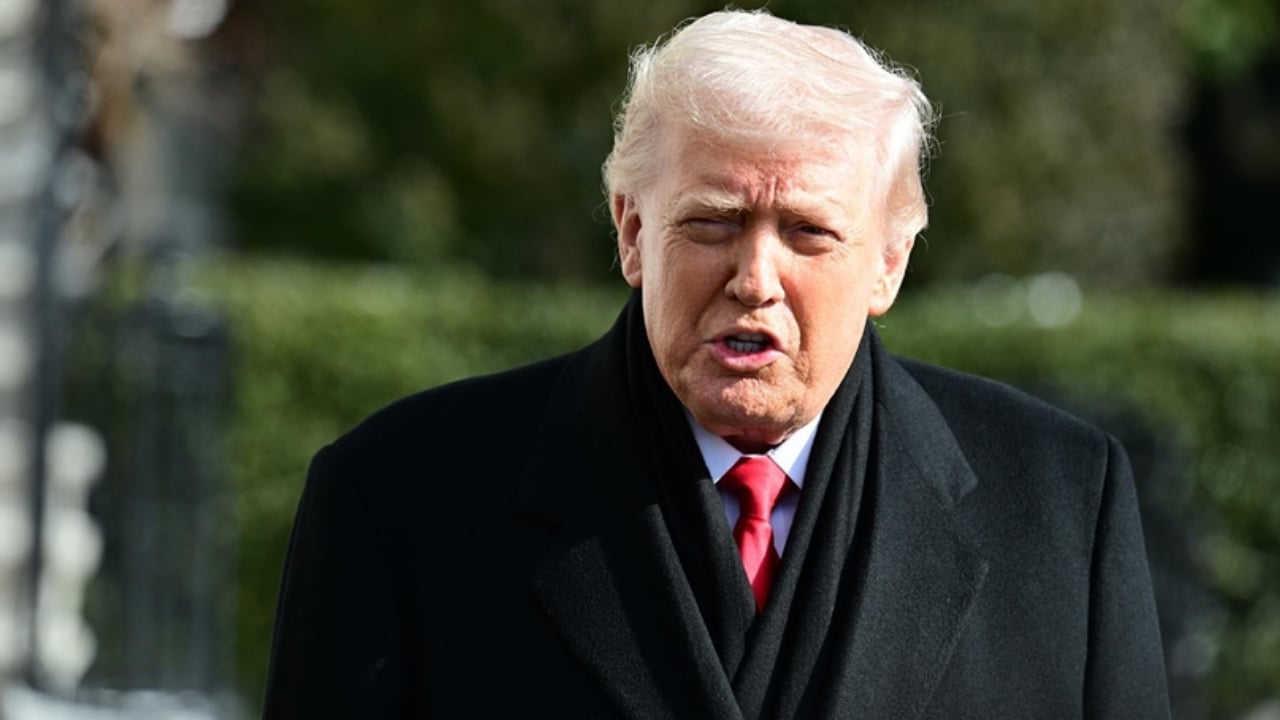
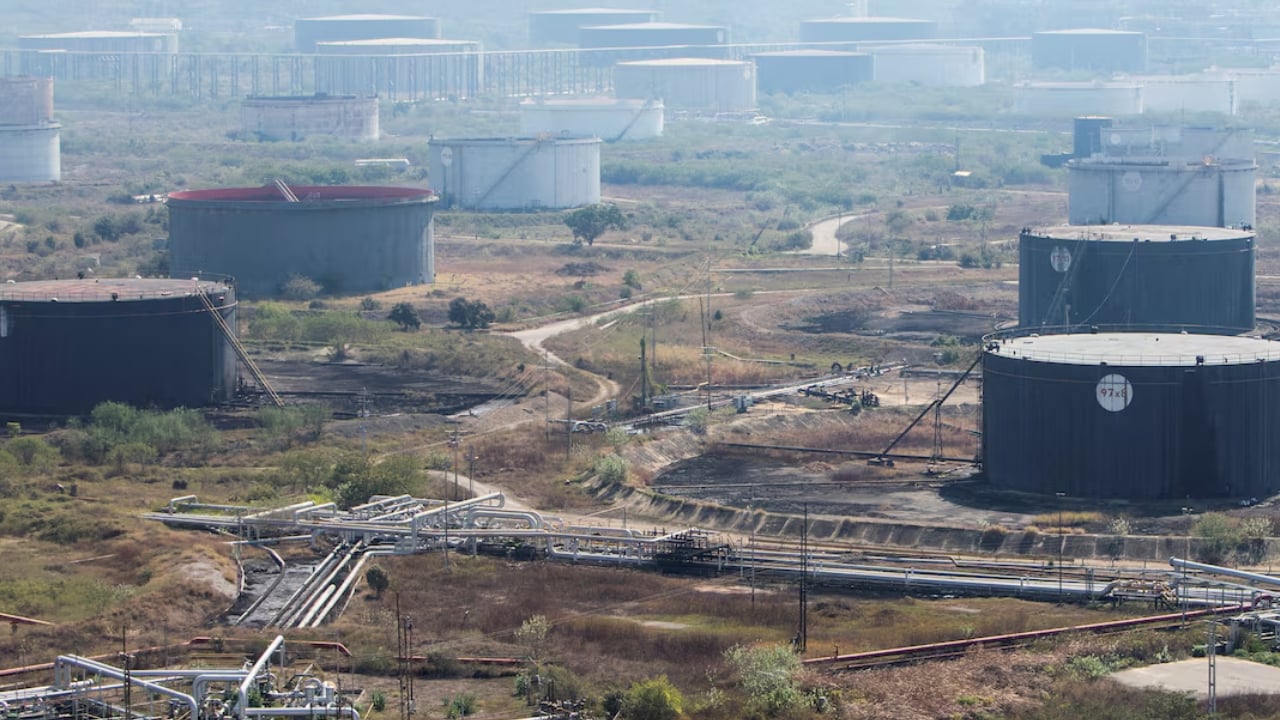
The United States has returned the entire $500 million from an initial oil sale to the Venezuelan government as part of an agreement between Caracas and Washington. A U.S. official, speaking anonymously on Tuesday, confirmed that the final $200 million had already been transferred to Venezuela. The funds were returned under a deal reached last month following the January 3 U.S. military operation in which Venezuelan President Nicolás Maduro was detained. According to the U.S. official, the arrangement was designed to allow Venezuela to generate revenue from its own oil to pay salaries for teachers, firefighters, and police officers, and to maintain government operations. The money had been temporarily held in Qatar as a short-term measure to ensure that Venezuela could access the funds necessary for running its administration. The official emphasized that the return of the funds was intended to prevent institutional collapse in Venezuela while maintaining essential public services.
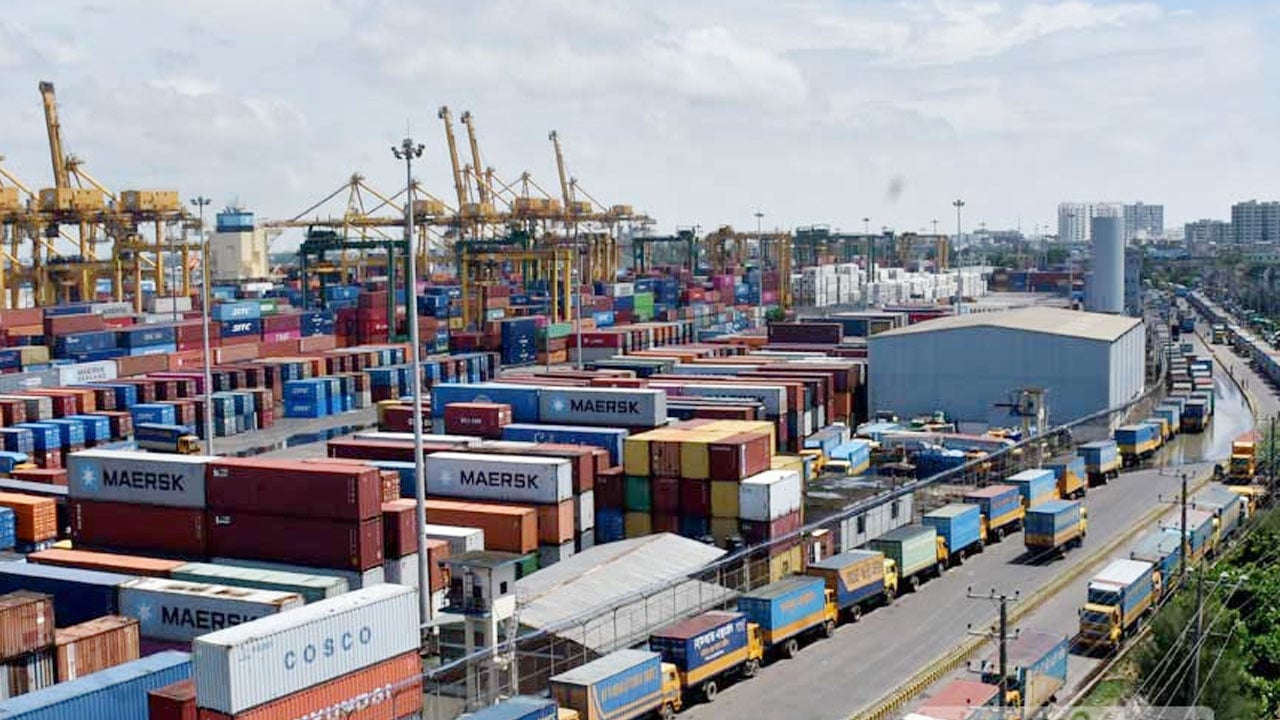
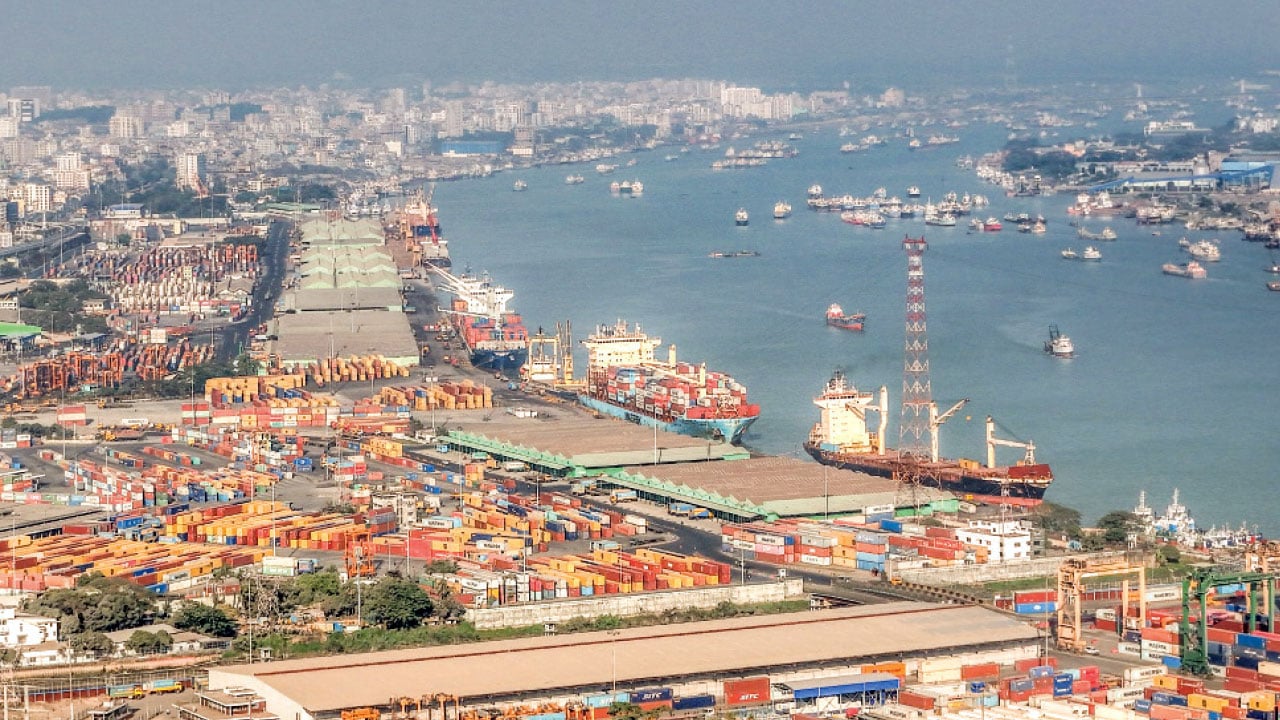
A prolonged strike at Chattogram Port has escalated into a national crisis, disrupting supply chains and threatening market stability ahead of Ramadan. The strike, initially an eight-hour protest, has turned indefinite following opposition to the government’s plan to lease the New Mooring Container Terminal to foreign operator DP World. As a result, over 120 ships are waiting to unload, including at least 35 carrying essential Ramadan goods such as dates, lentils, chickpeas, sugar, and edible oil. Importers face rising storage costs, and analysts warn that these expenses will likely push consumer prices higher. The port’s operations have slowed to half capacity, causing severe congestion and revenue losses at the Chattogram Customs House. Business leaders and shipping agents report that each day of delay costs importers tens of thousands of dollars, which will ultimately burden consumers. The government has banned gatherings near the port, ordered regular labor bookings, and formed a six-member committee to assess revenue losses and identify those responsible. Labor leaders insist the strike will continue until the lease plan is canceled, while port authorities have declined to comment on the pending agreement with DP World.
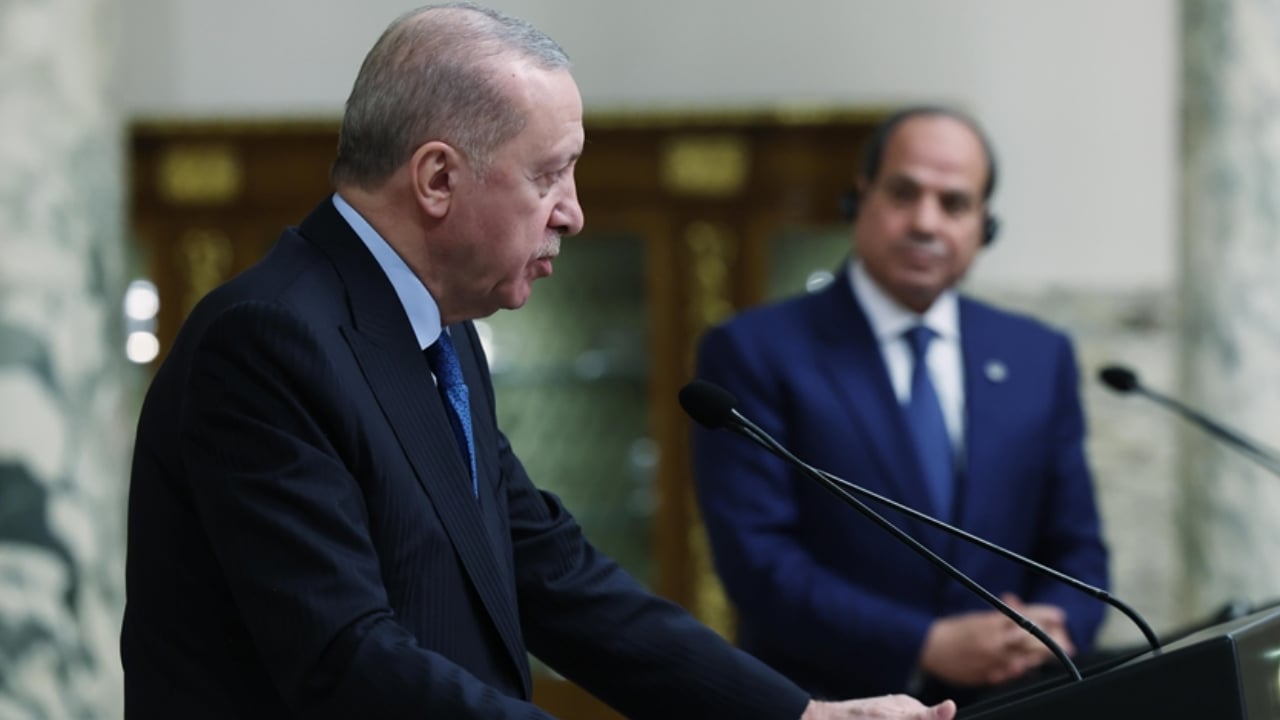
Turkish President Recep Tayyip Erdogan announced that Turkey and Egypt are working together to establish peace in Gaza and ensure stability in neighboring Libya. He made the remarks during a joint press conference with Egyptian President Abdel Fattah al-Sisi in Cairo on Wednesday, according to Anadolu Agency. Erdogan emphasized that the two countries share a common goal of preserving Libya’s unity and territorial integrity to achieve lasting stability. Expressing concern over the humanitarian situation in Gaza, Erdogan noted that despite several months of ceasefire, the humanitarian crisis continues. He reaffirmed Turkey’s commitment to ongoing cooperation with Egypt in efforts to restore peace in the region. On bilateral trade, Erdogan said Egypt is already Turkey’s largest trading partner in Africa. Ankara aims to increase the current trade volume of 8–9 billion dollars to 15 billion dollars. He also expressed interest in expanding cooperation in maritime trade, transportation, freedom of navigation, and maritime security.
Operations at Chattogram Port’s New Mooring Container Terminal (NCT) have come to a standstill due to an indefinite strike called by the Nationalist Workers Party and the Sramik Oikya Parishad (SKOP). The strike, initially an eight-hour work stoppage, escalated into a full shutdown after the government decided to appoint a foreign operator at the terminal. Despite warnings and transfer orders from the Ministry of Shipping, protesting workers have refused to leave their posts. The port has now accumulated 37,000 containers, with 120 cargo ships waiting offshore. The unrest follows a High Court ruling on November 30 that upheld the legality of hiring a foreign operator, prompting preparations for a contract between Chattogram Port Authority and global terminal operator DP World. However, the agreement, scheduled for February 1, was postponed amid the protests. Business leaders and port users have expressed concern over the prolonged disruption, warning of severe impacts on trade and the national economy. Port officials say the situation is being monitored by the government’s top level, while industry associations caution that continued paralysis could damage Bangladesh’s global trade reputation and cause market instability.
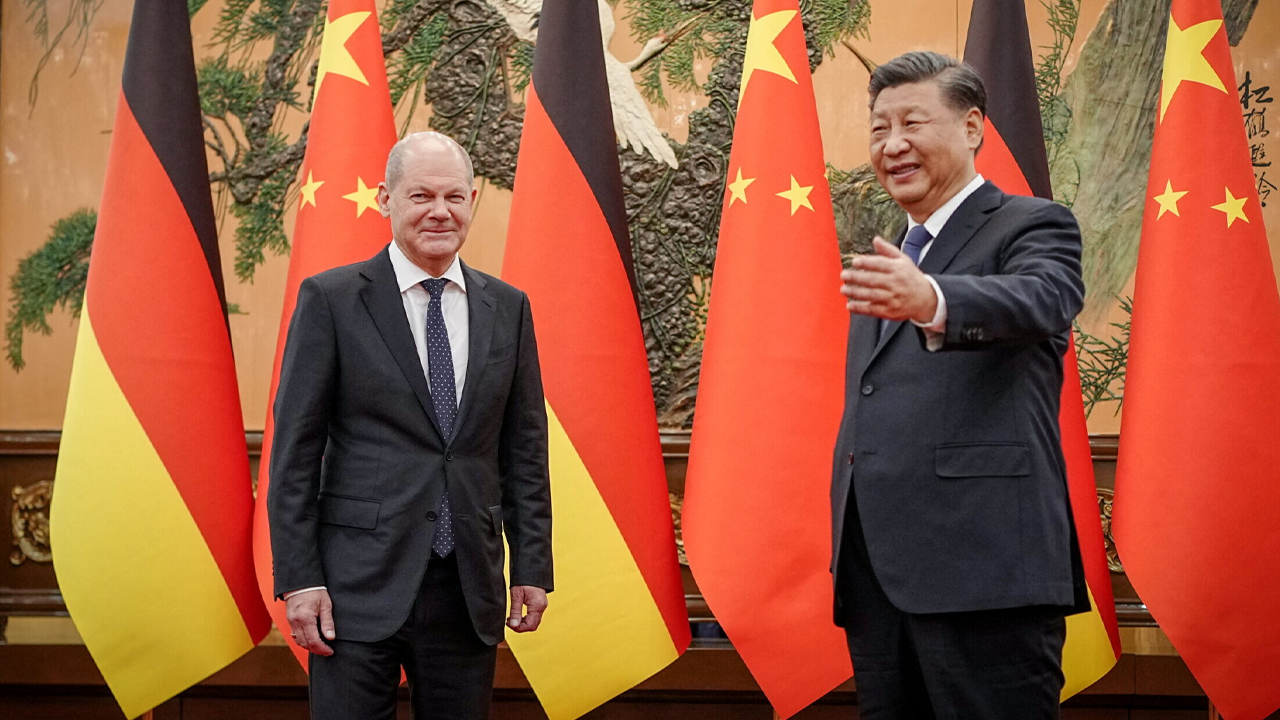
German Foreign Minister Johann Wadephul on Thursday called on China to show restraint in weapons development and to join future arms control initiatives. Speaking to reporters in Canberra during his visit to Australia, he warned that the expiration of the last U.S.-Russia nuclear treaty, New START, on February 5 has raised the risk of a renewed global arms race. Disarmament advocates have expressed concern that the end of the treaty could encourage major nuclear powers to expand their arsenals, with China potentially accelerating its buildup. Wadephul emphasized that any future arms control framework must include China, noting that Beijing often speaks in favor of multilateralism and should now demonstrate its commitment by investing in trust and restraint in international relations. U.S. Secretary of State Marco Rubio also recently called for a new agreement that includes China, arguing that meaningful 21st-century arms control is impossible without its participation. Experts cited in the report estimate China currently possesses about 550 strategic nuclear launch systems, fewer than the roughly 800 each held by the United States and Russia.
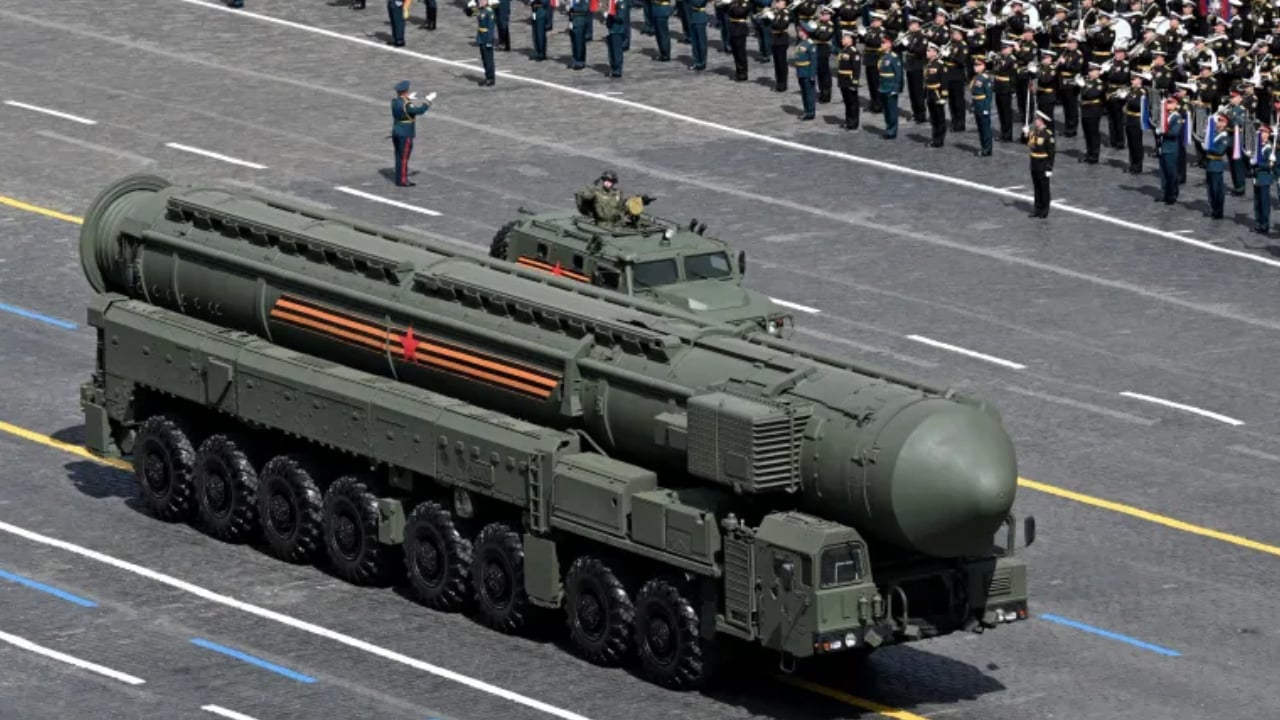
Russia announced that its last nuclear arms treaty with the United States has expired, ending mutual obligations on the number of deployed nuclear weapons. Moscow stated on Wednesday that the 2010 agreement, known as the New START treaty, officially expired on Thursday, freeing both sides from previous restrictions. The Russian Foreign Ministry said the United States did not respond to President Vladimir Putin’s proposal to extend the limits on missiles and warheads for another 12 months. The New START treaty, signed in 2010 by then US President Barack Obama and Russian President Dmitry Medvedev, came into force in 2011 and was extended for five years in 2021 under President Joe Biden. The agreement had set specific limits on the number of nuclear weapons each side could deploy. UN Secretary-General António Guterres expressed concern over the treaty’s expiration and called on Moscow and Washington to begin discussions without delay on a new framework for nuclear arms control.
Foreign loan approvals for Bangladesh’s private sector fell sharply in fiscal year 2024–25, with only USD 454.6 million approved across 43 applications, compared to over USD 1.4158 billion for 76 applications the previous year. The Bangladesh Investment Development Authority (BIDA) reported the 75 percent decline in its annual report, attributing it to reduced investment and lower demand for imported capital machinery. BIDA officials explained that the slowdown in domestic investment has reduced the need for foreign borrowing. Policy Exchange of Bangladesh’s chairman Dr. M Masrur Reaz noted that private sector credit growth dropped to 6.2 percent, the lowest in decades, reflecting weak domestic demand and slower economic output. He expressed hope that investment and loan demand would recover under a newly elected government. Sources added that higher global interest rates and the depreciation of the taka against the US dollar have increased borrowing costs, further discouraging foreign loans. BIDA’s recent reform allowing short-term loans to be processed directly through banks also affected the reported figures.

Chief Election Commissioner (CEC) A M M Nasiruddin will administer the oath to the newly elected members of Bangladesh’s 13th Parliament, as both the Speaker and Deputy Speaker positions are currently vacant. According to constitutional provisions, the CEC assumes this responsibility when no Speaker or designated person is available to conduct the ceremony. Parliament and Election Commission sources confirmed the arrangement. Following the July uprising, the Speaker resigned and the Deputy Speaker’s post also became vacant. The Constitution mandates that newly elected MPs must take their oath within three days of the official gazette publication of election results. The Parliament Secretariat is preparing for the ceremony, with renovation of the oath and session rooms nearing completion ahead of the February 12 election. A committee is being formed to organize the event. Election Commission officials stated that preparations are underway to avoid any constitutional crisis. Legal experts noted that the CEC-led oath is fully valid under the Constitution and ensures continuity of governance. Delays in the oath process could otherwise raise questions about the new Parliament’s legitimacy and operations.

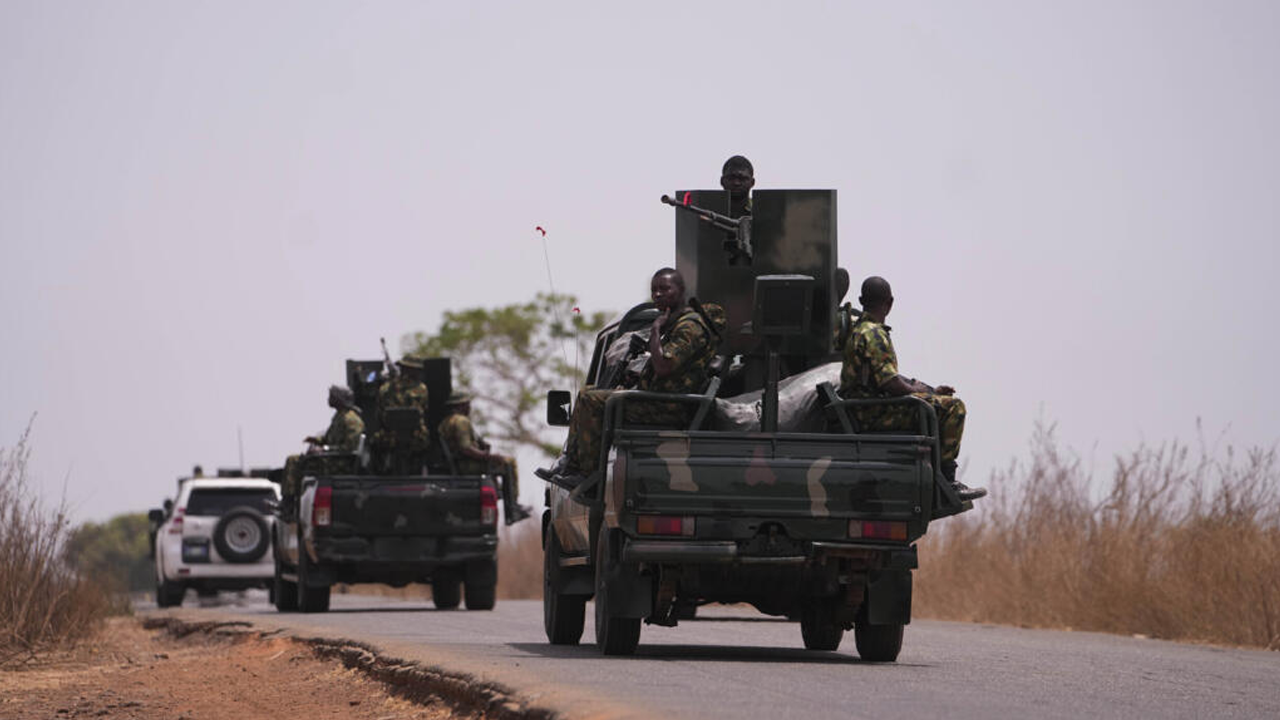
At least 162 people were killed when armed militants attacked the villages of Oru and Nuku in Nigeria’s western Kwara State on Tuesday, February 4. Local lawmaker Mohammed Omar Bio confirmed the death toll and said a group called ‘Lakurawa,’ suspected to be linked to the Islamic State, was believed to be responsible. Witnesses reported that the attackers tied villagers’ hands, lined them up, and opened fire, also setting homes and shops ablaze. Several people, including the traditional ruler, remain missing as the army continues recovery and search operations. Amnesty International condemned the attack, suggesting the death toll could exceed 170, and accused security forces of failing to act despite prior threats from gunmen over the past five months. Villagers said the assailants promoted jihadist ideology and demanded allegiance to Sharia law, which the community rejected during a religious gathering before the massacre. Kwara State Governor AbdulRahman AbdulRazaq denounced the assault as a cowardly act of terrorism. Analysts said the incident highlights Nigeria’s worsening security crisis, marked by jihadist insurgency, banditry, and communal violence across multiple regions.
At least 23 Palestinians, including six children, were killed in Israeli tank shelling and airstrikes across the Gaza Strip, according to Gaza health officials cited by Reuters on Wednesday, January 4. The attacks struck areas in southern Khan Younis and northern Gaza City, where a doctor was killed while rescuing the wounded and a five-month-old infant also died. A resident, Abu Mohammad Haboush, said his family was sleeping when a tank shell hit their home, killing several relatives. The Israeli military stated that the strikes were in response to Hamas gunfire that allegedly targeted Israeli troops near the border, injuring one soldier. Hamas condemned the attacks, saying they undermine efforts to stabilize the ceasefire and called for immediate international pressure to halt the violence. The incident occurred amid ongoing discussions over Gaza’s governance and reconstruction under the second phase of a ceasefire announced by U.S. President Donald Trump in January. Gaza health officials reported that since the ceasefire began, Israeli attacks have killed at least 530 Palestinians, mostly civilians, while four Israeli soldiers have died in Palestinian assaults.
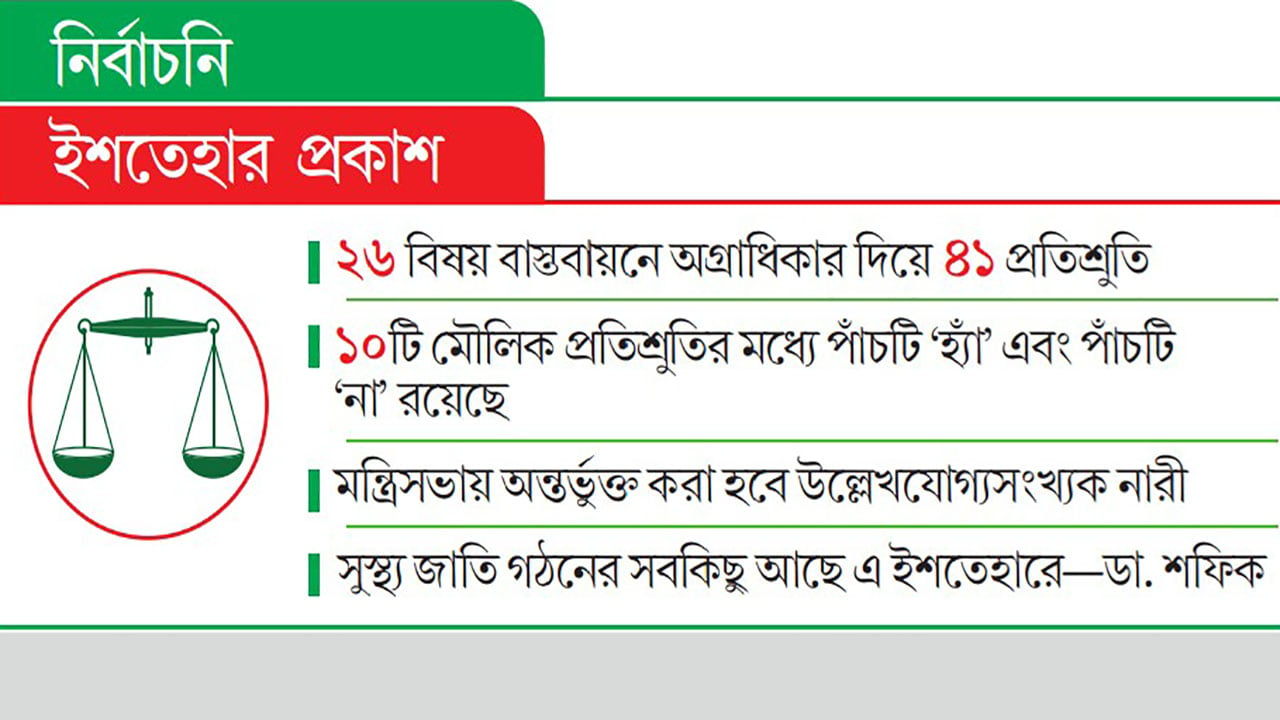
Jamaat-e-Islami Ameer Dr. Shafiqur Rahman announced a vision for a united, corruption-free, and humane Bangladesh while unveiling the party’s election manifesto at an event in Dhaka’s Banani Sheraton Hotel on Wednesday evening. The 86-page manifesto, prepared with input from various social groups, outlines 26 priority areas and 41 pledges under the slogan “Let’s Build Bangladesh Together.” It emphasizes honesty, justice, efficiency, and employment while rejecting corruption, fascism, dominance, unemployment, and extortion. The manifesto details commitments to good governance, youth empowerment, women’s safety, and inclusive development. It proposes reforms in governance, law enforcement, economy, education, and healthcare, along with digitalization to ensure transparency. It also pledges to strengthen democracy through proportional representation and caretaker government systems, ensure women’s empowerment, and provide social security for all citizens. Dr. Rahman said the manifesto aims to unite the nation beyond partisan politics and called for public feedback. The document positions Jamaat’s vision as a practical and welfare-oriented roadmap to build a just, prosperous, and inclusive Bangladesh.
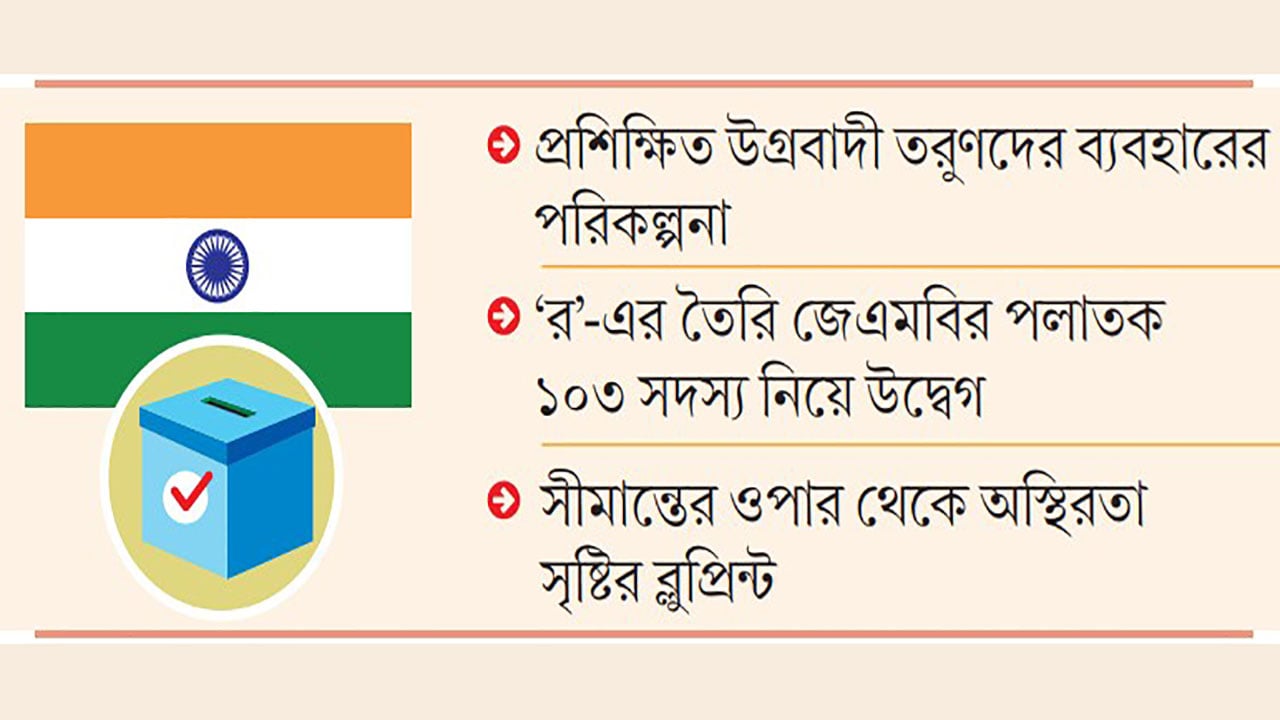
Multiple security and intelligence sources have warned of a coordinated plan to destabilize Bangladesh ahead of the upcoming national election and referendum. The alleged blueprint aims to derail the electoral process, incite violent clashes between rival political groups, and create international controversy around the election’s legitimacy. Intelligence reports suggest involvement of cross-border networks, fugitive political and administrative figures, and extremist groups, with online disinformation and paid violence as key tactics. According to the reports, a critical phase has been identified before the election, during which targeted killings, communal unrest, and attacks on political gatherings could occur. Security agencies have issued high alerts regarding 103 fugitive JMB members allegedly trained under foreign supervision. The government has deployed over nine hundred thousand personnel from the army, police, and other forces nationwide, with advanced surveillance including drones and AI-based monitoring to counter digital misinformation. Authorities have urged political parties to act with restraint and citizens to avoid spreading unverified information. U.S. and U.K. embassies have issued security advisories, while national agencies continue joint operations to prevent potential sabotage.
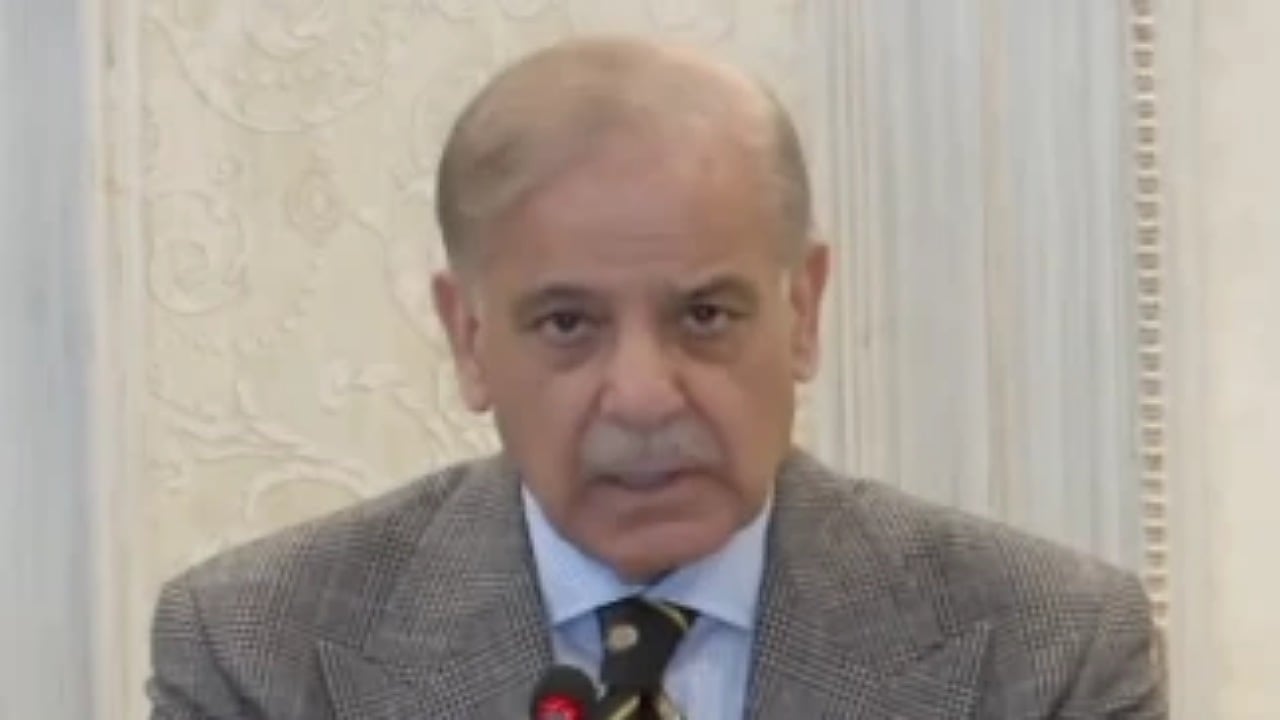
Pakistan’s Prime Minister Shehbaz Sharif has said that the decision not to play against India in the 2026 T20 World Cup was taken after careful consideration. Speaking at a cabinet meeting, he stated that politics has no place in sports and that the move expresses Pakistan’s full solidarity with Bangladesh. The match, scheduled for February 15 in Colombo, will not be played, though Pakistan will participate in the rest of the tournament. The decision followed discussions between Shehbaz Sharif and Pakistan Cricket Board (PCB) Chairman Mohsin Naqvi. It came after the International Cricket Council (ICC) replaced Bangladesh with Scotland due to Bangladesh’s security concerns about playing in India. Pakistan had initially considered withdrawing from the tournament entirely but later opted to continue while boycotting the India match. The ICC has urged the PCB to seek a mutual resolution. The boycott leaves Pakistan facing a tougher path in the group stage, where they must win their remaining three matches to stay in contention for the top two positions. The World Cup, jointly hosted by India and Sri Lanka, runs from February 7 to March 8.
Dhaka Metropolitan Police’s Detective Branch (DB) has reported progress in the investigation into the hacking of Jamaat-e-Islami Ameer Dr. Shafiqur Rahman’s verified X (formerly Twitter) account. At a press briefing at DMP Media Center on Wednesday night, DB Chief Shafiqul Islam said that Mohammad Saroware Alam, an assistant programmer at Bangabhaban, has been shown arrested in a case filed with Hatirjheel Police Station. He added that Alam’s direct involvement in the hacking would be confirmed only after forensic and detailed investigation. According to police, the case was filed under the Cyber Security Act by Sirajul Islam, coordinator of Jamaat’s National Election Steering Committee, naming Alam and 20 unidentified persons as accused. The DB seized Alam’s mobile phone, computer, and other devices for forensic examination. The investigation follows a January 31 complaint alleging that Dr. Rahman’s account was hacked to post misleading and offensive content about working women, which was later deleted after public criticism. Police stated that several other senior Jamaat leaders’ social media accounts were also recently targeted. The DB urged the public to avoid spreading unverified information and assured a transparent investigation.

The ‘1 Nojor’ media platform is now live in beta, inviting users to explore and provide feedback as we continue to refine the experience.