

The ‘1 Nojor’ media platform is now live in beta, inviting users to explore and provide feedback as we continue to refine the experience.
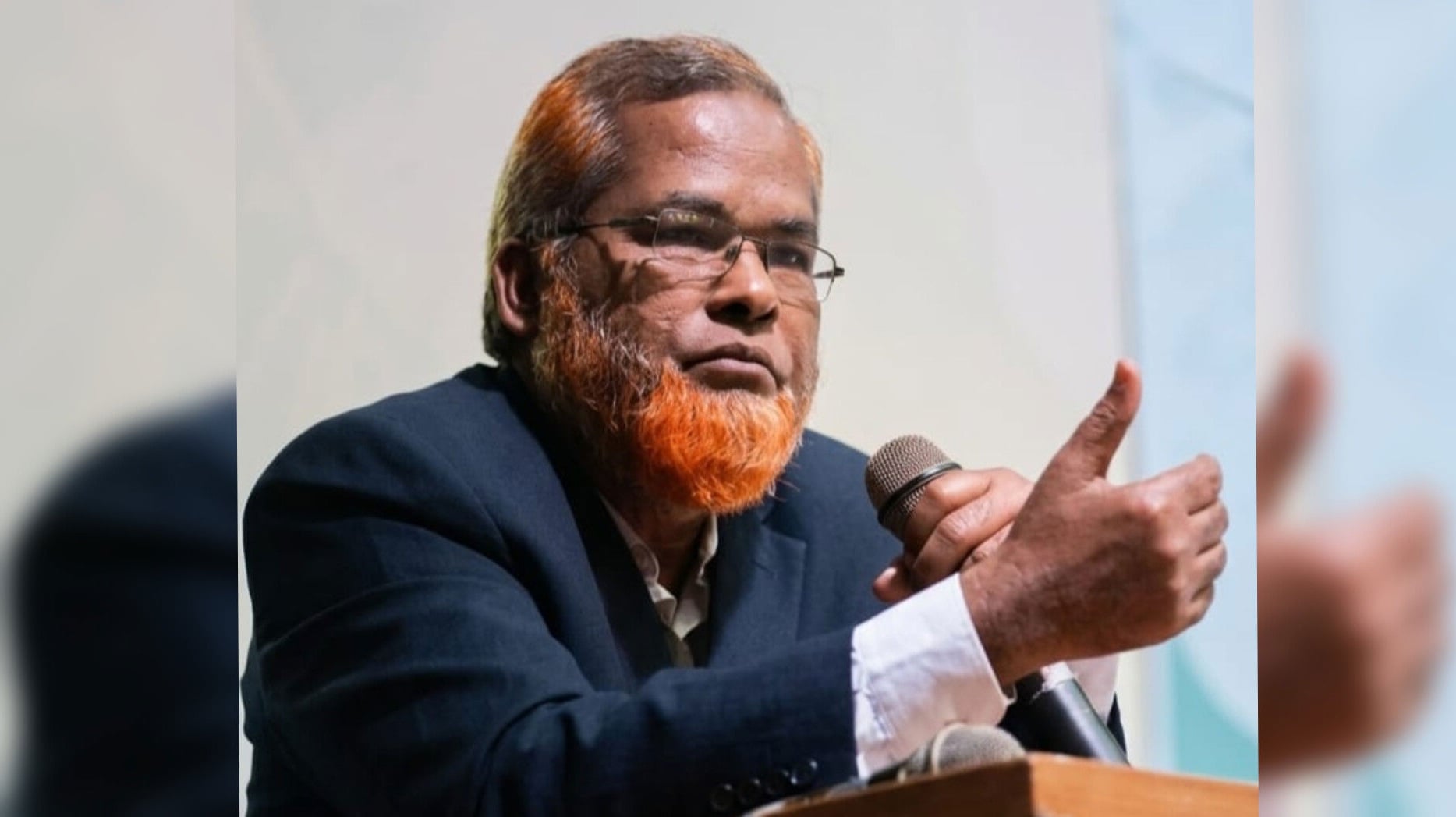
Professor Dr. Md. Abdul Mannan, provost of Suhrawardy Hall at the University of Chittagong, resigned citing personal and family reasons. Information about his resignation emerged from a letter submitted to the university vice-chancellor on Monday night. The resignation followed the circulation on social media of an audio recording of an argument over a recommendation for hall accommodation. In the recording, Chittagong University unit Jatiyatabadi Chhatra Dal general secretary Abdullah Al Noman is heard recommending accommodation for a student named Rashedul. The provost declined, saying the student was not a currently enrolled MPhil student. Noman accused the provost of favouring Chhatra Shibir figures outside the merit list and demanded details of all hall accommodation allocations. In a Facebook post explaining the audio, Noman said the student had already received a seat on merit and sought an extension while MPhil admission procedures were underway after master's results were published. He alleged that the provost ignored the matter and later asked the student to leave the hall after a pro-vice-chancellor's recommendation was presented. Noman also alleged derogatory remarks about the student's parents' financial means.
Global fuel oil prices rose again on Tuesday as renewed conflict between the United States and Iran heightened concerns about possible supply disruptions from major oil-producing areas. International benchmark Brent crude gained 56 cents, or 0.6%, to $91.05 a barrel. US benchmark West Texas Intermediate crude rose 83 cents, or 1%, to $86.59 a barrel. Analysts said renewed military tensions in the Middle East could directly affect oil supplies. Market uncertainty has increased amid fears that conflict could spread to important oil-producing and transportation areas in the region. Security concerns have also emerged around the Strait of Hormuz, a major sea route through which a significant amount of global fuel oil is transported. Disruptions to shipping there could create an international supply shortage. Market participants fear oil prices may rise further if the conflict is prolonged, potentially raising transport and production costs and adding inflationary pressure in fuel-importing countries.

Dhaka University’s syndicate has declared Mohammad Rashed Khan the general secretary of the Dhaka University Central Students’ Union, or DUCSU, nearly seven years after the 2019 election. The decision was made at a syndicate meeting on Monday, August 31, after the university cancelled former general secretary Gholam Rabbani’s MPhil student status. Acting Registrar Munshi Shams Uddin Ahmad confirmed the decision. According to syndicate sources, the university formed an investigation committee over Rabbani’s MPhil enrolment. The inquiry found his student status to be invalid, after which he received a show-cause notice. University authorities said his response within the stipulated period was not satisfactory, leading to the cancellation of his student status and, subsequently, his DUCSU general secretary post. The syndicate then named Rashed Khan, who received the second-highest number of votes for the post in the 2019 DUCSU election, as general secretary. In that March 11, 2019 election, Rabbani won 10,484 votes and Rashed received 6,063. Rashed later exchanged greetings with the university’s vice-chancellor and pro-vice-chancellors and said the decision followed the finding that Rabbani’s student status was invalid.
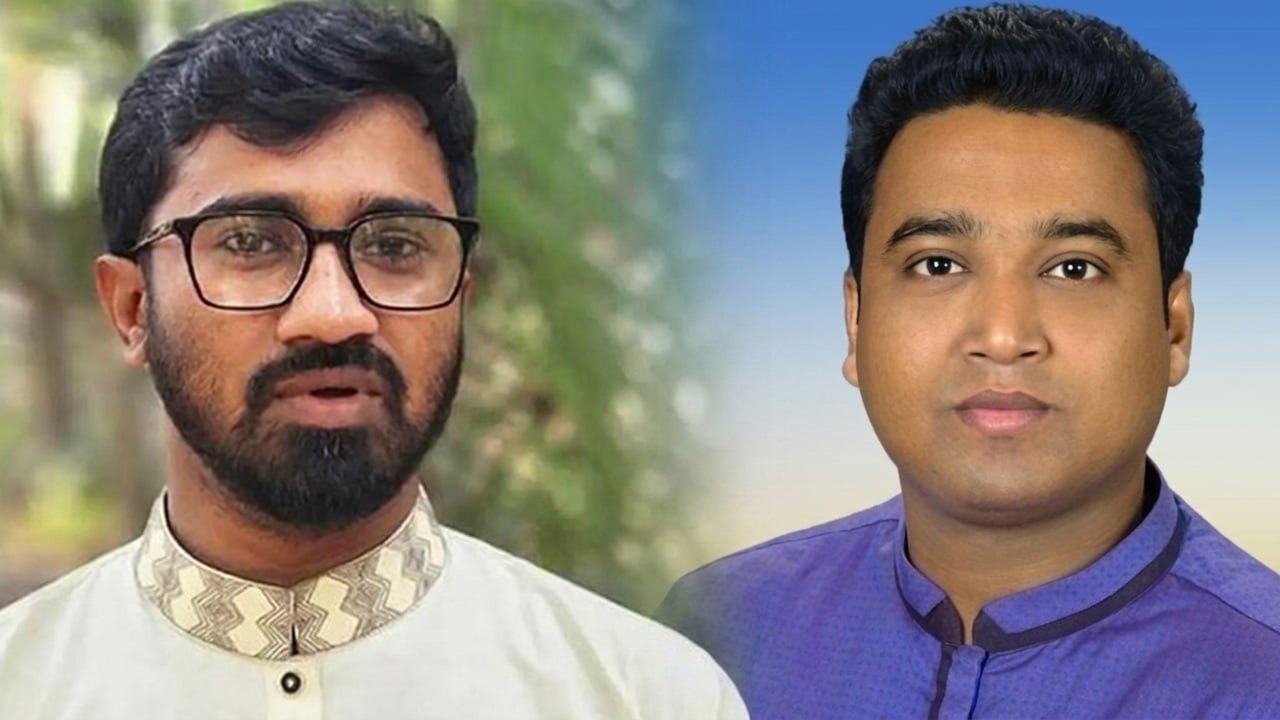
The source states that salaries are set to increase by between 100 percent and 142 percent. It does not identify the employees, institutions, sector, location, timing, or authority connected to the reported pay rise. No supporting details are provided on current salary levels, the basis for the percentage increase, eligibility, implementation procedures, or the number of people who may be affected. The source includes no quotations, dates, stakeholder comments, or official announcement. The text also asks readers to follow an “Amar Desh” news channel on Google News for updates. Beyond the stated salary increase range, the source provides no further verified information about next steps or likely effects.

Arsenal continued their strong Premier League winning run with a 1-0 victory over hosts Aston Villa at Villa Park on Monday night. Bukayo Saka scored the decisive goal in the second half, giving Mikel Arteta’s side their third consecutive league win and further strengthening their position at the top of the table. The first half was cautious and defensive, with neither side registering a shot on target in the opening 45 minutes. Arsenal broke through in the 60th minute when Ricardo Calafiori and Eberechi Eze combined from midfield before Eze supplied a clever pass for Saka to finish from close range. VAR influenced key incidents during the match. A penalty awarded to Arsenal after Ian Maatsen fouled Saka was overturned because the foul occurred just outside the box. Villa’s penalty appeal after Maatsen went down inside the area was also rejected. Bruno Guimaraes made his Premier League debut for Arsenal, while Nicolas Jackson started for Villa. Emiliano Buendia struck the crossbar late on as Villa pressed for an equaliser.

The Argentine Football Association expressed emotion after Lionel Messi announced his retirement from international football. In a social media message, the governing body thanked its captain for more than two decades of contribution in Argentina’s national-team shirt and said it loved him. AFA said Messi had given supporters “the most beautiful journey” of their lives, adding that his legacy and professionalism would remain in their hearts. Messi said the decision to retire from the national team came after considerable thought and was not easy for him. The Argentine star said he had always given everything for the shirt, for supporters’ happiness and to deepen their pride in being Argentine through football. He said he loved the national team and always would, while thanking fans for 20 years of love and support. Messi also acknowledged his family, coaches, teammates and officials, describing their shared memories as invaluable achievements and saying he was leaving with peace and pride.

Lionel Messi has won six major international trophies across Argentina’s youth and senior national teams, according to the source. His first major success came in 2005, when Argentina won the FIFA Under-20 World Cup and Messi also finished as the tournament’s top scorer and best player. He added an Olympic gold medal with the Under-23 side at the 2008 Beijing Olympics. Messi’s wait for a senior Argentina title lasted until 2021, when Argentina defeated Brazil to win the Copa America and end a 28-year trophy drought. In 2022, Argentina beat European champions Italy 3-0 to claim the Finalissima. Later that year, Messi helped Argentina defeat France in the Qatar World Cup final, delivering the country’s first World Cup in 36 years. Argentina retained the Copa America in 2024, adding another chapter to Messi’s international career. The source says Messi has represented Argentina in 207 matches and scored 125 goals. He is Argentina’s all-time leading scorer.

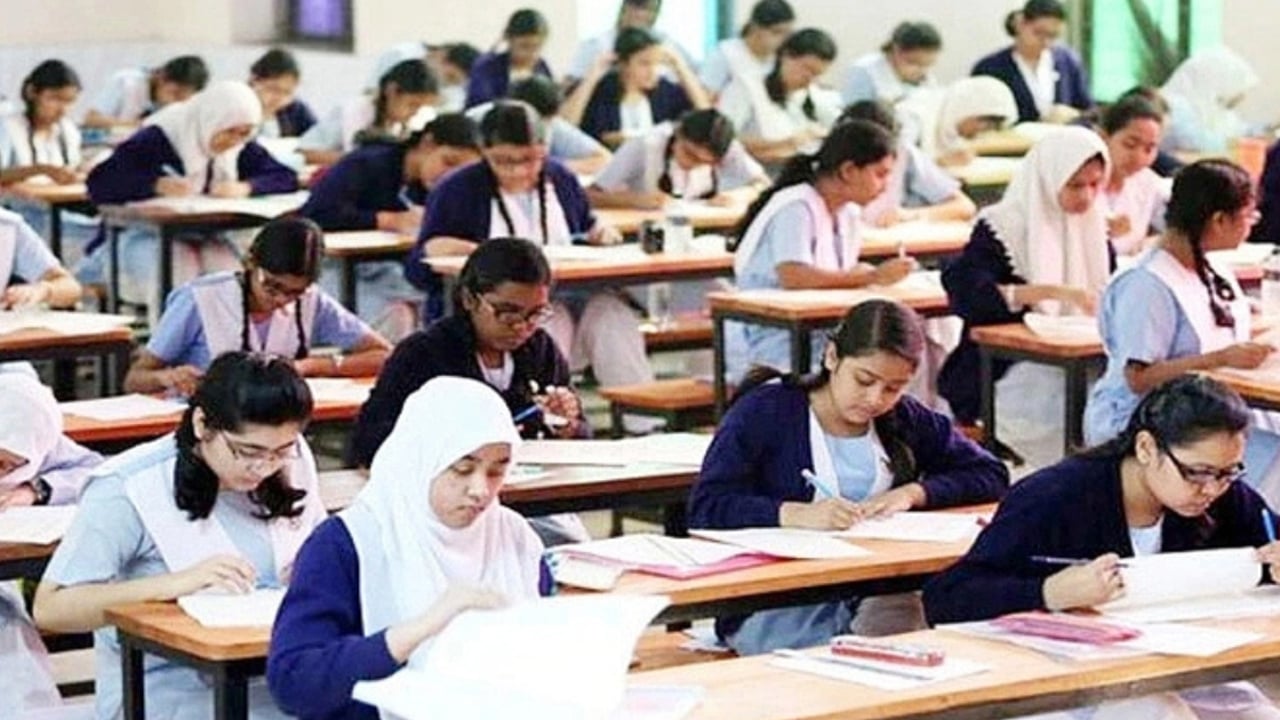
The Bangladesh Madrasa Education Board has published revised subject codes for the Dakhil level, aligning them with general-stream SSC subject codes to enable common question papers in SSC and Dakhil examinations from 2027. The decision was announced in a notice signed by Registrar Professor S M Touhiduzzaman under the chairman’s directive on Monday. The notice said the new codes will take effect in 2027. It also released a list showing the old and newly assigned codes for Dakhil subjects. The revised codes will apply to regular candidates sitting for the Dakhil examination from 2027. For regular candidates, the new codes must be used in registration, form submission, storage and transmission of candidate information, admit cards, question papers, answer scripts, result preparation, marksheets, certificates and all other examination-related work. Previous subject codes will remain in effect for irregular candidates. The board requested all concerned to take necessary action.
A court has allowed police to question Siddhartha Das and Mugdha Das at the jail gate in connection with the widely discussed four-murder case in Rangpur. The court declined a police request for remand and instead permitted questioning for two days, three hours each day. Rangpur Metropolitan Police Deputy Commissioner Sanatan Chakraborty said on Monday afternoon that both accused tested negative in drug tests. Police said the two accused had acknowledged using yaba in statements recorded under Section 164. Samples were collected through Rangpur Medical College Hospital at their request, but the test results found no drugs. Chakraborty said the investigation is continuing and police have seized some evidence. A police and medical team collected the samples from the central jail on Sunday, August 30. Chakraborty said the tests were conducted days after the incident and that drug detection was unlikely after such a delay. Rangpur Medical College Associate Professor Maruf Hossain said urine samples generally need to be collected within three to four days for a positive result, while these samples were collected after five days. Police and local political figures alleged that misinformation was being spread about the case and the negative results.

A low-pressure system over the northwestern Bay of Bengal and nearby areas has increased rain in parts of Bangladesh, but humid heat continues to cause discomfort nationwide. The Bangladesh Meteorological Department said rain and thunderstorms may continue in different regions until Wednesday, while rainfall is expected to decline from Thursday and temperatures could rise again. In Dhaka, cloudy skies, rain and thunderstorms remain possible on Tuesday, with maximum temperatures forecast near 30 to 33 degrees Celsius. On Monday, the country’s highest temperature was 35.6 degrees Celsius in Nikli, Kishoreganj, while Dhaka recorded 33.5 degrees. Teknaf in Cox’s Bazar received the highest rainfall, 61 millimetres, compared with only three millimetres in the capital. High moisture levels are making conditions feel hotter than thermometer readings because sweating becomes less effective at releasing body heat. The system has moved inland as a well-marked low pressure and is not expected to develop into a depression, meteorologist Dr Omar Faruk said Monday night. Local cautionary signal number 3 has been advised for Chattogram, Cox’s Bazar, Mongla and Payra ports. Light to moderate rain may continue for two days, but no heavy rainfall is indicated.
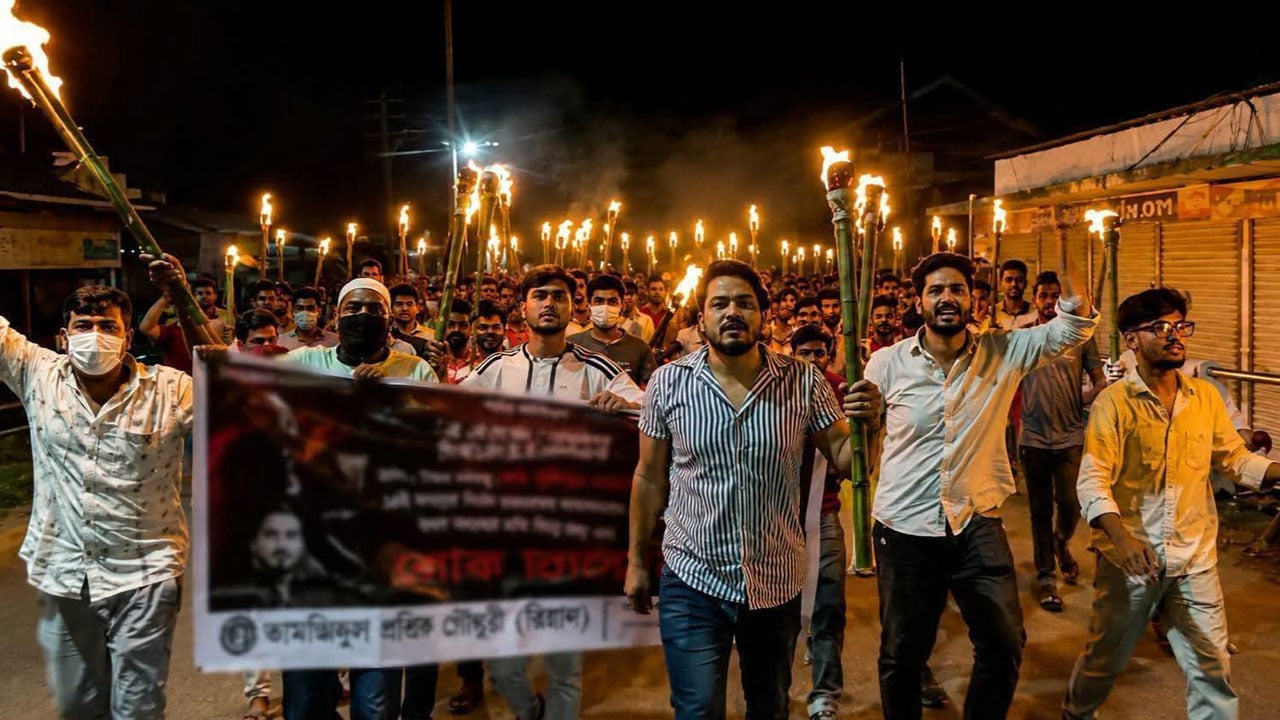
A video showing a torch procession in Faridpur’s Lakshmipur area circulated on social media late at night, led by Tamzidul Rashid Chowdhury Riyan, identified in the report as president of the banned Bangladesh Chhatra League’s Faridpur district unit. Riyan also posted the video on his personal Facebook account, describing the location as Ward 17 of Faridpur city and the date as August 31, 2026. The footage shows an estimated 20 to 30 people carrying lit torches and a mourning-rally banner while chanting slogans. The black-themed banner displayed images of Sheikh Mujibur Rahman, Sheikh Hasina and other members of her family. Riyan was seen leading the procession from the front. The report says Riyan is an accused fugitive in multiple murder and explosives cases filed in Faridpur, including allegations of openly firing at students and members of the public during the July uprising. Kotwali police station officer-in-charge Mahmudul Hasan said multiple police teams went to the site after receiving the information, but found no evidence of a procession there.
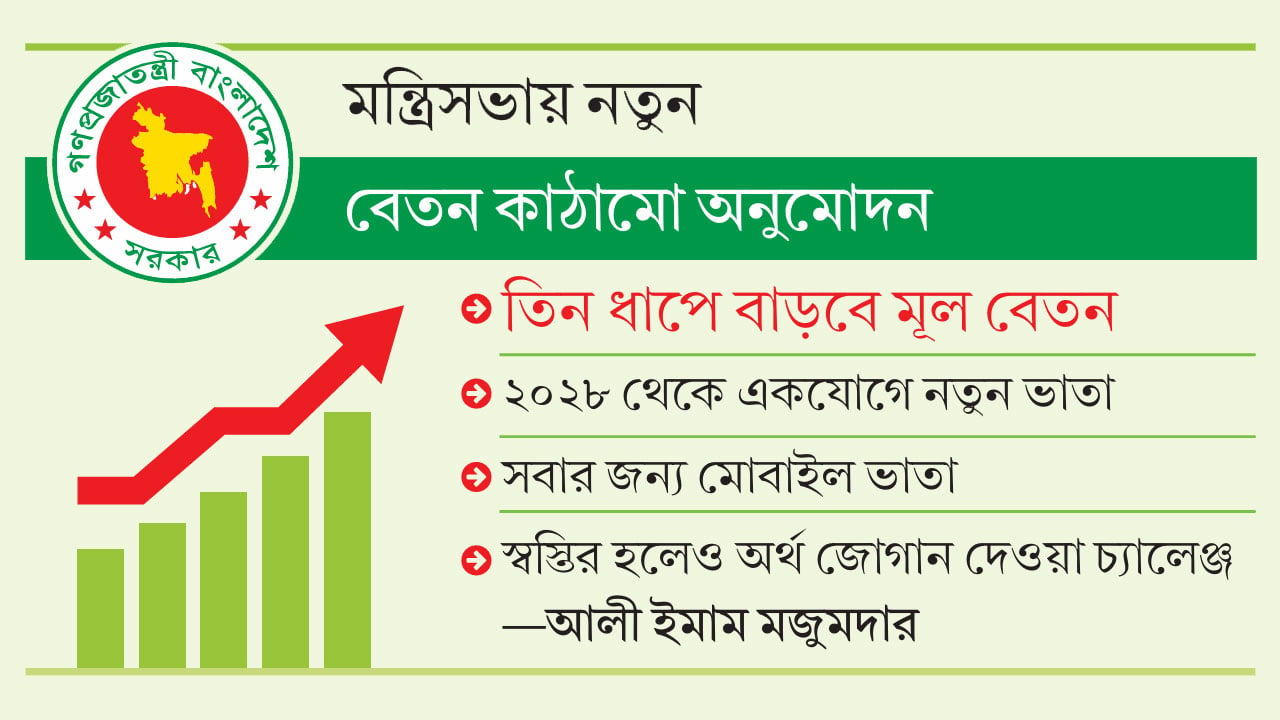
The cabinet has approved a new pay structure for government officers and employees, raising basic salaries by up to 142 percent. The decision was made at a Monday meeting at the Secretariat chaired by Prime Minister Tarique Rahman. Basic pay for grades one to 10 will rise by up to 100 percent, while employees in grades 11 to 20 will receive increases of up to 142 percent. The plan covers military and civilian employees, and allowances will also increase proportionately. Basic pay will be implemented in three stages between July 1, 2026 and June 30, 2027, considering the government's financial capacity and inflationary pressure. Allowances are planned to take effect together from January 1, 2028, while pensions will be raised in stages. A gazette notification may be issued within the next one or two weeks. About 2.4 million military and civilian employees, more than 925,000 retired employees and other eligible beneficiaries are expected to benefit. The annual additional cost is estimated at Tk 105,580 crore. All grades will receive mobile allowances, and employees with children with special needs will receive Tk 3,000 monthly. One-rank-one-pension will be phased in by 2030.
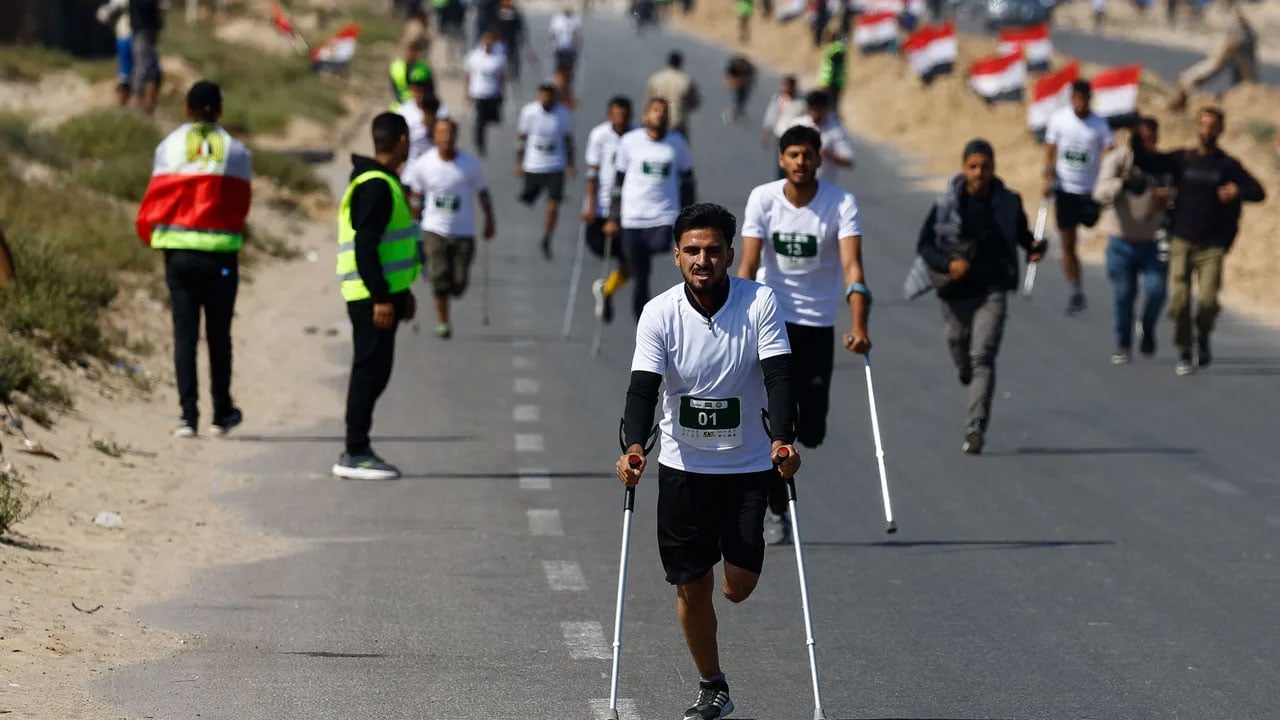
The number of Palestinian sports figures killed in Israeli attacks in Gaza has risen to 1,014, according to Mustafa Siam, secretary-general of the Palestinian Sports Media Federation. The total includes players, coaches, referees and officials of the Palestinian Football Association. Siam said the count increased after Abdel Fattah Abu al-Aish, a player for Jabalia Services Club, was killed in an Israeli attack in Gaza City’s Tal al-Hawa area on Saturday. Siam said Abu al-Aish had been preparing with his team for the “Thousand Martyrs Cup,” a Palestinian Football Association tournament scheduled to begin on September 4. The defender played in the Palestinian first division for Jabalia Services Club and briefly for Ahli Beit Hanoun. His funeral was held in Gaza City on Sunday, attended by athletes and Palestinian supporters, while his club mourned him as an emerging talent in northern Gaza. The federation said more than 50 of Gaza’s 56 sports clubs and about 20 FIFA-supported five-a-side football pitches have been destroyed. Only three surviving pitches were available for an official five-a-side tournament held in early March as part of efforts to revive organized sports. Siam also said Palestinian athletes had been killed in the occupied West Bank, while players, coaches and administrators had been detained.
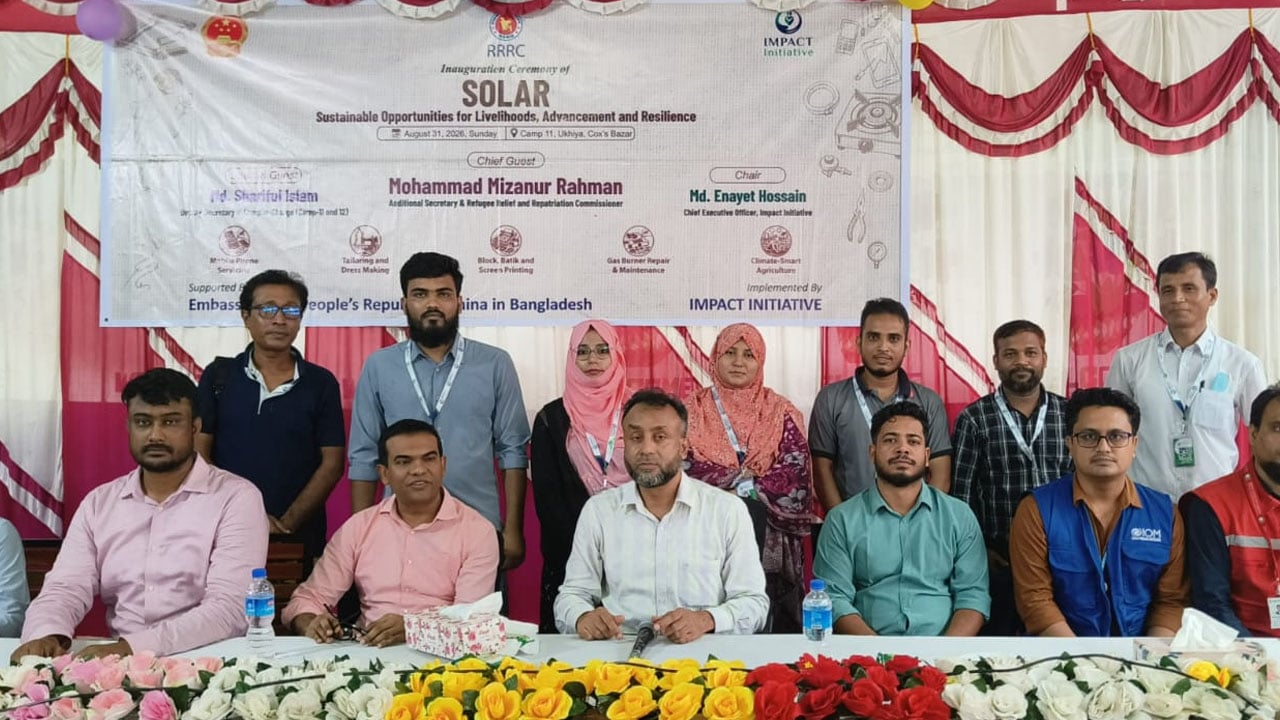
Impact Initiative, with support from the Chinese Embassy in Dhaka, has launched a skills development training program for Rohingya residents at Camp No. 11 in Ukhiya, Cox’s Bazar. The program, titled Sustainable Opportunities for Livelihoods, Advancement and Resilience (SOLAR), was formally inaugurated on Monday, August 31, 2026, at the camp’s multipurpose building. Camp-in-Charge and Deputy Secretary Md. Shariful Islam attended as chief guest, while Impact Initiative Chief Executive Officer Md. Enayet Hossain chaired the event. Under SOLAR, 325 interested trainees will receive technical and vocational instruction in tailoring and dressmaking, block-batik, mobile phone servicing, gas burner repair and climate-smart agriculture. A further 675 people will receive soft-skills and life-skills training covering communication, teamwork, problem-solving and workplace conduct. Speakers said livelihoods-focused training alongside humanitarian assistance could strengthen self-reliance and resilience among Rohingya people. Shariful Islam said practical training could improve capabilities and prepare participants for future livelihoods, while Enayet Hossain said the initiative aims to provide skills that support livelihoods and future prospects.
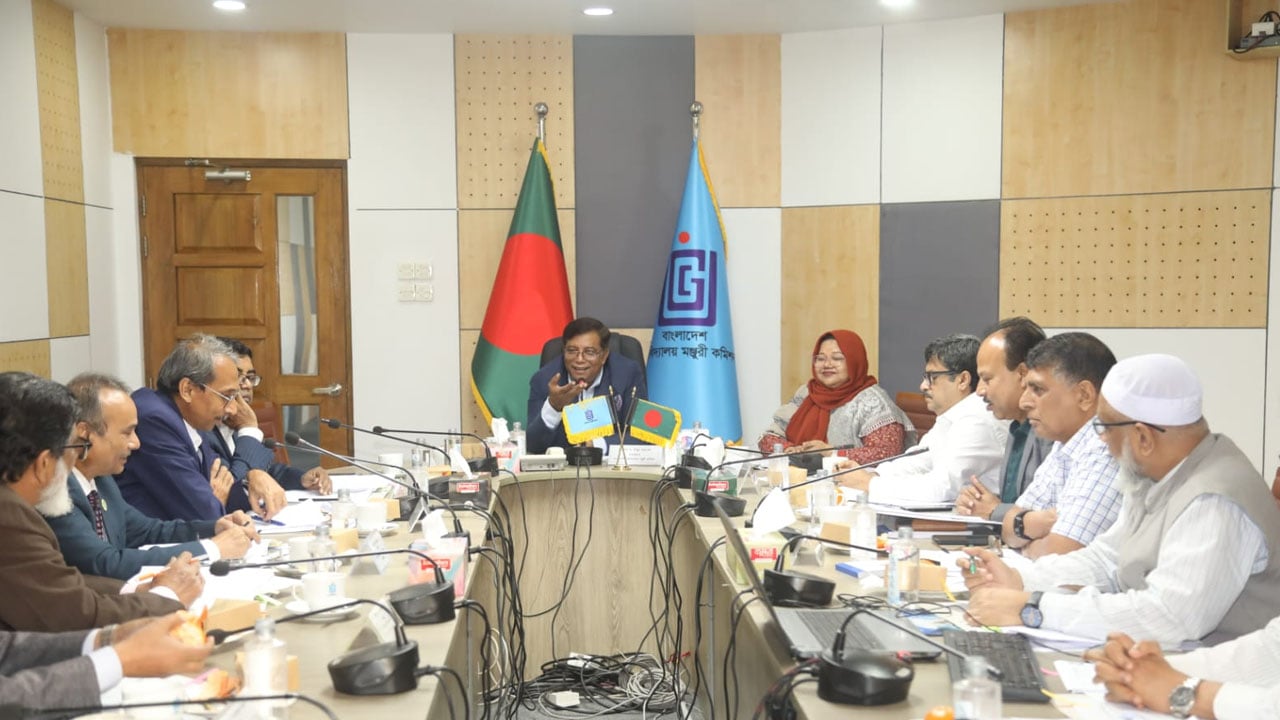
Bangladesh University Grants Commission (UGC) has launched an initiative to increase PhD and postdoctoral fellowships to expand high-quality, internationally standard research at the country’s universities. The commission also plans to strengthen research conditions, raise special research-sector allocations and build an effective, sustainable research ecosystem. UGC Chairman Professor Dr Mamun Ahmed outlined the measures while chairing the commission’s 179th full commission meeting on Monday. UGC has raised the number of its own PhD scholarships from 75 to 100 and plans to increase the total gradually to 500 from the next fiscal year. Opportunities for PhD study abroad have also been increased from 10 to 35. The commission said it is taking steps to increase the number of postdoctoral fellowships as well. The commission will submit a proposal to the government for special allocations for PhD and postdoctoral research in the next fiscal year. The meeting approved the “UGC Promotional and Academic Staff Development Research Project Policy, 2026.” The chairman said expanded domestic and overseas PhD opportunities are needed to address shortages of quality teachers at universities.
The ‘1 Nojor’ media platform is now live in beta, inviting users to explore and provide feedback as we continue to refine the experience.