

The ‘1 Nojor’ media platform is now live in beta, inviting users to explore and provide feedback as we continue to refine the experience.
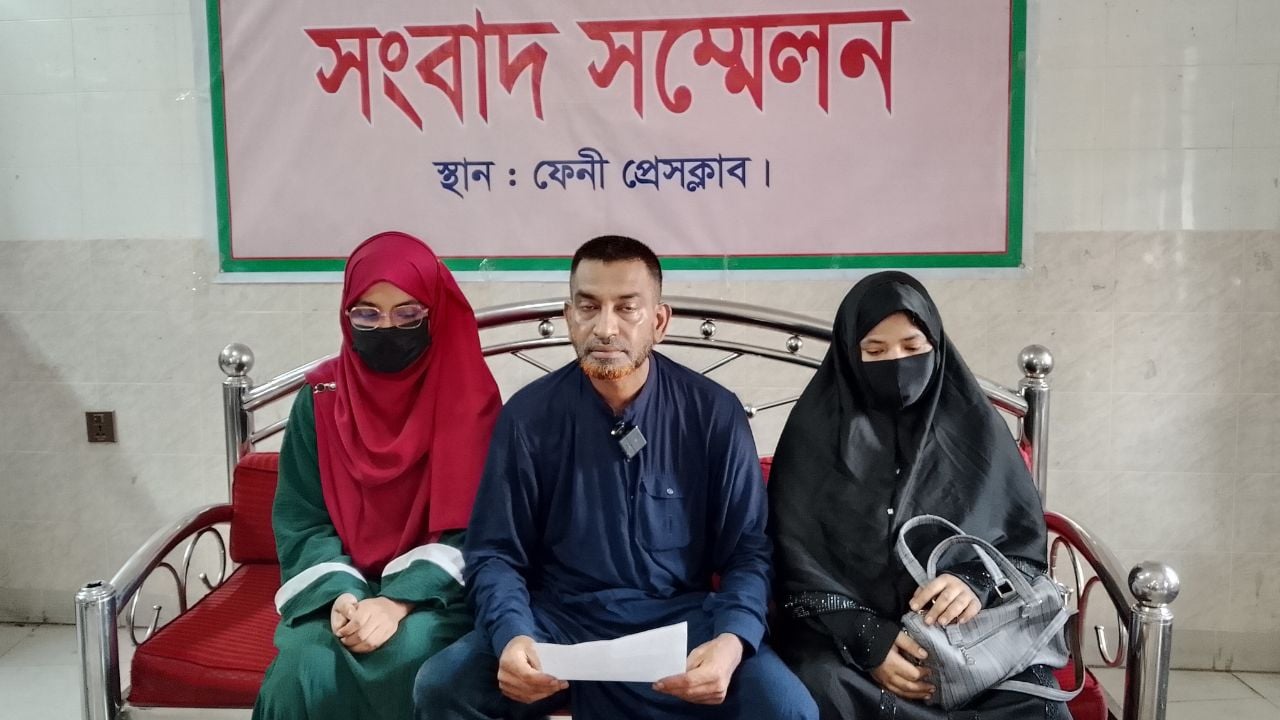
Abul Monsur Ahad, a resident of Dakshin Abdul Nabi village in Rajapur Union of Daganbhuiyan upazila, Feni, has alleged that his brother embezzled Tk 21,798,079 that he sent home over 14 years while working in South Africa. At a press conference at Feni Press Club on Wednesday, Ahad claimed his brother Omar Alam Forhad misappropriated the money he had sent between 2009 and 2023, which was meant for purchasing property and starting a business. According to Ahad’s written statement, he sent Tk 6,280,148 to his brother’s personal bank account and Tk 15,513,725 to the account of N A Construction. Upon returning to Bangladesh in 2023, he discovered that his brother had used the funds to buy property and start businesses in his own name, denying Ahad any ownership or financial accountability. Ahad further alleged that he was threatened and barred from visiting the family home when he demanded an explanation. He said repeated attempts to resolve the matter through relatives and local elders failed, leaving him destitute and ill. He has now sought legal recourse and appealed to authorities for a fair investigation and justice.
Indian police have uncovered a large-scale theft from the donation boxes of the Ram Temple in Ayodhya, revealing that the biggest incident occurred during the 2025 Kumbh Mela. A special investigation team has arrested eight suspects—Avinash Shukla, Anukalp Mishra, Lab Kush Mishra, Manish Kumar Yadav, Karunesh Pandey, Ramashankar Mishra, Subhash Srivastava, and Ramshankar Yadav alias Tinnu Yadav—who allegedly conspired together to steal temple donations. Investigators found that two brothers-in-law, Lab Kush Mishra and Anukalp Mishra, took the largest share of the stolen money and used it to buy multiple properties. Police have traced more than half a dozen assets linked to them. The Ayodhya police are working with the Income Tax Department and plan to involve the Enforcement Directorate to examine financial transactions and the source of the funds. Some State Bank of India staff involved in donation counting are also under scrutiny. Raids at the suspects’ homes led to the recovery of large sums of cash, including about 8.9 million rupees. Authorities continue to review bank records and property details to trace the full extent of the theft.

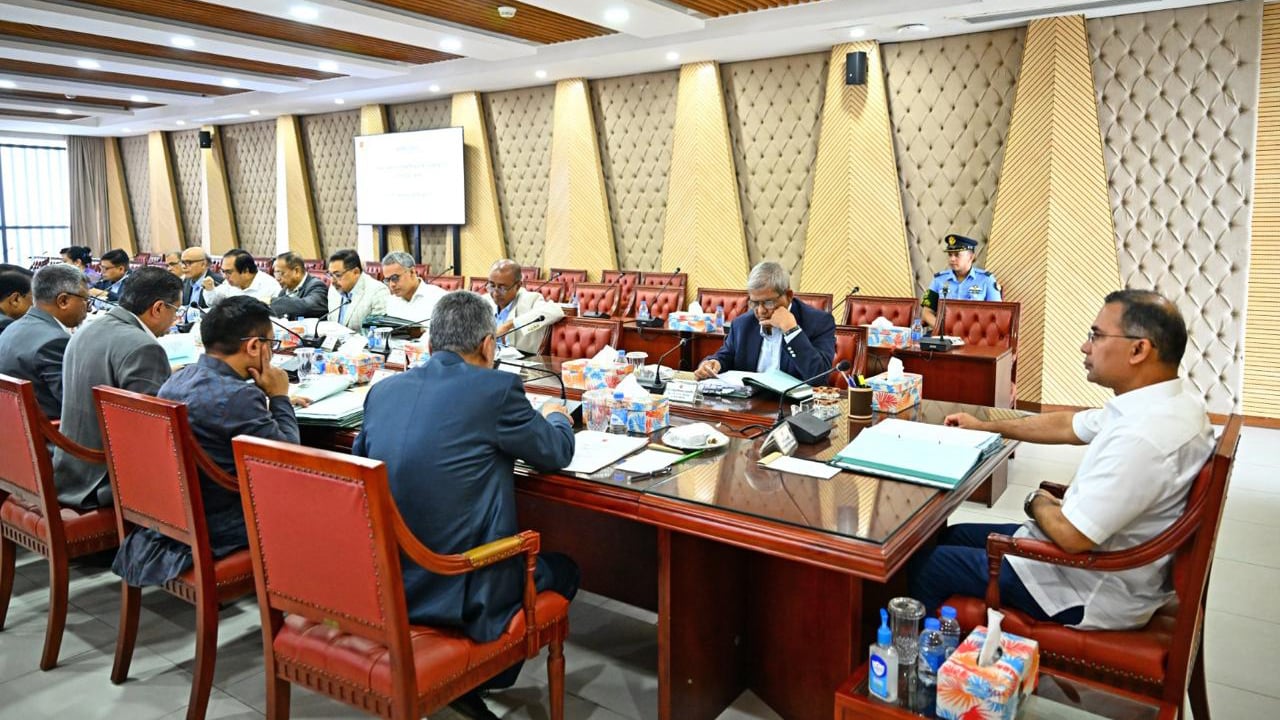
The National Implementation Committee on Administrative Reorganization (Nicar) has approved the formation of three new upazilas and one police station in Bangladesh. The decision was made on Wednesday morning during Nicar’s 121st meeting held at the Secretariat, chaired by Prime Minister Tarique Rahman. According to the approved proposal, the new upazilas are Fatikchhari North in Chattogram, Bangra in Cumilla, and Pagla in Mymensingh. Additionally, a new police station named Halda has been created by dividing Hathazari Police Station in Chattogram. The meeting was attended by several cabinet members, including the ministers of local government, finance and planning, home, commerce, law, road transport, housing, and state minister for public administration, along with the cabinet secretary and the principal secretary to the prime minister. The approval marks a continuation of the government’s administrative restructuring efforts aimed at improving local governance and service delivery. The newly approved administrative units are expected to enhance local administration and bring government services closer to residents in the respective areas, though implementation timelines were not specified in the meeting details.
A court in Cumilla has sentenced Abu Bakkar Siddique, aged 46, to life imprisonment for killing his elderly mother while she was praying. The verdict was delivered on Tuesday by Judge Sabrina Nargis of the Cumilla Tribunal for Crimes Disrupting Public Safety and Special Sessions Court. Siddique was also fined 100,000 taka, with an additional six months of rigorous imprisonment in case of non-payment. The convict was present in the dock during the announcement. According to case documents, the murder occurred on October 11, 2020, in Pasakot village of Shubhopur Union, Chauddagram upazila. Siddique, reportedly addicted to drugs, attacked his 80-year-old mother, Khayera Begum, with an axe after she refused to give him money for drugs. Local residents detained him immediately and handed him over to police. His elder brother, Maulana Abul Kashem, filed the murder case the same day. After investigation and testimony from ten witnesses, the court delivered the verdict. The plaintiff expressed satisfaction with the judgment and urged for swift execution of the sentence. Siddique was later transferred to Cumilla Central Jail under strict police security.

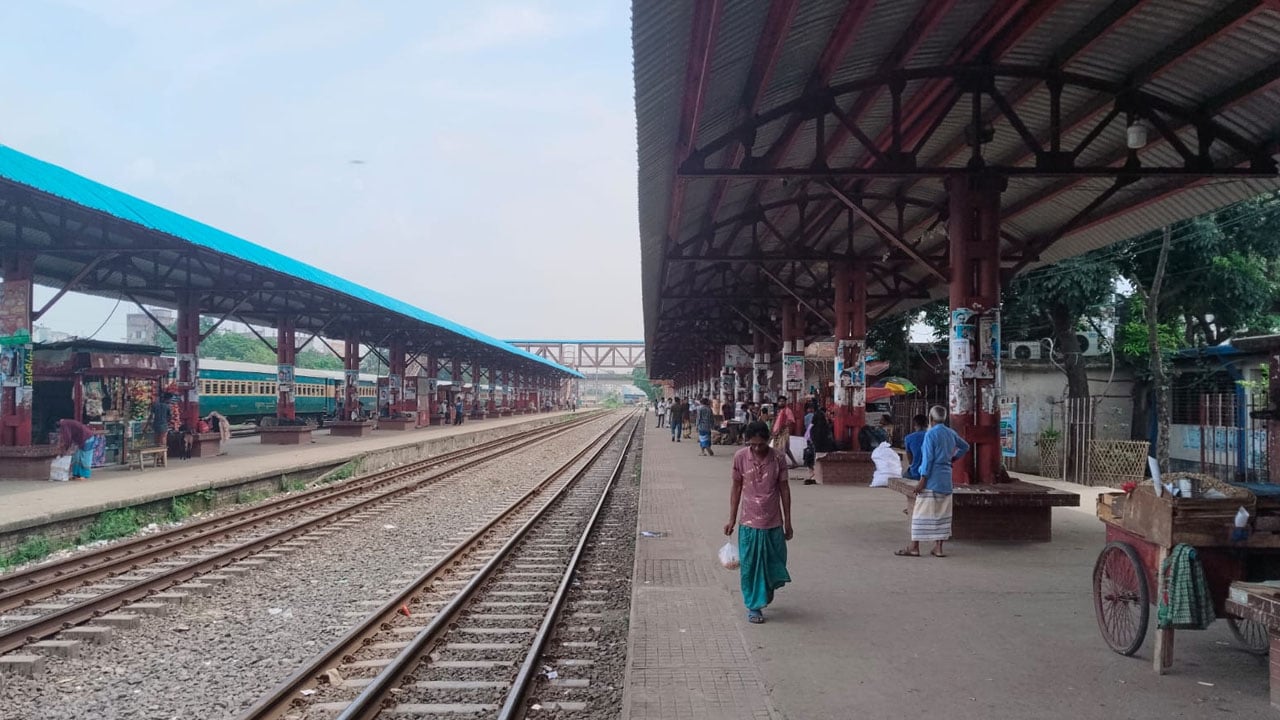
A mass robbery was reported on the Jamalpur Express train near the Tongi railway outer signal in Gazipur around midnight on Tuesday. According to reports, a group of 10 to 15 armed assailants boarded the train when it stopped at the Bonmala outer signal and held passengers at knifepoint. The robbers allegedly took mobile phones, cash, watches, and other valuables from passengers. Several passengers were injured after being attacked with sharp weapons when they tried to resist. Sub-inspector Nur Alam Hossain, in charge of the Tongi Railway Police outpost, stated that no formal complaint had been filed regarding the incident. He added that necessary action would be taken upon receiving a complaint and that additional surveillance would be maintained at the Tongi railway outer signals to prevent such incidents in the future.
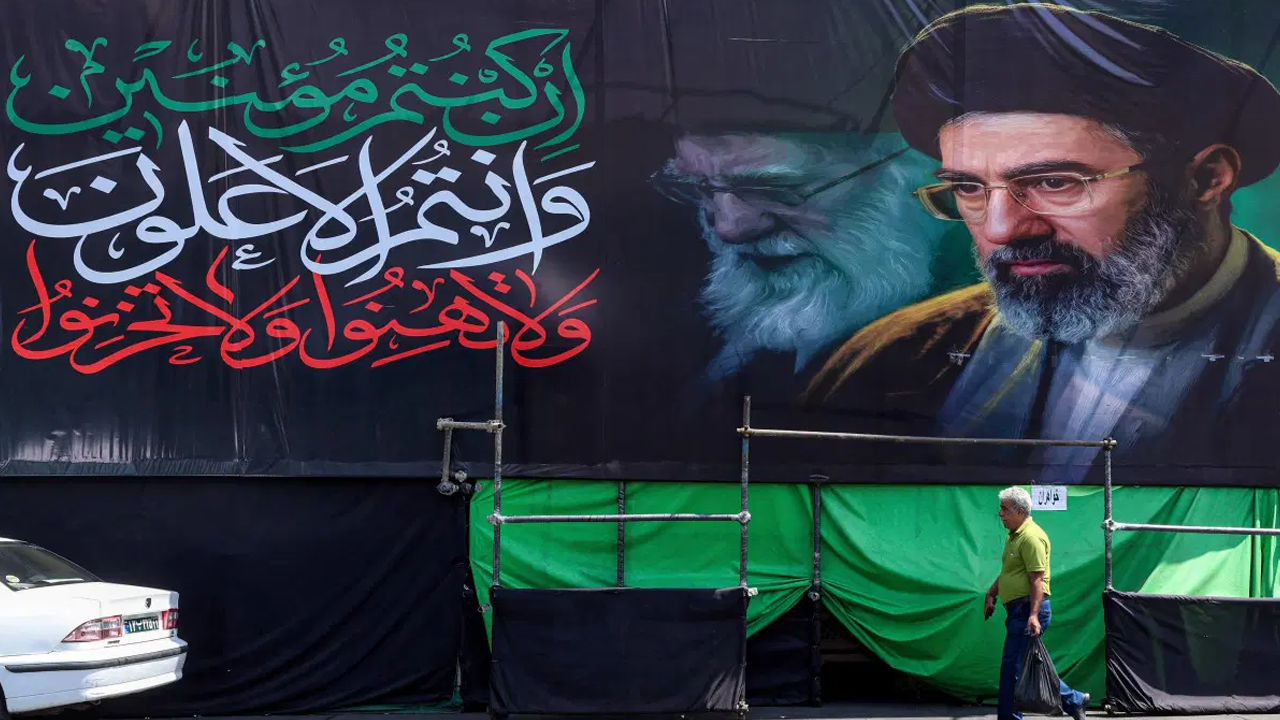
Iran is completing final preparations in Tehran for the state funeral of its late Supreme Leader Ayatollah Ali Khamenei, who was killed in a U.S.-Israel airstrike on February 28. The ceremony will begin Saturday at the Grand Mosalla complex, where his body will lie in state for public tribute. Workers are finalizing decorations and security arrangements, while authorities have declared public holidays and restricted traffic across central Tehran. According to officials, between 15 and 20 million people are expected to attend, making it the largest state funeral in Iran’s history. A separate event for foreign dignitaries will be held Friday, with representatives from about 30 countries expected. Iran’s foreign ministry said no formal invitations were sent to European nations, criticizing their stance on the U.S.-Israel war. The ceremony coincides with six months of nationwide protests over rising living costs. After the Tehran events, Khamenei’s body will be taken to Iraq’s holy cities of Najaf and Karbala before burial on July 9 in Mashhad. It remains unclear whether his son and successor, Mojtaba Khamenei, will attend the main ceremony.
The Ghatail branch of the Bangladesh Nationalist Small Ethnic Group Party has formed a new convening committee. The committee was approved on Wednesday, July 1, 2026, by Tangail district branch president Advocate Jon Jetra and general secretary Pabitra Simsang. The announcement was made in Ghatail, Tangail. According to the approved structure, Swapan Chandra Koch from Ghorarteki village has been appointed as the convener, while Parimon Barman from Dhalua Rasulpur village will serve as the member secretary. The committee consists of a total of 13 members. The formation marks an organizational step for the party’s activities in the Ghatail upazila area. The report did not include further details about the committee’s plans or upcoming programs following its formation.

United Nations humanitarian coordinator in Lebanon, Imran Riza, stated that around one million people have been displaced in the country due to Israeli aggression. Speaking at a seminar in Beirut on Tuesday, he said that 1.4 million people in Lebanon currently require humanitarian assistance. Riza emphasized that while aid is essential, relief supplies alone cannot address the scale of the crisis. He described the emergency as not only humanitarian but also deeply connected to Lebanon’s social and economic conditions, noting that the crisis is closely linked to the labor market. Despite a ceasefire agreement brokered by the United States, Israeli attacks have continued in southern Lebanon. According to Lebanon’s Ministry of Health, at least 4,278 people have been killed in Israeli strikes since March 2.
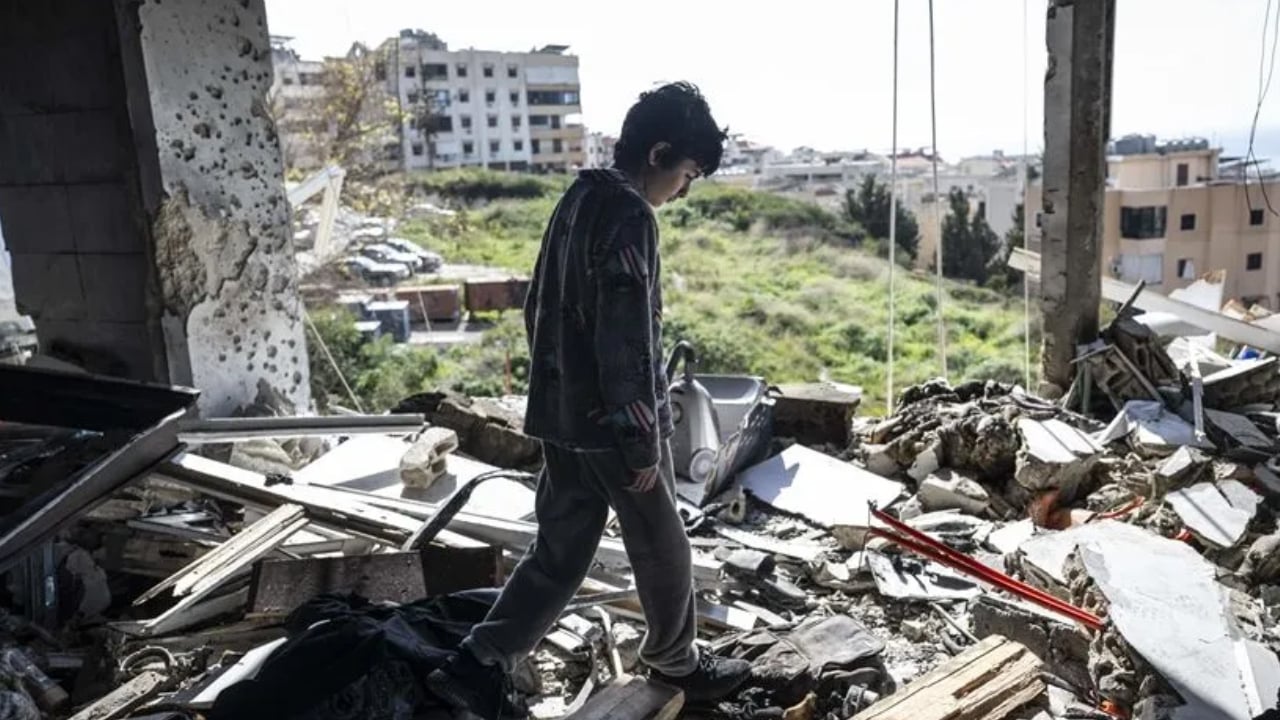
A tragic incident occurred on Wednesday afternoon in Khamar Paban Tair village of Saghata upazila, Gaibandha, when a drug-addicted youth allegedly stabbed his grandparents, killing his grandmother and seriously injuring his grandfather. The deceased was identified as Feroza Begum, 65, while her husband Abdul Karim sustained severe injuries. The accused, 19-year-old Shakil, son of Rafiqul Islam of the same village, was detained by locals and handed over to police. According to local sources, Shakil had been addicted to drugs for a long time, which caused family disputes. His wife had left for her parents’ home due to these conflicts. On Wednesday, an argument broke out between Shakil and his grandparents over bringing his wife back. In a fit of rage, he attacked them with a sharp weapon, leaving both critically injured. Locals rushed to the scene, captured Shakil, and informed police. Police said Shakil is being interrogated, and an investigation is underway. Feroza Begum died on the way to Bogura’s Shaheed Ziaur Rahman Medical College Hospital, while Abdul Karim remains under treatment.

A 23-year-old woman named Andrea Canonico was rescued alive after being trapped for nearly 48 hours under the rubble of a collapsed building in Los Corales, La Guaira, following two powerful earthquakes that struck Venezuela last week. The quakes, measuring 7.2 and 7.5 on the Richter scale, have killed around 2,000 people so far, with fears that the toll could rise further. Andrea said she never lost hope despite being buried about six meters deep and used her mobile phone for light and timekeeping. Rescue worker Moises Faramaya, a 26-year-old former miner known as “The Mole,” has been tirelessly searching for survivors in the same area, using only a pickaxe and shovel. He has so far rescued 16 people alive and recovered 22 bodies. Authorities have declared the area a disaster zone. Heavy rain on Tuesday temporarily halted rescue efforts, dampening morale among workers. The critical 72-hour window for finding survivors ended Saturday evening, and by Tuesday, hopes of finding more people alive had significantly diminished.
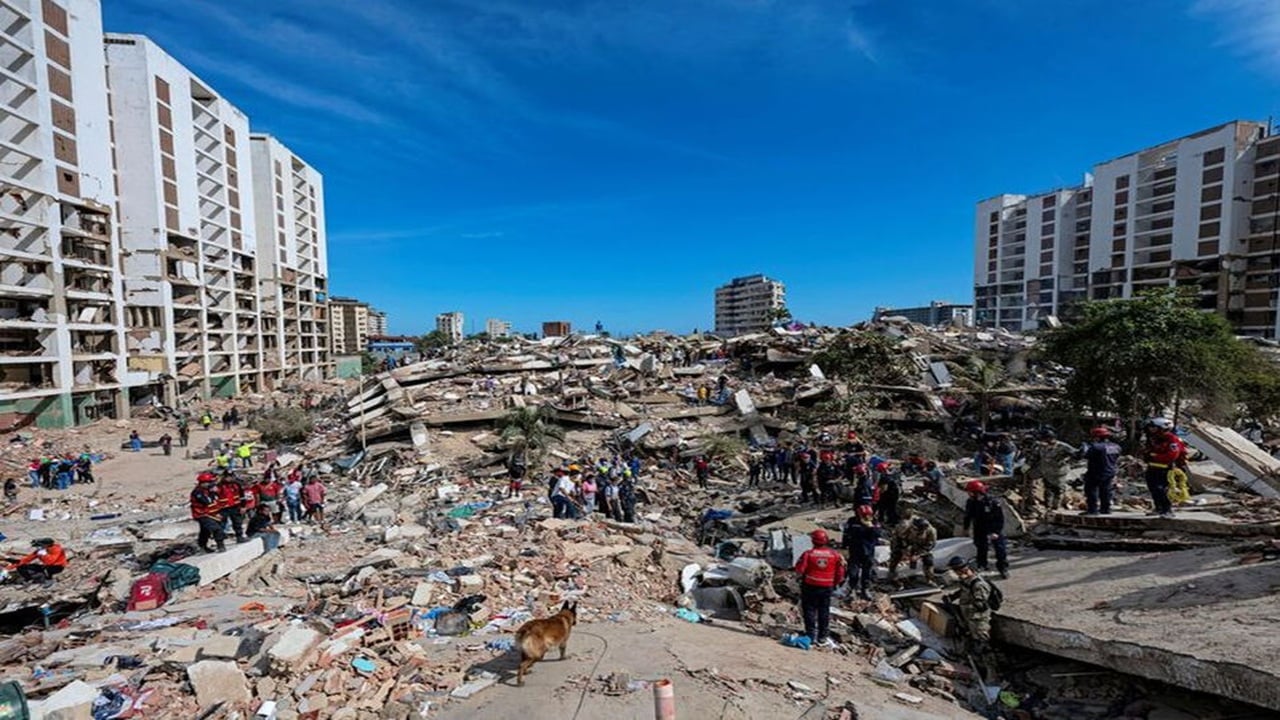
Testimonies from 14 of 28 witnesses have been completed in the illegal wealth case against former Inspector General of Police (IGP) Benazir Ahmed. On Wednesday afternoon, six witnesses gave their statements before Dhaka’s Special Judge Court-5, presided over by Abdullah Al Mamun. As the accused remains absconding, cross-examination of the witnesses could not take place. The court scheduled the next hearing for July 16, confirmed Anti-Corruption Commission (ACC) lawyer Mir Ahmed Ali Salam. The case was filed on December 15, 2024, by ACC Deputy Director Hafizul Islam, accusing Benazir Ahmed of acquiring wealth beyond known income sources, concealing asset information, and money laundering. Following investigation, a charge sheet was submitted on November 30, 2025. The court accepted the charges on March 8, 2026, issuing an arrest warrant, and began trial proceedings on May 3, 2026. According to the charge sheet, Benazir declared assets worth about Tk 12.2 crore, while investigators found evidence of assets exceeding Tk 15.6 crore, indicating Tk 11 crore in unexplained wealth.
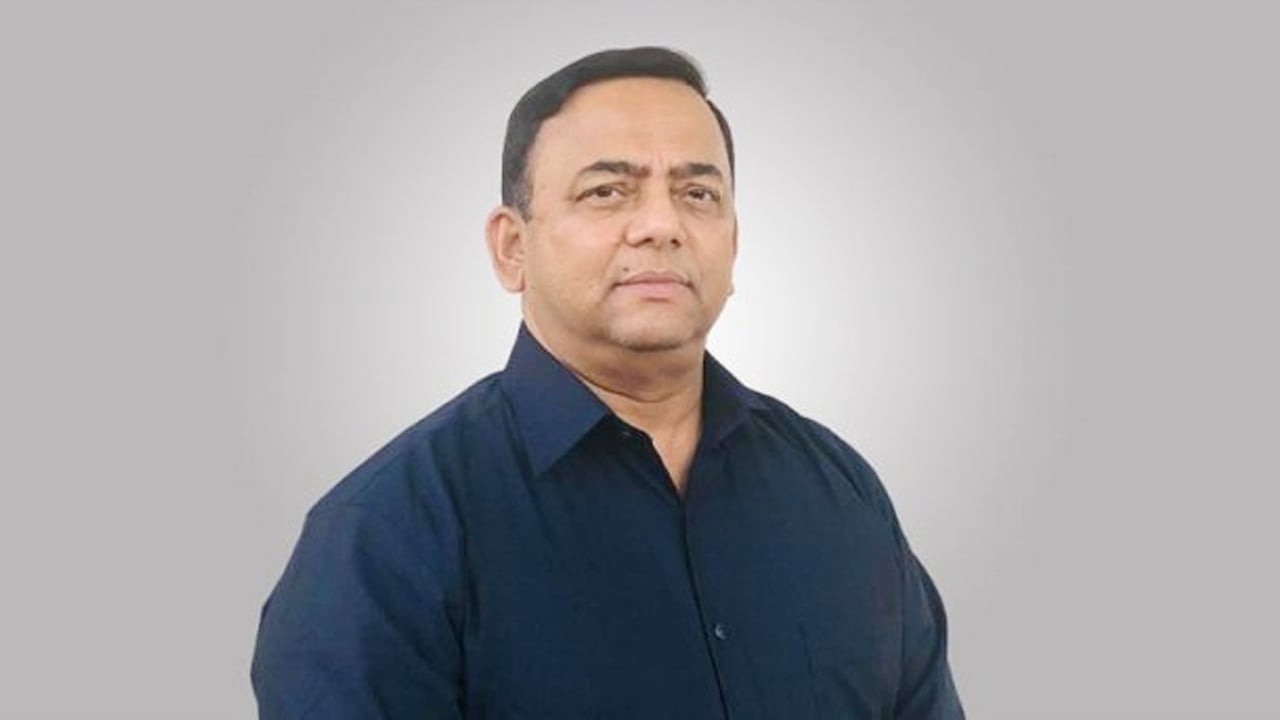
Turkey has increased transit fees for ships passing through the Bosphorus and Dardanelles straits by about 15 percent, effective July 1, 2026. The country’s Ministry of Transport and Infrastructure confirmed the adjustment to Russian news agency RIA Novosti, stating that the new rate will be 6.70 US dollars per ton, up from the previous 5.83 dollars set in 2022. The revision is part of the ministry’s annual review process. The Bosphorus and Dardanelles are among the world’s busiest and most strategically important maritime routes. This latest increase continues a trend of fee adjustments that began in 2022, after nearly four decades of unchanged rates at 80 cents per ton since 1983. In 2022, Turkey raised the fee more than fivefold to 4.8 dollars per ton as part of a policy shift. According to preliminary estimates by Transport and Infrastructure Minister Abdulkadir Uraloğlu, Turkey expects to earn about 254 million US dollars from ship transits between July 2025 and June 2026, roughly 31 million dollars more than the previous fiscal year.

A devastating fire broke out on Wednesday morning at a jhoot (garment waste) warehouse named Ma Marjan Enterprise in Dakshin Sastapur area of Fatullah, Narayanganj. The blaze, which started around 7:30 a.m., caused an estimated loss of about Tk 4 million. Four units from the Shibu Market Modern Fire Station responded to the scene and brought the fire under control after nearly two hours of effort. According to Abdullah Al Arifin, Deputy Assistant Director of Narayanganj Fire Service, the 150-foot-long warehouse was completely burned, while a nearby tea stall and a wood shop sustained partial damage. Initial investigations suggest that the fire may have originated from an electrical short circuit. Local residents reported seeing smoke rising from the warehouse before the flames quickly spread, creating panic in the area. People from nearby houses moved their furniture to safety. Authorities are continuing their investigation to determine the exact cause and total extent of the damage.
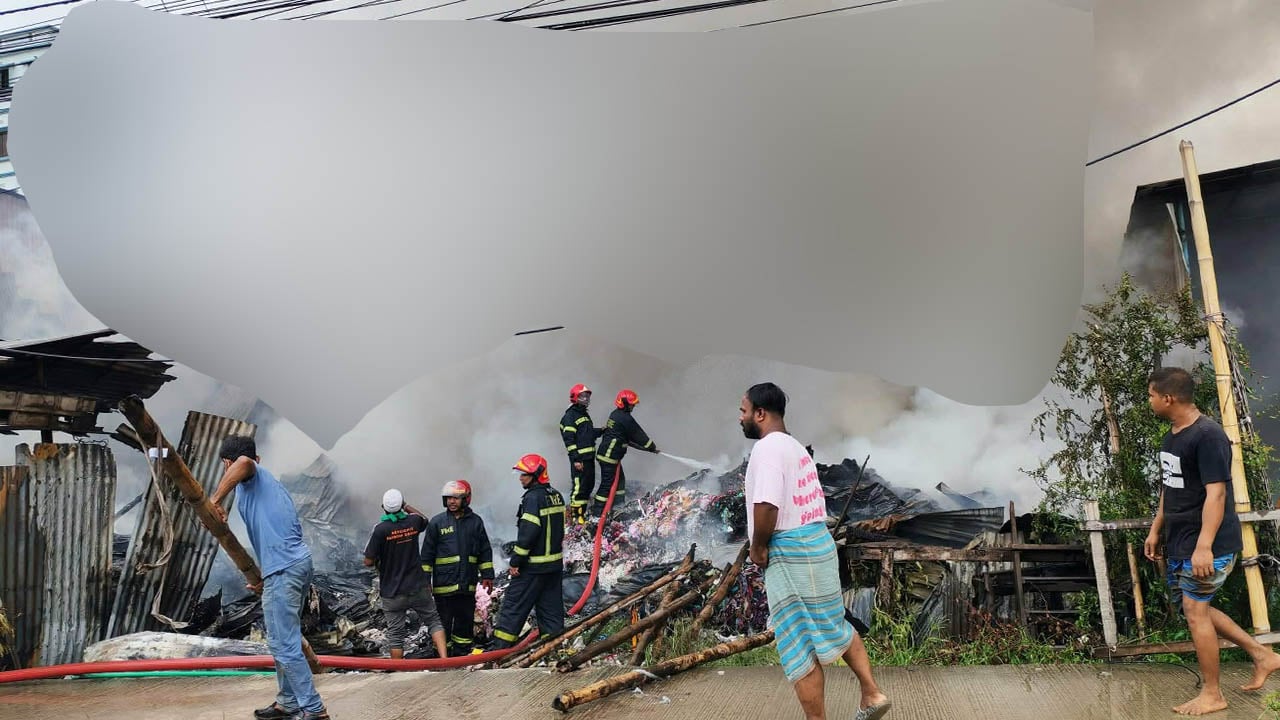
The house rent allowance for teachers employed in MPO-listed private educational institutions has been raised by 15 percent of their basic salary, effective from Wednesday, July 1, 2026. According to the Directorate of Secondary and Higher Education (DSHE), the issue of increasing the allowance has been finalized, and teachers and staff will receive the enhanced benefit from July. Earlier, on October 21, 2025, the Ministry of Finance approved a 15 percent increase in the house rent allowance for MPO-listed teachers and employees of private institutions. The ministry’s approval letter stated that, considering the government’s budget limitations, the allowance would be implemented in two phases: 7.5 percent from November 1, 2025, and an additional 7.5 percent from July 1, 2026, making a total of 15 percent of the basic salary, with a minimum of 2,000 taka. The DSHE confirmed that the finance ministry’s directive has now come into effect, ensuring that eligible teachers and staff will receive the revised allowance starting this month.

A Noakhali court has postponed the verdict in the widely discussed case of five-year-old Asma Akter’s rape and murder for the third time. The Special Child Tribunal in the district, presided over by Judge Farzana Akter, set a new date of July 6 for the verdict announcement. The decision was confirmed by the plaintiff’s lawyer, Advocate Shukla Saha. According to the case details, Asma, daughter of Maulana Md. Shahjahan from Megha village in Chatkhil upazila, went missing on March 24, 2022. Nine days later, police recovered her body from a septic tank behind the house based on information from the accused, Shahadat, her 26-year-old cousin. During investigation, Shahadat confessed in court that he raped and then strangled the child to death before hiding the body. The brutal killing sparked widespread outrage across Noakhali, prompting protests, human chains, and demonstrations organized by political, social, and educational groups. Locals have consistently demanded swift justice and the death penalty for the accused.
The ‘1 Nojor’ media platform is now live in beta, inviting users to explore and provide feedback as we continue to refine the experience.