

The ‘1 Nojor’ media platform is now live in beta, inviting users to explore and provide feedback as we continue to refine the experience.
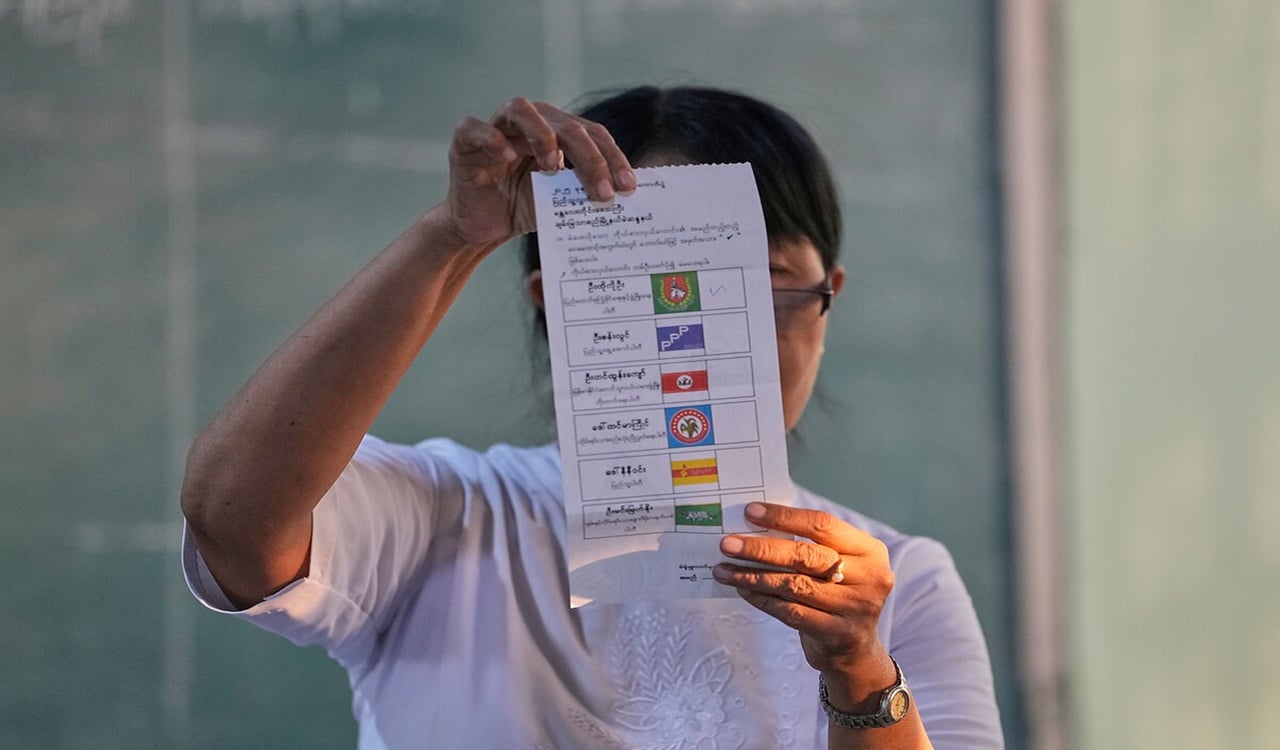
The United Nations has reported that at least 170 civilians were killed in more than 400 airstrikes conducted by Myanmar’s military during a two-month voting period. The information was released from Geneva on Friday, citing data verified by the UN human rights office. According to the report, the attacks occurred between December 2025 and January 2026, coinciding with the country’s election process. The UN human rights office stated that the figures were based on credible sources and confirmed that approximately 408 airstrikes took place during the election period. The organization also warned that the actual death toll could be higher than the confirmed number of 170. The report underscores growing international concern over civilian safety in Myanmar amid ongoing military operations during politically sensitive periods.
The United States has approved major arms sales worth several billion dollars to both Israel and Saudi Arabia, citing heightened tensions surrounding Iran in the Middle East. Washington announced the decision on Friday. According to the US State Department, the deal with Israel includes 30 Apache attack helicopters valued at $3.8 billion, along with $1.8 billion in joint light tactical vehicles. The approval came shortly after a fragile ceasefire in Gaza. The State Department reaffirmed that ensuring Israel’s security remains closely tied to US national interests. In a separate agreement, the US also authorized the sale of about $9 billion in weapons to Saudi Arabia, including 730 Patriot missiles designed to intercept aerial attacks. The move follows last year’s Israeli airstrikes on Iranian nuclear and military sites and widespread protests in Iran that led to heavy casualties. While Saudi Arabia is not a close ally of Iran, it has maintained a cautious stance to avoid direct conflict. Gulf nations fear that escalating instability could harm their business-friendly image. Efforts by Saudi Arabia to normalize relations with Israel have stalled amid Israel’s ongoing military operations in Palestinian territories.
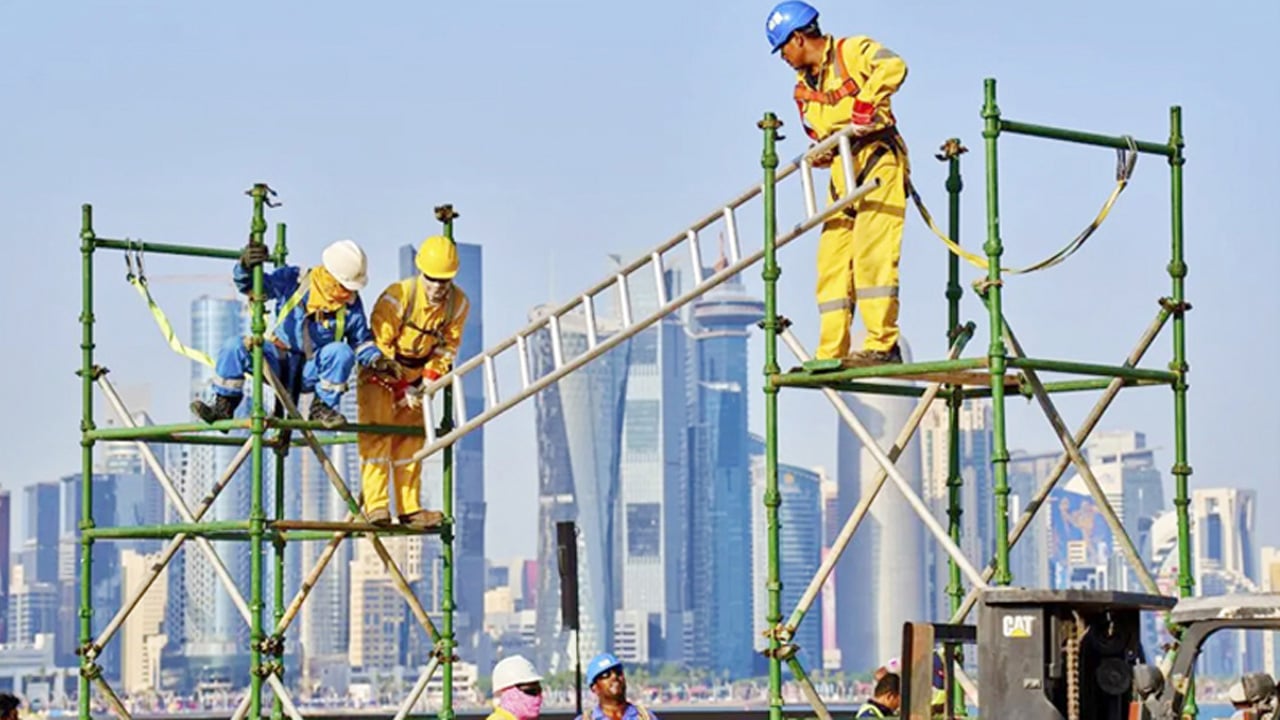
Russia, facing a shortage of workers across agriculture, industry, infrastructure, and shipbuilding, has turned to foreign labor to fill the gap. In December, a labor export agreement was signed between Russian President Vladimir Putin and Indian Prime Minister Narendra Modi, under which 70,000 Indian workers are expected to go to Russia in 2026. Reports indicate that Indian workers will earn between 555 and 1,111 US dollars per month. Meanwhile, Bangladesh remains far behind, with only 6,266 workers currently in Russia and just 325 sent officially through government channels. Migration experts attribute Bangladesh’s weak position to a lack of long-term planning and poor coordination between the Ministry of Expatriates’ Welfare and the Ministry of Foreign Affairs. They argue that Bangladesh needs a permanent labor market research center and better collaboration with private sector experts to identify opportunities. Officials from the expatriates’ welfare ministry say a draft memorandum of understanding has been sent to Russia’s foreign ministry, though issues remain over repatriation agreements. Experts warn that without strategic reforms and institutional coordination, Bangladesh risks missing out on emerging labor markets like Russia’s.
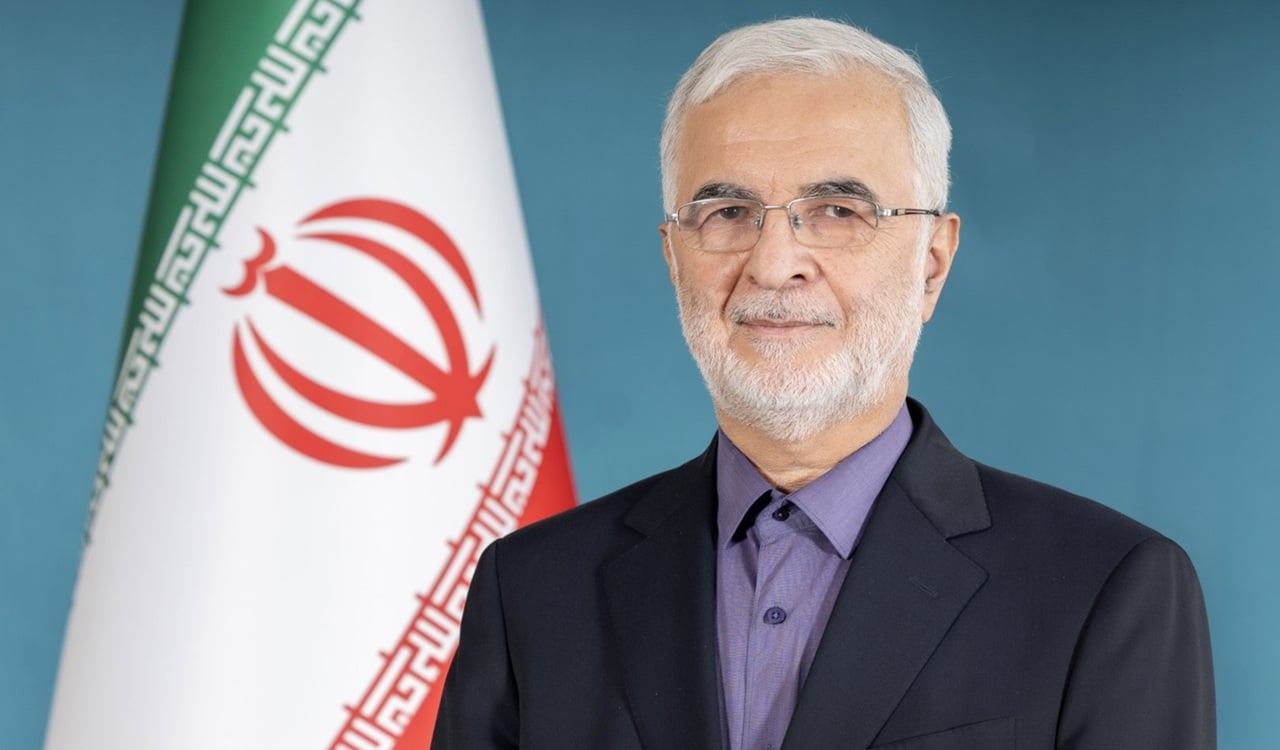
The United States announced sanctions on Iran’s Interior Minister Eskandar Momeni and several senior Iranian officials, citing their alleged involvement in deadly crackdowns on anti-government protests in recent weeks. The decision was made public on Friday, according to a statement from the U.S. Treasury Department. The Treasury said Momeni oversees Iran’s Law Enforcement Forces (LEF), which Washington identified as a key agency responsible for the deaths of thousands of peaceful demonstrators. U.S. officials accused Iranian security forces of using widespread violence and repressive tactics during the protests, resulting in a large number of civilian casualties. According to the U.S. government, the sanctions aim to hold those responsible for human rights abuses accountable and to send a message against the suppression of peaceful dissent in Iran.
The National Citizen Party (NCP) announced a 36-point election manifesto titled “Manifesto of Youth and Dignity” at a hotel in Gulshan, Dhaka, on Friday. The declaration, made in remembrance of the July Revolution, was presented by party convener Nahid Islam. The manifesto outlines commitments to democracy, human rights, economic reform, and state restructuring. It includes pledges to prosecute crimes against humanity, form independent and truth commissions, eliminate extortion, ensure transparency of officials’ assets, raise the minimum wage to Tk 100 per hour, and lower the voting age to 16. It also promises reforms in education and healthcare, creation of one crore jobs, empowerment of women and minorities, environmental protection, and strengthening of defense and renewable energy. Nahid Islam said the manifesto reflects the party’s long-term struggle for constitutional and structural reform and will be aligned with the 11-party electoral alliance. NCP spokesperson Asif Mahmud stated that the manifesto was developed through public consultation and aims to establish an accountable and inclusive state. The event was attended by political leaders, diplomats, and civil society representatives. If implemented, the manifesto’s commitments could reshape governance, economic policy, and social inclusion in Bangladesh, according to the party’s stated goals.

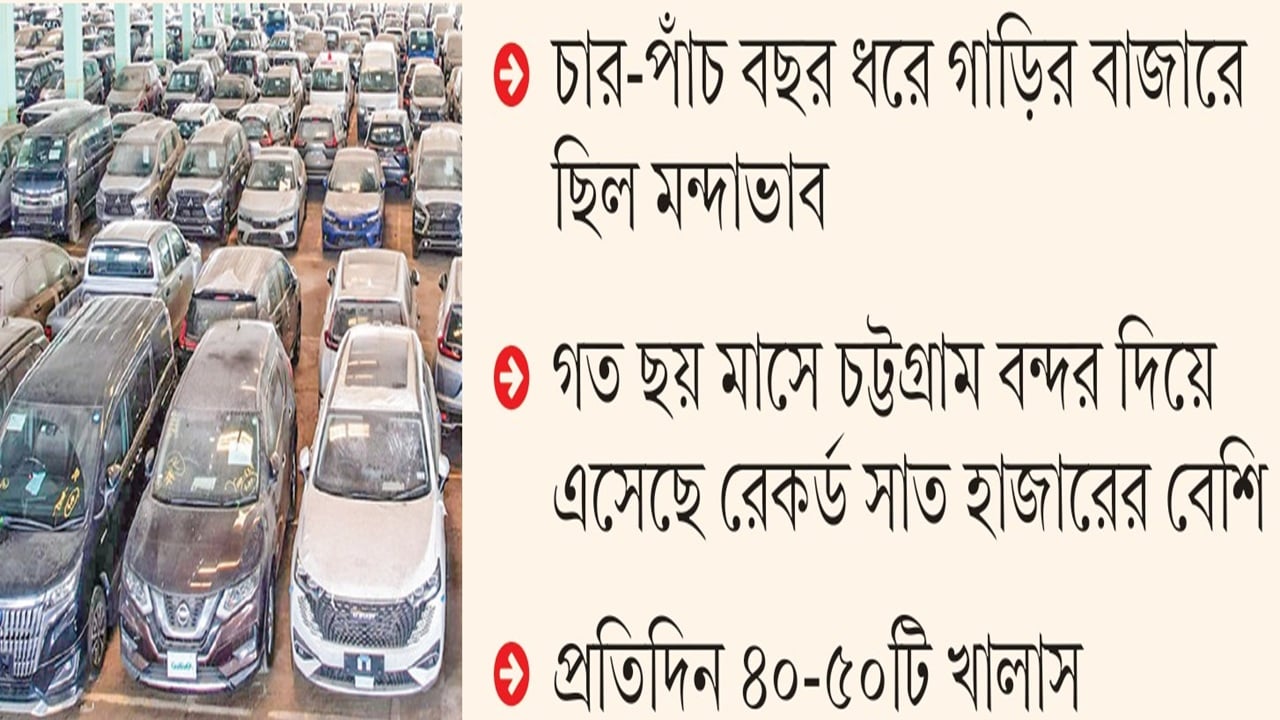
Car imports through Chattogram Port have sharply increased ahead of Bangladesh’s upcoming national election. Over the past six months, more than 7,000 vehicles arrived at the port, with 6,651 cleared by importers. The customs authority collected around Tk 1,153 crore in revenue during this period, marking a significant rise compared to the previous fiscal year. The port handled 841 brand-new and 6,225 reconditioned cars via 16 specialized Ro-Ro vessels, setting a new record for vehicle imports within such a short time. Importers and showroom managers attributed the surge to election-related demand, particularly for microbuses and vans used in campaigns, as well as expectations of post-election stability. After years of sluggish sales due to dollar shortages and higher import taxes, the market is showing signs of recovery. Daily vehicle deliveries from the port have risen from about 10 to 40–50 units. Officials noted that timely vehicle clearance has improved, with only 103 cars delayed beyond the 30-day limit. However, some traders suggested that the increase in imports may reflect logistical shifts from Mongla Port rather than a broad rise in consumer demand.
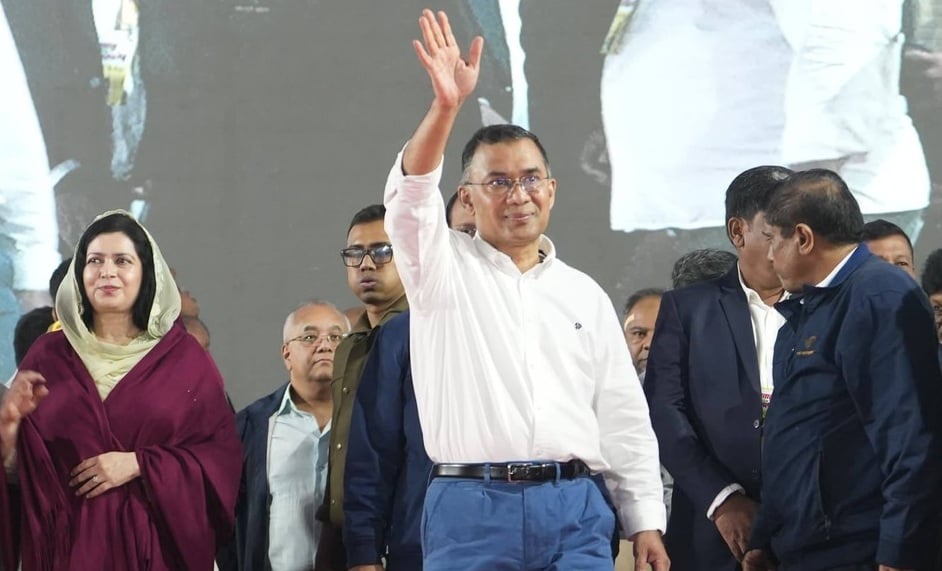
BNP Chairperson Tarique Rahman is scheduled to visit Barishal on February 4 after nearly two decades. He will attend an election rally as the chief guest at the historic Bell’s Park field in the city. The visit was confirmed by Bilkis Akter Jahan, the party’s divisional organizing secretary for Barishal, who said Rahman will arrive from Jashore by air and later travel to Dhaka by road. Party sources said preparations for the rally are nearly complete, and enthusiasm among local BNP leaders and activists is high. Rahman’s visit had previously been planned for January 26 and later rescheduled to January 27 before being postponed again. The new date of February 4 has now been finalized. His last visit to Barishal was in 2006, when he served as the party’s senior joint secretary general. Local BNP leaders and political observers view this visit as significant, especially as it comes at the final stage of the election campaign. The event is expected to energize BNP supporters in the region and mark a symbolic return of the party’s top leadership to Barishal.
Ukrainian President Volodymyr Zelensky has announced a new military strategy aimed at inflicting heavier losses on Russian forces as the war enters its fourth year. In a January 26 address to military personnel, he said Ukrainian units must ensure that Russian casualties each month exceed the number of reinforcements Moscow can deploy. Zelensky mentioned a target of around 50,000 Russian losses per month, calling it the optimal level to weaken the invading forces. Citing video analyses, Zelensky claimed that 35,000 Russian soldiers were killed or wounded in December 2025, up from 30,000 in November and 26,000 in October. Ukraine’s top commander, Oleksandr Syrskyi, separately stated that more than 33,000 Russian troops were confirmed killed in December. Ukraine estimates that since the war began, 1.2 million Russian soldiers have been killed or disabled, while the Center for Strategic and International Studies reported similar figures. Al Jazeera noted that none of these casualty numbers could be independently verified. The conflict remains at a stalemate, with Russia continuing efforts to seize additional territory despite heavy losses.

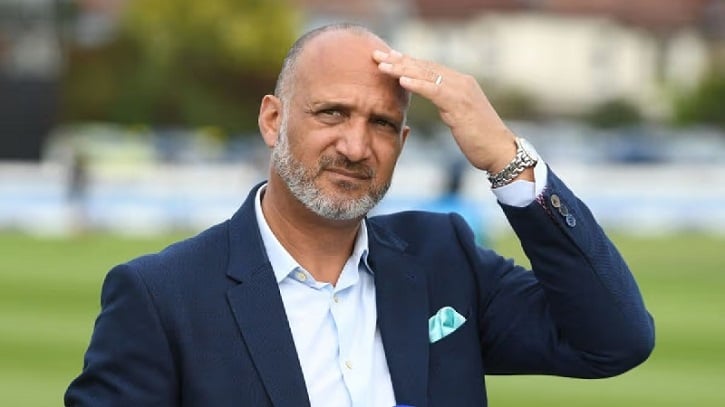
Former England cricketer and analyst Mark Butcher has described the International Cricket Council’s (ICC) decision to exclude Bangladesh from the upcoming T20 World Cup as “unprecedented” and “utter chaos.” According to the report, Bangladesh had requested to play its World Cup matches in Sri Lanka due to security concerns in India. The ICC, however, rejected the request and, under pressure from India, removed Bangladesh from the global tournament. Speaking on the Wisden Cricket Weekly podcast, Butcher criticized the ICC for allegedly changing its rules to favor India, citing the example of India’s Champions Trophy matches being relocated to Dubai instead of Pakistan. He argued that such flexibility for one team undermines fairness in world cricket. Butcher further urged that similar standards should apply to all teams in the future. He suggested that if a team refuses to play in a country citing security reasons, it should either ensure safety and participate or withdraw, allowing another team to take its place.
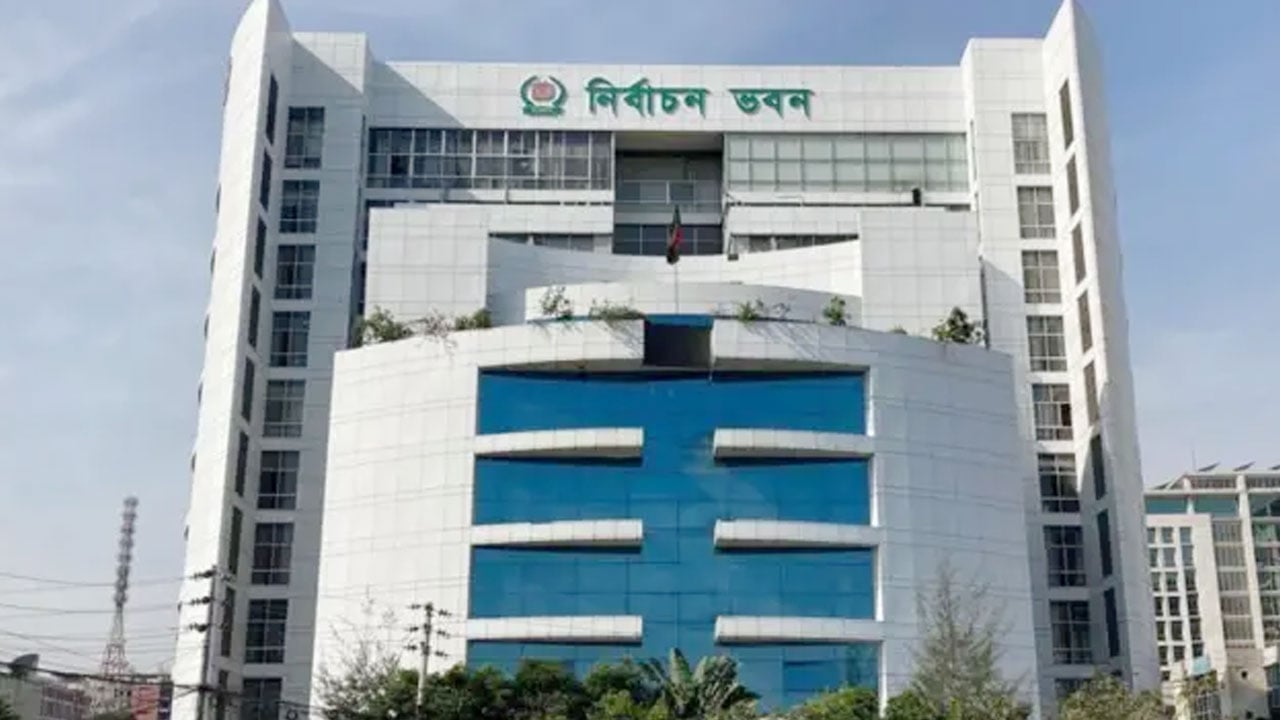
The Election Commission (EC) of Bangladesh has taken a strict stance against violations of the electoral code of conduct ahead of the upcoming parliamentary election and referendum. On Thursday, mobile court drives across the country resulted in fines totaling Tk 170,000 in 18 separate cases. The information was confirmed by Saiful Islam, member secretary of the Central Coordination Committee for the referendum and parliamentary election. According to EC sources, the penalties were imposed on candidates and their supporters for offenses including illegal posters and banners, unauthorized processions, misuse of government property, excessive use of loudspeakers, and causing public inconvenience. The drives were conducted in Rangpur, Rajshahi, Khulna, Barishal, Dhaka, Cumilla, Noakhali, Narayanganj, and Natore. Immediate fines and warnings were issued upon proof of violations. The EC stated that it will maintain zero tolerance toward any breach of election laws to ensure free, fair, and transparent polls. Field-level monitoring, mobile court operations, and law enforcement activities will be further intensified throughout the campaign period to preserve a peaceful voting environment.
At least seven people were injured in a clash between activists of the BNP and Jamaat-e-Islami in Lalmohan upazila of Bhola-3 constituency on Friday morning. The incident occurred around 11 a.m. in Ward No. 11 of Lalmohan municipality, reportedly over election campaign activities. Police and naval personnel arrived at the scene and brought the situation under control. According to eyewitnesses, an argument between the two groups over campaign activities escalated into a violent confrontation. Lalmohan BNP’s general secretary, Shafiqul Islam Babul, alleged that Jamaat activists led by Mokhles Bokshi, a recently joined former president of the upazila Krishak League, attacked BNP workers during a campaign event, injuring four of them. Jamaat leaders, however, denied the allegation, claiming that BNP supporters initiated the attack. Lalmohan police officer-in-charge Md. Oliul Islam stated that law enforcement responded promptly and controlled the situation. No formal complaint had been filed as of the report’s publication, but authorities said legal action would follow if a complaint is submitted.
Hundreds of US military members, civilians, and their families have filed a civil lawsuit in a federal court in eastern Virginia against British American Tobacco (BAT) and one of its subsidiaries. The plaintiffs allege that BAT secretly supported North Korea for years, indirectly financing Iran’s Revolutionary Guard Corps (IRGC) and Hezbollah in developing weapons of mass destruction that caused harm to American citizens. According to the complaint, BAT began producing cigarettes in North Korea in 2001 through a joint venture with a state-owned company. Although the firm announced its withdrawal in 2007 under international pressure, the US Department of Justice later said operations continued covertly through a subsidiary. A 2005 Guardian investigation first exposed the activity, and in 2023 a US Senate hearing revealed that about $418 million in transactions linked to BAT’s North Korea venture supported the country’s weapons program. In 2023, BAT and its subsidiary reached a plea agreement with US authorities, admitting to sanctions violations and bank fraud, and agreed to pay $629 million in fines. The lawsuit claims funds from cigarette production and smuggling were used to aid attacks in Iraq and Kurdistan that killed and injured US personnel.

Bangladesh has appointed the London-based legal firm Three VB Chambers to represent the Bangladesh Power Development Board (BPDB) in an international arbitration process against India’s Adani Power Limited. The arbitration, to be conducted at the Singapore International Arbitration Centre (SIAC), concerns disputes over coal pricing and electricity tariffs. The decision came five days after a national review committee submitted its final report on power sector contracts signed during Sheikh Hasina’s government. BPDB officials said the firm, led by King’s Counsel Farhaz Khan, has been advising the national committee reviewing the Adani contract for several months. The dispute intensified after Adani Power initiated arbitration in Singapore last year, claiming Bangladesh owed about USD 485 million in unpaid coal-related dues. Bangladesh has accused Adani of inflating coal prices, artificially raising power generation costs. Following the fall of the Hasina government in August, the interim administration strengthened its review of the Adani deal. Officials said evidence of financial transactions between Adani and some Bangladeshi officials has been sent to the Anti-Corruption Commission. Legal experts have cautioned that contract termination could expose Bangladesh to compensation claims of up to USD 5 billion.

The National Citizen Party (NCP) has announced a 36-point election manifesto ahead of the 13th National Parliamentary Election, pledging to make one-month paid paternity leave and six-month paid maternity leave mandatory in all institutions. The manifesto, titled “Manifesto of Youth and Dignity,” was formally unveiled on Friday, January 30, at a hotel in Gulshan, Dhaka. Divided into 12 chapters, the manifesto outlines strategies and action plans across various sectors. It includes commitments to ensure women’s safety, rights, and empowerment, with provisions for additional leave in cases of childbirth complications. The NCP also proposed introducing one day of optional half-paid “period leave” per month for women in government jobs, later to be made mandatory across all workplaces with possible government subsidies for private sector workers. Additionally, the manifesto promises mandatory daycare facilities in all government institutions and incentives for private organizations that establish daycare services.
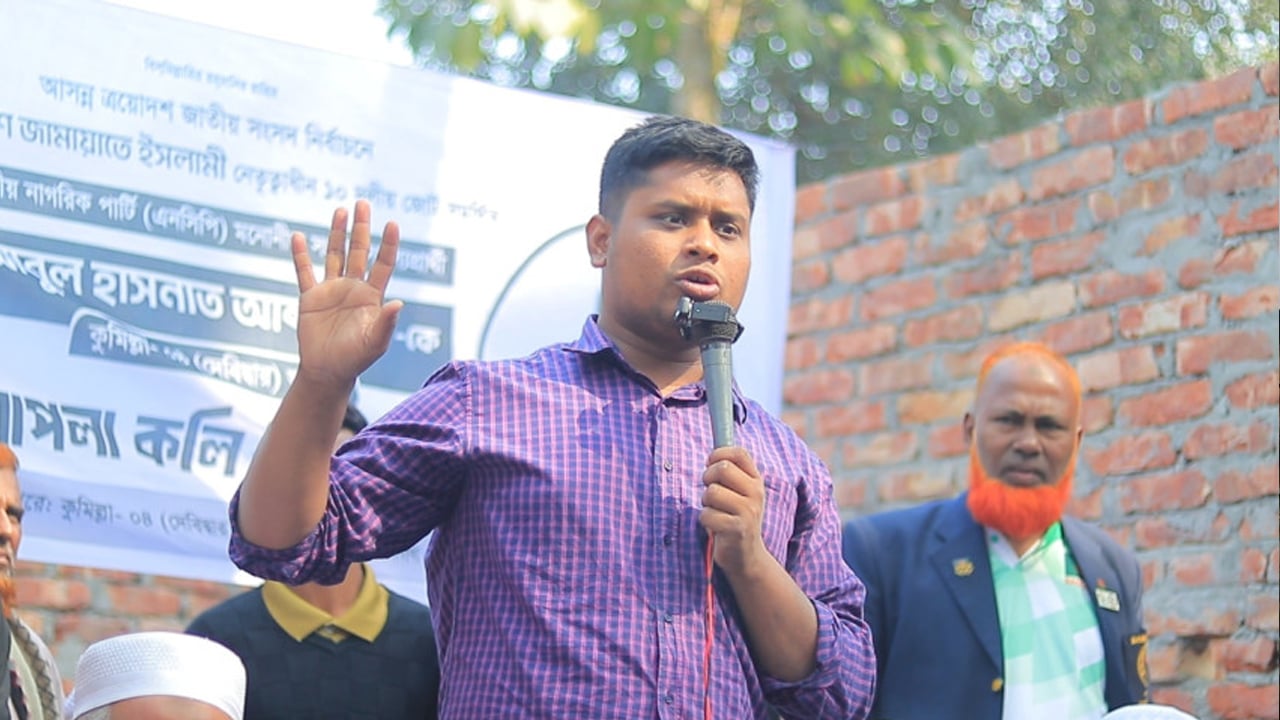
Hasnat Abdullah, chief organizer for the southern region of the National Citizens Party (NCP), declared that if entrusted with responsibility, he would take strict action against extortionists, drug dealers, and loan defaulters. Speaking on Friday, January 30, 2026, at an election rally in Moricha village of Rajamehar Union, Debidwar upazila in Comilla, he warned those involved in drug trade to abandon illegal activities and promised to help them find lawful means of livelihood such as small businesses or cattle rearing. Abdullah criticized the culture of compromise in politics with drug lords and extortionists, alleging that many senior leaders had long accepted money from drug barons but were now on the run. He also condemned attempts by individuals to misuse photos with him for personal gain, stressing that no one, not even his own family, would receive illegal favors. He emphasized that his campaign was focused on ordinary people rather than corrupt networks. Highlighting the importance of women voters, Abdullah said he believed mothers, aunts, and sisters would play a decisive role in sending him to parliament.
The ‘1 Nojor’ media platform is now live in beta, inviting users to explore and provide feedback as we continue to refine the experience.