

The ‘1 Nojor’ media platform is now live in beta, inviting users to explore and provide feedback as we continue to refine the experience.
In the run-up to Bangladesh’s upcoming parliamentary election, the Bangladesh Nationalist Party (BNP) and Jamaat-e-Islami have escalated their political rhetoric, centering their campaigns on contrasting historical narratives. BNP, led by Chairperson Tarique Rahman, has made the 1971 Liberation War the core of its election message, using it to criticize Jamaat’s wartime role. Rahman, recently returned from exile, has highlighted the Liberation War in multiple rallies across the country, portraying it as a moral foundation for the nation and warning against those who opposed independence. BNP Secretary General Mirza Fakhrul Islam Alamgir has echoed this stance, accusing Jamaat of trying to regain political influence despite its past opposition to independence. In contrast, Jamaat-e-Islami has focused its campaign on the July Uprising that led to the fall of Sheikh Hasina’s government, presenting it as a movement for democracy and justice. Party leaders, including Amir Dr. Shafiqur Rahman, have pledged to continue the struggle for a corruption-free and equitable Bangladesh. Jamaat leaders have also criticized BNP for politically exploiting the Liberation War issue, calling such accusations baseless and politically motivated. The competing narratives underscore a deep ideological divide, with BNP emphasizing historical legitimacy through the Liberation War and Jamaat seeking to redefine its identity through the July Uprising.
The Anti-Corruption Commission (ACC) has filed two separate cases against former Bhola Upazila Parishad chairman Mirajul Islam and his wife Shamima Akter for allegedly amassing wealth worth hundreds of crores of taka beyond known income sources and committing money laundering. The cases were lodged on Thursday by ACC Assistant Director Mohammad Monirul Islam at the Pirojpur Integrated District Anti-Corruption Office, with Deputy Director Aminul Islam assigned as the investigating officer. According to the case statement, Mirajul Islam allegedly acquired immovable and movable assets worth over Tk 116 crore through his companies Ifti ITCL (Pvt.) Ltd, Ifti Enterprise, and South Bangla Trade International, while his legitimate income sources accounted for only Tk 17.71 crore. His wife Shamima Akter is accused of possessing Tk 24.45 crore in illegal assets through her firm Shimu Enterprise and transferring Tk 122.39 crore via bank accounts, violating money laundering laws. The ACC noted that the couple’s firms obtained government contracts from the LGED but did not execute the projects, allegedly misappropriating around Tk 1,000 crore. Eight additional cases have already been filed over related offenses.
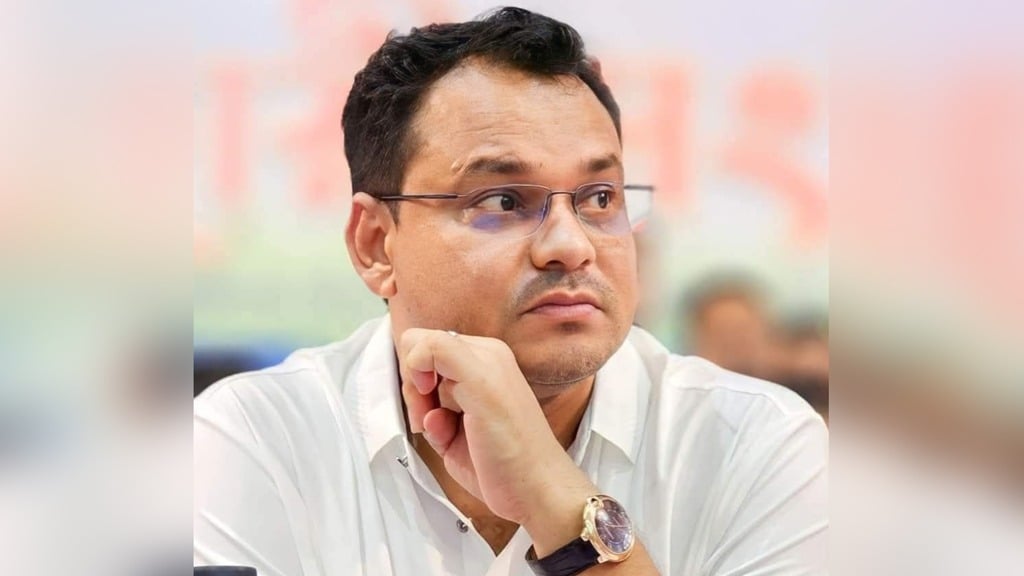
The funeral of Maulana Rezaul Karim, 42, secretary of Jamaat-e-Islami’s Sreebardi upazila unit, who was killed in a BNP-Jamaat clash in Sherpur, was completed on Thursday night. His second funeral prayer took place at 9 p.m. at Gopalakhila School field, led by Jamaat’s central Nayeb-e-Ameer Maulana A N M Shamsul Islam. Following the prayer, he was buried in his family graveyard, and prayers were offered for his soul. At Rezaul’s home, his elderly father Maulana Abdul Aziz was seen silently gazing at his son’s grave, while women inside the house were heard crying. Relatives and neighbors gathered to offer condolences. District Jamaat Ameer Hafizur Rahman condemned the killing, stating that a general diary had been filed with the police and preparations were underway to lodge a case. He added that further programs would be decided after consultation with central leaders. The incident follows recent political tensions in Sherpur, with Jamaat leaders calling for justice and organizational response to the killing.
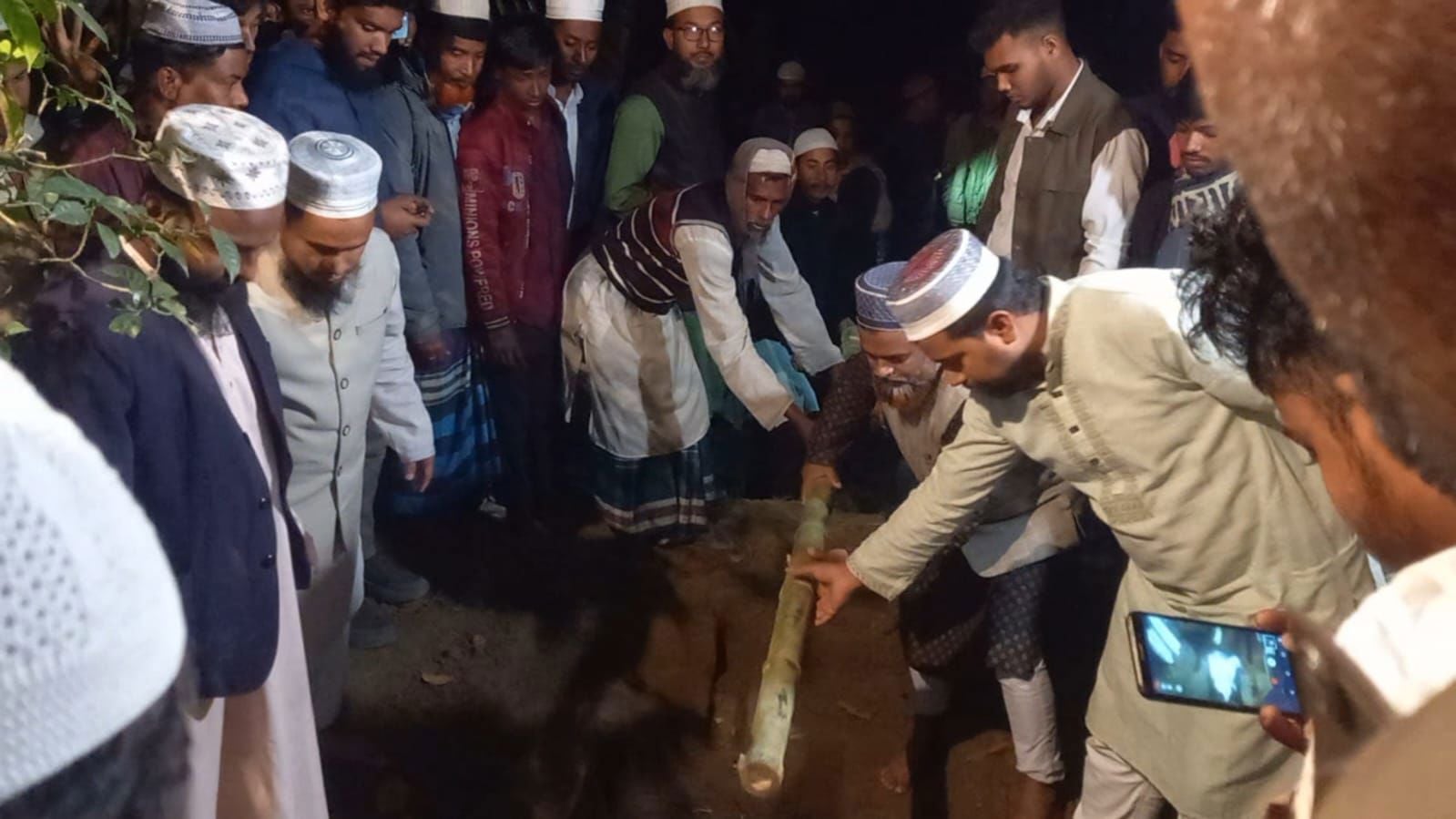
The human rights organization Ain o Salish Kendra (ASK) has expressed deep concern over ongoing violence, inflammatory remarks, and allegations of irregularities surrounding the upcoming national parliamentary election in Bangladesh. In a statement issued on Thursday, ASK said these incidents are undermining the electoral environment and creating fear and insecurity among citizens, which contradicts the principles of a free, fair, and neutral election. According to ASK’s statement, media reports indicate that political activists from different parties have been victims of violence in several parts of the country. A local Jamaat leader was killed and a BNP leader seriously injured in a clash in Jhenaigati upazila of Sherpur, while around 30 supporters from both sides were hurt. The organization also noted allegations of forced removal of women’s veils during campaigning, attempts to influence voters with money, intimidation, and the use of indecent language. ASK emphasized that ensuring a violence-free environment for voters is a constitutional duty of the state and urged all political parties, candidates, and law enforcement agencies to take impartial and effective measures to prevent further unrest.

A man identified as Nurul Amin Munna, described by police as a top criminal in Cox’s Bazar, was killed by his maternal uncle on Thursday evening, January 29, in the Rumaliarchhara Bacha Mia’s Ghona area. According to family sources, the incident occurred after Munna demanded a share of his mother’s property. He was attacked with sharp weapons by his uncle Hamid Ullah and his sons, and later declared dead at Cox’s Bazar Sadar Hospital. Munna’s girlfriend Kajol told reporters outside the hospital morgue that they were scheduled to marry on Friday, January 30, and that she was also injured while trying to save him. Police confirmed that Munna’s body was kept at the hospital morgue and said they were investigating those involved in the killing. Law enforcement sources stated that Munna, from the Samiti Bazar area of Rumaliarchhara, was a known top criminal with multiple cases filed against him and had previously been detained several times with local weapons.

BNP Chairperson Tarique Rahman addressed an election rally in Bogura on Thursday afternoon, calling on supporters to pray so that they can take pride in his leadership. Speaking at the historic Altafunnesa field, he urged the people of Bogura to stand by him mentally and morally, promising to lead Bangladesh toward a stronger and better future if given their support. Rahman emphasized the importance of unity, echoing the message of late President Ziaur Rahman that national development requires collective effort. He said that if his party forms the next government, decisions on employment and business will be based on merit, not regional favoritism. He also recalled his previous work from 2001 to 2006 to make Bogura a model district and pledged to expand that model nationwide if given the opportunity. Highlighting the upcoming election scheduled for the 12th, Rahman described it as crucial for determining the country’s direction and reaffirmed the need to restore democratic governance through collective effort.
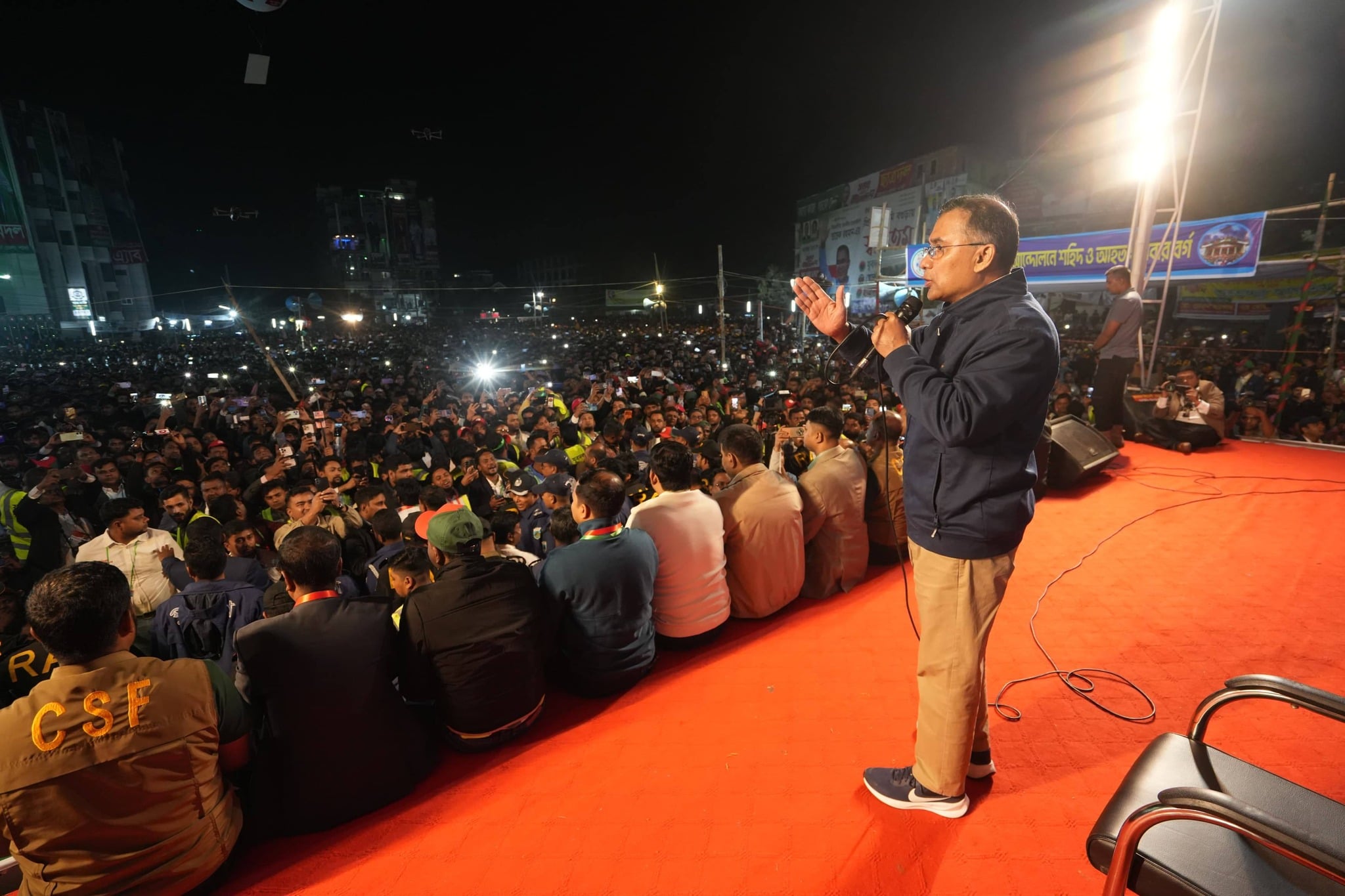
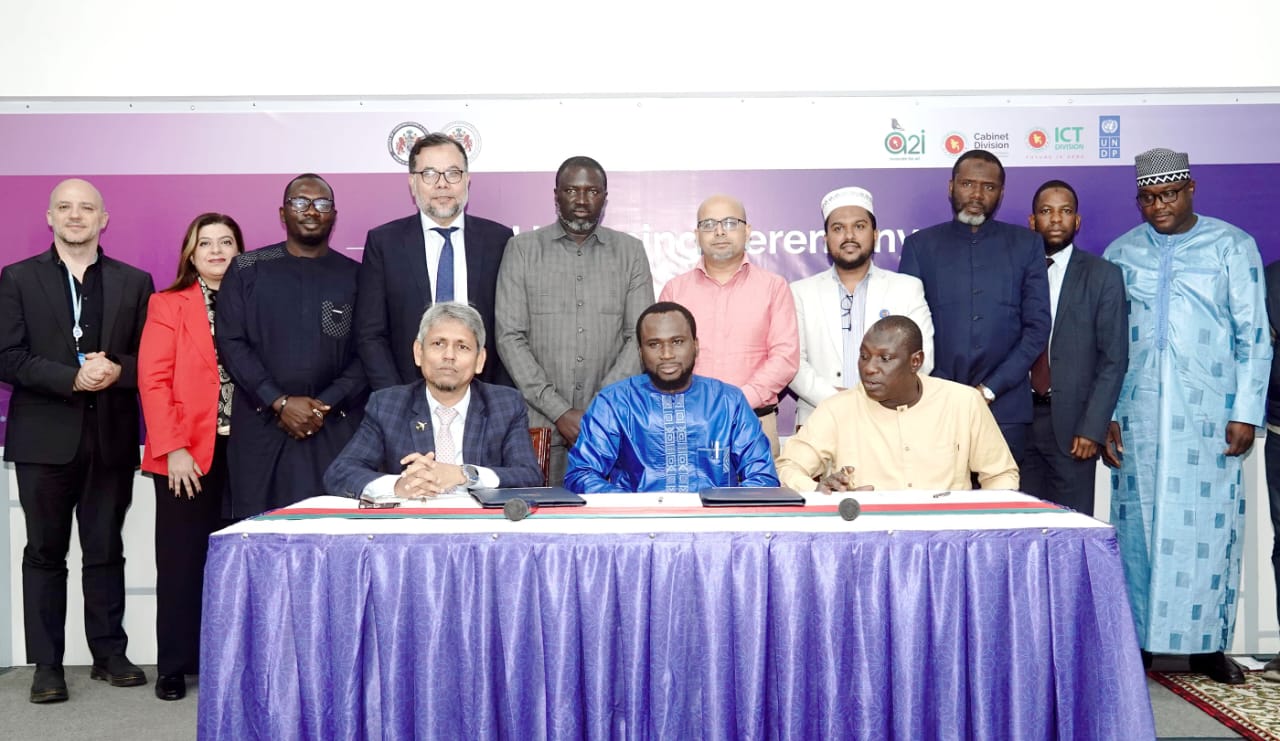
Bangladesh’s Aspire to Innovate (a2i) program under the ICT Division and two Gambian ministries—the Ministry of Public Service, Administrative Reforms, Policy Coordination and Delivery, and the Ministry of Communications and Digital Economy—signed a tripartite memorandum of understanding (MoU) in Dhaka to expand cooperation in information technology and e-governance. The signing took place on Thursday at a hotel in Dhaka, with Fayez Ahmad Tayyeb, Special Assistant to the Chief Adviser on Posts, Telecommunications and Information Technology, attending as chief guest. The agreement builds on the partnership initiated last year when Gambia adopted Bangladesh’s MyGov platform. Fayez Ahmad Tayyeb said the initiative would serve as an effective example of collaboration among Global South countries and praised both nations for developing citizen-friendly service solutions. ICT Secretary Shish Haydar Chowdhury emphasized prioritizing citizen experience, noting that digital systems gain importance only when they simplify access to services and ensure fairness. The MoU is expected to strengthen digital governance collaboration between Bangladesh and Gambia, advancing shared goals of efficient, citizen-centric public service delivery.
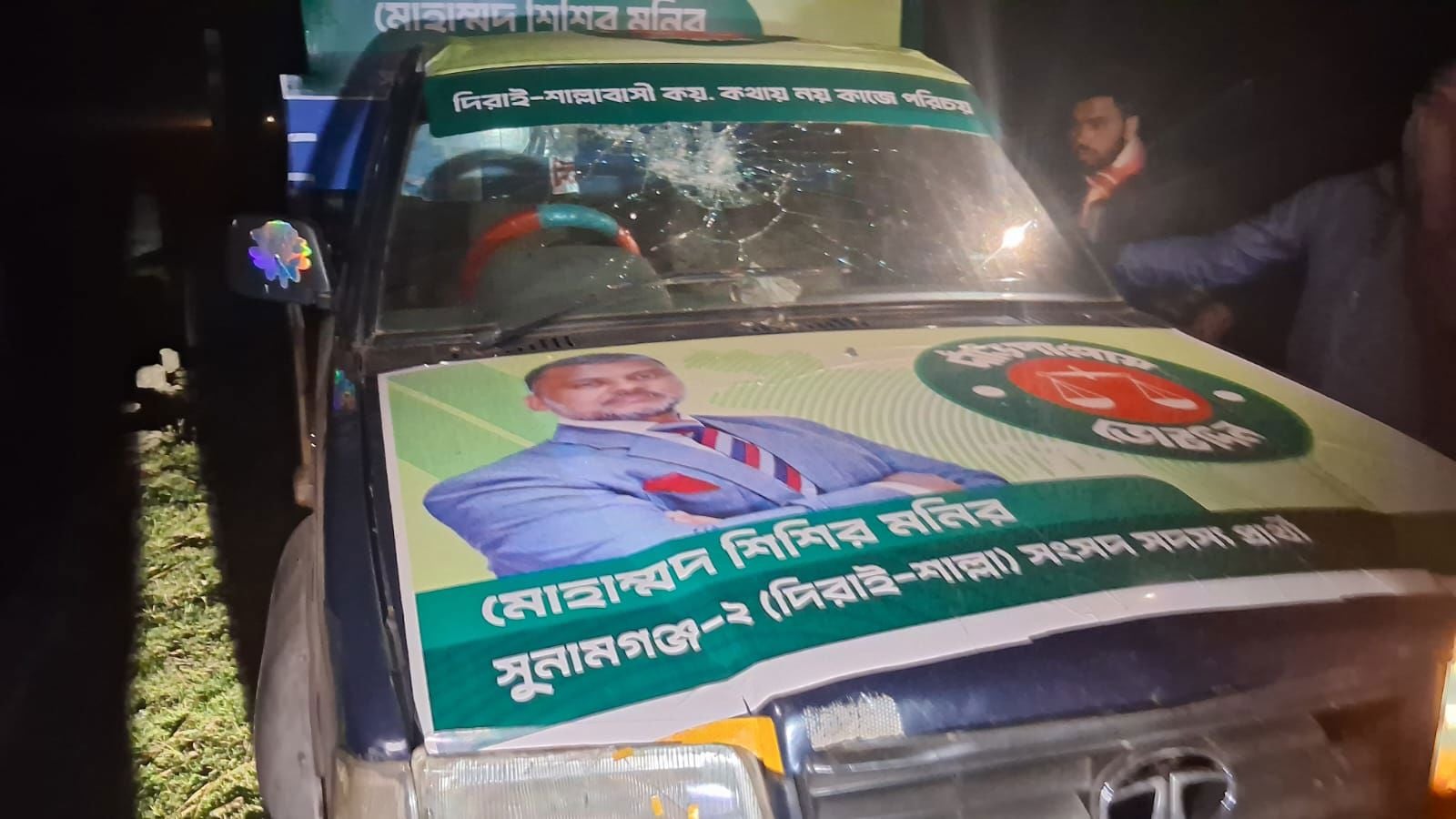
An attack took place on the election campaign vehicle of Jamaat-e-Islami–backed candidate and lawyer Shishir Monir in Sunamganj-2 (Dirai-Shalla) constituency. The incident occurred on Thursday evening, January 29, in the Kadirpur area of Dirai upazila. According to reports, a group of youths on motorcycles attacked the campaign vehicle while it was conducting election activities, causing extensive damage. Two people inside the vehicle were injured, though their identities were not immediately known. Additional Superintendent of Police (Crime and Operations) Rakibul Hasan Russell stated that authorities are investigating the incident. The attack targeted the campaign caravan of the candidate representing the 11-party alliance in the constituency. Police have yet to release further details about the attackers or the motive behind the assault, and the investigation is ongoing.
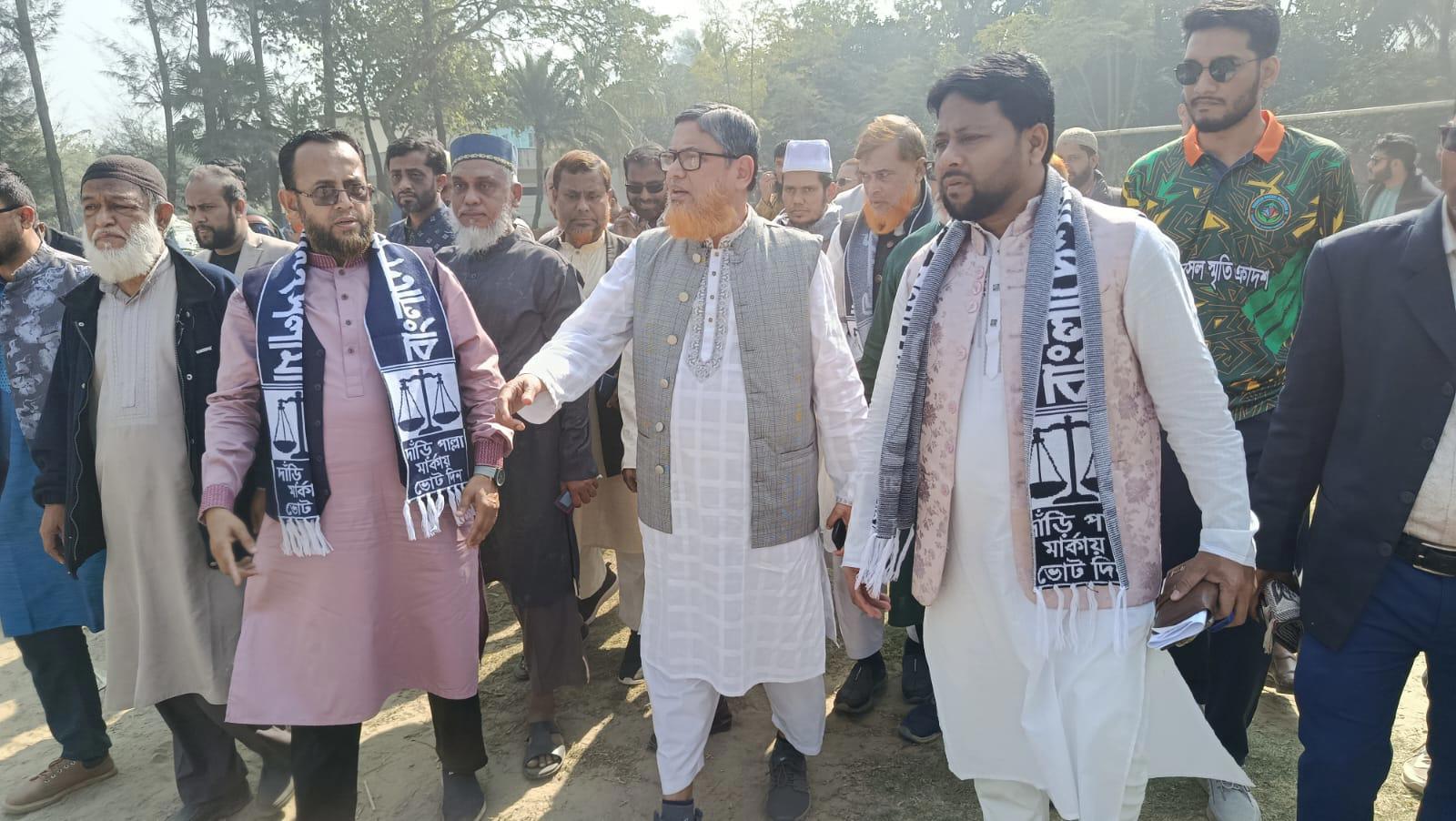
Bangladesh Jamaat-e-Islami is set to hold an election rally on February 2 at 3 p.m. in Sitakunda upazila of Chattogram. The event, to be held at Sitakunda Government High School (Debarpara) field, will feature Jamaat Ameer Dr. Shafiqur Rahman as the chief guest. The rally is part of the campaign for Anwar Siddique Chowdhury, Jamaat’s nominated candidate for the Chattogram-4 constituency. Organizers expect more than 100,000 participants and report widespread enthusiasm across Sitakunda. On January 29, central, district, and local Jamaat leaders, led by central assistant secretary general Maulana Mohammad Shahjahan, inspected the venue to review stage setup, security, discipline, and volunteer arrangements. Shahjahan told local journalists that the Election Commission and government had failed to ensure a level playing field for all parties. He also cited a recent killing of a local Jamaat secretary as evidence of ongoing insecurity. Organizers said the rally aims not only to promote the party’s candidate but also to send a significant political message across Sitakunda and northern Chattogram.
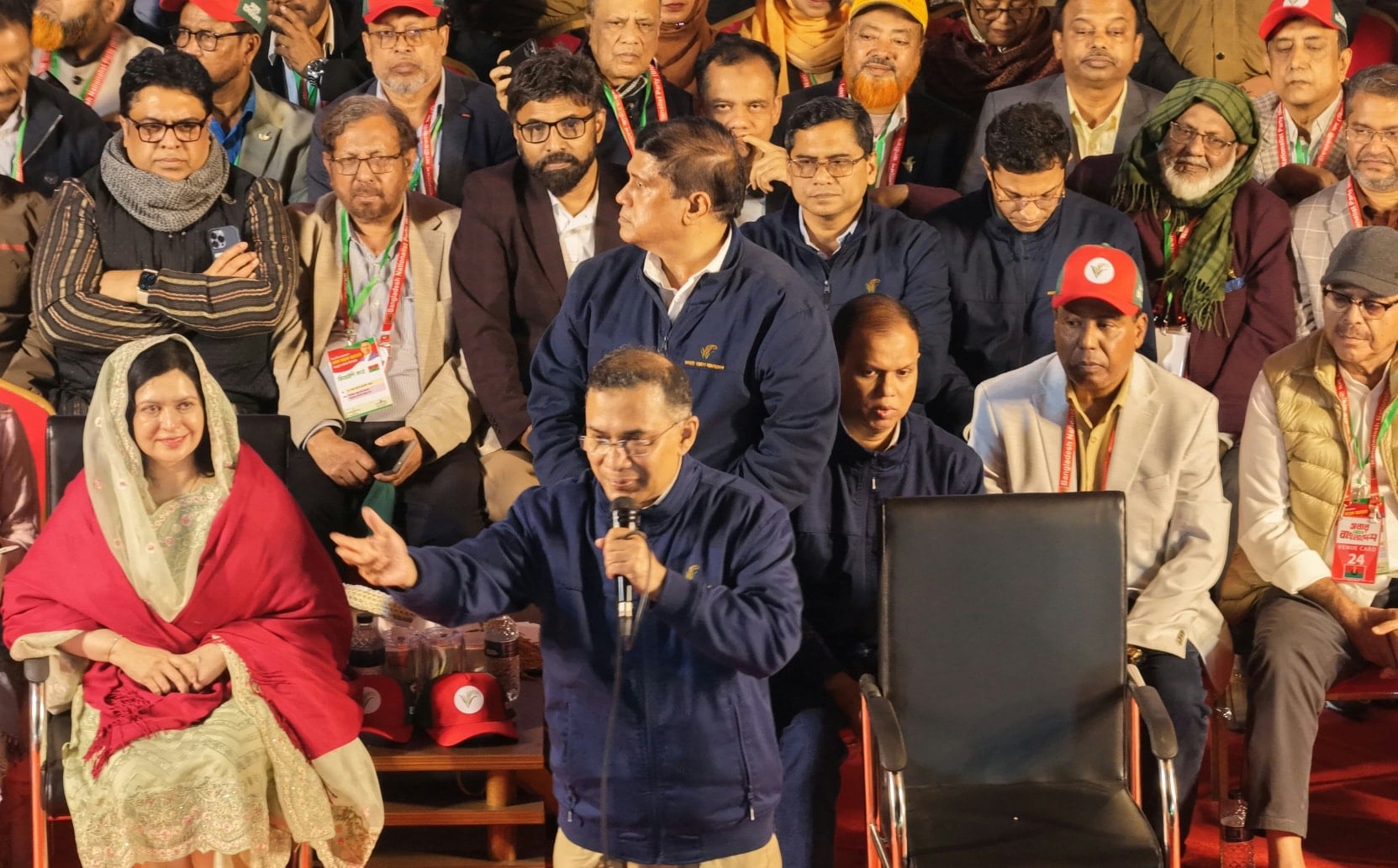
BNP Chairperson Tarique Rahman has described the upcoming January 12 election as extremely important for determining Bangladesh’s future direction. Speaking at a public rally on Thursday at the historic Altafunnesa playground in Bogura, he urged party supporters to remain serious about the election, emphasizing that it would guide the nation’s political course. He said the country must adopt a democratic system, ensure accountability, and curb corruption to achieve its desired goals. Rahman called for unity among citizens to build the nation, repeating the slogan “Korbo kaj, gorbo desh, sobar age Bangladesh.” He pledged that if his party forms the government, it would work for all regions, including Bogura, which he said had been deprived for 15 years. He also promised fair employment opportunities based on merit and vowed to expand the “model district” development approach he initiated in Bogura between 2001 and 2006. He urged Bogura residents to think beyond local interests and contribute to national leadership, expressing hope that collective effort would place Bangladesh in a stronger position in the future.
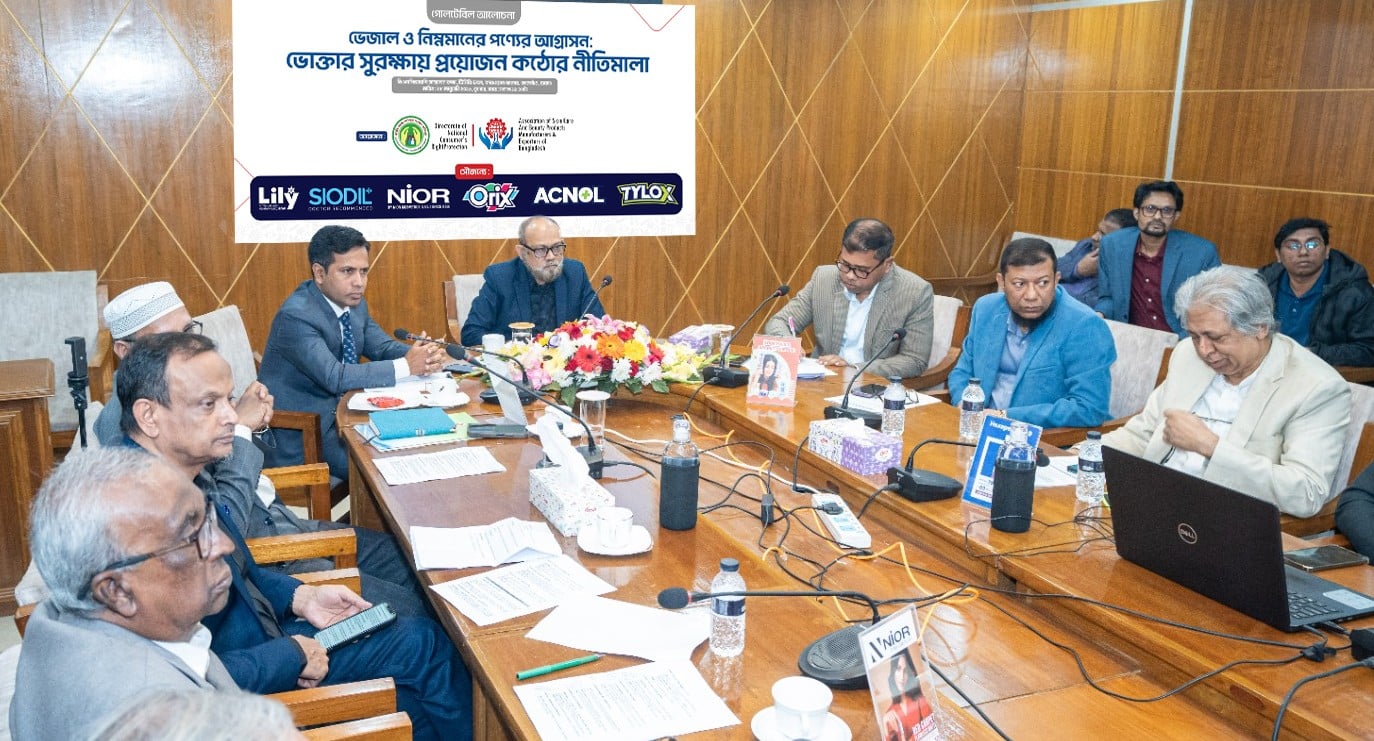
Speakers at a seminar in Dhaka on January 28 called for stricter policies and higher import duties on cosmetics and beauty products to curb the spread of counterfeit and low-quality items. The event, jointly organized by the Directorate of National Consumer Rights Protection (DNCRP) and the Association of Skin Care and Beauty Products Manufacturers and Exporters of Bangladesh (ASBME), highlighted the growing threat of substandard cosmetics to public health and domestic industry. DNCRP Director General Faruk Ahmed warned that failure to control fake products could endanger future generations, while economist Dr. Mohammad Ainul Islam emphasized that cosmetics are linked to public health and social well-being. Several industry representatives, including former FBCCI director Ishakul Hossain Sweet and importers’ association secretary Shahid Hossain, demanded a reduction in the 127.72% import duty on raw materials to make local production competitive, alongside higher tariffs on finished imported goods. Participants also urged stronger market surveillance, consumer awareness, and a ban on informal imports through luggage parties to protect consumers and ensure sustainable growth of the domestic cosmetics sector.
Sri Lanka will deploy elite armed forces to ensure security during the upcoming T20 World Cup, particularly for the high-profile India-Pakistan match scheduled for February 15 in Colombo. The Sri Lankan government has decided to assign elite commando units, usually responsible for protecting foreign heads of state, to safeguard all participating teams from arrival to departure. The tournament, co-hosted by India and Sri Lanka, will run from February 7 to March 8 with a total of 20 matches. Sports Minister Sunil Kumara Gamage told AFP that Sri Lanka is giving top priority to organizing the tournament smoothly and will pay special attention to matches involving India and Pakistan. Police and security officials confirmed that players will remain under armed protection throughout their stay in the country. Pakistan has not yet made a final decision on its participation in the World Cup and may boycott only the match against India, according to reports. Despite this uncertainty, Sri Lanka is proceeding with full preparations assuming Pakistan will compete.

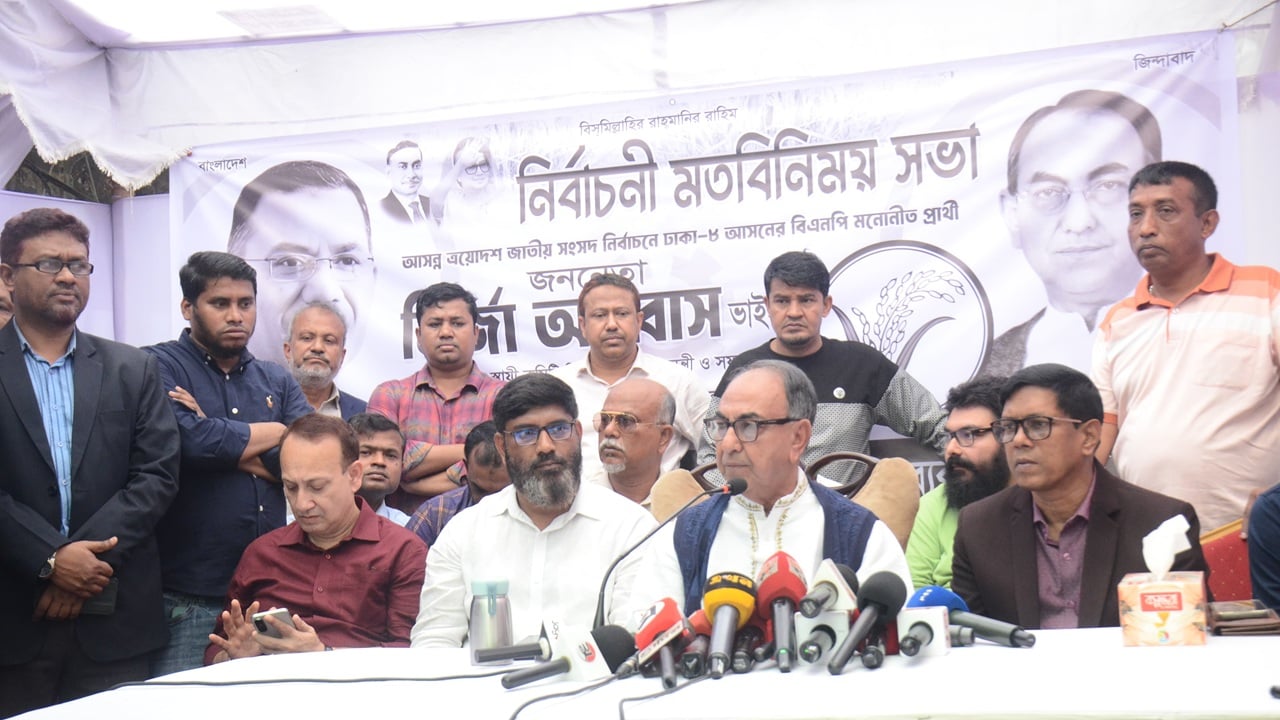
BNP Standing Committee member and Dhaka-8 constituency candidate Mirza Abbas has expressed concern about possible plans to manipulate the upcoming election. Speaking at a campaign meeting at Aziz Super Market Auditorium in Shahbagh on Thursday, he urged citizens to exercise their voting rights and choose candidates freely. Abbas warned that any attempt to influence or rig the election would not be accepted. He later conducted campaign activities in Katabon, Elephant Road, and near PG Hospital, seeking votes for the BNP’s symbol. Abbas said that based on his experience from the 2008 election, delays in announcing results could indicate manipulation. He alleged that some individuals within the government still work for the ruling Awami League and aim to prevent a fair election. He also criticized expatriates who, according to him, attempt to damage the BNP’s image from abroad through social media. Highlighting his development work, Abbas mentioned establishing Mugda Medical Hospital and a diabetic hospital in Dhaka, as well as creating jobs, playgrounds, and colleges in his constituency. He emphasized that his struggle for voting rights is his greatest achievement and challenged anyone to prove corruption allegations against him.
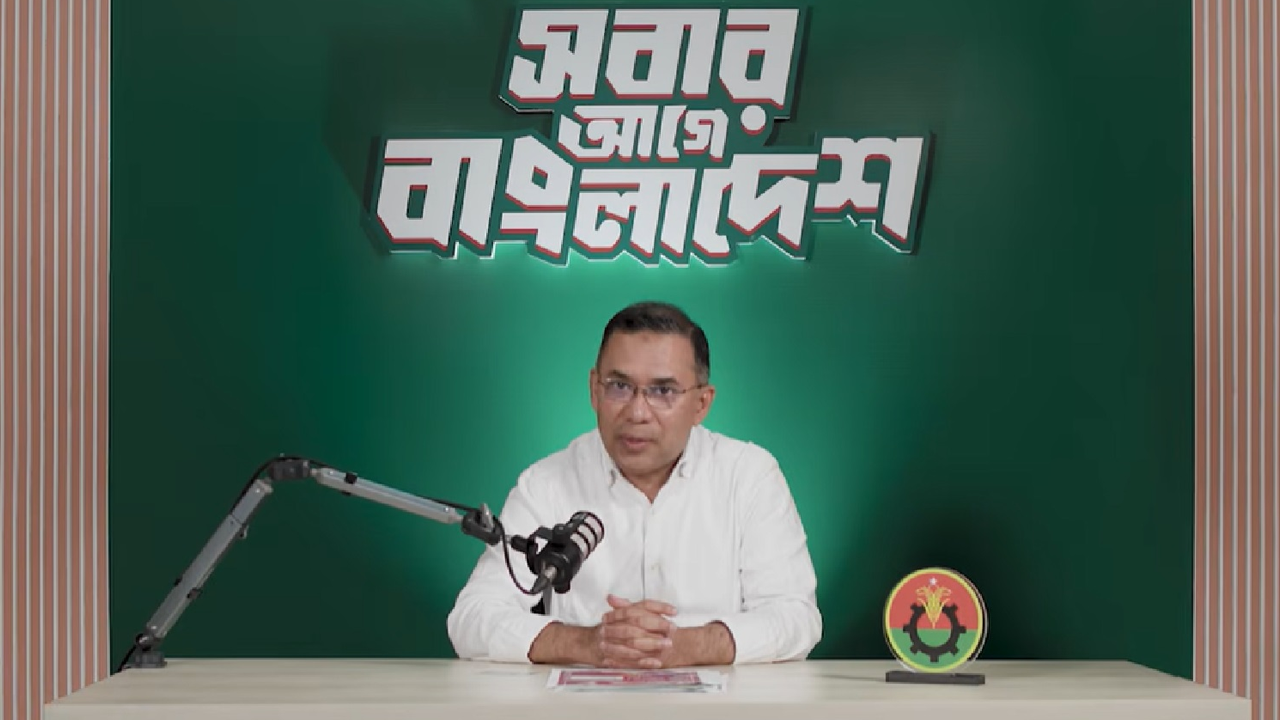
BNP Chairperson Tarique Rahman detailed his party’s proposed ‘Family Card’ initiative during a podcast aired Thursday night, January 29, 2026, on the party’s official YouTube channel. The program, part of BNP’s election campaign, introduced the card as a welfare measure for homemakers, allowing them to receive Tk 2,500 monthly either in cash or as credit for essential food purchases. Rahman said the scheme aims to include four crore families gradually, starting with rural households and later expanding to urban low- and middle-income families. Explaining the benefits, Rahman said the Family Card would help families save money, improve children’s health and education, and enable small household investments to generate extra income. He emphasized that the program’s long-term goal is to make families self-reliant within five to seven years. The card will carry the recipient’s name, number, validity period, and a scannable mark. BNP election spokesperson Mahdi Amin said the podcast series will present Rahman’s vision and commitments, including the Family Card, a planned Farmer Card program, and initiatives on environmental protection, sports, and youth development.
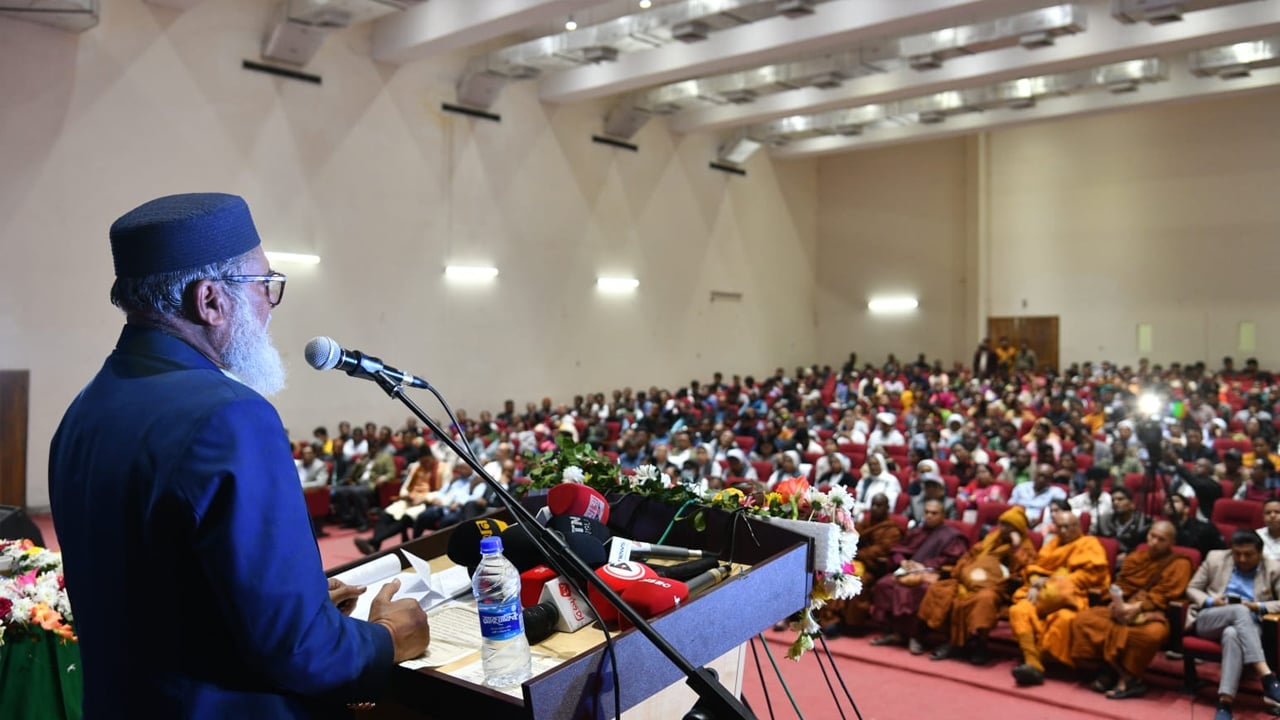
Religious Adviser Dr. A F M Khalid Hossain said his team has been preparing for departure since the day they assumed office and is ready to hand over power to an elected government. He made the remarks on Thursday afternoon at a meeting held at Dharmarajik Buddhist Monastery auditorium in Basabo, Dhaka, organized to promote the upcoming referendum and encourage voter participation. The event was arranged by the Buddhist Religious Welfare Trust and the Christian Religious Welfare Trust. Hossain criticized the tendency of leaders in Bangladesh to cling to power but noted that many advisers have already surrendered their diplomatic passports. He emphasized that they are mentally prepared to transfer authority following a free, fair, and acceptable election. He described the February 12 election as a milestone in Bangladesh’s history, asserting that a “yes” vote in the referendum would prevent future autocracy and strengthen democratic balance. Special assistants to the chief adviser, Ali Riaz and Monir Haider, also spoke, explaining the dual-ballot system and urging citizens to vote “yes” to build a just and humane Bangladesh.
The ‘1 Nojor’ media platform is now live in beta, inviting users to explore and provide feedback as we continue to refine the experience.