

The ‘1 Nojor’ media platform is now live in beta, inviting users to explore and provide feedback as we continue to refine the experience.
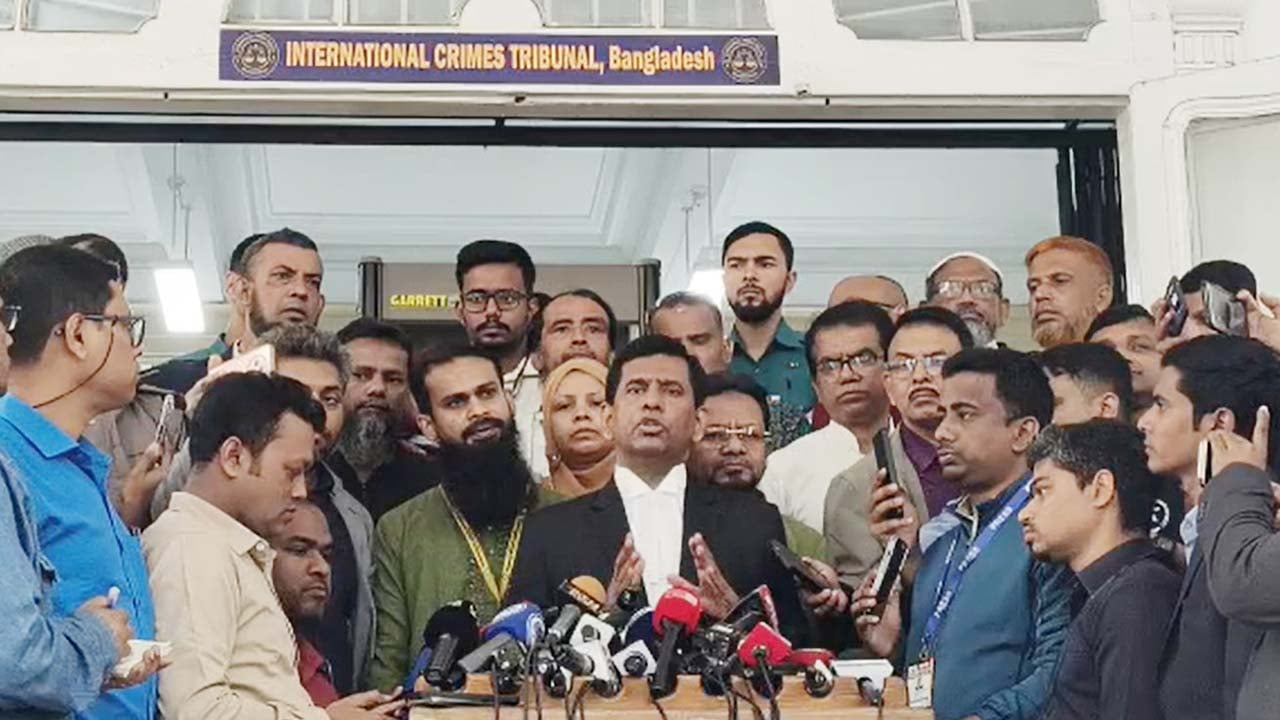
The prosecution has expressed dissatisfaction with the verdict in the Chankharpul six-murder case, where the court found the accused guilty but imposed what it described as limited sentences. Chief Prosecutor of the International Crimes Tribunal, Tazul Islam, announced on Monday afternoon that the state will appeal the ruling, arguing that the punishment does not align with the gravity of the proven crimes. Following the verdict, Tazul Islam stated that one of the convicts, constable Sujon, had shown enthusiasm during the shooting but was given a limited sentence because he acted under superior orders. The court also ordered the confiscation of the properties of those sentenced to death. The chief prosecutor emphasized that the judgment sends a message that government officials are not obliged to follow illegal orders and will not be exempt from accountability if they do. The prosecution’s decision to appeal indicates ongoing legal proceedings and potential review of the sentencing by a higher court.
At least 18 people were killed and 24 remain missing after a ferry carrying more than 350 passengers sank early Monday off the southern coast of the Philippines. The vessel, named MV Trisha Kerstin-3, sent a distress signal at 1:50 a.m. local time, about four hours after departing from Zamboanga City on Mindanao Island. The three-deck ferry went down roughly five kilometers east of Baluk-Baluk Island in Basilan province. The Philippine Coast Guard reported rescuing at least 317 people, while search and rescue operations continue. Videos released by the Basilan governor showed survivors being carried on stretchers and wrapped in blankets, while bodies were removed in body bags. Coast Guard spokesperson Noemi Cayabyab said the sea was extremely rough at the time of the accident. Local rescue officials reported manpower shortages as they treated the injured, with at least 18 people hospitalized. The Coast Guard has ordered a maritime investigation but said rescue efforts remain the top priority. The ferry was owned by Aleson Shipping Lines, which also operated a vessel that caught fire on the same route in 2023, killing 31 people. The company said it is coordinating with authorities and expressed concern for all aboard.

U.S. President Donald Trump invited India to join his newly launched ‘Peace Board’, but New Delhi has yet to formally participate. The board was inaugurated during the 56th World Economic Forum in Davos, where Trump, Pakistan’s Prime Minister Shehbaz Sharif, and 20 other world leaders signed the founding charter. India’s absence drew attention, with analysts suggesting that concerns over internationalizing the Kashmir issue are driving its hesitation. According to reports from The Dawn and BBC Hindi, Indian policymakers fear that joining the board could increase global scrutiny over Indian-administered Kashmir. Trump said the board’s initial goal is to secure a lasting ceasefire between Israel and Hamas in Gaza and oversee an interim administration. However, some Indian commentators worry that Trump aims to position the board as an alternative to the United Nations, potentially bringing disputed regions like Kashmir under its purview. Former Indian diplomats noted that while the UN Security Council approved the board’s mandate until December 2027, Trump’s broader peace plan has no fixed duration and could expand beyond Gaza, complicating India’s decision-making.

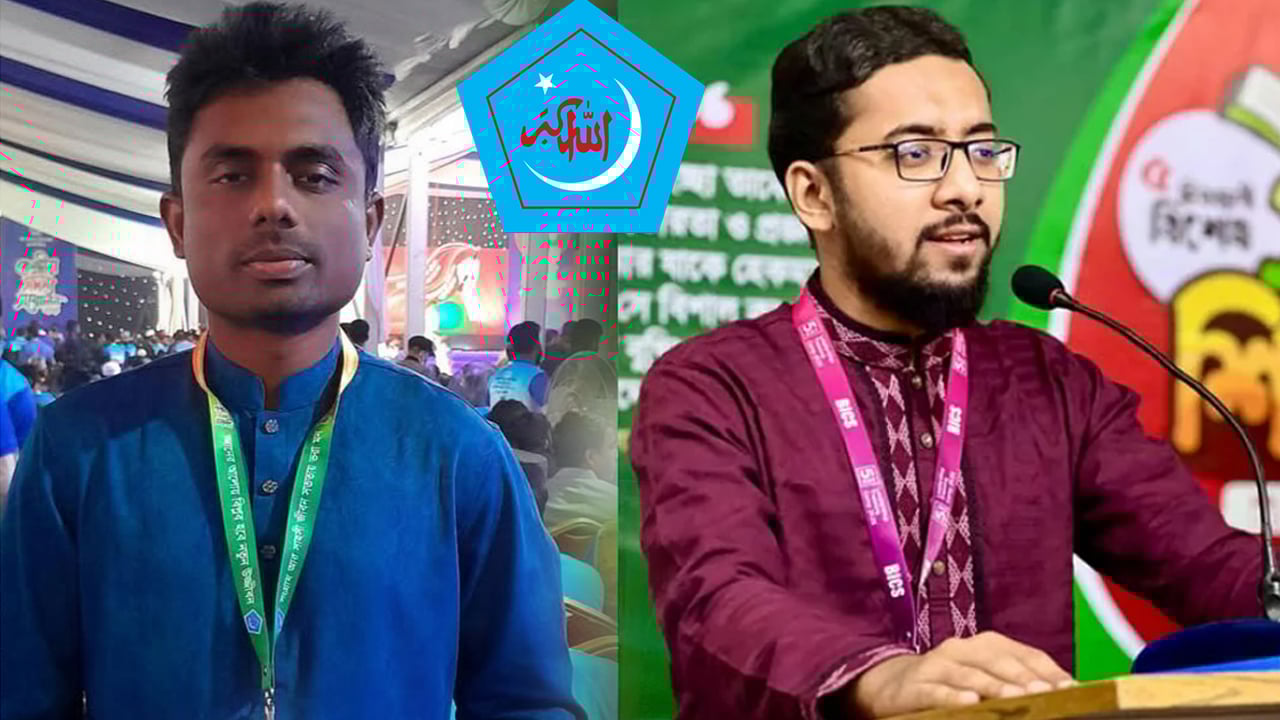
Bangladesh Islami Chhatra Shibir’s Jahangirnagar University (JU) branch announced its new committee for the 2026 session. Philosophy Department student Mostafizur Rahman from the 47th batch was elected president, while English Department student and JAKSU General Secretary Mazharul Islam from the 48th batch was nominated as secretary. The announcement was made Monday through the organization’s official Facebook page. According to the statement, the JU branch held a general assembly of members where voting took place using ballot papers signed by the central president, Nurul Islam. After counting the votes, Nurul Islam declared Mostafizur Rahman as the elected president and administered his oath. Based on members’ consultation, the newly elected president nominated Mazharul Islam as branch secretary. The event was conducted by central arts and culture secretary Hafez Abu Musa, with the central president attending as chief guest. The new leadership marks the start of the 2026 session for the JU branch, following the completion of its internal election and nomination process.
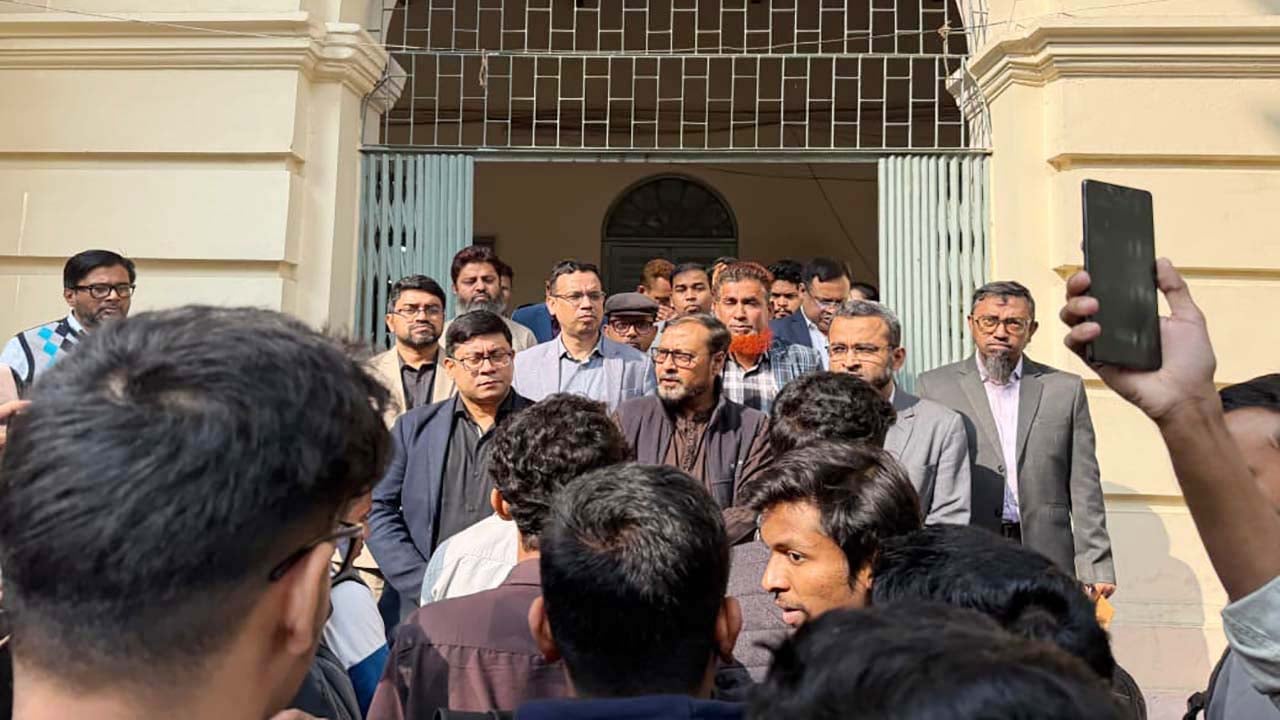
Students of Jagannath University’s 20th batch (academic year 2024–25) staged a 26-hour sit-in at the administrative building demanding inclusion in the first installment of a special scholarship. During the protest, Vice-Chancellor Professor Dr. Md. Rezaul Karim and Treasurer Professor Dr. Sabina Sharmin were confined inside the building. They were released after 26 hours when the students ended their blockade on Monday, January 26, following assurances from the Teachers’ Association President, Professor Dr. Rois Uddin. The protesting students said they were assured that the issue of including the 20th batch in the first installment of the special scholarship would be discussed at the university syndicate meeting scheduled for Tuesday. The demonstration began on Sunday morning, January 25, when students locked the main gate of the administrative building after a protest march demanding housing allowances. The university’s proctorial body decided to suspend all activities during the blockade, terming the confinement unjustified and expressing regret for the temporary inconvenience caused to students.
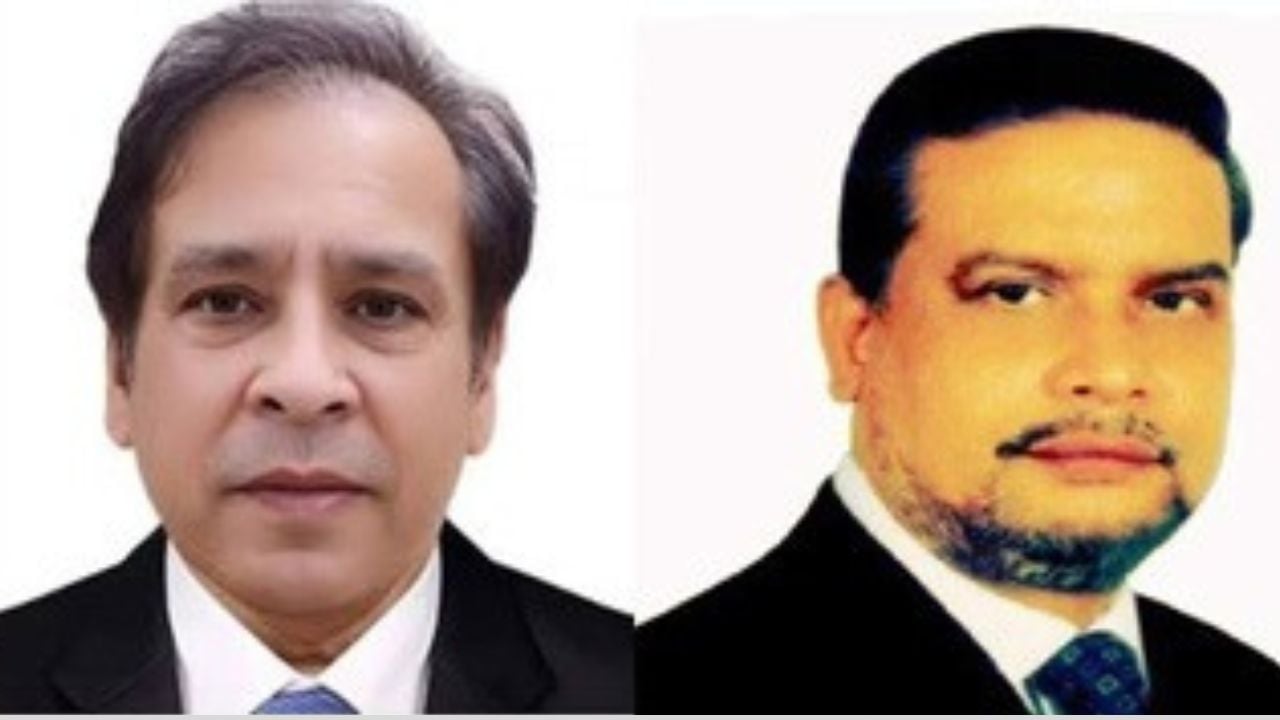
Election campaigning has intensified in the Habiganj-1 (Nabiganj-Bahubal) constituency ahead of the upcoming parliamentary polls. The main contest is between BNP-nominated candidate Dr. Reza Kibria and expelled BNP leader turned independent candidate and former MP Sheikh Sujat Mia. Reports indicate that Sheikh Sujat is currently ahead in campaign activities, using social media posts to highlight his 40-year contribution to BNP politics and to appeal emotionally to local voters. Dr. Reza Kibria’s wife, Simi Kibria, has emerged as a key figure in his campaign, actively visiting villages with party workers to seek support. Many BNP activists, however, are reportedly absent from the field, citing dissatisfaction with party leadership. Sheikh Sujat has stated that despite being abandoned by his party, he relies on grassroots supporters and believes he will win by a large margin. Simi Kibria expressed optimism about her husband’s chances, noting strong cooperation from party workers and pledging that his election would bring development to the Nabiganj-Bahubal area.
Finance Secretary Khairuzzaman Majumdar announced that the government is considering lifting the existing limit on the purchase of savings certificates. He made the statement on Monday in Dhaka during a seminar titled 'Bond Market Development in Bangladesh: Challenges and Recommendations'. Majumdar said the government may take new decisions regarding the buying and selling of savings certificates, including the possible removal of the purchase ceiling. At the same event, Governor Dr. Ahsan H. Mansur emphasized the need for major reforms to develop the bond market. He stated that simplifying bond transactions could expand the domestic bond market by six trillion and reduce large commercial institutions’ dependence on banks. Mansur added that attracting foreign investment or integrating into the bond market would be necessary to meet financial needs, urging both the private sector and the government to take proactive roles. He further noted that the future of the bond market depends on controlling inflation and stabilizing interest rates, suggesting that a unified interest rate structure would make the market more sustainable.

The National Citizen Party (NCP) has condemned and protested a violent attack on Ariful Islam Adib, the 11-party alliance candidate and senior joint convener for Dhaka-18 constituency. The incident occurred on Monday morning in Dumni Nurpara under Khilkhet police station, when Adib was visiting an orphanage and conducting campaign activities. According to the NCP, a group of attackers led by local BNP leader Didar Molla carried out the assault, leaving at least two alliance workers seriously injured. In a press release issued immediately after the attack, the NCP alleged that BNP candidate S M Jahangir Hossain’s supporters have repeatedly obstructed the alliance’s campaign activities in various areas, including assaults, vandalism, and threats against workers. The party expressed concern that such violence undermines democratic competition and threatens fair elections. It also claimed that recent internal conflicts and criminal activities linked to BNP have worsened law and order. The NCP demanded the swift arrest and exemplary punishment of those involved and urged law enforcement agencies to ensure the safety of all candidates in the electoral areas.

At least 30 families of victims and survivors of political violence in Chattogram gathered on Sunday at the city’s Polo Ground to seek justice from BNP leader Tarique Rahman. Among them was former Sandwip municipal commissioner and Krishak Dal president Md. Kausar, who lost a leg after a 2012 attack allegedly carried out by Awami League-affiliated activists. Kausar said he continues to suffer physically and emotionally, and that the accused remain free despite legal cases. Families of other victims, including those of slain student leaders Tanvir Siddiqi, Adil Mahmud Chowdhury, and Abidur Rahman, also attended the event. They demanded justice for killings and disappearances that occurred between 2010 and 2014, claiming that perpetrators linked to ruling party groups have not been held accountable. Several parents and siblings described years of hardship and frustration over the lack of progress in their cases. The attendees collectively urged that the country never return to what they described as a period of oppression and impunity, calling for fair trials for those responsible for the violence.
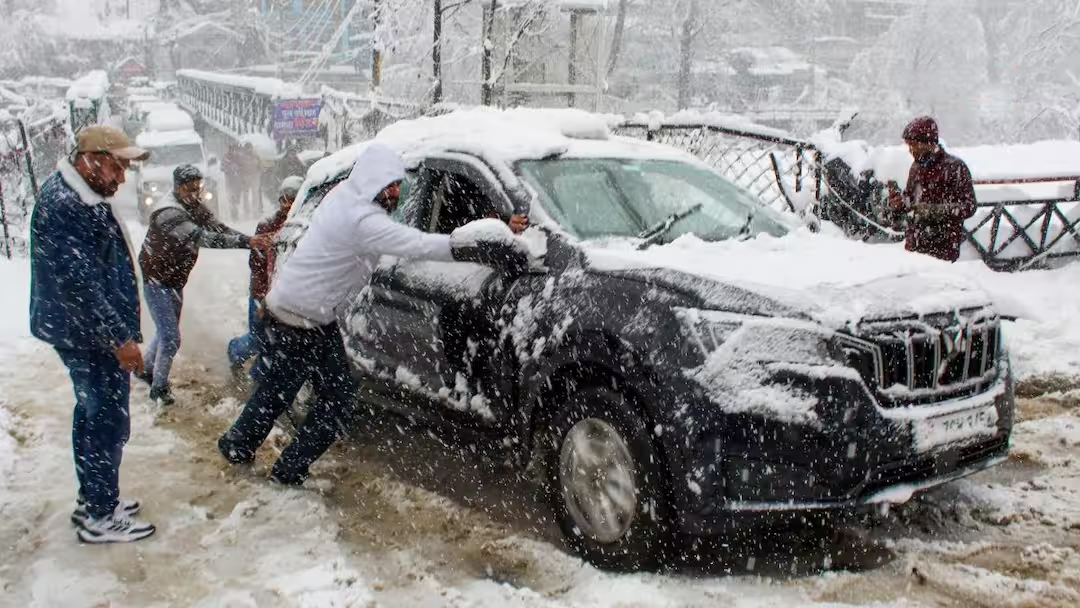
Heavy snowfall has paralyzed life in Manali, a hill town in India’s Himachal Pradesh, as continuous snow for 48 hours has covered the Kothi-Manali national highway, causing a 7–8 kilometer-long traffic jam. Tourists have been forced to spend the night inside vehicles without food or water. Local authorities reported that around 700 roads across the state have been closed due to the snow, making travel through alternative routes extremely difficult. Tourists visiting Shimla, Kullu, and Manali to enjoy the snow have found themselves in danger, with some walking nearly 20 kilometers through hilly terrain to reach government shelters. The weather office warned that heavy snowfall and rain are expected to continue from January 26 to 28 under the influence of western winds, potentially worsening the situation. Power outages have further complicated conditions. A taxi driver stranded on the Kothi-Manali road said his passengers remained in the vehicle for 24 hours without food or water and criticized the administration for failing to clear the roads. Authorities have been urged to act swiftly and provide emergency assistance to affected tourists.
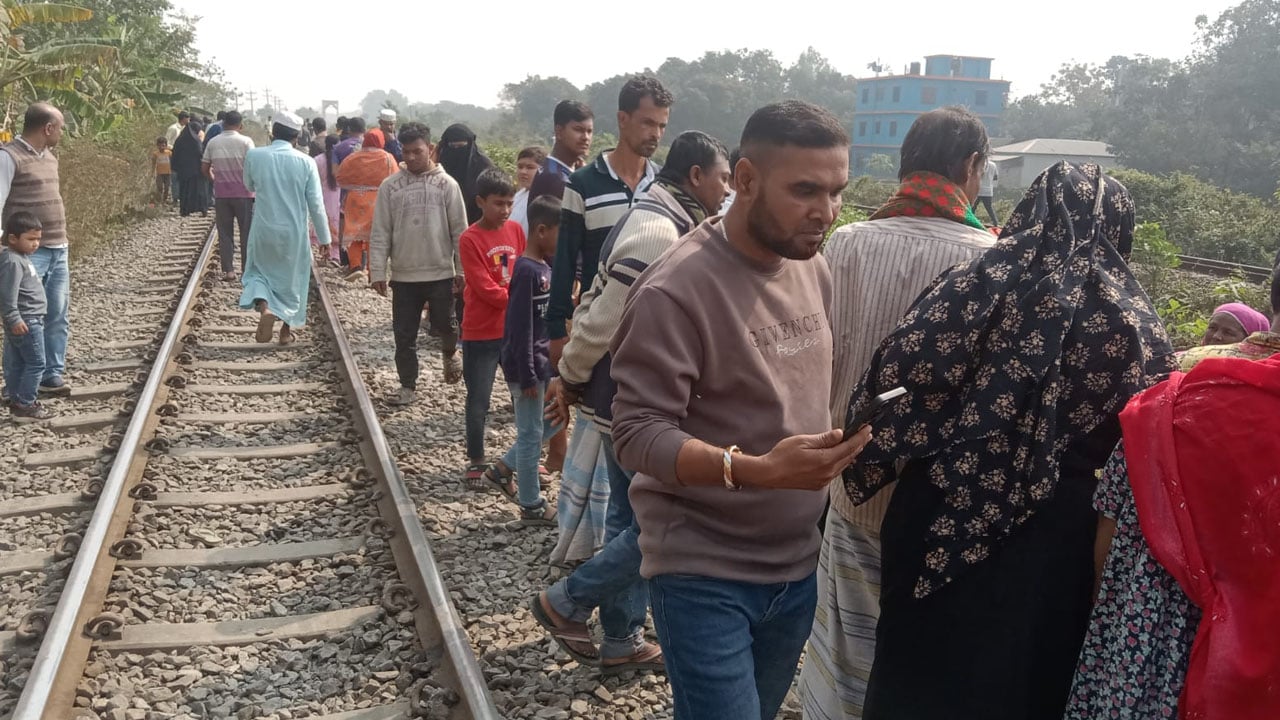
A woman and her two children were killed after being struck by a train in the Pubail Ferry Ghat area of Gazipur on Monday around 11 a.m. The deceased were identified as Hafeza Khatun Mala, aged 28, her five-year-old son, and seven-year-old daughter. They were residents of Dakshin Som village in Kaliganj upazila. According to a local railway gateman who requested anonymity, the woman had been waiting near the tracks with her children before jumping onto the railway line as the Akhaura-bound Titas commuter train from Dhaka approached. Sub-inspector Mohammad Ali Jinnah of Tongi Railway Police confirmed receiving reports of three deaths but said the incident location falls under the Narsingdi railway zone. Sub-inspector Md Nazim Uddin of Narsingdi Railway Police stated that three bodies were recovered and legal procedures would follow. Police authorities have initiated legal steps regarding the incident, and the bodies have been recovered from the scene for further investigation.
The Bangladesh Nationalist Party (BNP) has nominated candidates in 292 constituencies for the upcoming 13th National Parliament election, with 237 of them holding at least a bachelor’s degree. The announcement was made on Monday at a press conference at the BNP’s election management office in Gulshan by Mahadi Amin, member of the party chairperson’s advisory council and spokesperson of the election committee. He said 85 candidates have prior experience as members of parliament, while 19 have served in various ministries. Amin stated that the BNP has nominated 10 women candidates, the highest number for the party so far, describing it as a reflection of its commitment to women’s empowerment. He criticized other political parties for not nominating any women candidates. He also mentioned that several BNP nominees or their families were victims of enforced disappearances and repression during previous authoritarian regimes. Amin further alleged that candidates from a particular political party were misusing religious sentiments in election campaigns, calling it a violation of the Representation of the People Order, 1972, and urging authorities to take immediate action.
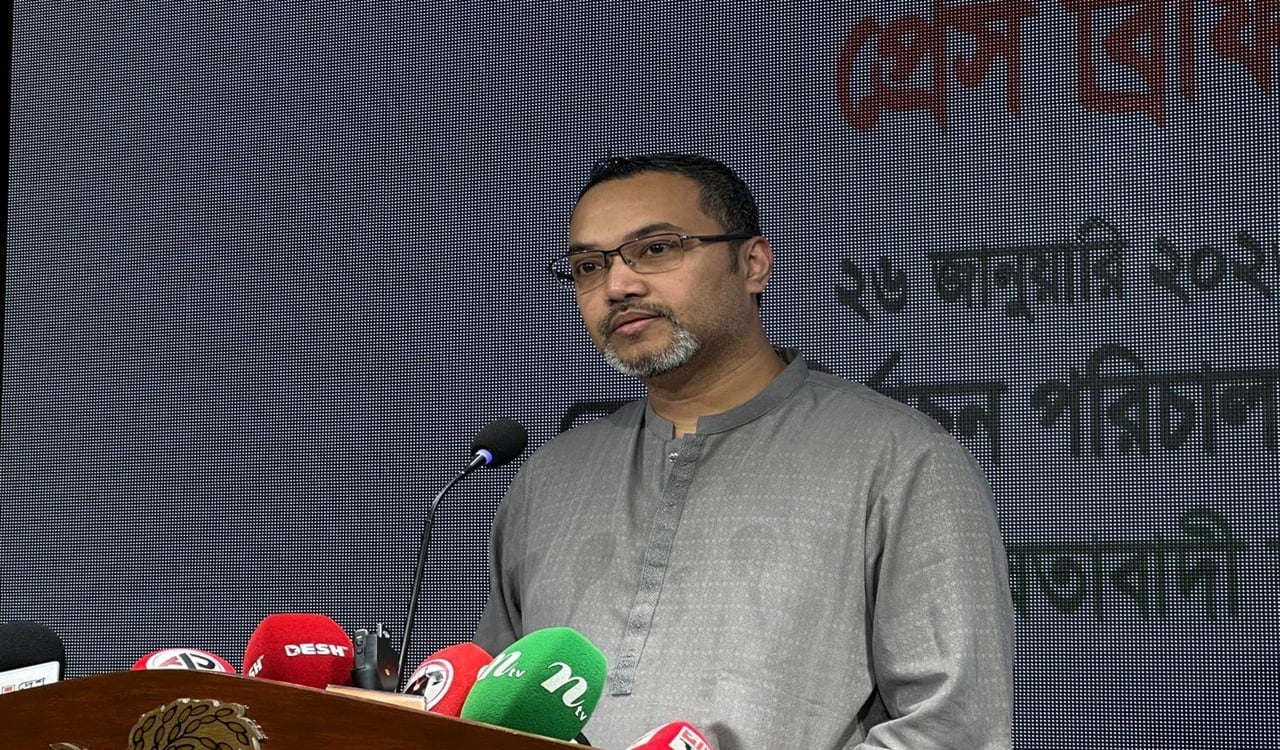
Election Commission Secretary Akhtar Ahmed announced that the results of the national election and the referendum will be released together. He made the statement on Monday afternoon, according to the report published on January 26, 2026. The announcement indicates that both the national election and the referendum are being conducted under the supervision of the Election Commission, and the results will be disclosed at the same time. The report did not include further details about the timing, process, or reasons behind the decision. Additional information about the procedure and implications of releasing both results simultaneously is expected to be provided later, as the report noted that more details are forthcoming.
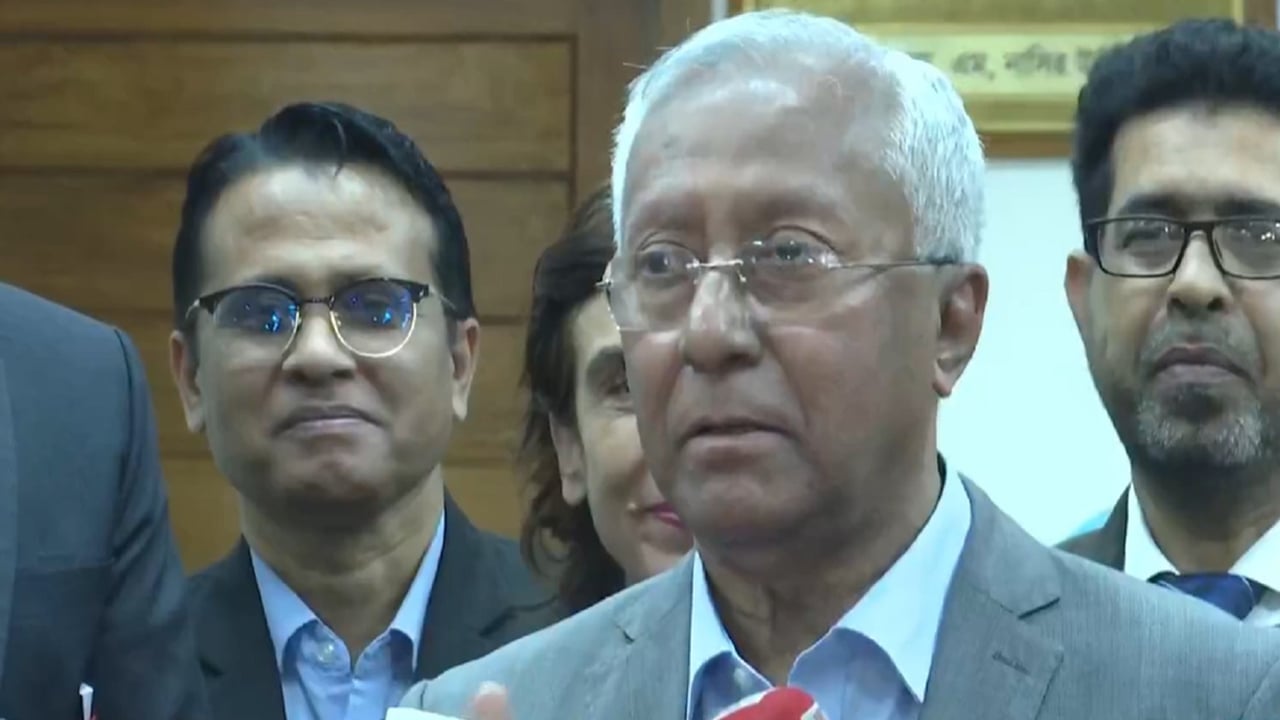
At least twelve people were reportedly injured when activists of the Bangladesh Nationalist Party (BNP) allegedly attacked Ariful Islam, the Dhaka-18 parliamentary candidate of the 11-party electoral alliance and senior joint convener of the Nationalist Congress Party (NCP). The incident occurred around 9 a.m. on Monday at Dumni Nurpara Madrasa in Khilkhet during Ariful’s campaign event. Ariful went live on Facebook immediately after the attack, claiming that local BNP leader Didar Molla led the assault and that his supporters rescued him and took him to Dumni Bazar, where a protest rally was later held. According to a press release from the Dhaka-18 election campaign office, the attack was carried out by Didar Molla, president of BNP’s Ward 43 unit, along with his associates. The release stated that twelve people, including Nurpara Alim Madrasa principal Barkatullah and his brother Hedayetullah, were seriously injured. Ariful condemned the attack, questioned the safety of other candidates, and vowed to continue his campaign despite the violence. The incident has drawn condemnation from political allies, including the Liberal Democratic Party (LDP), which denounced the attack on the NCP candidate.

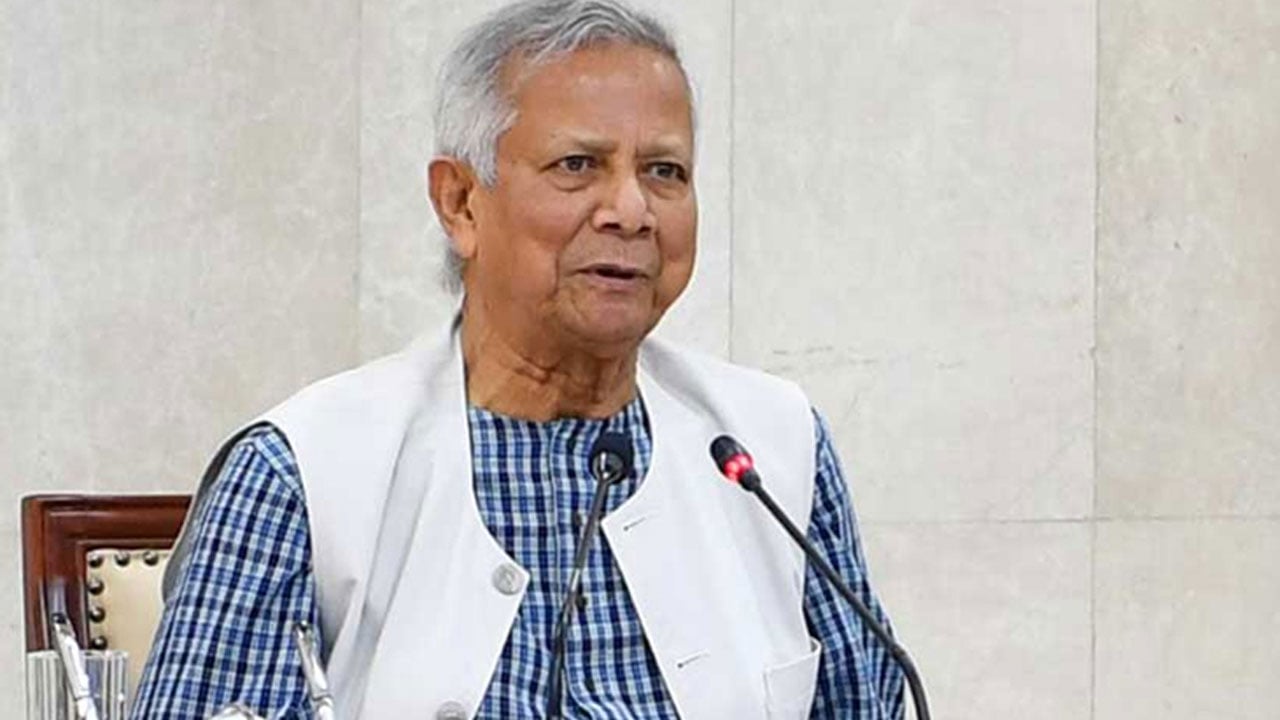
The Executive Committee of the National Economic Council (ECNEC) has approved a project to establish a 1,000-bed Bangladesh-China Friendship General Hospital in Nilphamari. The meeting, chaired by Chief Adviser Professor Muhammad Yunus, endorsed the plan to be implemented from January 2026 to December 2029 under the Ministry of Health and Family Welfare. The project, costing Tk 2,459.35 crore, will be financed by Tk 179.27 crore from the Bangladesh government and the rest through Chinese grant assistance. The initiative follows Professor Yunus’s request to Chinese President Xi Jinping during his visit to China in March of the previous year. The hospital will include a ten-story main building, dormitories, residential quarters, and modern medical equipment. It will provide specialized services in nephrology, cardiology, oncology, and neurology, along with advanced emergency, ICU, CCU, and diagnostic facilities. According to the Chief Adviser, the hospital represents a strategic investment to decentralize healthcare and reduce pressure on Dhaka and Rangpur hospitals. It is expected to create thousands of jobs and serve patients from neighboring countries such as Nepal and Bhutan, strengthening Bangladesh’s role as a regional healthcare hub.
The ‘1 Nojor’ media platform is now live in beta, inviting users to explore and provide feedback as we continue to refine the experience.