

The ‘1 Nojor’ media platform is now live in beta, inviting users to explore and provide feedback as we continue to refine the experience.
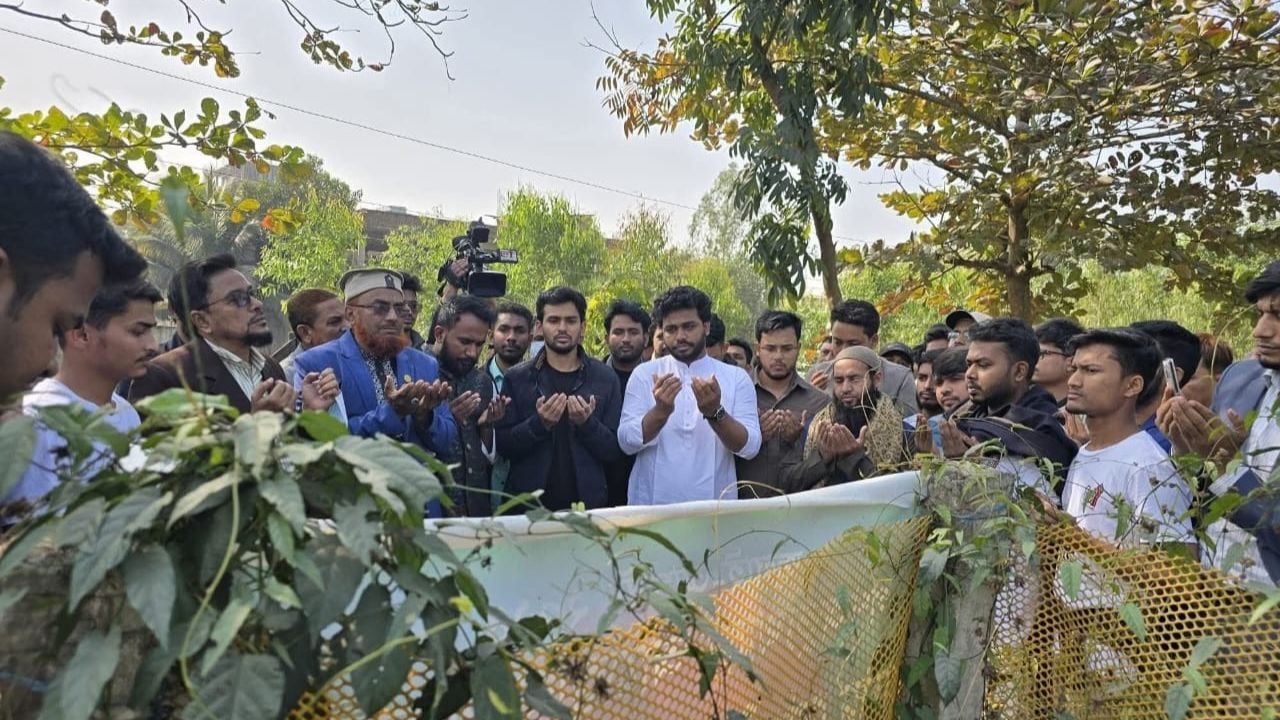
National Citizen Party (NCP) spokesperson Asif Mahmud Sajib Bhuiyan visited the grave of martyr Ismam at Darzipara cemetery in Lohagara, Chattogram, on Monday morning. He was accompanied by party leaders and activists. During the visit, he offered prayers for the martyr’s soul and paid deep respect to the family of the deceased. In his remarks, Asif Mahmud said that the sacrifices of the July martyrs made Bangladesh a free and sovereign nation. He emphasized that the nation can never repay the blood debt of heroes like Ismam, whose ideals and patriotism will continue to inspire future generations. He also expressed hope that the upcoming election and a successful “yes” vote in the referendum would help realize the desired reforms and the dream of the martyrs. Local political leaders, freedom fighter families, social and cultural representatives, and members of Ismam’s family were present at the event, where all participants prayed for the martyr’s peace.
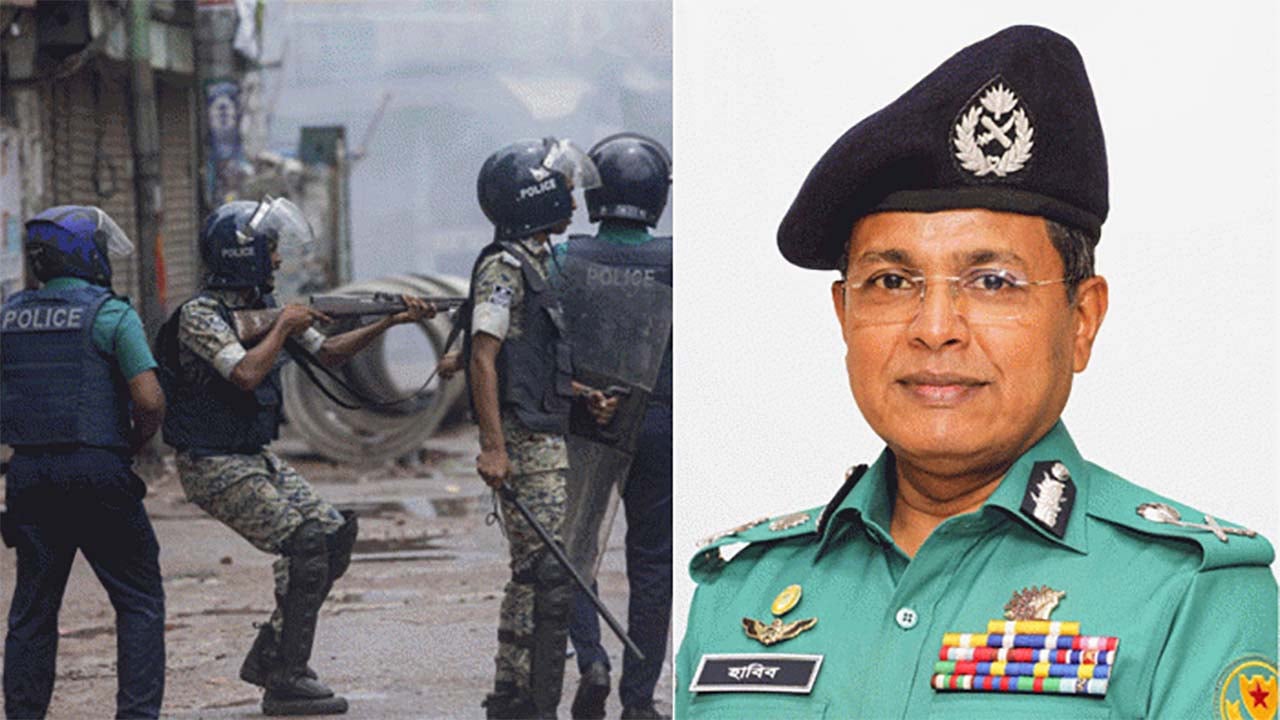
The International Crimes Tribunal-1 on Monday sentenced three former senior Dhaka Metropolitan Police officials to death for crimes against humanity in connection with the killing of six people, including Shahriar Khan Anas, during the July Revolution in the capital’s Chan Kharpul area. The verdict was delivered at 12:30 p.m. by a three-member panel led by Chairman Golam Mortuza Mojumdar. The tribunal also handed various prison terms to five other accused, bringing the total number of defendants in the case to eight. Those sentenced to death are former DMP Commissioner Habibur Rahman, former Joint Commissioner Sudip Kumar Chakraborty, and former Additional Deputy Commissioner Shah Alam Mohammad Akhtarul Islam. Assistant Commissioner Mohammad Imrul received six years, Inspector Arshad Hossain four years, and constables Sujan, Imaje Hossain Iman, and Nasirul Islam three years each. Four of the accused are currently in custody, while the rest remain absconding. Prosecutor Gazi Tamim stated that the prosecution presented testimony from 26 witnesses along with extensive documentary, audio, video, and forensic evidence. He said the evidence proved the charges beyond doubt and requested confiscation of fugitive convicts’ properties to compensate victims’ families.
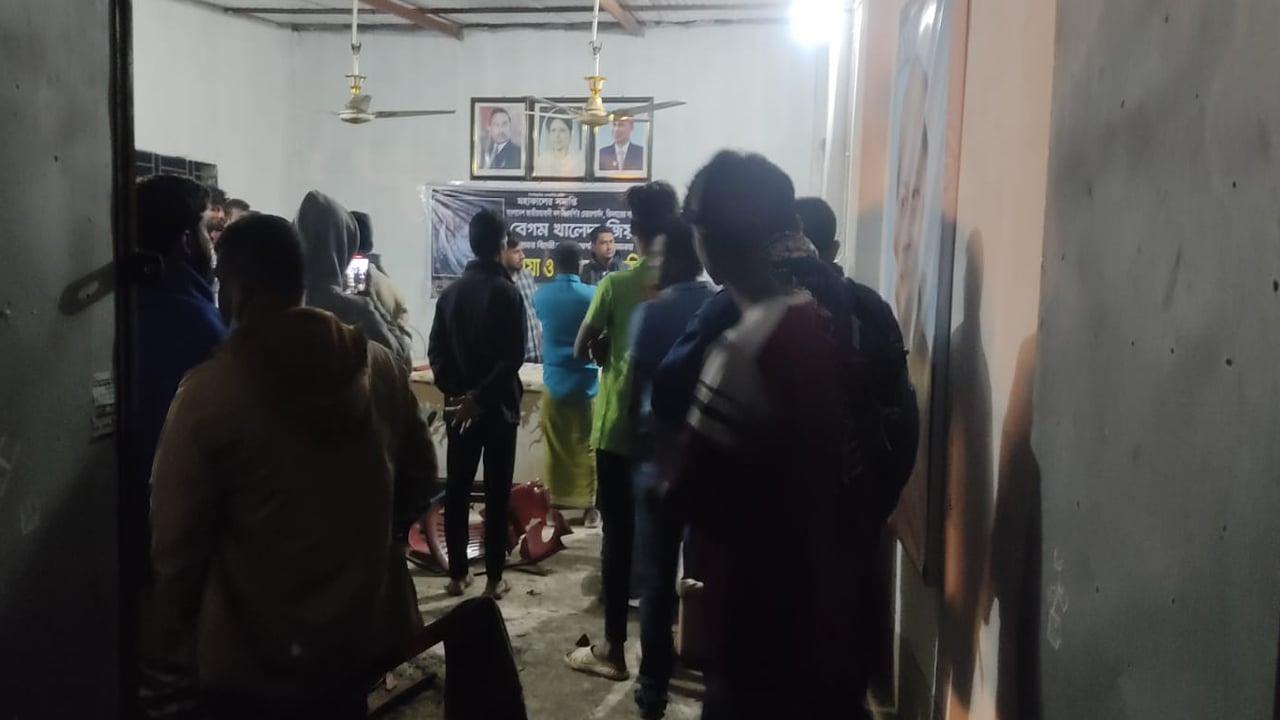
A violent attack took place on the night of January 24 in Fatullah, Narayanganj, when a group of 15 to 20 assailants vandalized and fired shots at the private office of S.K. Shahin, joint convener of the Fatullah Thana Volunteer Party. The incident occurred around 11:10 p.m. near ABC School in the Shibumarket Kayempur Bottola area. The attackers reportedly broke into the locked office, damaged furniture, CCTV cameras, and several vehicles parked outside before leaving the scene. According to Shahin, the attackers were working for an independent candidate expelled from the BNP, while he was campaigning for the BNP alliance candidate. Local residents, however, claimed that Shahin had been involved in extortion, land grabbing, and drug trade control in the area after a mass uprising, leading to a long-standing conflict with a known drug dealer named Robin from Kutub Ail. Police said an investigation is underway, and legal action is being taken to identify and arrest those involved. Shahin has filed a written complaint with Fatullah Model Police Station against 15 to 20 unidentified individuals.
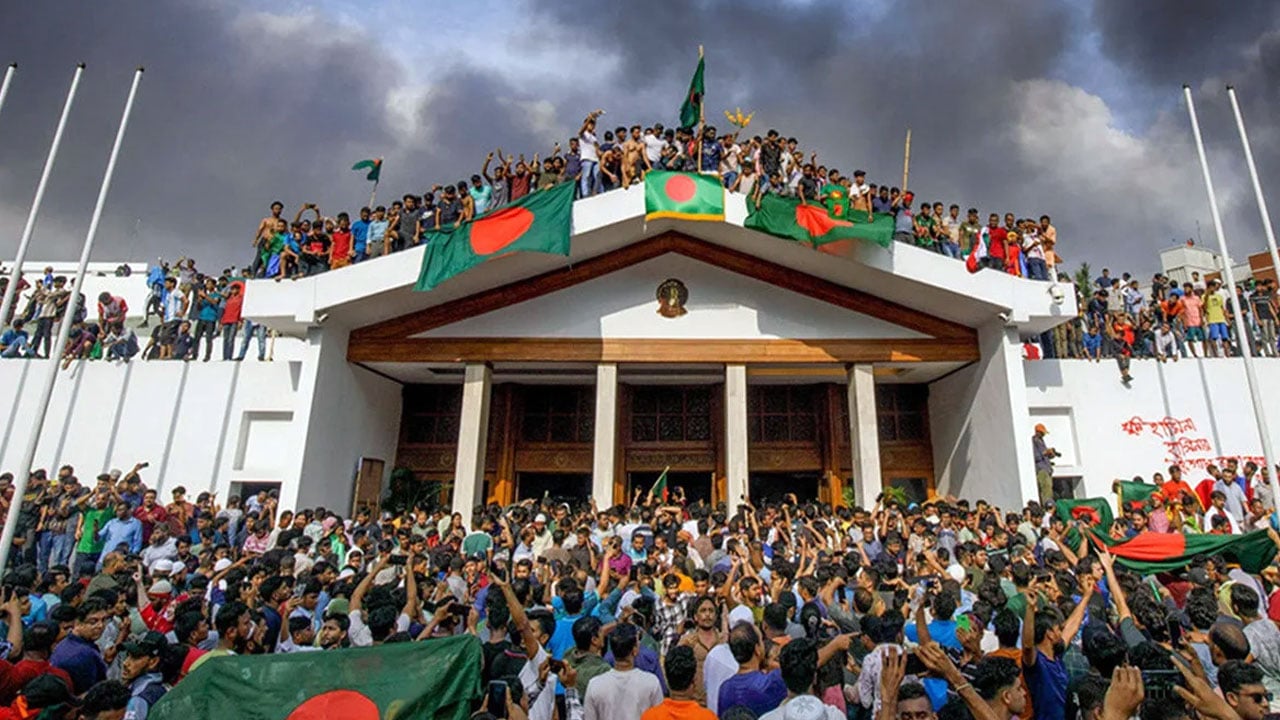
The government of Bangladesh has issued the 'July Mass Uprising (Protection and Liability Determination) Ordinance, 2026', granting legal protection and immunity to students and citizens who took part in the July mass uprising. The ordinance was officially gazetted on Sunday night by the Legislative and Parliamentary Affairs Division of the Ministry of Law. According to the ordinance, all civil and criminal cases, complaints, or proceedings filed against participants of the July uprising will be withdrawn under its provisions. Furthermore, no new civil or criminal cases, complaints, or proceedings can be legally initiated against those involved in the uprising. The ordinance aims to provide full legal immunity to individuals associated with the July movement, ensuring that no future legal actions can be taken against them for their participation.
Nahid Islam, convener of the Bangladesh National Citizen Party (NCP) and a key coordinator of the Anti-Discrimination Student Movement, along with Asif Mahmud Sajib Bhuiyan, former youth and sports adviser and head of the NCP election management committee, are visiting Ramganj in Lakshmipur today. The visit is part of their participation in an election campaign event. According to the report, the two leaders are scheduled to address a campaign gathering at 4:30 p.m. at the Ramganj Pilot Girls’ High School field. The event is organized in support of Mahbub Alam, the NCP central committee joint convener and candidate for the Lakshmipur-1 (Ramganj) constituency, who is contesting under the ‘Shapla Koli’ symbol. Mahbub Alam confirmed the matter to journalists. The visit underscores the NCP’s ongoing efforts to strengthen its presence in the Lakshmipur-1 constituency ahead of the election, with senior party figures joining local campaign activities.
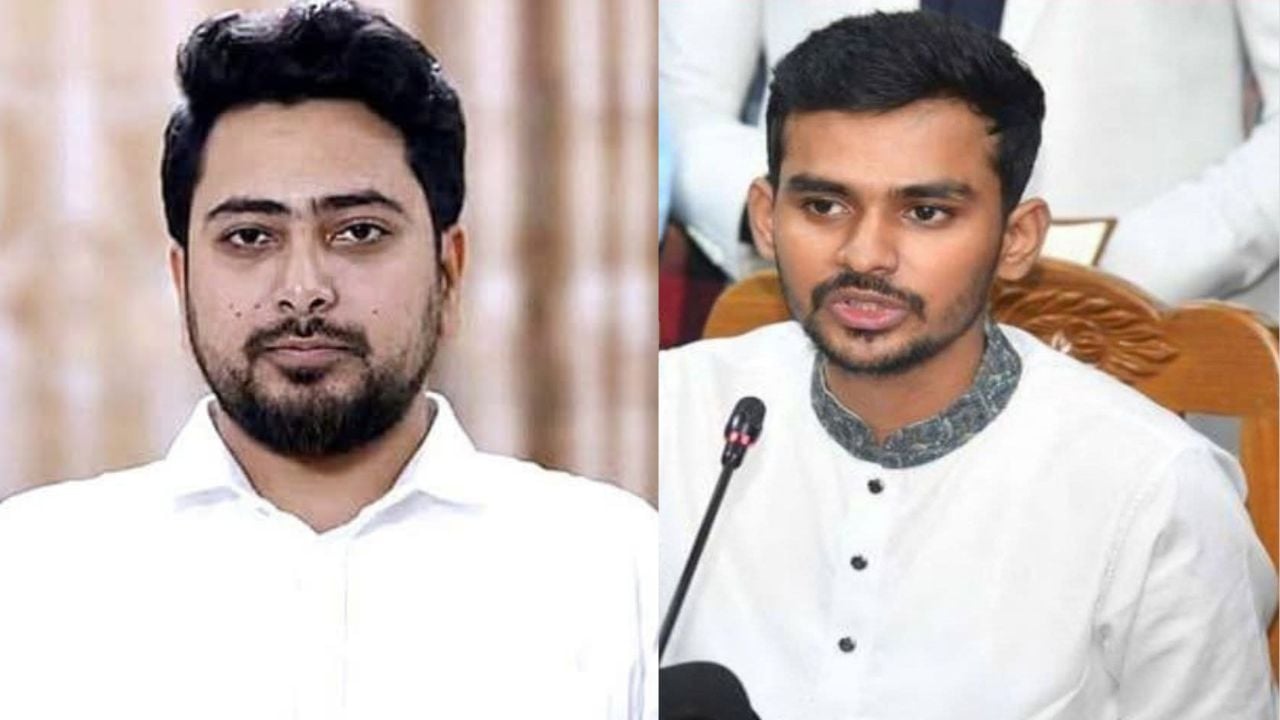
An allegation has been made that Ariful Islam Adib, senior joint convener of the Nationalist Congress Party (NCP) and candidate of the 11-party alliance in Dhaka-18 constituency, was attacked in the Dumni Bazar area under Khilkhet Police Station in the capital. Adib claimed that the incident occurred on Monday morning while he was conducting a campaign in the area. According to Adib’s Facebook post, a group of BNP activists attacked him in the Dumni Nurpara area, and his supporters resisted the assault. The NCP stated that the attack was carried out under the leadership of local BNP leader Didar Molla. The party’s media cell further alleged that supporters of BNP’s Dhaka-18 candidate S M Jahangir had harassed NCP activists in the same area the previous day. After the matter was reported to Jahangir, he reportedly assured that such incidents would not recur. The report also mentioned that the Liberal Democratic Party (LDP) condemned the attack on the NCP candidate.
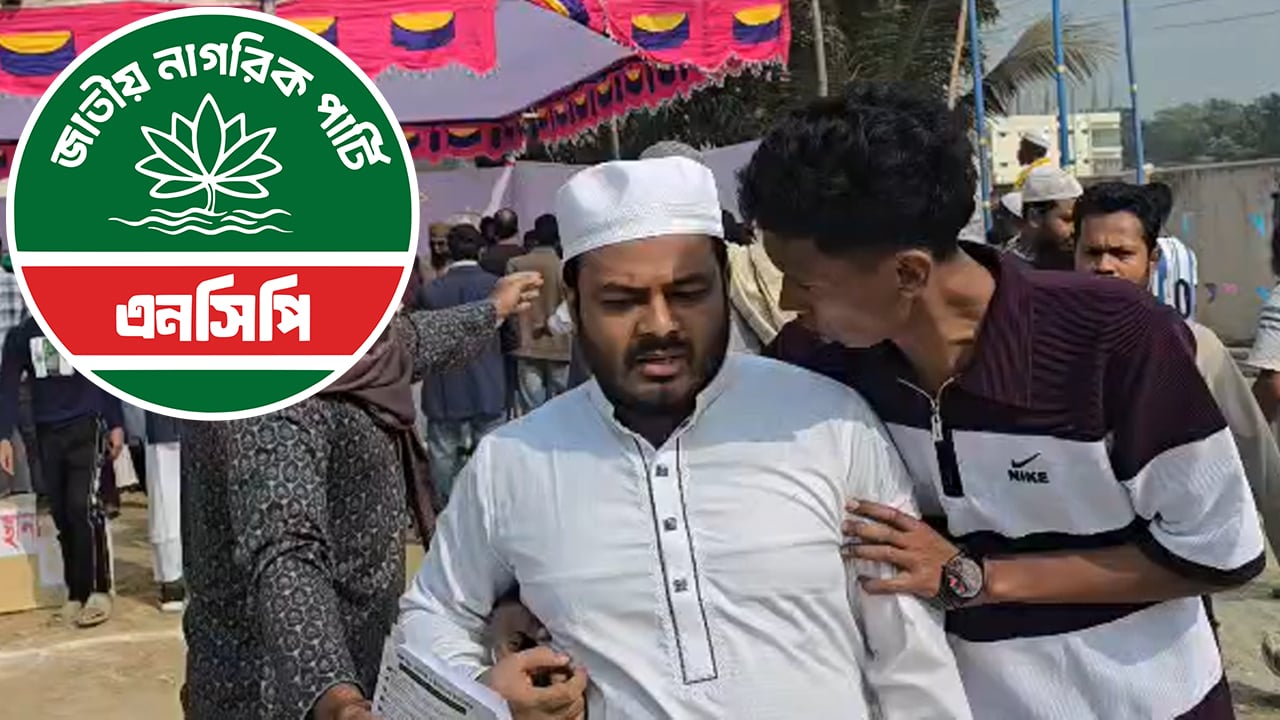
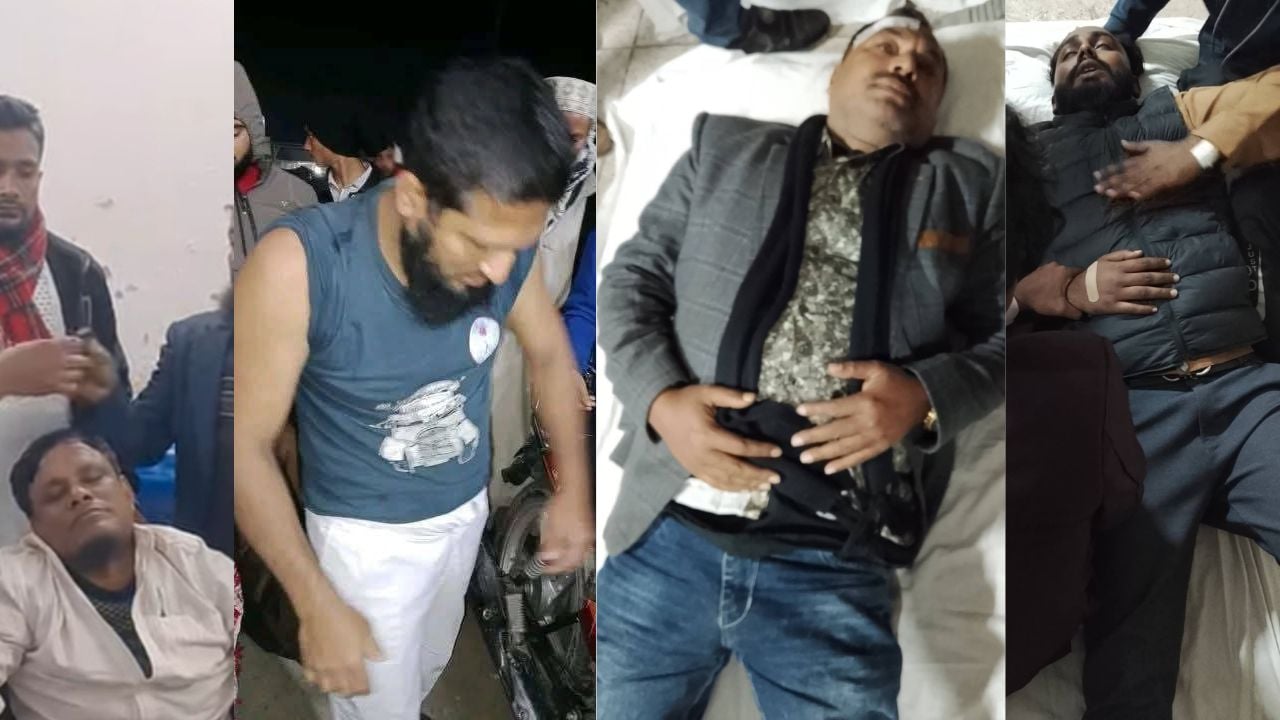
At least ten people were injured in a clash between local activists of the BNP and Jamaat-e-Islami in Borhanuddin upazila of Bhola district on Sunday evening. The incident occurred at Borhangonj market in Pakshia Union after a series of chases and counter-chases between the two groups. Local sources said the violence followed political tensions surrounding the withdrawal of a candidate from the Jamaat-led ten-party alliance. According to the report, Mokfar Uddin Chowdhury of the LDP had been announced as the alliance’s candidate for the Bhola-2 constituency, which includes Borhanuddin and Daulatkhan. However, he later withdrew his candidacy and expressed support for another contender. Following this announcement, Jamaat activists held a rally in Borhangonj market after evening prayers, which BNP supporters attempted to block, leading to verbal altercations and physical attacks with sticks. A mobile team led by Upazila Assistant Commissioner (Land) Ranjit Chandra Das responded to the incident. Borhanuddin Police Station Officer-in-Charge Moniruzzaman told Amar Desh that only a scuffle had been reported, and no major clash was officially confirmed.
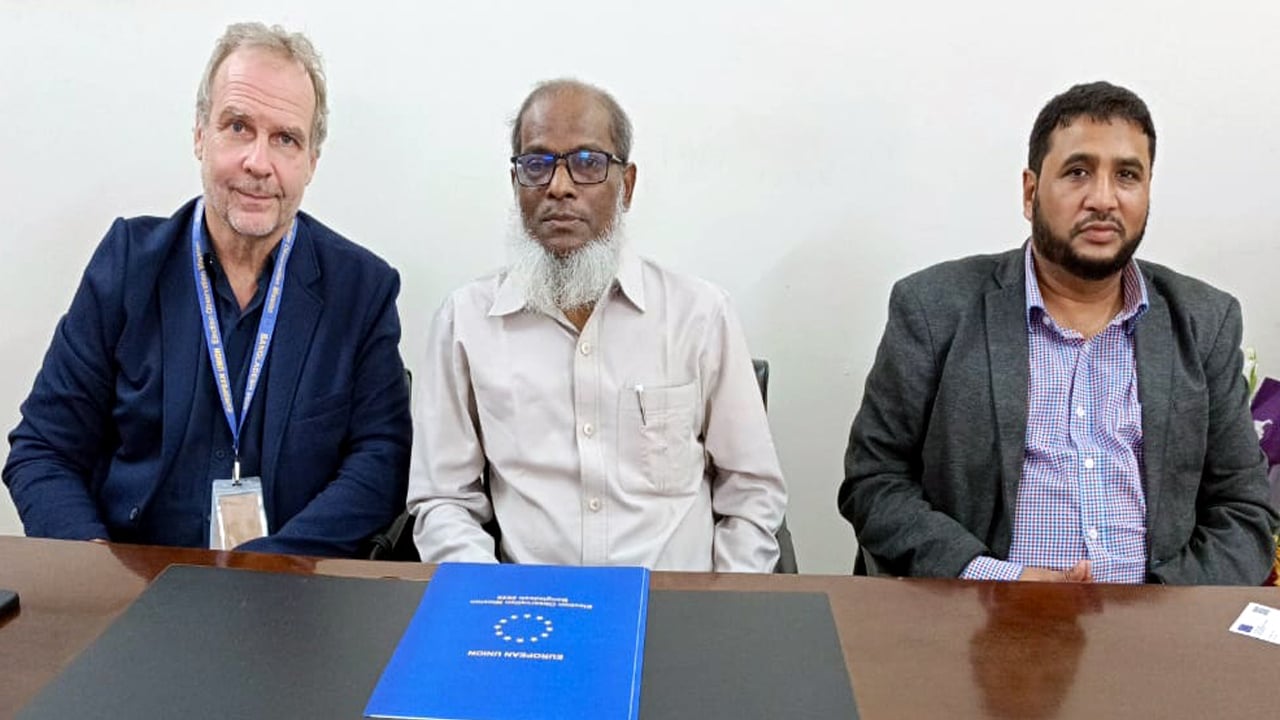
The European Union Election Observation Mission will assign nearly one hundred observers across all 64 districts of Bangladesh to monitor the country’s 13th national parliamentary election. Their observation duties will continue until March, and the mission’s first report is scheduled for release on February 14. The EU team described this as part of their technical process, emphasizing that their findings will be independent and impartial. The announcement was made on January 25 during a meeting between EU mission press officer Everhard Lewy and the president and general secretary of the Sylhet Press Club. During the discussion, Lewy inquired about the media environment, press freedom, and the overall electoral atmosphere in Sylhet. Press Club president Muktabis Un Noor stated that harmony among political parties in Sylhet remains intact and that the electoral environment is still favorable. Lewy expressed admiration for the long history of the Sylhet Press Club and voiced hope that its leaders would continue contributing to the development of journalism. The club’s general secretary, Mohammad Sirajul Islam, thanked the EU official for visiting the institution.
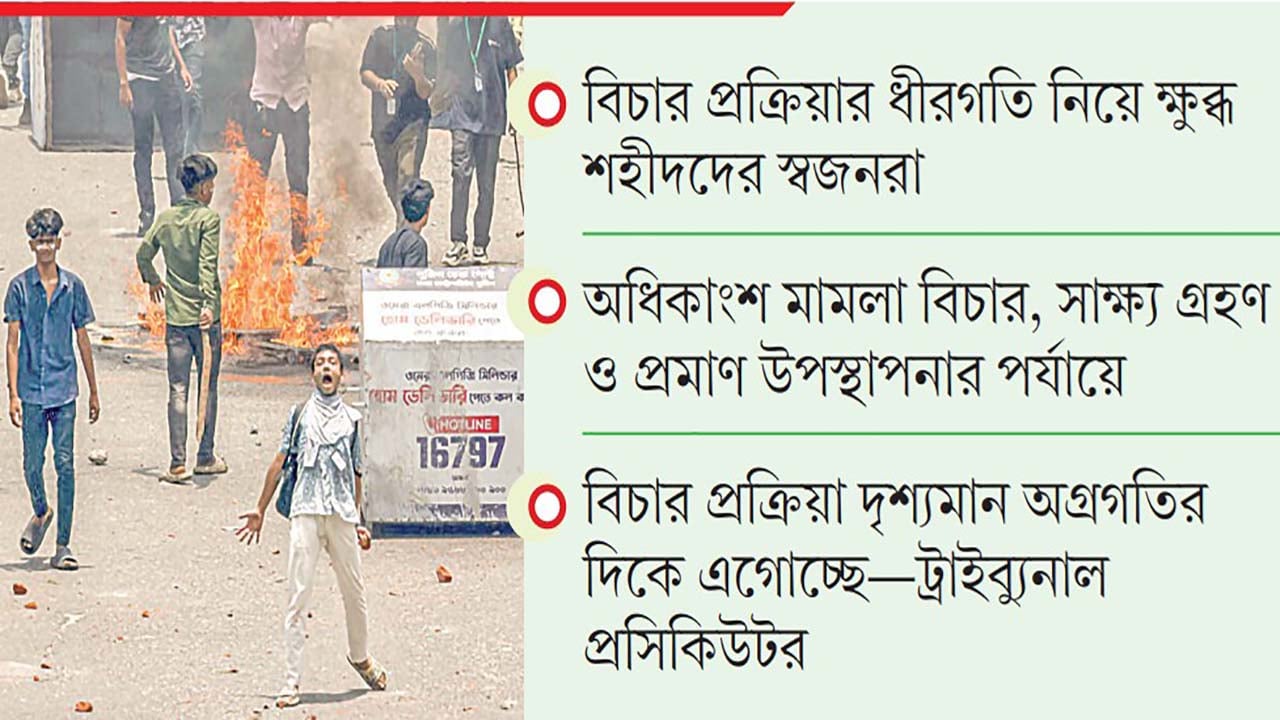
The International Crimes Tribunal sentenced former Prime Minister Sheikh Hasina and former Home Minister Asaduzzaman Khan Kamal to death for their roles in the July 2024 massacre, when state forces opened fire on protesters across Bangladesh. However, trials of other senior Awami League leaders accused of involvement remain incomplete, prompting frustration among victims’ families. Relatives of slain students expressed anger over the slow pace of justice and questioned why those who gave orders have not yet been held accountable. According to court sources, multiple cases of crimes against humanity, murder, sedition, and violence are still under investigation or in the charge-sheet stage. Prosecutor Barrister Shaikh Mahdi said trials are progressing, with formal charges accepted against several senior leaders, including Obaidul Quader, A.F.M. Bahauddin Nasim, and others, many of whom are fugitives. Arrest warrants have been issued for absconding defendants, while proceedings continue for those in custody. Legal experts cited the Awami League’s lingering influence within state institutions as a key obstacle to swift justice. International human rights organizations have called for independent investigations, while observers note that the outcome could set a historic precedent for accountability in Bangladesh.
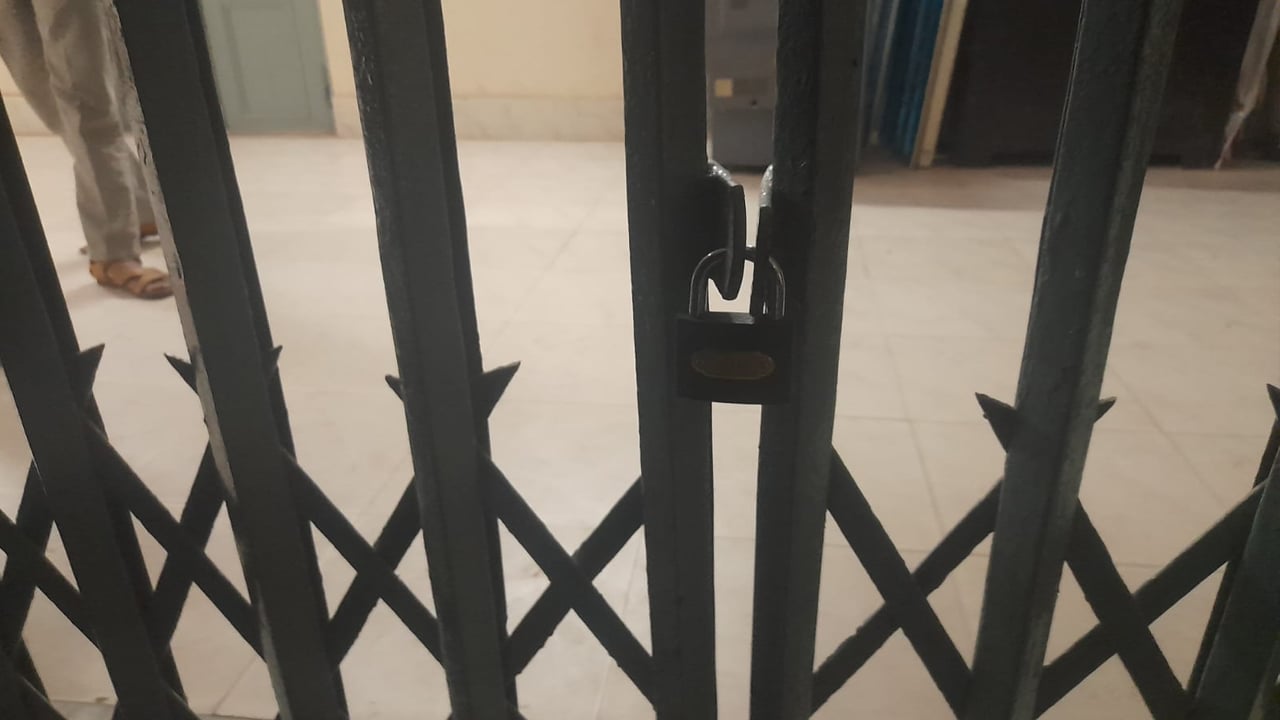
Students of the 20th batch (academic year 2024–25) at Jagannath University have locked the administrative building and confined Vice-Chancellor Professor Md. Rezaul Karim and Treasurer Professor Dr. Sabina Sharmin for 12 hours. The protest began at 10 a.m. on Sunday, January 25, 2026, demanding inclusion in the first installment of a special stipend. Students submitted a memorandum to the VC before locking the main gate at noon, chanting slogans and vowing to continue their sit-in until their demands are met. Protesters alleged that the administration failed to provide any written assurance and that some officials left the building through a back gate. Student leaders, including JnUSU AGS Masud Rana, expressed solidarity and called for a peaceful resolution through discussion. A representative team was reportedly negotiating with the treasurer, but students insisted they would not leave without a written decision. The students issued an ultimatum demanding correction of the housing stipend list and payment of the first installment within January 2026. They also announced a boycott of all classes and exams until their demands are fulfilled.
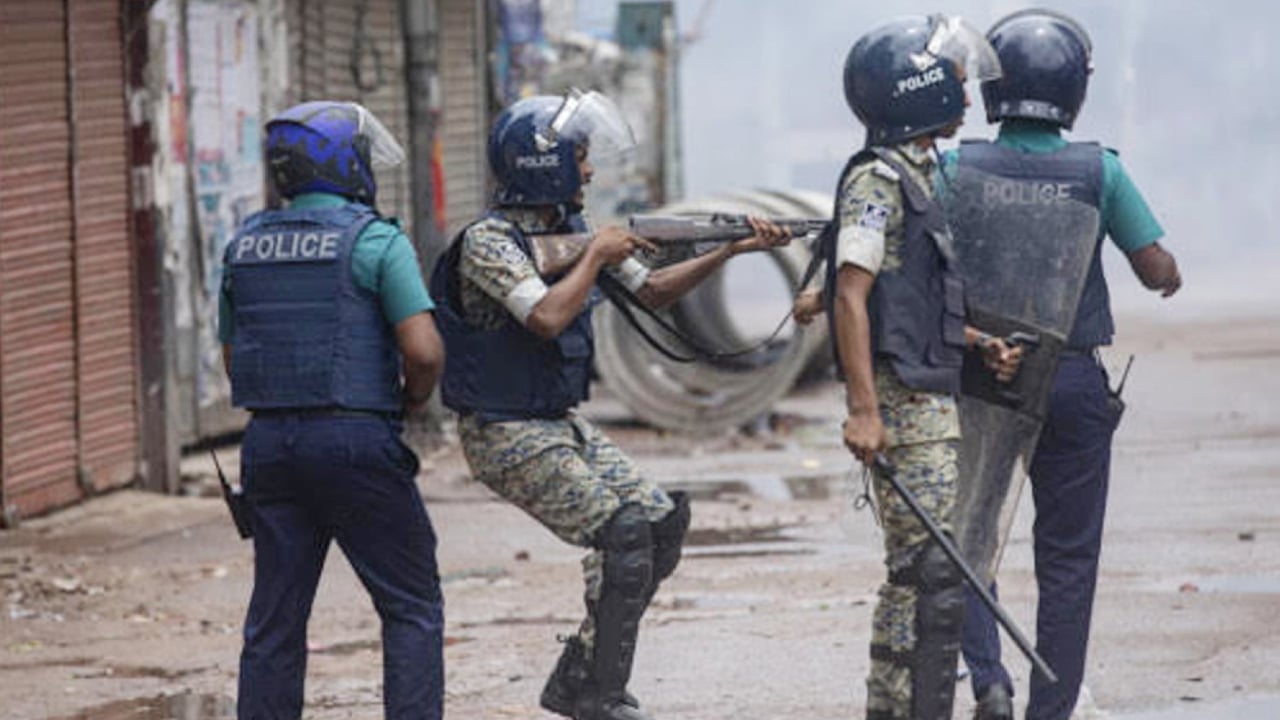
The International Crimes Tribunal-1 is set to deliver its verdict today, Monday, in the case concerning the killing of six people, including Shahriar Khan Anas, during the July uprising in Dhaka’s Chankharpul area. The three-member judicial panel, led by Chairman Golam Mortuza Mojumdar, will announce the judgment. The verdict was initially scheduled for January 20 but was postponed as it was not ready. The tribunal fixed today’s date after concluding arguments from both prosecution and defense on December 24. Prosecutor Gazi Tamim stated that the prosecution presented testimony from 26 witnesses along with extensive documentary, audio, video, and forensic evidence. These included recorded conversations, wireless messages, and footage of police firing. The prosecution argued that the evidence proved the charges beyond doubt and sought maximum punishment for the accused, confiscation of fugitive defendants’ assets, and compensation for victims’ families. Eight former and current police officers are accused, four of whom are in custody while the rest remain fugitives. The charges include conspiracy, incitement, assistance, and direct involvement in the killings, with senior officers also facing superior command responsibility.
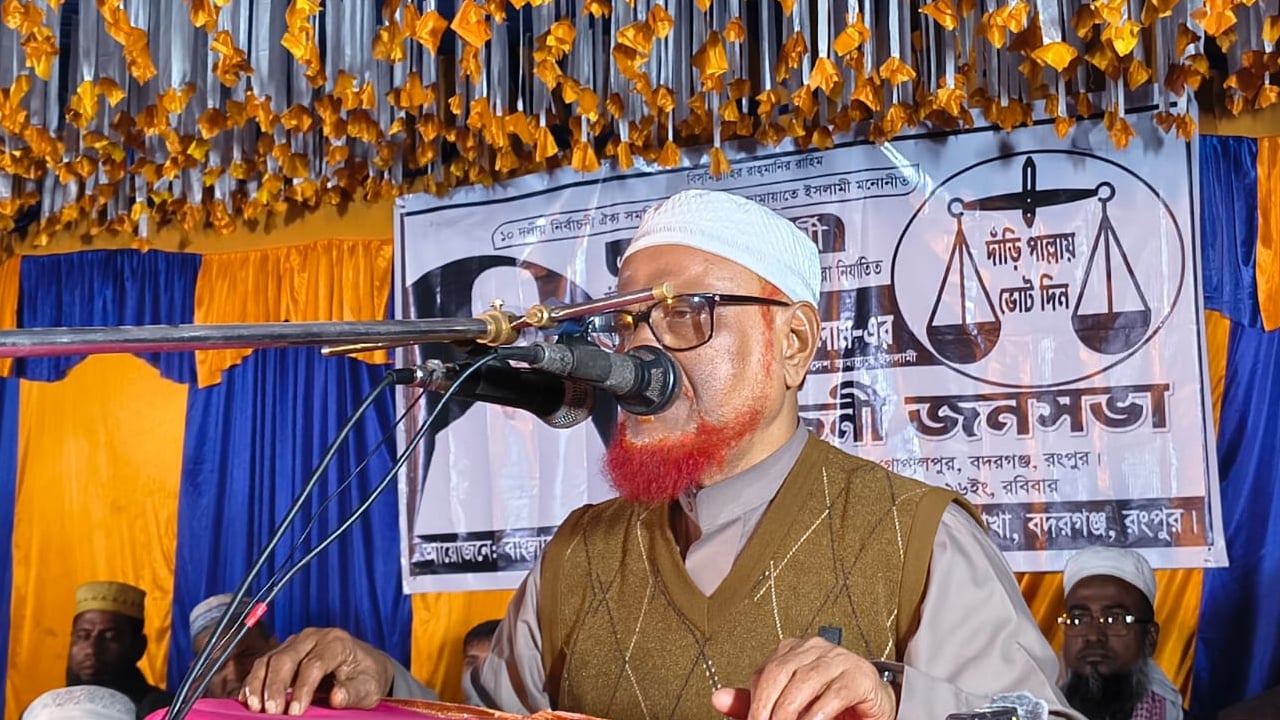
Jamaat-e-Islami’s Nayeb-e-Ameer ATM Azharul Islam declared that the time of forcing or enticing voters has ended. Speaking as the chief guest at an election rally of the 11-party alliance at Moynakuri High School field in Gopalpur Union, Badarganj upazila of Rangpur on Sunday evening, January 25, he said people are now aware and no longer fear intimidation. He urged voters to reject corrupt and oppressive forces in the upcoming 13th National Parliamentary Election scheduled for February 12. Azharul Islam accused other political leaders of making false promises, amassing wealth, and laundering money abroad while claiming that Jamaat leaders have never been involved in corruption. He called on citizens to vote for the alliance’s candidates under the scale symbol to ensure national welfare. He also emphasized the importance of participating in the referendum by casting a “yes” vote on the same day. The rally was chaired by Gopalpur Union’s Moyna Kuri Ward president Mohibul Islam, with speeches from local Jamaat leaders Shah Md. Rustam Ali and Maulana Minhajul Islam. A large number of activists and residents attended the event.
Jamaat-e-Islami Ameer Dr. Shafiqur Rahman on Sunday called on foreign actors to refrain from interfering in Bangladesh’s internal matters. Speaking as the chief guest at an election rally in Dhupkhola field, Dhaka-6 constituency, he said Bangladesh seeks friendly relations with all civilized nations but will not tolerate any form of dominance or intimidation. He emphasized mutual respect and equality as the basis of international friendship and asserted that the nation would not bow to anyone. Rahman’s remarks came after former Indian diplomat Harsh Vardhan Shringla, speaking to journalists in Siliguri on Friday, commented that Jamaat-e-Islami could not win in a free and fair election in Bangladesh. In response, Rahman criticized such statements as interference and urged outsiders to stop meddling in the country’s political process. He reiterated that Bangladesh would stand tall in the global arena with dignity and unity. The Jamaat leader also described his vision of a just and inclusive Bangladesh, where equality and fairness prevail and citizens can hold their heads high before the world.
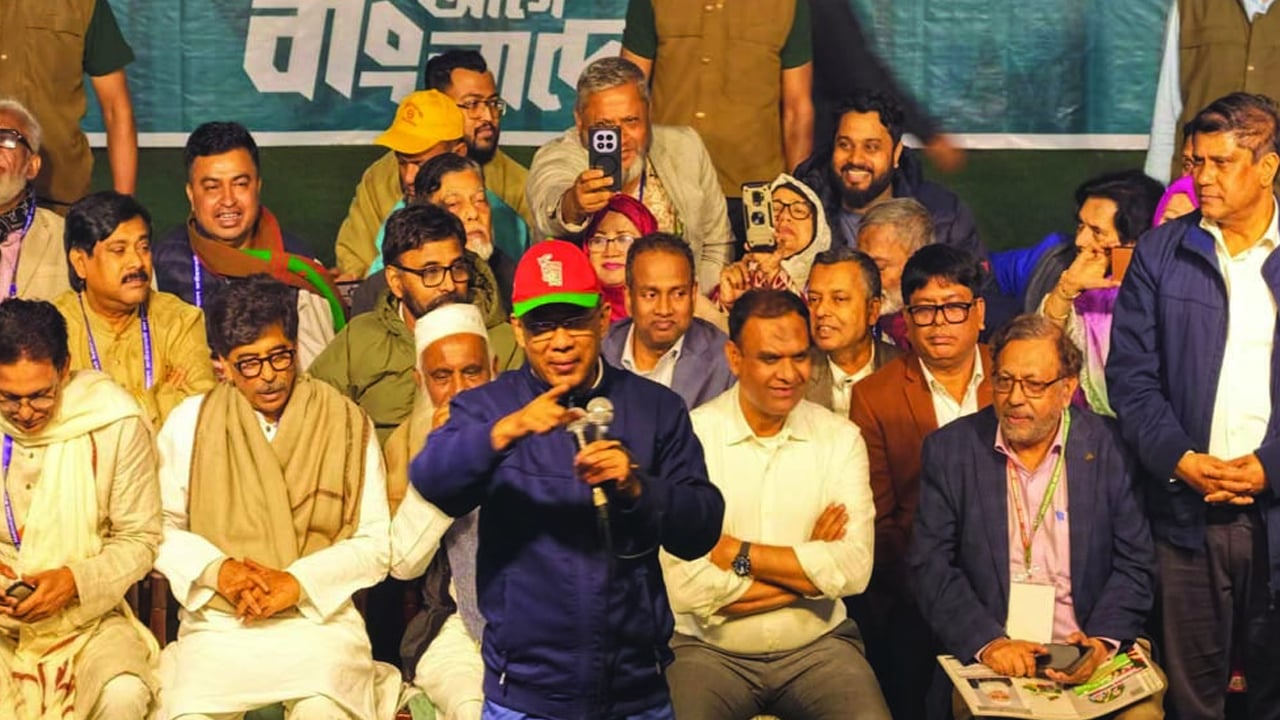
BNP Chairperson Tarique Rahman addressed a large election rally at Suagazi Phultali field in Cumilla Sadar Dakshin on Sunday night, January 25, 2026. Speaking as the chief guest, he said that criticisms from other parties about BNP’s family and farmer cards would not affect their commitment to the people. He urged supporters to ensure victory for the party’s symbol, promising to continue working for the welfare of ordinary citizens if BNP forms the government. Rahman recalled the sacrifices of 1971’s freedom fighters and compared them to those who, he claimed, defended the nation’s independence in July 2024. He highlighted BNP’s previous governance record, citing free education for women up to higher secondary level and interest waivers for small agricultural loans. He emphasized BNP’s experience in improving employment, curbing corruption, and ensuring public safety. Senior BNP leaders and local candidates from Cumilla attended the rally. Rahman concluded by stating that BNP’s goal is to improve people’s living standards gradually, aiming to double current well-being levels through sustained development efforts.
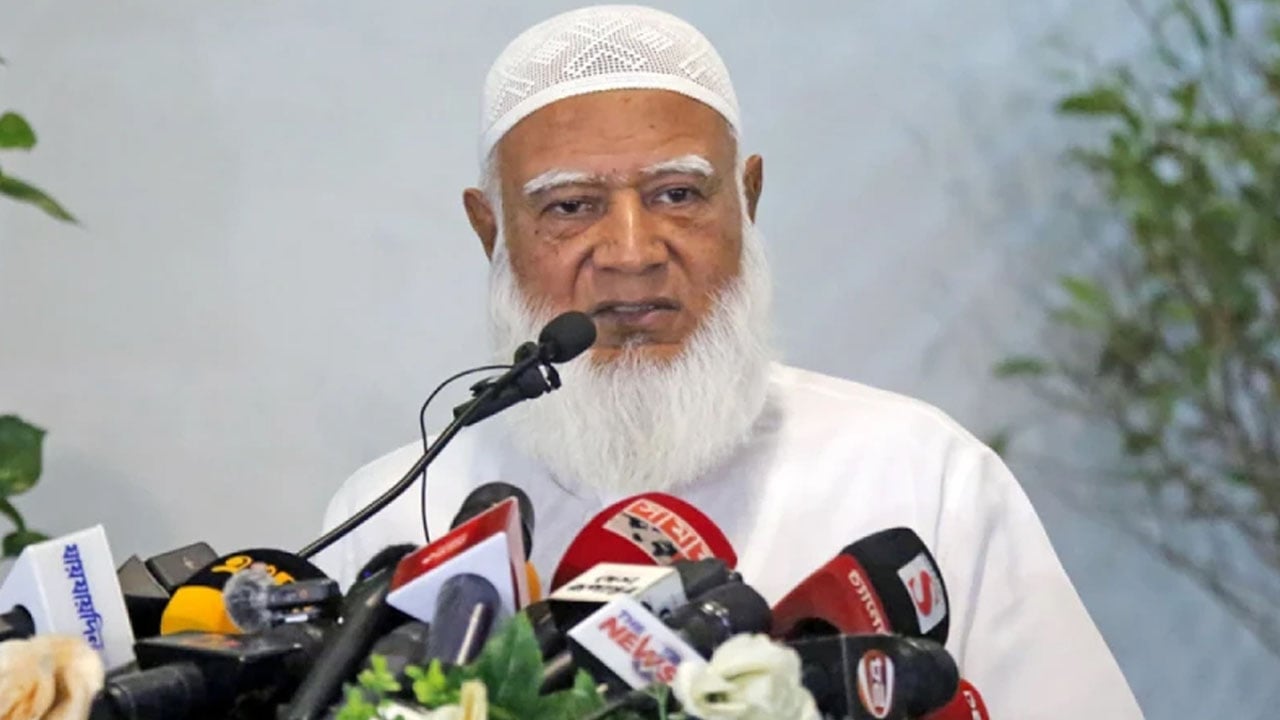
Bangladesh Jamaat-e-Islami has strongly protested remarks made by Harsh Vardhan Shringla, a member of India’s Rajya Sabha and former foreign secretary, regarding Bangladesh’s internal political situation, the upcoming national election, and the party itself. In a statement issued to the media on Sunday, Jamaat’s Secretary General Mia Golam Porwar condemned the comments as violations of diplomatic norms and foreign policy principles. Porwar said that such remarks about a sovereign nation’s internal political affairs and a registered political party were unacceptable, especially coming from a former diplomat and current lawmaker. He described Shringla’s comments as biased, distorted, and politically motivated, asserting that only the people of Bangladesh have the authority to decide whom to vote for. He added that such statements undermine Bangladesh’s democratic process and harm the atmosphere of mutual respect between the two neighboring countries. Jamaat reaffirmed its commitment to democracy, justice, and good governance, expressing confidence that a free and fair election would reflect the people’s true mandate. The party urged responsible quarters in India to refrain from interfering in Bangladesh’s internal matters.

The ‘1 Nojor’ media platform is now live in beta, inviting users to explore and provide feedback as we continue to refine the experience.