

The ‘1 Nojor’ media platform is now live in beta, inviting users to explore and provide feedback as we continue to refine the experience.
BNP candidate for Dhaka-18 constituency, S M Jahangir Hossain, stated that BNP leaders and activists truly uphold Islam in their hearts. Speaking at a public meeting in Gawair Bazar, Dakshinkhan, on Sunday morning, he said they follow the Quran and Hadith and will not be influenced by any misinterpretation of Islam. He cited acting BNP chairman Tarique Rahman’s message that the state should be governed according to the path shown by Prophet Muhammad (PBUH). Hossain criticized the previous government for allegedly persecuting Islamic scholars and sending them to jail, calling it regrettable. He emphasized BNP’s commitment to building a peaceful society regardless of religion or ethnicity and reaffirmed the party’s respect for Islamic scholars. On local issues, he pledged improved civic services, resolution of gas supply problems in coordination with Titas, and enhanced safety for pilgrims using the Hajj camp in the area. He urged party workers to reach out to all 56,000 voters in Ward 49 and deliver Tarique Rahman’s message. He also called for vigilance on election day to prevent any conspiracies.
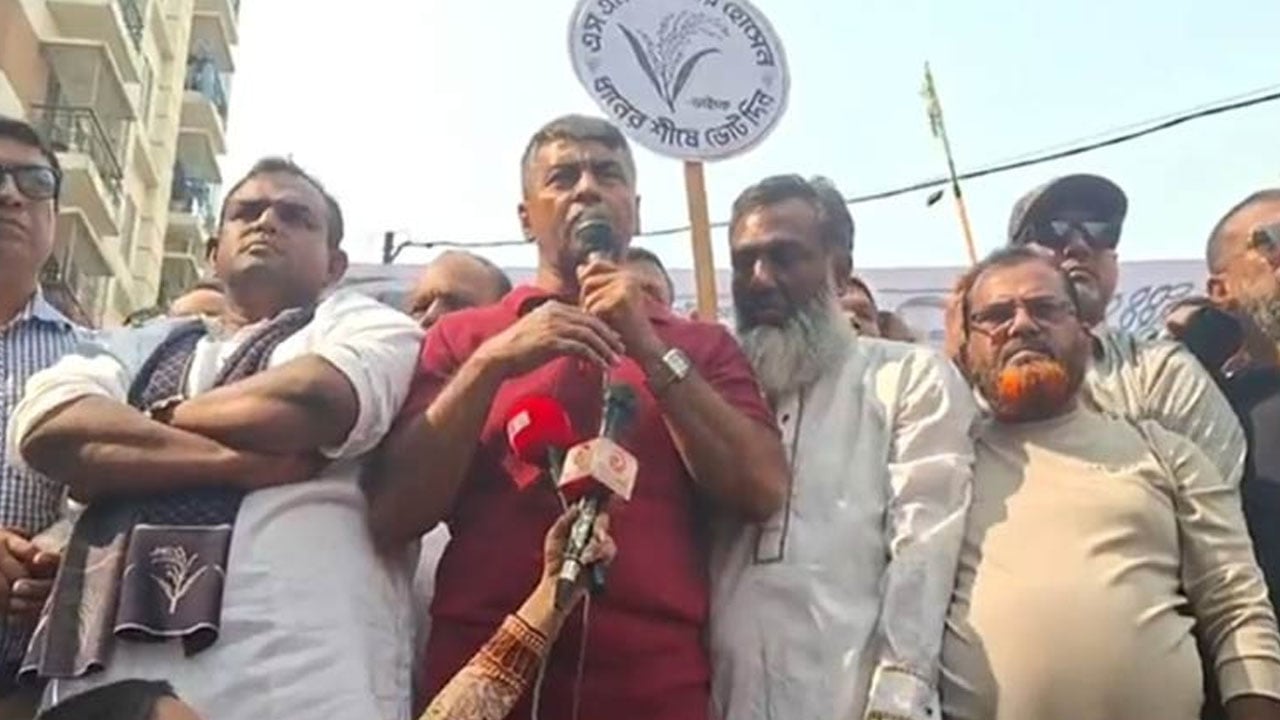
BNP Chairperson Tarique Rahman declared that farmers are the main driving force of Bangladesh, emphasizing that the country's well-being depends on their prosperity. Speaking as the chief guest at an election rally at Chattogram’s Polo Ground on Sunday morning, he announced that if the BNP wins the February 12 election, the party will gradually distribute agricultural cards to all farmers. The rally drew hundreds of thousands of participants from various city units. Rahman stated that to reduce rising commodity prices, agricultural production must increase, and this requires standing beside farmers and farm workers. He assured that BNP’s promises to the people would be implemented gradually once the party forms the government. He urged voters to support the BNP by voting for its symbol, the paddy sheaf. Highlighting law and order and corruption, Rahman alleged that citizens had been deprived of their rights in these areas for the past 15 years. He pledged that a future BNP government would strictly enforce law and order and curb corruption, ensuring a safe livelihood for ordinary and working people.
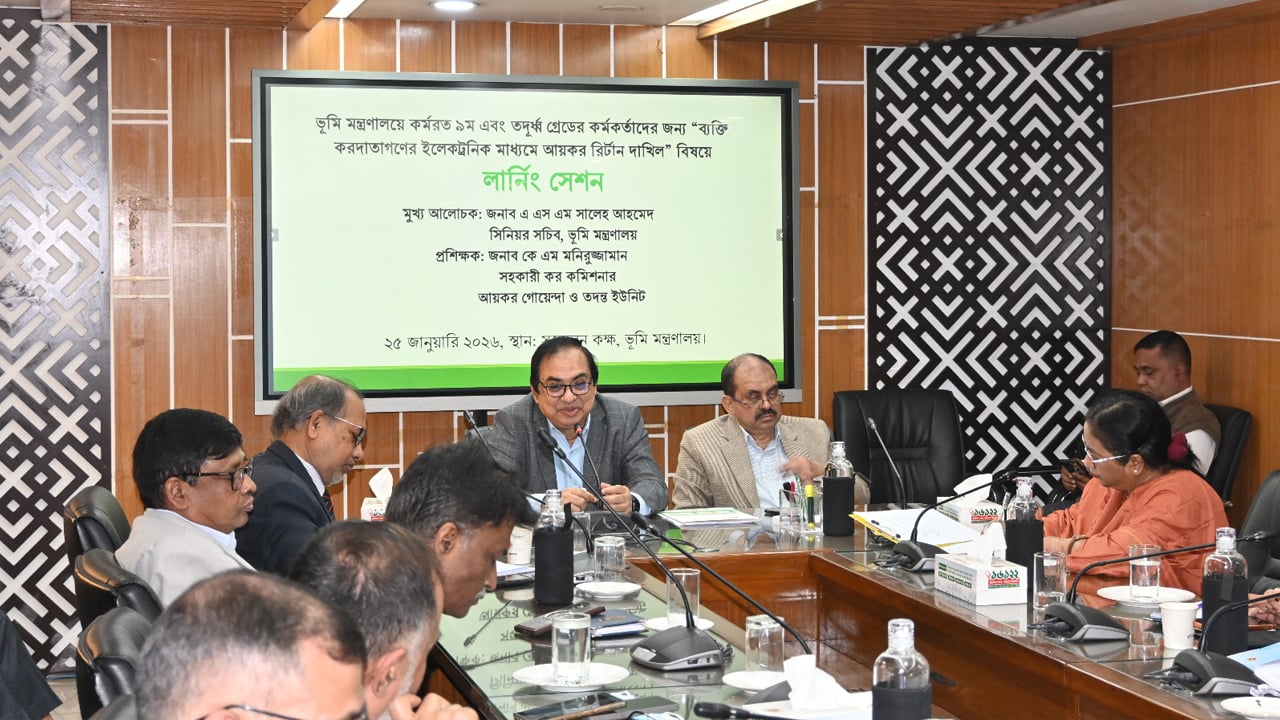
Senior Secretary of the Ministry of Land, Saleh Ahmed, stated that the e-return or online income tax return system represents not only technological progress but also the reflection of a modern and accountable state structure. He made the remarks on Sunday during a learning session at the ministry’s conference room for officials of grade 9 and above, focusing on electronic submission of individual taxpayers’ income tax returns. The session was conducted by AKM Moniruzzaman, Assistant Commissioner of the Income Tax Intelligence and Investigation Unit. Saleh Ahmed emphasized that transparency and accountability are essential for building an effective and citizen-friendly administration. Making e-return submission mandatory for government officials institutionalizes these principles. He noted that automated data storage and analysis make it easier to identify inconsistencies in income and expenditure, reducing opportunities for corruption and supporting revenue growth. He added that government officials represent the state, and ensuring transparency in their financial affairs is both a legal and moral obligation. The e-return initiative sets a positive example of administrative discipline and ethics, encouraging public trust and participation in tax compliance.
Widespread protests broke out across the United States after an Immigration and Customs Enforcement (ICE) officer fatally shot an American citizen named Alex Pretty in Minneapolis on Saturday. The incident marked the second death of a US citizen in the city this month involving ICE officers. The shooting occurred a day after about 10,000 people demonstrated in Minneapolis against the Trump administration’s strict anti-immigration operations. Following the shooting, hundreds of protesters gathered at the scene, prompting ICE officers to fire tear gas and flashbang grenades. Demonstrations soon spread beyond Minneapolis to New York, Washington DC, and San Francisco. Federal officials claimed Pretty had a firearm, but local leaders questioned that assertion. Minnesota Governor Tim Walz described the incident as horrific and said the federal government could not be trusted to investigate it. He and other local officials demanded an immediate halt to anti-immigration operations.

The 13th parliamentary election and a national referendum are scheduled for February 12, but campaign activity in Chattogram remains subdued. Government-led promotion of the referendum is minimal, with limited visibility in both the city and surrounding upazilas. Only Jamaat-e-Islami is actively distributing leaflets door-to-door, while BNP leaders have opted out of the campaign, disagreeing with the government’s approach. The National Citizen Party (NCP) has yet to begin visible campaigning but says it will intensify efforts soon. Field reports show widespread confusion among residents about the referendum’s purpose. Many working-class citizens interviewed said they had little or no understanding of what the referendum entails. Government advisers recently met with imams and muezzins to encourage support, and officials were urged to promote the vote. However, local sources report that upazila administrations have not organized seminars or public outreach as of mid-January. Jamaat-e-Islami has declared a special campaign week, while the district administration claims ongoing video broadcasts, leaflet distribution, and courtyard meetings. Despite these efforts, civic activists say the government’s initiative has yet to reach grassroots levels effectively.

National Board of Revenue (NBR) Chairman Abdur Rahman Khan stated that the recent rise in import prices is due to the increase in the dollar’s value, not tariff hikes. Speaking at a press conference at the NBR headquarters on Sunday, ahead of International Customs Day, he said that no new tariffs have been imposed on imported fruits in the past one and a half years; rather, tariffs and source taxes have been reduced. He noted that the dollar’s exchange rate rose from 80 taka two years ago to 125–126 taka, directly affecting import costs. Khan emphasized that the government has not raised tariffs on essential goods such as rice, lentils, and edible oil, but instead reduced them in the public interest, even at the expense of revenue. He added that tariff increases are only applied to protect domestic industries and are decided through consultation with stakeholders. The chairman also said customs now focus more on trade facilitation and preventing smuggling rather than being a major revenue source. He concluded that to increase revenue, the NBR is working to expand income tax and value-added tax collection.
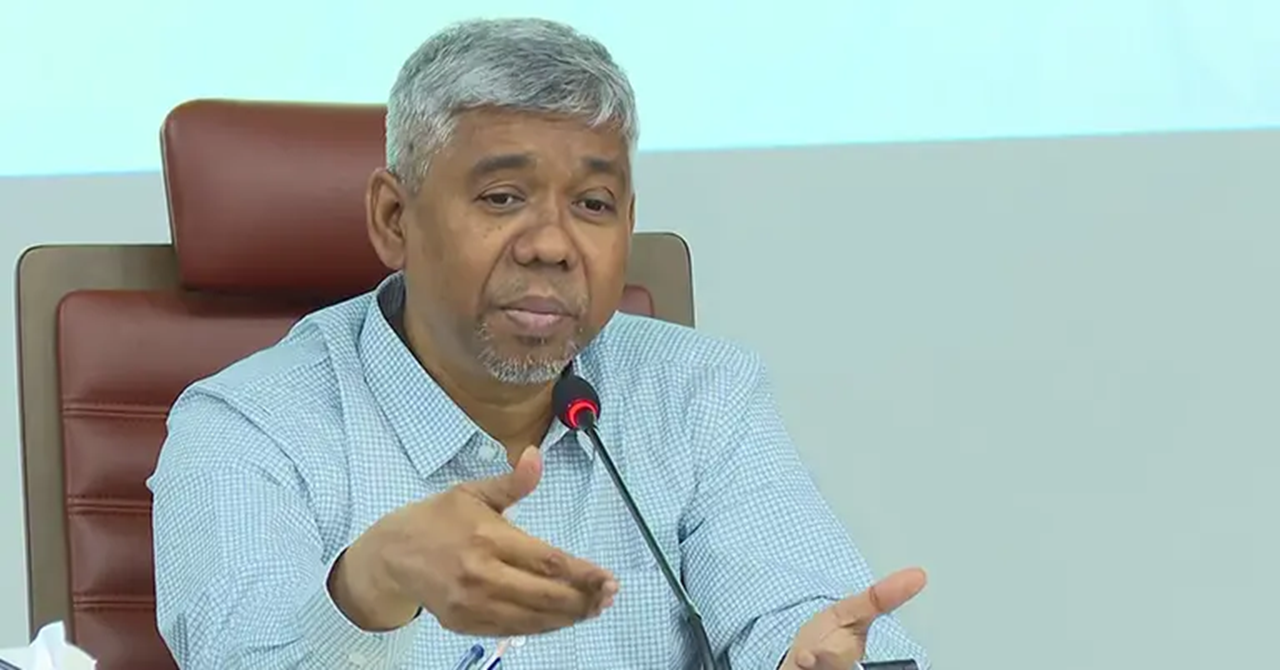
In Rajshahi Division, 92 firearms and over 11,000 rounds of ammunition looted from police stations during the July 2024 uprising remain missing, according to police sources. Despite administrative optimism about holding a fair 13th parliamentary election, local officials and security analysts warn that the unrecovered weapons pose a serious challenge. The Rajshahi Range DIG acknowledged that the missing arms could influence the upcoming polls, while the divisional commissioner maintained that logistical issues were manageable. Experts and civic voices expressed deep concern over the situation. Rajshahi University’s Professor Mahmudul Haque described the missing weapons as a national security risk, noting that civilian possession of arms could destabilize the election environment. Social worker Nasrin Begum warned that fear among voters might reduce turnout, and political analyst Anwar Hossain said the integrity of the election could be questioned if the weapons remain unrecovered. Analysts urged stronger joint operations to recover the arms, emphasizing that without decisive action and accountability, public trust and electoral safety could be severely undermined.

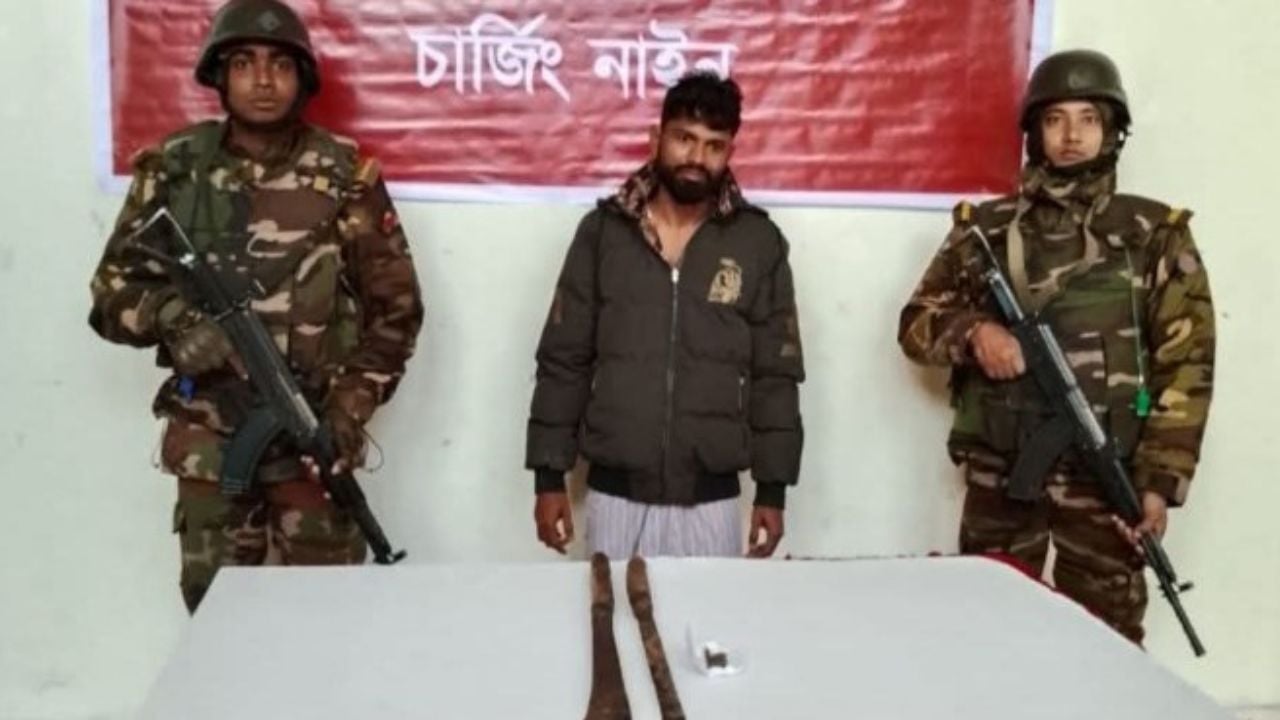
Abul Hasnat, the leader of the active teen gang 'Hasnat Bahini' in Cox’s Bazar, was arrested by the Bangladesh Army early Sunday morning. The arrest took place around 5:30 a.m. at his home in the South Rumaliachhara area of Cox’s Bazar town. During the raid, the army recovered two locally made sharp weapons and 50 grams of marijuana. The army confirmed the arrest in an official statement and later handed Hasnat over to Cox’s Bazar Sadar Police Station. According to the report, Abul Hasnat is accused in 19 criminal cases, including one for murder, three for illegal arms, six for robbery, and nine for other offenses. The army’s statement claimed that Hasnat and his followers had long been involved in criminal activities across Cox’s Bazar town and the beach area. Intelligence surveillance had been ongoing to capture the group. An army official stated that regular operations will continue to apprehend similar teen gang members involved in drug and terrorism-related crimes.
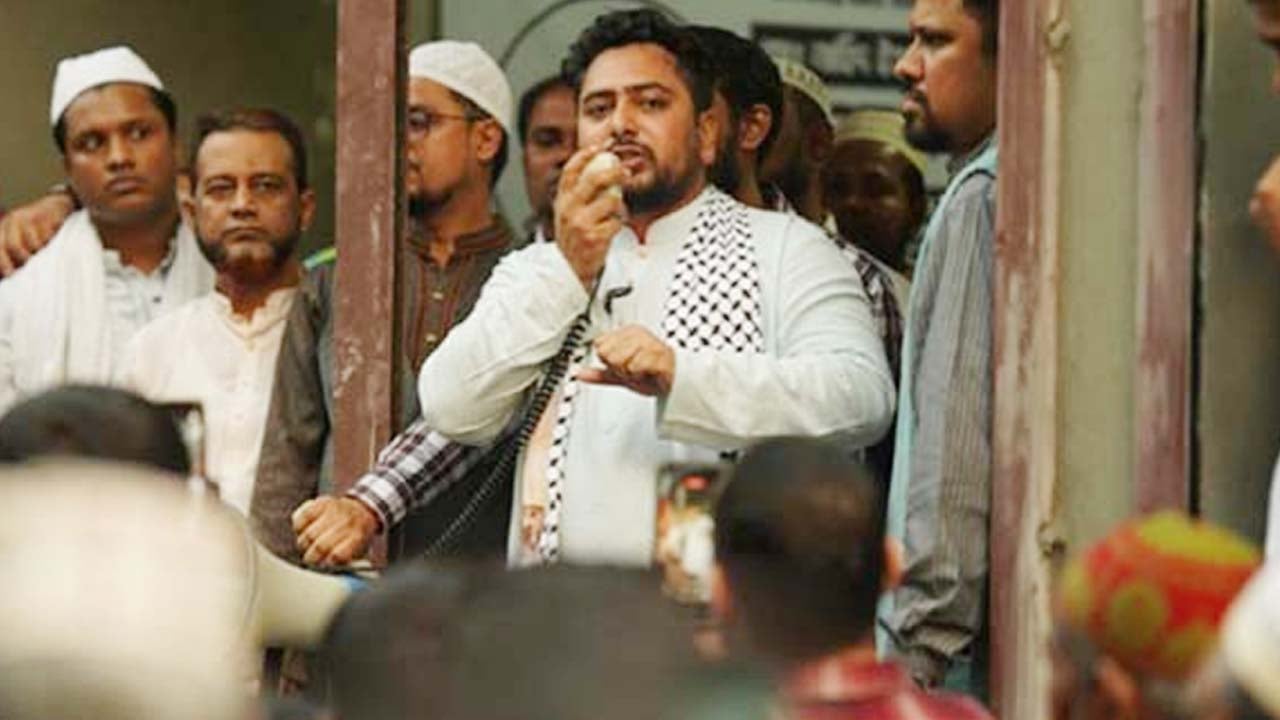
Nahid Islam, the Dhaka-11 constituency candidate and convener of the National Citizens Party (NCP), said that the upcoming 13th National Parliamentary Election will mark the end of extortion, terrorism, and illegal occupation in politics. He made the remarks on Sunday morning while campaigning in his constituency, declaring that February 12 would be the last day for those involved in such activities. During his campaign speech, Nahid alleged that a rival group was attempting to intimidate his supporters but claimed those efforts were failing. He urged voters to cast their ballots freely and thoughtfully, emphasizing that the election would determine Bangladesh’s future and destiny. He also cautioned voters against being swayed by false promises, temptations, or personal benefits. Nahid further encouraged citizens to choose candidates capable of bringing real change to their communities and the country, underscoring the importance of responsible voting in shaping national progress.
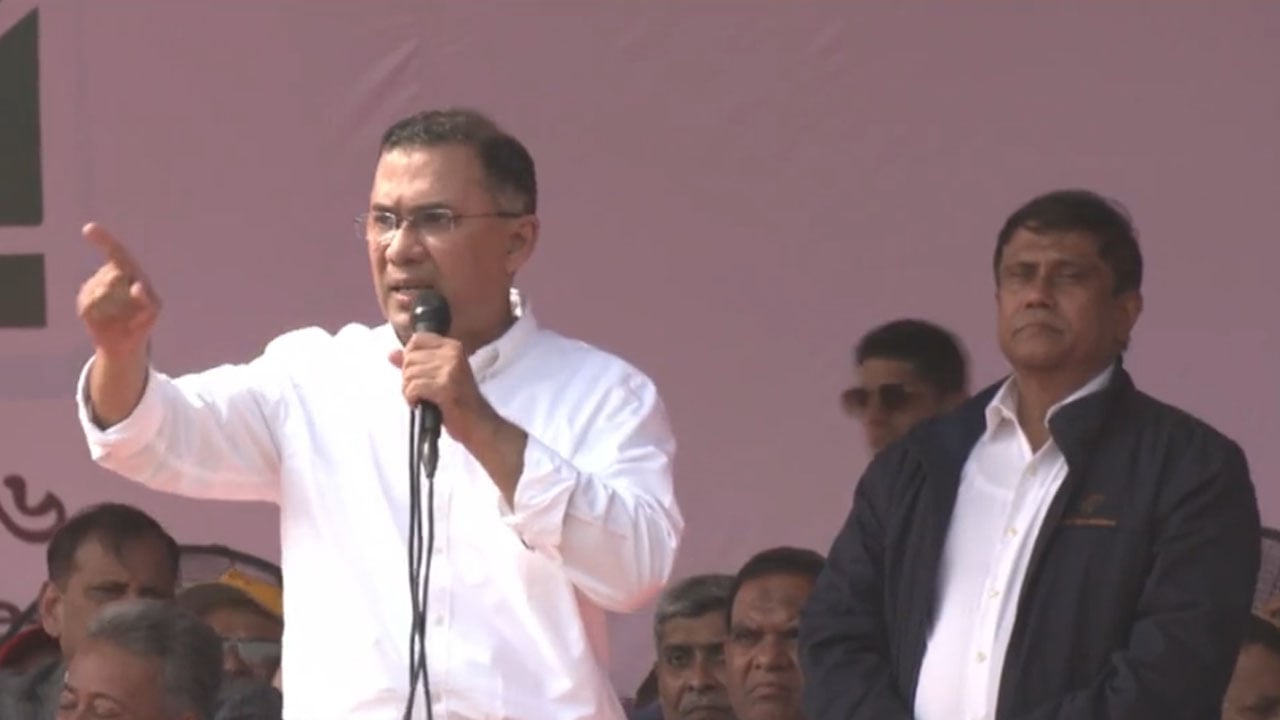
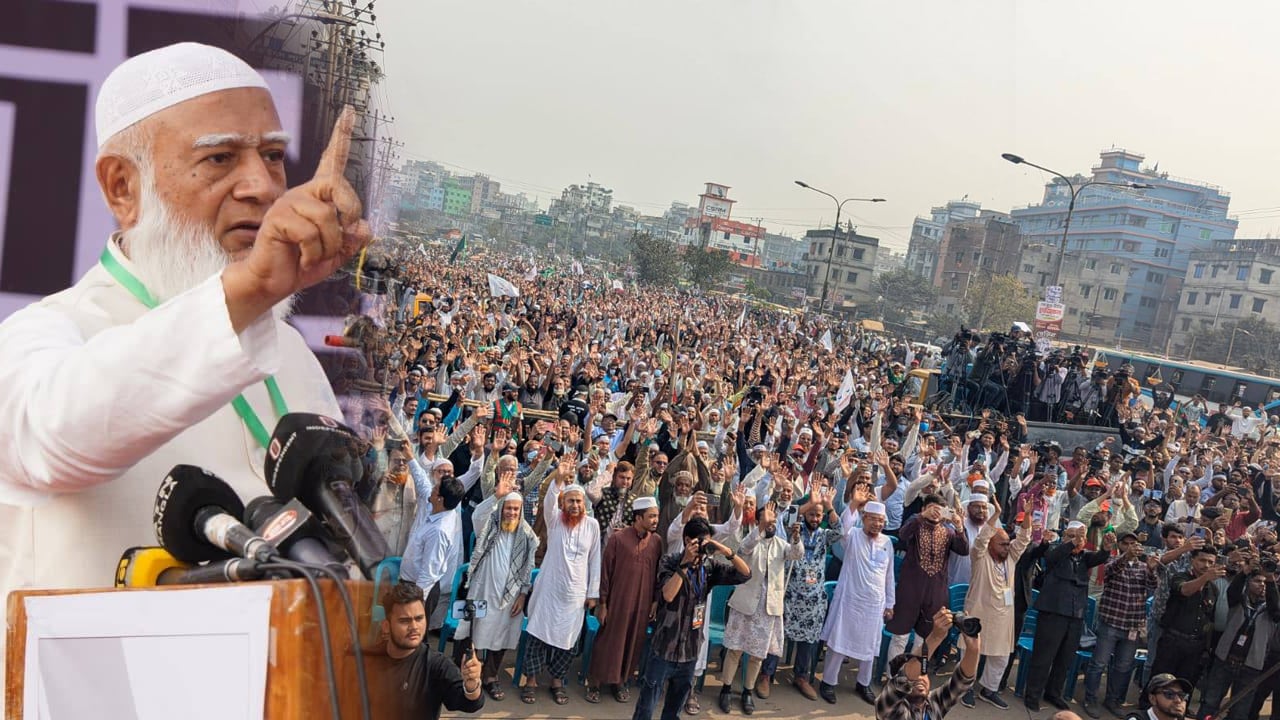
Jamaat-e-Islami Ameer Dr. Shafiqur Rahman said that no citizen of the country wants to see extortion as a new profession. He made the remarks on Sunday at an election rally in Kajla, Jatrabari, organized by the 10-party alliance in support of its candidates for Dhaka-4 and Dhaka-5 constituencies. Addressing extortionists, he said they would be given honorable work and would no longer need to hide their identities in society. Dr. Rahman stated that young people should not depend on unemployment allowances but should become builders of Bangladesh. He pledged to prioritize local development if given the opportunity to govern. He also emphasized that Bangladesh does not want the shadow of domination from any power, seeking friendly relations with all civilized nations without interference. Criticizing the 54-year-old political system that he said has led to fascism, the Jamaat chief called for a complete transformation and urged citizens to vote “yes” in the upcoming referendum as a mark of respect for the July martyrs.
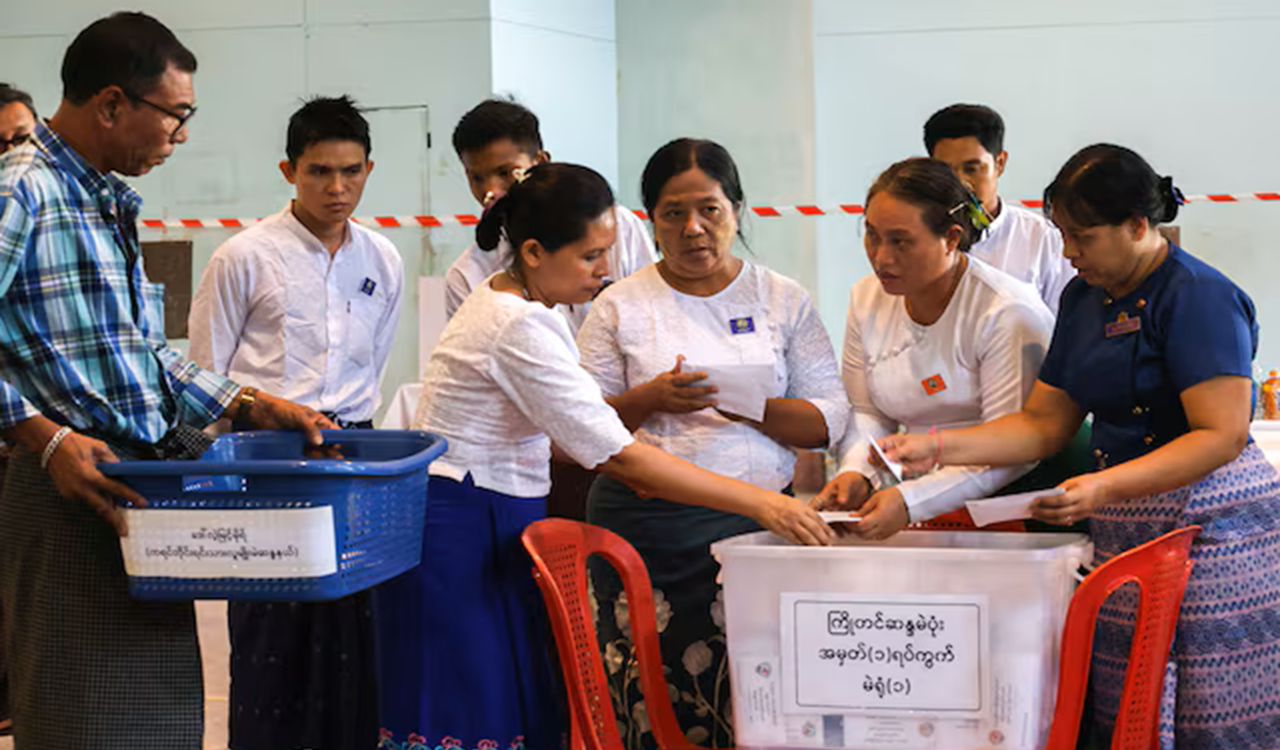
Myanmar held the final phase of its month-long general election on Sunday, organized under the military junta’s authority. The army-backed Union Solidarity and Development Party (USDP) is widely expected to secure a decisive victory. Critics argue that the election aims to extend military rule under the guise of civilian legitimacy. Voting began at 6 a.m. in several constituencies, though large areas under rebel control could not participate. The country, long under military dominance, had moved toward limited civilian reforms in the 2010s before the 2021 coup halted that process and led to civil conflict and humanitarian crisis. The junta has promised to return power to the people, but the exclusion of detained leader Aung San Suu Kyi and the dissolution of her National League for Democracy (NLD) have fueled claims that the polls are rigged in favor of the military’s allies. Analysts note that the USDP, dominated by former military officers, already won most seats in earlier rounds. The new parliament will elect the next president, with junta chief Min Aung Hlaing seen as a possible contender. Official results are expected later this week.
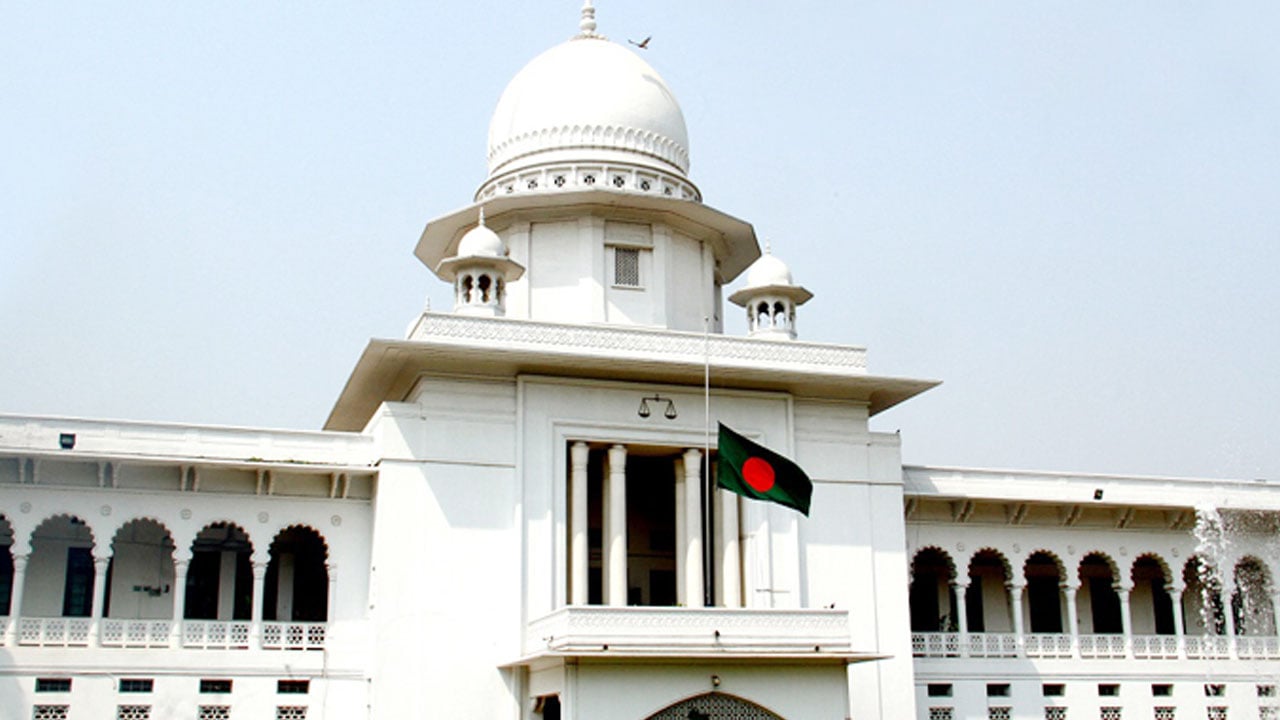
The High Court has issued a contempt of court rule against Chief Election Commissioner (CEC) A M M Nasir Uddin for allegedly failing to comply with a previous court order. The rule asks why punitive action should not be taken against him. The order was issued on Sunday by a High Court bench comprising Justice Fahmida Kader and Justice Md Asif Hasan. According to the case details, Advocate Yunus Ali Akand had applied to the CEC for registration of a political party named Krishak Sramik Janata Party. When the application was not resolved, he sought the court’s intervention. The court subsequently issued an order regarding the matter, which was reportedly not implemented, leading to the contempt proceedings. The High Court’s rule marks a formal step in determining whether the CEC’s inaction constitutes contempt, and the court will later decide on possible punitive measures based on responses to the rule.
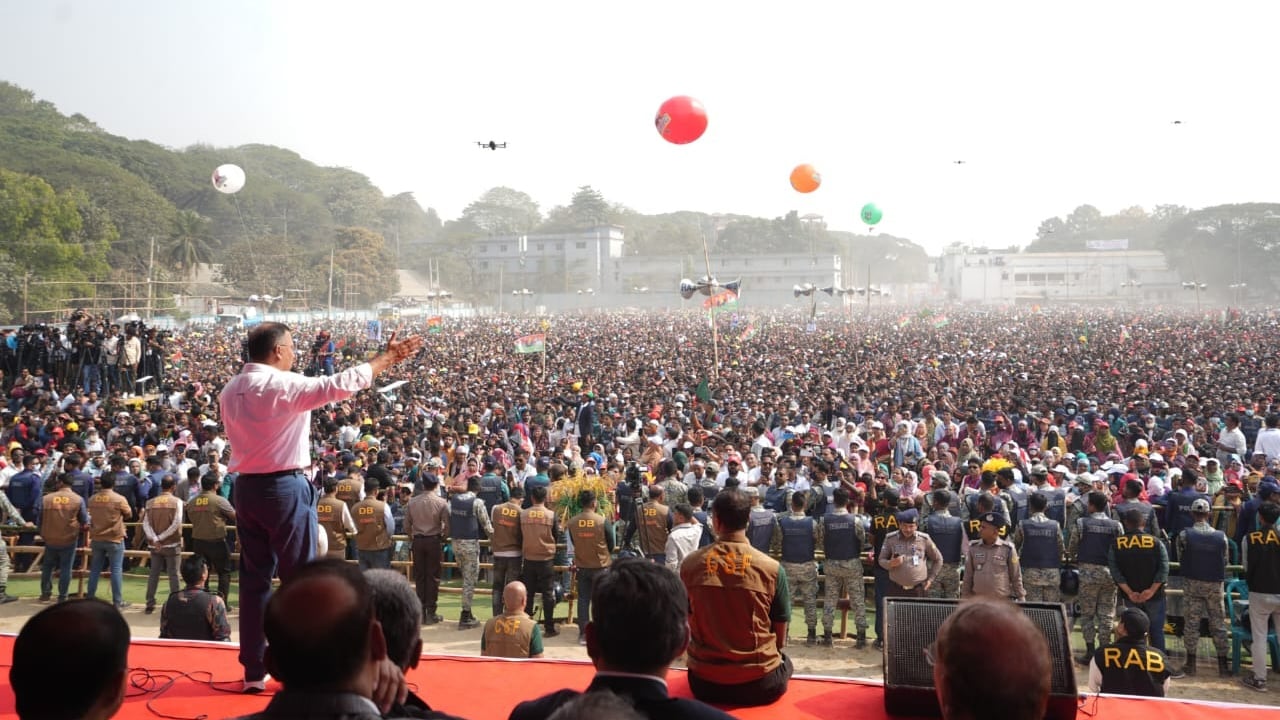
BNP Chairperson Tarique Rahman declared that no party member involved in terrorism would be spared and that corruption would be eradicated at any cost. He made the remarks on Sunday afternoon during a large election rally at the Polo Ground in Chattogram, where he emphasized that the party would firmly act against wrongdoing within its own ranks. Highlighting the BNP’s election slogan, “Korbo Kaj, Gorbo Desh, Sobar Age Bangladesh,” Rahman urged all pro-democracy forces to unite. He said that honoring the sacrifices of July martyrs like Wasim required ensuring victory for BNP’s ‘sheaf of paddy’ candidates. During the event, he introduced candidates from Chattogram, Cox’s Bazar, Khagrachhari, Rangamati, and Bandarban. Rahman announced that if BNP came to power, it would establish 100,000 healthcare centers and launch canal excavation programs. He pledged to make healthcare accessible at the grassroots and to develop Chattogram as the country’s commercial capital, stressing that the people of Bangladesh seek political rights and change.
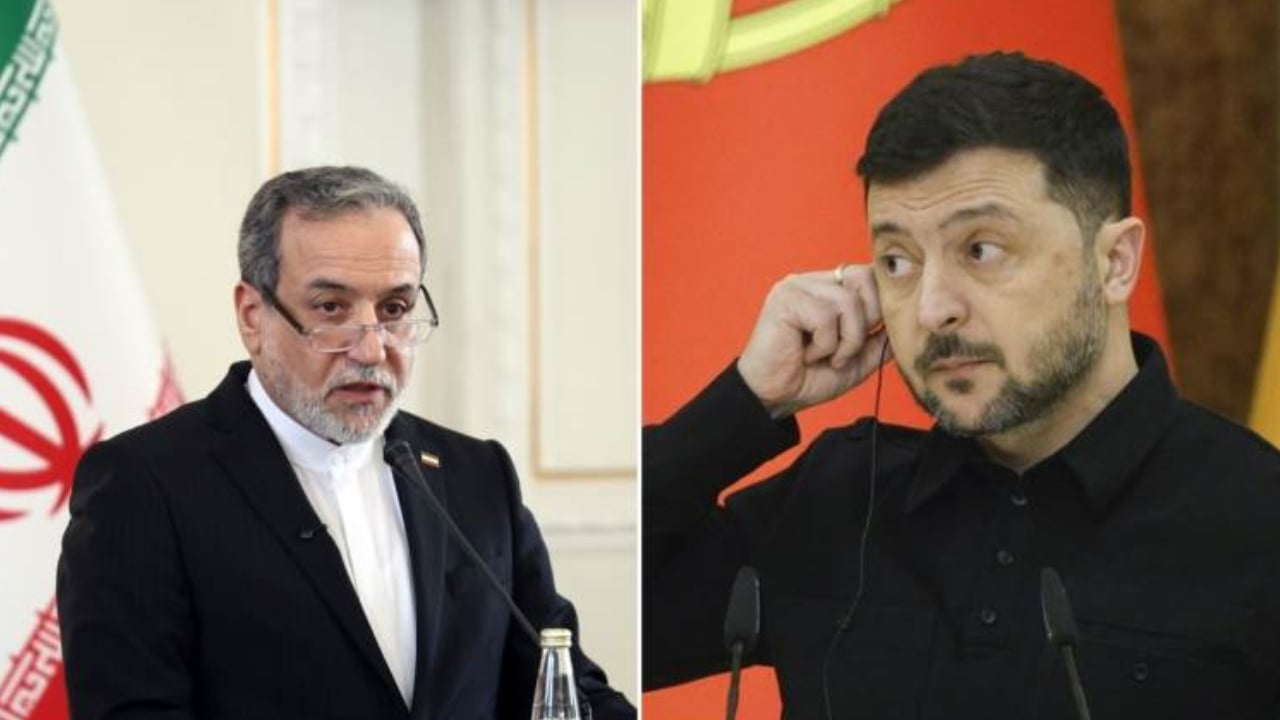
Iranian Foreign Minister Abbas Araghchi has called Ukrainian President Volodymyr Zelensky a “confused clown” in response to Zelensky’s claim that Iran’s government kills civilians to stay in power. The remarks were made in a post on social media platform X, according to NDTV, on January 25, 2026. Araghchi accused Zelensky of using U.S. and European taxpayers’ money to enrich himself and corrupt generals in his army. He wrote that Iranians know how to defend themselves and do not need to beg foreigners for help. Araghchi further alleged that Zelensky was exploiting the “illegal aggression” against Ukraine as an excuse to misuse Western funds while simultaneously calling for U.S. military attacks on Iran, which he said would violate the same UN Charter. Addressing Zelensky directly, Araghchi said the world is tired of “confused clowns” like him and contrasted Iran’s self-reliance with what he described as Ukraine’s foreign-backed forces.
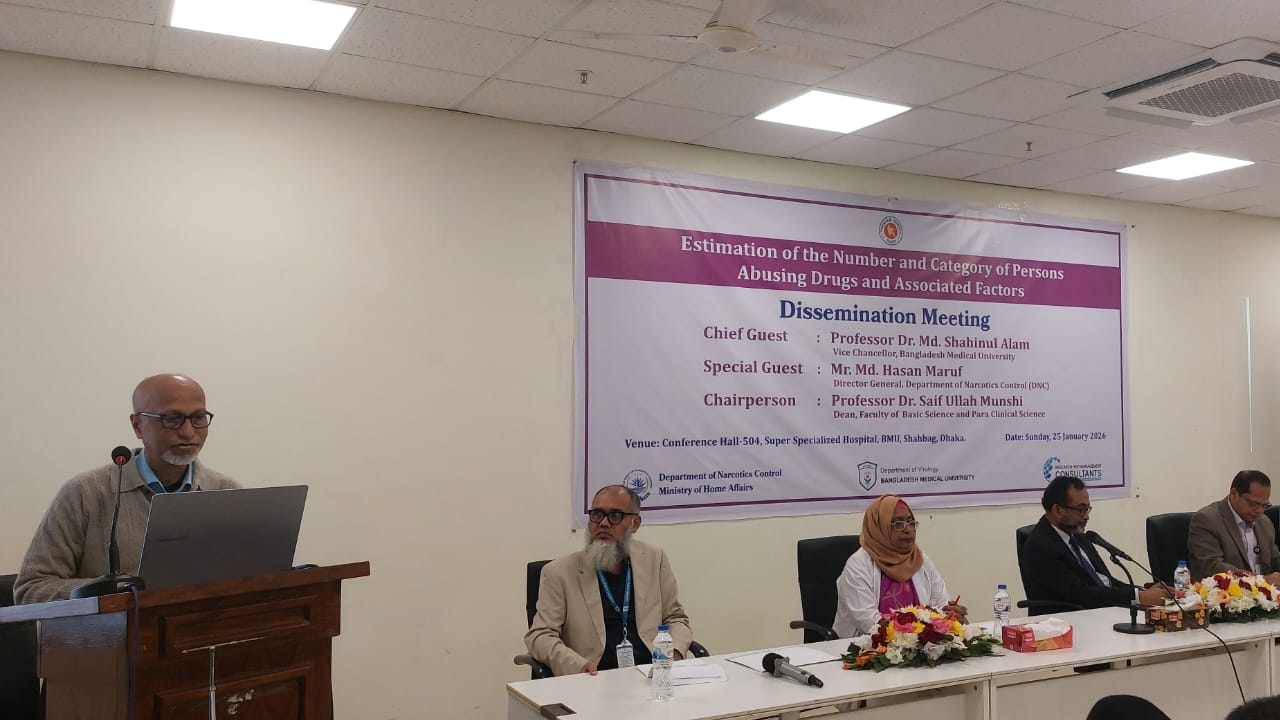
A new study has revealed that Bangladesh has around 8.2 million drug users, with the majority being young people. The findings were presented on Sunday, January 25, 2026, at an event held at the Super Specialized Hospital in Shahbagh, Dhaka. The research, funded by the Department of Narcotics Control, identified cannabis as the most commonly used drug, followed by yaba, heroin, phensedyl, and codeine-based cough syrups. Alarmingly, 60 percent of users begin drug use before the age of 18, while only a small fraction receive treatment or rehabilitation. The study, conducted by a team from Bangladesh Medical University, collected data from 5,280 participants across 13 districts and 26 upazilas in eight divisions. It found that drug use is higher in urban areas but spreading rapidly in rural regions, with Dhaka division showing the highest prevalence and Barishal the lowest. Injection-based drug use is also rising, posing serious public health risks. Experts at the event emphasized that drug abuse is not only a law enforcement issue but also a major public health concern. They called for stronger prevention, treatment, rehabilitation, and awareness programs targeting youth.
The ‘1 Nojor’ media platform is now live in beta, inviting users to explore and provide feedback as we continue to refine the experience.