

The ‘1 Nojor’ media platform is now live in beta, inviting users to explore and provide feedback as we continue to refine the experience.
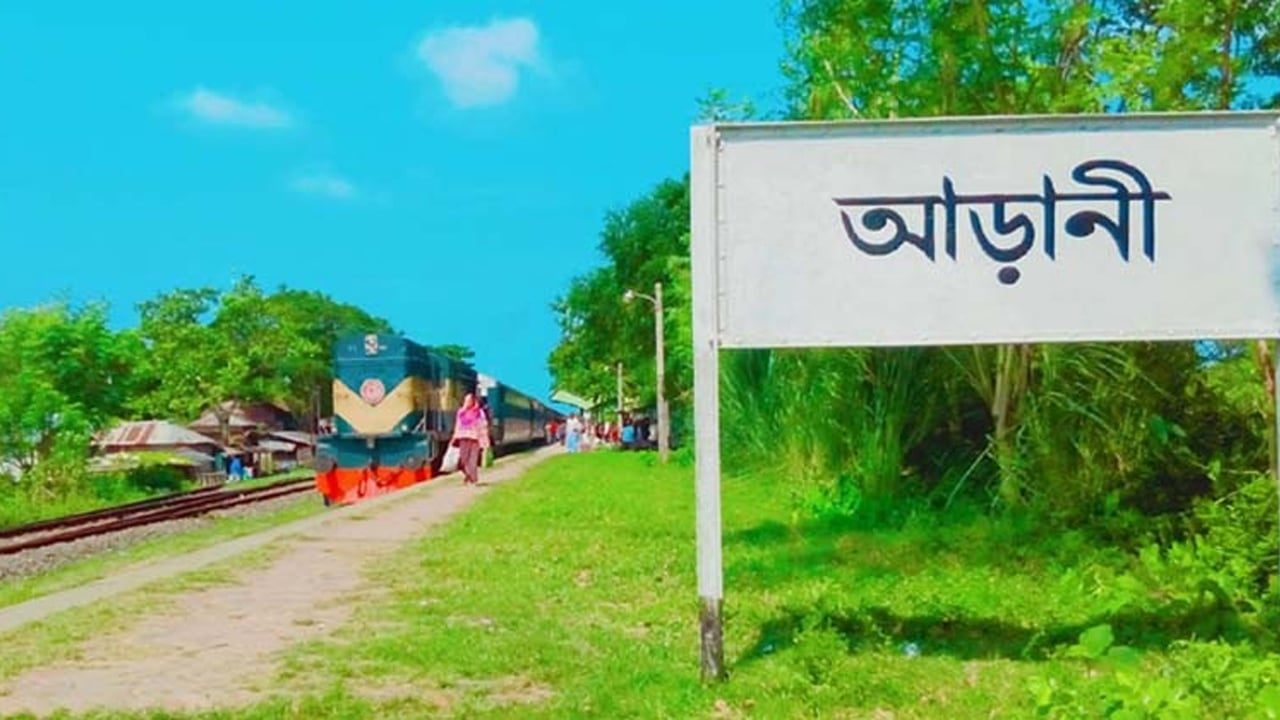
Train services between Rajshahi and the rest of Bangladesh returned to normal at about 8:30am on Tuesday after rail-track damage disrupted operations. Western Railway authorities said cracks appeared at several points on the old Arani-Abdulpur rail line around 6:00am, citing intense heat. Railway engineering staff reached the affected sites and began repairs. Train movement had been temporarily suspended after multiple sections of track between Arani and Abdulpur stations were found damaged. The disruption prevented several trains, including the Dhaka-bound Bonolota Express and Silkcity Express, from leaving Rajshahi on schedule. Stranded trains later departed for their respective destinations after repair work. Railway sources described the Arani-Abdulpur section as an important connection between Rajshahi and other parts of the country, carrying regular intercity services to Dhaka and elsewhere. Western Railway General Manager Farid Ahmed said operations were halted on the defective section to protect passengers and trains. He said prompt repairs helped avoid a major accident, and services on all routes were restored gradually after workers and engineers repaired the damaged areas.
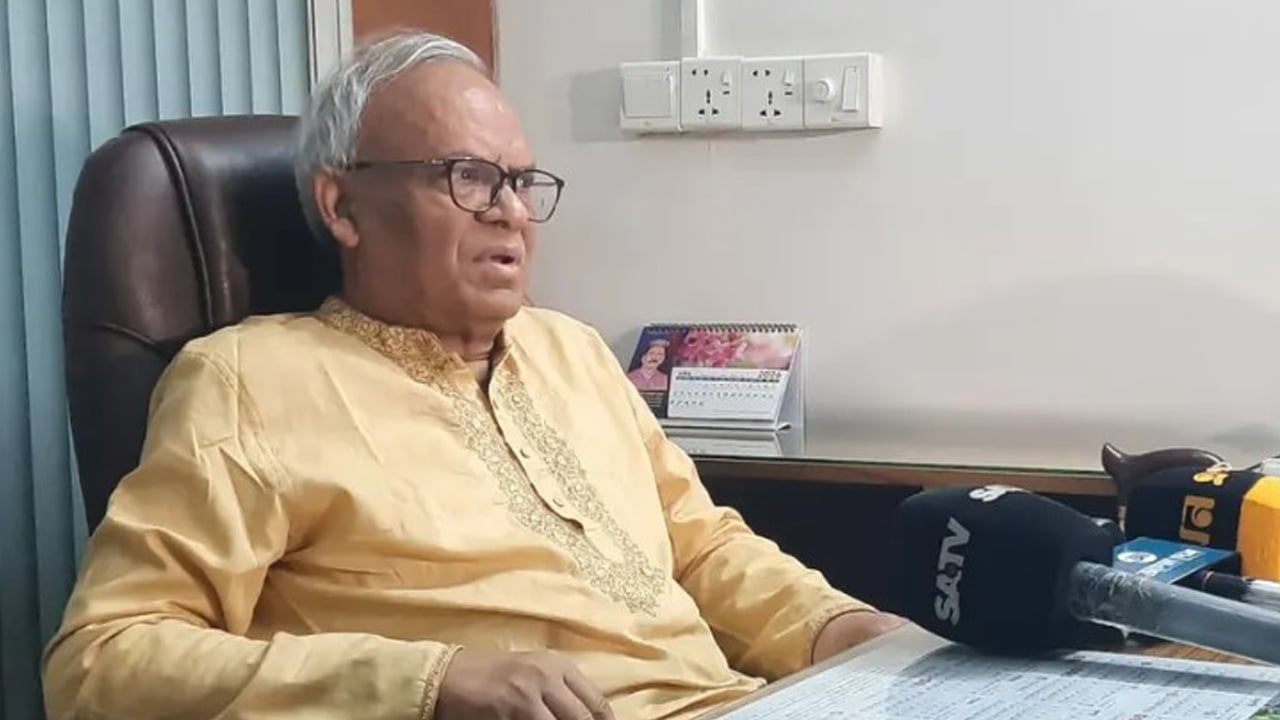
BNP Acting Secretary General Ruhul Kabir Rizvi said the party gives the highest importance to public opinion and voting rights, describing the protection of democratic rights as a BNP commitment. He made the remarks in a message issued Monday ahead of the Bangladesh Nationalist Party’s 48th founding anniversary on Tuesday. Rizvi said BNP was established under the leadership of its founder, the late President Ziaur Rahman, to protect national independence and sovereignty, establish democracy and secure people’s rights. Rizvi described Bangladeshi nationalism and multiparty democracy as BNP’s core ideals, saying Zia’s 19-point programme remains the basis of the party’s political, social, economic and cultural activities. He paid tribute to Zia, former prime minister Khaleda Zia and party activists who made sacrifices for the organisation. He also called on leaders, activists, supporters and the public to remain united under the BNP banner. He said BNP is working to implement electoral commitments on public security, rule of law, justice, human dignity and democratic values. Rizvi said the party aims to address hunger, poverty, unemployment, inequality and social injustice, while ensuring social protection for people across different occupations and groups.
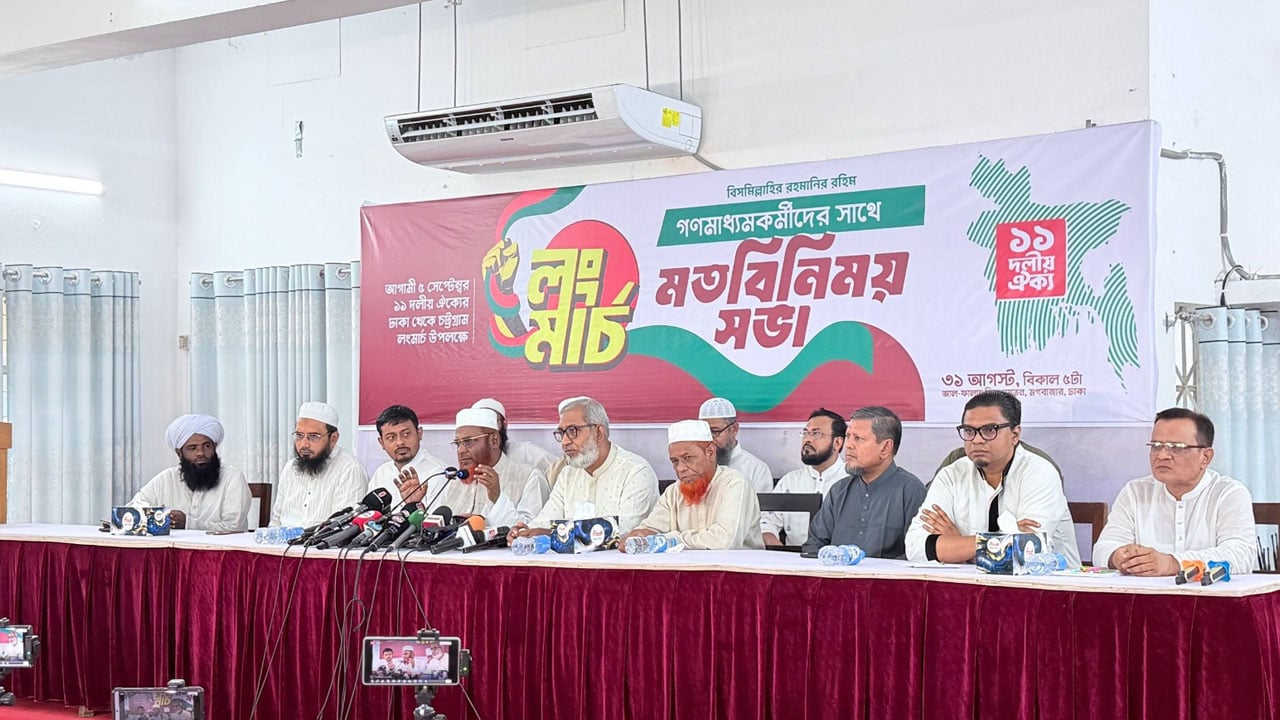
The 11-party alliance said it will hold a Dhaka-Chattogram long march on Saturday over six demands, including implementation of the referendum verdict. At a media briefing in Mogbazar, Dhaka, Jamaat-e-Islami Secretary General Mia Golam Parwar asked the government and relevant authorities to allow the programme to proceed peacefully without obstruction or provocation. He warned that blocking the march would further increase public distrust in the government. Parwar said the government had demonstrated failure through public suffering, deteriorating law and order, and non-implementation of the referendum verdict. The alliance’s demands include justice for the July killings, improved law and order, action against crime, solutions to electricity, fuel and fertiliser shortages, control of rising essential commodity prices, and an end to narrow party-based politicisation across the administration. The march is scheduled to begin after a gathering at Shapla Chattar from 7am to 8am. It will hold roadside meetings at Kachpur, Paduabazar, Mohipal and Mirsarai before a final rally at Laldighi Maidan. Organisers said about 1,000 vehicles would depart from Dhaka and more could join en route.
Bangladesh Bank has issued a circular allowing institutions or groups with outstanding loans of Tk1,000 crore or more to regularise defaulted loans through a 2% down payment. The banking regulator’s Banking Regulation and Policy Department-1 issued the directive on Monday, extending the maximum rescheduling period to 15 years from 10 years and allowing an initial two-year grace period for instalment payments. Applications for special policy support for affected borrowers and financial-system restructuring can be submitted to relevant banks until September 30. Only loans that become defaulted by September 30 will qualify, and banks must settle all applications by December 30. For special restructuring, banks may add up to four years beyond the existing prescribed term. Borrowers previously granted special policy support will also be eligible, with time already used as a grace period counted within the new grace period. Bangladesh Bank cited Middle East war conditions, energy shortages, higher interest costs under market-based rates, and pressure on export-oriented industries. It said the support aligns with an 18-month roadmap to reduce defaulted loans, with policy assistance offered through December 31.
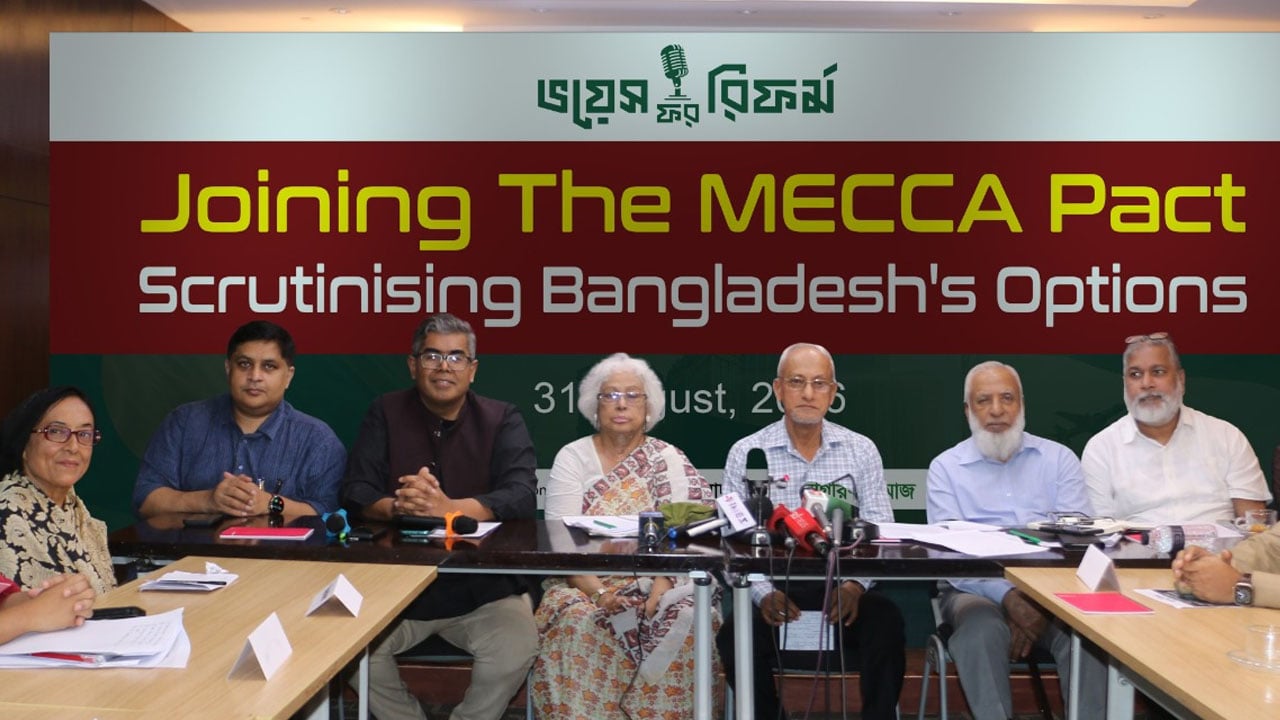
Security experts advised Bangladesh to assess national interests, sovereignty, military capacity and regional diplomatic calculations before deciding on possible membership in the Mecca Defence Pact. The advice came at a discussion organised by Voice for Reform at the BDBL Building in Karwan Bazar, Dhaka, on Monday, August 31. Speakers said membership could create opportunities for stronger defence capabilities, military training, intelligence sharing and procurement of defence equipment. Retired Major General Fazle Elahi Akbar said the arrangement could strengthen equipment supply systems, military industrial capacity and interoperability with member states. He also warned that India could reassess Bangladesh in its military planning and said the future US position was uncertain. Political scientist Dilara Chowdhury described the pact as defensive rather than directed against India, but said Bangladesh should first learn its provisions and see which countries participate. Former diplomat Sakib Ali called for a proper cost-benefit analysis and greater public information, warning against a rushed decision. Other speakers urged broad consultations involving parliament, political parties and experts to build national consensus. Professor Shahab Enam Khan said the pact’s Article 5 framework would not necessarily require automatic military action after an attack on a member, stressing sovereignty and independent military capability.
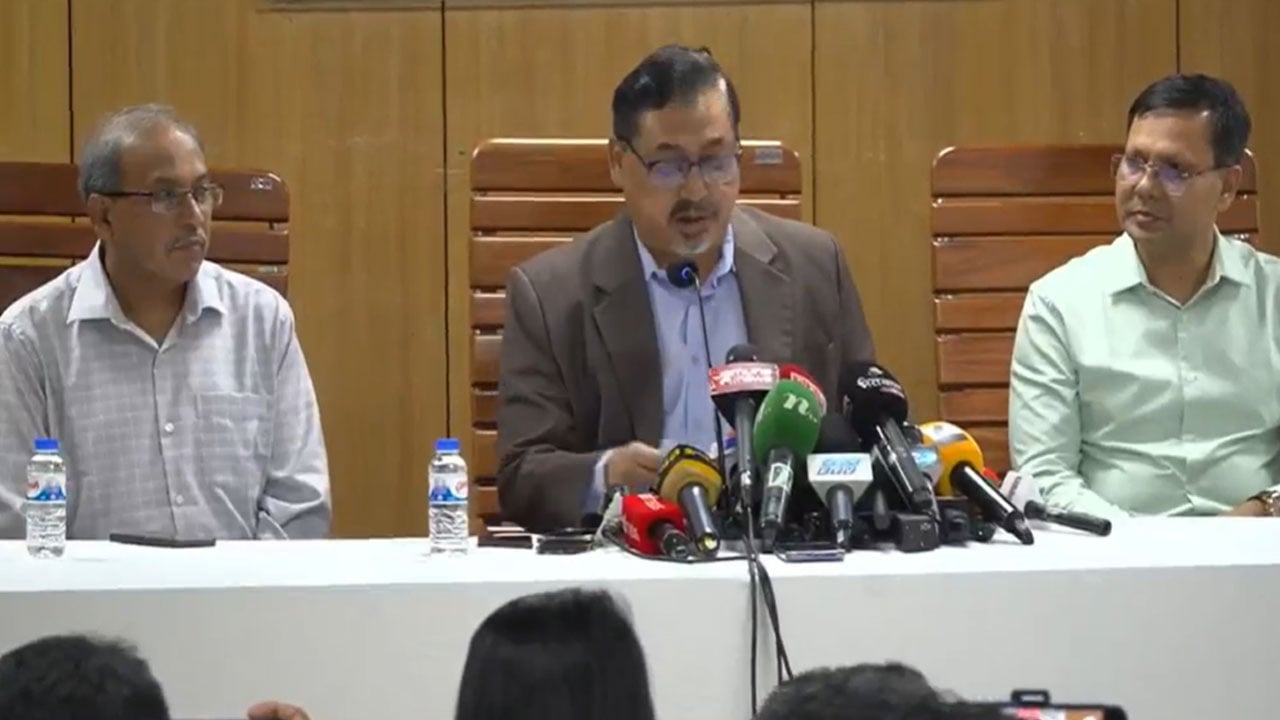
Bangladesh’s cabinet discussed raising salaries for private-sector employees alongside approval of the National Pay Scale 2026, Cabinet Secretary Dr Nasimul Gani said on Monday. He made the remarks while answering journalists’ questions at a press briefing held in the Information Ministry’s PID conference room after a cabinet meeting. Gani said the discussion covered pay increases at private industries and other institutions, but no specific decision was made. He noted that many private-sector institutions increase salaries by 5 or 7 percent annually. Several employers who are members of the cabinet also took part in the discussion. Earlier, the government approved the National Pay Scale 2026 to make government employees’ salaries, allowances and other financial benefits more reasonable and up to date. The new scale retains the existing 20 grades for government employees while revising their basic salaries.
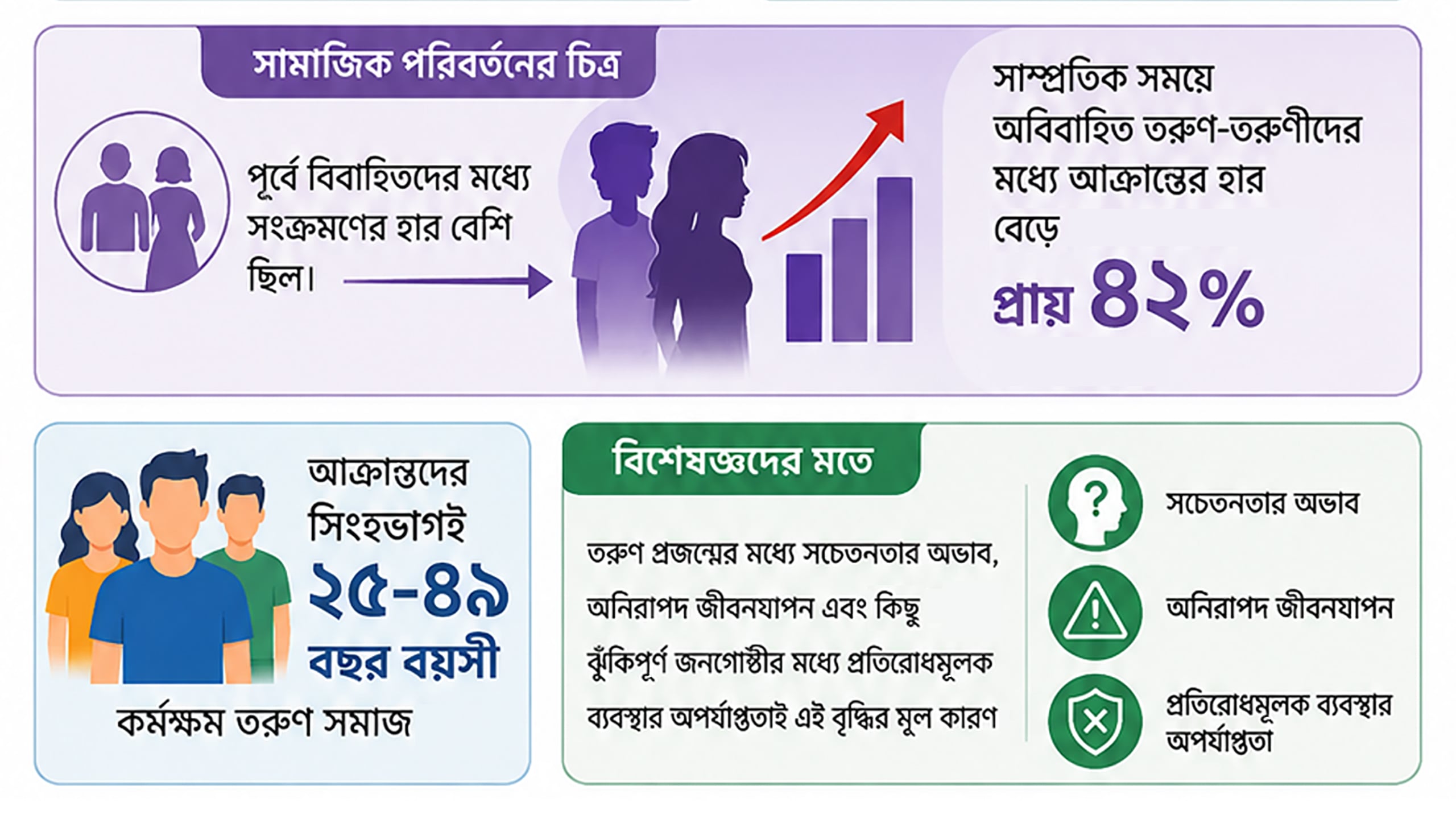
Bangladesh is seeing an alarming rise in HIV/AIDS infections among young and unmarried people, according to recent data from the Directorate General of Health Services’ HIV/STD programme. The source says new patient detections over the past year have exceeded all previous records since the country’s first HIV patient was identified in 1989. A final report expected on World AIDS Day, December 1, could raise the reported total further. An estimated 17,440 people in Bangladesh are living with HIV, while 14,313 patients have so far been identified. The share of infections among unmarried young men and women has recently reached nearly 42 percent, while most affected people are aged 25 to 49. Officials said expanded testing and screening contributed to increased detection, while experts cited insufficient awareness, unsafe practices and inadequate preventive services for certain key populations. About 56 percent of identified patients belong to key populations, with expatriates accounting for 12 percent of new patients and Rohingya people for 11 percent. Bangladesh has adopted the WHO’s 95-95-95 strategy to eliminate AIDS by 2030, but about 74 percent of diagnosed people are receiving regular treatment.
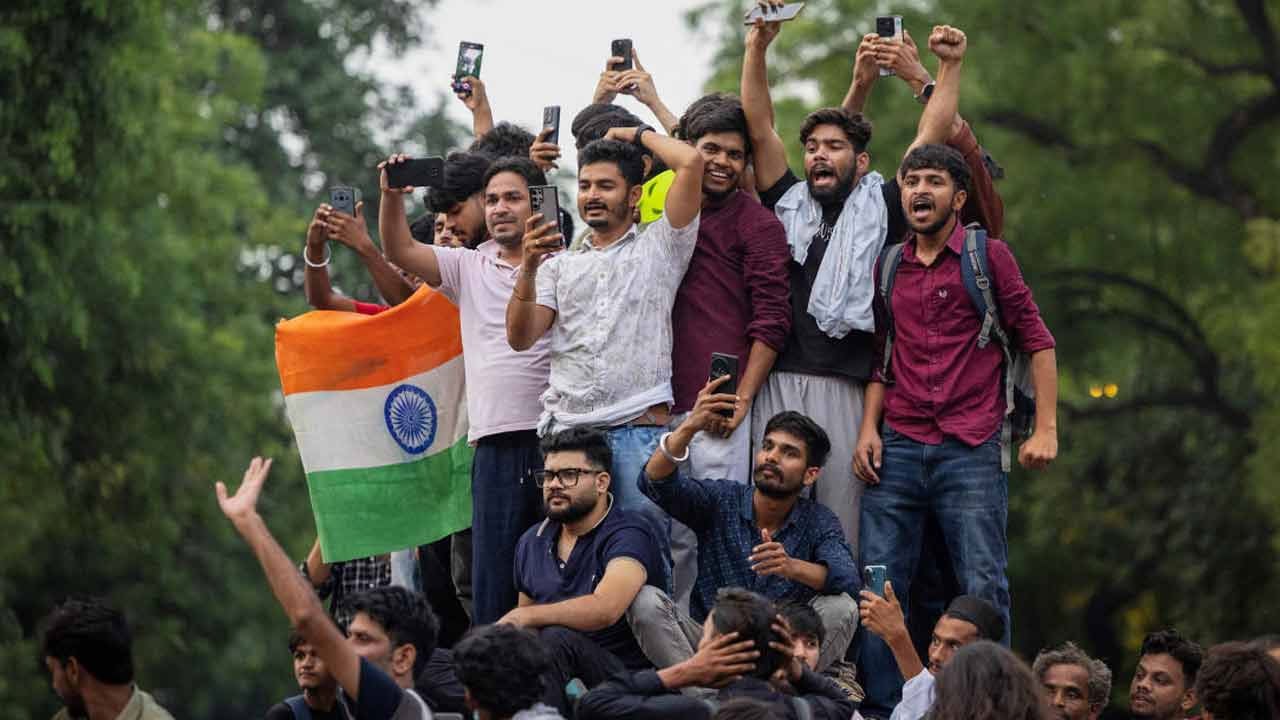
India’s central government filed an application in the Supreme Court on Monday seeking cancellation of FIRs filed against students who joined protests over question-paper leaks. The move comes as the Cockroach Janata Party, or CJP, announced a new protest march for September 5 from India Gate to Delhi Police headquarters, alleging that government promises made when the earlier movement was withdrawn remain unfulfilled. The CJP said the government had pledged to meet three demands but had not implemented them after a month. The demands include compensation for families of students who died by suicide over alleged NEET-related mismanagement, withdrawal of FIRs against protesters, and public apologies from Delhi Police and RAB. The CJP-led protests began in Delhi and spread to Kolkata, Mumbai and other Indian cities. Cases and FIRs were filed against student protesters in Delhi and several states. After nearly a month of demonstrations at Jantar Mantar, Education Minister Dharmendra Pradhan resigned on July 25. The Supreme Court declined to intervene in a petition seeking to stop Saturday’s march, saying deterioration of law and order could not be assumed now.
A two-day training programme titled “Chemical Incident Preparedness for Hospitals (HOSPREP)” was held to strengthen government hospitals’ ability to treat people injured or affected by chemical accidents. The training took place on August 30 and 31 for doctors and nurses from government hospitals located near chemical industrial areas, according to an ISPR press release issued Monday. The programme was organised under the supervision of the Bangladesh National Authority for Chemical Weapons Convention and the Armed Forces Division, with Dhaka Combined Military Hospital managing the event. A total of 76 participants, including specialist doctors, nurses and Health Ministry officials involved in hospital medical management, attended the training. Sessions covered hospital emergency management plans for chemical incidents, decontamination procedures for people exposed to chemical substances, and clinical management of affected patients. The training also emphasised preventing secondary contamination of doctors, nurses and other health workers while treating people affected by chemical accidents.
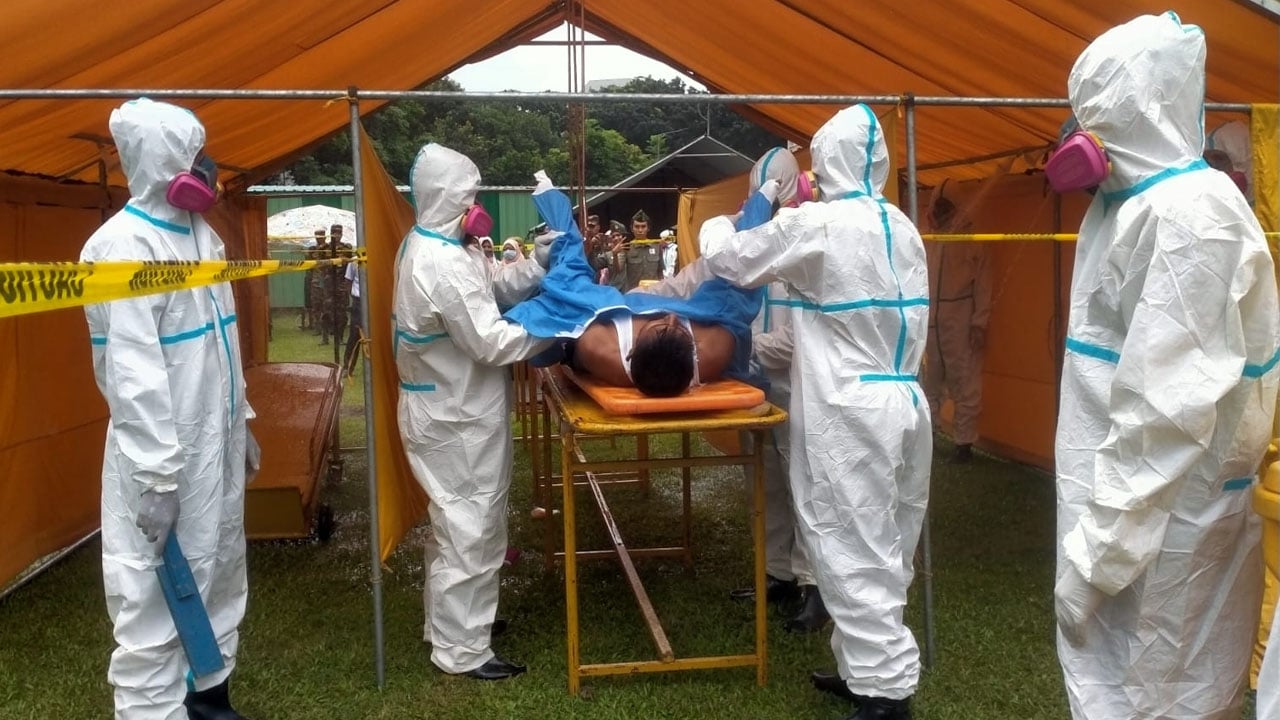
The government has formed a high-level committee comprising representatives of 24 agencies to address traffic congestion in greater Dhaka and coordinate related work. The state minister for Railways Ministry and the Road Transport and Highways Division will chair the committee, while the executive director of the Dhaka Transport Coordination Authority will serve as member secretary. The Road Transport and Highways Division issued a notification on Monday. The committee is tasked with identifying the causes of congestion by overcoming coordination gaps and preparing short- and long-term action plans. Its members include senior officials from transport, rail, power, environment, water, housing and urban planning bodies, alongside the Dhaka Metropolitan Police commissioner and mayors or administrators of Dhaka North, Dhaka South, Narayanganj and Gazipur city corporations. Its nine-point mandate includes prioritising current transport-sector problems, improving cooperation among agencies, and recommending upgrades and modernisation of public transport. It will also recommend modern traffic management and technology use, strengthen public awareness and traffic-law campaigns, consult experts and stakeholders, and regularly evaluate and monitor initiatives. Meetings will be held at 9:30am on the first Sunday of every month, or on the next working day if it is a public holiday.
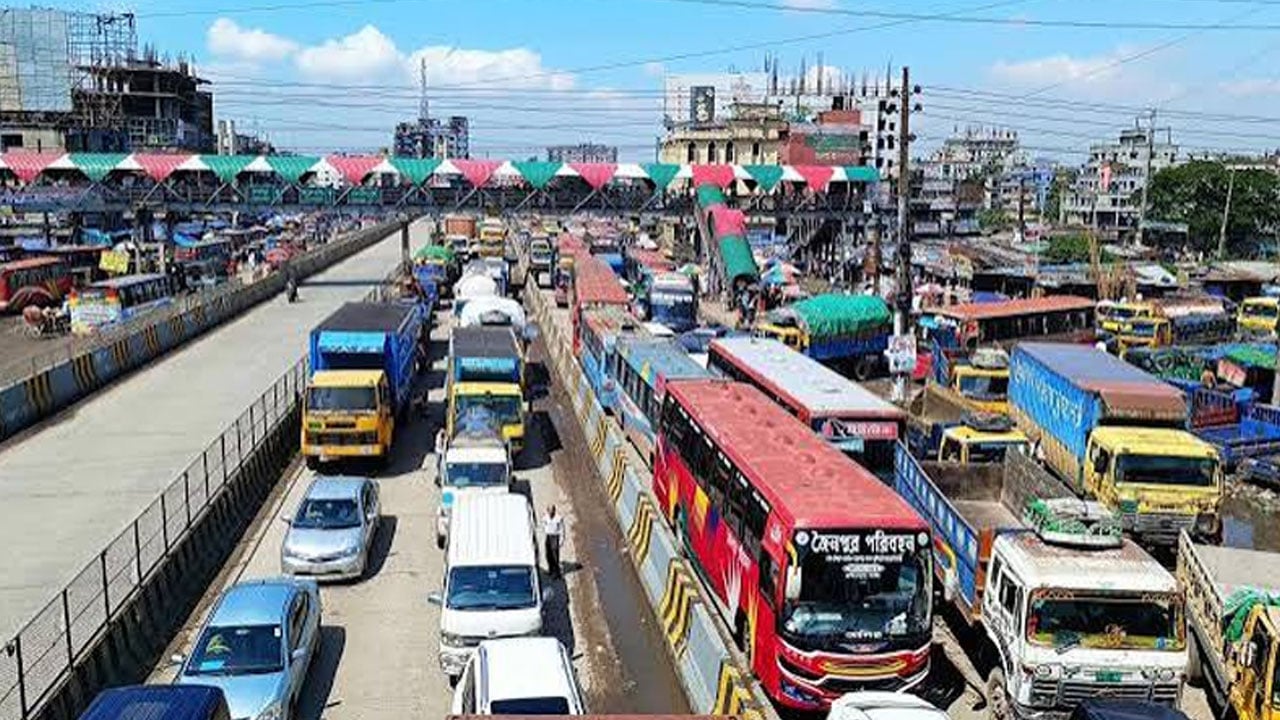
Bangladesh’s government has decided to introduce a disability allowance for the first time for children with special needs of republic employees. The benefit was approved under the National Pay Scale 2026 at a cabinet meeting held on Monday, according to a Finance Ministry press release. Under the decision, government employees will be entitled to a monthly allowance of Tk 3,000 for each child with special needs. The ministry said the new benefit is specifically intended for the special-needs children of employees of the republic. The National Pay Scale 2026 is scheduled to be implemented for government employees in phases from 1 July 2026. The government said it will roll out the scale gradually over the 2026-27 and 2027-28 fiscal years, taking into account its financial implications and the overall effect on inflation.
The government has approved the proposed National Pay Scale 2026 for public employees at a cabinet meeting held at the Secretariat on Monday. Compared with the 2015 national pay scale, starting basic salaries for grades 1 through 11 will rise by 100 percent, while increases for grades 12 through 20 range from 115 percent to a maximum of 142 percent. The government said it will implement the scale in phases over the 2026-27 and 2027-28 fiscal years rather than all at once, citing financial effects and inflation. Employees in grades 10 to 20 will receive priority. Basic pay will be implemented in three stages between July 1, 2026 and July 1, 2027, while allowances will take effect together from January 1, 2028. Grade 1 basic pay will increase from Tk78,000 to Tk156,000. Grade 10 will rise from Tk16,000 to Tk32,000, and grade 11 from Tk12,500 to Tk25,000. At the lower end, grade 20 basic pay is proposed to rise from Tk8,250 to Tk20,000, the highest percentage increase under the new scale.
BNP Chairman and Prime Minister Tarique Rahman said the BNP government is working relentlessly to establish Bangladesh as a welfare-oriented, democratic and self-reliant state. In a message issued Monday ahead of the Bangladesh Nationalist Party’s 48th founding anniversary on Tuesday, he said party leaders, workers, supporters and well-wishers would continue serving the country while preserving public trust and confidence. Rahman said BNP was founded in 1978 by former president Ziaur Rahman at Ramna in Dhaka, describing its establishment as a landmark in restoring democracy. He paid tribute to Ziaur Rahman and former prime minister and BNP chairperson Khaleda Zia, saying Khaleda Zia’s leadership helped take the party into households across Bangladesh. He said BNP had worked with the public to protect independence, sovereignty, democracy and good governance, while remembering party members who were killed or injured in such struggles. Rahman also said BNP had received mandates whenever voters could cast ballots freely, and cited the restoration of parliamentary democracy and expansion of women’s education among initiatives taken during BNP governments.
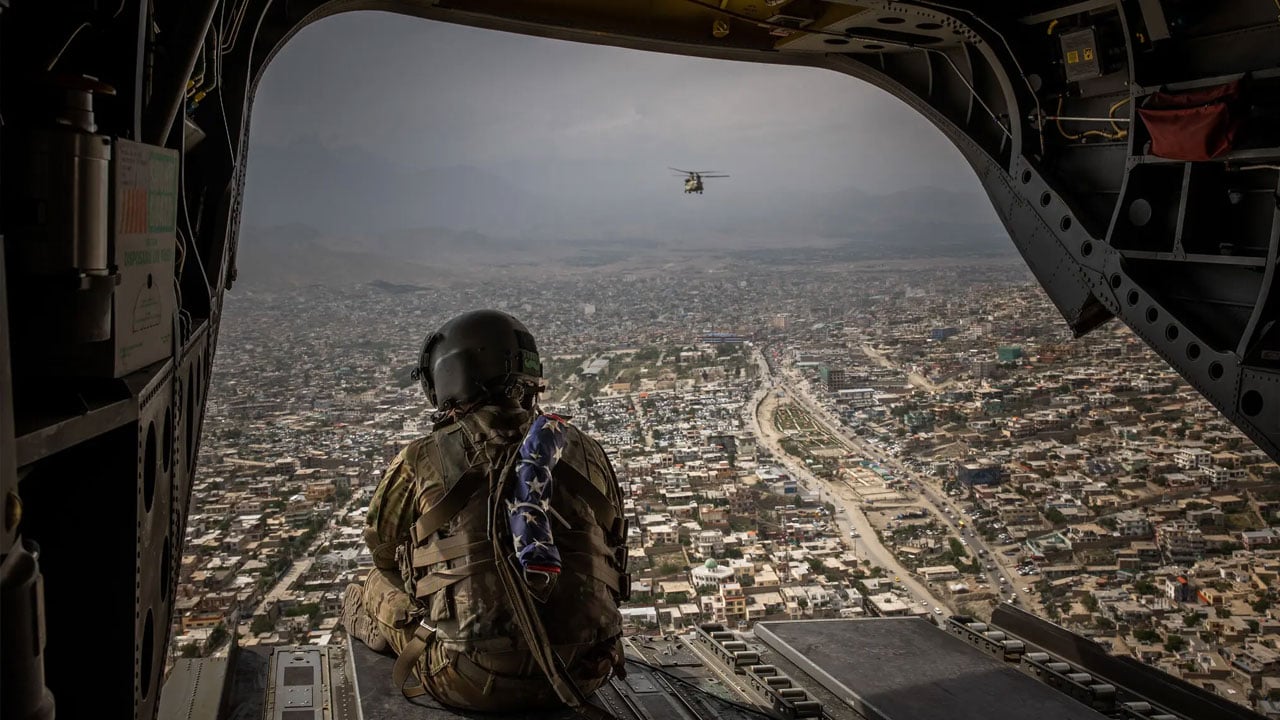
The article examines why the United States struggled to end its nearly two-decade war in Afghanistan and argues that similar pressures may shape its newer conflict with Iran. Five years after the chaotic conclusion of the Afghan war, the source says fears that withdrawal would turn Afghanistan into a terrorist haven or launchpad for attacks on the United States have not materialized. It describes President Donald Trump as giving mixed signals on whether to leave the Iran conflict or continue it. After Osama bin Laden was killed in May 2011 and al-Qaeda had been weakened, withdrawal was seen as a major opportunity. Yet US leaders and the Pentagon cited concerns about American credibility, obligations to Afghan partners and the meaning of sacrifices by dead and wounded troops. Analyst Andrew R. Hoehn described many recent US wars as policing an empire rather than existential struggles. Iran closed the Strait of Hormuz in response to US attacks, and General Dan Caine said bombs and missiles alone might not defeat Iran or fully reopen the waterway. The administration is pursuing a naval blockade of Iranian exports and sanctions, while officials now discuss pressure lasting months or longer. Defense Secretary Pete Hegseth said the blockade could continue indefinitely.
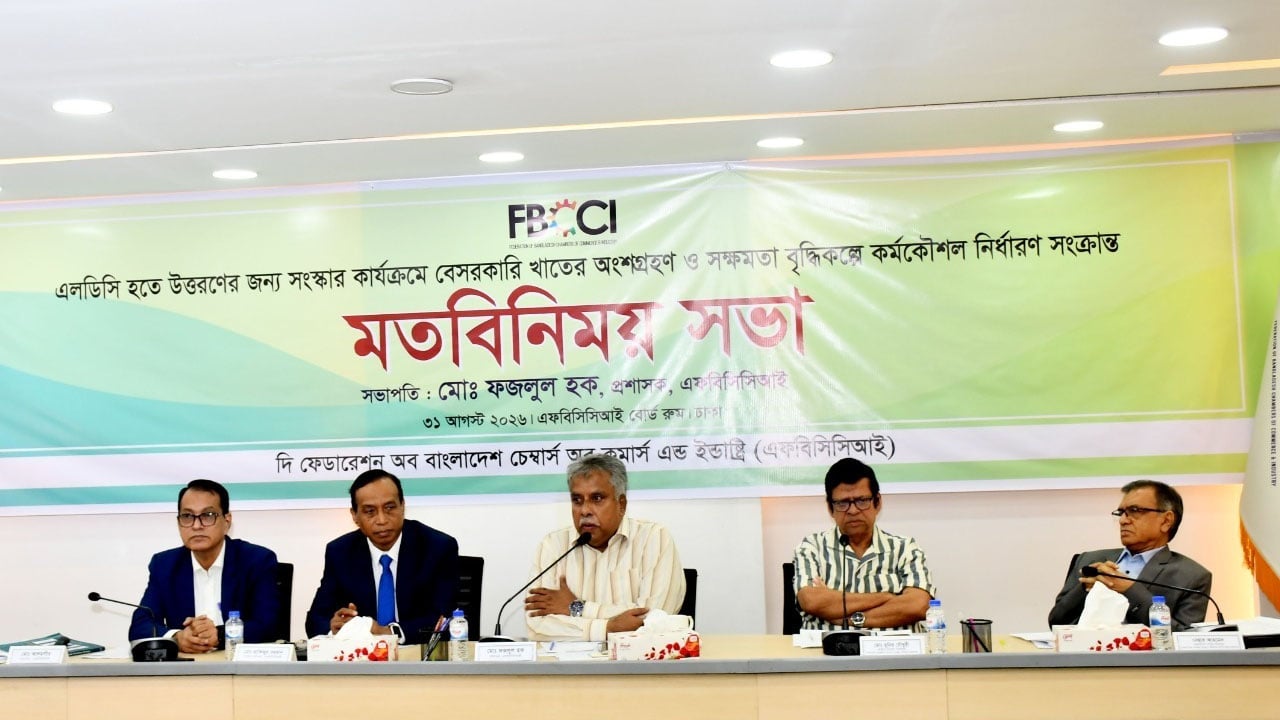
Business leaders in Bangladesh have called for specific sector-based action plans to ensure a sustainable and stable transition from least developed country status. The proposals emerged at an FBCCI consultation on Monday at its boardroom in Motijheel, Dhaka, chaired by administrator Md Fazlul Hoque. Participants highlighted the needs of SMEs, agriculture, pharmaceuticals and other industries, stressing proper implementation and regular monitoring alongside strategy formulation. Entrepreneurs urged stronger local business capacity, skills development, research, innovation, technology use, easier financing, logistics support and reliable energy supplies. An FBCCI report said Bangladesh could lose duty-free GSP and EBA facilities in Europe after graduation, while intellectual-property rules could become stricter for pharmaceuticals and other industries. Speakers said plans should be realistic and based on field-level data identifying sector priorities. Participants also sought stronger negotiation capacity, full operation of the National Single Window, and rapid public-private action plans for plastics, light engineering and small industries. District chambers and sector associations were asked to submit written proposals to FBCCI, which said it would analyze them and present them to policymakers. Fazlul Hoque said the additional three years available should be used effectively to strengthen private-sector competitiveness.
The ‘1 Nojor’ media platform is now live in beta, inviting users to explore and provide feedback as we continue to refine the experience.