

The ‘1 Nojor’ media platform is now live in beta, inviting users to explore and provide feedback as we continue to refine the experience.
A massive winter storm named 'Winter Storm Fern' is forecast to strike large parts of the United States this week, potentially affecting around 170 million people with heavy snowfall, power outages, and travel disruptions. The storm is expected to stretch from Texas through the Mid-Atlantic to the northeastern states, bringing freezing air that could push temperatures far below zero in several regions. Cities including Memphis, Nashville, Washington D.C., Baltimore, Philadelphia, and New York may be blanketed in snow, with some areas possibly experiencing temperatures as low as 40 degrees Celsius below freezing. The Rocky Mountain states are expected to see significant snowfall by Friday, with meteorologists predicting accumulations exceeding 12 inches in some locations. Virginia and Maryland are projected to be among the hardest-hit states. Emergency declarations have already been issued in several states, including Texas, North Carolina, and South Carolina, as authorities prepare for the storm’s severe impact.

An ordinance to establish 'Dhaka Central University' by merging seven government colleges in the capital has been approved by the advisory council. The decision was communicated on Thursday afternoon by Education Adviser Professor Chowdhury Rafiqul Abrar, who personally informed students over the phone. Around 2 p.m., students gathered in front of Dhaka College erupted in celebration upon hearing the news, chanting slogans in support of the new university. The move follows years of unrest since the seven colleges were affiliated with Dhaka University in 2017 without prior preparation, leading to prolonged academic and administrative challenges. The colleges involved are Dhaka College, Eden Mohila College, Begum Badrunnesa Mohila College, Shaheed Suhrawardy College, Kabi Nazrul College, Government Bangla College, and Titumir College. Students from these institutions had long been demanding an independent, autonomous university. With the advisory council’s approval, the government’s decision marks the end of a long-standing student movement and paves the way for the creation of a unified public university in Dhaka.

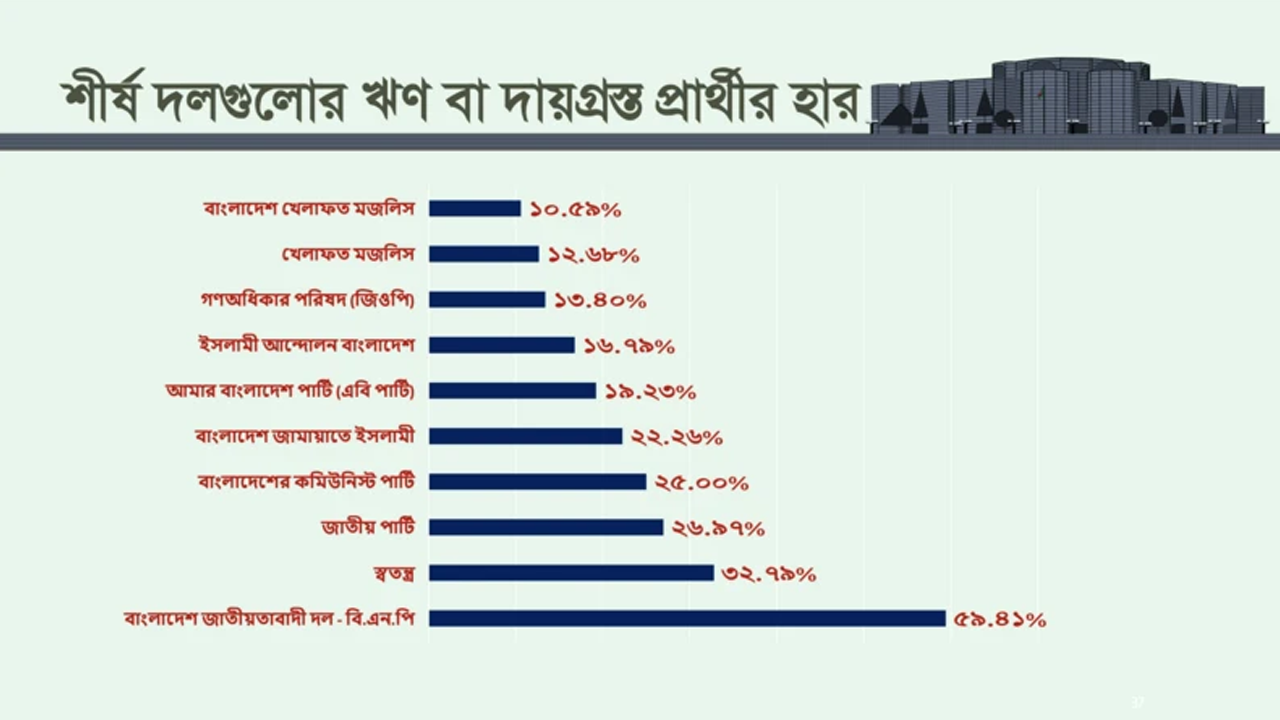
Transparency International Bangladesh (TIB) has reported that 59.41 percent of the Bangladesh Nationalist Party (BNP) candidates in the upcoming 2026 national election are indebted. The findings were released on Thursday at a press conference presenting TIB’s report titled “Candidate Profiles in Affidavits 2026.” The analysis, based on candidates’ affidavits, shows that the total amount of debt among candidates is the highest compared to the last four elections since 2008. Although the percentage of indebted candidates has decreased, the total debt now stands at nearly 1.9 trillion taka, up from over 1.74 trillion taka in the 2024 election. Among the ten most indebted candidates, eight are from the BNP and two are independents. The highest individual debt exceeds 315.5 billion taka, belonging to an independent candidate from Brahmanbaria, followed by four BNP candidates each with debts exceeding 10 billion taka. TIB’s analysis also found that BNP leads in the number of millionaire candidates, with 71.86 percent of its nominees classified as millionaires based on declared assets.
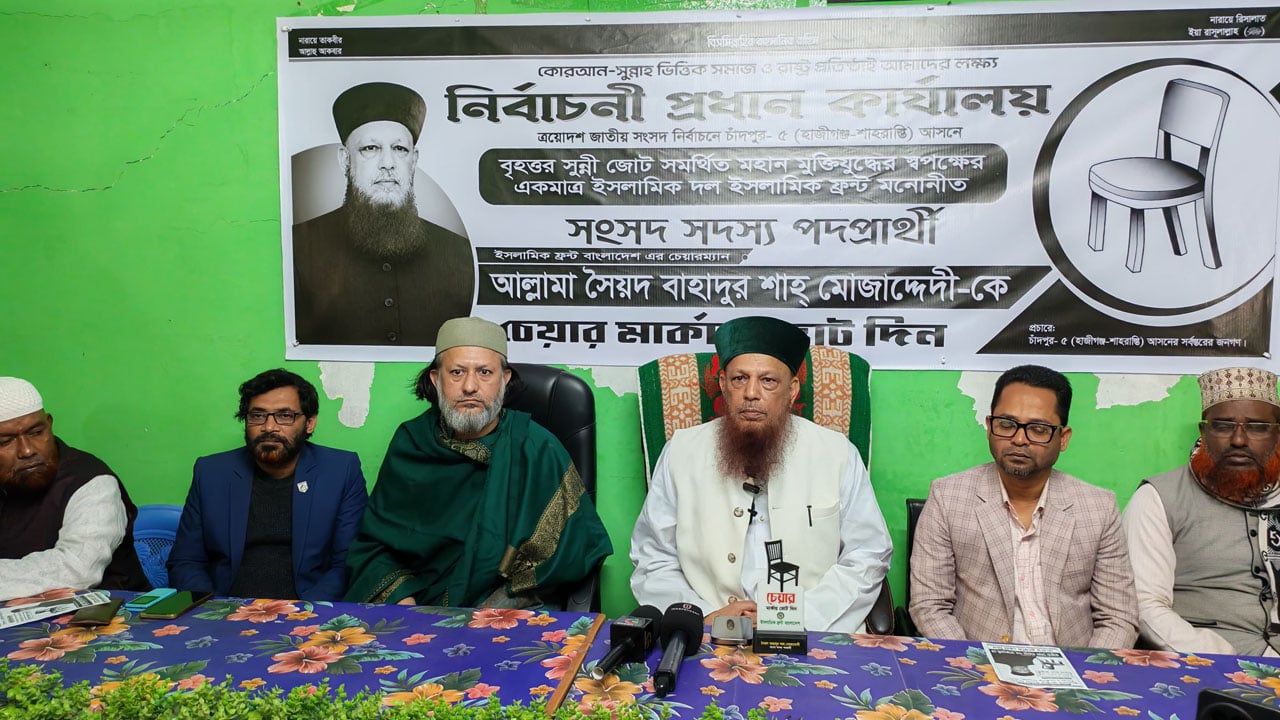
Syed Bahadur Shah Mozaddedi, chairman of Islami Front Bangladesh and candidate of the largest Sunni Alliance, called for a 'No' vote while campaigning in Chandpur-5 constituency. On Thursday, he began his election campaign by visiting the shrine of his father, Pir Syed Abed Shah Mozaddedi, and holding a discussion with local journalists in Hajiganj. During the meeting, he urged voters to reject the proposed changes in the upcoming referendum. Mozaddedi stated that the phrase invoking Allah’s trust and the word 'Bismillah' had been removed from the July charter, which he said was part of the 1971 Constitution. He argued that a 'Yes' vote would distort that original constitution. He called on citizens to vote for the Sunni Alliance’s 'chair' symbol in the election and to cast a 'No' vote in the referendum to protect the country and Islam. The meeting was attended by local journalists and several leaders of Islami Front Bangladesh and the broader Sunni Alliance, including central and upazila-level representatives.
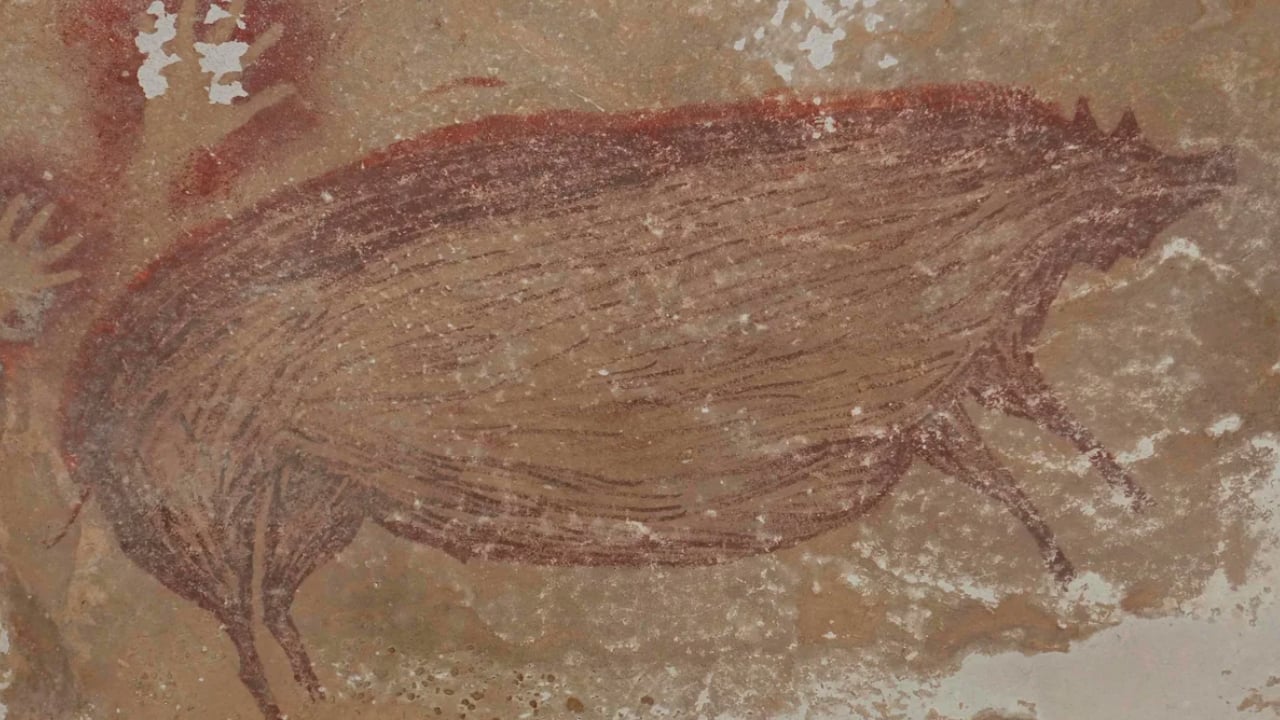
Archaeologists have identified a red hand stencil on a cave wall in Indonesia as the world’s oldest known cave painting. The discovery, published in the journal Nature, was made by Indonesian and Australian researchers who determined the artwork to be at least 67,800 years old. The team, led by Indonesia’s Adhi Agus Oktaviana and Australia’s Maxime Aubert, conducted fieldwork on Muna Island in Sulawesi province, using uranium-thorium dating on small limestone deposits known as “cave popcorn.” The study found that the handprints were created by blowing pigment over hands pressed against the cave wall, leaving a clear silhouette. The painting predates similar Neanderthal-associated hand stencils in Spain by about a thousand years, though the Spanish dating remains disputed. Researchers also discovered that the caves were reused for painting over tens of thousands of years, with newer images drawn atop older ones. According to the study, the finding provides new insight into how early Homo sapiens reached Australia, supporting theories that modern humans were present in Indonesian islands around 65,000 years ago and possibly linked to the ancestors of Indigenous Australians.
Dr. Md. Rifat Zia Hossain, an oncologist at Bangladesh Medical University, has emphasized the importance of regular screening and vaccination to prevent cervical cancer among Bangladeshi women. In an article published on January 22, 2026, he described how many women, like Maleka Begum, delay seeking medical help due to shame, fear, and lack of awareness, allowing the disease to progress silently. Cervical cancer remains one of the most common cancers among women in Bangladesh, primarily caused by the human papillomavirus (HPV), which often infects without early symptoms. The article highlights that in Bangladeshi society, discussions about women’s reproductive health are often taboo, leading to neglect of early warning signs such as abnormal bleeding or pelvic pain. Health experts cited in the piece identify regular screening through VIA or Pap smear tests as the most effective defense. Although free VIA testing is available at government facilities, many women remain unaware of it. Vaccination against HPV during adolescence can significantly reduce future risk. The author concludes that awareness, regular health checkups, and vaccination are essential steps to protect women’s lives and prevent avoidable suffering.

Danish Prime Minister Mette Frederiksen stated that only Denmark and Greenland can decide on matters concerning their relationship, rejecting any discussion on sovereignty. Her statement came a day after US President Donald Trump expressed a desire to begin immediate talks on acquiring ownership of Greenland. Frederiksen emphasized that while Denmark is open to political discussions on security, investment, and economics, sovereignty is not negotiable. She noted that Arctic security is a concern for the entire NATO alliance and that discussions between NATO’s Secretary General and the US President are both natural and appropriate. The prime minister added that Denmark has long worked to strengthen its engagement with the Arctic for NATO’s benefit and maintains regular dialogue with both Greenland’s government and NATO. Frederiksen further said Denmark seeks constructive dialogue with allies to enhance Arctic security, including cooperation with the United States’ Golden Dome initiative, provided that such efforts respect Denmark’s territorial integrity.

Dr. Sheikh Sadiul Islam, Assistant Professor of Spine Surgery at the National Orthopedic Hospital in Dhaka, explained that tennis elbow is a degenerative tendon disorder causing pain on the outer side of the elbow. The condition results from repeated strain or pressure on the tendon where forearm muscles attach to the elbow. Although named after the sport, most patients are not tennis players. People aged 35 to 55, regardless of gender, are commonly affected. The article identifies risk groups including racket players, frequent computer mouse users, and workers who repeatedly use tools such as hammers or screwdrivers. Interestingly, politicians who engage in frequent handshakes may also develop the condition. Symptoms include pain when gripping, lifting, or shaking hands, sometimes radiating to the wrist. Most cases improve with rest, ice, pain medication, and supportive straps. Preventive measures include taking breaks during repetitive tasks, maintaining proper posture during computer use, and performing forearm stretching and strengthening exercises. The author emphasizes that prevention and early medical consultation are key to recovery.

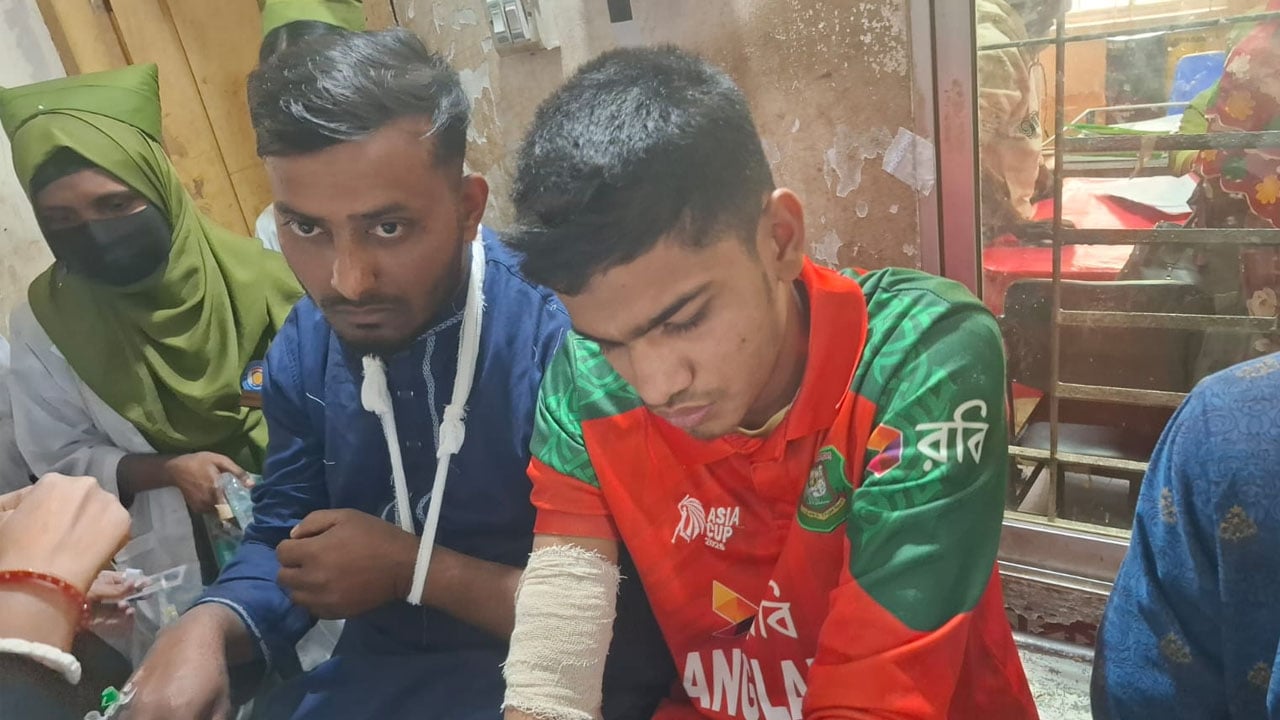
A clash broke out between activists of the BNP and Jamaat in Bhabaniganj, Lakshmipur, on Thursday morning over the placement of election festoons. The incident occurred at the Rifugi Market area of Bhabaniganj Union under Sadar upazila, leaving four people injured. The injured were identified as BNP’s former organizing secretary Md. Shahajan, Jamaat’s ward activist Firoz Alam, Islami Chhatra Shibir ward secretary Yasin Arafat Tahsin, and finance secretary Md. Sohag Hossain. According to Jamaat activist Firoz Alam, the conflict began when BNP workers allegedly obstructed them while putting up festoons of Dr. Rezaul Karim. He claimed that later BNP activist Shahajan attacked them with sticks. However, BNP’s Shahajan stated that Jamaat activists attacked him after he tried to stop them from placing festoons in front of the BNP office. Other BNP leaders, including Kamal Hossain and district Jubo Dal president Abdul Ali Humayun, alleged that Jamaat members assaulted Shahajan, who is mentally unstable. Lakshmipur Sadar Police Station Officer-in-Charge Wahid Parvez said police were sent to the scene and that action would be taken following investigation.
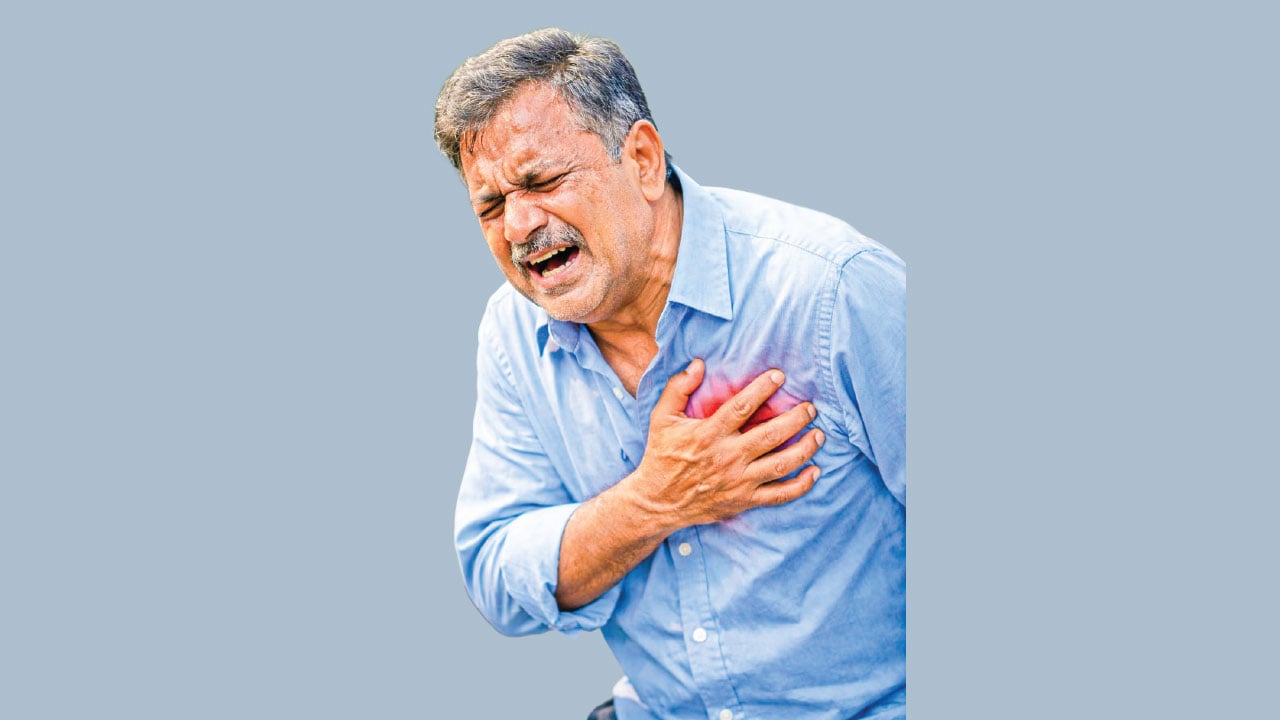
A 53-year-old neurosurgeon from Nagpur, India, Dr. Chandrashekhar Pakhmode, died suddenly of a severe heart attack early Wednesday at his home. He was rushed to a hospital but was declared dead by attending doctors. Colleagues and family said he was physically fit, exercised regularly, and had recently undergone medical tests showing normal blood pressure, sugar, and ECG results. His unexpected death has shocked the medical community and raised new concerns about hidden cardiac risks. Cardiology experts explained that ECG tests mainly assess the heart’s electrical activity but may not detect silent risks such as arterial plaque or blockages. They noted that chronic stress, irregular sleep, and heavy workloads can significantly increase the risk of sudden cardiac events, especially among professionals in high-pressure fields like medicine. Specialists advised that individuals should not rely solely on normal test results but undergo comprehensive cardiac screening based on age and risk factors. Regular medical consultation, stress management, and advanced diagnostic tests may be essential for true heart health protection.
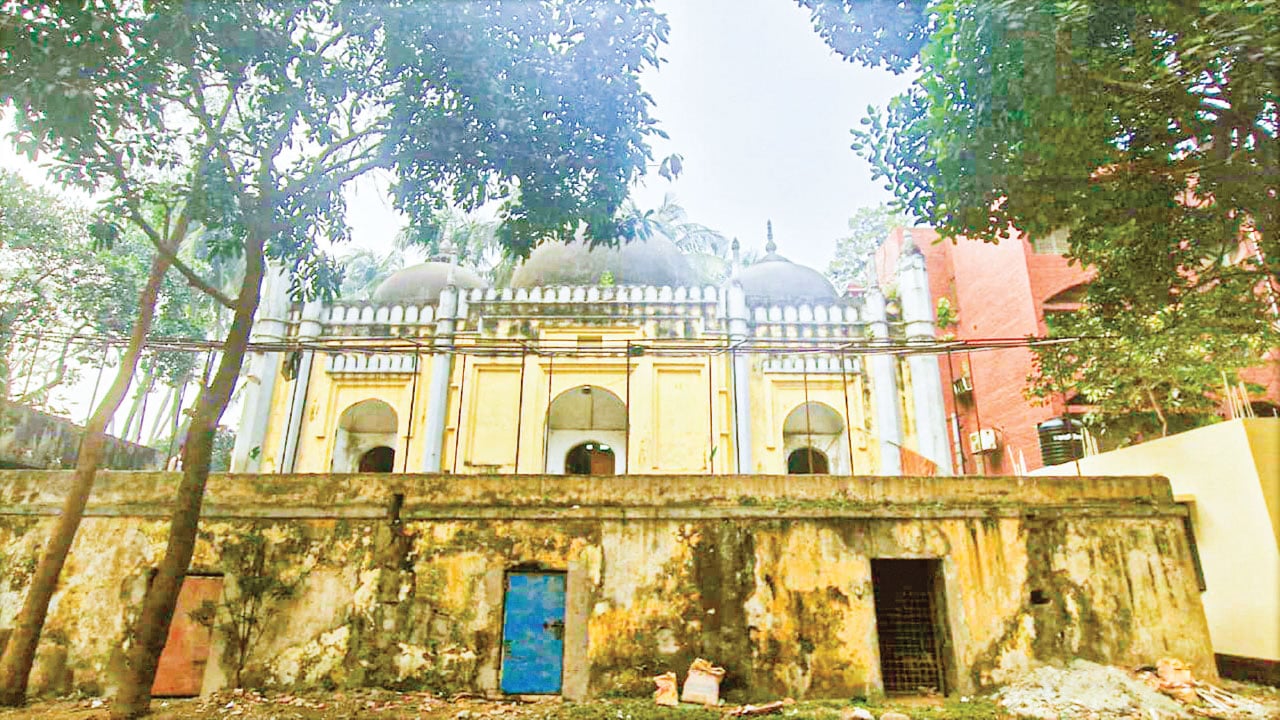
The Musa Khan Mosque, located within Dhaka University’s Shahidullah Hall area, is one of the earliest examples of a residential madrasa-mosque built in the Mughal period. The structure, believed to have been constructed in the late 17th century under Shaista Khan’s architectural style, features an upper floor for prayer and teaching and a lower level once used as student dormitories. Historians differ on whether it was built by Musa Khan, the son of Isa Khan and a leader of the Baro Bhuiyans, or by his son Monowar Khan. The mosque’s design includes three domes, arched entrances, and corner minarets, reflecting Shaistakhani architecture similar to the nearby Khwaja Shahbaz Mosque. Once surrounded by boundary walls, the site is now hemmed in by modern buildings that block natural light. Despite being under the Department of Archaeology’s care, the mosque suffers from dampness, peeling plaster, and structural decay. The adjacent grave of Musa Khan, a key figure in Bengal’s anti-Mughal resistance, remains neglected and unmarked. The report calls for urgent restoration to preserve this significant monument of Dhaka’s early educational and architectural heritage.
Tokyo Electric Power Company (TEPCO) suspended the restart of the Kashiwazaki-Kariwa nuclear power plant in Japan’s Niigata Prefecture just hours after operations began late Wednesday. The company confirmed Thursday that the reactor remains stable and poses no radioactive risk. The restart followed final approval from Japan’s nuclear regulator, marking the first TEPCO-operated plant to resume since the 2011 Fukushima disaster. TEPCO spokesperson Takashi Kobayashi said an alarm in the monitoring system triggered the precautionary shutdown, and the cause is under investigation. Earlier in the week, the restart had already been delayed due to a technical fault that TEPCO claims has since been resolved. Only one of the plant’s seven reactors was being restarted. Local opposition remains strong, with about 60 percent of Niigata residents reportedly against the restart. Seven civic groups recently submitted a petition with around 40,000 signatures to TEPCO and regulators, citing earthquake risks and past damage to the facility. Japan is seeking to reduce energy imports and achieve carbon neutrality by 2050 through renewed use of nuclear power.

Dr. Mohar Ali’s article discusses archaeological and linguistic evidence indicating that Arab Muslims settled in parts of Bengal, particularly Chattogram and Noakhali, long before the Muslim political conquest of the region. The study highlights the heavy Arabic influence in the local dialects, where nearly half of the Chattogram vocabulary is derived from Arabic. This linguistic and cultural integration, according to historians, points to long-term Arab presence rather than brief trade interactions. The article references historical records showing that by the 16th century, Chattogram was a prosperous port city inhabited by wealthy Arab, Persian, and Abyssinian Muslim merchants. It also cites early Islamic preachers and Sufi saints believed to have arrived in Bengal before the 15th century, some possibly by sea. Historical texts such as Minhajuddin Siraj’s “Tabaqat-i-Nasiri” further suggest that Muslim traders and missionaries were familiar figures in Bengal before Bakhtiyar Khilji’s conquest. These findings collectively indicate that Arab Muslim traders and preachers established early settlements in coastal Bengal, leaving lasting linguistic and cultural imprints that predated formal Muslim rule.

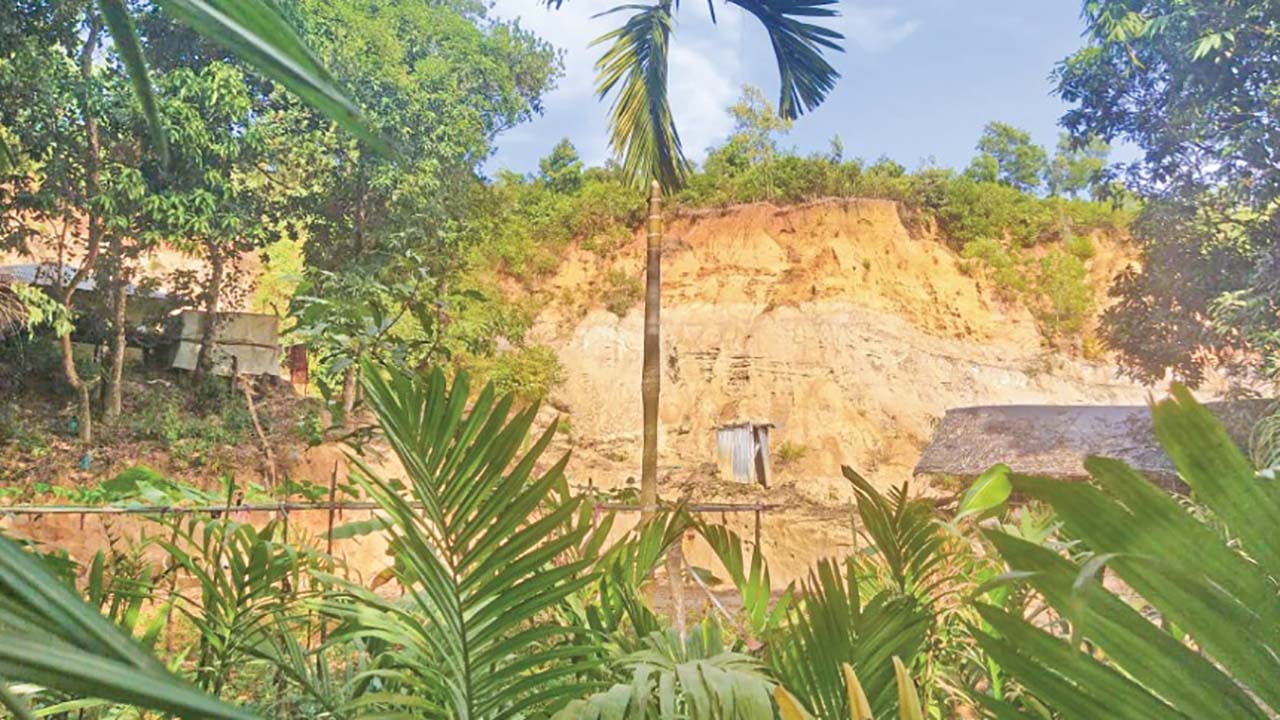
A large-scale forest destruction is reportedly taking place in the Inani Range of Ukhia under the Cox’s Bazar South Forest Division. Local sources allege that forest officials, in collaboration with a land-grabbing syndicate, are involved in illegal hill cutting, tree felling, and forest land sales. The syndicate, allegedly led by Range Officer Firoz Al-Amin, has been active for three years, while higher authorities remain silent despite being aware of the situation. Reports indicate that in areas such as Monkhali, Rajapalong, Jaliapalong, and Choyankhali, trees are being cut and sold, hills leveled, and new houses built on forest land. At least four workers have died during hill cutting, and two elephants have been killed due to deforestation. Locals claim that officials are profiting from illegal land sales and construction, while some officers remain inactive despite witnessing irregularities. Range Officer Firoz Al-Amin denied direct involvement, stating that minor irregularities occurred alongside development work. The divisional forest officer Abdullah Al-Mamun said an investigation would be launched, and action taken if evidence of involvement is found.
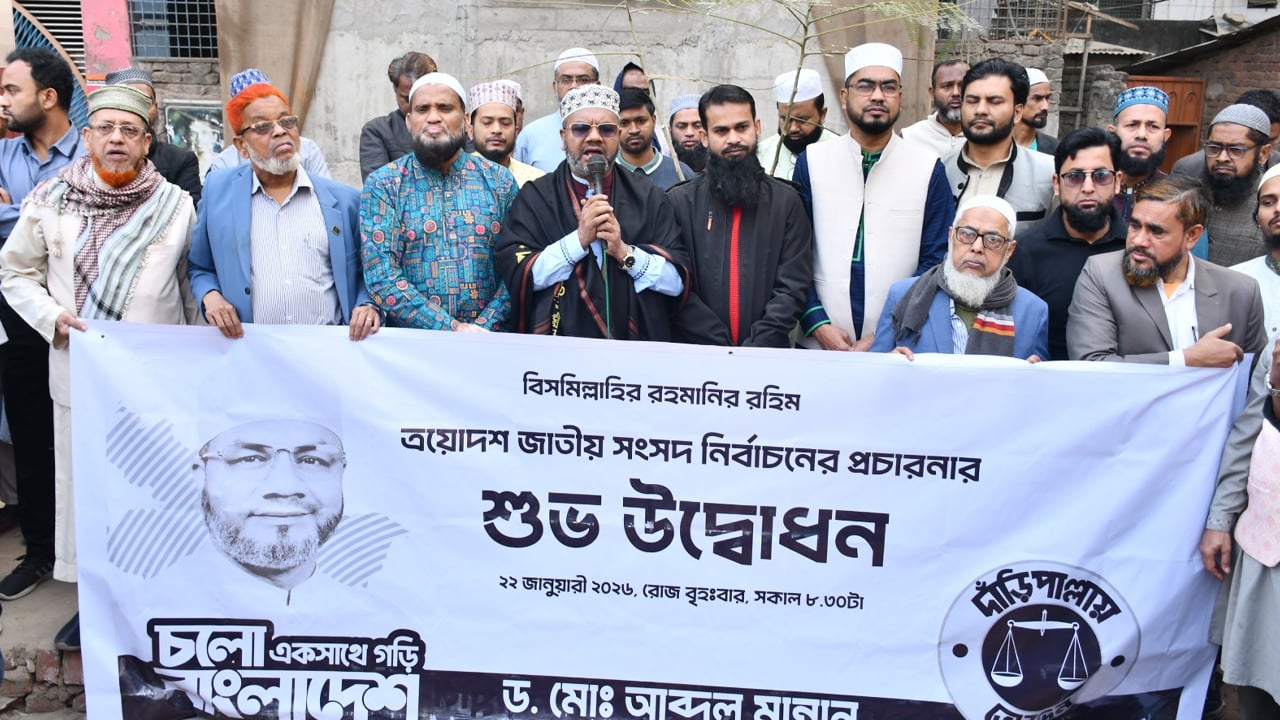
Dr. Abdul Mannan, the Jamaat-e-Islami–nominated and 10-party–backed candidate for the Dhaka-6 constituency, formally began his election campaign on Thursday morning by visiting the graves of martyrs of the July uprising at Jurain Cemetery. During the visit, he offered prayers for the martyrs, including Sharif Osman Hadi, and pledged to work for justice and equality in Bangladesh. Mannan stated that the people of Old Dhaka have long been deprived of their rights and promised to address chronic issues such as traffic congestion and gas shortages if elected. He emphasized building an equitable Bangladesh inspired by the spirit of the July uprising. The event was attended by relatives of the martyrs, including Sheikh Jamal Hasan and Shahriar Khan Palash, as well as local Jamaat-e-Islami leaders and residents. Following the cemetery visit, Mannan conducted public outreach in various areas of the constituency as part of his campaign activities.
The ‘1 Nojor’ media platform is now live in beta, inviting users to explore and provide feedback as we continue to refine the experience.